
Data retrieval is the process of finding and returning specific data from a storage system in response to a query or request. It is distinct from data access (permission to reach data) and data extraction (pulling data out for use elsewhere). In enterprise environments, effective data retrieval depends on choosing the right method—SQL, API, NoSQL, search index, or ETL pipeline—and optimizing for performance, security, and governance.
This guide defines data retrieval, explains how the process works, compares common methods with examples, covers performance factors and challenges, and shows how FineDataLink supports governed enterprise data retrieval at scale.
What Is Data Retrieval?
Data retrieval is the act of locating and returning requested data from a database, file system, API, or other storage layer. It answers the question: "Given a specific need, where is the relevant data and how do I get it back?"
Understanding data retrieval requires distinguishing it from related terms that are often conflated:
Data retrieval is a subset of data access. You can have access without retrieving (permissions granted but no query executed), and retrieval always implies access was first authorized. Extraction and integration are downstream processes that may use retrieval as one step within a larger workflow.
How the Data Retrieval Process Works
Regardless of method, data retrieval follows a consistent logical sequence:
- Request formulation. A user or application specifies what data is needed, expressed as a query, API call, search term, or pipeline trigger.
- Access validation. The system checks whether the requester has permission to access the requested data. Unauthorized requests are rejected before any processing occurs.
- Query parsing and optimization. The system interprets the request, generates an execution plan, and selects the most efficient path to locate matching data (using indexes, partitions, cached results, etc.).
- Data location and fetch. The system reads from storage—disk, memory, cache, or remote service—and assembles the result set.
- Result formatting and return. Data is transformed into the expected output format (table rows, JSON, documents) and delivered to the requester.
- Logging and auditing. The retrieval event is recorded for compliance, performance monitoring, and troubleshooting.
In enterprise environments, steps 2 and 6 are as critical as steps 3–5. Ungoverned retrieval—where anyone can pull anything without audit trails—creates security, compliance, and data quality risks that outweigh the benefits of fast access.
Common Data Retrieval Methods
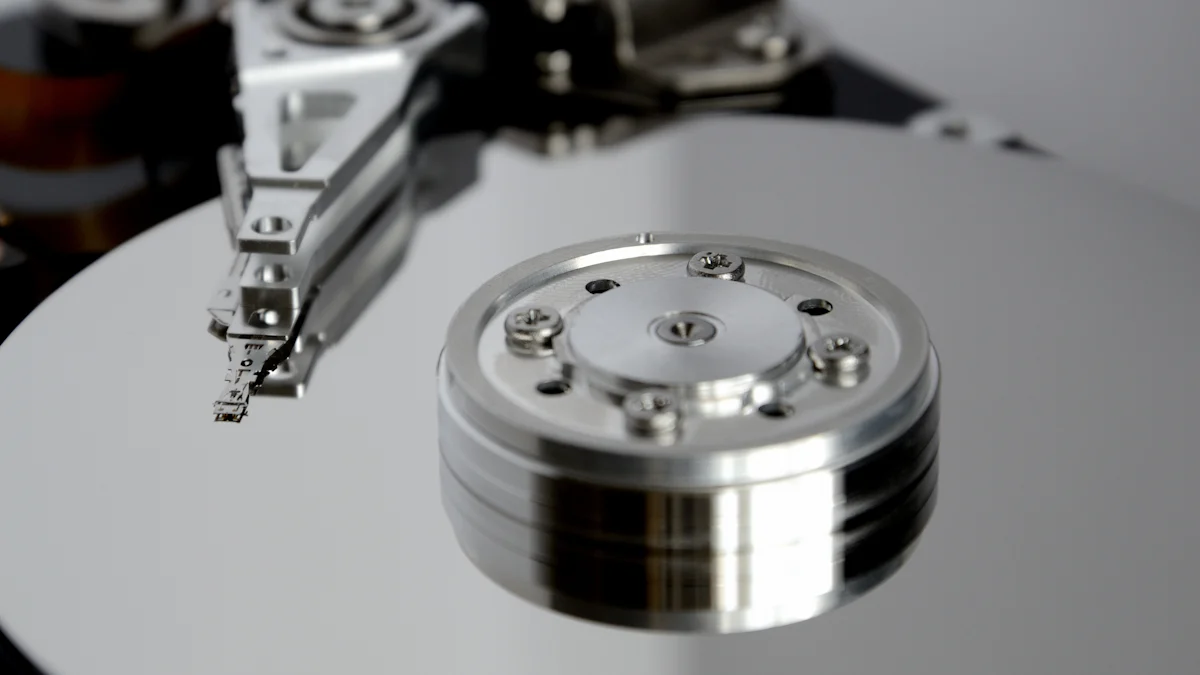
Different data types, sources, and use cases require different retrieval approaches. No single method is universally optimal.
SQL Queries
SQL remains the dominant retrieval method for structured data in relational databases (PostgreSQL, MySQL, SQL Server, Oracle). Its strength is precise, declarative querying: you specify what you want, not how to find it. Joins, aggregations, window functions, and subqueries enable complex analytical retrieval in a single statement.
Performance depends on indexing strategy, query design, and database tuning. Poorly written SQL against large tables is the most common cause of slow enterprise data retrieval.
APIs
APIs are the primary retrieval method for SaaS platforms (CRM, ecommerce, marketing automation) and microservices. They provide controlled, versioned access to data without exposing underlying storage. REST and GraphQL are the most common protocols.
API retrieval introduces considerations absent in direct database queries: rate limits, pagination, authentication tokens, response format parsing, and latency. Enterprise data integration platforms like FineDataLink abstract these complexities by wrapping API calls into visual pipeline steps with built-in retry, pagination, and error handling.
NoSQL Queries
NoSQL databases (MongoDB, Cassandra, DynamoDB, Redis) serve retrieval needs that relational databases handle poorly: semi-structured documents, time-series events, graph relationships, and high-throughput key-value lookups. Query languages vary by database type and are generally less standardized than SQL.
NoSQL retrieval excels at flexibility and horizontal scalability but trades off ad-hoc analytical querying. Complex joins and aggregations often require application-level logic or pre-computed materialized views.
Search Indexes
Search engines (Elasticsearch, OpenSearch, Solr) specialize in full-text retrieval, fuzzy matching, and relevance-ranked results across large document collections. They complement transactional databases by enabling natural-language and keyword-based retrieval that SQL cannot efficiently express.
Search indexes require separate ingestion pipelines and index management. They are ideal for log analysis, document search, and product catalog retrieval but are not substitutes for transactional data access.
ETL/ELT Pipelines
ETL/ELT pipelines automate repeated data retrieval, transformation, and loading across systems. Unlike ad-hoc queries, pipelines provide scheduled, governed, auditable data movement suitable for enterprise analytics, reporting, and AI preparation.
FineDataLink enables low-code pipeline construction connecting databases, APIs, cloud platforms, and on-premises systems. Pipelines handle incremental sync, change data capture (CDC), data validation, and error recovery—capabilities that manual queries or scripts cannot sustain at scale.
Data Retrieval Examples
Concrete examples clarify when each method applies:
The pattern is clear: method selection follows from data structure, latency requirements, access frequency, and governance needs—not from tool preference alone.
Performance optimization is iterative. Profile actual queries under production load before investing in infrastructure changes. Most retrieval slowness stems from query design and indexing—not hardware.
Data Retrieval Challenges
Enterprise data retrieval faces challenges beyond raw performance:
Addressing these challenges requires treating data retrieval as a governed capability, not just a technical operation. Technology enables retrieval; governance ensures it is safe, compliant, and reliable.
Best Practical Applications of Enterprise Data Retrieval

Data retrieval plays a vital role in various real-world scenarios. You can see its impact across different sectors, enhancing efficiency and decision-making.
Real-World Scenarios
Examples in Business
In the business world, data retrieval helps you make informed decisions. Companies use data to analyze customer behavior, track sales trends, and optimize operations. For instance, a retail business might retrieve sales data to identify popular products and adjust inventory accordingly.
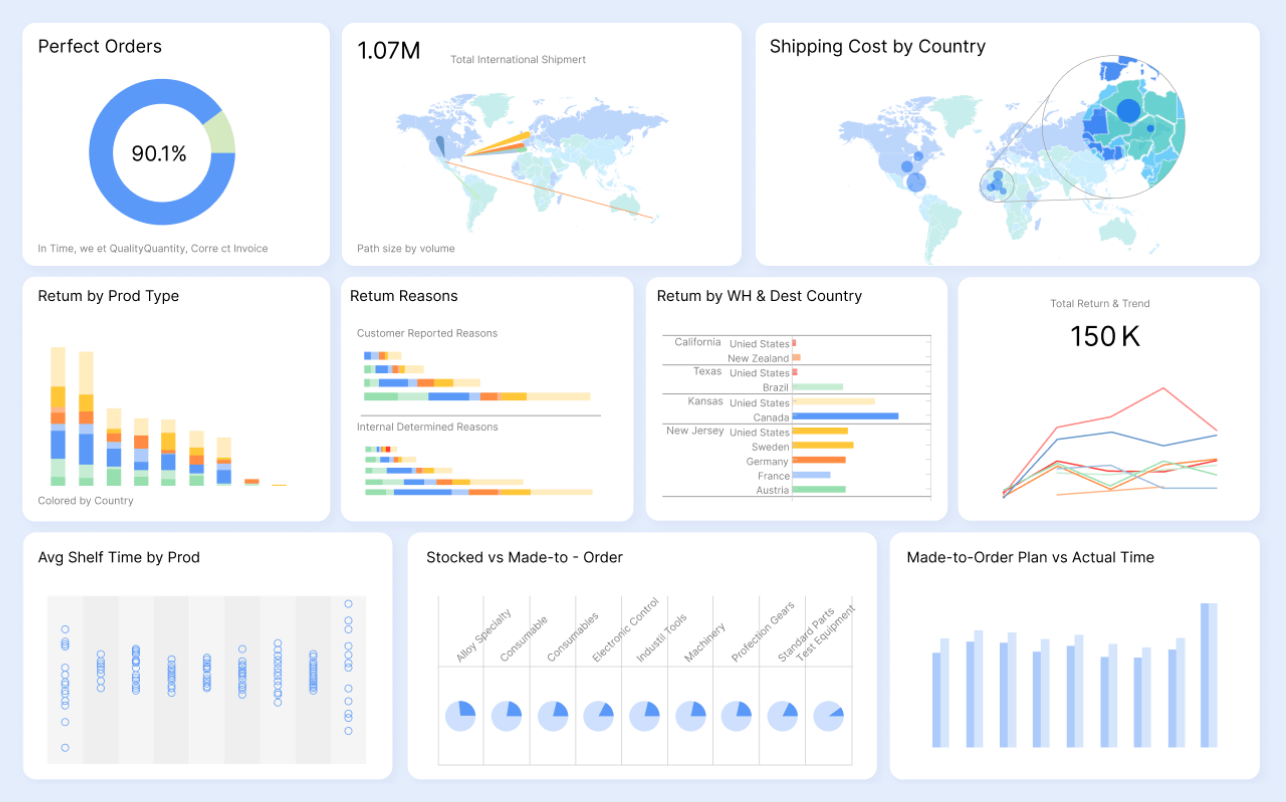
Download the template for free>>
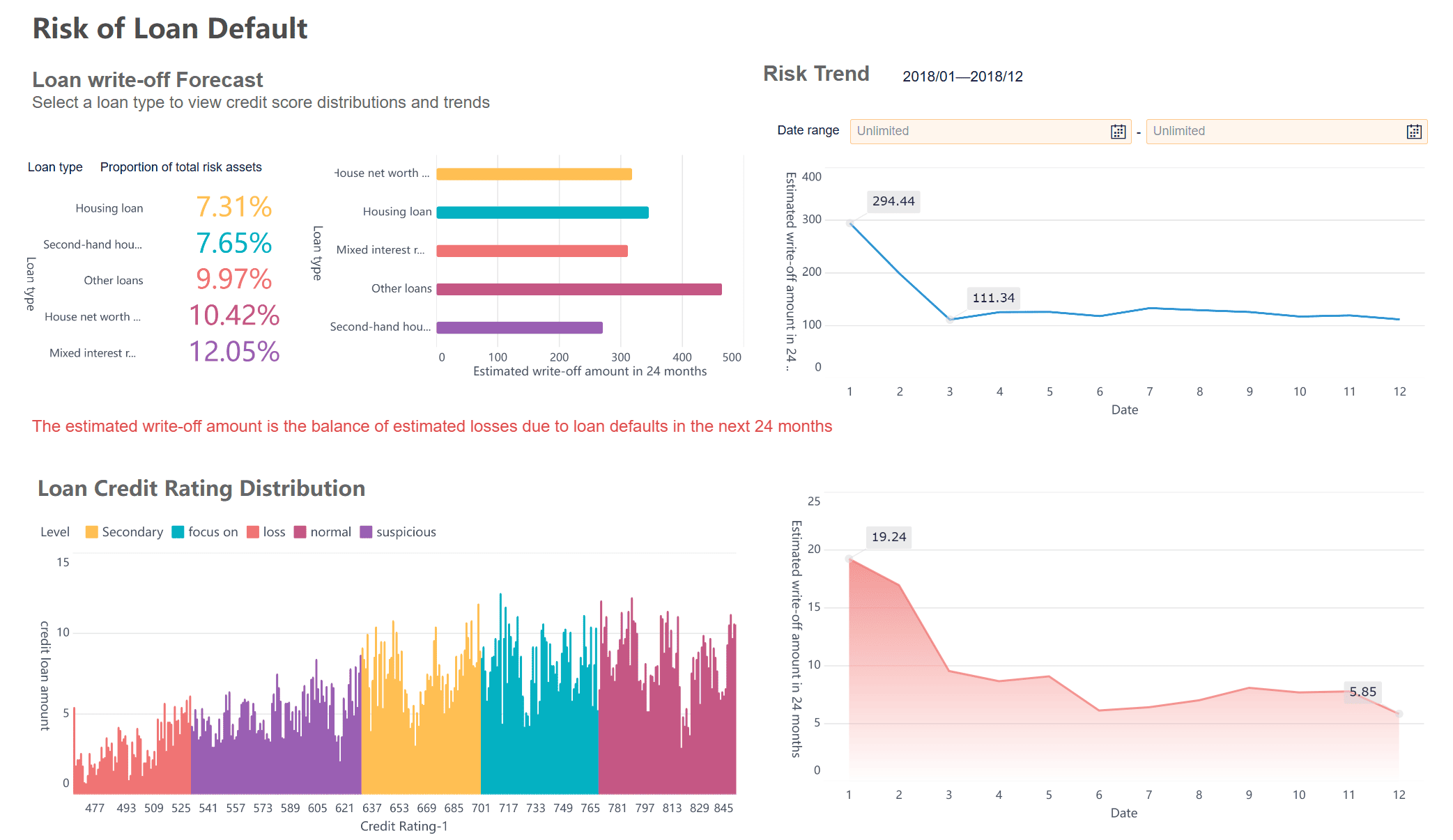
By accessing this information, you can improve customer satisfaction and increase profits. Additionally, financial institutions rely on data retrieval to assess risks and manage investments, ensuring sound financial strategies.
Examples in Technology
In the technology sector, data retrieval supports innovation and development. Tech companies use data to enhance product features and improve user experiences. For example, a software company might retrieve user feedback data to refine its applications. By understanding user needs, you can create more effective solutions. Moreover, data retrieval aids in cybersecurity by identifying potential threats and vulnerabilities, helping you protect sensitive information.
Data retrieval is essential for accessing information in everyday technology. You interact with data retrieval systems daily, often without realizing it.
Data Retrieval in Everyday Technology
In your daily life, data retrieval enables you to access information quickly and efficiently. Search engines like Google use advanced algorithms to retrieve relevant web pages based on your queries. This process allows you to find information on any topic within seconds. Similarly, streaming services like Netflix use data retrieval to recommend shows and movies based on your viewing history. By leveraging data retrieval, these platforms provide personalized experiences that cater to your preferences.
Moreover, artificial intelligence (AI) is reshaping information retrieval systems. AI technologies enhance the accuracy and speed of data retrieval, making it easier for you to access information. AI-driven systems can analyze vast amounts of data, providing insights that were previously unattainable. As AI continues to evolve, it will further optimize information retrieval processes, ensuring fairness, transparency, and user trust.
How FineDataLink Supports Enterprise Data Retrieval
FineDataLink helps enterprises retrieve, synchronize, and integrate data from databases, APIs, ERP, CRM, spreadsheets, and cloud systems. Instead of relying on manual exports or isolated queries, teams can build governed ETL/ELT workflows, keep data updated, and prepare trusted data for analytics, reporting, and AI use cases.
Key capabilities for enterprise data retrieval include:
- Multi-source connectivity. Native connectors for relational databases, NoSQL stores, REST/SOAP APIs, cloud warehouses, SaaS platforms, and flat files. Single platform replaces fragmented scripts and point-to-point integrations.
- Visual pipeline builder. Low-code drag-and-drop interface for designing retrieval, transformation, and loading workflows. Reduces dependency on custom code and accelerates delivery.
- Real-time and batch sync. Support for both scheduled batch retrieval and CDC-based real-time synchronization. Match refresh frequency to business need.
- Built-in data quality. Validation rules, profiling, and anomaly detection embedded in pipelines. Catch issues at retrieval time, not downstream.
- Governance and auditability. Lineage tracking, execution logging, and error alerting provide visibility into every retrieval operation. Support compliance and troubleshooting.
- Error handling and recovery. Automatic retry, checkpointing, and dead-letter queues prevent silent failures. Failed retrievals are visible and recoverable.
- Scalable execution. Distributed processing handles growing data volumes without proportional operational overhead.
Explore FineDataLink for enterprise data integration and retrieval workflows →
From Data Retrieval to AI Data Agent
Data retrieval gives teams access to the right information. Dora helps business users ask follow-up questions, summarize changes, and act on insights based on governed and retrievable enterprise data. The better the retrieval, access control, and data quality foundation, the more reliable Dora's answers become.

Dora operates on top of data prepared by governed retrieval pipelines. When FineDataLink ensures data is current, consistent, and accessible, Dora can reliably answer natural-language questions, detect anomalous metric movements, and generate role-based briefings grounded in actual business data. Without trustworthy retrieval underneath, AI-assisted analysis produces confident-sounding but unreliable outputs.
The sequence matters: governed retrieval first, trusted datasets second, AI-assisted analysis third.
Learn more about Dora →