DevOps as a Service gives you a cloud-based solution that automates and streamlines software development and operations. Many organizations now choose this approach to increase efficiency and agility. You can see how popular devops has become:
- By 2025, over 78% of organizations worldwide are expected to use DevOps practices.
- About 90% of Fortune 500 companies are adopting these methods.
- Today, 80% of organizations already practice DevOps.
Switching from traditional models to managed platforms brings clear benefits for your business. The table below compares key aspects:
Choosing the right platform is crucial. FineReport helps you make the most of your data, supporting digital transformation with advanced reporting and analytics.
DevOps as a Service Overview

What is DevOps as a Service
You may wonder what sets devops as a service apart from traditional approaches. At its core, devops as a service delivers devops practices through a cloud-based or on-demand model. Instead of building everything in-house, you use ready-to-go devops toolchains and platforms managed by external experts. This approach lets you focus on your core business while specialists handle code integration, testing, delivery, and infrastructure automation.
Here is how leading technology research organizations define devops as a service:
This model brings the benefits of devops to your organization without the need for heavy investment in infrastructure or specialized staff. You gain access to the latest tools and best practices, all delivered through the cloud.
FineReport fits seamlessly into this environment. You can integrate FineReport with devops platforms to enhance your reporting and analytics. This integration helps you visualize data from multiple sources, track project progress, and make informed decisions faster.
How DevOps as a Service Works
Devops as a service works by combining automation, cloud-native tools, and expert workflows. You start by assessing your current state and defining your goals. Next, you adopt a cloud-native devops toolchain that fits your needs. Many organizations implement microservices architecture to break down applications into smaller, manageable parts.
Here are the main operational steps you follow when using devops as a service in a cloud environment:
- Assess your current state and define goals.
- Adopt a cloud-native devops toolchain.
- Implement microservices architecture.
- Establish continuous integration and continuous deployment pipelines.
- Foster a devops culture within your teams.
You can choose from several service models, such as cloud provider services, integrated devops platforms, dedicated devops as a service providers, managed services, or consulting services. Each option offers different levels of automation, integration, and support.
Leading devops as a service providers structure their delivery around automation, continuous integration, and integrated security. You benefit from features like environment cloning and Git-based workflows. The service manages the entire lifecycle, from code integration to deployment, using methods like canary and blue-green deployments. Real-time monitoring and feedback loops help you track application performance and drive continuous improvement.
FineReport enhances this workflow by connecting to a wide range of data sources. You can consolidate data from different devops tools, generate automated reports, and share insights across your team. This capability supports continuous reporting and helps you stay on top of your projects.

Key Features
Devops as a service platforms offer several key features that help you streamline your development and operations. Here is a table summarizing the most important ones:
You also gain:
- Automated workflows that reduce manual tasks.
- Real-time dashboards for tracking key metrics.
- Secure environments with built-in compliance features.
- Flexible scaling to match your project needs.
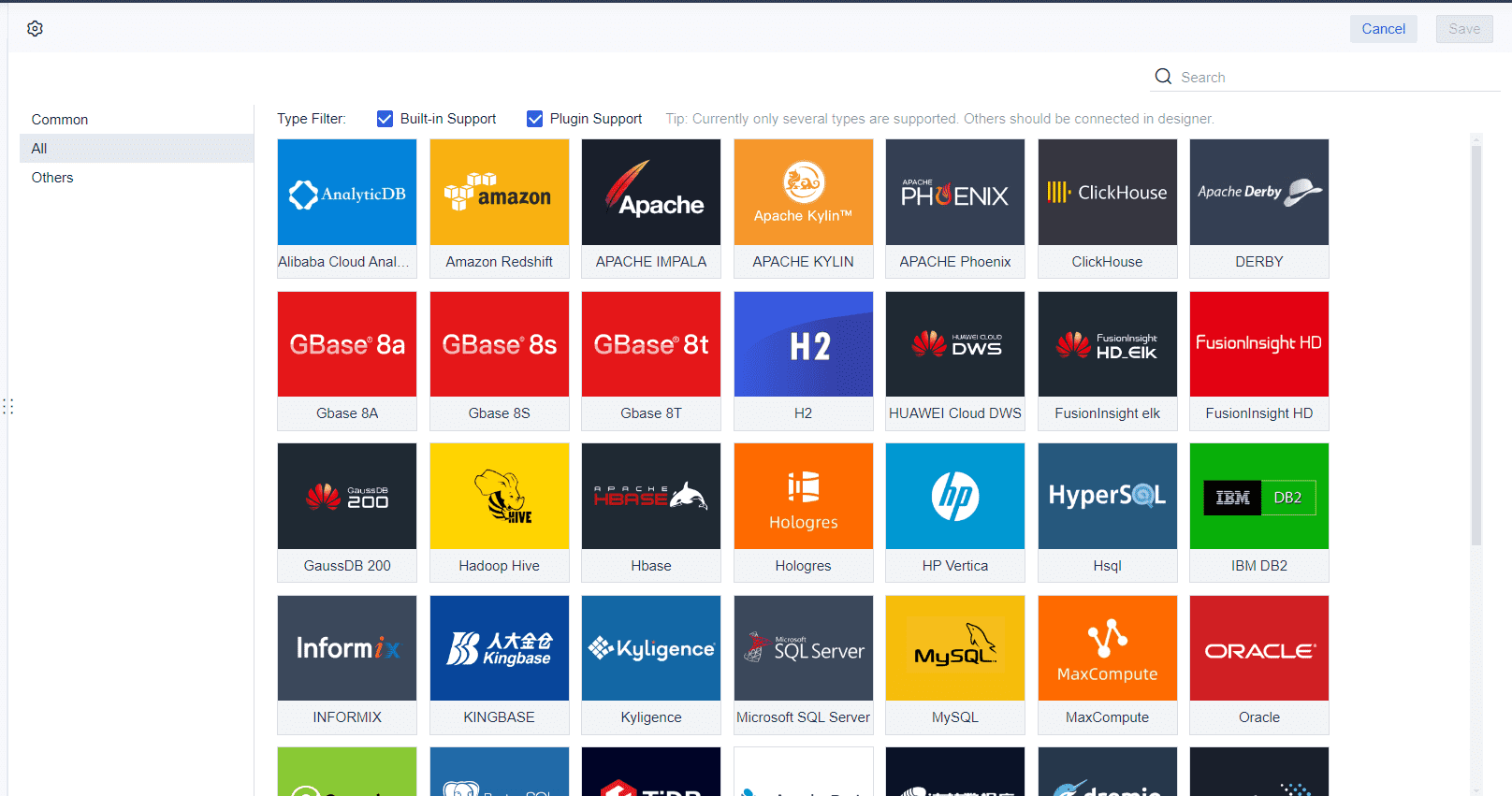
FineReport adds even more value to devops as a service platforms. You can connect to broad data sources, integrate data from multiple platforms, and export reports in various formats with one click. Automated report pushing via email keeps your team updated. Interactive reports work on any device, and customizable dashboards let you focus on the metrics that matter most to your devops projects.
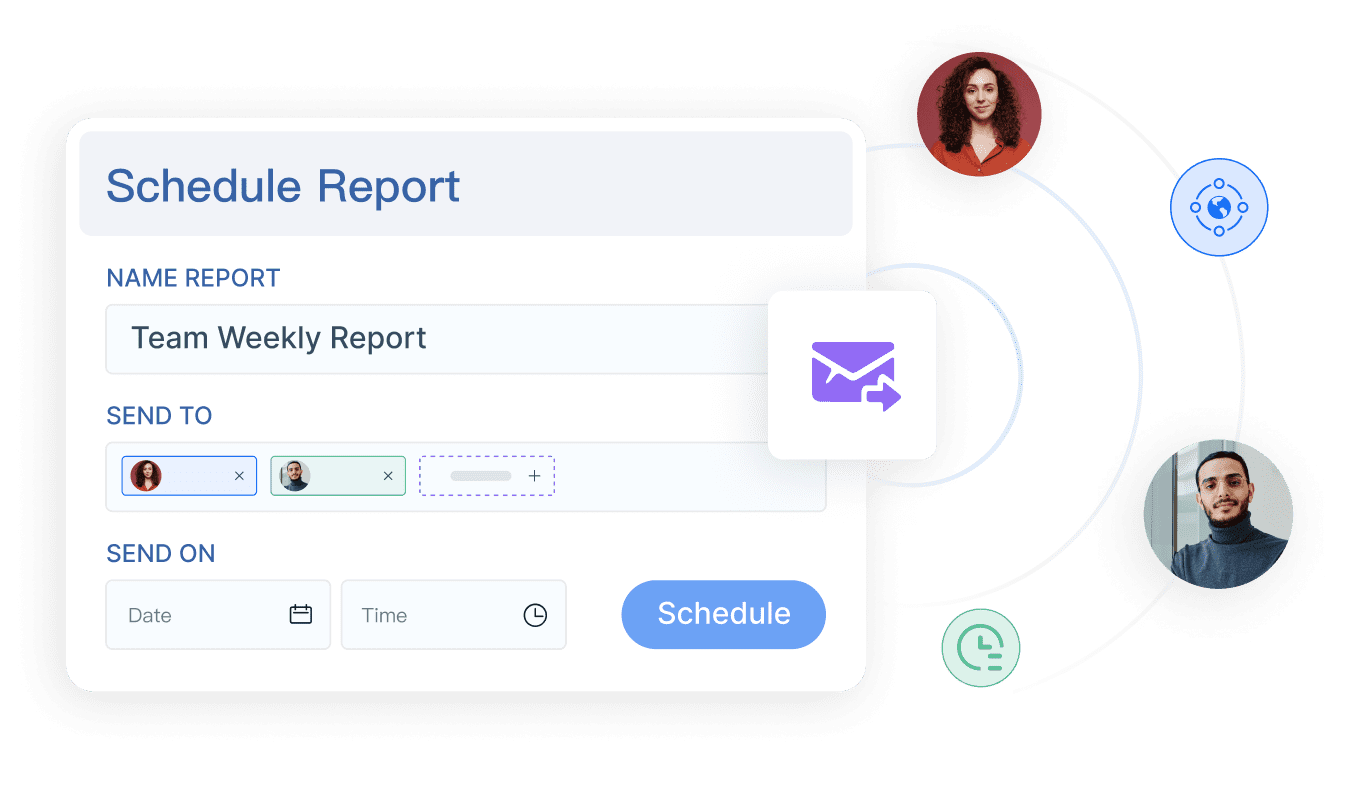
Tip: By integrating FineReport with your devops as a service platform, you empower your teams to make data-driven decisions quickly and efficiently.
DevOps vs DevOps as a Managed Service
Traditional DevOps Model
You may already use devops in your organization. In a traditional devops model, your team manages every part of the development and operations process. You set up servers, configure networks, and maintain your own infrastructure. You also handle code integration, testing, deployment, and monitoring. This approach gives you full control over your environment. However, it often requires a large investment in time, money, and skilled staff. Scaling your systems can be slow and complex. You may need to buy new hardware or reconfigure existing resources. Reliability depends on your team’s expertise and the tools you choose.
Managed Service Approach
Devops as a managed service changes how you work. You use cloud-based platforms and let external experts manage your devops toolchain. This approach brings several advantages:
- You gain immediate scaling capabilities. The system adjusts resources automatically based on demand.
- Cloud platforms like Azure DevOps help you scale across different deployment environments. You can deploy updates faster and more often.
- Cloud-native strategies using AWS, Azure, or Google Cloud give you flexibility and scalability.
- Container orchestration with Kubernetes supports microservices architecture. This setup improves reliability and performance.
With devops as a managed service, you focus on your core business. The provider handles infrastructure, automation, and security. You get access to the latest devops tools and best practices without building everything from scratch.
Key Differences
Let’s compare the two approaches:
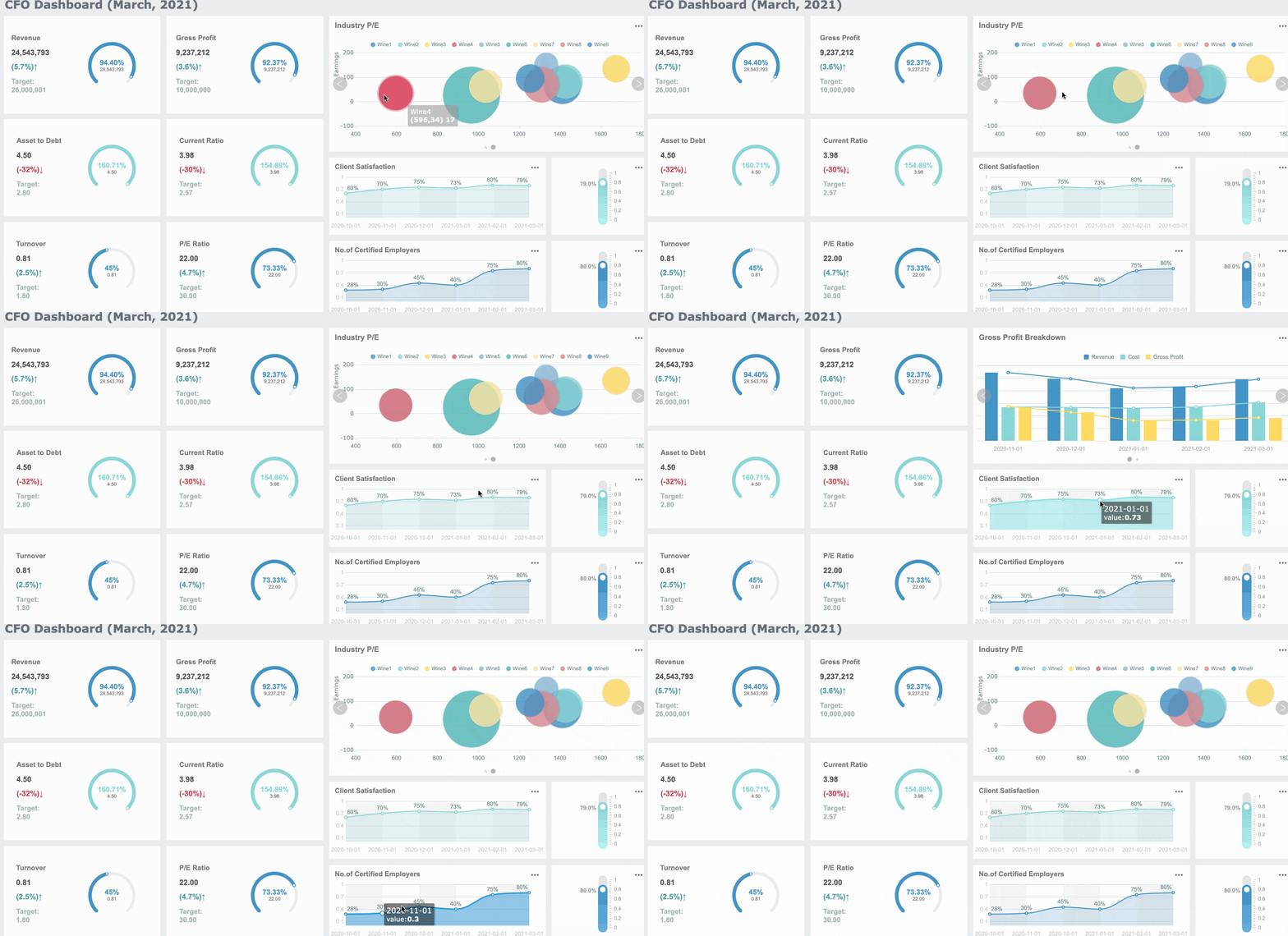
FineReport supports devops as a managed service by automating reporting and integrating data from multiple sources. You can create real-time dashboards and reports that track your devops metrics. FineReport connects to various cloud platforms, making it easy to visualize your data and share insights with your team. Automated report scheduling and mobile access keep everyone informed, no matter where they are.
Tip: By using FineReport in your managed devops environment, you streamline data integration and reporting. This helps you make faster, smarter decisions as your projects grow.
When you use a devops platform as a service, you gain access to a set of essential components that drive efficiency and reliability. These components help you automate tasks, improve collaboration, and maintain security across your cloud environments.
Automation sits at the heart of every devops platform as a service. You use automation to speed up software development, testing, and deployment. Here are the main automation tools you will find:
- Source code management and pull requests
- Build and automated testing
- Infrastructure provisioning
- Containerization and orchestration
- Continuous delivery and deployment
- Monitoring, observability, and revalidation
You often work with automation tools like Terraform for infrastructure as code, GitHub Actions for CI/CD, and Datadog for monitoring. Automation streamlines your processes, reduces manual errors, and enables faster deployment cycles. You can automate testing at every stage, including unit, integration, and performance testing. This frees up your team to focus on innovation and frequent releases.
Tip: Automation in devops lets you scale your cloud resources quickly and ensures your systems stay reliable.
Collaboration & Integration
Collaboration and integration features help your teams work together and connect different devops tools. You use CI/CD pipelines to automate software delivery. Version control systems like Git track changes and support teamwork. Collaboration tools integrate project management and issue tracking, making your workflow more efficient. Infrastructure as code automates provisioning and keeps environments consistent.
Security & Compliance
Security and compliance are critical in any devops platform as a service, especially in regulated industries. You integrate compliance checks into CI/CD pipelines to monitor changes and reduce risks. IAM policies define roles and permissions, protecting sensitive data. Infrastructure as code ensures consistent configurations and simplifies audits. Compliance reporting highlights risks and supports regulatory standards. Strong collaboration between devops and legal teams helps you address compliance concerns early.
FineReport Integration
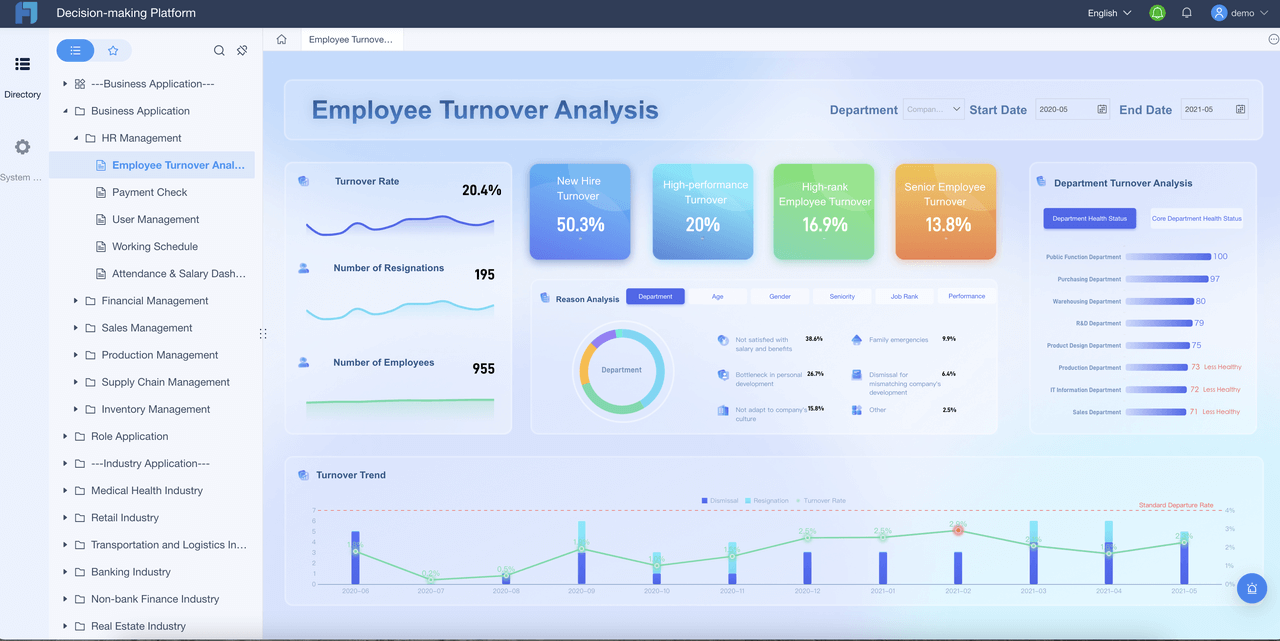
FineReport enhances your devops platform as a service by improving data visualization, reporting, and decision-making. You can quickly create dashboards that adapt to any device, making it easy to monitor key metrics. Data alerts notify you of abnormalities, so you can respond fast. The mobile decision-making platform lets you access reports on the go. Task scheduling automates report generation, ensuring you always have timely data for decisions.
By integrating FineReport, you empower your devops teams to make smarter, data-driven decisions in your cloud environment.
DevOps as a Service Benefits & Challenges

Main Advantages
When you adopt devops as a service, you unlock many advantages for your organization. Automation and cloud-based tools help you deploy and manage applications faster. You can see the top three advantages in the table below:
You also gain measurable benefits:
Tip: Devops as a service helps you scale your applications and respond to business needs quickly.
Common Challenges
You may face some challenges when you move to devops as a service. Here are the most common ones:
- Resistance to the devops culture
- New security vulnerabilities
- Decision paralysis when choosing new tools
- Roadblocks to developer access to tools and processes
- Poor visibility into devops activity
- Difficulty enforcing governance and compliance controls
- Unexpected and unexplained costs
- Maximizing CI/CD performance for stable productivity
- Improving scalability for devops infrastructure and deployments
- Choosing the right devops metrics
- Skill shortages and the need for continuous up-skilling
- Focusing too much on tools instead of workflows and people
To overcome these challenges, you can embed security early in your development process, automate security testing, and use infrastructure as code scanning. Secrets management and container security best practices also help protect your cloud applications. You should encourage open communication and provide training to help your team adapt to new devops workflows.
Use Cases with FineReport
Many organizations use devops as a service to improve their operations. For example, in supply chain management, you can connect all your applications and data sources into one cloud platform. FineReport lets you build real-time dashboards for inventory, logistics, and order tracking. You can automate reporting and get alerts when key metrics change. This helps you make faster decisions and keep your supply chain running smoothly.
NTT DATA Taiwan shows how devops as a service and FineReport work together. The company built a unified data platform by integrating ERP, POS, and CRM systems. FineReport provided role-based dashboards, so every team member could see the data they needed. This approach improved decision-making and helped the company move toward data-driven growth. You can use FineReport to visualize devops metrics, monitor application health, and share insights across your organization.

Note: FineReport supports devops applications by making data easy to access, visualize, and share—no matter where your team works.
Is DevOps as a Service Right for You?
Evaluation Criteria
Before you move forward with devops as a service, you should assess your organization’s readiness. Use the table below to guide your evaluation:
Industry benchmarks can help you compare your devops practices with recognized standards. This comparison highlights gaps and shows if devops as a service matches your operational needs.
Organization Fit
You will see the best results from devops as a service if your organization values efficiency, collaboration, and agility. Signs that your team is a strong fit include:
- Teams that work closely together and share knowledge often.
- A focus on automation and streamlining the software delivery process.
- Regular cross-functional meetings and open communication.
- Fast time to market, frequent deployments, and high-quality deliverables.
- A culture that supports continuous improvement and learning.
If your IT infrastructure supports testing, documentation, and gradual adoption of infrastructure as code, you are well-positioned for devops. Organizations without in-house devops expertise can benefit from partnering with service providers. This approach gives you access to specialized talent and modern cloud practices without large upfront costs.
Getting Started
To begin your devops as a service journey, follow these steps:
- Set up access and permissions for your devops platform.
- Configure and customize integrations, such as FineReport, to fit your needs.
- Deploy the integration in your chosen environment.
- Test your setup to ensure everything works as expected.
- Gradually migrate existing projects and adopt new practices.
You will find many resources to support your journey, including technical support, training, and professional services. FineReport can help you automate reporting, visualize devops metrics, and keep your team informed with real-time dashboards. This support ensures you get the most from your cloud-based devops environment.
Tip: Start small, learn continuously, and adapt your processes as your team grows more comfortable with devops.
You have learned how devops as a service brings automation, speed, and reliability to your software delivery. Managed devops platforms help you deploy multiple times a day, recover in under an hour, and keep change failure rates low.
You can empower your teams with devops by using cloud-native tools and automating up to 75% of your workflows. FineReport supports your devops journey by making reporting and analytics simple. Start by reviewing your needs and explore how FineReport can help you succeed with devops as a service.