Workflow Agile means you use flexible and fast methods to organize your team's work. Many modern organizations choose this approach to keep up with changes and deliver results quickly. You see teams in IT, engineering, marketing, and business operations adopting Agile to boost productivity and teamwork.
You can measure the impact of Agile by looking at how teams track progress, share knowledge, and respond to market needs. The table below shows some main benefits:
FanRuan and FineBI help you put Agile into action by giving you real-time dashboards, easy data integration, and tools for team collaboration. These features support your journey to work smarter and adapt faster.
Workflow Agile Overview
What Is Workflow Agile
You may wonder what makes Workflow Agile different from other ways of working. Workflow Agile is a modern approach that helps you organize work in short cycles, called sprints. This method lets you adjust quickly when things change. It started in the 21st century as a response to the slow pace of traditional project management. Agile methods began to take shape in the mid-1990s, and today, agility is essential for companies that want to succeed in fast-changing markets.
The agile workflow processes are not only flexible and responsive, but they also have immense adaptive capability. Being agile means that all the information tools and the employees are integrated with the entire production system.
You use Workflow Agile to break big projects into smaller tasks. Your team works together, gets feedback often, and makes changes as needed. This way, you can deliver value faster and respond to new challenges without starting over. Many industries now use this approach, not just IT. Healthcare, finance, and even marketing teams have adopted Agile to stay competitive.
FineBI support Workflow Agile by giving you tools for real-time data integration, visual dashboards, and easy team collaboration. With these platforms, you can connect data from many sources, track progress, and share insights with your team. This makes it easier to adapt and improve your workflow.
Why Agile Matters for Teams
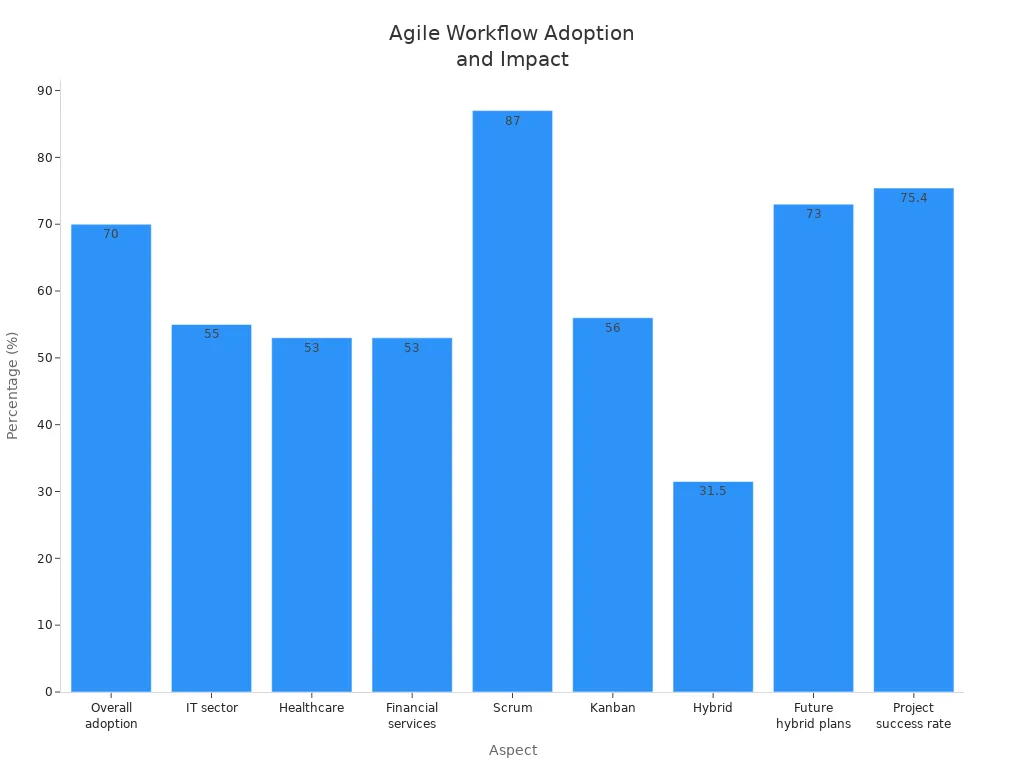
You see more organizations choosing Workflow Agile because it brings real results. Over 70% of organizations now use Agile methods, and the numbers keep growing across different industries.
You get several benefits when you use Workflow Agile:
- Your team gains more autonomy and control over decisions.
- You improve collaboration through regular meetings and open communication.
- Members learn new skills by working in cross-functional teams.
- Smaller teams create a close-knit environment, making it easier to adapt and solve problems.
“Agile innovation has revolutionized the software industry... Those who learn to lead agile’s extension into a broader range of business activities will accelerate profitable growth.” - Darrell Rigby, Jeff Sutherland, Hirotaka Takeuchi for Harvard Business Review.
You also see better results for your customers. Agile teams focus on delivering value, not just finishing tasks. Stakeholders stay involved, so your project goals match their needs. Team morale goes up because people feel trusted and empowered. Continuous improvement becomes part of your daily work, which leads to higher quality and better outcomes.
FineBI help you put these ideas into practice. You can visualize progress, spot bottlenecks, and measure outcomes, not just output. These platforms give you the flexibility to try new ideas, learn from feedback, and keep improving your process.
Agile vs. Traditional Workflows
Key Differences
You may wonder how Workflow Agile stands apart from traditional project management. The main difference lies in how you plan, execute, and deliver projects. Traditional workflows follow a linear path. You set all requirements at the start, create a detailed plan, and move step by step until completion. Agile workflows use short cycles and adapt as you go. You break work into smaller pieces, deliver results in increments, and adjust based on feedback.
Here is a table that highlights the main differences:
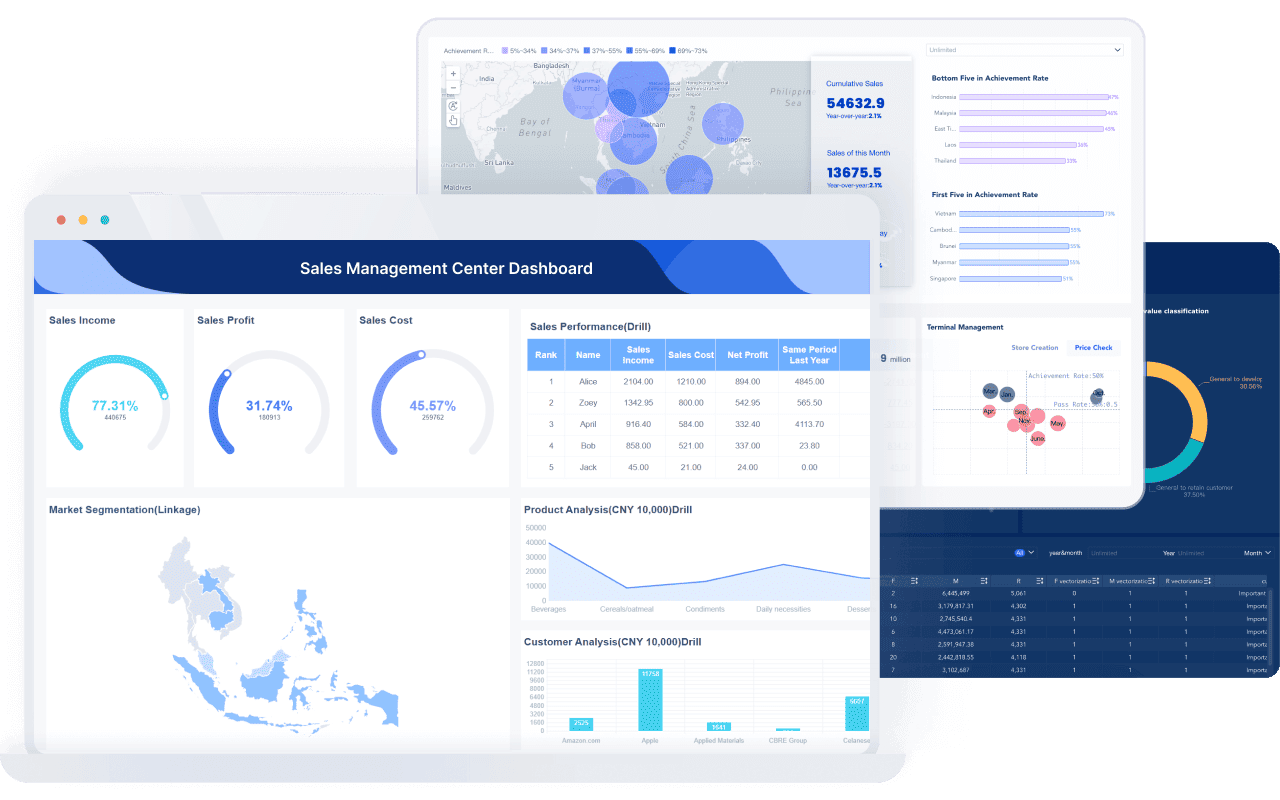
In manufacturing, traditional workflows often mean rigid schedules and fixed processes. You may face delays if you need to change something. Agile manufacturing, supported by FanRuan solutions, lets you adjust production quickly. You can respond to market changes, optimize resources, and improve quality with real-time data.
Pros and Cons
When you choose between Agile and traditional workflows, you should consider the strengths and weaknesses of each. Agile workflows offer flexibility and faster delivery. You get early feedback and can adapt to changes. Traditional workflows provide predictability and clear documentation, which helps in regulated industries.
Here is a table showing the advantages and disadvantages:
- Flexibility: You can adjust production or data integration processes quickly, which boosts competitiveness.
- Collaboration: Agile fosters teamwork and improves information sharing.
- Continuous Improvement: You use feedback and analytics to optimize workflows.
- Cultural Resistance: Moving from traditional to Agile may face pushback.
- Initial Investments: Technology costs can be high at first, but long-term benefits outweigh them.
- Supply Chain Dependencies: Aligning suppliers with Agile principles can be challenging.
FineBI help you overcome these challenges. You gain tools for real-time monitoring, adaptive planning, and seamless collaboration. This makes it easier to implement Agile workflows in manufacturing and data integration projects.
FineBI collaboration
Core Principles of Workflow Agile
Iterative Cycles
You achieve more with Workflow Agile by working in short, repeatable cycles called iterations or sprints. Each cycle lets your team plan, build, test, and review a small part of the project. This approach increases efficiency because you can try new ideas, learn from mistakes, and make quick improvements. Teams that use smaller story increments often see better results. For example, tracking sprint velocity and task completion over several cycles can show a 15% improvement in completion rates when you break work into smaller pieces.
FineBI supports this principle by letting you create and update dashboards in short cycles. You can connect new data sources, test visualizations, and adjust your analysis as you go. This helps your team deliver value faster and respond to feedback right away.
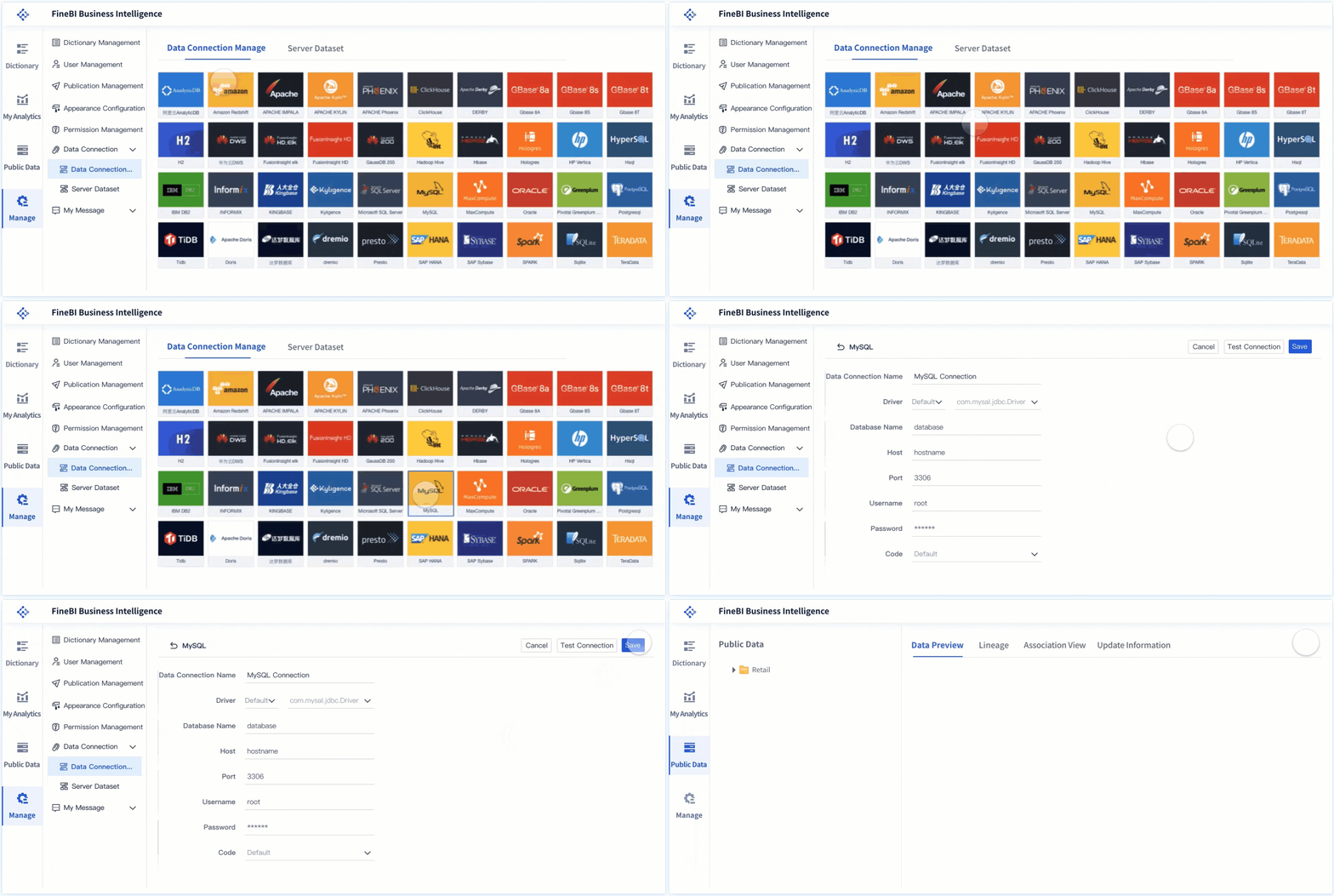
FineBI data connection
Collaboration and Feedback
Agile workflows depend on strong teamwork and open communication. You work closely with others, share updates daily, and welcome feedback from both your team and clients. This process helps you understand what users need and make changes quickly.
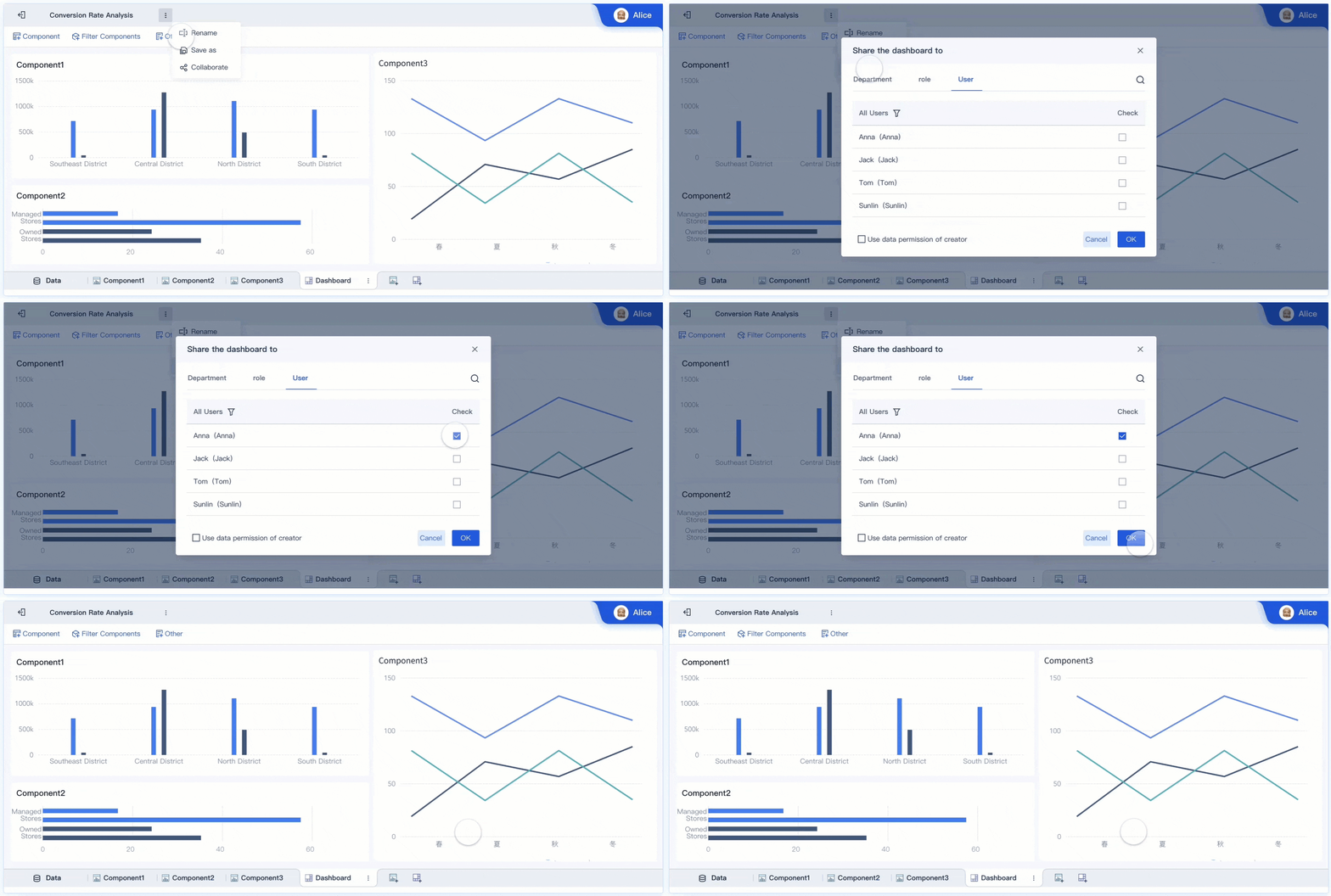
FineBI makes collaboration easier by allowing multiple users to work on the same dashboard, leave comments, and share insights. You can see changes in real time, which keeps everyone on the same page and improves teamwork.
Adaptability and Continuous Improvement
You need to adapt quickly in today’s fast-changing world. Workflow Agile encourages you to welcome change and keep improving your process. Research shows that teams who review their work often and adjust their plans get better results and spot problems early.
FineBI enables this by giving you tools to monitor performance, set alerts, and analyze trends. You can use these features to find areas for improvement and make data-driven decisions. This ongoing cycle of review and adjustment helps your team stay competitive and deliver high-quality results.
Common Agile Frameworks
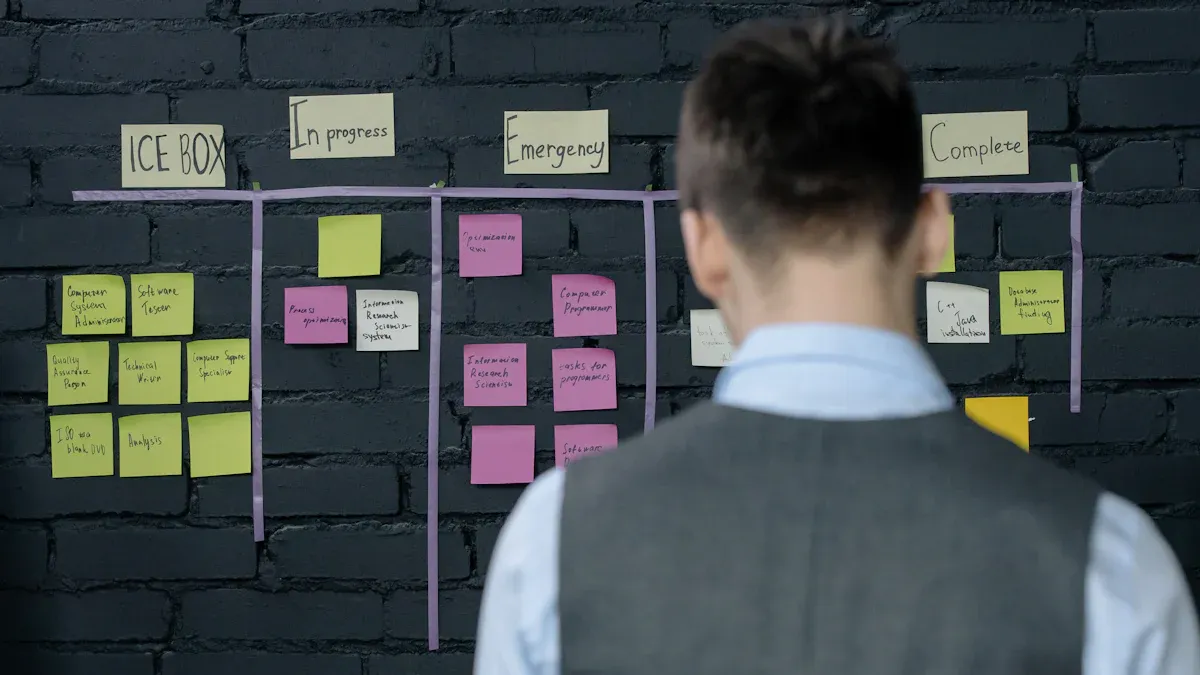
Agile frameworks help you organize work and improve results. You see many teams use these frameworks to manage projects in business intelligence and data analytics. The most popular frameworks include:
- Scrum
- Kanban
- Scaled Agile Framework (SAFe)
- Spotify Model
- Large-Scale Scrum (LeSS)
- Disciplined Agile Delivery (DAD)
- Nexus
- Extreme Programming (XP)
Scrum
Scrum gives you a clear structure for managing tasks. You work in short, fixed cycles called sprints. Each sprint lasts one to four weeks. Your team plans, builds, tests, and reviews work during each sprint. Scrum uses roles like product owner, Scrum master, and development team. You reset your board after every sprint. This method helps you focus on delivering value in small steps.
Kanban
Kanban helps you visualize work and manage tasks as a continuous flow. You do not use fixed cycles. You add new tasks anytime. Kanban boards never reset. This approach works well for data analytics projects. Studies show Kanban helps teams solve project management challenges and improve workflow efficiency. Utility companies have used Kanban to reduce resolution times and boost operational performance. When you combine Kanban with data-driven decision-making, you see better project execution in data-intensive environments.
- Kanban supports survey-based improvements for Data Science teams.
- It enhances workflow efficiency and task prioritization.
- Companies report faster problem resolution and improved operations.
FineBI Integration
You can use FineBI with Agile frameworks to make your Workflow Agile more effective. FineBI supports concurrent development and support cycles. You can evolve business functions as needs change. Agile methods in FineBI help you measure and adjust progress in business intelligence projects. This structure lets you respond quickly to feedback and keep your BI systems up to date.
Tip: FineBI’s integration with Agile frameworks gives you tools to track, measure, and improve your workflow. You can adapt your analytics process as your business grows.
Implementing Workflow Agile with FanRuan
Getting Started
You can begin your Workflow Agile journey with FanRuan and FineBI by following a clear set of steps.
- Ideation: Define your project goals and scope. Gather your team and brainstorm what you want to achieve.
- Inception: Organize your resources into sprint teams. Assign specific deliverables and set deadlines for each group.
- Iteration: Move from planning to action. Focus on completing meaningful work during each cycle.
- Release: After each milestone, collect feedback from stakeholders. Use their input to make improvements.
- Production: Launch your product or new feature. Make sure the experience is smooth for your customers.
- Retirement: Replace old versions with new ones. Wrap up the project and celebrate your success.
Tip: Start small with one team or project. Use FineBI’s dashboards to visualize progress and share updates. This helps everyone stay aligned and see results quickly.
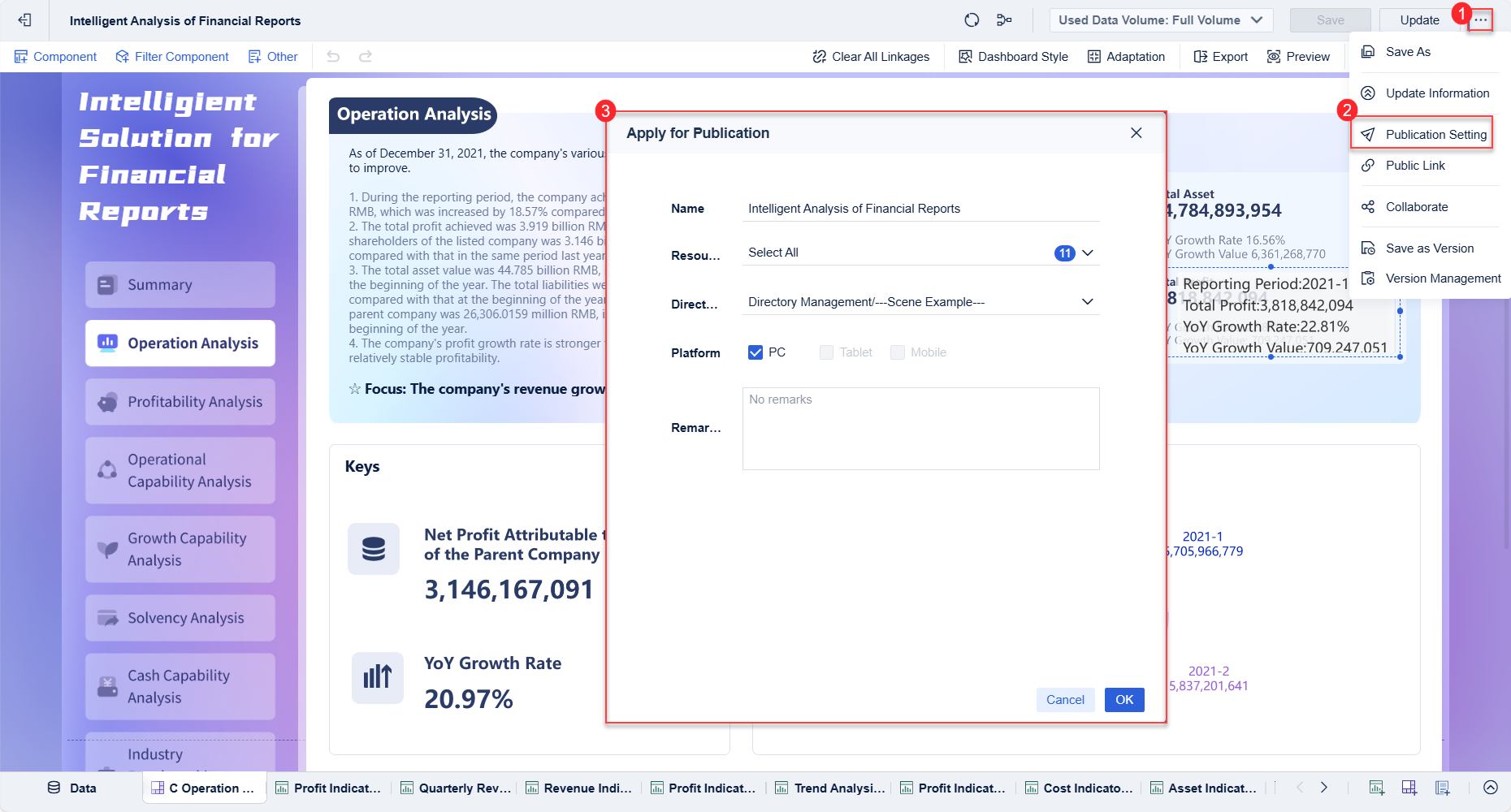
Report Sharing
Overcoming Challenges
You may face obstacles when adopting Workflow Agile with FanRuan. Common challenges include technical debt, tool misuse, and neglecting continuous improvement. The table below shows symptoms and solutions for each challenge:
Note: Use face-to-face or video meetings for collaboration. Keep board configurations simple. Rotate retrospective formats to keep meetings productive.
Measuring Success
You can measure the success of your Workflow Agile implementation with FanRuan by tracking key metrics. FineBI makes it easy to visualize these metrics on dashboards:
Tip: Align your metrics with business outcomes. Use dashboards to share results and support team ownership.
You gain many advantages when you adopt Workflow Agile. Teams see increased flexibility, faster time-to-market, improved collaboration, and higher product quality. You also notice better customer satisfaction and cost savings. To get started, build support, form cross-functional teams, and choose the right Agile framework. Use FanRuan and FineBI to support your journey. Track lead time, cycle time, and throughput to measure progress. Keep improving by planning, testing, checking, and acting on results.