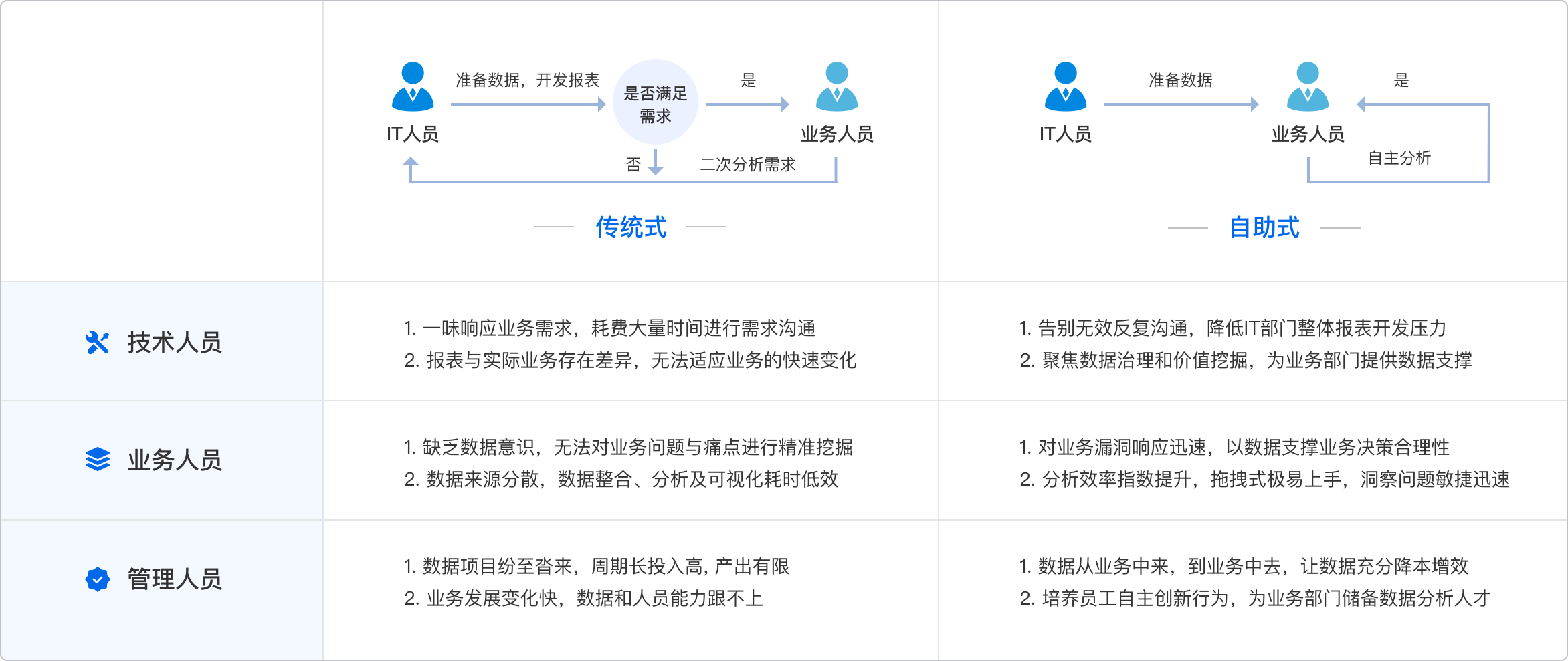
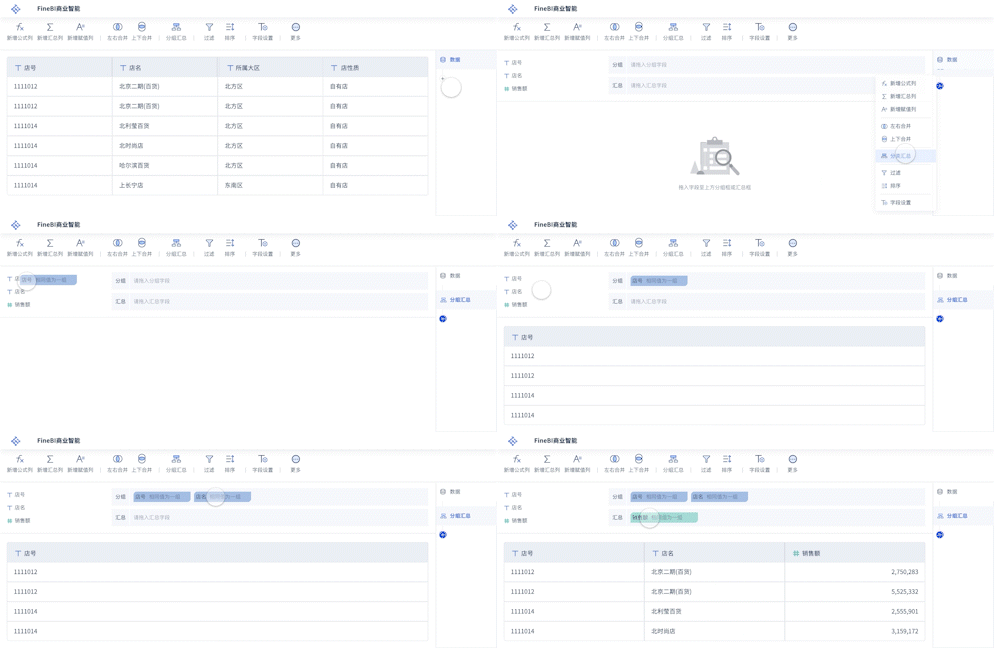
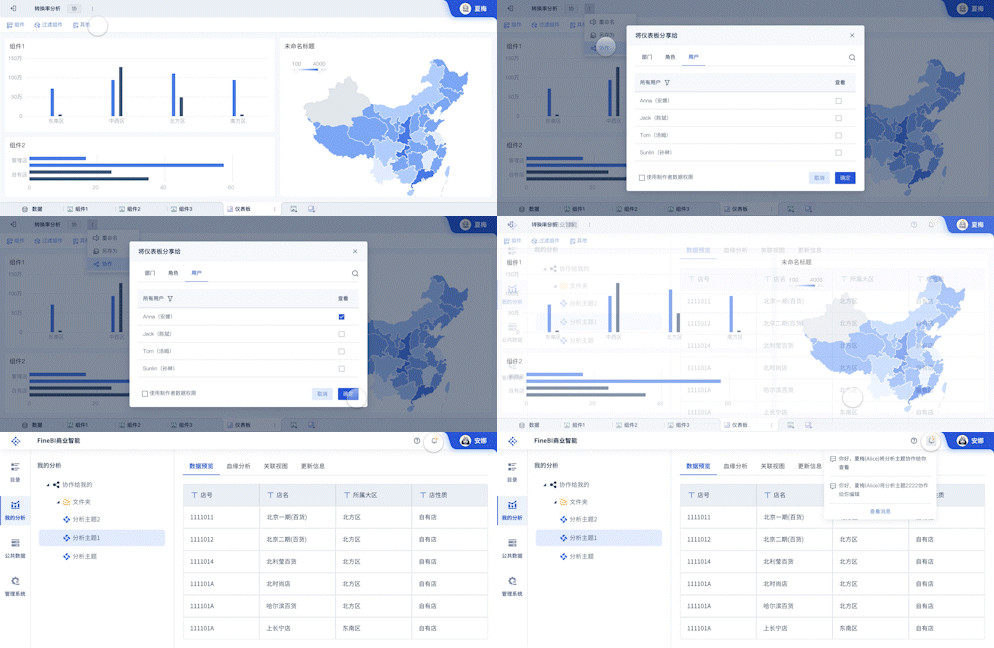
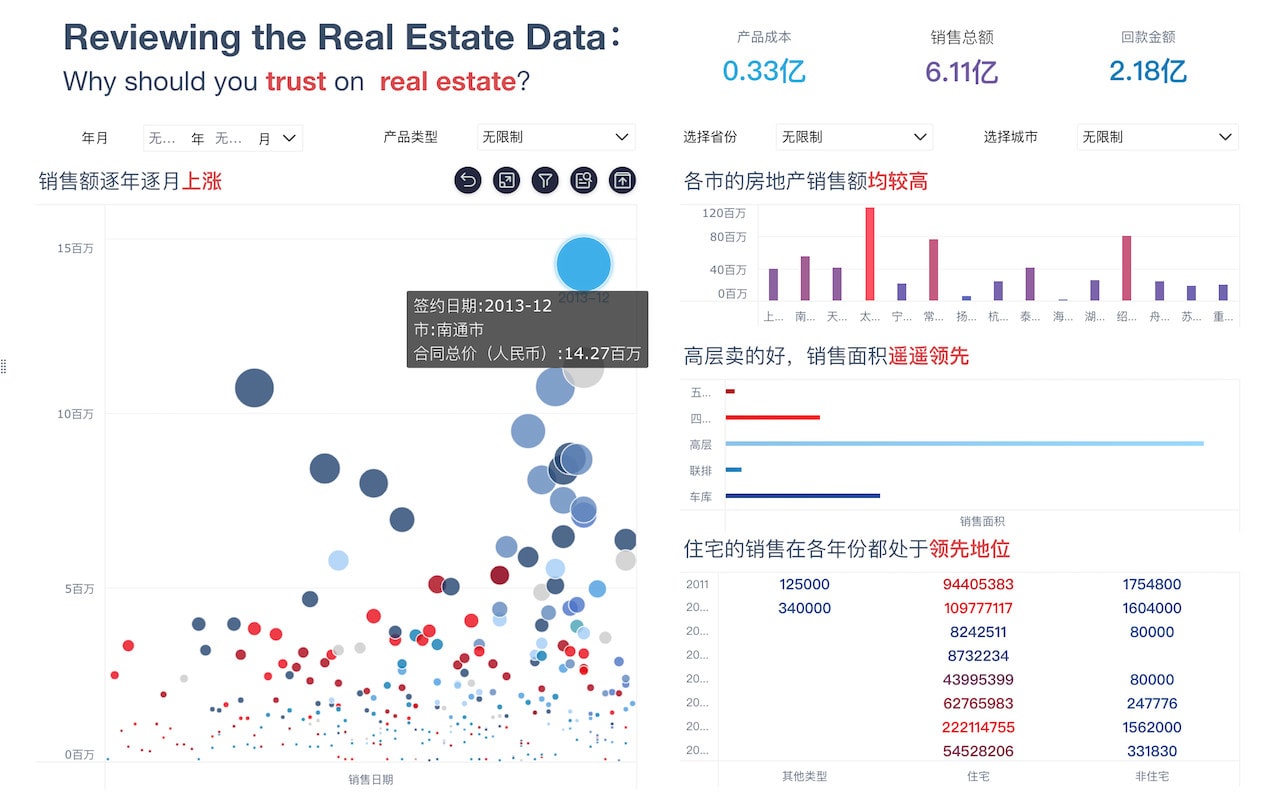
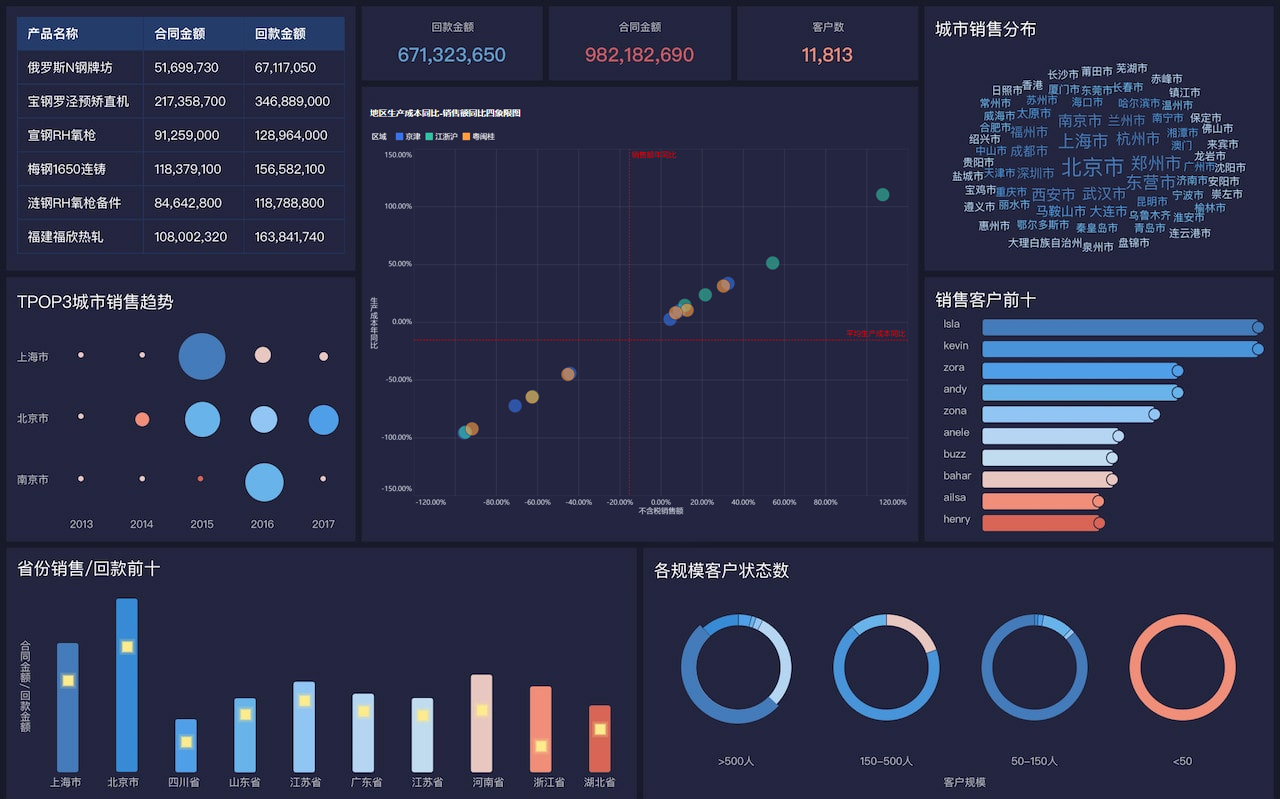
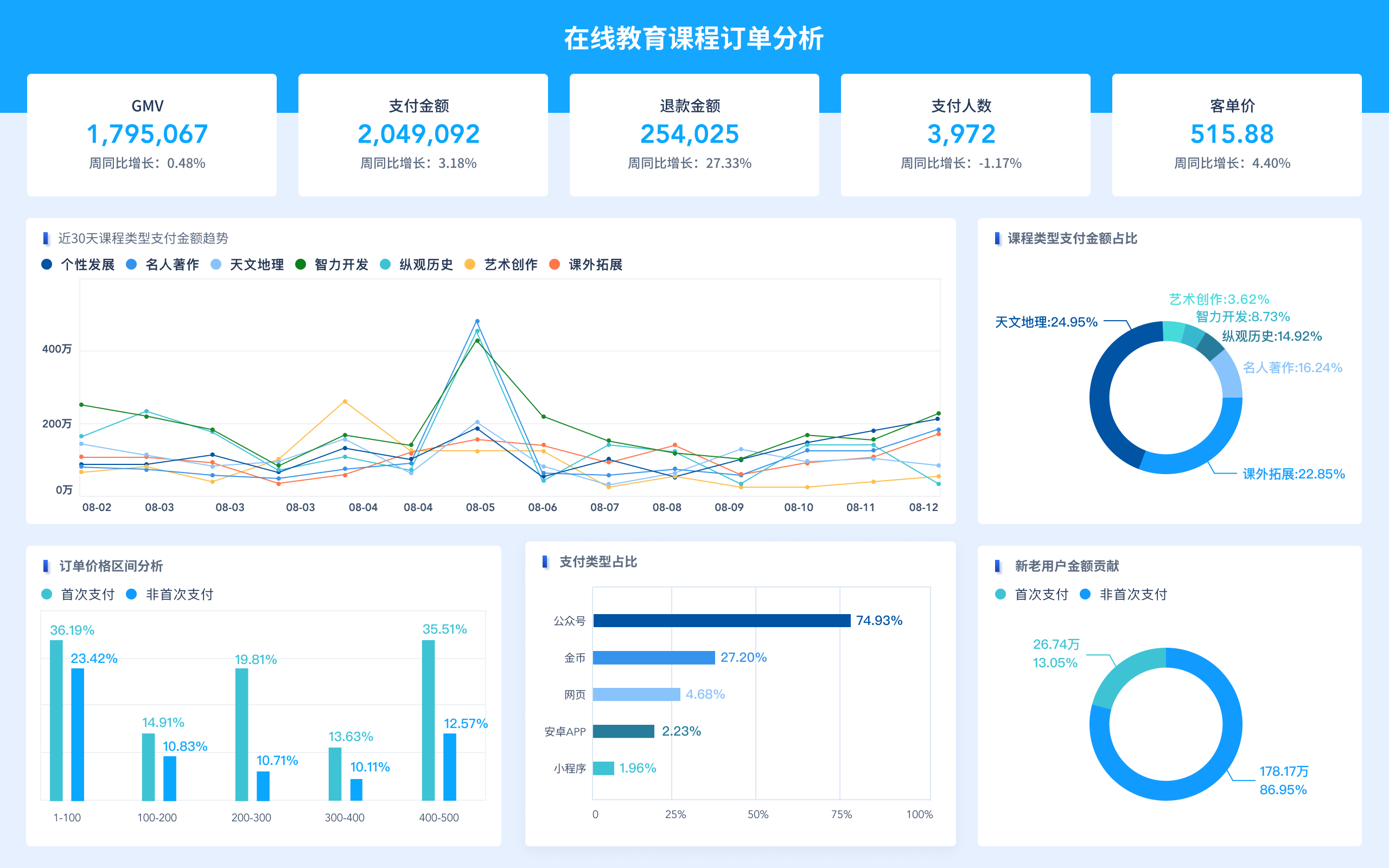
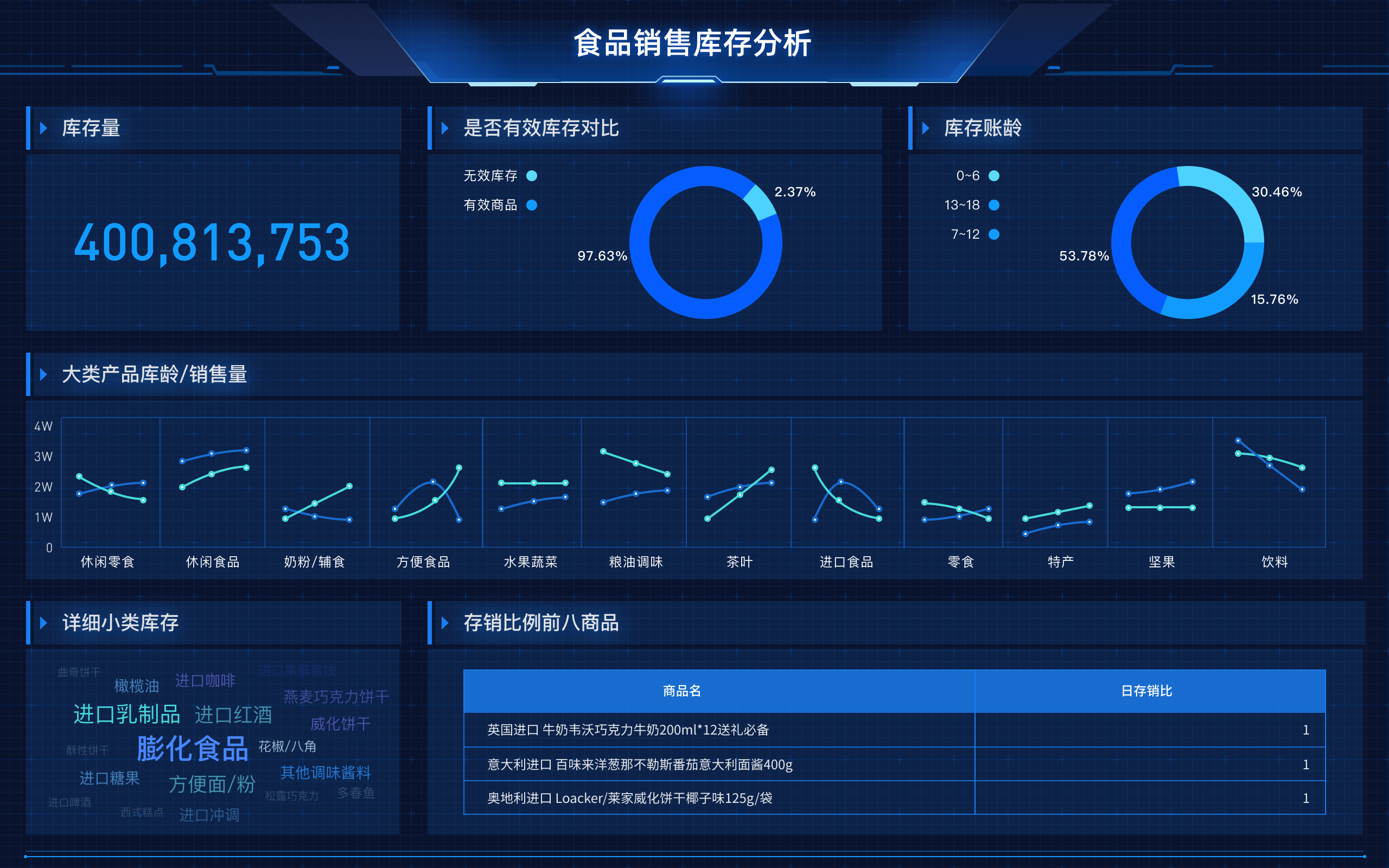
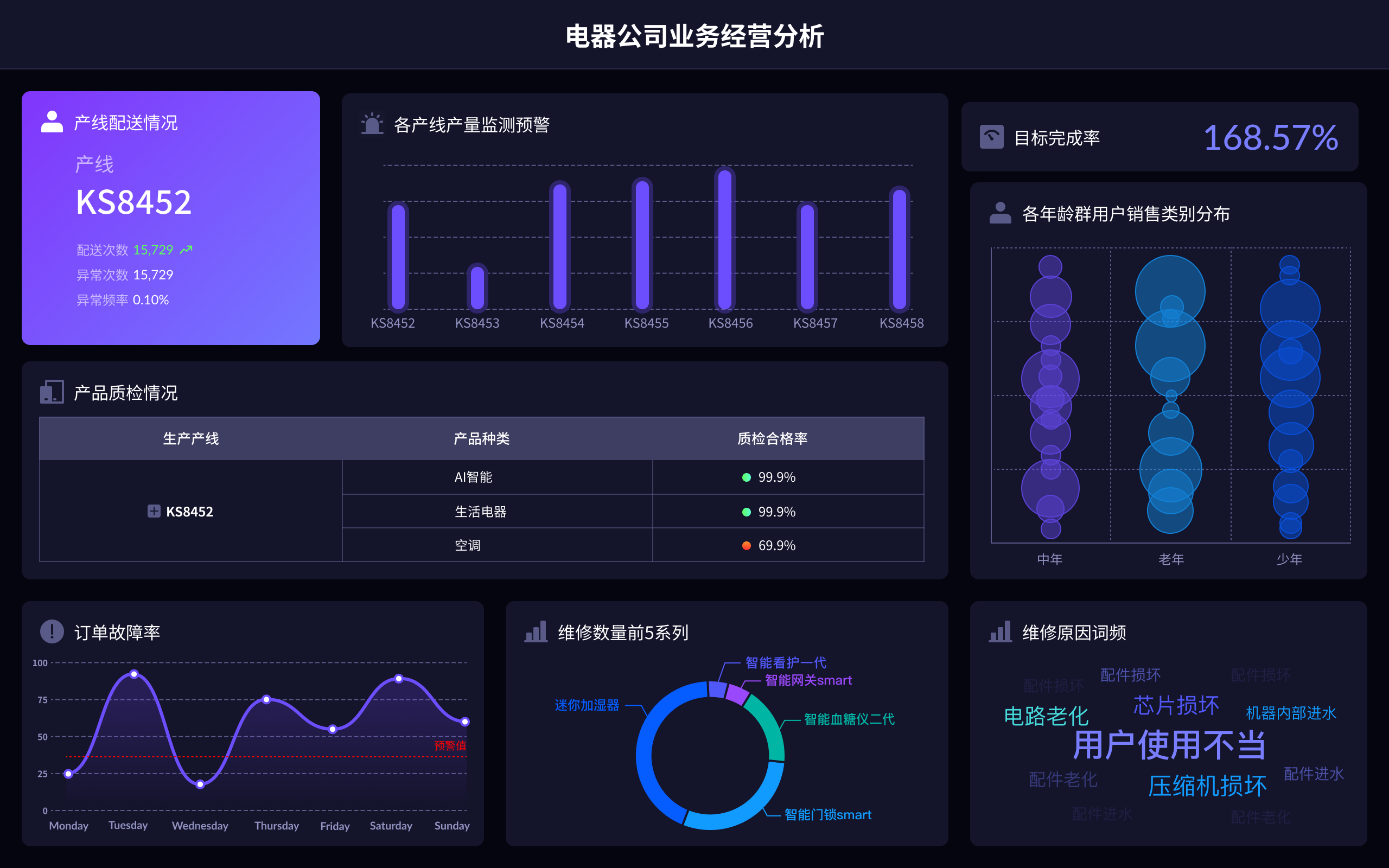
在撰写英语财务分析范文时,需注意以下几个关键点:财务数据的准确性、逻辑结构的清晰性、图表和图形的使用、专业术语的正确应用。在这些方面,使用优秀的数据分析工具如FineBI,可以显著提升报告的质量和可读性。 FineBI是帆软旗下的产品,通过其强大的数据可视化和分析功能,可以让财务分析更加直观和易懂。FineBI官网: https://s.fanruan.com/f459r;。接下来,将详细讲解如何撰写一篇高质量的英语财务分析范文。
一、INTRODUCTION
在财务分析的开头部分,首先需要简要介绍公司的基本情况、分析的目的以及报告的时间范围。这部分内容应当简明扼要,为后续的数据分析提供背景信息。例如,介绍公司的主营业务、市场定位以及近期的财务表现。这可以帮助读者快速了解公司的基本情况,为后续的财务数据分析做好准备。
二、FINANCIAL STATEMENT ANALYSIS
财务报表分析是财务分析的核心部分。包括对资产负债表、利润表和现金流量表的详细分析。在这部分中,可以使用图表和图形来直观展示数据,例如资产负债表的结构、收入和利润的变化趋势、现金流量的构成等。特别要关注关键财务指标,如流动比率、资产负债率、净利润率等,通过这些指标可以评估公司的财务健康状况。
三、RATIO ANALYSIS
比率分析是进一步深入理解财务数据的有效方法。常见的比率包括流动比率、速动比率、资产周转率、毛利率、净利润率等。通过这些比率,可以更直观地评估公司的运营效率、盈利能力和偿债能力。在这部分中,可以使用FineBI的数据可视化功能,将比率变化趋势展示出来,这样能够更直观地发现潜在问题和机会。
四、TREND ANALYSIS
趋势分析主要关注财务数据的时间序列变化,通过对比多个时期的数据,来发现长期的财务趋势。例如,收入和利润的增长趋势、成本控制的效果、资产负债结构的变化等。通过趋势分析,可以预测公司的未来发展方向和潜在风险。 使用FineBI进行趋势分析,可以通过动态图表展示数据变化,提升分析的直观性和可读性。
五、INDUSTRY COMPARISON
行业对比分析是评估公司竞争力的重要手段。通过与同行业其他公司的财务数据对比,可以发现公司的优势和劣势。例如,比较收入增长率、利润率、资产回报率等指标,了解公司在行业中的位置。FineBI可以将多个公司的财务数据进行对比分析,通过图表展示各项指标的对比情况,帮助发现公司在行业中的竞争优势和不足。
六、SWOT ANALYSIS
SWOT分析是一种综合评估公司内部优势、劣势以及外部机会和威胁的方法。通过SWOT分析,可以全面了解公司的竞争环境和内部资源,制定更有效的战略规划。在这部分内容中,可以结合前面的财务数据分析,找出公司在财务方面的优势和劣势,结合市场环境,评估公司的机会和威胁。使用FineBI可以将SWOT分析结果进行可视化展示,帮助更直观地理解分析结果。
七、CONCLUSION
在结论部分,需要对前面的分析结果进行总结,指出公司在财务方面的主要优势和劣势,评估公司的财务健康状况和未来发展前景。同时,可以提出一些建议,如改进财务管理、优化资产结构、提高盈利能力等。通过FineBI的数据分析和可视化功能,可以为结论部分提供有力的支持,提升报告的说服力和专业性。
总之,一篇高质量的英语财务分析范文,需要数据准确、逻辑清晰、图表直观、术语专业,使用FineBI等优秀的数据分析工具,可以显著提升报告的质量和可读性。FineBI官网: https://s.fanruan.com/f459r;。
相关问答FAQs:
英语财务分析写作范文
财务分析是对企业财务报表的深入研究,以了解其财务状况、经营成果和现金流量。以下是一篇关于某公司财务分析的英语范文,涵盖了资产负债表、利润表和现金流量表的分析,以及相关的财务比率。
Financial Analysis of XYZ Corporation
Introduction
In this financial analysis, we will examine XYZ Corporation's financial performance over the past three years (2020-2022). The analysis will focus on the company's income statement, balance sheet, and cash flow statement, providing insights into its profitability, liquidity, and overall financial health.
Income Statement Analysis
The income statement of XYZ Corporation reveals critical insights about its revenue generation and expenses.
-
Revenue Growth: In 2020, the total revenue was $1.2 million, which increased to $1.5 million in 2021, representing a growth rate of 25%. By 2022, revenue further increased to $1.8 million, indicating a consistent upward trend. This growth can be attributed to the launch of new product lines and an expansion into international markets.
-
Cost of Goods Sold (COGS): The COGS also saw an increase from $600,000 in 2020 to $720,000 in 2022. The gross profit margin, calculated as (Revenue – COGS) / Revenue, shows a slight decline from 50% in 2020 to 40% in 2022. This decline may indicate rising production costs or increased competition.
-
Operating Expenses: Operating expenses rose from $300,000 in 2020 to $420,000 in 2022. The increase in expenses is primarily due to higher marketing costs associated with product launches. The operating income, therefore, decreased from $300,000 to $210,000, reflecting the impact of rising expenses.
-
Net Income: The net income for XYZ Corporation was $150,000 in 2020, decreasing to $90,000 by 2022. This decline may raise concerns about long-term sustainability, prompting the need for strategic cost management.
Balance Sheet Analysis
The balance sheet provides a snapshot of XYZ Corporation’s financial position at the end of each fiscal year.
-
Assets: Total assets increased from $2 million in 2020 to $2.5 million in 2022. This growth is largely due to increased cash reserves and inventory. The current ratio, calculated as current assets divided by current liabilities, improved from 1.5 in 2020 to 1.7 in 2022, indicating better short-term financial health.
-
Liabilities: Total liabilities also rose from $800,000 to $1 million over the same period. The debt-to-equity ratio, calculated as total liabilities divided by shareholders' equity, indicates a slight increase from 0.4 to 0.5, suggesting that the company is relying more on debt financing.
-
Equity: Shareholders’ equity increased from $1.2 million in 2020 to $1.5 million in 2022, reflecting retained earnings and new investments from shareholders. This increase in equity is a positive sign, as it indicates investor confidence and support for the company’s growth strategies.
Cash Flow Statement Analysis
The cash flow statement sheds light on the cash inflows and outflows from operating, investing, and financing activities.
-
Operating Cash Flow: Cash generated from operations increased from $200,000 in 2020 to $300,000 in 2022. This increase reflects improved profitability and efficient working capital management.
-
Investing Activities: Cash used in investing activities showed a net outflow of $150,000 in 2021 due to significant investments in new equipment and technology. However, this investment is expected to yield long-term benefits, enhancing operational efficiency.
-
Financing Activities: Cash flows from financing activities indicate that the company raised $100,000 in new debt in 2022. While this may raise concerns about increasing leverage, the funds are intended for strategic expansion, which could improve future cash flows.
Financial Ratios
To further assess XYZ Corporation's performance, several financial ratios are calculated:
-
Gross Profit Margin: The gross profit margin decreased from 50% to 40%, indicating potential issues with production efficiency or pricing strategies.
-
Net Profit Margin: The net profit margin fell from 12.5% in 2020 to 5% in 2022, highlighting challenges in controlling costs and maintaining profitability.
-
Current Ratio: The current ratio improved from 1.5 to 1.7, suggesting an enhanced ability to meet short-term obligations.
-
Debt-to-Equity Ratio: The increase from 0.4 to 0.5 indicates a higher reliance on debt, which may be concerning for investors looking for stability.
Conclusion
The financial analysis of XYZ Corporation reveals both strengths and weaknesses. While the company has demonstrated revenue growth and improved liquidity, challenges in profitability and increasing debt levels cannot be overlooked. Strategic initiatives focusing on cost control, operational efficiency, and debt management will be crucial for sustaining growth and enhancing shareholder value in the coming years.
FAQs
What is the importance of financial analysis for a company?
Financial analysis is essential for understanding a company's financial health and performance. It helps stakeholders make informed decisions regarding investments, management strategies, and operational improvements. By analyzing financial statements, companies can identify trends, assess profitability, evaluate liquidity, and manage risks more effectively.
How do financial ratios aid in financial analysis?
Financial ratios provide valuable insights into a company's performance by comparing different financial metrics. They help analysts assess profitability, efficiency, liquidity, and solvency. Ratios like the current ratio, debt-to-equity ratio, and profit margins allow for quick comparisons with industry benchmarks, aiding in strategic decision-making.
What are some common challenges in conducting a financial analysis?
Common challenges in financial analysis include data accuracy, the complexity of financial statements, and the need for a comprehensive understanding of accounting principles. Additionally, external factors such as market conditions, economic changes, and regulatory requirements can impact financial performance, making it essential to consider these elements in the analysis.
本文内容通过AI工具匹配关键字智能整合而成,仅供参考,帆软不对内容的真实、准确或完整作任何形式的承诺。具体产品功能请以帆软官方帮助文档为准,或联系您的对接销售进行咨询。如有其他问题,您可以通过联系blog@fanruan.com进行反馈,帆软收到您的反馈后将及时答复和处理。