Financial structure analysis,是指对企业的财务状况和财务资源配置进行系统性研究和评估的过程。Key components include balance sheets, income statements, and cash flow statements,其中,平衡表、损益表和现金流量表是核心内容。财务结构分析可以帮助企业了解其财务健康状况、优化资源配置并进行战略决策。通过分析资产负债情况、收入与支出比例以及现金流量,可以识别潜在的风险和机会,为企业的长期发展提供坚实的基础。
一、BALANCE SHEETS
Balance sheets, also known as statement of financial position, provide a snapshot of a company's financial condition at a specific point in time. They list assets, liabilities, and shareholders' equity. Assets include current assets like cash and inventories, and non-current assets like property and equipment. Liabilities are divided into current liabilities like accounts payable and long-term liabilities like loans. Shareholders' equity represents the residual interest in the assets of the company after deducting liabilities. Analyzing the balance sheet helps in understanding the liquidity, solvency, and financial stability of the company.
Assets are everything a company owns and uses to generate revenue. They are usually divided into current and non-current assets. Current assets are expected to be converted into cash within a year, such as cash, accounts receivable, and inventory. Non-current assets, also known as fixed assets, include property, plant, and equipment. These are long-term investments that are not easily converted into cash.
Liabilities are what a company owes to others. They are also divided into current and long-term liabilities. Current liabilities are obligations that the company expects to settle within a year, such as accounts payable and short-term debt. Long-term liabilities are obligations that are due beyond one year, such as bonds payable and long-term loans.
Shareholders' equity is the residual interest in the assets of the company after deducting liabilities. It is essentially the net worth of the company and includes common stock, retained earnings, and additional paid-in capital.
Analyzing the balance sheet helps in understanding the company's liquidity, solvency, and financial stability. Liquidity refers to the company's ability to meet its short-term obligations. Solvency refers to the company's ability to meet its long-term obligations. Financial stability refers to the overall health of the company's financial position.
二、INCOME STATEMENTS
Income statements, also known as profit and loss statements, provide a summary of a company's revenues and expenses over a specific period of time, usually a fiscal quarter or year. Key components include revenues, cost of goods sold (COGS), gross profit, operating expenses, and net income. Revenues represent the total amount of money earned from sales of goods and services. COGS is the direct cost of producing the goods sold by the company. Gross profit is calculated as revenues minus COGS. Operating expenses include selling, general, and administrative expenses. Net income is the company's total profit after all expenses have been deducted from revenues. Analyzing the income statement helps in understanding the company's profitability and operational efficiency.
Revenues are the total amount of money earned from sales of goods and services. They are the top line of the income statement and are also known as sales or turnover. Revenues are a crucial indicator of the company's ability to generate income from its core business operations.
Cost of goods sold (COGS) is the direct cost of producing the goods sold by the company. It includes the cost of materials, labor, and manufacturing overhead. COGS is subtracted from revenues to calculate gross profit.
Gross profit is the difference between revenues and COGS. It represents the amount of money available to cover operating expenses and generate net income. A high gross profit margin indicates that the company is efficiently managing its production costs.
Operating expenses include selling, general, and administrative expenses. Selling expenses are the costs associated with marketing and distributing the company's products. General and administrative expenses are the costs of running the company's day-to-day operations. Operating expenses are subtracted from gross profit to calculate operating income.
Net income is the company's total profit after all expenses have been deducted from revenues. It is also known as the bottom line or net profit. Net income is a crucial indicator of the company's overall profitability.
Analyzing the income statement helps in understanding the company's profitability and operational efficiency. Profitability refers to the company's ability to generate income from its operations. Operational efficiency refers to the company's ability to manage its costs and expenses.
三、CASH FLOW STATEMENTS
Cash flow statements provide a summary of a company's cash inflows and outflows over a specific period of time. Key components include operating activities, investing activities, and financing activities. Operating activities include the cash generated from the company's core business operations. Investing activities include the cash used for investing in assets and acquiring other businesses. Financing activities include the cash used for raising capital and repaying debt. Analyzing the cash flow statement helps in understanding the company's liquidity and financial flexibility.
Operating activities include the cash generated from the company's core business operations. This includes cash received from customers and cash paid to suppliers and employees. Operating activities are a crucial indicator of the company's ability to generate cash from its day-to-day operations.
Investing activities include the cash used for investing in assets and acquiring other businesses. This includes cash paid for purchasing property, plant, and equipment, and cash received from selling investments. Investing activities are a crucial indicator of the company's capital expenditure and growth strategy.
Financing activities include the cash used for raising capital and repaying debt. This includes cash received from issuing shares and borrowing money, and cash paid for dividends and repaying loans. Financing activities are a crucial indicator of the company's capital structure and financial strategy.
Analyzing the cash flow statement helps in understanding the company's liquidity and financial flexibility. Liquidity refers to the company's ability to meet its short-term obligations. Financial flexibility refers to the company's ability to raise capital and manage its debt.
四、FINEBI在财务结构分析中的应用
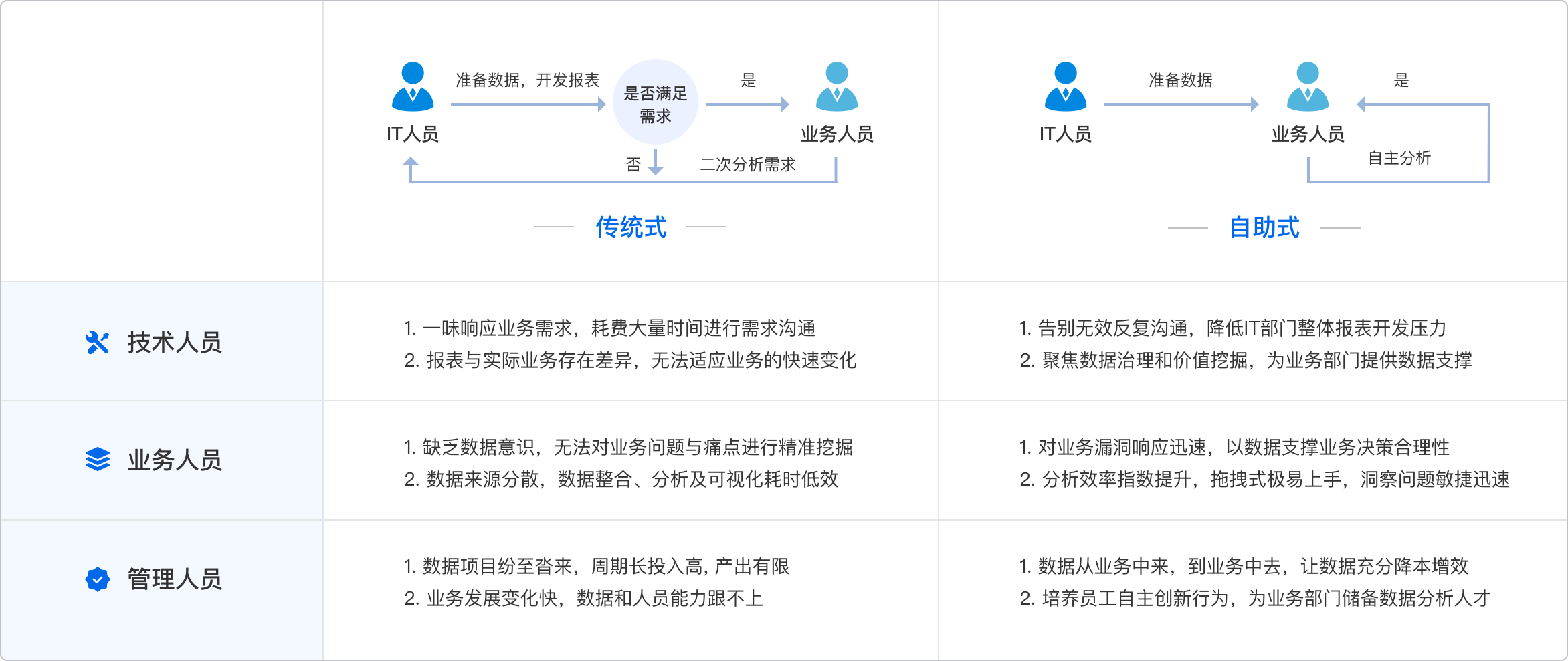
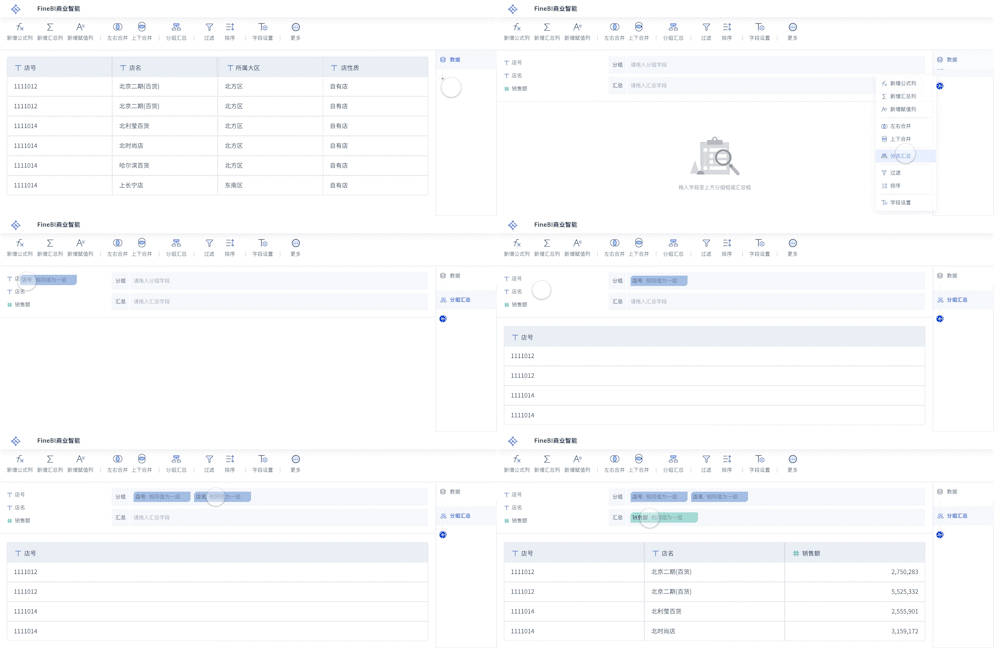
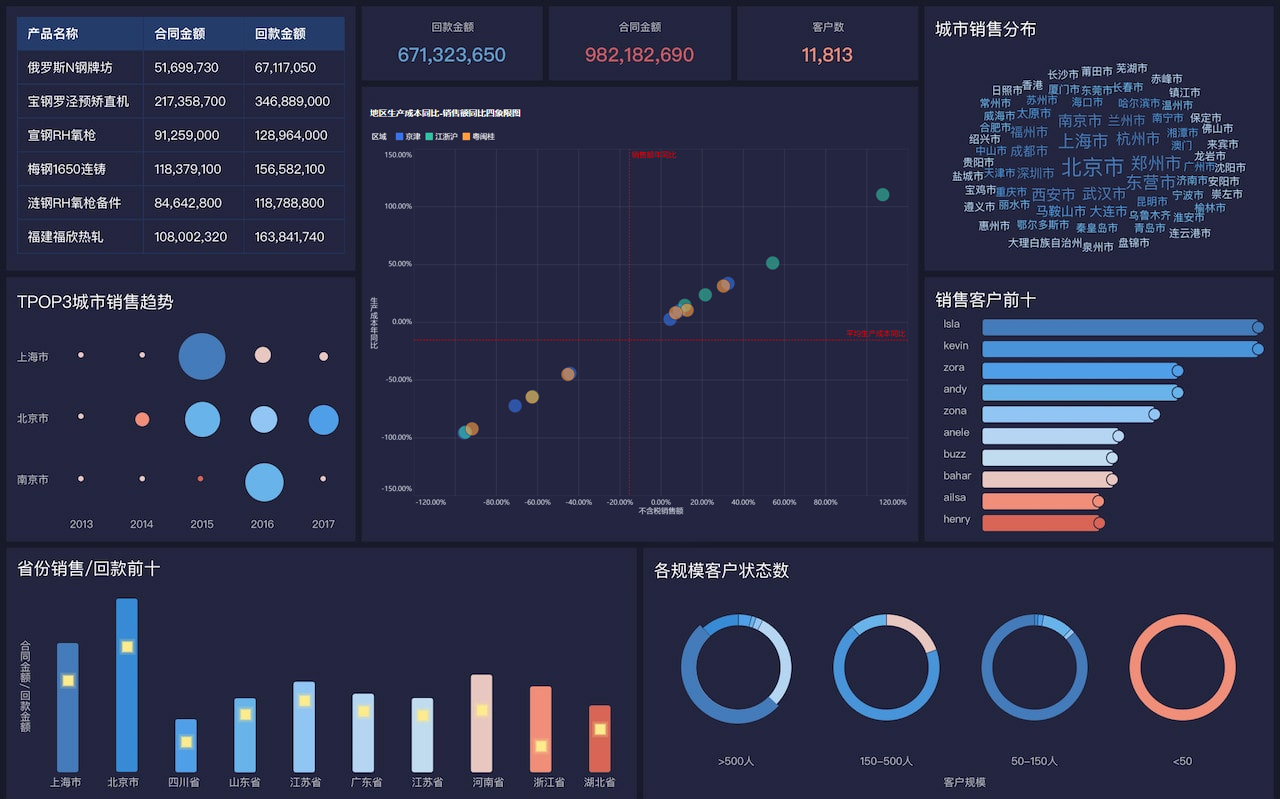
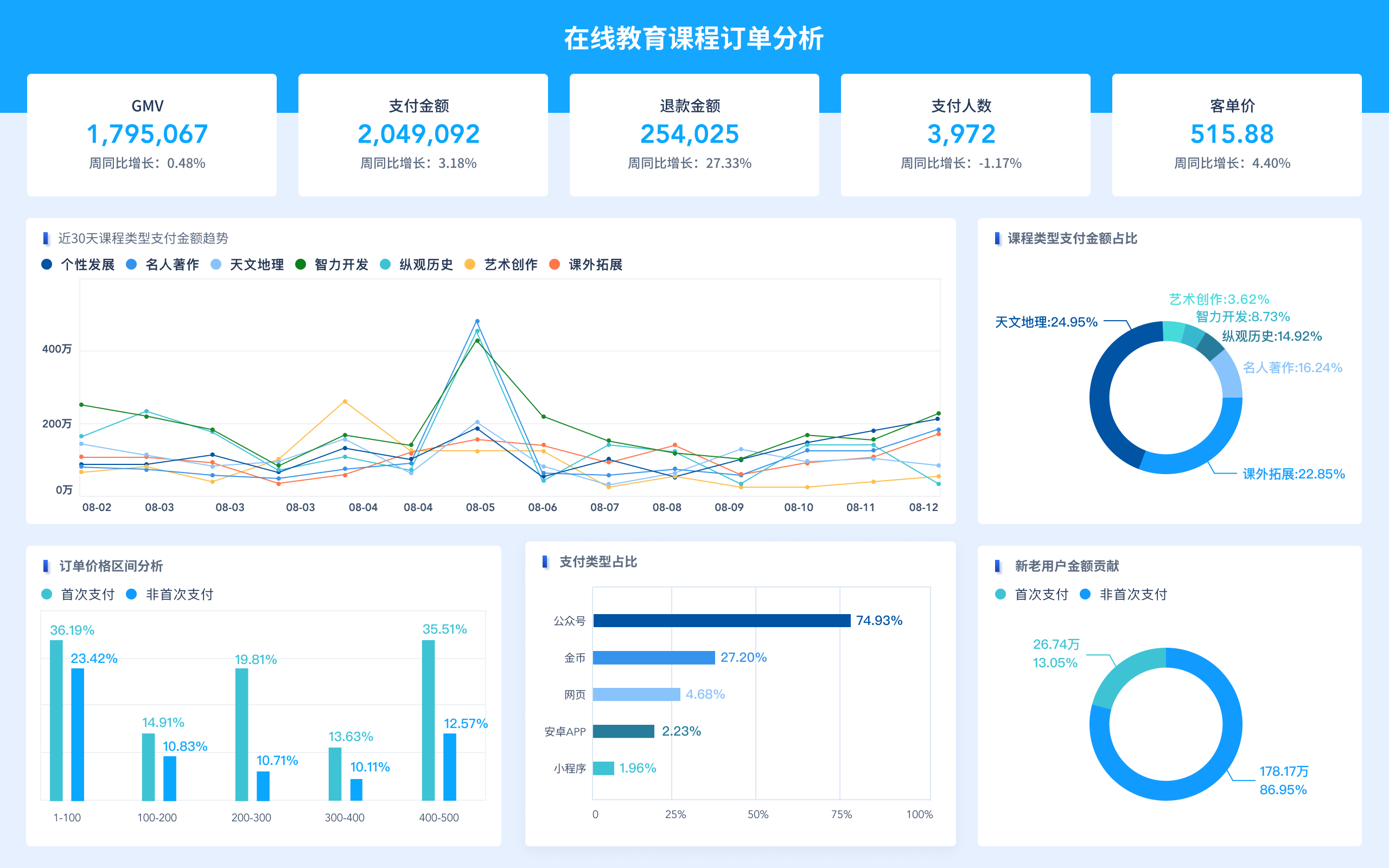
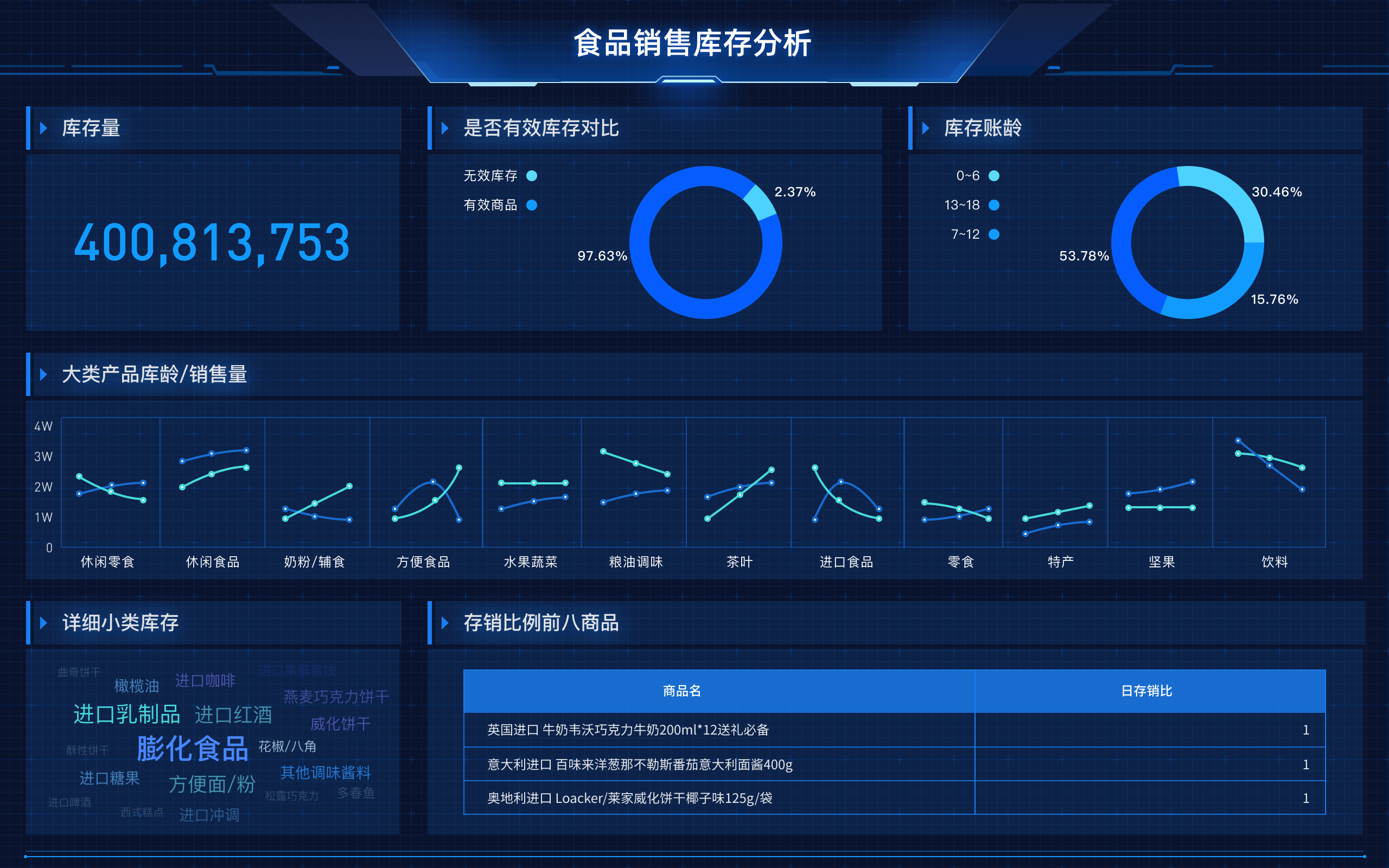
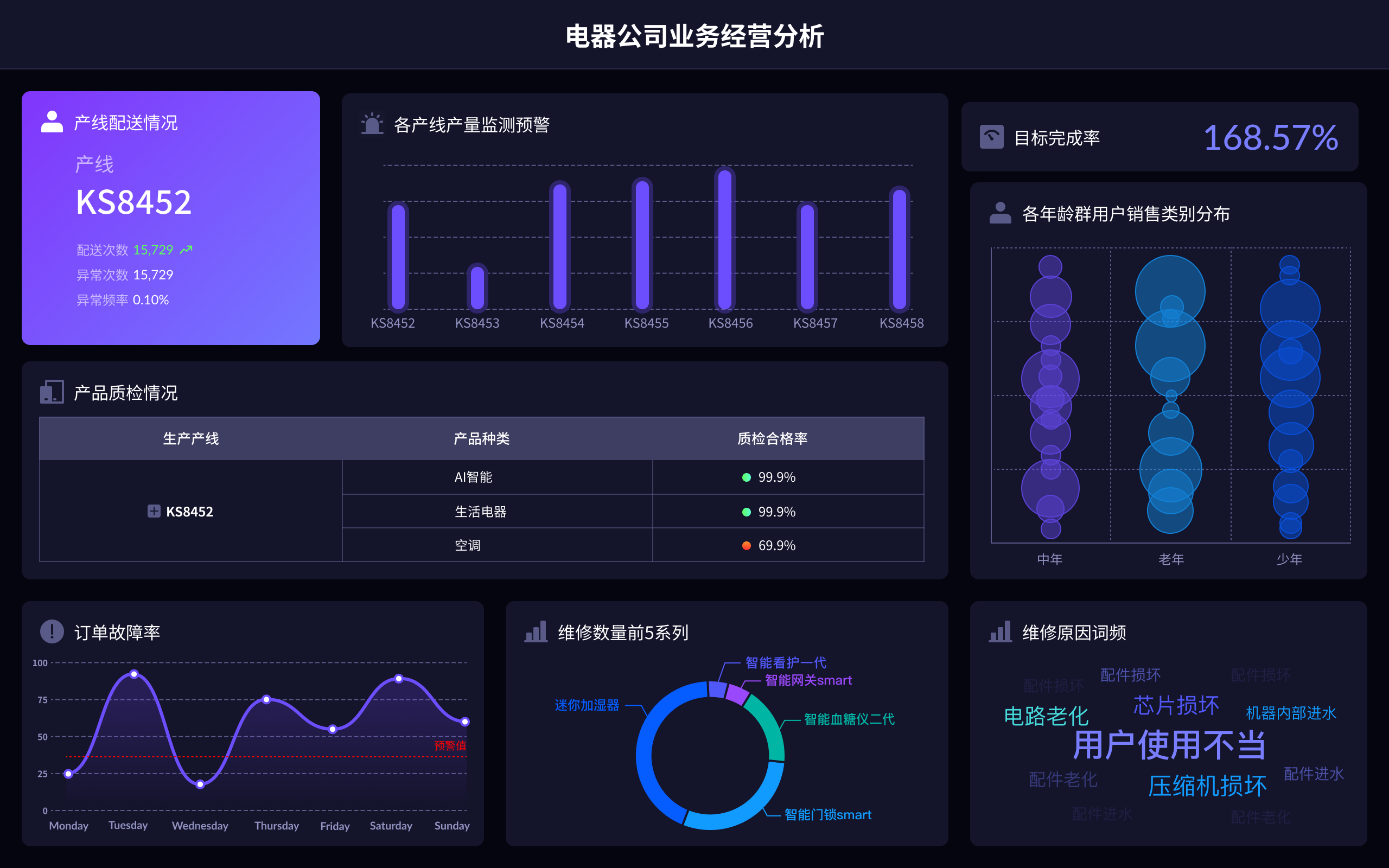
FineBI 是帆软旗下的一款商业智能工具,专注于数据分析和可视化。FineBI可以帮助企业对其财务数据进行深入分析,并生成直观的报告和图表。通过FineBI,企业可以轻松地导入财务数据,进行各种复杂的计算和分析,并将结果以可视化的形式展示出来,从而帮助企业更好地理解其财务结构。
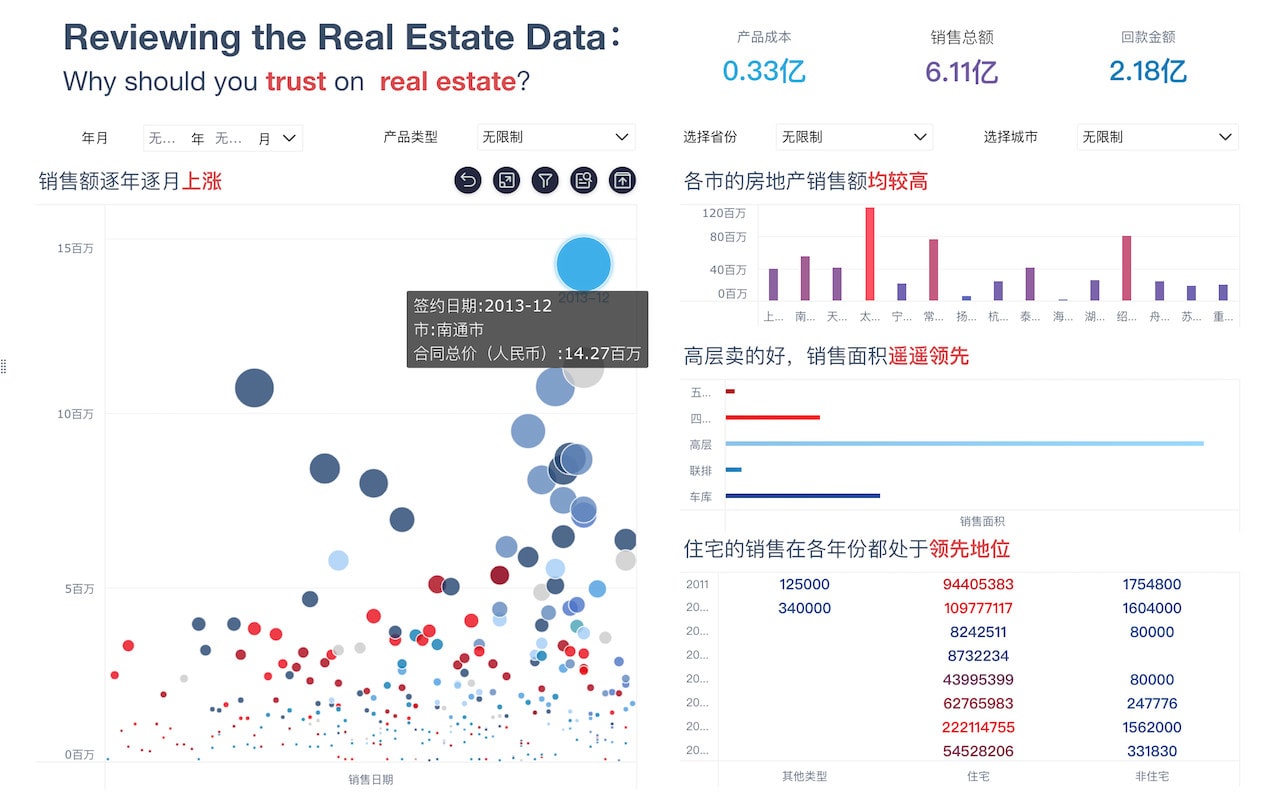
FineBI的主要功能包括数据集成、数据分析和数据可视化。数据集成功能允许企业从多个数据源导入数据,包括ERP系统、财务软件和数据库。数据分析功能提供了丰富的分析工具和算法,支持各种统计分析和数据挖掘。数据可视化功能允许企业生成各种图表和仪表盘,帮助用户直观地理解数据。
FineBI可以帮助企业自动生成财务报告和图表,从而节省大量的时间和人力成本。企业可以自定义报告模板,设置自动更新和分发规则,从而确保财务报告的及时性和准确性。此外,FineBI还支持实时数据监控和预警功能,帮助企业及时发现和应对财务风险。
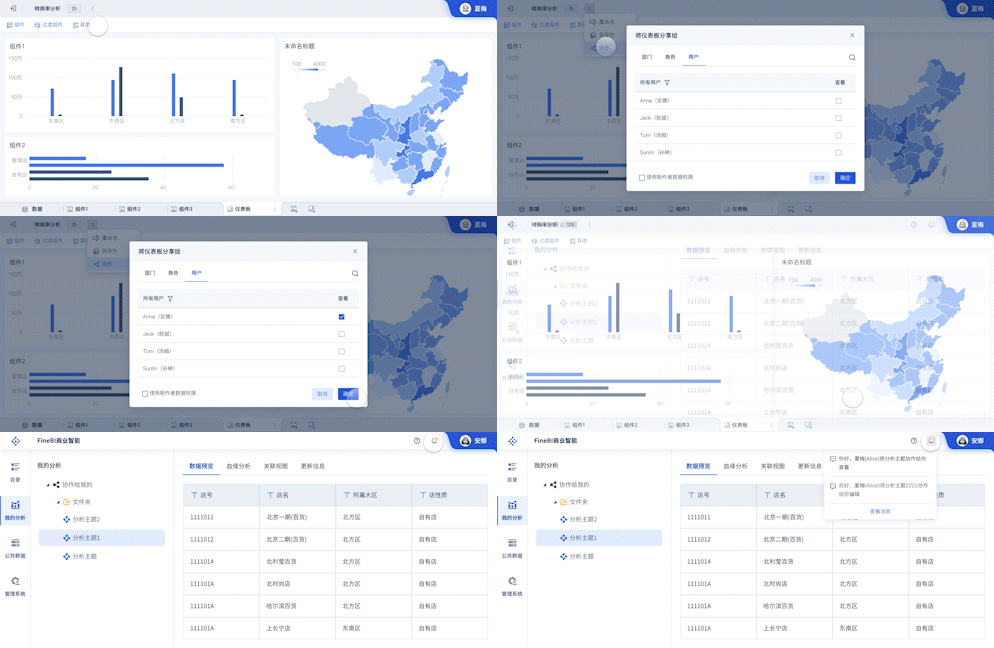
FineBI的另一个重要功能是支持协同分析。企业的不同部门和团队可以通过FineBI共享数据和分析结果,从而实现跨部门的协同工作。这有助于提高企业的整体决策效率和准确性。
综上所述,财务结构分析是企业财务管理中的一个重要环节,通过分析资产负债表、损益表和现金流量表,可以了解企业的财务健康状况和运营效率。而FineBI则提供了强大的数据分析和可视化工具,帮助企业更好地进行财务结构分析和管理。FineBI官网: https://s.fanruan.com/f459r;
相关问答FAQs:
财务结构分析英语怎么说?
财务结构分析在英语中通常被称为 "Financial Structure Analysis"。这一术语广泛应用于会计和财务管理领域,主要用于评估企业的财务健康状况。财务结构分析涉及对公司资产、负债和股东权益的比例和分布进行深入研究,以判断公司的财务稳定性和风险水平。
在进行财务结构分析时,分析师通常会关注以下几个方面:
-
资产负债表的构成:通过查看资产负债表,分析师可以了解企业的资产和负债结构,进而评估公司的流动性和偿债能力。
-
资本结构:分析公司的资本来源,包括债务和股本的比例,了解公司是如何融资的,这有助于判断公司的风险承受能力。
-
财务比率:通过计算和分析各种财务比率(如负债比率、股东权益比率等),分析师可以更直观地了解公司的财务状况。
-
行业比较:将企业的财务结构与同行业其他企业进行比较,能够帮助分析师识别出公司的优势和劣势。
-
趋势分析:观察企业过去几年的财务结构变化,以判断其财务管理的有效性。
通过财务结构分析,企业管理层可以制定更为合理的财务决策,投资者也能够更好地评估投资风险和回报。
本文内容通过AI工具匹配关键字智能整合而成,仅供参考,帆软不对内容的真实、准确或完整作任何形式的承诺。具体产品功能请以帆软官方帮助文档为准,或联系您的对接销售进行咨询。如有其他问题,您可以通过联系blog@fanruan.com进行反馈,帆软收到您的反馈后将及时答复和处理。