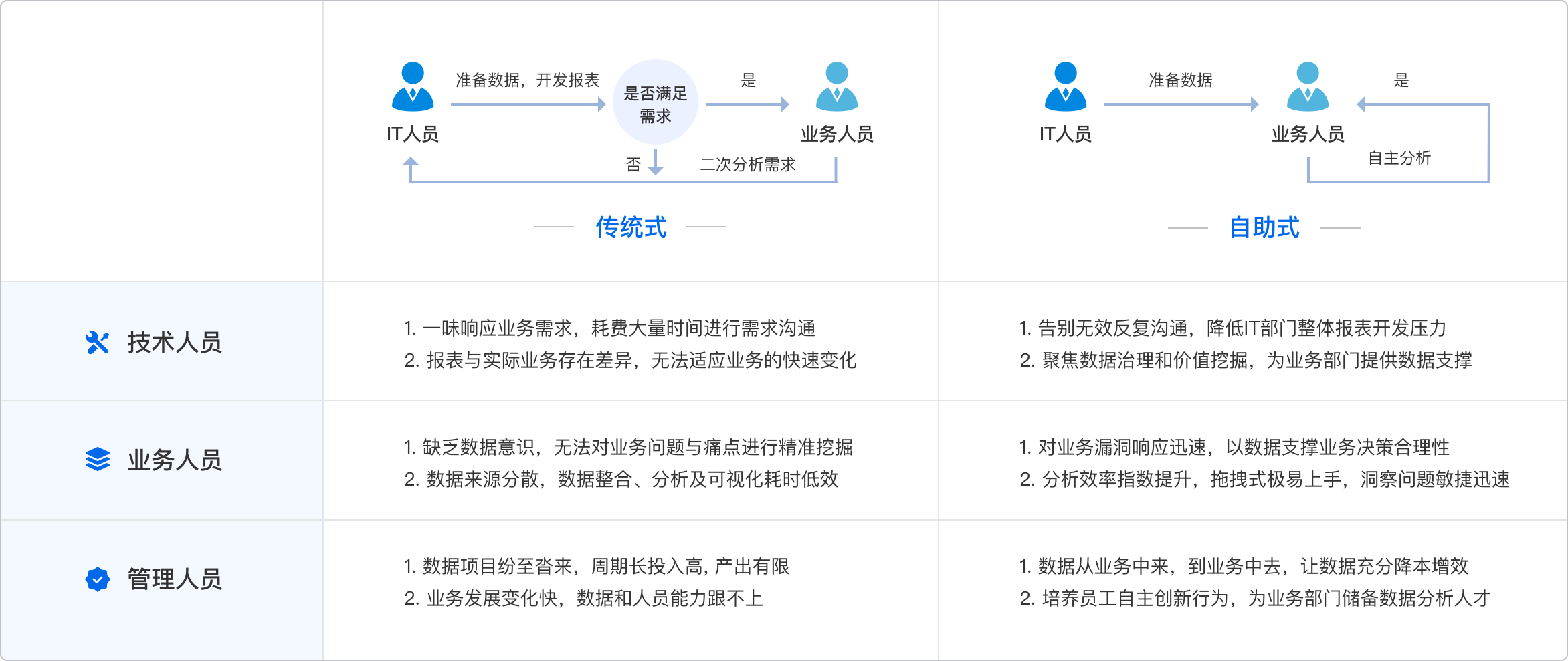
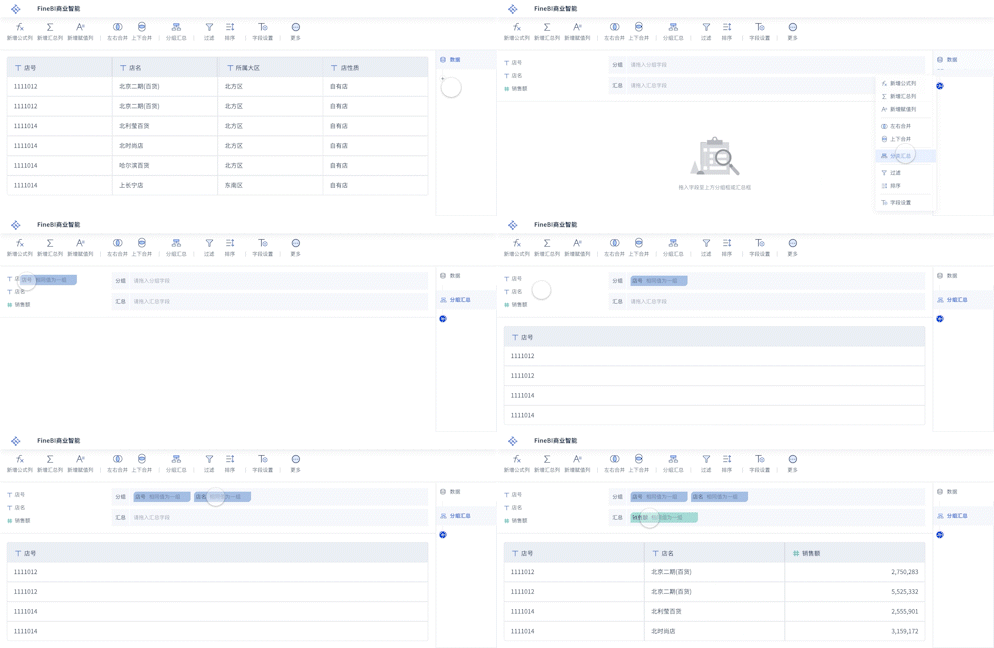
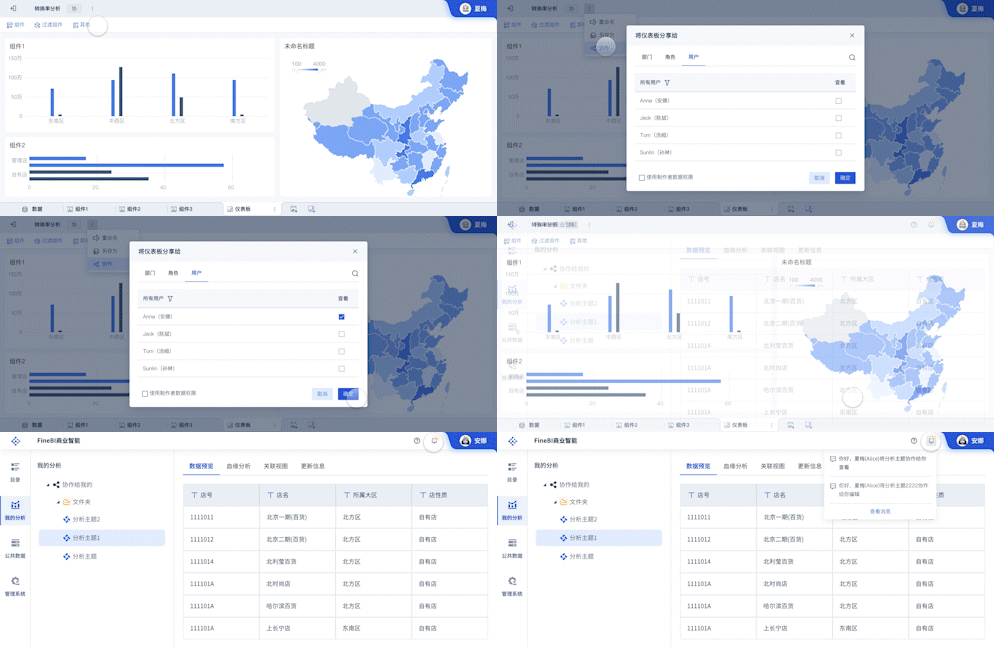
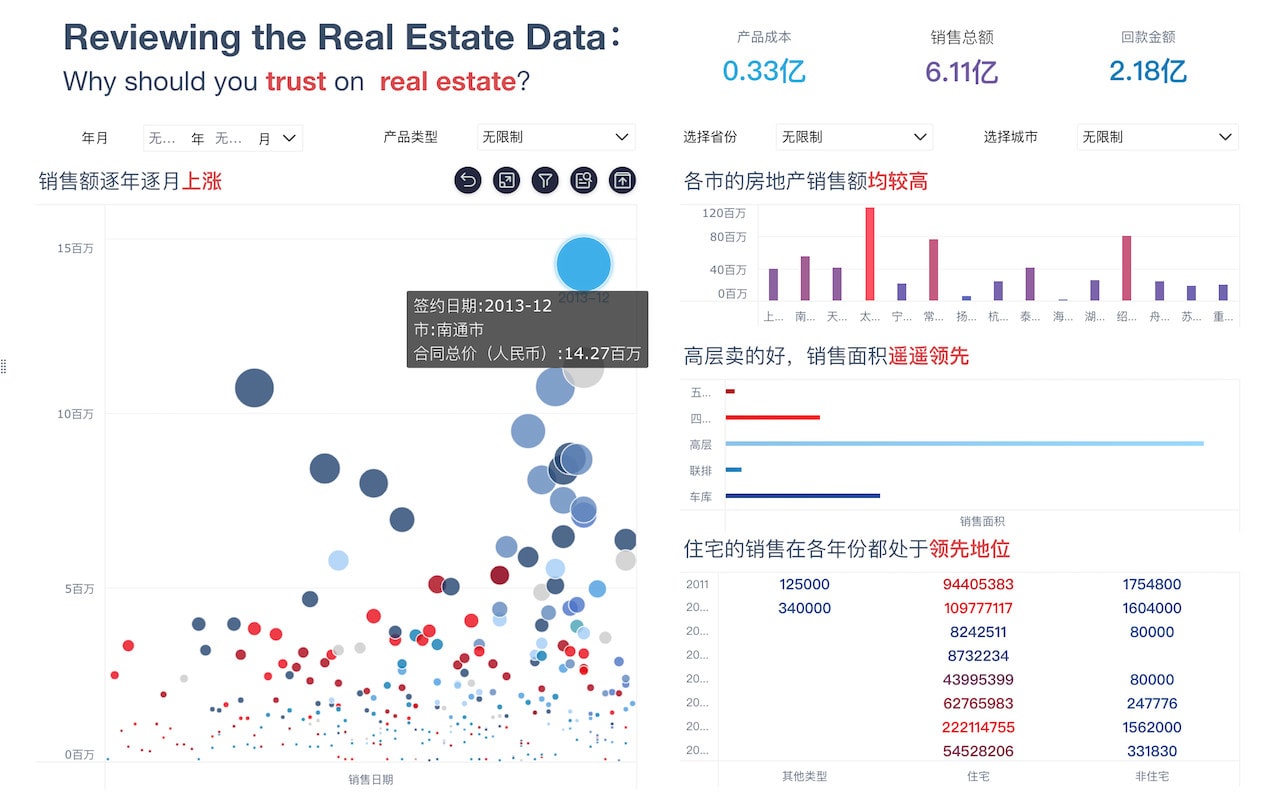
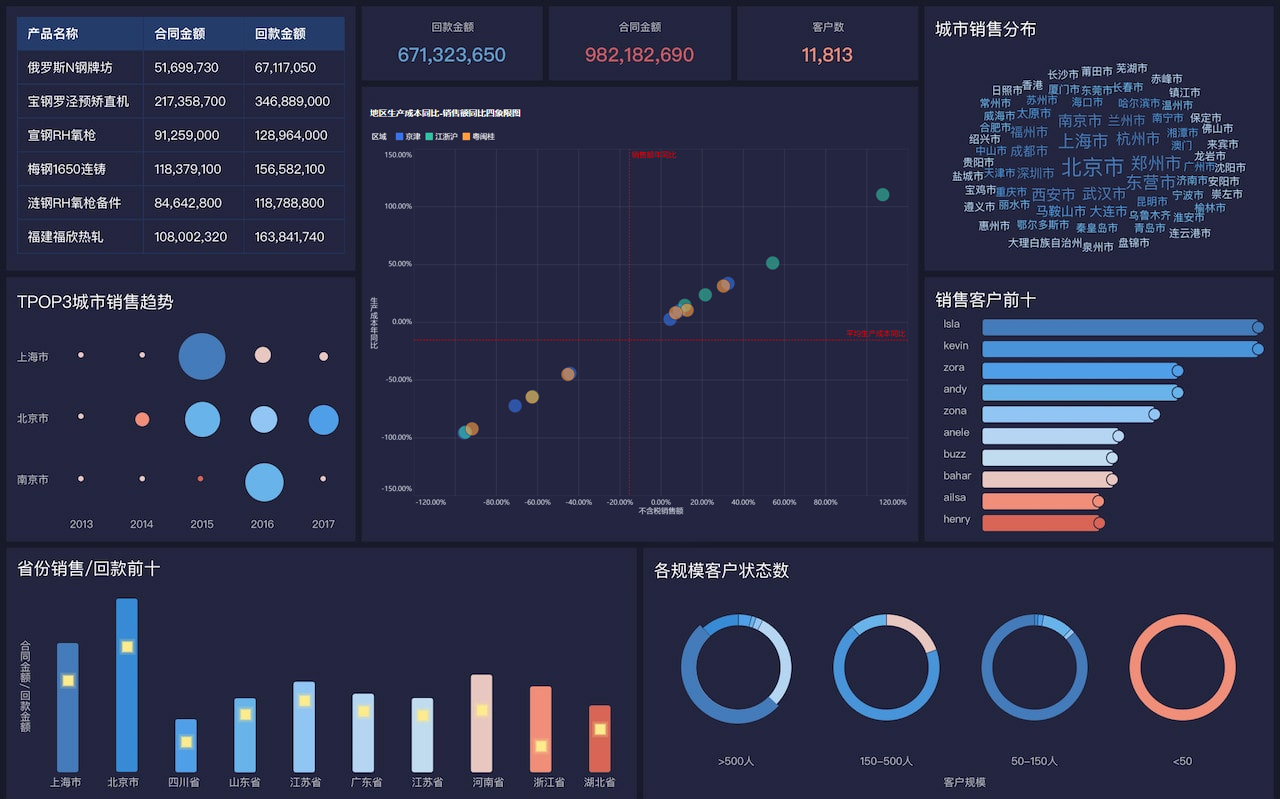
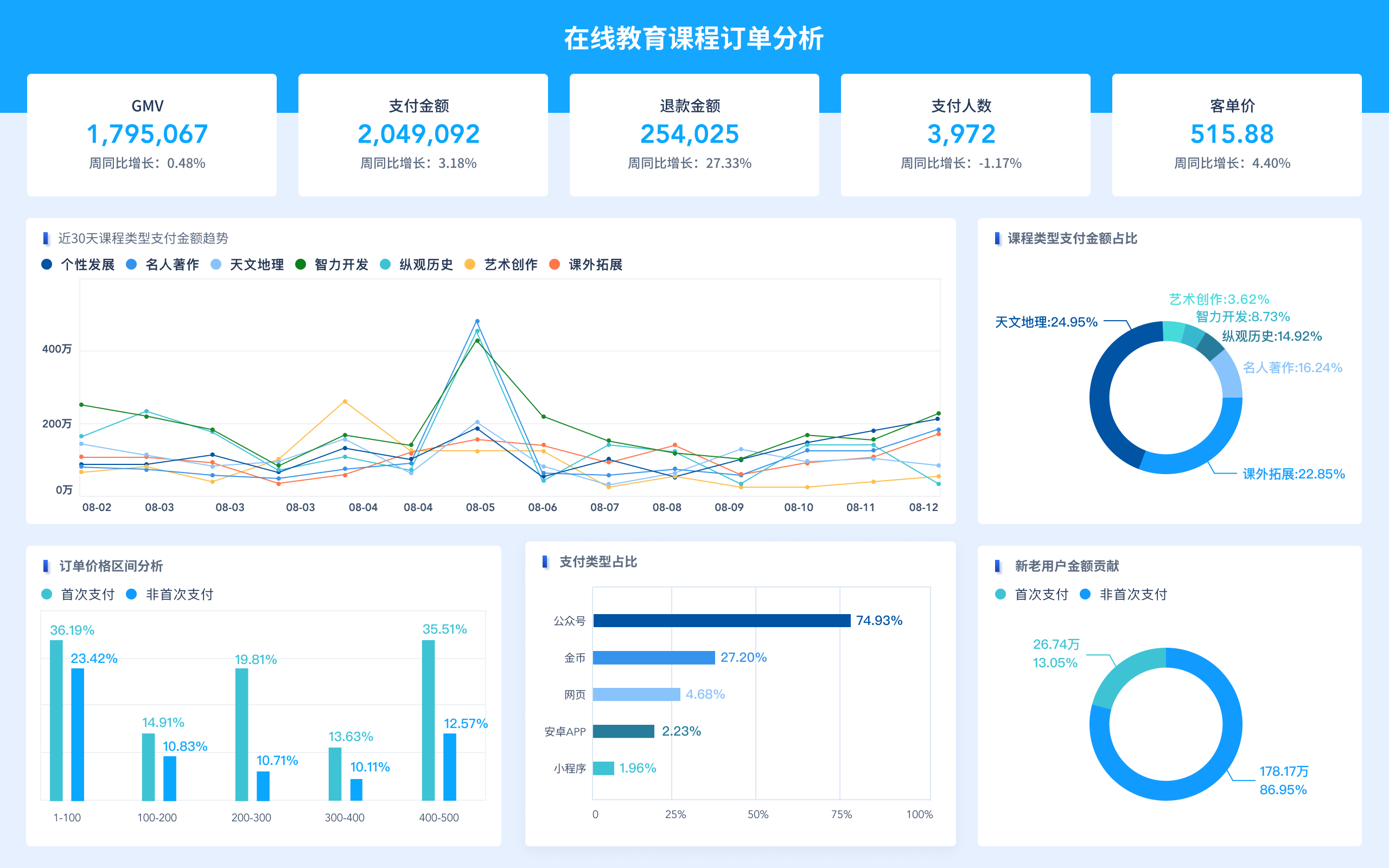
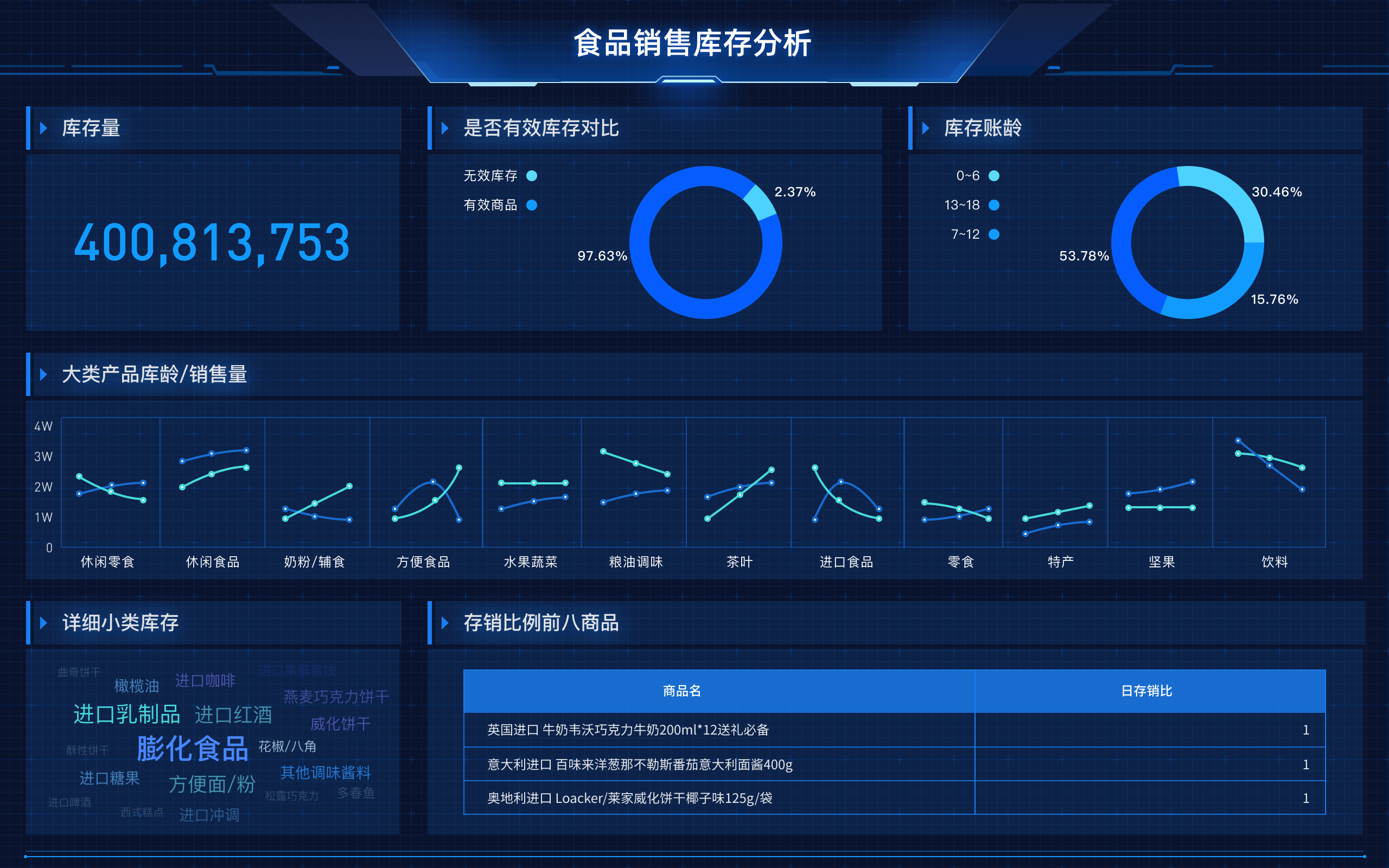
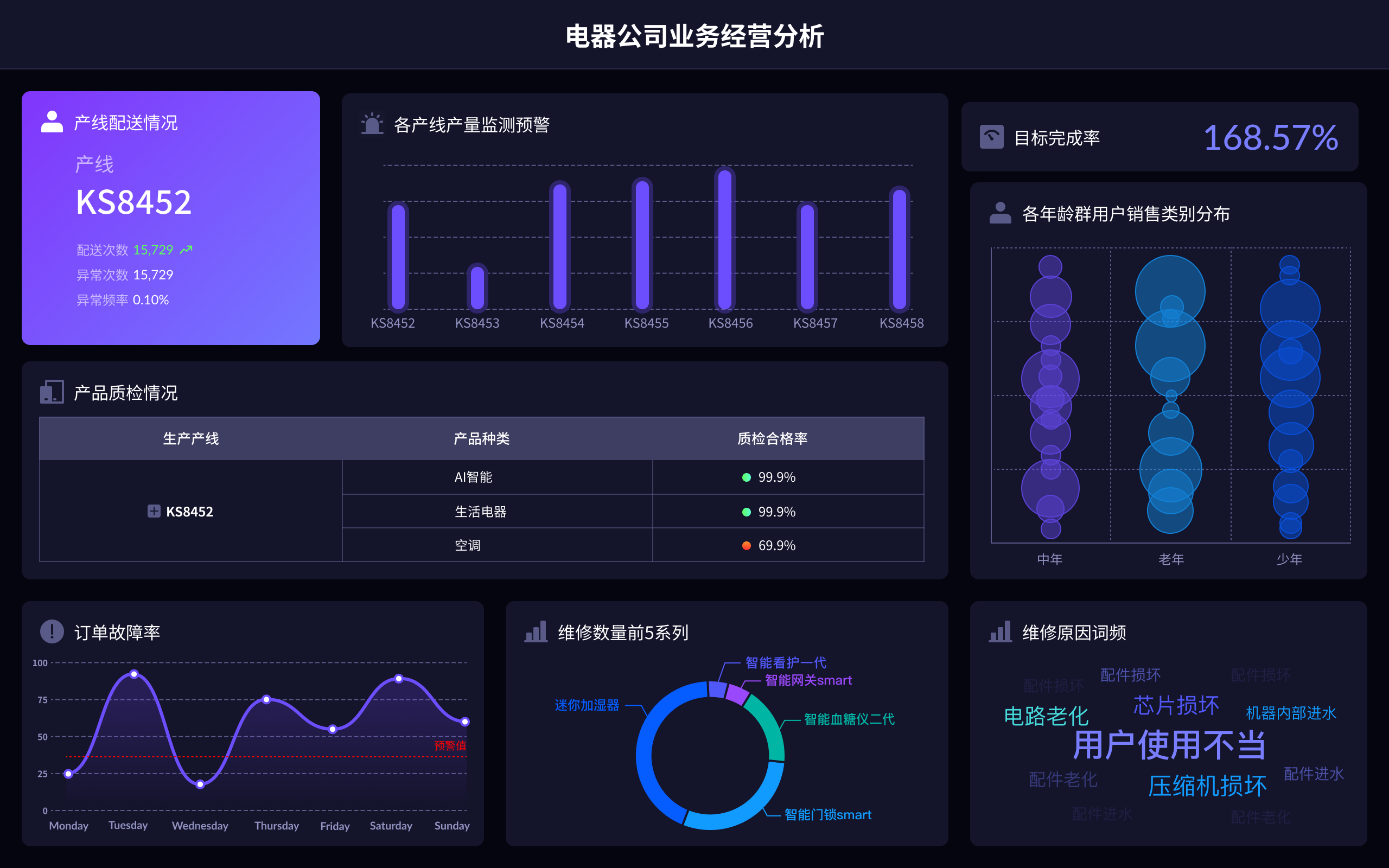
财务分析的英语介绍可以是:Financial analysis involves evaluating the financial health, performance, and stability of a company or project through the examination of financial statements, ratios, and other key metrics. It aims to provide insights for decision-making, investment, and strategic planning. For instance, understanding the liquidity, profitability, and solvency of a business through its balance sheet, income statement, and cash flow statement is a crucial part of financial analysis. Tools like FineBI, a product from Fanruan, offer robust data visualization and reporting capabilities to streamline and enhance the financial analysis process.
一、DEFINITION AND OBJECTIVES OF FINANCIAL ANALYSIS
Financial analysis is the process of examining financial data to understand the financial health of an organization. Its primary objectives include assessing profitability, liquidity, solvency, and operational efficiency. By scrutinizing financial statements, analysts can determine how well a company is performing and what areas need improvement. For instance, profitability analysis looks at how efficiently a company is generating profit from its operations. Tools like FineBI can help streamline this process by providing intuitive data visualization and comprehensive reporting features.
二、KEY COMPONENTS OF FINANCIAL ANALYSIS
1. Financial Statements: The core of financial analysis lies in the examination of financial statements such as the balance sheet, income statement, and cash flow statement. Each of these documents offers insights into different aspects of a company’s financial health. The balance sheet provides a snapshot of a company’s assets, liabilities, and equity at a specific point in time. The income statement reveals how much revenue a company has earned over a period and the costs associated with earning that revenue. The cash flow statement shows the inflows and outflows of cash within the business.
2. Financial Ratios: Ratios are vital tools in financial analysis as they help compare different aspects of a company's performance. Common ratios include liquidity ratios like the current ratio, profitability ratios like the return on assets (ROA), and solvency ratios like the debt-to-equity ratio. These ratios provide a quick and effective way to gauge a company’s financial health.
3. Trend Analysis: By analyzing financial data over multiple periods, analysts can identify trends and patterns. This historical perspective helps in forecasting future performance and making informed strategic decisions. Tools like FineBI can simplify trend analysis by offering advanced data visualization and trend identification features.
三、METHODS AND TECHNIQUES IN FINANCIAL ANALYSIS
1. Vertical and Horizontal Analysis: Vertical analysis involves comparing each item on a financial statement as a percentage of a base figure within the same statement, providing insights into cost structures and profitability. Horizontal analysis, on the other hand, involves comparing financial data over multiple periods to identify growth patterns and trends.
2. Ratio Analysis: This technique is crucial for assessing various dimensions of a company’s financial performance. For example, liquidity ratios help in understanding the company’s ability to meet short-term obligations, while profitability ratios assess the company’s ability to generate profit. Solvency ratios are essential for evaluating long-term financial stability.
3. Cash Flow Analysis: Cash flow analysis focuses on the inflows and outflows of cash within the business. It helps in understanding the liquidity position and the ability of the company to generate cash to meet its obligations. FineBI’s reporting capabilities can enhance cash flow analysis by providing real-time data and sophisticated visualization options.
四、IMPORTANCE OF FINANCIAL ANALYSIS
Financial analysis is critical for multiple stakeholders, including management, investors, creditors, and regulators. Management uses financial analysis to make strategic decisions, optimize operations, and improve profitability. Investors rely on financial analysis to assess the viability and profitability of their investments. Creditors use financial analysis to determine the creditworthiness of a business. Regulators ensure that companies adhere to financial standards and maintain transparency.
1. Decision-Making: Financial analysis provides the data-driven insights necessary for making informed decisions. Whether it’s expanding into new markets, launching new products, or optimizing current operations, a thorough financial analysis is indispensable.
2. Investment Assessment: Investors need to understand the financial health of a company before committing their capital. Financial analysis provides a comprehensive view of the company’s performance and growth potential, aiding in investment decisions.
3. Risk Management: Identifying potential financial risks is a crucial aspect of financial analysis. By evaluating solvency, liquidity, and profitability, companies can anticipate and mitigate financial risks. Tools like FineBI can assist in real-time risk assessment through advanced analytics and reporting.
五、TOOLS AND SOFTWARE FOR FINANCIAL ANALYSIS
1. FineBI: FineBI is a powerful business intelligence tool from Fanruan that offers robust data visualization and reporting capabilities. It can significantly enhance the financial analysis process by providing intuitive dashboards, real-time data updates, and comprehensive analytical features. FineBI’s user-friendly interface and advanced analytics make it an ideal choice for financial analysts looking to streamline their workflow and derive deeper insights from their data. FineBI官网: https://s.fanruan.com/f459r;
2. Spreadsheet Software: Traditional tools like Microsoft Excel and Google Sheets are still widely used for financial analysis. They offer flexibility and a range of functions for data manipulation, although they may lack the advanced features of dedicated financial analysis software.
3. Specialized Financial Analysis Software: There are various specialized tools available that cater specifically to financial analysis needs. These include platforms like QuickBooks for accounting, Bloomberg Terminal for financial data and analytics, and Tableau for advanced data visualization. Each of these tools offers unique features that can aid in a comprehensive financial analysis.
六、BEST PRACTICES IN FINANCIAL ANALYSIS
1. Consistency: Maintaining consistency in the methods and metrics used for financial analysis ensures that the results are comparable over time. This consistency is crucial for tracking performance and making informed decisions.
2. Accuracy: Ensuring the accuracy of financial data is paramount. Inaccurate data can lead to misleading conclusions and poor decision-making. Regular audits and validations of financial data can help maintain accuracy.
3. Use of Technology: Leveraging advanced tools and software like FineBI can enhance the efficiency and effectiveness of financial analysis. These tools can automate data collection, provide real-time updates, and offer sophisticated analytical capabilities.
4. Comprehensive Analysis: A thorough financial analysis should consider multiple metrics and perspectives. Relying on a single ratio or financial statement can provide a skewed view of the company’s financial health. A comprehensive approach ensures a more accurate and holistic understanding.
5. Staying Updated: Financial analysts must stay updated with the latest trends, regulations, and best practices in financial analysis. Continuous learning and professional development are crucial for maintaining expertise and delivering accurate insights.
In conclusion, financial analysis is a multifaceted discipline that involves a thorough examination of financial data to assess a company’s performance and stability. By leveraging advanced tools like FineBI and adhering to best practices, financial analysts can provide valuable insights that drive strategic decision-making and business growth.
相关问答FAQs:
财务分析的英语介绍怎么说?
问:什么是财务分析?
财务分析是一个评估企业财务状况、经营成果和现金流量的过程。这一过程通过分析财务报表,如资产负债表、利润表和现金流量表,来了解企业的盈利能力、流动性和偿债能力。通过财务分析,管理层、投资者和其他利益相关者可以获得有关企业财务健康状况的重要信息,帮助他们做出明智的决策。
问:财务分析的主要工具和方法有哪些?
财务分析使用多种工具和方法来评估企业的表现。常见的工具包括比率分析、趋势分析、横向和纵向分析等。比率分析是通过计算不同财务指标之间的比率来评估公司的财务状况,例如流动比率、速动比率、资产回报率和净利率。趋势分析则侧重于观察财务数据在一定时间内的变化,帮助识别发展趋势。横向分析对比不同时间段的财务报表,而纵向分析则关注单个财务报表内各项数据的比例关系,便于理解各项指标的相对重要性。
问:财务分析在企业决策中扮演什么角色?
财务分析在企业决策中起着至关重要的作用。通过对财务数据的深入分析,管理层可以识别潜在的问题和机会,制定合理的战略。例如,财务分析可以揭示成本控制的不足,促使企业采取措施提高效率。此外,投资者和债权人也依赖财务分析来评估投资的风险与回报,帮助他们做出投资决策。通过财务分析,企业能够更好地规划未来,优化资源配置,从而实现可持续增长。
本文内容通过AI工具匹配关键字智能整合而成,仅供参考,帆软不对内容的真实、准确或完整作任何形式的承诺。具体产品功能请以帆软官方帮助文档为准,或联系您的对接销售进行咨询。如有其他问题,您可以通过联系blog@fanruan.com进行反馈,帆软收到您的反馈后将及时答复和处理。