在撰写财务分析的英语介绍时,应该注重几个核心要点:Financial Ratios、Financial Statements、Trend Analysis、Comparative Analysis。其中,Financial Ratios(财务比率)是最为关键的一点。财务比率通过多个财务指标的对比,帮助管理层、投资者以及其他利益相关者评估公司的财务状况和运营效率。常用的财务比率包括流动比率、速动比率、资产负债率、净利润率、资产回报率等。通过这些比率,可以直观地看到公司在流动性、盈利能力、负债水平等方面的表现,为决策提供有力支持。
一、FINANCIAL RATIOS
Financial ratios are a vital aspect of financial analysis, providing key insights into a company's financial health and performance. These ratios allow stakeholders to evaluate aspects such as liquidity, profitability, solvency, and efficiency. Commonly used financial ratios include the current ratio, quick ratio, debt-to-equity ratio, net profit margin, and return on assets. Each ratio serves a specific purpose: the current ratio assesses a company's ability to meet short-term obligations, while the quick ratio measures its immediate liquidity. The debt-to-equity ratio evaluates financial leverage, and the net profit margin reveals profitability. Return on assets indicates how effectively a company utilizes its assets to generate profits. By analyzing these ratios, stakeholders can make informed decisions about investments, lending, and management practices.
二、FINANCIAL STATEMENTS
Financial statements are the cornerstone of financial analysis, providing a detailed overview of a company's financial performance and position. The primary financial statements include the balance sheet, income statement, and cash flow statement. The balance sheet presents a snapshot of a company's assets, liabilities, and shareholders' equity at a specific point in time, revealing its financial position. The income statement, or profit and loss statement, shows the company's revenues, expenses, and net income over a reporting period, indicating its profitability. The cash flow statement tracks the inflows and outflows of cash, highlighting the company's liquidity and cash management practices. By examining these statements, analysts can identify trends, assess financial stability, and evaluate the company's operational efficiency.
三、TREND ANALYSIS
Trend analysis involves examining financial data over multiple periods to identify patterns and assess the company's performance over time. This method helps analysts to detect consistent growth, decline, or cyclical movements in financial metrics such as revenue, expenses, profits, and cash flows. By comparing historical data, trend analysis can reveal underlying strengths and weaknesses, enabling management to make strategic adjustments. For example, a consistent increase in revenue accompanied by a stable or decreasing cost of goods sold might indicate improved operational efficiency. Conversely, a declining trend in net income despite stable revenue could signal rising expenses or operational inefficiencies that need to be addressed. Trend analysis provides a dynamic view of the company's financial trajectory, supporting long-term planning and decision-making.
四、COMPARATIVE ANALYSIS
Comparative analysis involves benchmarking a company's financial performance against that of its peers or industry standards. This approach helps identify relative strengths and weaknesses, providing a context for evaluating the company's competitive position. Key metrics for comparative analysis include financial ratios, growth rates, and market share. By comparing these metrics with those of similar companies, analysts can assess whether the company is outperforming or underperforming within its industry. For instance, a higher return on equity compared to industry peers might indicate superior management effectiveness, while a lower profit margin could suggest cost management issues. Comparative analysis enables stakeholders to understand the company's standing in the market, guiding strategic initiatives and investment decisions.
五、APPLICATIONS OF FINANCIAL ANALYSIS
Financial analysis has wide-ranging applications in various domains, including investment, corporate finance, and risk management. Investors use financial analysis to evaluate the potential returns and risks associated with different investment opportunities. By analyzing financial statements and ratios, investors can identify undervalued stocks, assess company stability, and make informed investment choices. In corporate finance, financial analysis is crucial for strategic planning, budgeting, and performance evaluation. Companies utilize financial analysis to optimize resource allocation, manage working capital, and enhance profitability. In risk management, financial analysis helps in identifying financial risks, such as credit risk, liquidity risk, and market risk, enabling companies to implement mitigation strategies. The insights gained from financial analysis support informed decision-making, driving business growth and sustainability.
六、TOOLS AND TECHNOLOGIES FOR FINANCIAL ANALYSIS
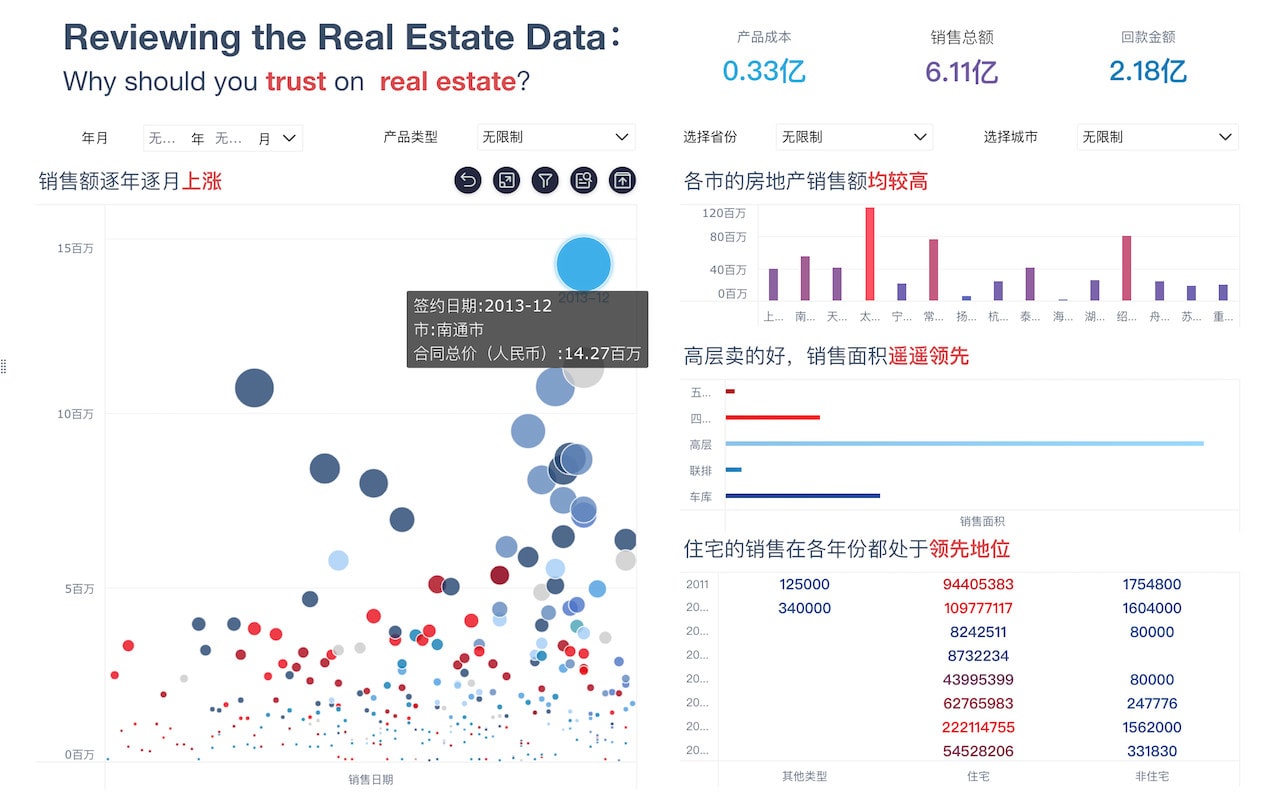
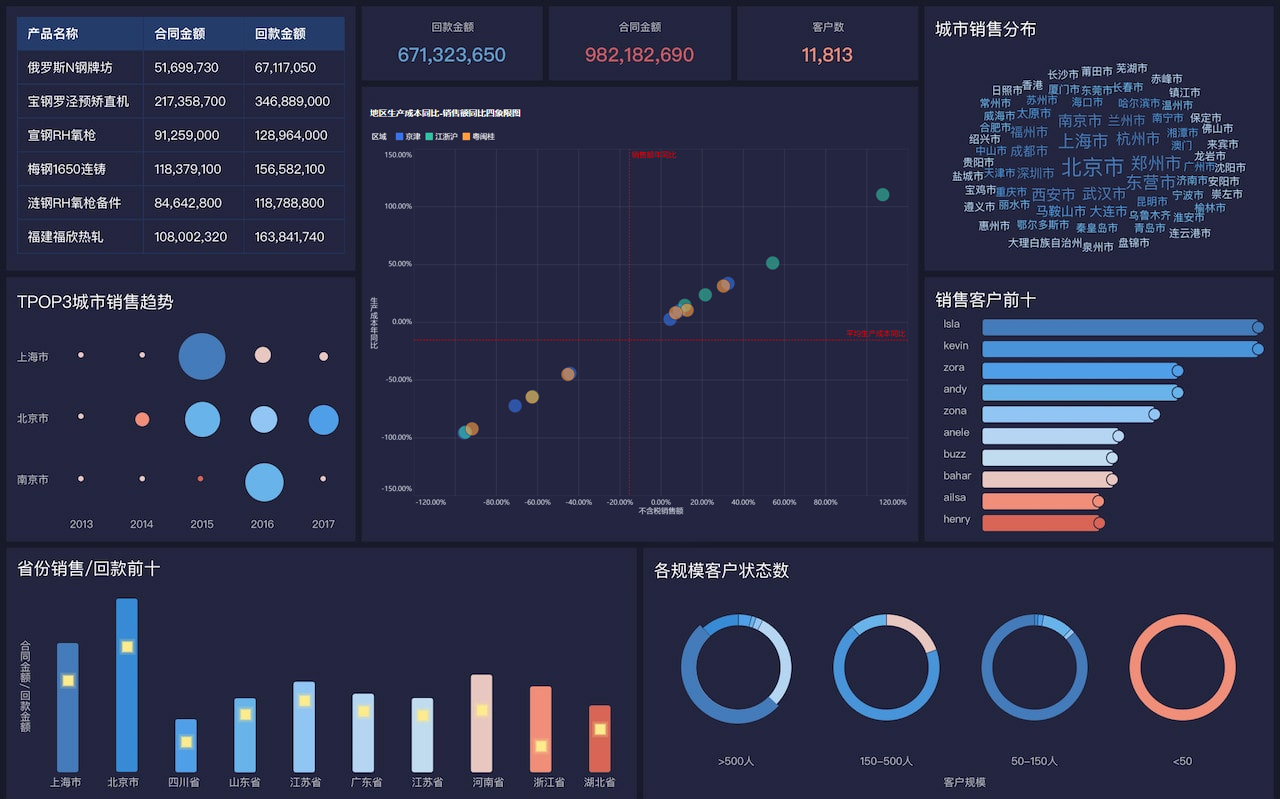
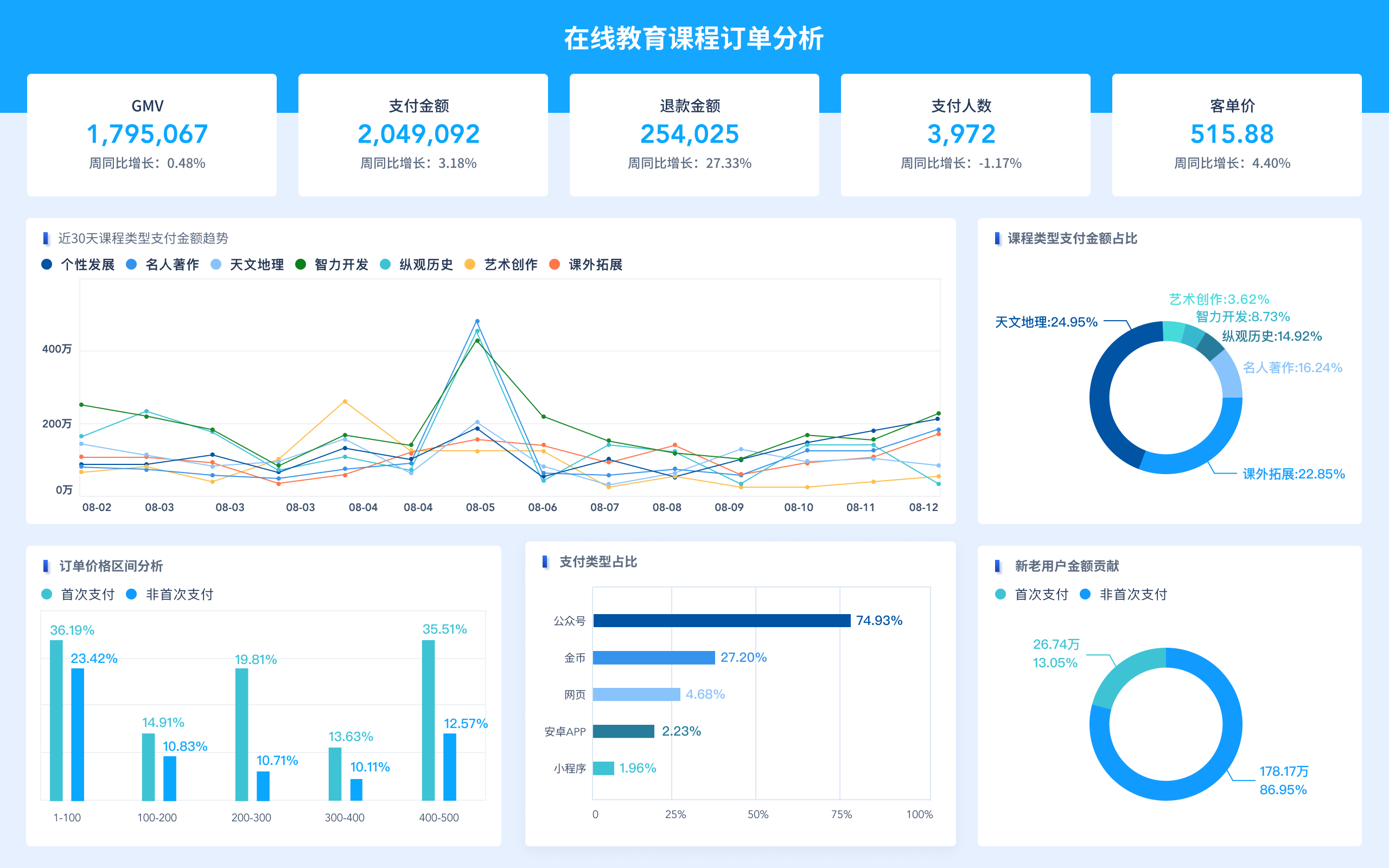
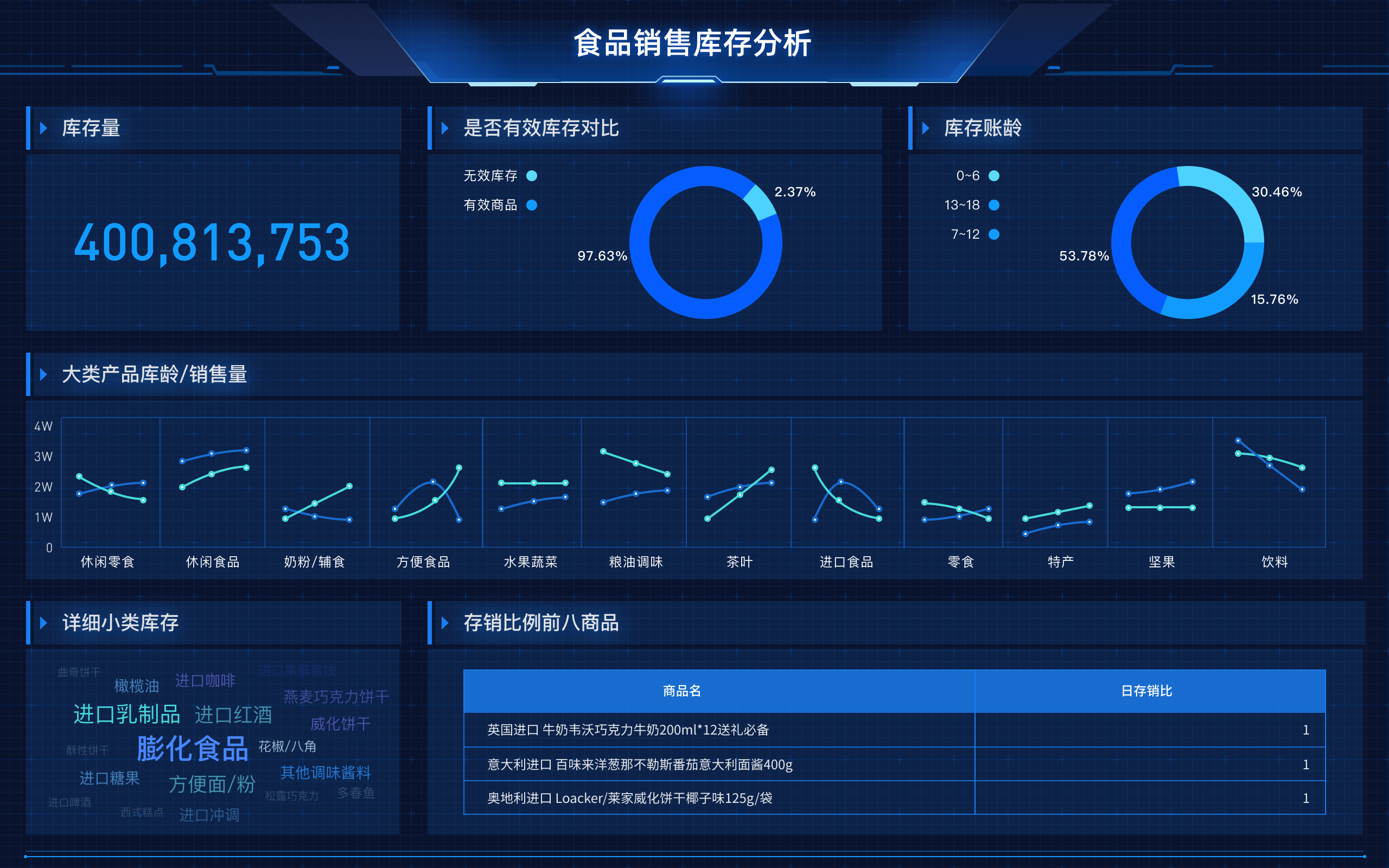
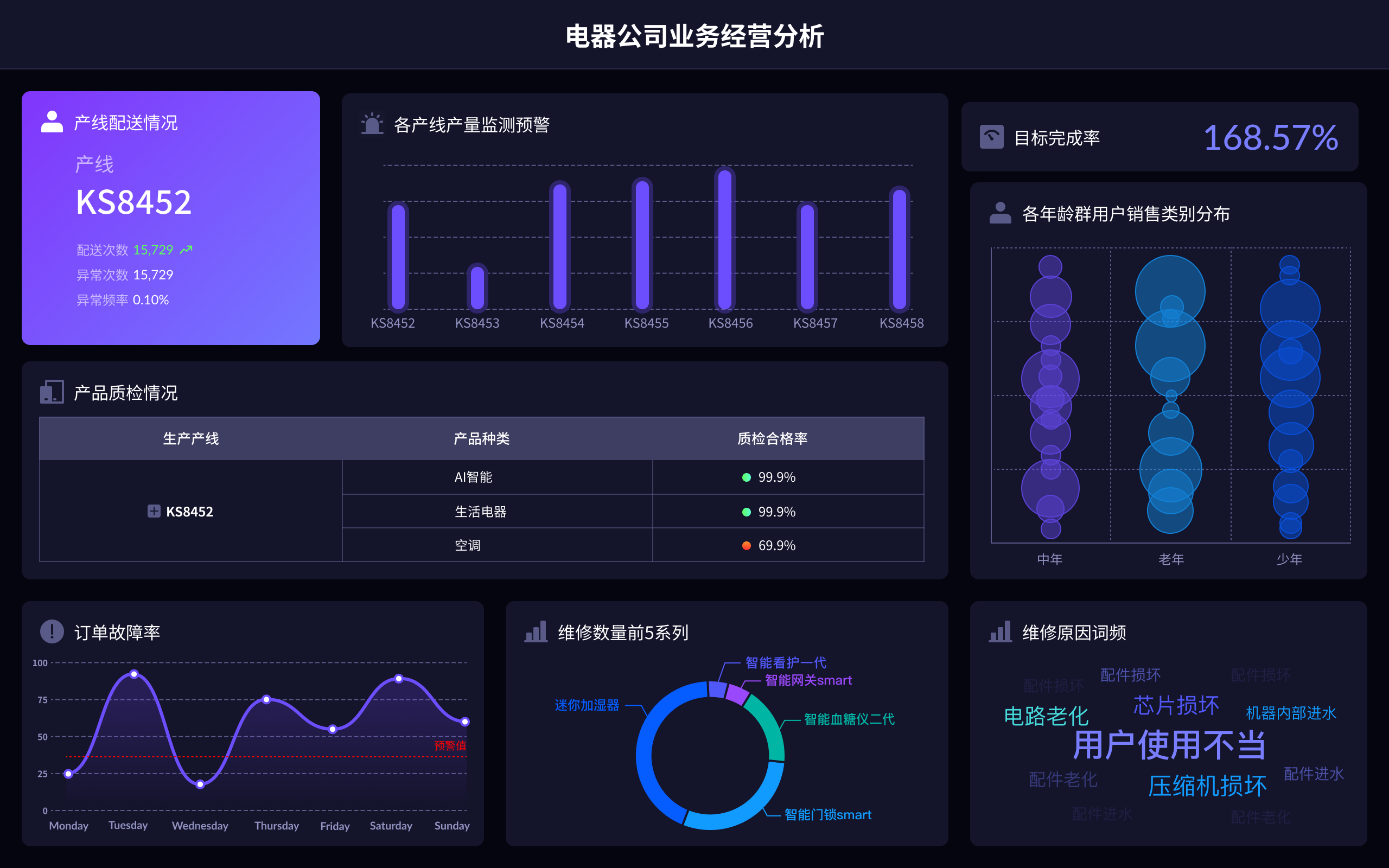
With the advancement of technology, various tools and software have emerged to facilitate financial analysis. FineBI, a product of Fanruan, is one such tool that offers robust data visualization and business intelligence capabilities. FineBI enables users to create interactive dashboards, perform real-time data analysis, and generate comprehensive reports. Its user-friendly interface and advanced analytics features make it an invaluable tool for financial analysts, helping them to uncover insights and make data-driven decisions. Moreover, FineBI supports integration with various data sources, enhancing its versatility and usability. By leveraging modern tools like FineBI, analysts can streamline their workflows, improve accuracy, and gain deeper insights into financial data.
FineBI官网: https://s.fanruan.com/f459r;
七、CHALLENGES IN FINANCIAL ANALYSIS
Despite its benefits, financial analysis presents several challenges that analysts must navigate. One significant challenge is the accuracy and reliability of financial data. Inaccurate or incomplete data can lead to erroneous conclusions and poor decision-making. Ensuring data integrity through rigorous validation and verification processes is crucial. Another challenge is the complexity of financial markets and economic conditions, which can impact the relevance and applicability of certain financial metrics. Analysts must continuously update their knowledge and adapt their methodologies to reflect changing market dynamics. Additionally, interpreting financial data requires a deep understanding of accounting principles, financial regulations, and industry-specific factors, demanding a high level of expertise and experience. Addressing these challenges is essential for conducting effective financial analysis and deriving meaningful insights.
八、THE FUTURE OF FINANCIAL ANALYSIS
The future of financial analysis is poised to be shaped by technological advancements and evolving industry practices. Artificial intelligence (AI) and machine learning (ML) are expected to play a significant role in automating data analysis, enhancing predictive capabilities, and uncovering hidden patterns in financial data. These technologies can process vast amounts of data at unprecedented speeds, providing real-time insights and enabling proactive decision-making. Blockchain technology is also likely to impact financial analysis by improving data transparency, security, and traceability. As companies increasingly adopt digital transformation initiatives, the demand for advanced financial analysis tools and skilled analysts will continue to grow. Embracing these innovations will empower organizations to stay competitive, optimize financial performance, and navigate the complexities of the modern business landscape.
By understanding and implementing the principles and methodologies of financial analysis, businesses and investors can make informed decisions that drive growth, stability, and success. FineBI官网: https://s.fanruan.com/f459r;
相关问答FAQs:
在撰写关于财务分析的英语介绍时,可以从以下几个方面进行阐述:定义、目的、重要性、主要分析方法、应用领域和常用工具等。以下是一个示例文本,您可以根据需要进行修改和扩展:
Introduction to Financial Analysis
Financial analysis is a critical process that involves evaluating a company's financial statements and performance to understand its financial health and make informed decisions. This analysis is essential for investors, creditors, and internal management to assess the company's profitability, liquidity, solvency, and operational efficiency.
Definition of Financial Analysis
At its core, financial analysis refers to the assessment of a company's financial information, primarily its income statement, balance sheet, and cash flow statement. The objective is to interpret financial data to provide insights into a company's performance and to predict future financial outcomes.
Purpose of Financial Analysis
The primary purpose of financial analysis is to provide stakeholders with an understanding of the company's financial position. It serves various functions, such as:
-
Investment Decisions: Investors rely on financial analysis to determine the viability of investing in a company. Analyzing key ratios and trends helps investors assess potential risks and returns.
-
Credit Assessment: Lenders use financial analysis to evaluate a company's creditworthiness. This involves assessing its ability to repay loans based on historical performance and future projections.
-
Strategic Planning: Internal management utilizes financial analysis to make informed decisions regarding budgeting, forecasting, and resource allocation. It helps identify areas for improvement and growth opportunities.
Importance of Financial Analysis
Understanding the significance of financial analysis is crucial for both businesses and investors. Key reasons include:
-
Informed Decision-Making: Financial analysis provides a factual basis for making strategic decisions, enabling stakeholders to choose the best course of action.
-
Performance Benchmarking: It allows companies to compare their performance against industry standards or competitors, helping to identify strengths and weaknesses.
-
Risk Management: By evaluating financial data, organizations can identify potential risks and develop strategies to mitigate them, ensuring long-term sustainability.
Major Methods of Financial Analysis
Several methods are commonly employed in financial analysis, each serving a distinct purpose:
-
Ratio Analysis: This method involves calculating financial ratios from financial statements to assess various aspects of a company's performance. Common ratios include liquidity ratios, profitability ratios, and leverage ratios.
-
Trend Analysis: This technique examines financial data over time, identifying patterns and trends that can indicate future performance. It is useful for forecasting and strategic planning.
-
Common-Size Analysis: This method standardizes financial statements by converting them into percentages, making it easier to compare financial performance across different companies or periods.
Applications of Financial Analysis
Financial analysis is utilized across various sectors and industries, including:
-
Corporate Finance: Companies use financial analysis for capital budgeting, performance evaluation, and financial forecasting.
-
Investment Analysis: Investors and analysts assess potential investments by analyzing financial statements and market conditions.
-
Public Sector: Government entities conduct financial analysis to evaluate budget proposals, manage public funds, and assess the financial health of public organizations.
Common Tools for Financial Analysis
Several tools and software can facilitate financial analysis, enhancing accuracy and efficiency:
-
Excel Spreadsheets: Widely used for financial modeling, Excel allows analysts to create custom financial models and perform complex calculations.
-
Financial Analysis Software: Dedicated software solutions, such as QuickBooks and SAP, provide comprehensive tools for financial reporting and analysis.
-
Business Intelligence Tools: Platforms like Tableau and Power BI enable users to visualize financial data, making it easier to interpret and analyze complex information.
Conclusion
In conclusion, financial analysis is an indispensable tool for assessing a company's financial health and making informed business decisions. By utilizing various methods and tools, stakeholders can gain valuable insights that drive strategic planning and investment decisions. Understanding the fundamentals of financial analysis is essential for anyone involved in finance, whether they are investors, analysts, or business managers.
以上是关于财务分析的英语介绍的示例,您可以在此基础上增加更多细节和案例,使其内容更加丰富和全面。
本文内容通过AI工具匹配关键字智能整合而成,仅供参考,帆软不对内容的真实、准确或完整作任何形式的承诺。具体产品功能请以帆软官方帮助文档为准,或联系您的对接销售进行咨询。如有其他问题,您可以通过联系blog@fanruan.com进行反馈,帆软收到您的反馈后将及时答复和处理。