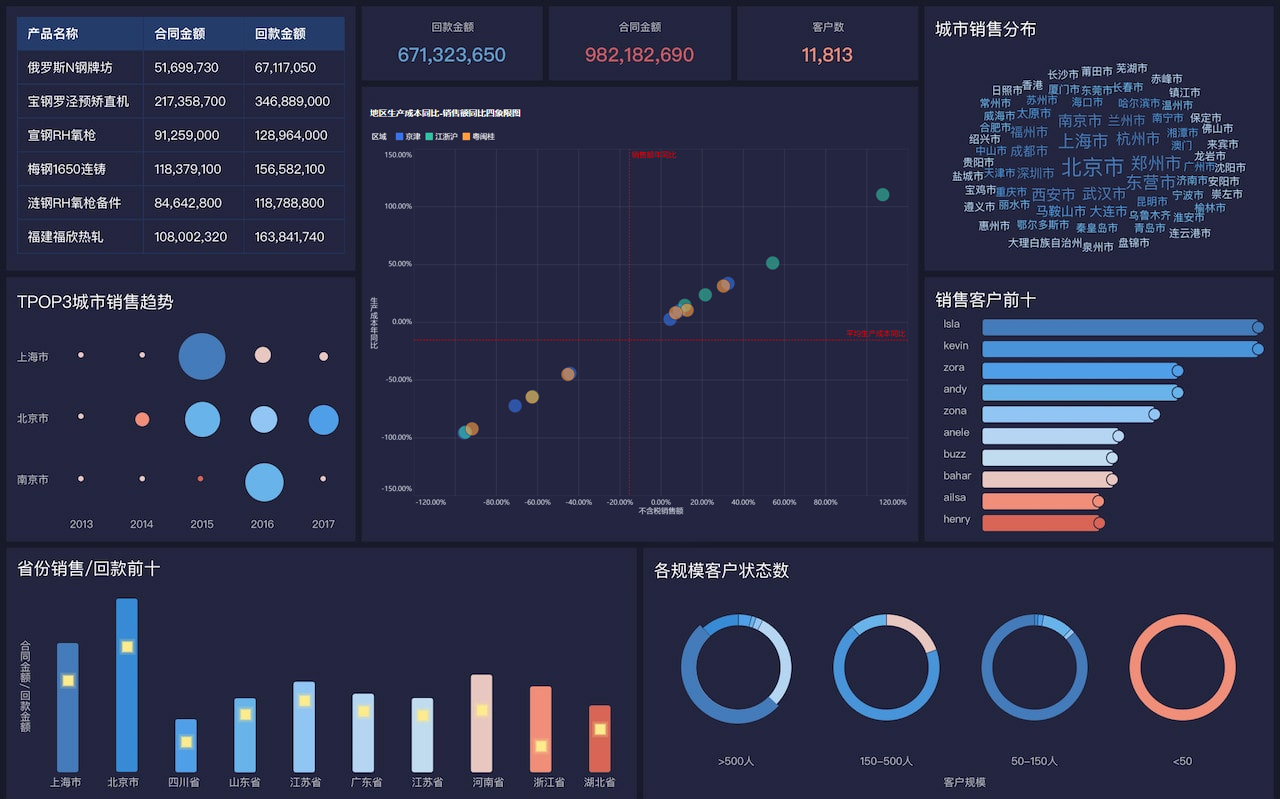
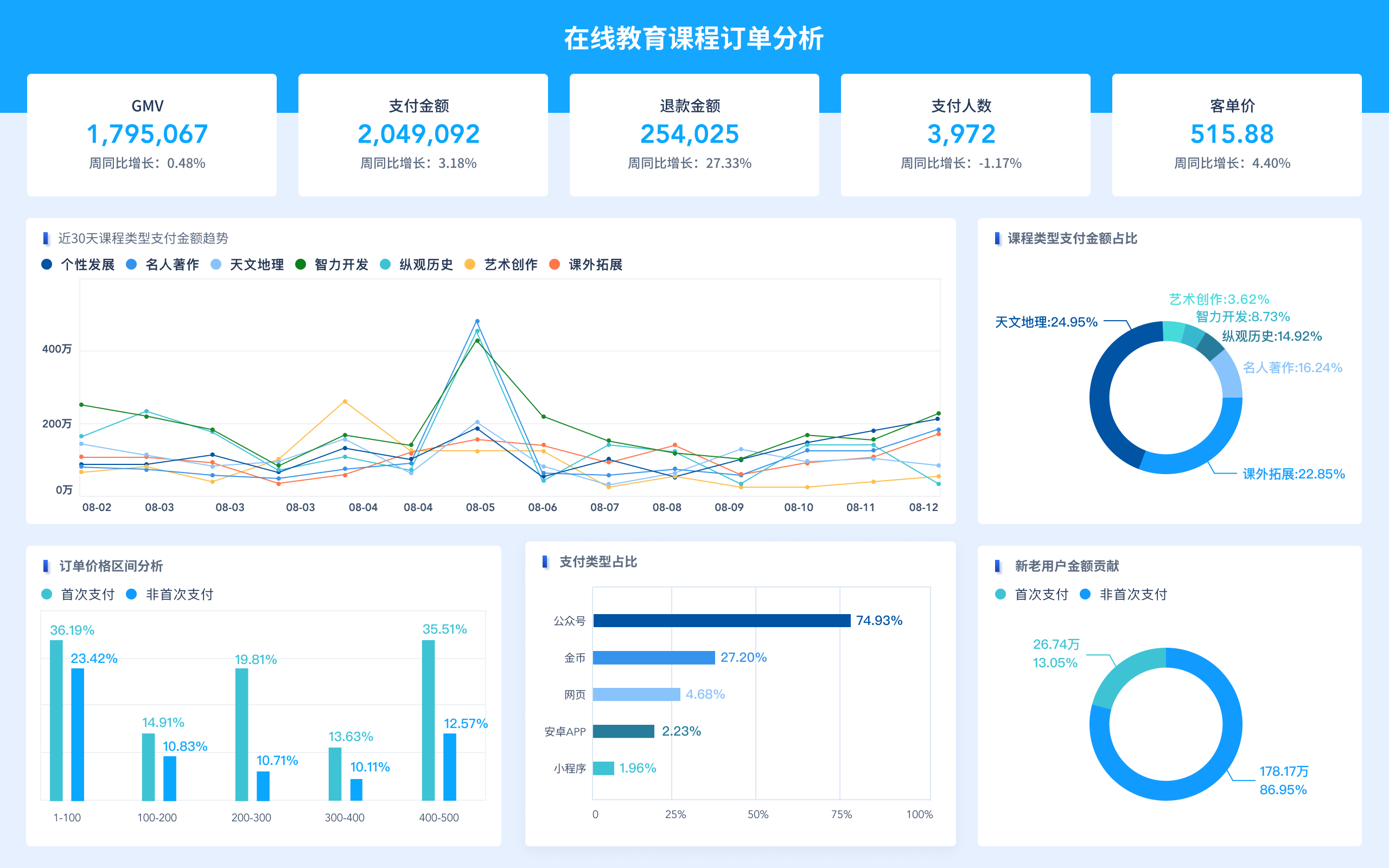
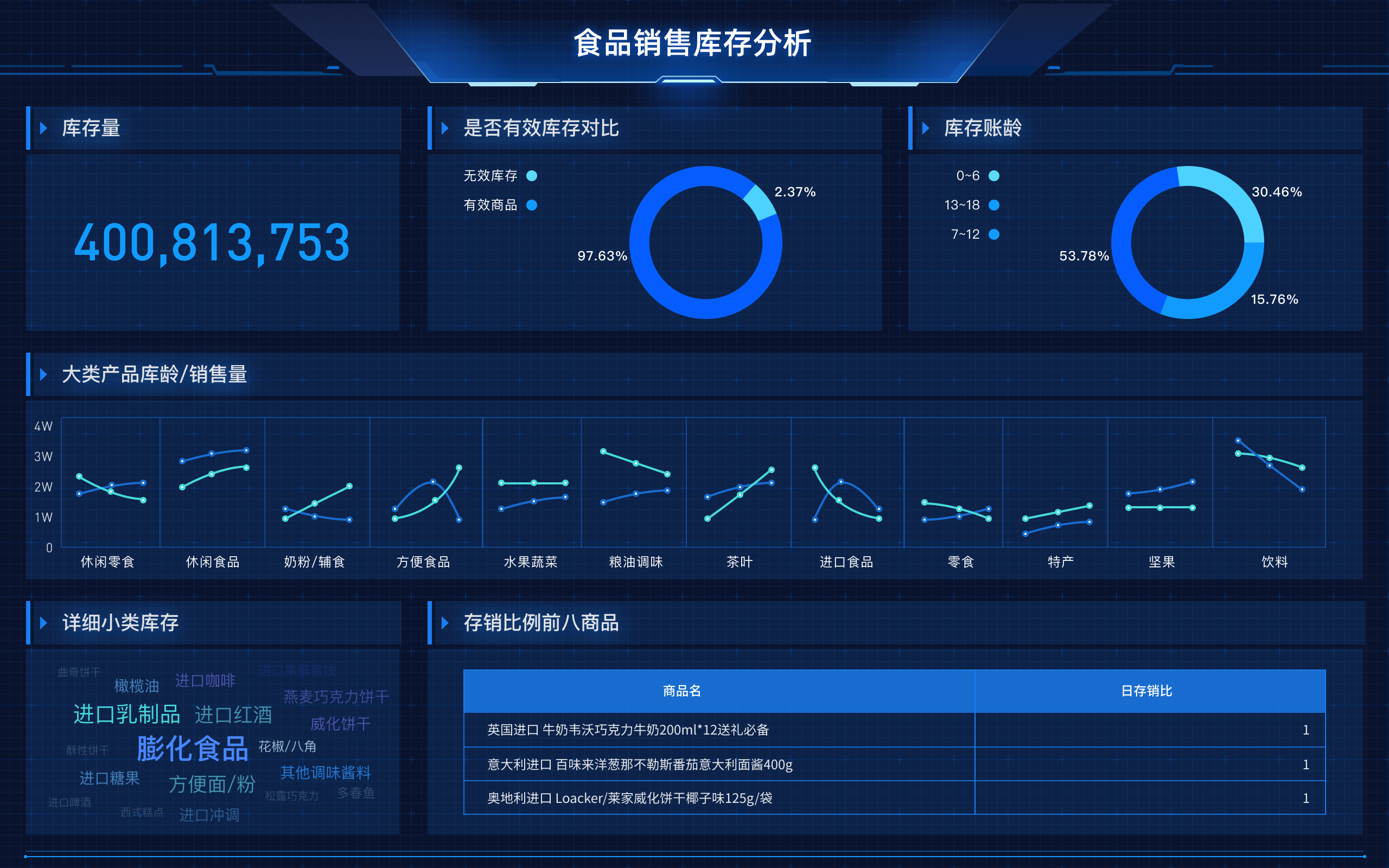
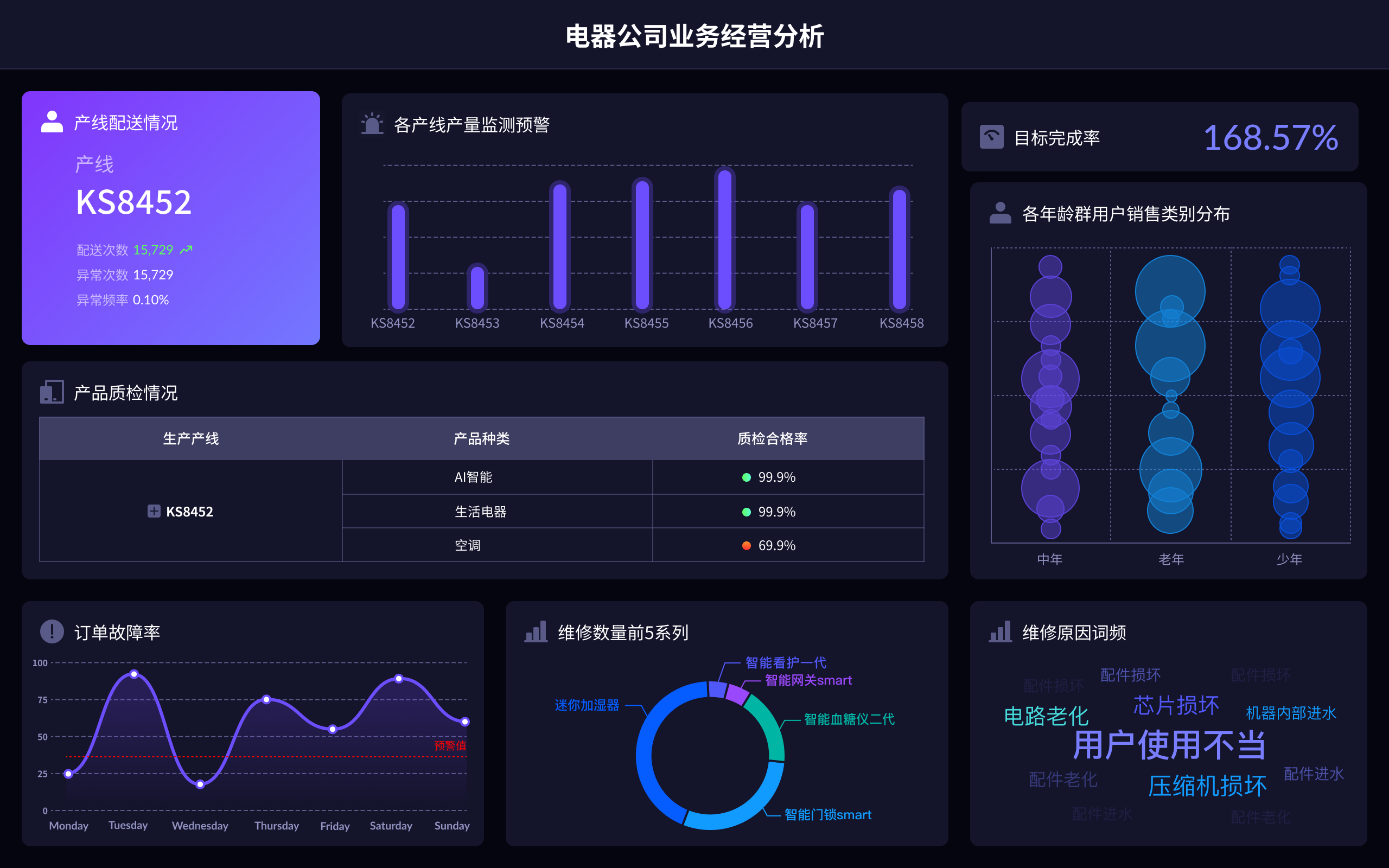
财务分析报告英语可以说是Financial Analysis Report、Financial Statement Analysis、Financial Performance Report。 其中,Financial Analysis Report 是最常见的用法,通常用于描述一份详细的财务状况和表现分析报告。一个Financial Analysis Report 通常包括公司的财务健康状况、盈利能力、流动性和效率等方面的分析。例如,如果一家公司需要向投资者展示其财务状况,它会提供一份Financial Analysis Report,这份报告会深入分析公司的资产负债表、损益表和现金流量表,以便投资者能够做出明智的投资决策。
一、WHAT IS A FINANCIAL ANALYSIS REPORT
A Financial Analysis Report is a comprehensive document that evaluates a company's financial health, performance, and stability. This report typically includes a thorough examination of various financial statements such as the balance sheet, income statement, and cash flow statement. Investors, creditors, and management teams use these reports to make informed decisions. The primary goal of a Financial Analysis Report is to provide insights into a company's financial position, operational efficiency, and future growth potential. This is achieved by analyzing key financial ratios, trend analysis, and comparative financial metrics.
二、COMPONENTS OF A FINANCIAL ANALYSIS REPORT
A well-structured Financial Analysis Report comprises several essential components:
- Executive Summary: This section provides a high-level overview of the report's key findings and recommendations.
- Company Background: Information about the company's history, mission, and business model.
- Financial Statements: Detailed analysis of the balance sheet, income statement, and cash flow statement.
- Financial Ratios: Calculation and interpretation of key financial ratios such as liquidity ratios, profitability ratios, and solvency ratios.
- Trend Analysis: Examination of financial data over multiple periods to identify trends and patterns.
- Comparative Analysis: Comparison of the company's financial performance with industry benchmarks and competitors.
- Risk Analysis: Identification and assessment of potential financial risks and uncertainties.
- Recommendations: Strategic recommendations based on the analysis to improve financial performance and mitigate risks.
三、IMPORTANCE OF FINANCIAL ANALYSIS REPORTS
Financial Analysis Reports are crucial for various stakeholders:
- Investors: Use these reports to evaluate the viability and profitability of their investments. Accurate financial analysis helps investors make informed decisions, minimizing risks and maximizing returns.
- Management: Utilizes these reports to make strategic decisions, identify areas of improvement, and plan for future growth.
- Creditors: Rely on financial analysis to assess the creditworthiness of a company and make lending decisions.
- Regulatory Bodies: Ensure that companies are compliant with financial regulations and standards.
四、HOW TO CREATE A FINANCIAL ANALYSIS REPORT
Creating a Financial Analysis Report involves several steps:
- Data Collection: Gather relevant financial data from the company's financial statements and other sources.
- Financial Statement Analysis: Analyze the balance sheet, income statement, and cash flow statement to assess the company's financial health.
- Ratio Analysis: Calculate key financial ratios to evaluate liquidity, profitability, and solvency.
- Trend Analysis: Compare financial data over multiple periods to identify trends.
- Comparative Analysis: Benchmark the company's financial performance against industry standards and competitors.
- Risk Assessment: Identify and evaluate potential financial risks.
- Drafting the Report: Compile the findings into a structured report with an executive summary, detailed analysis, and recommendations.
五、USING FINEBI FOR FINANCIAL ANALYSIS REPORTS
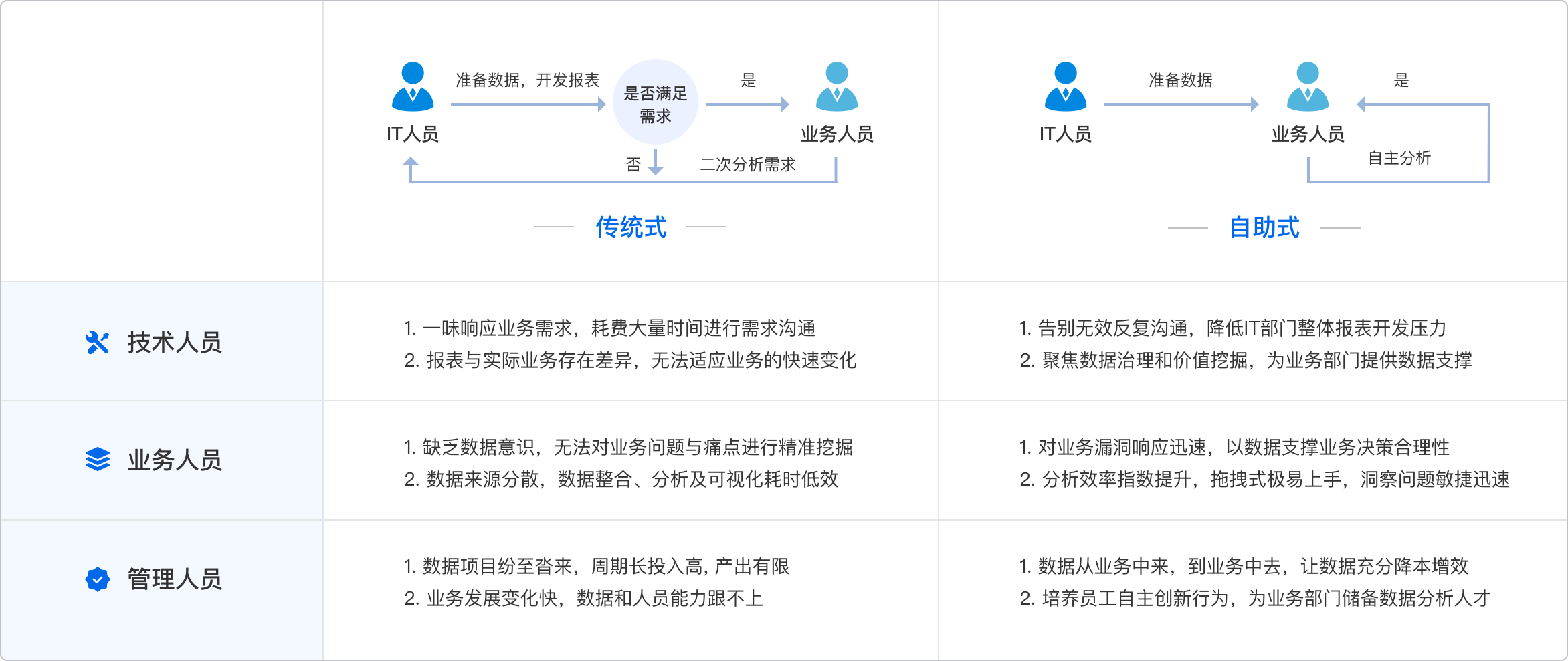
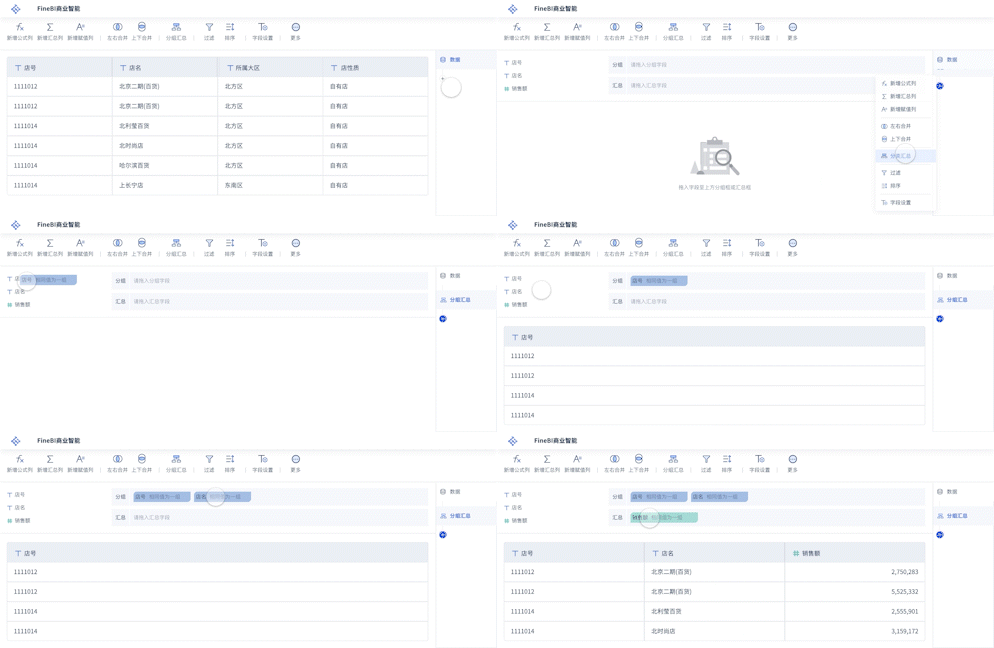
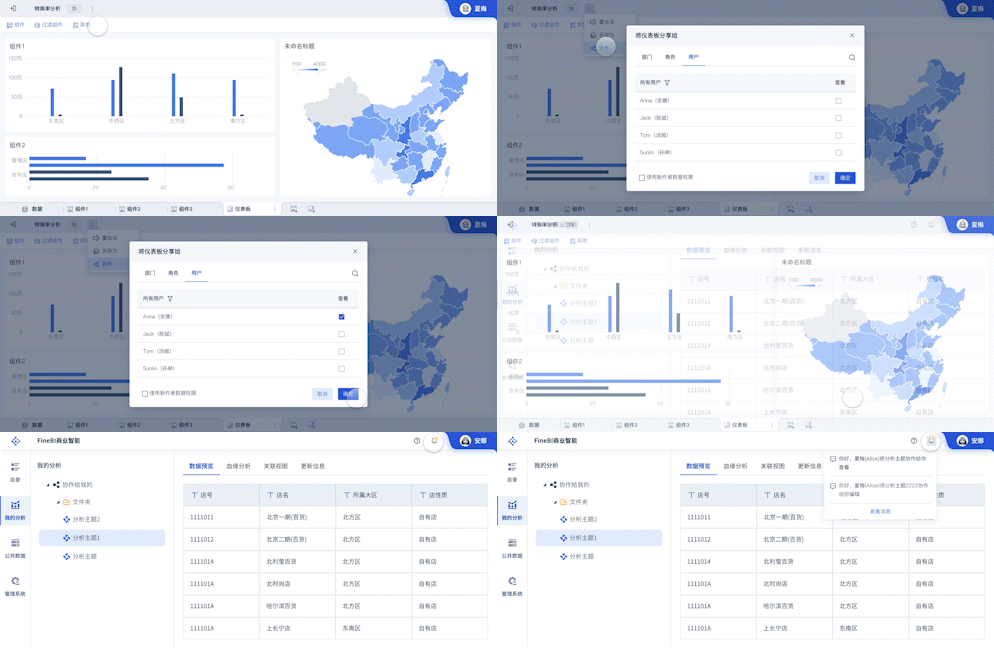
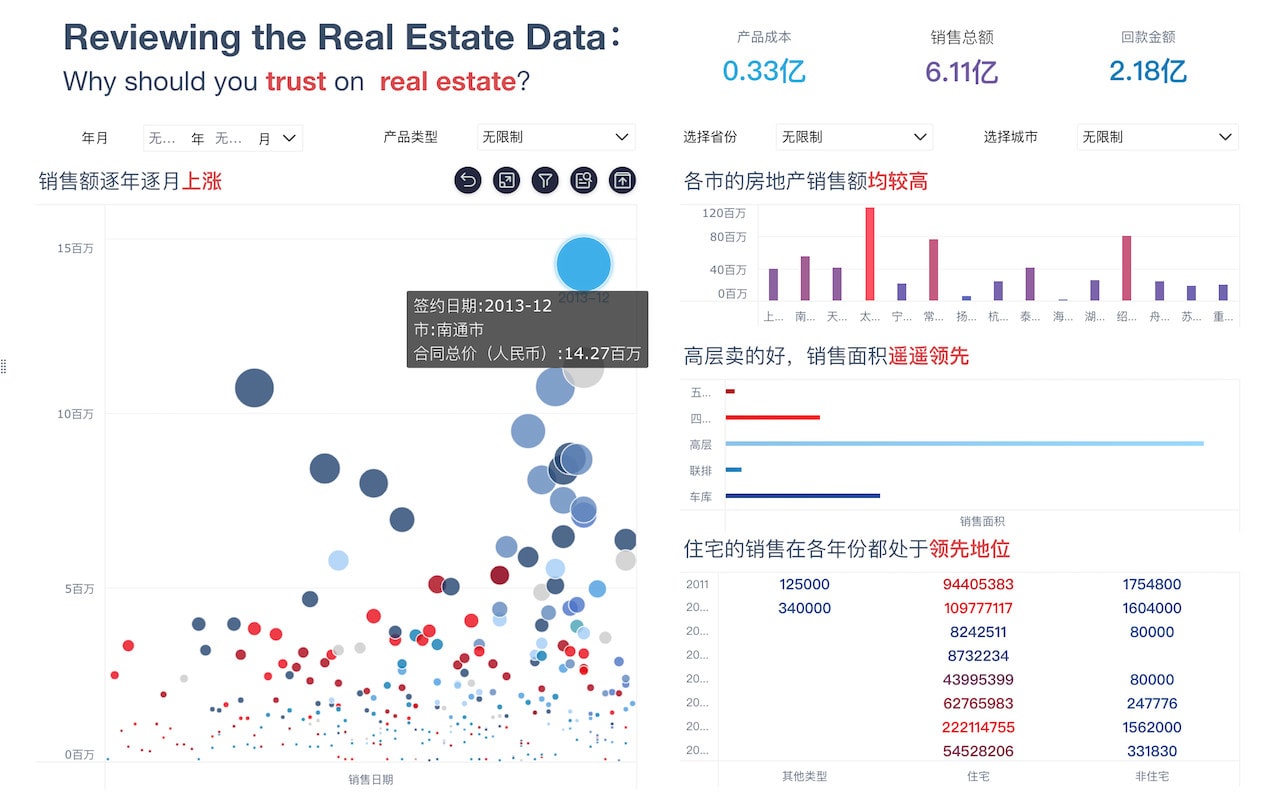
FineBI is an advanced business intelligence tool that can significantly enhance the process of creating Financial Analysis Reports. FineBI offers a range of features such as data integration, real-time analytics, and customizable dashboards, making it easier to analyze and visualize financial data. By using FineBI, analysts can streamline data collection, automate financial calculations, and generate insightful reports with ease.
FineBI官网: https://s.fanruan.com/f459r;
六、COMMON CHALLENGES IN FINANCIAL ANALYSIS
Creating a Financial Analysis Report can present several challenges:
- Data Accuracy: Ensuring the accuracy and completeness of financial data is crucial for reliable analysis.
- Complexity: Financial analysis involves complex calculations and interpretations that require expertise.
- Time-Consuming: The process of data collection, analysis, and report generation can be time-consuming.
- Dynamic Environment: Financial markets and business environments are dynamic, requiring continuous updates and adjustments to the analysis.
七、BEST PRACTICES FOR FINANCIAL ANALYSIS
To overcome these challenges and create effective Financial Analysis Reports, consider the following best practices:
- Use Reliable Data Sources: Ensure that the data used for analysis is accurate and up-to-date.
- Leverage Technology: Utilize advanced tools like FineBI to streamline data analysis and report generation.
- Continuous Learning: Stay updated with the latest financial analysis techniques and industry trends.
- Collaborate with Experts: Work with financial analysts and industry experts to gain deeper insights.
- Regular Updates: Continuously update the analysis to reflect the latest financial data and market conditions.
In conclusion, a Financial Analysis Report is an indispensable tool for evaluating a company's financial health and performance. By following best practices and leveraging advanced tools like FineBI, analysts can create comprehensive and insightful reports that drive informed decision-making.
相关问答FAQs:
财务分析报告英语怎么说?
财务分析报告在英语中通常被称为“Financial Analysis Report”。这个术语广泛应用于财务管理、会计、投资分析以及企业评估等领域。财务分析报告的主要目的是通过对财务数据的深入分析,帮助企业管理层、投资者以及其他利益相关者做出明智的决策。
财务分析报告的主要内容包括哪些?
一份全面的财务分析报告通常包含多个重要部分。首先,报告会对企业的财务状况进行概述,包括资产负债表、利润表和现金流量表的分析。这些财务报表提供了企业的财务健康状况的快照,帮助读者理解企业的资产、负债及股东权益的结构。
其次,报告中会进行财务比率分析。这些比率可以帮助分析人员评估企业的盈利能力、偿债能力、流动性和运营效率。例如,净利润率、流动比率和资产周转率等都是常用的财务比率。
接下来,趋势分析也是财务分析报告的重要组成部分。通过对历年财务数据的对比,分析师可以识别出企业在一定时期内的财务表现趋势。这种趋势分析可以揭示出企业的成长潜力和潜在风险。
此外,财务分析报告还会包括行业对比分析。这一部分通常会将企业的财务表现与同行业其他公司的表现进行对比,以评估企业在行业中的竞争地位。
最后,财务分析报告通常会提供管理层的建议和未来展望。这些建议基于前面的分析结果,旨在帮助企业识别改进的机会、制定战略计划,确保可持续发展。
如何撰写一份有效的财务分析报告?
撰写一份有效的财务分析报告需要遵循几个关键步骤。首先,数据收集是至关重要的。分析师需要从可靠的来源(如企业的财务报表、行业报告和市场研究)收集相关数据。这一阶段的准确性直接影响到报告的整体质量。
接着,分析师需要选择合适的分析工具和方法。财务比率分析、趋势分析、现金流分析等都是常用的方法。选择合适的方法不仅能够提高分析的深度,还能使得报告更具说服力。
在撰写报告时,结构清晰是关键。报告应包含引言、方法、结果、讨论和结论等部分。每个部分都应逻辑严谨,确保读者能够轻松理解分析的过程和结果。
使用清晰的图表和图形也是提升报告可读性的好方法。图表能够有效地传达复杂的数据,使得读者能够快速捕捉到重要信息。
最后,撰写报告时应保持客观和专业。分析师应避免主观判断,而是基于数据和事实进行分析。这种客观的态度能够增强报告的可信度。
通过以上步骤,可以确保撰写出一份全面、准确且具有洞察力的财务分析报告,为决策者提供有力的支持。
本文内容通过AI工具匹配关键字智能整合而成,仅供参考,帆软不对内容的真实、准确或完整作任何形式的承诺。具体产品功能请以帆软官方帮助文档为准,或联系您的对接销售进行咨询。如有其他问题,您可以通过联系blog@fanruan.com进行反馈,帆软收到您的反馈后将及时答复和处理。