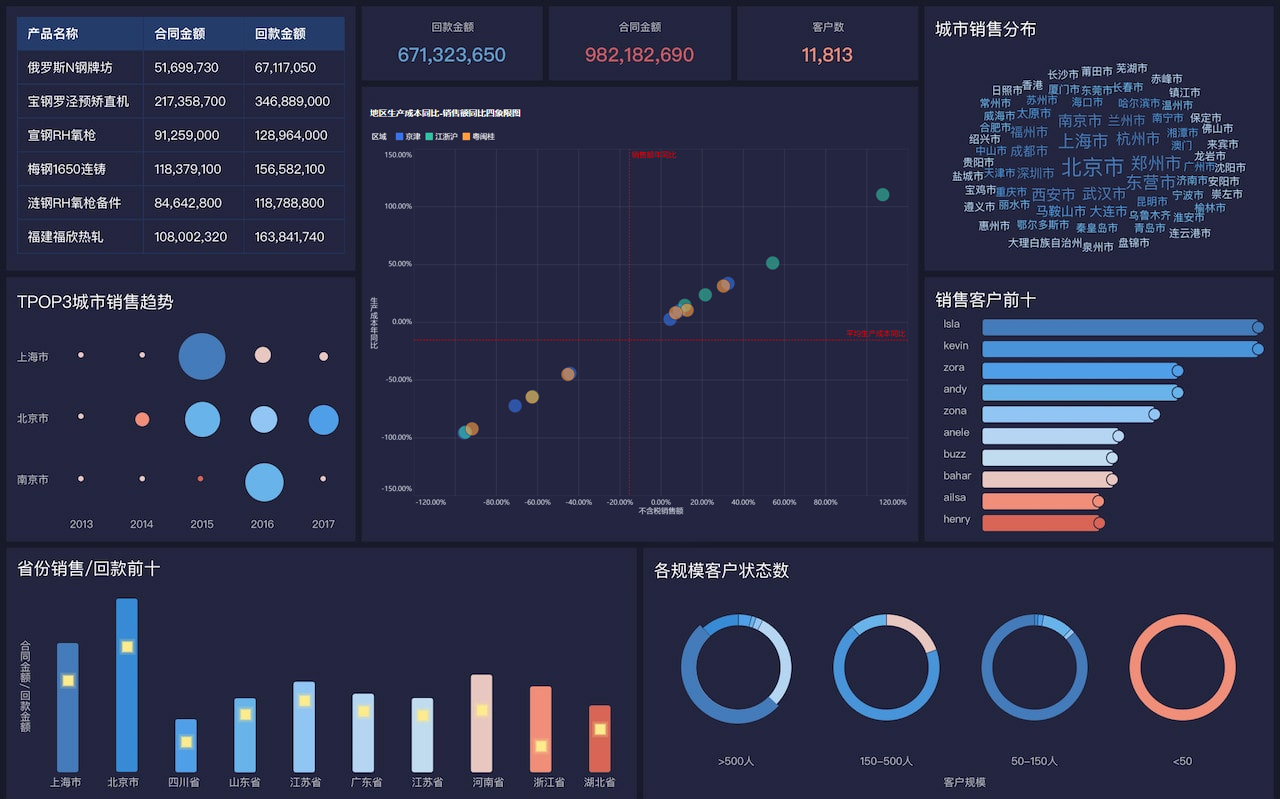
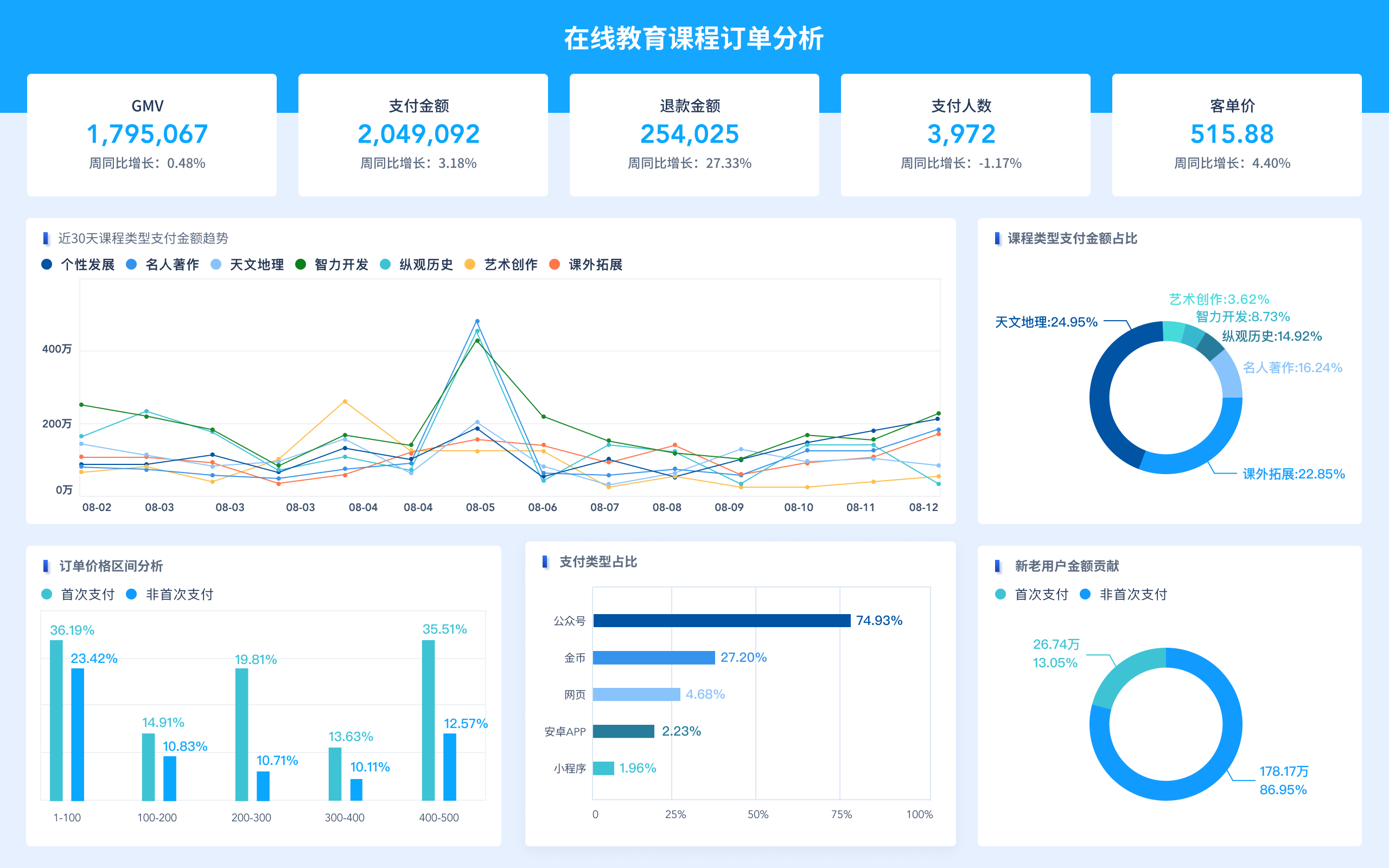
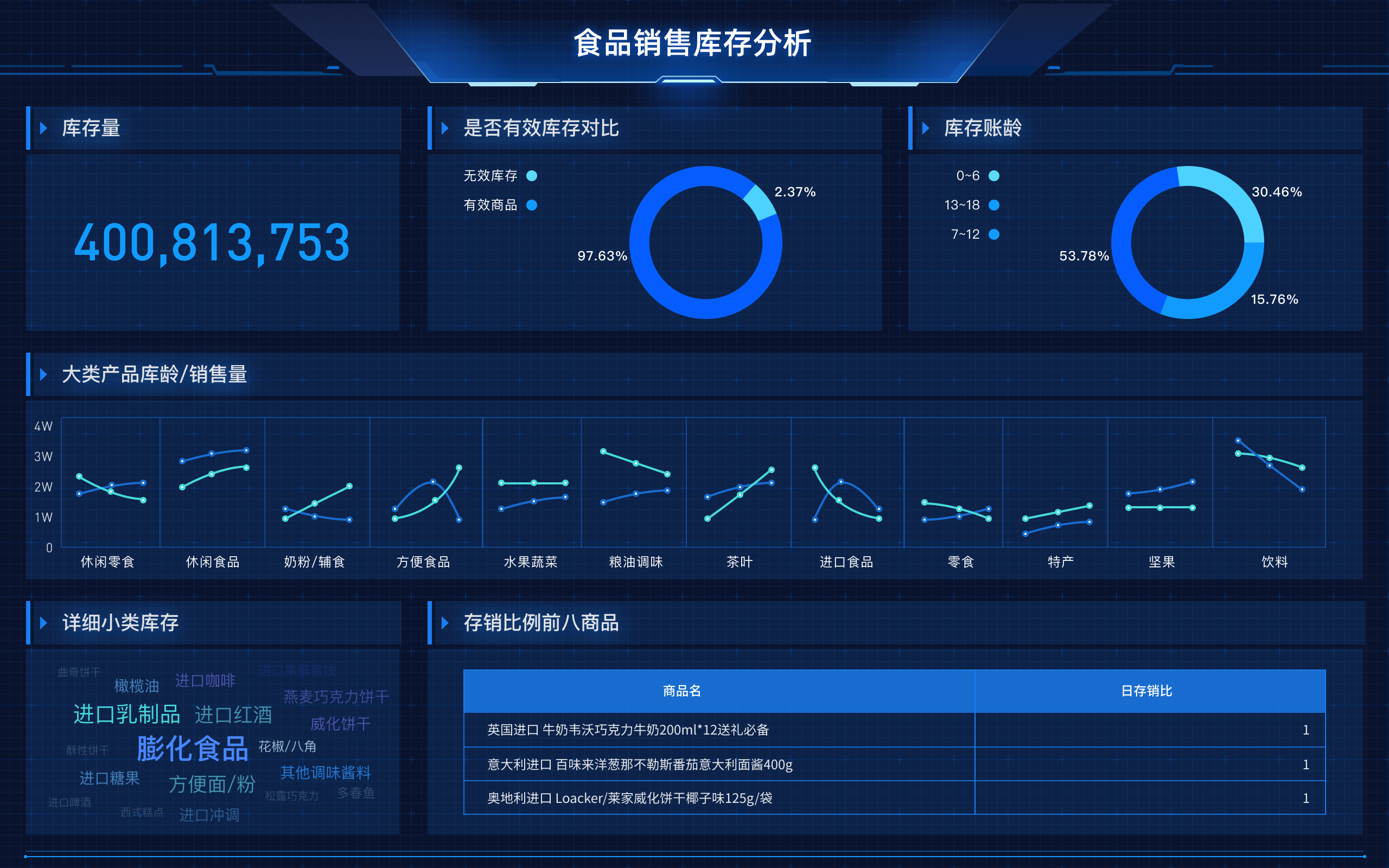
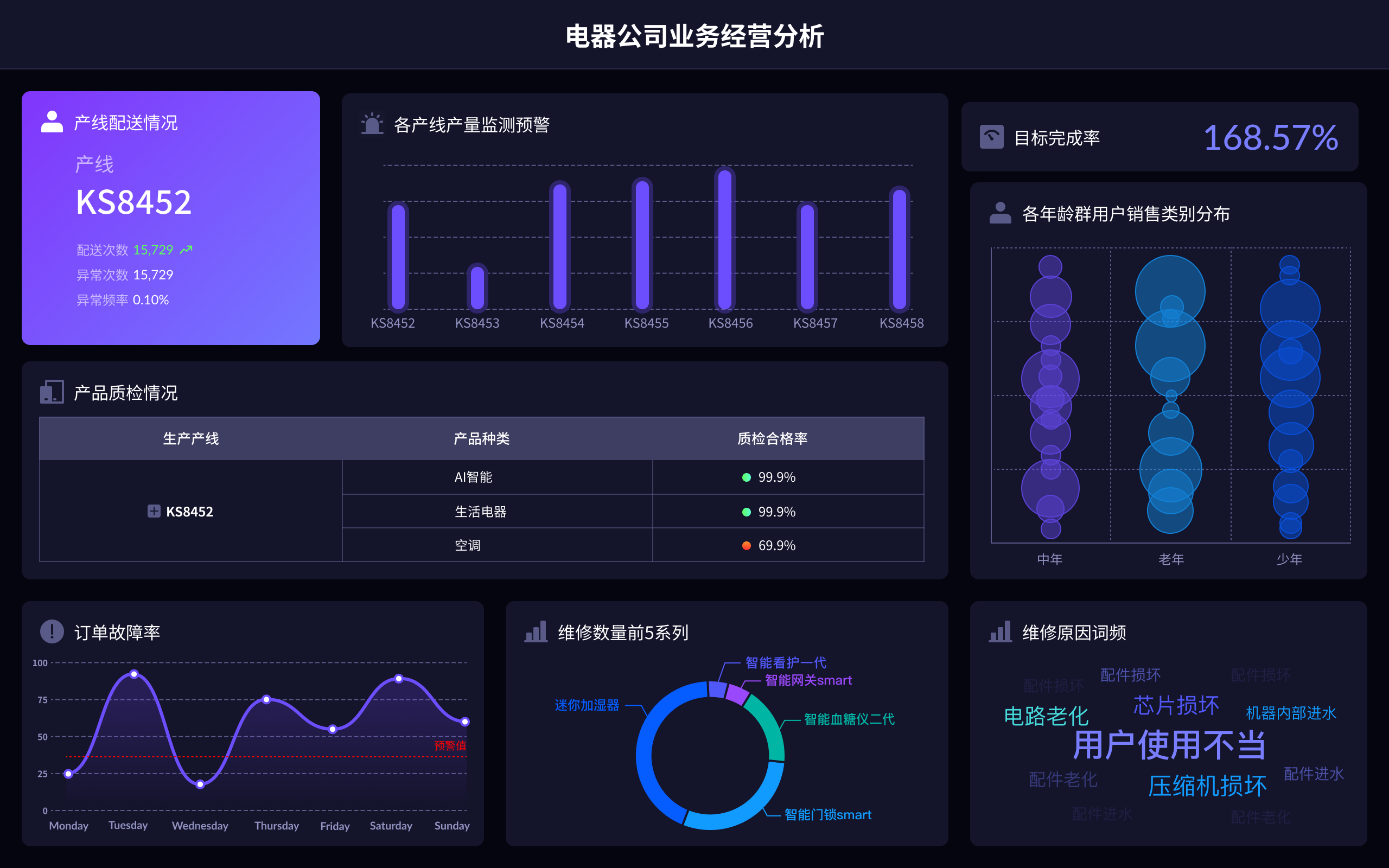
Financial table analysis,also known as financial statement analysis, involves evaluating and interpreting financial data to understand a company's performance, financial health, and future prospects。This process includes reviewing income statements, balance sheets, and cash flow statements。For instance, analyzing the income statement helps identify revenue trends and cost structures, providing insights into profitability and operational efficiency。
一、UNDERSTANDING FINANCIAL STATEMENTS
Financial statements are crucial documents that provide an overview of a company's financial performance and position。These typically include the income statement, balance sheet, and cash flow statement。Each of these documents offers unique insights into different aspects of the business's financial health。
The income statement shows the company’s revenues and expenses during a specific period。By examining it, you can determine the company’s profitability。Key metrics to look at include gross profit margin, operating profit margin, and net profit margin。These figures help assess how efficiently a company is generating profit from its revenues.
The balance sheet provides a snapshot of the company’s assets, liabilities, and shareholders' equity at a specific point in time。It is essential for understanding the company’s financial stability and liquidity。Important aspects to consider include current ratio, quick ratio, and debt-to-equity ratio。These ratios help evaluate the company’s ability to meet its short-term obligations and manage long-term debt.
The cash flow statement records the cash inflows and outflows from operating, investing, and financing activities。This statement is vital for understanding the company’s cash position and its ability to generate cash from its operations。Key components include operating cash flow, capital expenditures, and free cash flow。Analyzing these elements helps assess the company’s liquidity and financial flexibility.
二、KEY FINANCIAL RATIOS
Financial ratios are essential tools in financial table analysis。They provide quantitative measures that help interpret the relationships between different financial statement items。Some of the most commonly used financial ratios include:
Liquidity Ratios:
- Current Ratio: Measures the company’s ability to pay off its short-term liabilities with its short-term assets。
- Quick Ratio: Similar to the current ratio but excludes inventory from current assets, providing a more stringent measure of liquidity。
Profitability Ratios:
- Gross Profit Margin: Indicates the percentage of revenue that exceeds the cost of goods sold。
- Operating Profit Margin: Measures the percentage of revenue remaining after deducting operating expenses。
- Net Profit Margin: Shows the percentage of revenue that remains as profit after all expenses are deducted。
Leverage Ratios:
- Debt-to-Equity Ratio: Assesses the company’s financial leverage by comparing its total liabilities to its shareholders' equity。
- Interest Coverage Ratio: Indicates how easily the company can pay interest on its outstanding debt from its operating income。
Efficiency Ratios:
- Inventory Turnover Ratio: Measures how efficiently a company manages its inventory。
- Receivables Turnover Ratio: Indicates how efficiently a company collects its accounts receivable。
Using these ratios, analysts can gain a comprehensive understanding of the company’s financial performance。For example, a high current ratio suggests good short-term financial health, while a low net profit margin may indicate profitability issues。
三、TREND ANALYSIS
Trend analysis involves reviewing financial data over multiple periods to identify patterns and trends。This method helps in understanding the company’s performance trajectory and predicting future financial outcomes。
Analyzing revenue trends: By examining revenue over several periods, you can identify whether the company is growing, stagnating, or declining。A consistent increase in revenue suggests strong market demand and effective sales strategies, while a declining trend may indicate market challenges or operational issues。
Examining expense trends: Monitoring expenses over time helps identify cost-saving opportunities and areas where expenses are increasing disproportionately。For example, a rising trend in operating expenses without a corresponding increase in revenue could signal inefficiencies that need addressing。
Assessing profitability trends: Analyzing trends in profitability ratios like gross profit margin and net profit margin can provide insights into the company’s pricing strategies and cost management。Increasing profit margins over time suggest better operational efficiency and cost control, while declining margins may require strategic adjustments。
Evaluating cash flow trends: Tracking cash flow trends is crucial for understanding the company’s liquidity and financial stability。Positive trends in operating cash flow indicate strong cash generation from core business activities, while negative trends may signal potential liquidity issues。
Trend analysis is a powerful tool for forecasting future financial performance and making informed strategic decisions。By identifying and understanding these trends, businesses can proactively address potential challenges and capitalize on growth opportunities。
四、BENCHMARKING
Benchmarking involves comparing a company’s financial performance against industry standards or competitors。This process helps identify areas where the company excels and areas needing improvement。
Comparative analysis: By comparing key financial ratios with industry averages, you can assess the company’s relative performance。For example, if the company’s gross profit margin is higher than the industry average, it may indicate a competitive advantage in pricing or cost management。
Competitive analysis: Benchmarking against direct competitors provides insights into the company’s market position and operational efficiency。For instance, if a competitor has a higher inventory turnover ratio, it may suggest more efficient inventory management practices that the company could adopt.
Performance gaps: Identifying performance gaps through benchmarking helps set realistic targets and develop strategies for improvement。For example, if the company’s debt-to-equity ratio is significantly higher than the industry average, it may indicate a need to reduce leverage and improve financial stability.
Benchmarking is an essential component of financial table analysis, providing a context for evaluating the company’s performance and identifying best practices。By leveraging benchmarking insights, businesses can enhance their competitive edge and drive sustainable growth。
五、CASE STUDY: APPLYING FINANCIAL TABLE ANALYSIS
To illustrate the application of financial table analysis, let’s consider a case study of a hypothetical company, XYZ Corp。
XYZ Corp. Income Statement Analysis:
XYZ Corp’s income statement reveals steady revenue growth over the past three years, with revenues increasing from $10 million to $15 million。However, the net profit margin has declined from 15% to 10%, indicating rising operating expenses。
XYZ Corp. Balance Sheet Analysis:
The balance sheet shows a significant increase in current assets, particularly in inventory and accounts receivable。However, the current ratio has decreased from 2.5 to 1.8, suggesting potential liquidity issues。The debt-to-equity ratio has also risen, indicating increased financial leverage.
XYZ Corp. Cash Flow Statement Analysis:
The cash flow statement highlights positive operating cash flow but significant outflows in investing activities due to capital expenditures on new equipment。The free cash flow has decreased, raising concerns about the company’s ability to fund future growth without additional financing。
Key Ratios:
- Current Ratio: 1.8
- Quick Ratio: 1.2
- Gross Profit Margin: 40%
- Net Profit Margin: 10%
- Debt-to-Equity Ratio: 1.5
- Interest Coverage Ratio: 4.0
Trend Analysis:
Revenue and gross profit margin trends are positive, indicating strong market demand and effective pricing strategies。However, the declining net profit margin and increasing debt levels suggest rising operating costs and financial risk。
Benchmarking:
Compared to industry averages, XYZ Corp’s gross profit margin is higher, indicating a competitive advantage。However, the debt-to-equity ratio is also higher than the industry average, highlighting the need for better debt management.
Actionable Insights:
- Cost Control: Implement cost-saving measures to improve net profit margin。
- Liquidity Management: Enhance liquidity by reducing inventory levels and improving accounts receivable collections。
- Debt Reduction: Develop a plan to reduce financial leverage and strengthen the balance sheet。
This case study demonstrates the practical application of financial table analysis in evaluating a company’s financial health and identifying areas for improvement。By leveraging these insights, XYZ Corp can make informed strategic decisions to enhance its financial performance and achieve sustainable growth。
六、USING TECHNOLOGY FOR FINANCIAL ANALYSIS
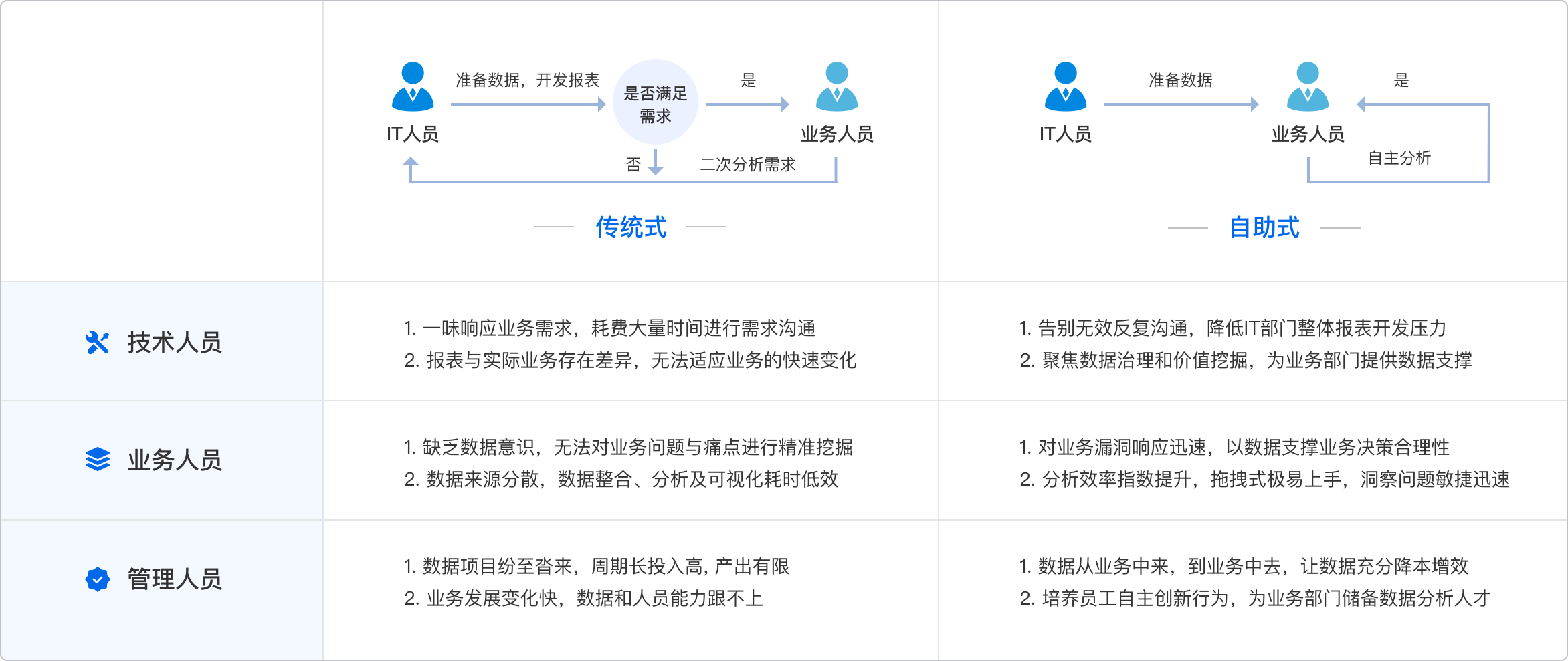
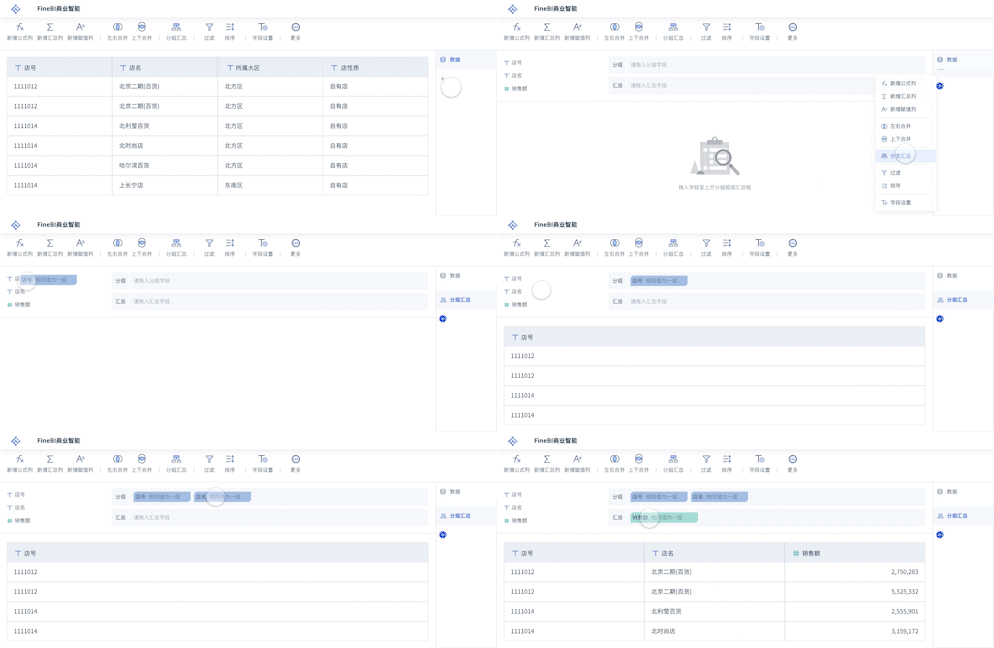
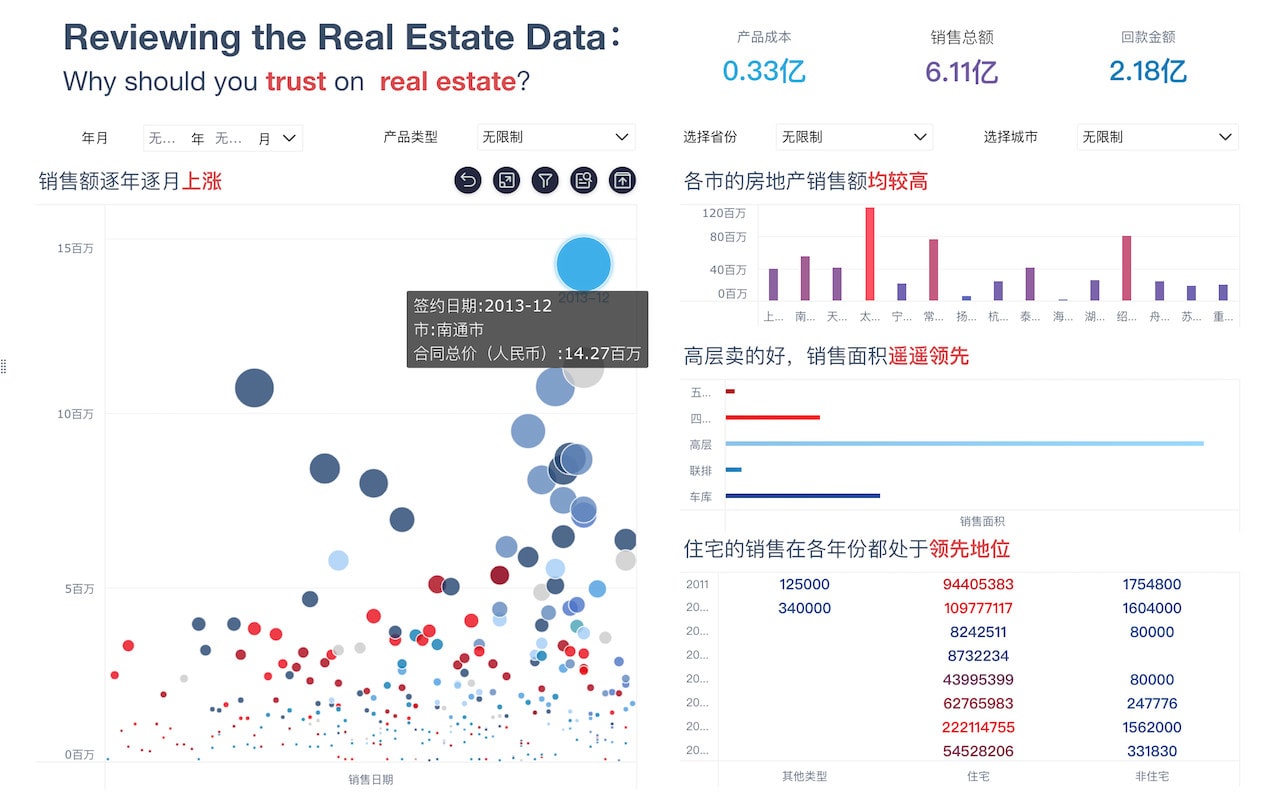
Modern technology plays a crucial role in enhancing the efficiency and accuracy of financial table analysis。Advanced software tools and platforms, such as FineBI, offer robust features for data visualization, reporting, and analysis。
FineBI is a business intelligence tool that enables users to create interactive dashboards and reports, facilitating in-depth financial analysis。With FineBI, analysts can easily integrate data from various sources, perform complex calculations, and generate real-time insights。For more information, you can visit the FineBI官网: https://s.fanruan.com/f459r;
Key Features of FineBI:
- Data Integration: Connects with multiple data sources, ensuring comprehensive data analysis。
- Interactive Dashboards: Allows users to create customizable dashboards for real-time financial reporting。
- Advanced Analytics: Supports complex calculations and statistical analysis for accurate financial insights。
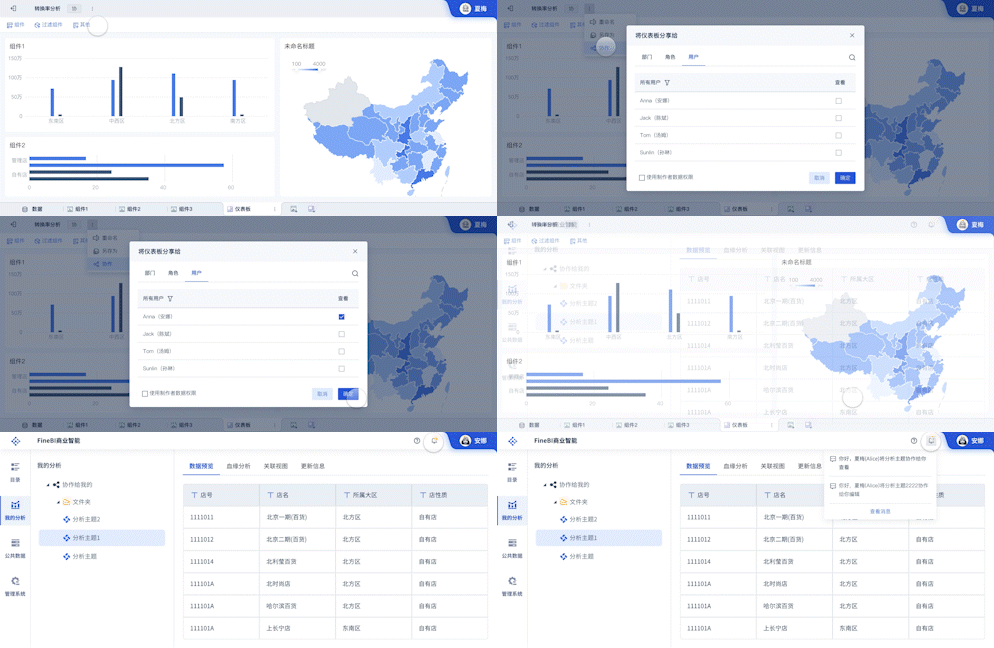
- Collaboration: Enables team collaboration by sharing reports and dashboards across departments。
Using technology like FineBI can significantly enhance the financial analysis process, providing timely and accurate insights for strategic decision-making。By leveraging these tools, businesses can streamline their financial analysis workflow, improve data accuracy, and drive better financial outcomes。
七、CONCLUSION
Financial table analysis is an essential process for understanding a company’s financial health and making informed strategic decisions。By analyzing financial statements, key ratios, trends, and benchmarking against industry standards, businesses can gain valuable insights into their performance and identify areas for improvement。
Using advanced technology tools like FineBI further enhances the efficiency and accuracy of financial analysis, providing real-time insights and facilitating data-driven decision-making。By leveraging these tools and techniques, businesses can achieve sustainable growth and maintain a competitive edge in the market。
Incorporating financial table analysis into your business strategy ensures a comprehensive understanding of your company’s financial position and empowers you to make informed decisions that drive success。
相关问答FAQs:
财务表格分析英语怎么写?
在进行财务表格分析时,使用英语描述和解释数据是非常重要的。下面将提供一些常见的财务表格分析的写作要点和示例,帮助您更好地用英语进行财务分析。
1. 数据概述
在财务表格分析的开头,通常需要对表格中的数据进行概述。这包括数据的来源、时间范围和主要财务指标。
示例:
"The financial data presented in the table is derived from the company's quarterly reports for the fiscal year 2023. It includes key financial indicators such as revenue, net profit, and operating expenses, which are crucial for understanding the company's performance."
2. 关键指标分析
分析关键财务指标是财务表格分析的重要部分。在这一部分,您可以详细讨论各种指标的变化及其背后的原因。
示例:
"Revenue has shown a significant increase of 15% compared to the previous quarter, reaching $1.5 million. This growth can be attributed to the successful launch of new products and an increase in market demand. On the other hand, net profit margin has slightly decreased from 25% to 22%. This decline may be due to rising operational costs and increased marketing expenditures."
3. 趋势和比较
分析趋势和比较不同时间段或不同公司的数据,有助于揭示财务状况的变化和潜在问题。
示例:
"Looking at the trend over the past three quarters, it is evident that the company's revenue has been on an upward trajectory, with an average growth rate of 12% per quarter. When compared to industry benchmarks, our revenue growth outpaces the average growth of 8% in the sector. This indicates a strong market position and effective management strategies."
4. 结论与建议
在财务表格分析的最后部分,您可以总结发现并提出建议,以帮助公司改善其财务状况。
示例:
"In conclusion, while the company has experienced healthy revenue growth, it is essential to address the declining net profit margin. Implementing cost-control measures and optimizing marketing strategies could enhance profitability. Additionally, monitoring market trends will be crucial for sustaining growth in the competitive landscape."
5. 术语和表达
在进行财务表格分析时,使用适当的财务术语和表达方式是至关重要的。以下是一些常用的财务术语及其英文表达:
- 收入 (Revenue)
- 净利润 (Net Profit)
- 营业费用 (Operating Expenses)
- 毛利率 (Gross Margin)
- 资产负债表 (Balance Sheet)
- 现金流量表 (Cash Flow Statement)
6. 常见问题解答
如何有效地进行财务表格分析?
有效的财务表格分析需要系统的方法。首先,确保数据的准确性和完整性。接下来,识别关键财务指标并进行趋势分析,最后形成结论并提出可行的建议。此外,使用图表和图形来可视化数据,可以提高分析的清晰度和说服力。
在分析财务数据时,应该关注哪些关键指标?
在分析财务数据时,应该关注几个关键指标,包括收入、净利润、毛利率、营业费用和现金流。每个指标都能提供有关公司的不同视角,帮助分析师识别潜在的问题和机会。
如何将财务表格分析结果转化为商业决策?
将财务表格分析结果转化为商业决策需要将数据与公司的战略目标相结合。分析师应提供基于数据的洞察,以支持决策过程。例如,如果分析显示某个产品的利润下降,管理层可以考虑减少该产品的生产或提高售价,以改善财务表现。
通过以上的方法和示例,您可以更加自信地用英语进行财务表格分析。确保您的分析逻辑清晰,数据支持充分,这样才能有效地传达信息并影响决策。
本文内容通过AI工具匹配关键字智能整合而成,仅供参考,帆软不对内容的真实、准确或完整作任何形式的承诺。具体产品功能请以帆软官方帮助文档为准,或联系您的对接销售进行咨询。如有其他问题,您可以通过联系blog@fanruan.com进行反馈,帆软收到您的反馈后将及时答复和处理。