Financial statement analysis in English can be written as “Financial Statement Analysis”. This term refers to the process of reviewing and evaluating a company's financial statements to make better economic decisions. Financial Statement Analysis is crucial for stakeholders such as investors, creditors, and management. Among the various techniques used in Financial Statement Analysis, ratio analysis, trend analysis, and horizontal and vertical analysis are prominent. Ratio analysis involves calculating financial ratios from the data found in the financial statements to assess the company's performance and financial health.
一、RATIO ANALYSIS
Ratio analysis is a powerful tool in financial statement analysis. It involves calculating and interpreting various financial ratios from the data presented in the financial statements. These ratios provide insights into a company's operational efficiency, liquidity, profitability, and solvency. Key ratios include the current ratio, quick ratio, debt to equity ratio, return on equity (ROE), and gross profit margin. For instance, the current ratio is calculated by dividing current assets by current liabilities. This ratio measures a company's ability to pay off its short-term obligations with its short-term assets. A higher current ratio indicates a stronger liquidity position.
二、TREND ANALYSIS
Trend analysis examines financial statement data over multiple periods to identify patterns and trends. By comparing financial data over several years, analysts can detect growth trends, cyclical patterns, and potential red flags. For example, if a company's revenue has been consistently increasing over the past five years, it might indicate a growing market presence and effective business strategies. Conversely, a consistent decline in net income could signal operational inefficiencies or market challenges. Trend analysis helps stakeholders understand the long-term performance and sustainability of a company.
三、HORIZONTAL AND VERTICAL ANALYSIS
Horizontal and vertical analysis are techniques used to analyze financial statements line by line. Horizontal analysis compares financial data across multiple periods, typically expressed as a percentage change from one period to the next. This method highlights changes in financial performance and trends over time. Vertical analysis, on the other hand, involves expressing each item in the financial statements as a percentage of a base amount, such as total assets or total sales. This approach helps in understanding the relative size and proportion of each financial statement item. For instance, in the income statement, vertical analysis might show how much of each dollar of sales is consumed by the cost of goods sold.
四、CASH FLOW ANALYSIS
Cash flow analysis focuses on a company's cash flow statements to assess the inflows and outflows of cash over a specific period. This analysis is crucial for understanding the liquidity and financial flexibility of a company. Operating activities, investing activities, and financing activities are the three main sections of a cash flow statement. Analyzing these sections helps determine how a company generates cash from its core business operations, how it invests in long-term assets, and how it finances its activities. For example, positive cash flow from operating activities indicates that a company can generate sufficient cash to maintain and grow its operations without relying on external financing.
五、BENCHMARKING
Benchmarking involves comparing a company's financial performance with industry standards or competitors. This process helps identify areas of strength and weakness relative to peers. Internal benchmarking compares different divisions or units within the same company, while external benchmarking compares the company's performance with other companies in the same industry. For instance, if a company's gross profit margin is significantly higher than the industry average, it may indicate strong cost management and pricing strategies. Benchmarking provides valuable context for financial statement analysis and helps set realistic performance targets.
六、IMPORTANCE OF FINEBI IN FINANCIAL STATEMENT ANALYSIS
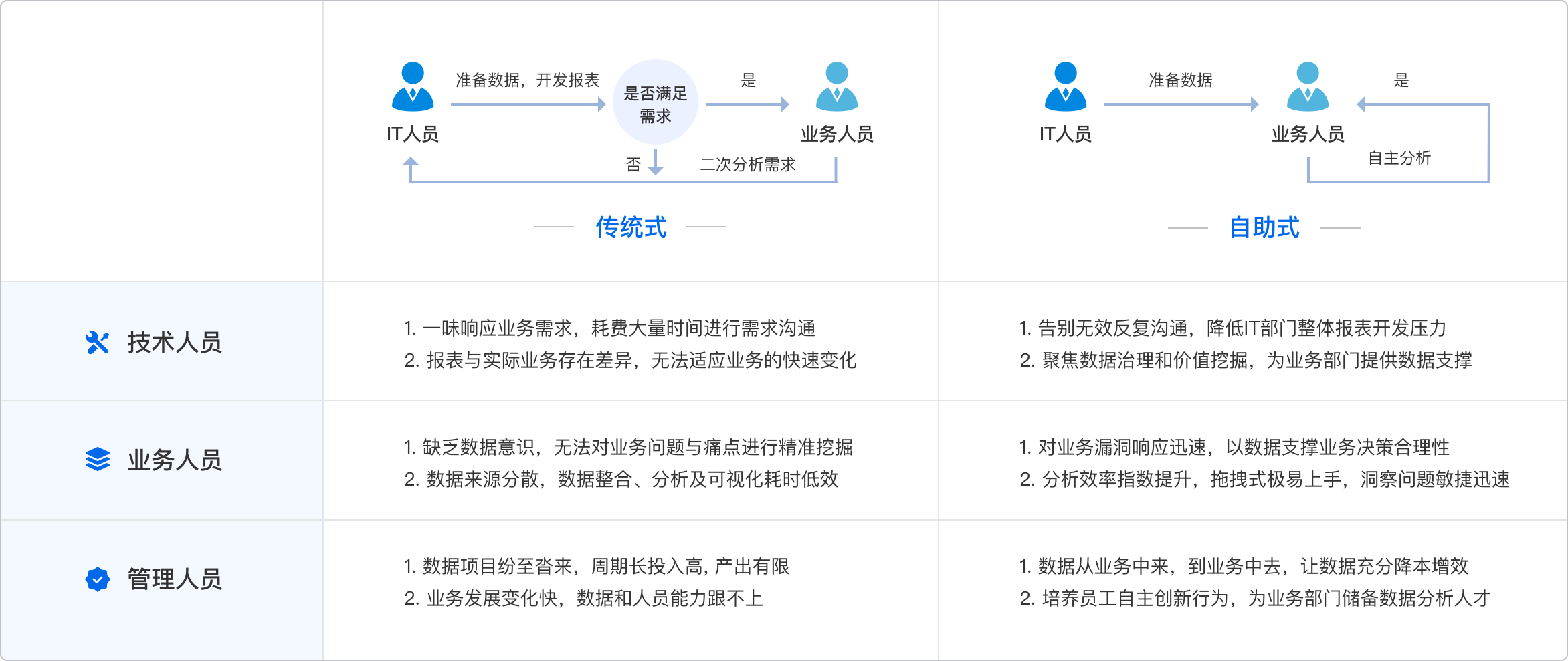
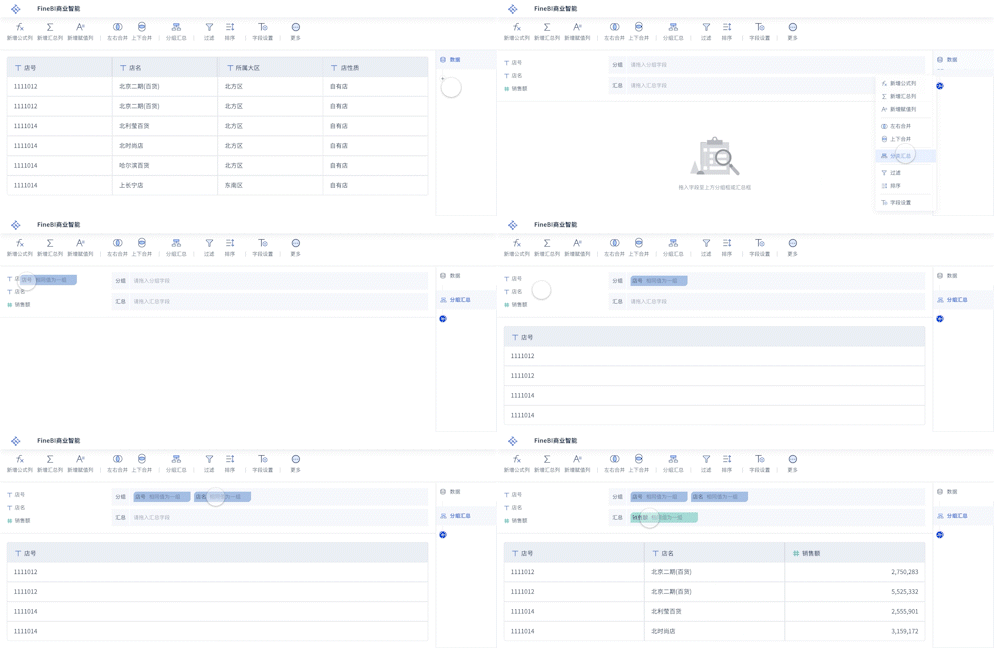
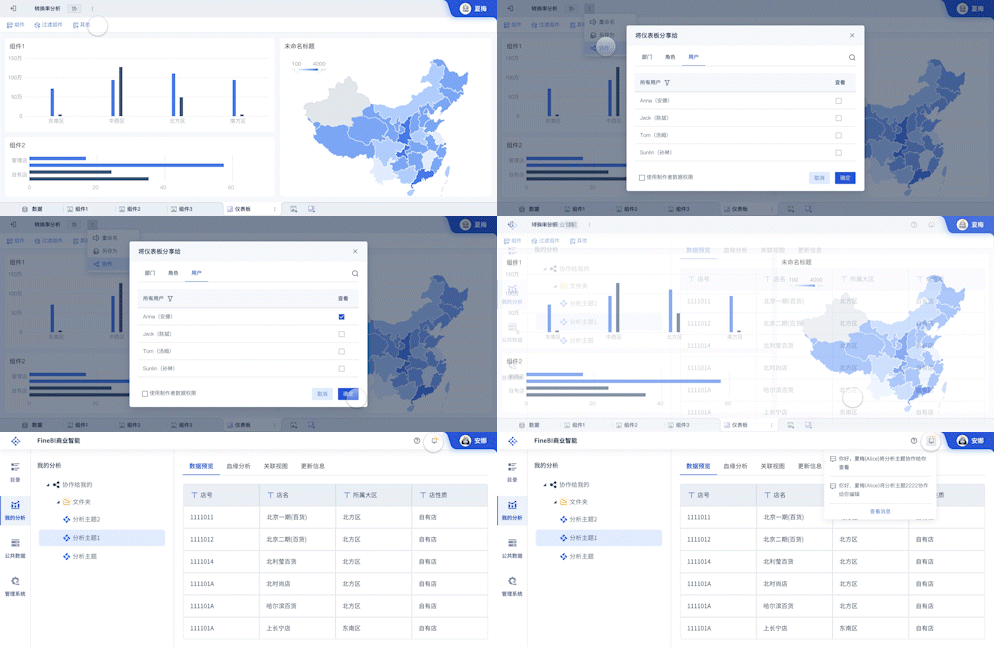
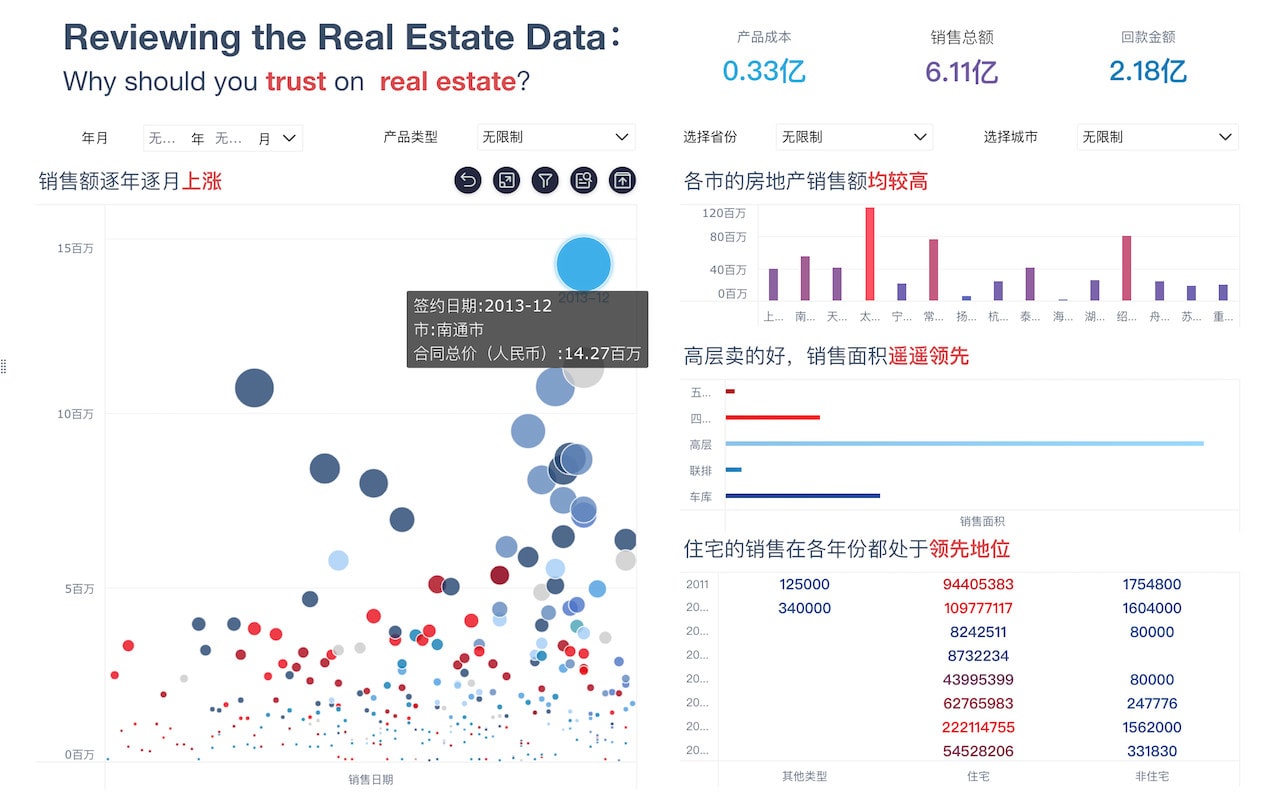
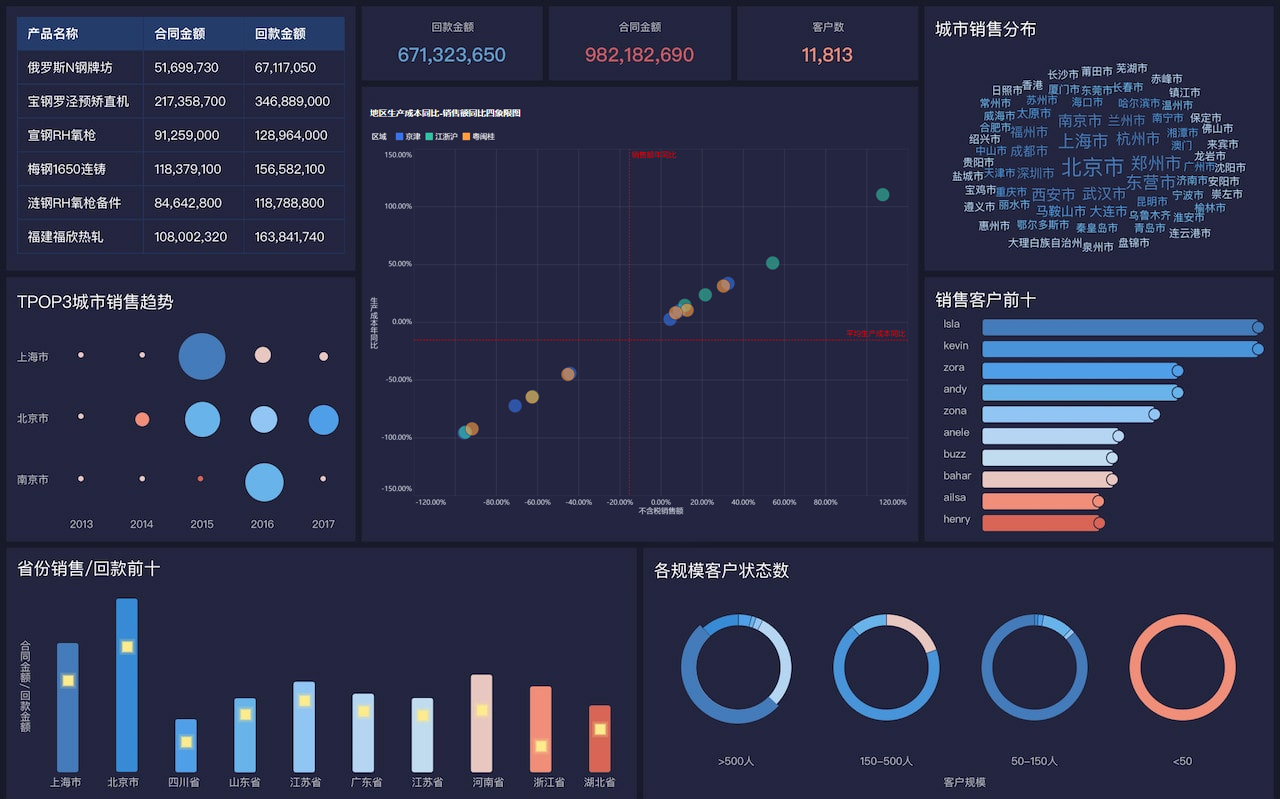
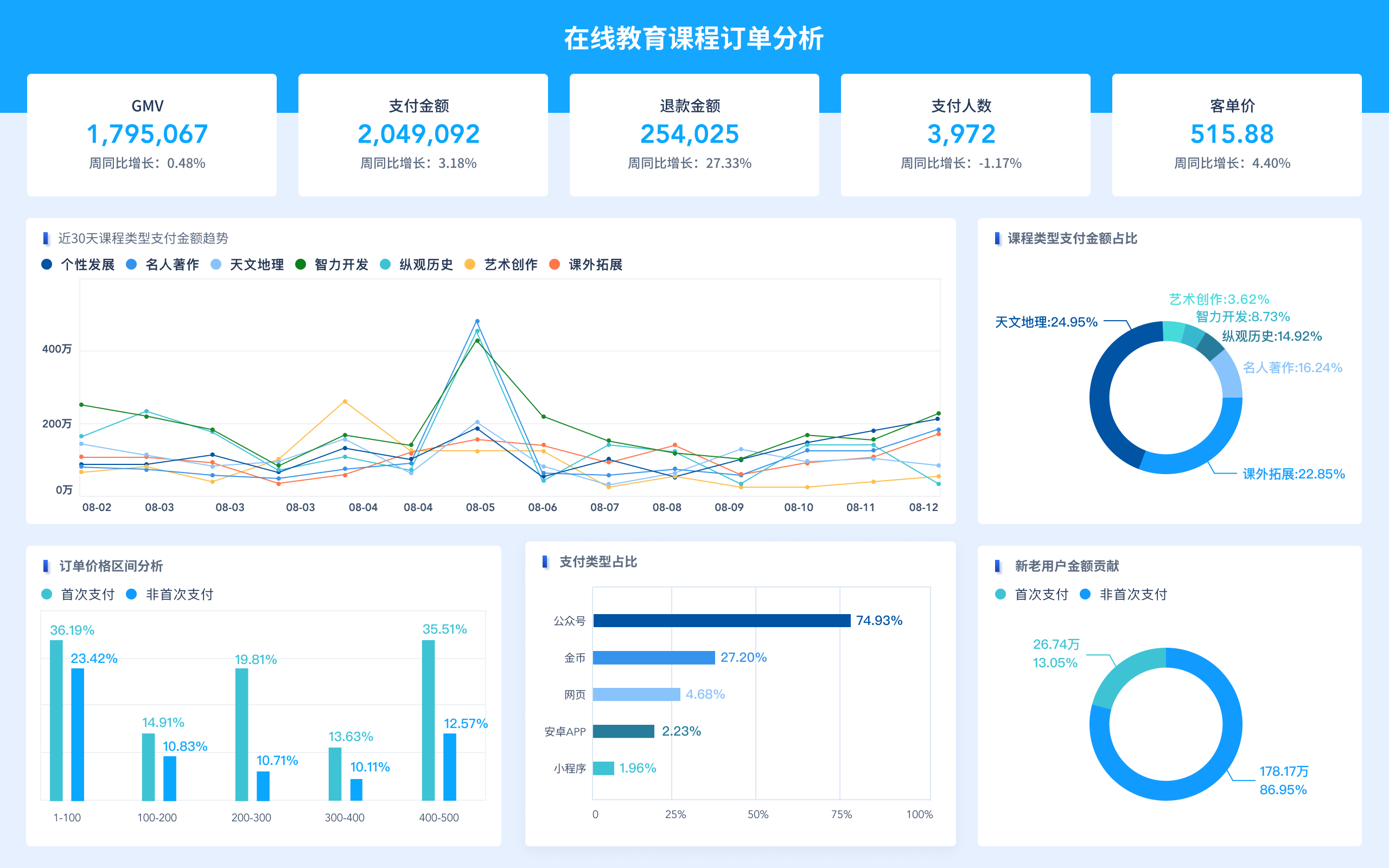
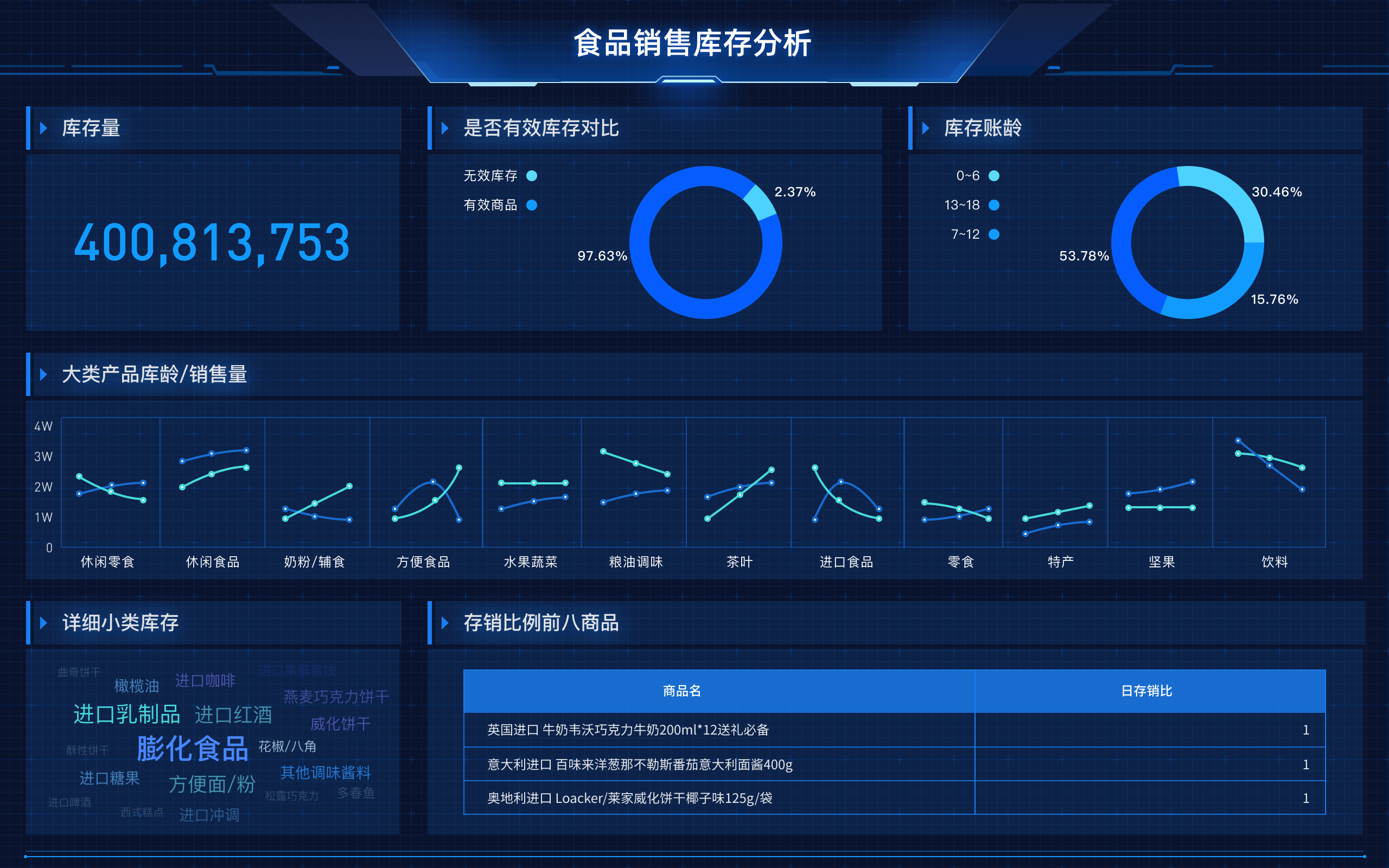
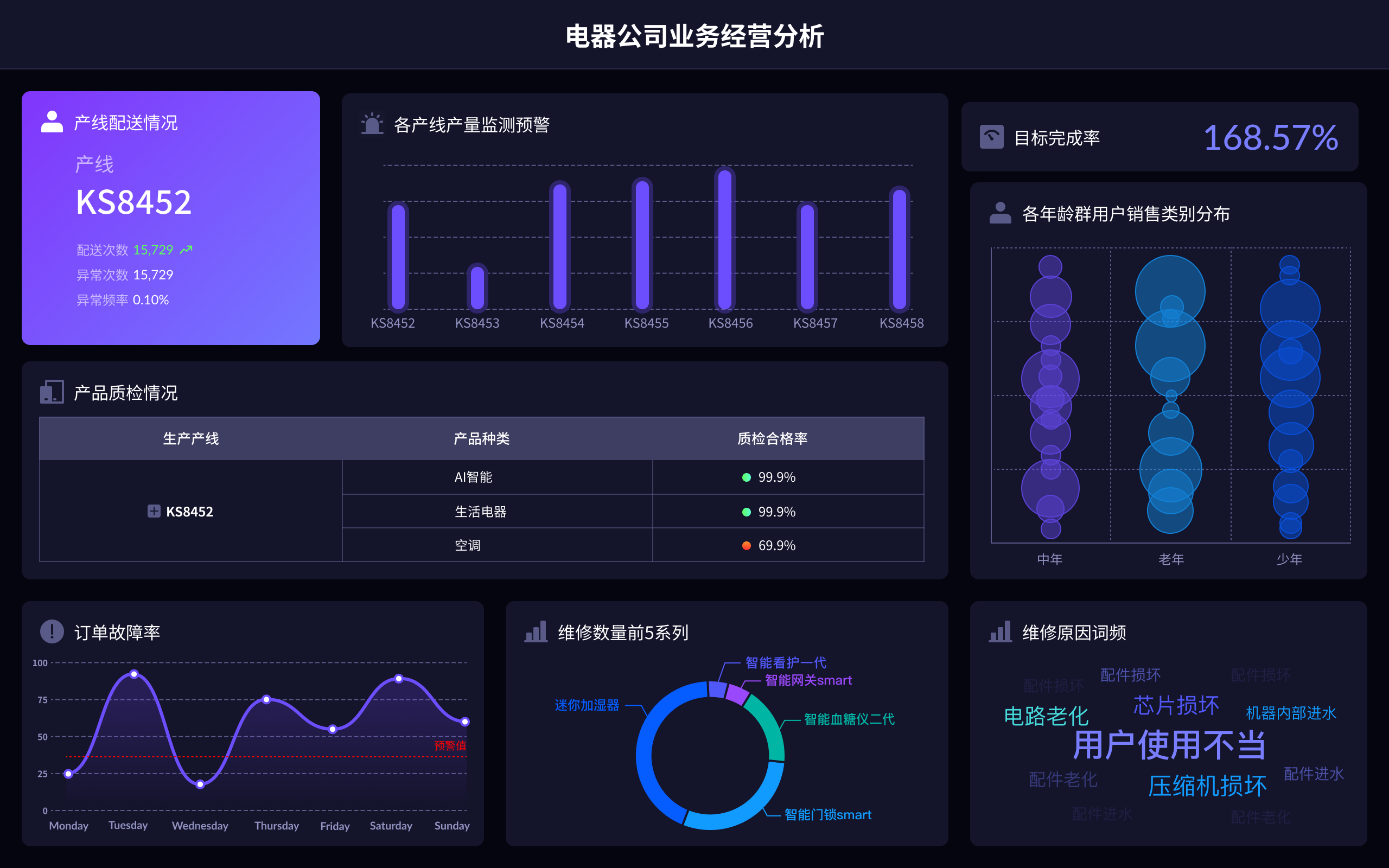
In today's data-driven world, tools like FineBI, a product by FanRuan, play a crucial role in financial statement analysis. FineBI enables analysts to efficiently process and visualize large volumes of financial data, making it easier to uncover insights and trends. With its advanced analytics capabilities, FineBI allows users to perform in-depth ratio analysis, trend analysis, and benchmarking with ease. For example, FineBI's interactive dashboards and reports can help visualize complex financial data, making it more accessible and understandable for stakeholders. By leveraging FineBI, companies can enhance their financial analysis processes, leading to more informed decision-making. FineBI官网: https://s.fanruan.com/f459r;
七、LIMITATIONS OF FINANCIAL STATEMENT ANALYSIS
While financial statement analysis provides valuable insights, it also has limitations. Historical data reliance, accounting policies, and market conditions can impact the accuracy and relevance of the analysis. Financial statements are based on historical data, which may not always predict future performance accurately. Different companies may use varying accounting policies, affecting the comparability of financial data. Additionally, external market conditions, such as economic downturns or regulatory changes, can influence financial performance beyond what is reflected in the statements. Therefore, analysts should consider these limitations and use financial statement analysis in conjunction with other tools and information for a comprehensive assessment.
八、CONCLUSION
Financial statement analysis is a multifaceted process that involves various techniques to evaluate a company's financial health and performance. Ratio analysis, trend analysis, horizontal and vertical analysis, cash flow analysis, and benchmarking are essential methods that provide valuable insights. Tools like FineBI enhance the efficiency and effectiveness of financial analysis by offering advanced data processing and visualization capabilities. However, analysts must be aware of the limitations and use financial statement analysis as part of a broader analytical framework. By doing so, stakeholders can make more informed economic decisions and better understand the financial dynamics of a company. FineBI官网: https://s.fanruan.com/f459r;
相关问答FAQs:
财务报表分析英语怎么写?
财务报表分析是对企业财务报表进行系统性评估的过程。掌握相关术语和表达方式是非常重要的。以下是一些常用的英语表达和写作技巧,帮助你在财务报表分析中更加得心应手。
- 什么是财务报表分析?
财务报表分析是对公司财务报表中数据的解读与评估,旨在提供有关公司财务状况、运营效率和盈利能力的深入见解。财务报表通常包括资产负债表、利润表和现金流量表。分析这些报表可以帮助投资者、管理层和其他利益相关者做出明智的决策。
在写作时,可以用如下表达:“Financial statement analysis is the process of reviewing and evaluating a company's financial statements to gain insights into its financial health, operational efficiency, and profitability. The primary financial statements include the balance sheet, income statement, and cash flow statement.”
- 财务比率分析如何进行?
财务比率分析是财务报表分析的重要组成部分。通过计算和比较关键财务比率,分析师可以评估公司的财务状况和业绩。例如,流动比率、速动比率、资产回报率和股东权益回报率等都是常用的财务比率。这些比率可以揭示公司的流动性、盈利能力和财务稳定性。
在撰写时,可以使用以下句子:“Ratio analysis is a key component of financial statement analysis. By calculating and comparing key financial ratios, analysts can assess a company's financial condition and performance. Common ratios include the current ratio, quick ratio, return on assets, and return on equity, which reveal insights into the company's liquidity, profitability, and financial stability.”
- 如何解读财务报表的结果?
解读财务报表的结果需要结合行业标准和历史数据进行比较。分析师通常会将公司当前的财务数据与过去几年的数据进行比较,以识别趋势和异常。同时,将公司的财务比率与行业基准进行对比,可以评估其在行业中的相对表现。
在写作时,可以参考以下表达:“Interpreting the results of financial statements requires comparing them against industry standards and historical data. Analysts often compare the current financial data with data from previous years to identify trends and anomalies. Additionally, comparing the company’s financial ratios with industry benchmarks allows for an assessment of its relative performance within the industry.”
通过掌握这些基本概念和表达方式,你可以更有效地进行财务报表分析,并用英语清晰地传达你的见解。
本文内容通过AI工具匹配关键字智能整合而成,仅供参考,帆软不对内容的真实、准确或完整作任何形式的承诺。具体产品功能请以帆软官方帮助文档为准,或联系您的对接销售进行咨询。如有其他问题,您可以通过联系blog@fanruan.com进行反馈,帆软收到您的反馈后将及时答复和处理。