财务报表分析全英语可以说是:Financial Statement Analysis。 财务报表分析是指通过对企业的财务报表进行系统的分析和解释,以了解企业的财务状况和经营成果。它主要包括资产负债表、利润表、现金流量表等关键报表的分析。通过这些分析,可以帮助投资者、管理层和其他利益相关者做出明智的决策。例如,通过分析资产负债表,可以了解企业的财务结构和偿债能力;通过分析利润表,可以了解企业的盈利能力和经营效率;通过分析现金流量表,可以了解企业的现金流状况和资金运作情况。
一、WHAT IS FINANCIAL STATEMENT ANALYSIS
Financial Statement Analysis is a process of analyzing a company's financial statements to understand its financial health and performance. This analysis involves examining key financial documents such as the balance sheet, income statement, and cash flow statement. By doing so, stakeholders can make informed decisions about investment, management, and other strategic initiatives. The primary aim of financial statement analysis is to gain insights into a company's profitability, liquidity, solvency, and operational efficiency.
二、KEY COMPONENTS OF FINANCIAL STATEMENTS
Financial statements are typically composed of three main components: the balance sheet, the income statement, and the cash flow statement. Each of these documents provides unique insights into different aspects of a company’s financial health.
Balance Sheet: The balance sheet provides a snapshot of a company’s assets, liabilities, and shareholders' equity at a specific point in time. It allows analysts to assess the company's financial structure and its ability to meet short-term and long-term obligations.
Income Statement: Also known as the profit and loss statement, the income statement shows a company's revenues, expenses, and profits over a period of time. This statement is crucial for understanding the company’s profitability and operational efficiency.
Cash Flow Statement: The cash flow statement details the inflows and outflows of cash within a company. It is divided into three sections: operating activities, investing activities, and financing activities. This statement helps analysts understand how well the company manages its cash and how it funds its operations and growth.
三、IMPORTANCE OF FINANCIAL STATEMENT ANALYSIS
Financial statement analysis is essential for various reasons. First, it helps investors make informed decisions. By understanding a company's financial health, investors can determine whether to buy, hold, or sell their shares. Second, it aids management in strategic planning. Through analysis, management can identify areas of strength and weakness, allowing them to implement strategies to improve performance. Third, it ensures regulatory compliance. Companies are often required to provide financial statements to regulatory bodies, and accurate analysis ensures that these statements meet all necessary standards.
四、METHODS OF FINANCIAL STATEMENT ANALYSIS
There are several methods used to analyze financial statements, each offering different insights.
Vertical Analysis: This method involves analyzing financial statements by comparing individual line items to a base item within the same statement. For example, in an income statement, each item is compared to total revenue.
Horizontal Analysis: Horizontal analysis looks at financial statements over multiple periods. This method is useful for identifying trends and growth patterns.
Ratio Analysis: Ratio analysis involves calculating various financial ratios to assess a company's performance. Common ratios include liquidity ratios, profitability ratios, and solvency ratios.
Trend Analysis: Trend analysis examines financial data over a period of time to identify patterns and trends that can indicate future performance.
五、TOOLS AND SOFTWARE FOR FINANCIAL STATEMENT ANALYSIS
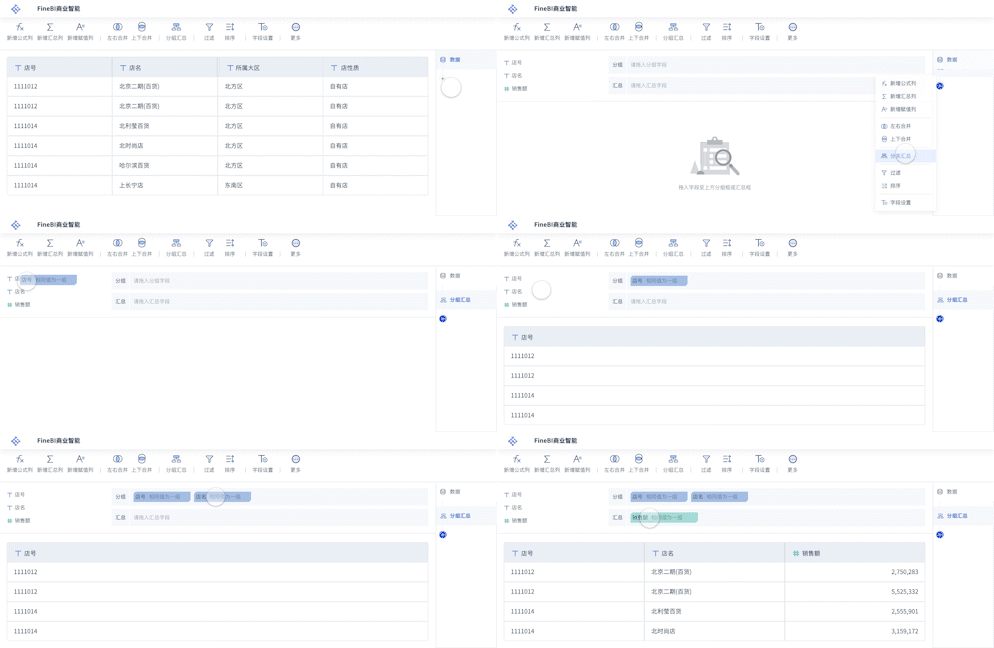
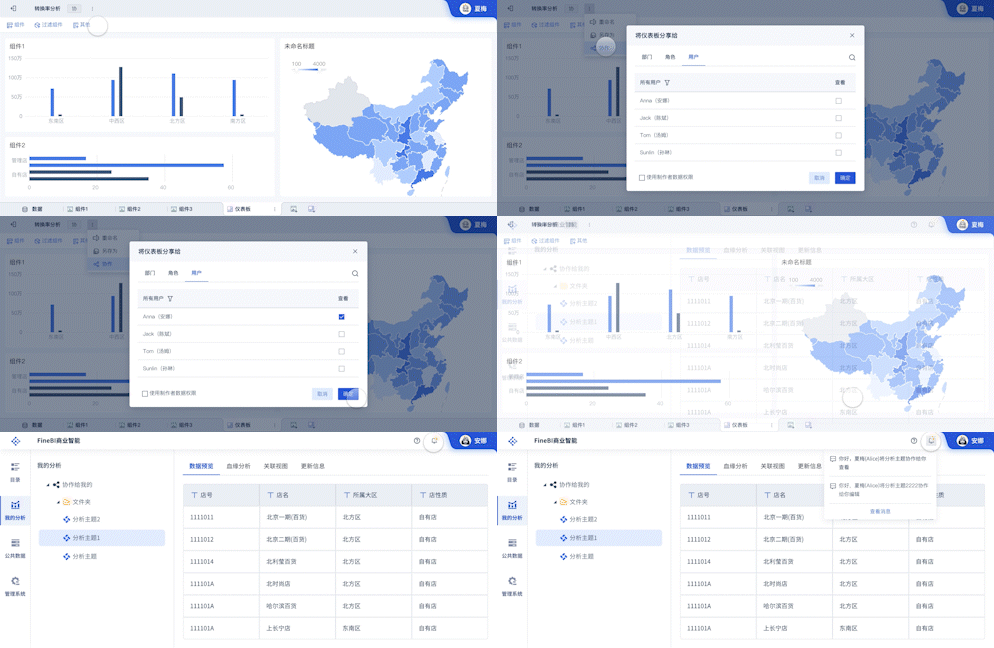
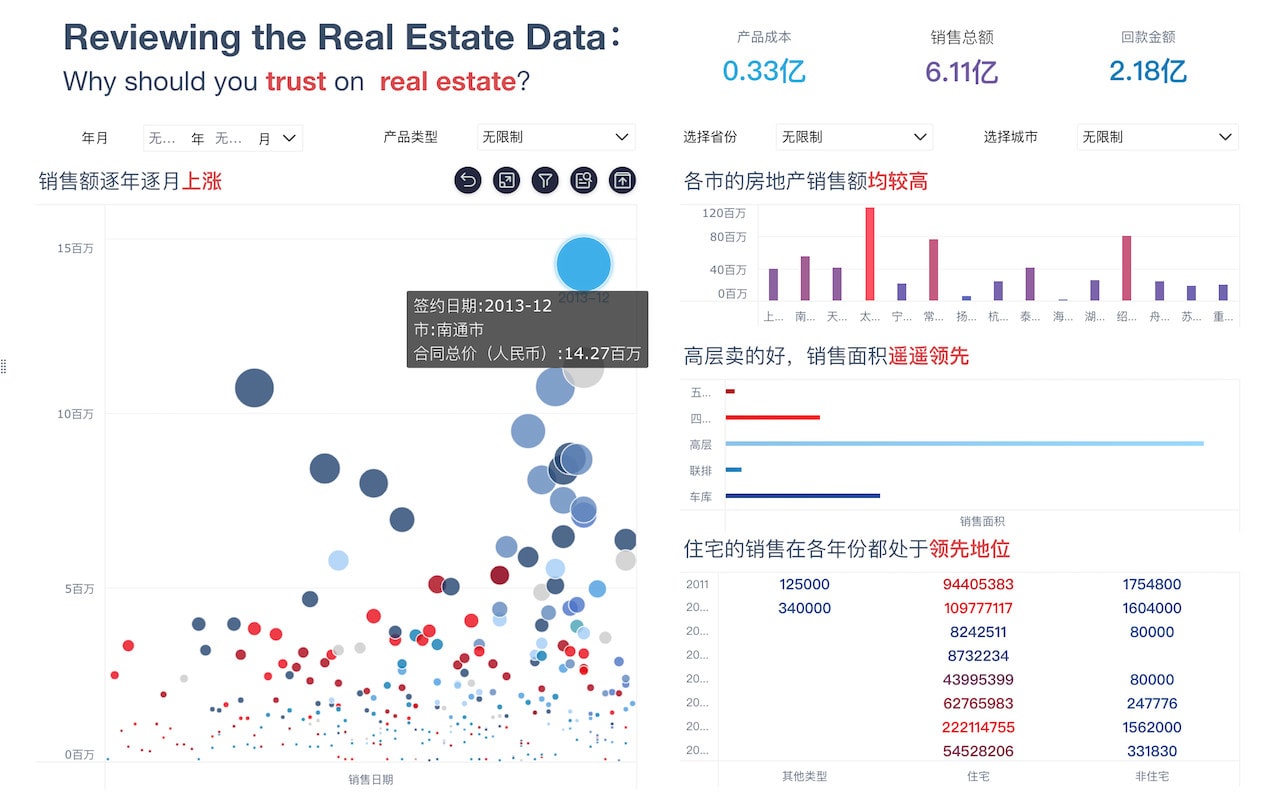
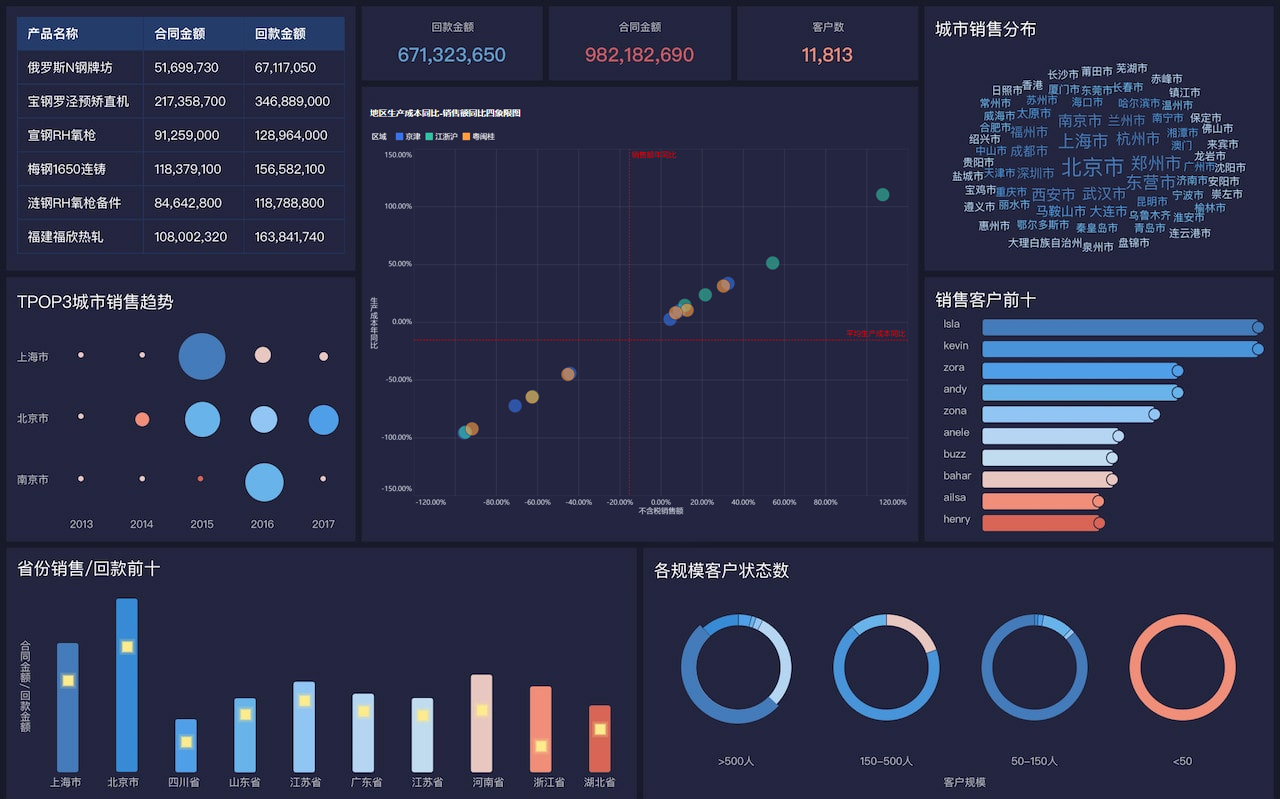
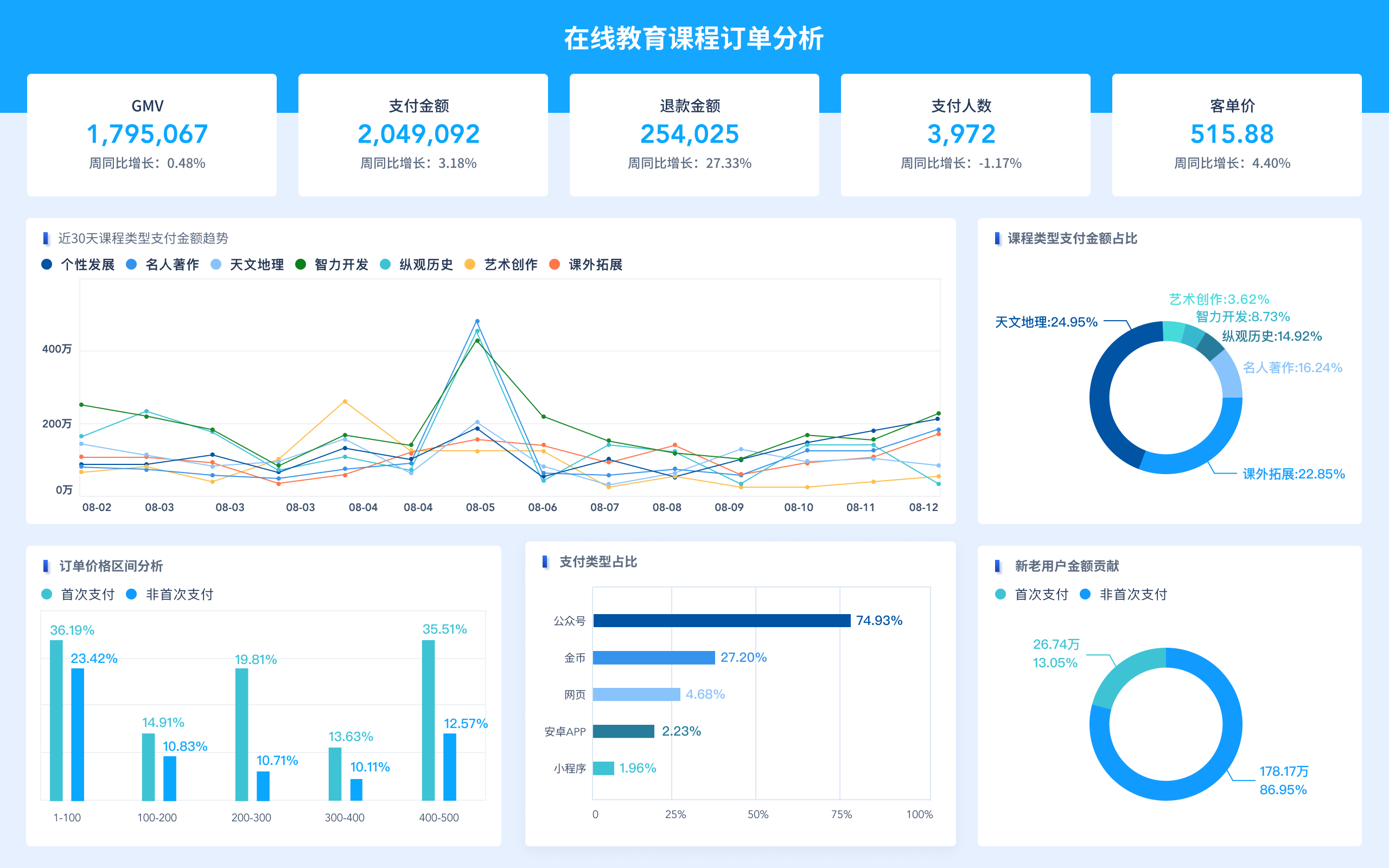
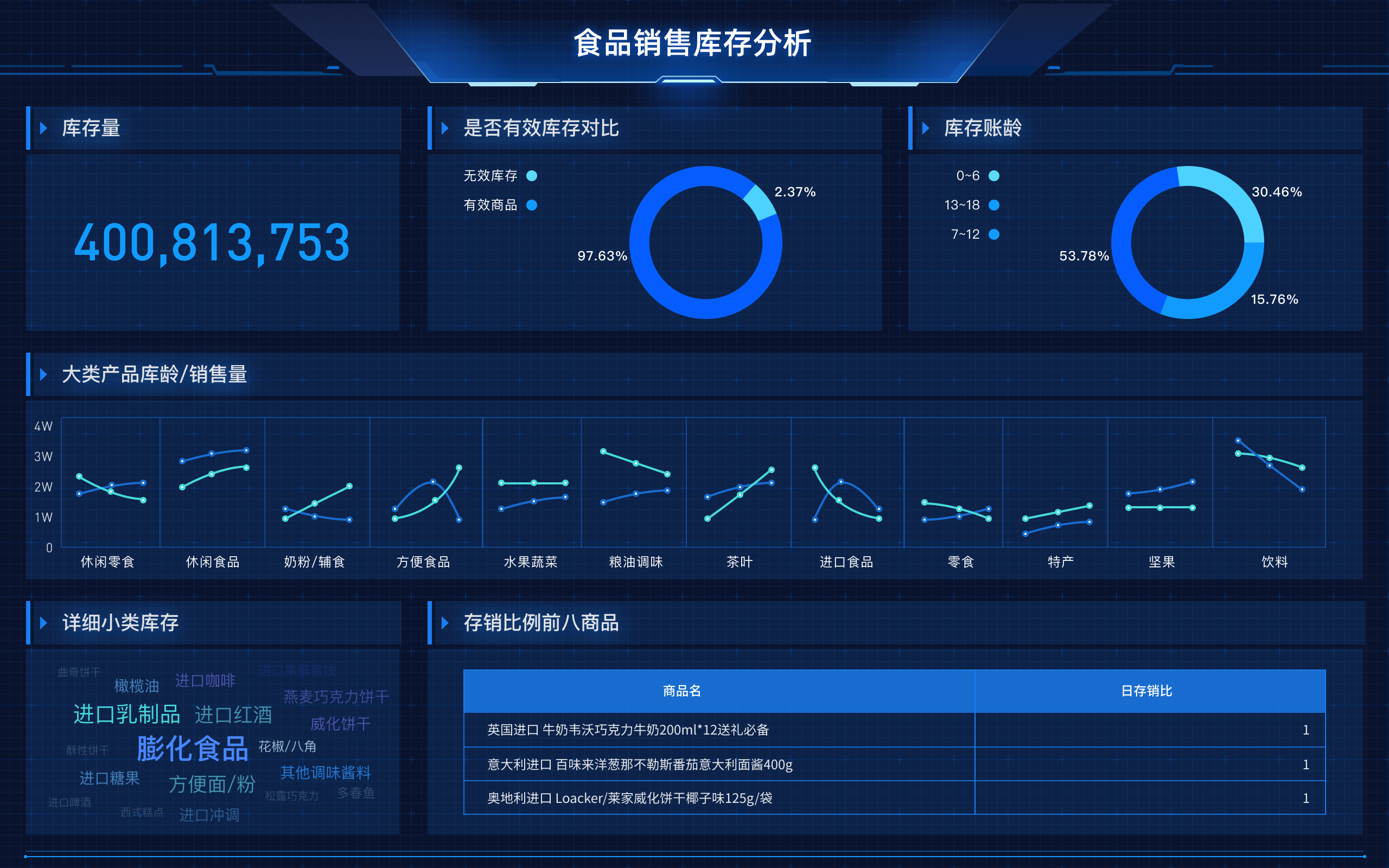
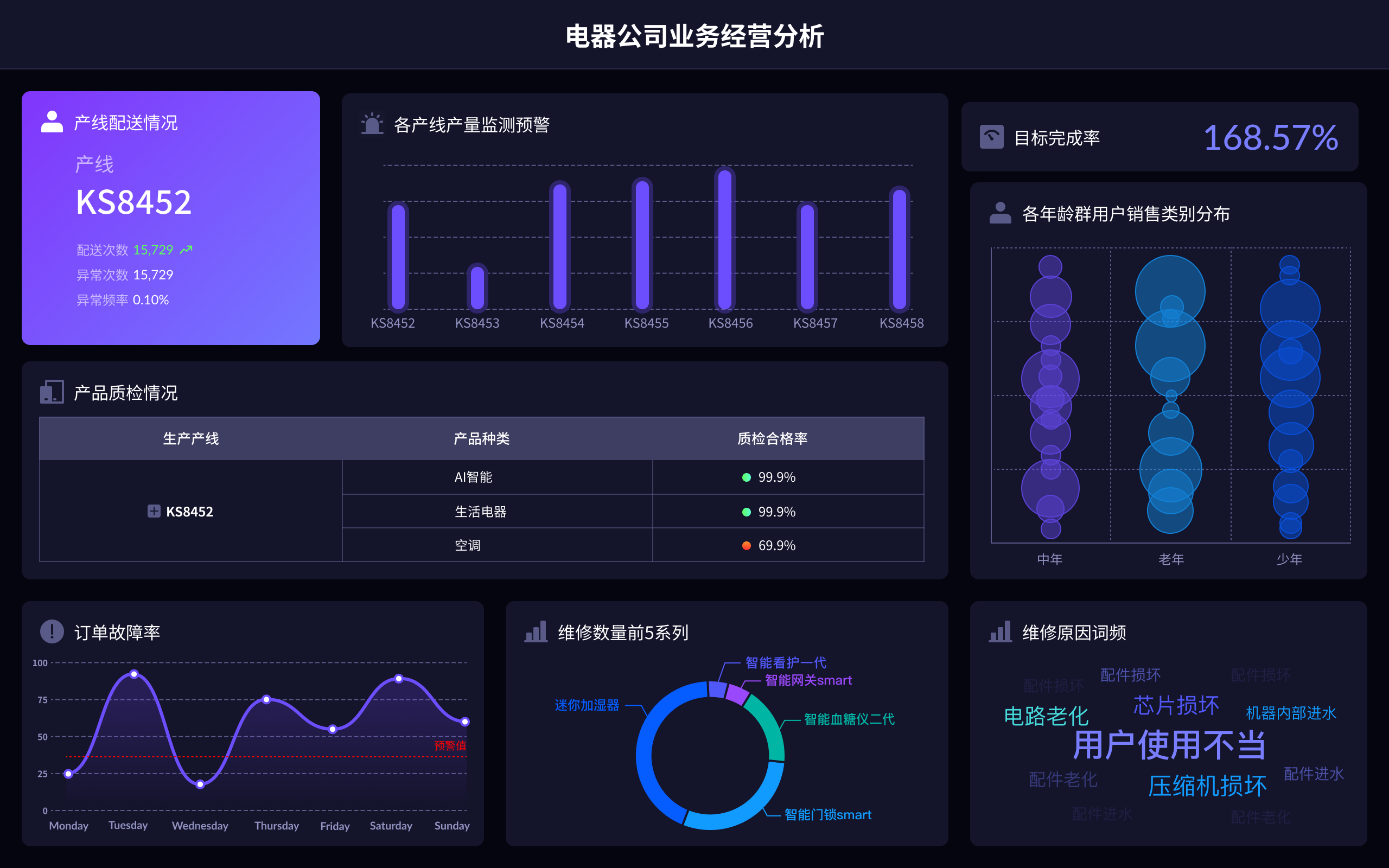
Several tools and software solutions can aid in financial statement analysis. One notable example is FineBI, a product by Fanruan. FineBI offers advanced analytics capabilities, allowing users to visualize and interpret complex financial data effectively. It supports multiple data sources and provides a user-friendly interface for in-depth analysis. This tool can be invaluable for both novice and experienced analysts.
For more information on FineBI, you can visit their official website: https://s.fanruan.com/f459r;
六、COMMON CHALLENGES IN FINANCIAL STATEMENT ANALYSIS
Despite its importance, financial statement analysis is not without challenges. One common issue is data accuracy. Inaccurate or incomplete data can lead to erroneous conclusions. Another challenge is the complexity of financial statements. Understanding and interpreting complex financial data requires a high level of expertise. Additionally, external factors such as market conditions and economic trends can impact the analysis, making it difficult to isolate the company's performance from external influences.
七、BEST PRACTICES IN FINANCIAL STATEMENT ANALYSIS
To overcome these challenges and improve the effectiveness of financial statement analysis, several best practices should be followed. Ensure data accuracy by using reliable data sources and regularly auditing financial statements. Develop a deep understanding of financial principles and accounting standards to accurately interpret financial data. Use advanced tools and software like FineBI to streamline the analysis process and gain deeper insights. Stay updated with market trends and economic conditions to contextualize the analysis and make more informed decisions.
八、CASE STUDIES AND REAL-WORLD EXAMPLES
Real-world examples can provide valuable insights into the practical application of financial statement analysis. For instance, consider a retail company that uses financial statement analysis to identify a decline in sales. By analyzing the income statement and cash flow statement, the company may discover that the decline is due to increased competition and higher operating costs. This insight allows the company to implement cost-cutting measures and develop strategies to regain market share. Another example is an investment firm using ratio analysis to assess the financial health of potential investments. By comparing liquidity and profitability ratios, the firm can identify the most promising investment opportunities.
九、CONCLUSION
In conclusion, financial statement analysis is a critical tool for understanding a company’s financial health and making informed decisions. By examining key financial documents such as the balance sheet, income statement, and cash flow statement, stakeholders can gain valuable insights into a company's performance. The use of advanced tools like FineBI can further enhance the analysis process, providing deeper insights and more accurate conclusions. By following best practices and staying updated with market trends, analysts can overcome common challenges and make more informed decisions.
相关问答FAQs:
What is the English term for financial statement analysis?
The term "financial statement analysis" is used in English to refer to the process of reviewing and evaluating a company's financial statements. This analysis involves assessing the information contained in the balance sheet, income statement, and cash flow statement to gain insights into the company’s financial health, performance, and future prospects. Analysts often use various techniques, including ratio analysis, trend analysis, and common-size financial statements, to interpret the data and make informed decisions.
Why is financial statement analysis important for businesses?
Financial statement analysis is crucial for businesses for several reasons. It provides management with valuable insights into the company's operational efficiency, profitability, and liquidity. By analyzing financial statements, businesses can identify strengths and weaknesses, allowing them to make informed strategic decisions. Investors and creditors also rely on this analysis to assess the viability of investing in or lending to a company. Furthermore, it aids in benchmarking against competitors and industry standards, ensuring that a company remains competitive in its market.
What are the key components of financial statement analysis?
The key components of financial statement analysis include several critical financial statements and analytical techniques. The primary financial statements involved are the balance sheet, which provides a snapshot of the company’s assets, liabilities, and equity at a specific point in time; the income statement, which summarizes revenues and expenses over a period; and the cash flow statement, detailing cash inflows and outflows. Analytical techniques such as ratio analysis (including liquidity ratios, profitability ratios, and solvency ratios), trend analysis (observing changes over time), and common-size analysis (expressing financial statements in percentage terms) are essential for interpreting these documents effectively.
本文内容通过AI工具匹配关键字智能整合而成,仅供参考,帆软不对内容的真实、准确或完整作任何形式的承诺。具体产品功能请以帆软官方帮助文档为准,或联系您的对接销售进行咨询。如有其他问题,您可以通过联系blog@fanruan.com进行反馈,帆软收到您的反馈后将及时答复和处理。