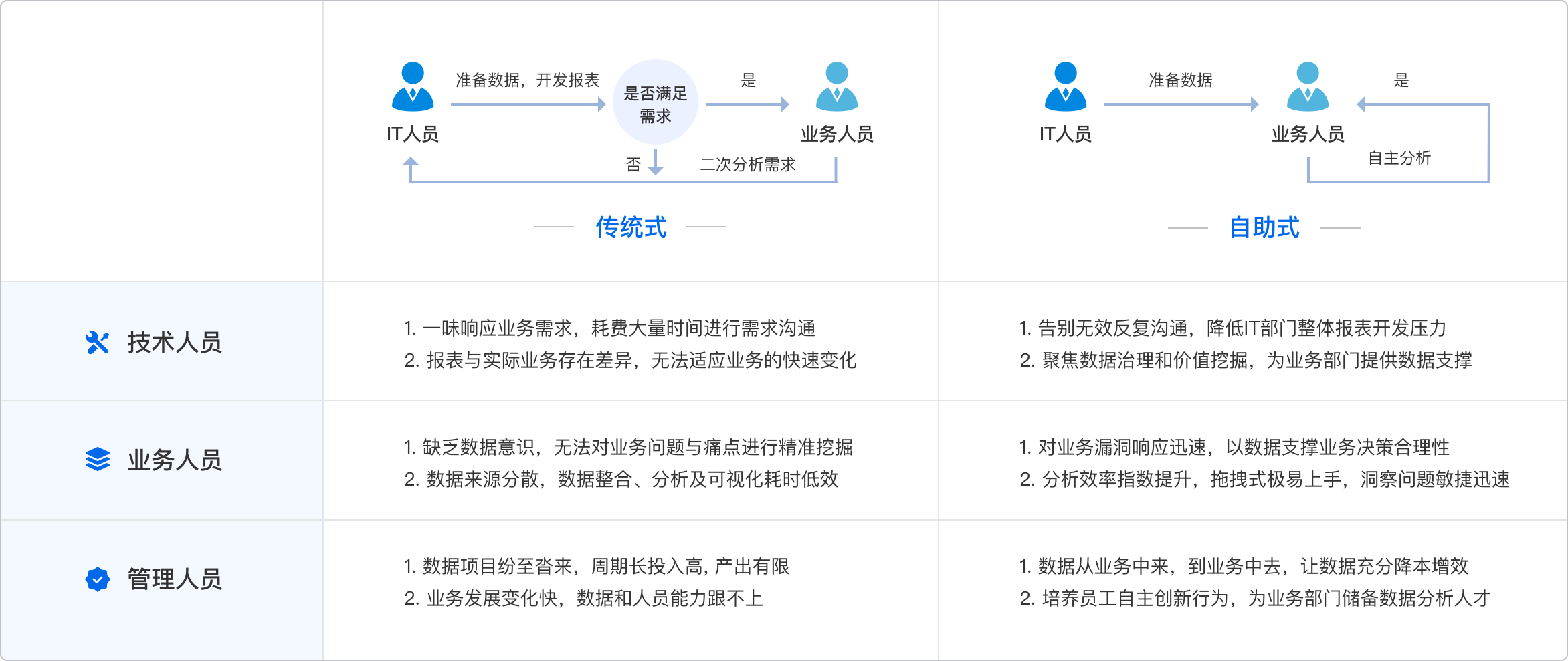
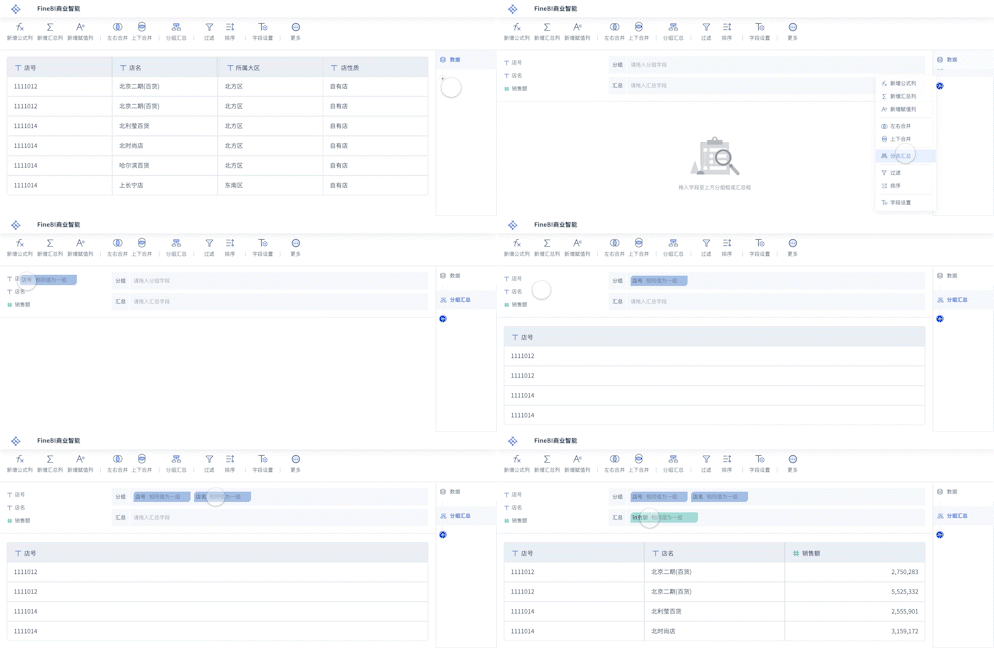
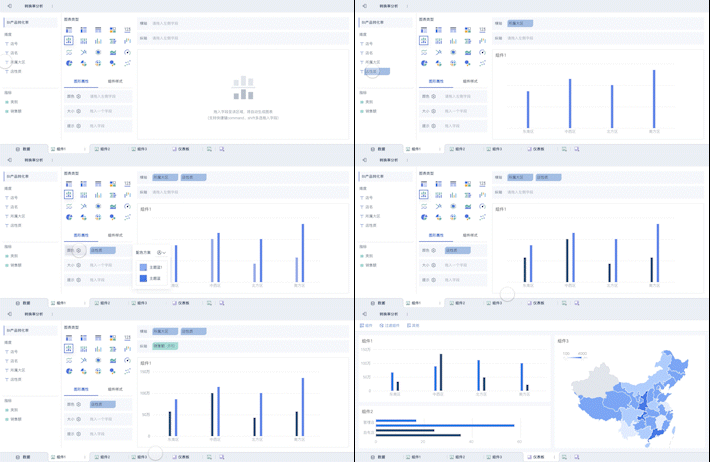
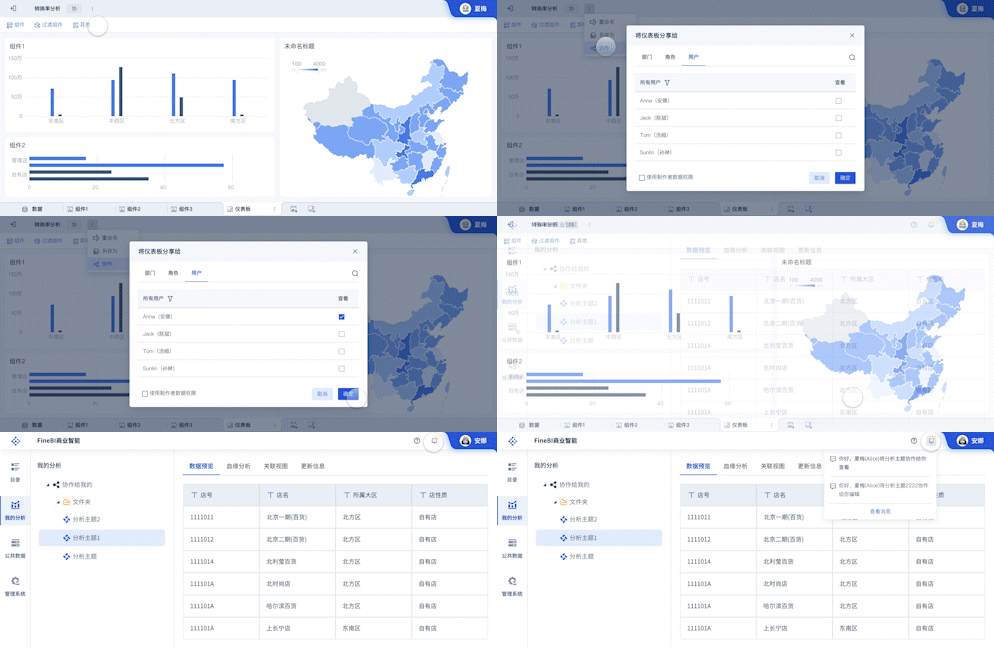
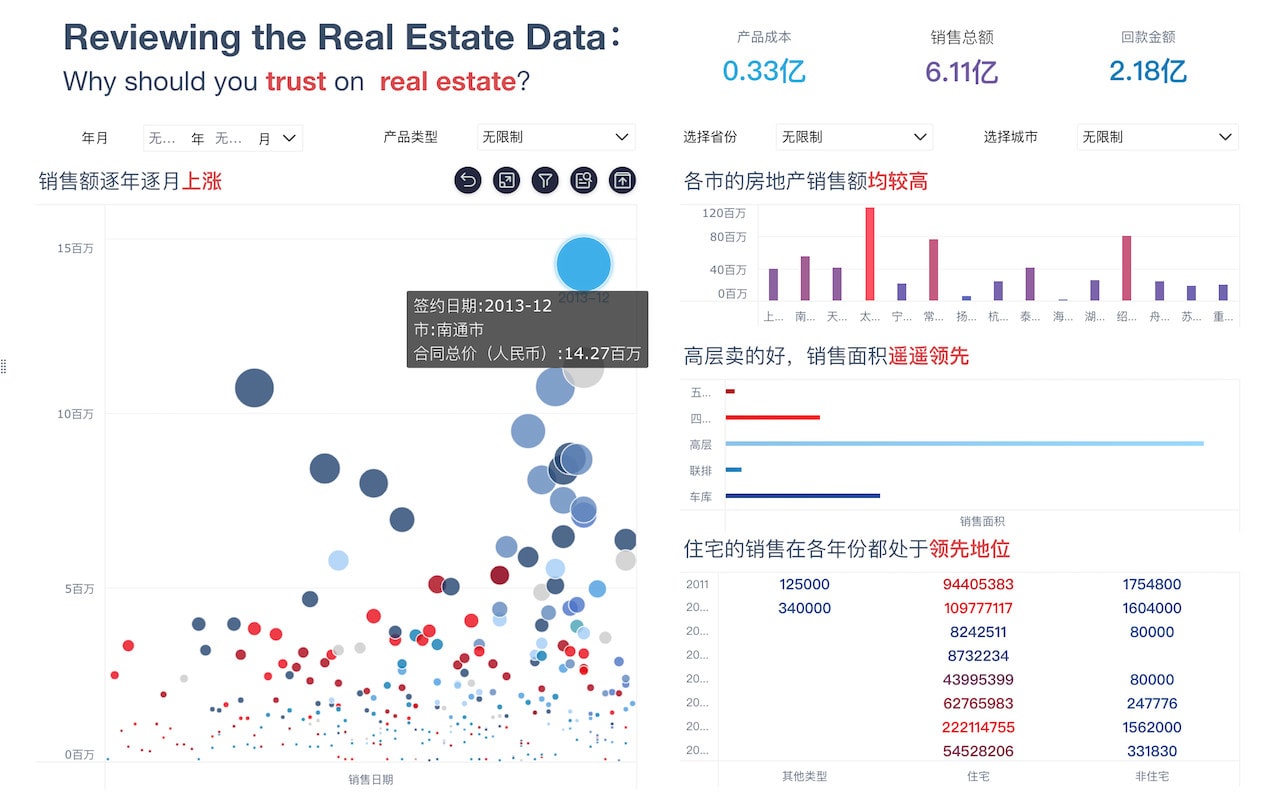
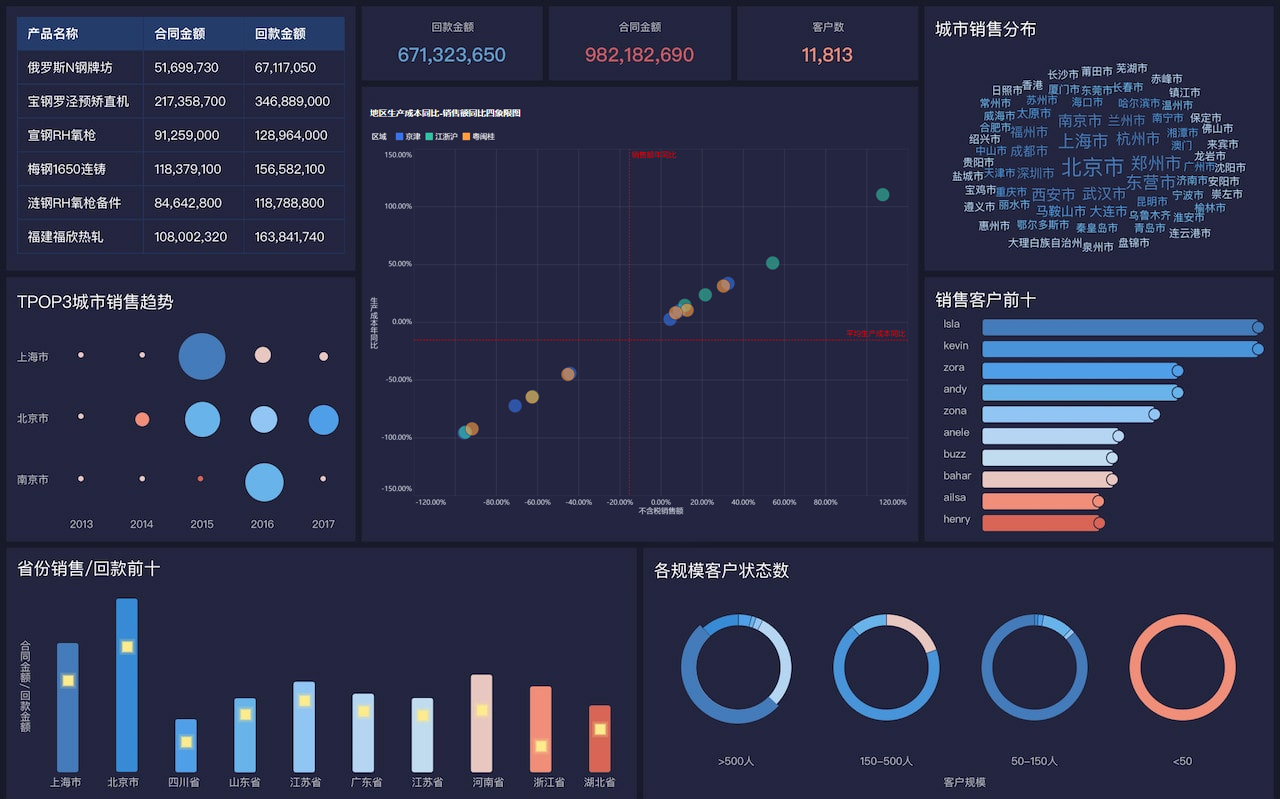
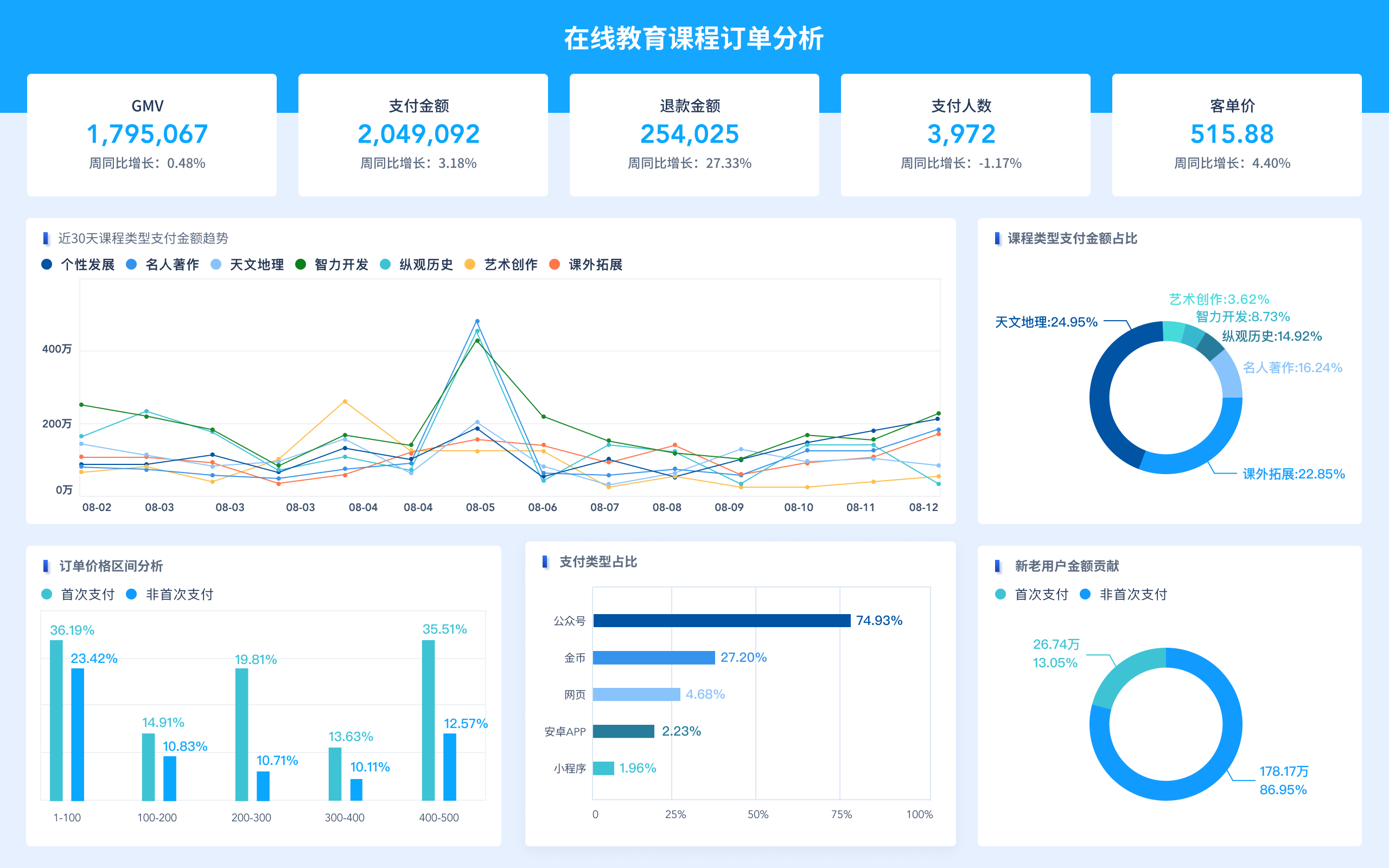
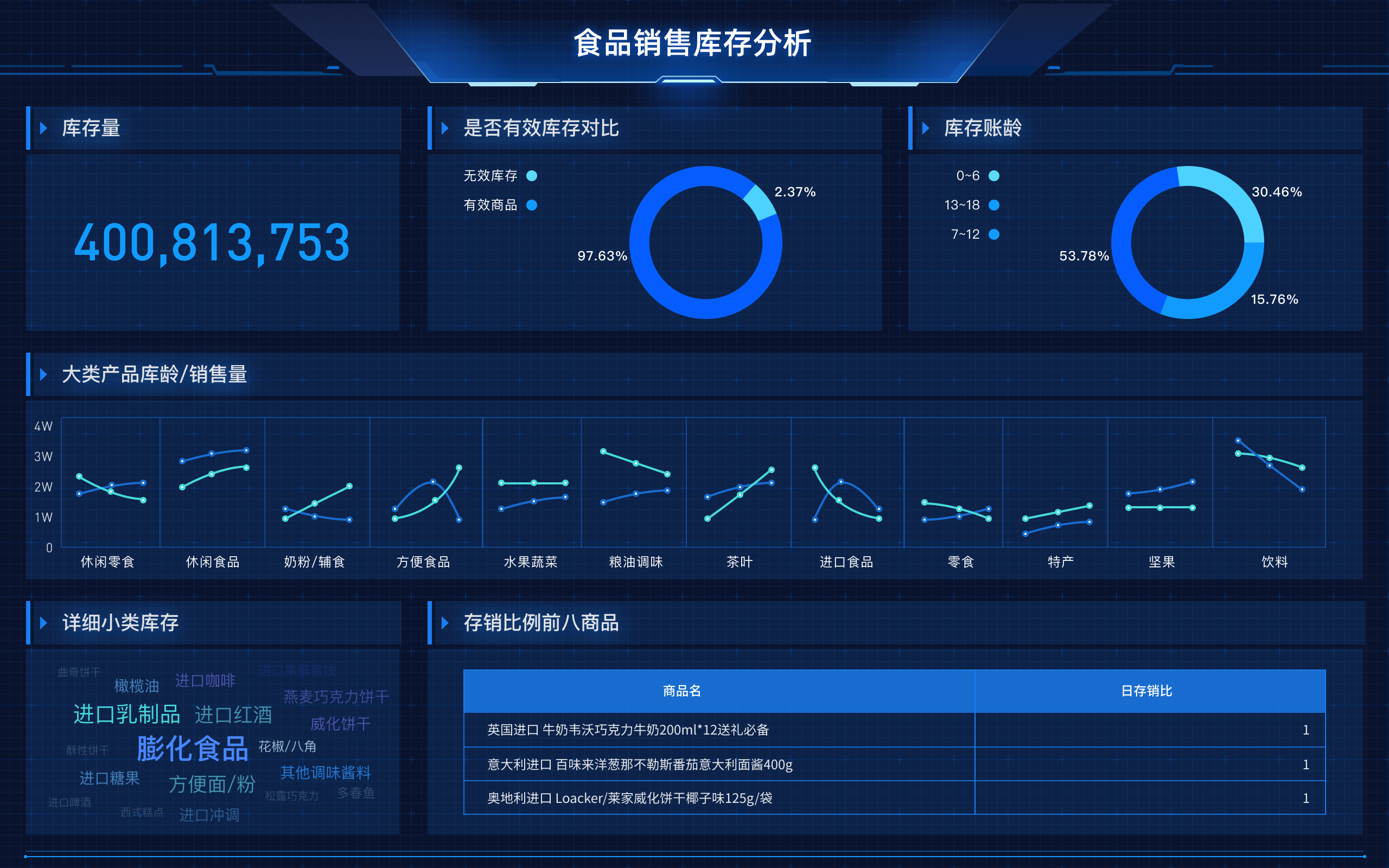
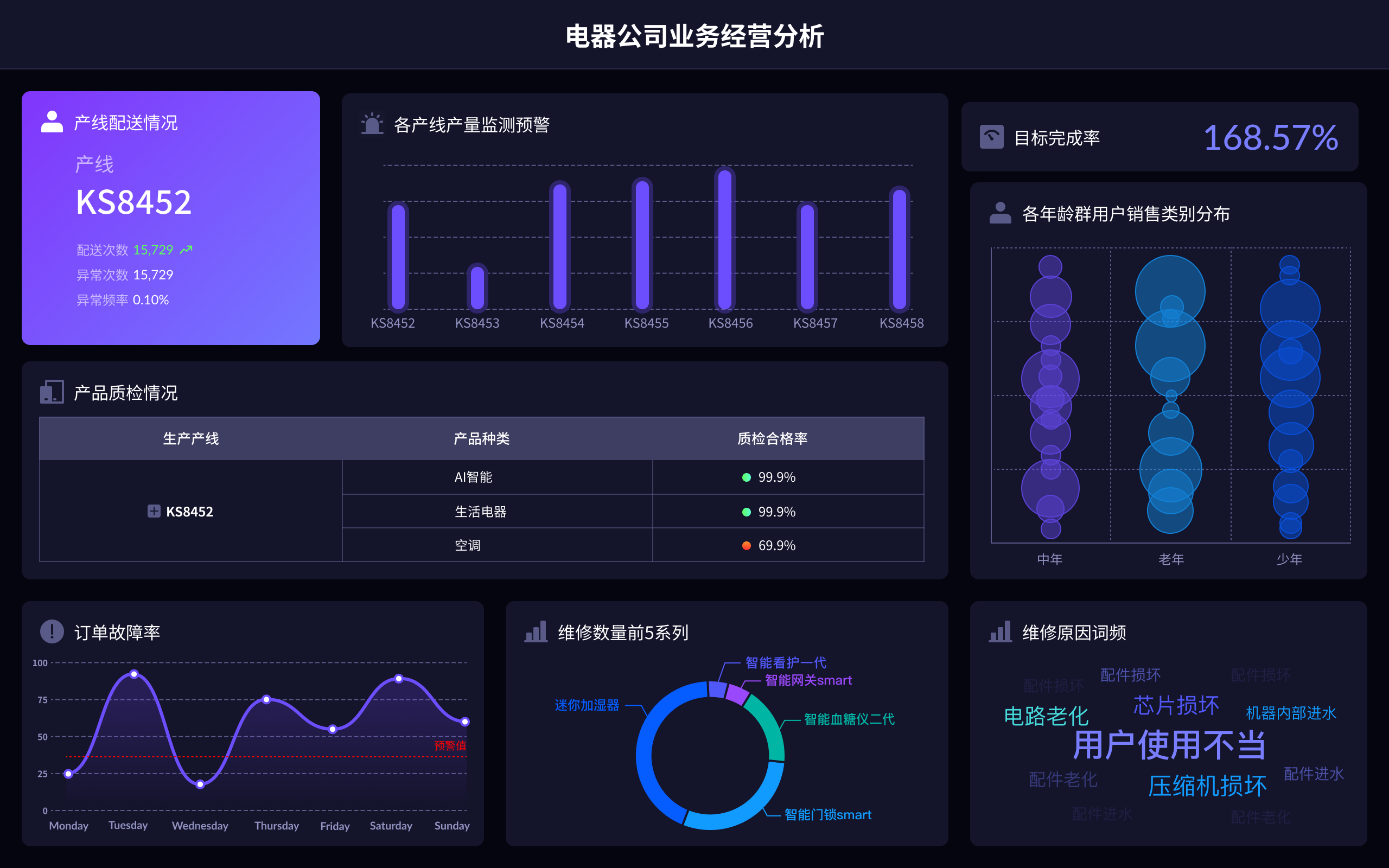
Data visualization is the term used in English to refer to the process of representing data in a visual context, such as a chart or a graph, to help people understand the significance of the data. Data visualization helps in simplifying complex data, identifying trends and patterns, and making data-driven decisions. One of the key benefits of data visualization is its ability to make large datasets comprehensible at a glance. By transforming raw data into visual formats, stakeholders can quickly grasp insights that might be missed in text-based data presentations.
一、DATA VISUALIZATION CONCEPT
Data visualization is an interdisciplinary field that involves the graphic representation of data. It combines elements of statistics, computer science, and design to present data in a way that is both informative and visually appealing. Effective data visualization allows users to see analytics presented visually, enabling them to grasp difficult concepts or identify new patterns. The field encompasses a variety of visualization techniques, such as bar charts, line graphs, scatter plots, and heat maps, each suited for different types of data and analysis objectives.
二、IMPORTANCE OF DATA VISUALIZATION
Data visualization is crucial for several reasons: improving comprehension, supporting decision-making, enhancing communication, and uncovering hidden insights. By converting complex data sets into visual formats, it makes it easier for individuals and organizations to understand and interpret the data. This enhanced comprehension facilitates better decision-making, as stakeholders can quickly identify trends, outliers, and patterns that are critical to business strategy. Furthermore, data visualization improves communication by presenting data in a more digestible format, making it easier to share findings across different departments and with external partners.
三、TYPES OF DATA VISUALIZATION TECHNIQUES
There are numerous data visualization techniques, each with its unique applications and benefits. Bar charts, line graphs, pie charts, scatter plots, and heat maps are some of the most commonly used methods. Bar charts are ideal for comparing different groups, while line graphs are used to track changes over time. Pie charts show proportions within a whole, scatter plots reveal correlations between variables, and heat maps display data density or intensity. Choosing the right visualization technique depends on the data type and the specific insights you aim to extract.
四、TOOLS FOR DATA VISUALIZATION
Several tools are available for creating data visualizations, ranging from simple spreadsheet programs to advanced software solutions. FineBI, FineReport, and FineVis are leading tools in the market, each offering unique features for data analysis and visualization. FineBI is designed for business intelligence, providing powerful data analysis capabilities. FineReport focuses on enterprise reporting and dashboard creation, making it an excellent choice for detailed report generation. FineVis, a newer addition, emphasizes interactive and dynamic visualizations, allowing users to create compelling visual stories from their data. For more information, you can visit their respective websites: FineBI at https://s.fanruan.com/f459r , FineReport at https://s.fanruan.com/ryhzq , and FineVis at https://s.fanruan.com/7z296 .
五、BEST PRACTICES IN DATA VISUALIZATION
To create effective data visualizations, it’s essential to follow best practices that enhance clarity and impact. Simplifying the design, focusing on key insights, using appropriate color schemes, and ensuring data accuracy are critical steps. Simplifying the design involves removing unnecessary elements that could distract from the main message. Focusing on key insights ensures that the visualization communicates the most important data points. Using appropriate color schemes enhances readability and highlights significant data trends. Ensuring data accuracy is crucial, as misleading or incorrect data can lead to poor decision-making.
六、CHALLENGES IN DATA VISUALIZATION
Despite its benefits, data visualization comes with several challenges. Handling large datasets, choosing the right visualization technique, maintaining data integrity, and avoiding misinterpretation are common issues. Handling large datasets requires robust tools and techniques to process and visualize the data efficiently. Choosing the right visualization technique is critical, as an inappropriate method can obscure the data’s message. Maintaining data integrity involves ensuring that the data is accurate and up-to-date. Avoiding misinterpretation requires careful design and clear labeling to prevent users from drawing incorrect conclusions.
七、FUTURE TRENDS IN DATA VISUALIZATION
The field of data visualization is continually evolving, driven by advancements in technology and changing business needs. Interactive visualizations, augmented reality, artificial intelligence, and real-time data are some of the emerging trends. Interactive visualizations allow users to explore data in more depth by manipulating the visual elements. Augmented reality offers immersive ways to visualize data, particularly in fields like engineering and architecture. Artificial intelligence enhances data visualization by automatically identifying patterns and insights. Real-time data visualization enables businesses to make decisions based on the most current information available.
八、CONCLUSION
Data visualization is a powerful tool that transforms raw data into meaningful insights. By presenting data visually, it enhances comprehension, supports decision-making, and improves communication. The use of advanced tools like FineBI, FineReport, and FineVis further elevates the quality and impact of data visualizations. As technology continues to advance, the field of data visualization will undoubtedly evolve, offering even more sophisticated ways to interpret and present data. For businesses and individuals alike, mastering data visualization is essential for staying competitive in a data-driven world.
相关问答FAQs:
1. What is data visualization?
Data visualization is the graphical representation of information and data. Through visual elements like charts, graphs, and maps, data visualization tools provide an accessible way to see and understand trends, outliers, and patterns in data.
2. How important is data visualization in today's world?
Data visualization is crucial in today's data-driven world as it helps in gaining insights, making informed decisions, and communicating findings effectively. By presenting complex data in a visual format, it becomes easier for individuals and organizations to grasp concepts and identify areas of interest or concern.
3. What are some popular tools for data visualization?
There are several popular tools for data visualization, such as Tableau, Microsoft Power BI, Google Data Studio, and Python libraries like Matplotlib and Seaborn. These tools offer a wide range of features to create interactive and engaging visualizations that can be customized according to the data and audience requirements.
本文内容通过AI工具匹配关键字智能整合而成,仅供参考,帆软不对内容的真实、准确或完整作任何形式的承诺。具体产品功能请以帆软官方帮助文档为准,或联系您的对接销售进行咨询。如有其他问题,您可以通过联系blog@fanruan.com进行反馈,帆软收到您的反馈后将及时答复和处理。