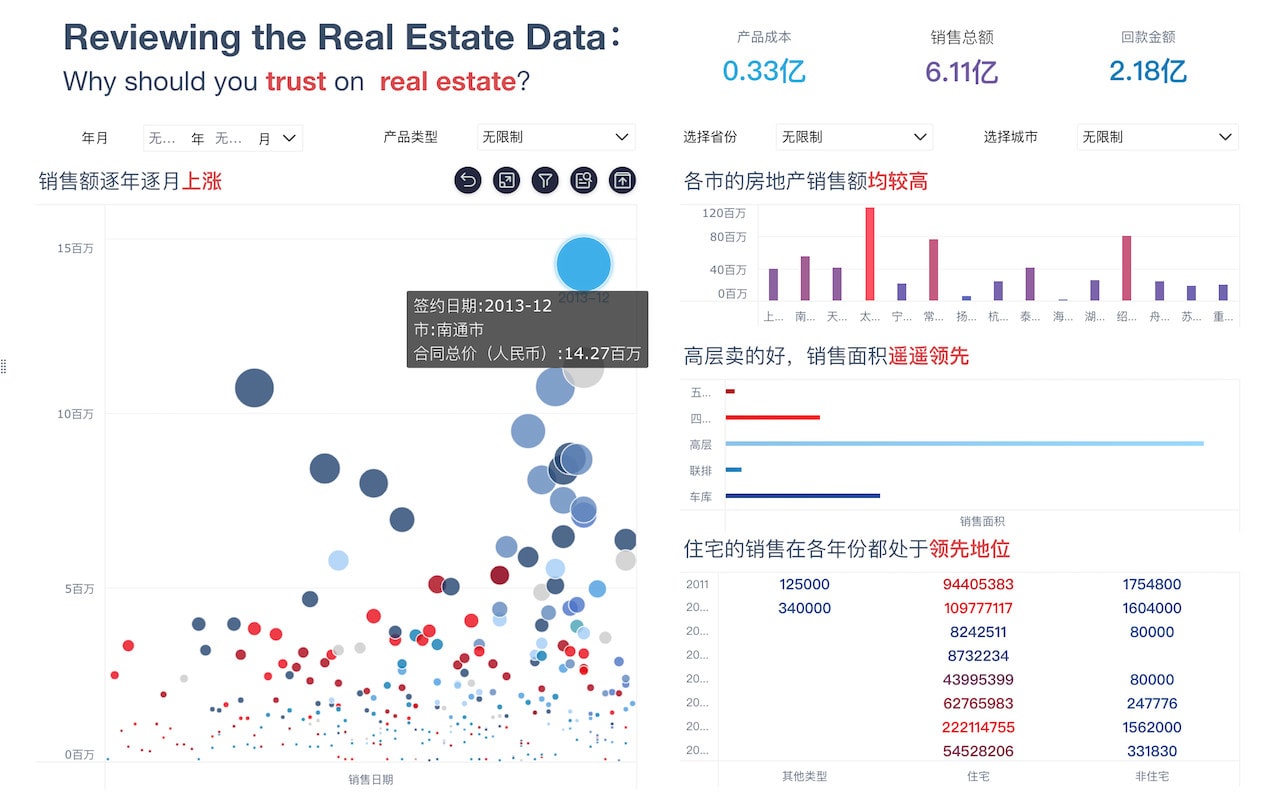
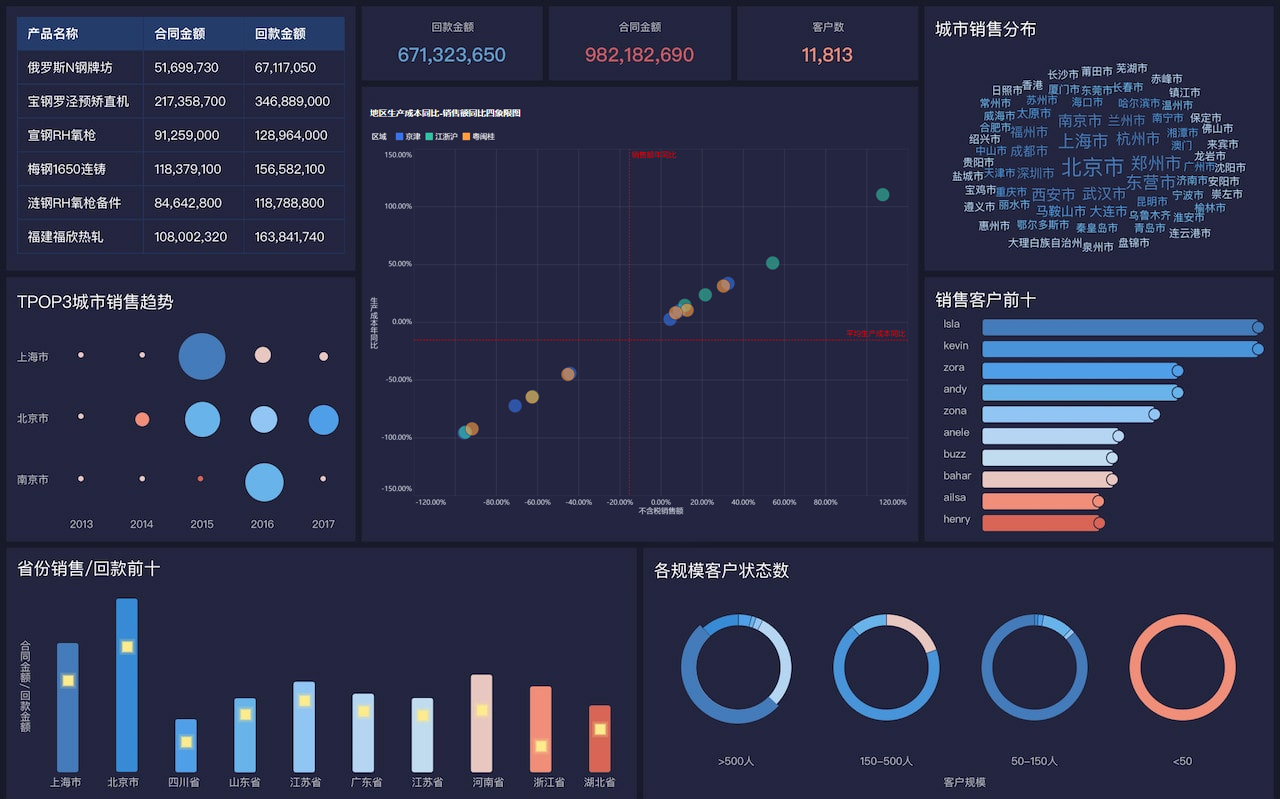
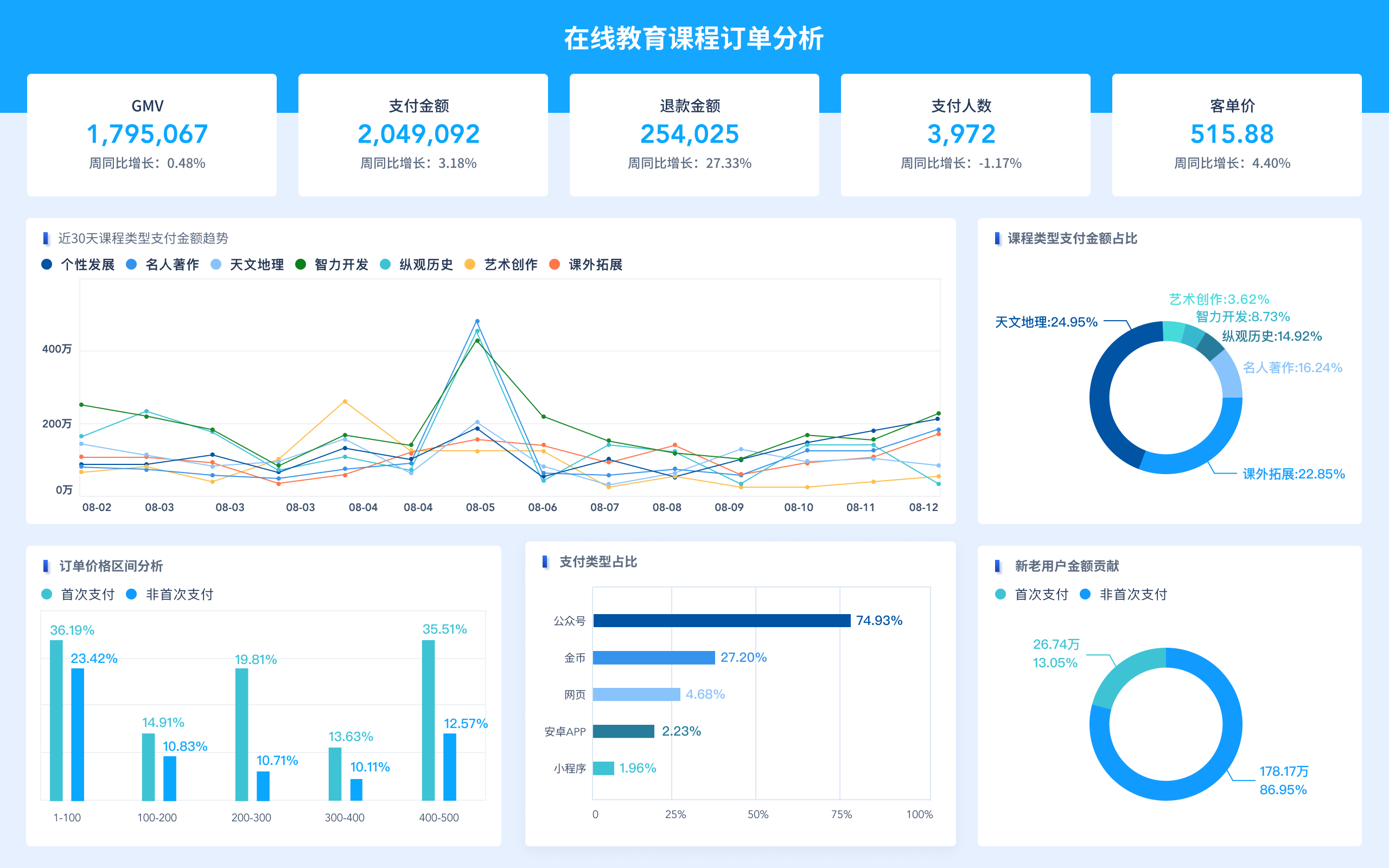
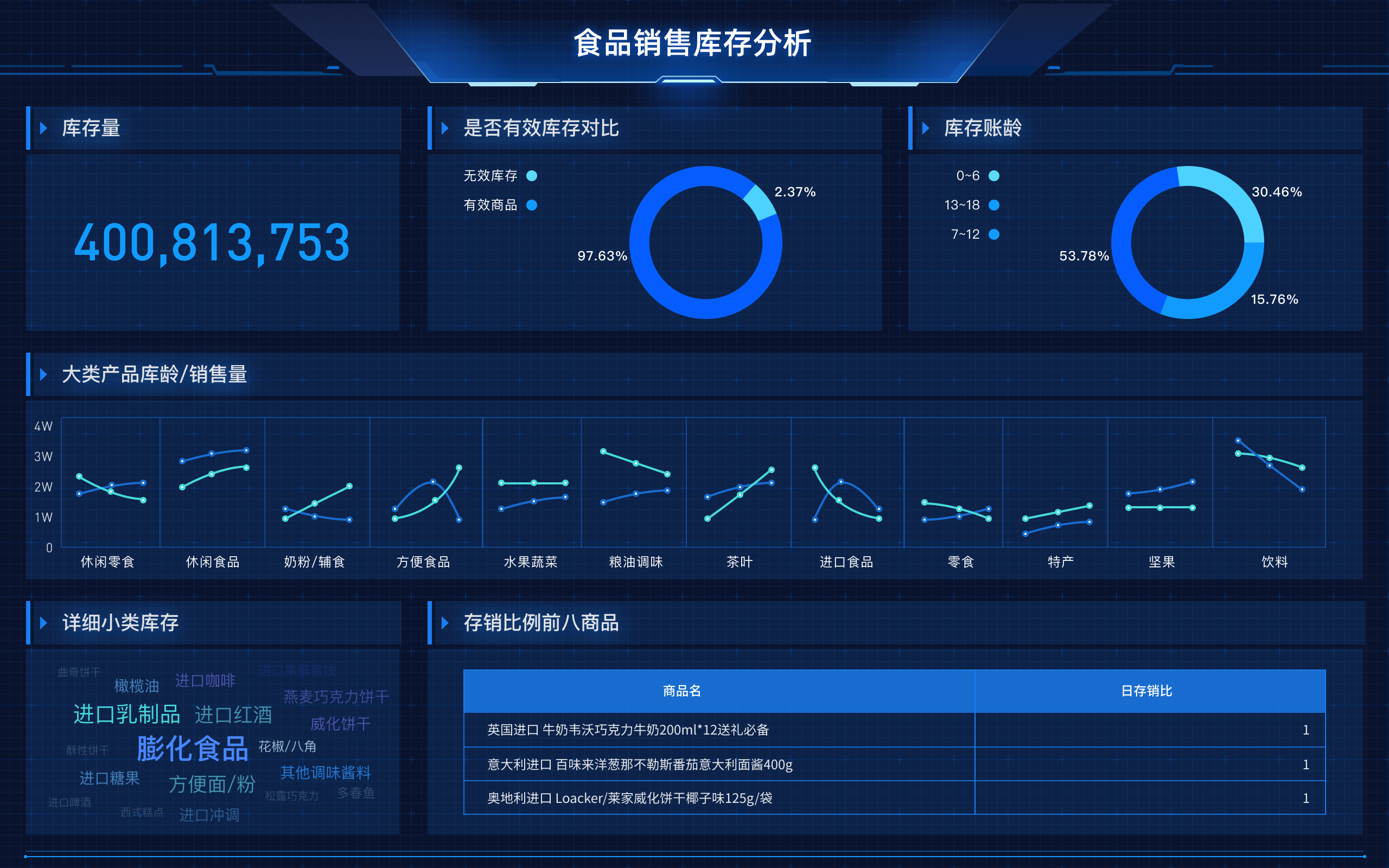
To write an introduction to business analysis in English, follow these guidelines:
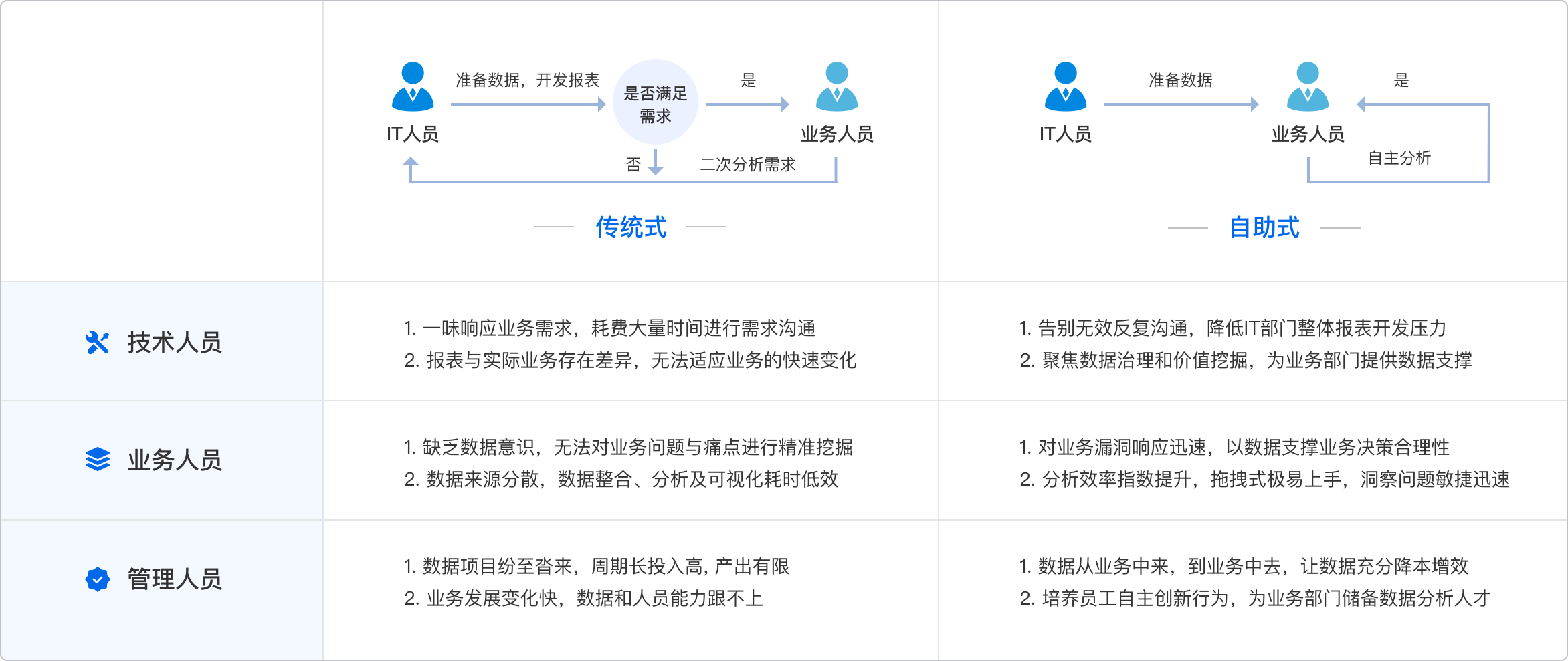
Business analysis involves understanding the needs of a business, identifying problems, and finding solutions to improve operations, efficiency, and profitability. This process includes data collection, evaluation, and interpretation to make informed decisions. Business analysis is crucial for strategic planning, project management, and decision-making.
I、UNDERSTANDING BUSINESS NEEDS
A thorough understanding of business needs is the foundation of effective business analysis. This involves identifying the key objectives, goals, and challenges faced by the organization. Engaging stakeholders through interviews, surveys, and workshops helps gather valuable insights. This step is essential because it aligns the analysis with the strategic direction of the business. By clearly defining the requirements, business analysts can ensure that the solutions proposed will address the actual needs of the organization.
II、DATA COLLECTION AND ANALYSIS
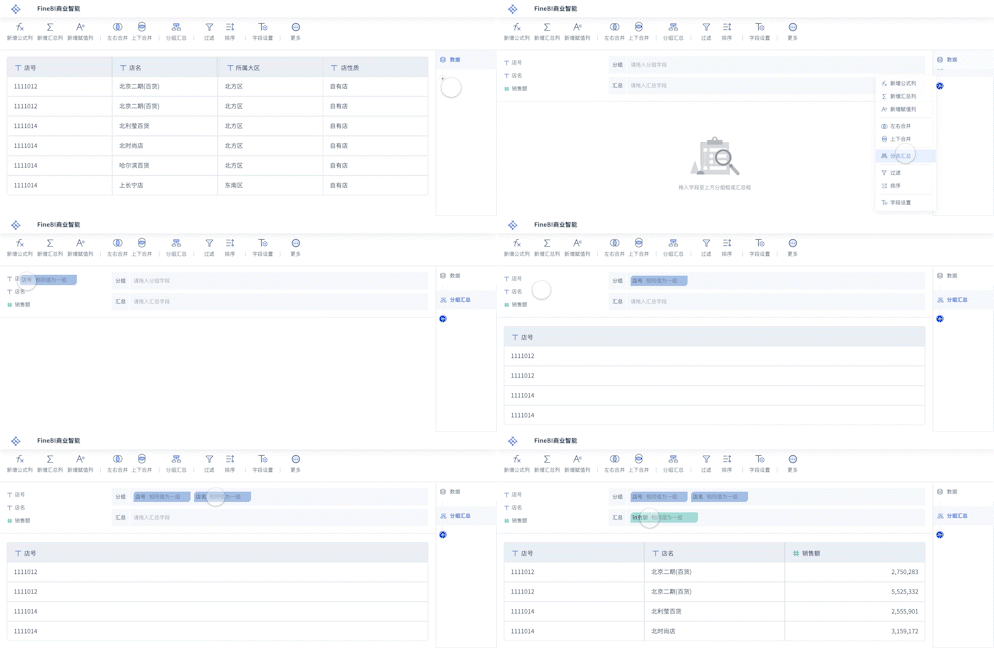
Data collection is a critical component of business analysis. This step involves gathering quantitative and qualitative data from various sources, including financial reports, customer feedback, market trends, and internal systems. Accurate and comprehensive data collection is vital as it forms the basis for analysis. Business analysts use various tools and techniques, such as surveys, interviews, and data mining, to collect relevant information. Once collected, the data is analyzed to identify patterns, trends, and insights that can inform decision-making.
III、IDENTIFYING PROBLEMS AND OPPORTUNITIES
The analysis of collected data helps in identifying problems and opportunities within the business. Problems could range from inefficiencies in processes, declining sales, customer dissatisfaction, or financial issues. On the other hand, opportunities might include new markets, product improvements, or cost-saving measures. Identifying these aspects is crucial because it allows the business to focus on areas that need improvement and capitalize on potential growth opportunities.
IV、SOLUTION DEVELOPMENT AND IMPLEMENTATION
Once problems and opportunities are identified, the next step is to develop and implement solutions. This involves brainstorming potential solutions, evaluating their feasibility, and prioritizing them based on their impact and alignment with business goals. A well-defined action plan is essential for successful implementation. This plan should include clear objectives, timelines, resource allocation, and performance metrics. Effective communication and collaboration with stakeholders are key to ensuring that the solutions are implemented smoothly and achieve the desired outcomes.
V、MONITORING AND EVALUATION
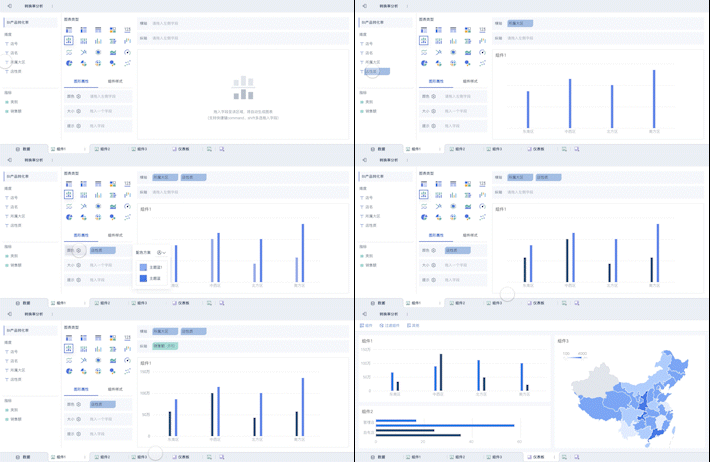
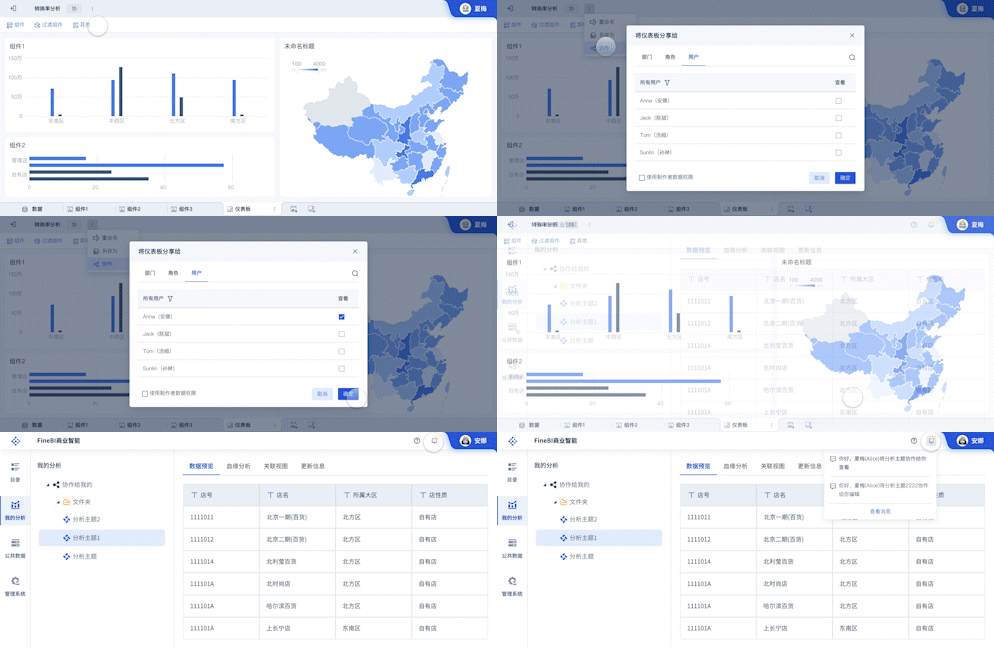
Monitoring and evaluation are ongoing processes that ensure the effectiveness of the implemented solutions. Regular monitoring allows businesses to track progress, identify any deviations from the plan, and make necessary adjustments. Evaluation involves assessing the outcomes of the implemented solutions against the predefined objectives and performance metrics. This step is crucial for continuous improvement, as it provides valuable feedback that can be used to refine strategies and processes. FineBI, a product by Fanruan, offers advanced tools for monitoring and evaluating business performance. Its user-friendly interface and powerful analytics capabilities make it an excellent choice for businesses looking to enhance their analysis efforts.
VI、TOOLS AND TECHNIQUES
Various tools and techniques are available to assist with business analysis. Software like FineBI provides advanced analytics, data visualization, and reporting capabilities. Other tools include Excel for data analysis, SWOT analysis for strategic planning, and flowcharts for process mapping. Selecting the right tools and techniques is essential for efficient and accurate analysis. FineBI stands out due to its comprehensive features that support the entire business analysis process, from data collection to monitoring and evaluation. For more information, visit the FineBI official website: https://s.fanruan.com/f459r;
VII、IMPORTANCE OF BUSINESS ANALYSIS
Business analysis is vital for the success and growth of any organization. It helps in making informed decisions, improving efficiency, and achieving strategic goals. By identifying problems and opportunities, developing effective solutions, and continuously monitoring performance, businesses can stay competitive and adapt to changing market conditions. The insights gained through business analysis drive innovation, enhance customer satisfaction, and contribute to overall business success.
In conclusion, business analysis is a comprehensive process that involves understanding business needs, collecting and analyzing data, identifying problems and opportunities, developing and implementing solutions, and monitoring and evaluating performance. With the right tools and techniques, such as FineBI, businesses can enhance their analysis capabilities and achieve their strategic objectives. For more information on FineBI, visit the official website: https://s.fanruan.com/f459r;
相关问答FAQs:
在撰写英文经营分析介绍时,应该涵盖几个关键要素,以确保内容丰富且具有吸引力。以下是一些指导方针和结构建议:
1. 引言部分
引言是经营分析的起点,应简明扼要地介绍分析的背景和目的。可以提及分析的行业、市场趋势,以及为何进行该分析的重要性。
示例:
"In today's rapidly evolving business landscape, understanding the nuances of operational performance is crucial for maintaining a competitive edge. This analysis focuses on [Company Name/Industry], examining key performance indicators (KPIs), market dynamics, and strategic positioning."
2. 行业背景
提供有关行业的背景信息,包括市场规模、竞争格局和主要趋势。这一部分有助于读者了解分析的环境。
示例:
"The [Industry Name] industry has witnessed significant transformations over the past decade, driven by technological advancements and shifting consumer preferences. According to [Market Research Source], the market is projected to reach [Market Size] by [Year], highlighting the need for businesses to adapt to these changes."
3. 目标和范围
明确分析的目标,包括希望达到的结果,以及分析的具体范围。这可以帮助读者了解分析的重点。
示例:
"The primary objective of this operational analysis is to identify areas of improvement within [Company Name] and to propose actionable strategies that align with industry best practices. The scope of this analysis encompasses financial performance, operational efficiency, customer satisfaction, and market positioning."
4. 方法论
描述所采用的分析方法,包括数据收集方式、分析工具和模型。这一部分有助于增强分析的可信度。
示例:
"This analysis utilizes a combination of qualitative and quantitative methods. Data was collected from various sources, including financial statements, market research reports, and customer surveys. Analytical tools such as SWOT analysis, PESTEL analysis, and financial ratio analysis were employed to gain a comprehensive understanding of the operational landscape."
5. 关键发现
在这一部分,详细阐述分析过程中发现的关键数据和趋势。这些发现应与初期设定的目标相联系。
示例:
"Key findings from the analysis indicate that [Company Name] has experienced a [positive/negative] trend in [specific KPIs], with [specific percentage] growth in [revenue/customer base/etc.]. Furthermore, customer feedback revealed [specific insights], highlighting the need for [specific improvements]."
6. 战略建议
基于分析结果,提出切实可行的战略建议。这些建议应具体且可实施,以便于企业采取行动。
示例:
"To capitalize on the identified opportunities, it is recommended that [Company Name] implement the following strategies: [1. Strategy One, 2. Strategy Two, 3. Strategy Three]. Each strategy focuses on enhancing operational efficiency and improving customer engagement."
7. 结论
总结分析的主要点,并强调实施建议的重要性。可以呼吁企业采取行动,以实现长远的发展目标。
示例:
"In conclusion, the operational analysis of [Company Name] underscores the importance of continuous improvement and strategic alignment in an ever-changing market. By adopting the recommended strategies, [Company Name] can enhance its competitive position and drive sustainable growth."
8. 附录和参考文献
提供附录和参考文献,以便读者获取更多信息和数据支持。
示例:
"Appendix A includes detailed financial statements, while Appendix B provides additional market research data. References are listed in accordance with academic standards."
通过以上结构,您可以撰写一份内容丰富、条理清晰的英文经营分析介绍,确保其具有吸引力和实用性。
本文内容通过AI工具匹配关键字智能整合而成,仅供参考,帆软不对内容的真实、准确或完整作任何形式的承诺。具体产品功能请以帆软官方帮助文档为准,或联系您的对接销售进行咨询。如有其他问题,您可以通过联系blog@fanruan.com进行反馈,帆软收到您的反馈后将及时答复和处理。