Bank Operation Analysis in English refers to the process of examining and evaluating the various aspects of a bank's operations to ensure efficiency, profitability, and compliance with regulations. Key components of bank operation analysis include financial performance, risk management, customer satisfaction, and operational efficiency. For instance, financial performance analysis involves examining the bank's income statements, balance sheets, and cash flow statements to assess its profitability, liquidity, and solvency. This helps in making informed decisions about future strategies and investments.
一、FINANCIAL PERFORMANCE ANALYSIS
Financial performance analysis is critical for understanding how well a bank is performing economically. This involves a thorough review of the bank’s income statement, balance sheet, and cash flow statement. The income statement provides insights into revenue generation and expense management, indicating whether the bank is profitable. The balance sheet offers a snapshot of the bank's assets, liabilities, and equity at a given point in time, helping to assess its financial stability. The cash flow statement shows the inflows and outflows of cash, which is crucial for understanding the bank's liquidity position. Key financial ratios such as Return on Assets (ROA), Return on Equity (ROE), and Net Interest Margin (NIM) are often used to gauge performance.
二、RISK MANAGEMENT
Risk management is a vital component of bank operation analysis, aiming to identify, assess, and mitigate risks that could negatively impact the bank’s performance. This includes credit risk, market risk, operational risk, and liquidity risk. Credit risk involves the potential for losses due to borrowers failing to repay their loans. Market risk pertains to losses arising from fluctuations in market prices, including interest rates, foreign exchange rates, and stock prices. Operational risk covers losses resulting from inadequate or failed internal processes, people, and systems. Effective risk management involves implementing robust risk assessment frameworks, conducting regular stress tests, and maintaining adequate capital buffers.
三、CUSTOMER SATISFACTION
Customer satisfaction is another essential element of bank operation analysis, as it directly impacts the bank’s reputation and long-term success. This involves assessing customer feedback, service quality, and the overall customer experience. Banks often use surveys, feedback forms, and Net Promoter Scores (NPS) to gauge customer satisfaction levels. High levels of customer satisfaction can lead to increased customer loyalty, higher retention rates, and more referrals, which are crucial for business growth. Enhancing customer satisfaction may involve improving service delivery, offering personalized banking solutions, and investing in technology to provide a seamless banking experience.
四、OPERATIONAL EFFICIENCY
Operational efficiency focuses on optimizing the bank’s processes to reduce costs and improve service delivery. This includes streamlining workflows, automating routine tasks, and adopting innovative technologies such as Artificial Intelligence (AI) and Machine Learning (ML). Efficient operations can lead to significant cost savings, faster transaction processing, and improved customer satisfaction. Key metrics for measuring operational efficiency include cost-to-income ratio, transaction processing time, and error rates. By continuously monitoring and improving these metrics, banks can enhance their operational efficiency and remain competitive in the market.
五、COMPLIANCE AND REGULATORY ADHERENCE
Compliance and regulatory adherence are critical in bank operation analysis to ensure that the bank operates within the legal framework and maintains its license to operate. This involves staying updated with regulatory changes, implementing compliance programs, and conducting regular audits. Non-compliance can result in hefty fines, legal actions, and reputational damage. Effective compliance management includes training employees on regulatory requirements, using compliance management software, and establishing a culture of integrity and transparency within the organization.
六、TECHNOLOGY INTEGRATION
Technology integration plays a pivotal role in modern banking operations. This involves the adoption of advanced technologies such as blockchain, AI, ML, and big data analytics to enhance operational efficiency, improve decision-making, and offer innovative banking solutions. Blockchain technology can be used for secure and transparent transaction processing, while AI and ML can help in risk assessment, fraud detection, and personalized customer services. Big data analytics enables banks to gain deeper insights into customer behavior and market trends, allowing for more informed strategic decisions. By leveraging technology, banks can stay ahead of the competition and meet the evolving needs of their customers.
七、STRATEGIC PLANNING AND FORECASTING
Strategic planning and forecasting are essential for the long-term success of a bank. This involves setting clear goals, developing strategies to achieve those goals, and forecasting future financial performance based on current trends and market conditions. Strategic planning includes market analysis, competitive analysis, and SWOT (Strengths, Weaknesses, Opportunities, Threats) analysis. Effective strategic planning helps banks to allocate resources efficiently, anticipate market changes, and adapt to new opportunities and challenges. Forecasting, on the other hand, involves using historical data and predictive models to estimate future financial outcomes, which aids in better decision-making and risk management.
八、HUMAN RESOURCE MANAGEMENT
Human resource management (HRM) is a critical aspect of bank operation analysis, focusing on recruiting, training, and retaining skilled employees. A bank's success largely depends on the expertise and performance of its staff. HRM involves developing comprehensive training programs, offering competitive compensation packages, and creating a positive work environment to attract and retain top talent. Performance management systems are used to evaluate employee performance, set goals, and provide feedback, ensuring that employees are aligned with the bank’s objectives. By investing in HRM, banks can build a motivated and competent workforce that drives business success.
九、MARKET POSITIONING AND BRAND MANAGEMENT
Market positioning and brand management are crucial for establishing a strong presence in the banking industry. This involves defining the bank's unique value proposition, identifying target customer segments, and developing marketing strategies to attract and retain customers. Brand management includes creating a consistent brand image, enhancing brand visibility, and building customer trust through effective communication and customer service. By positioning itself strategically in the market and managing its brand effectively, a bank can differentiate itself from competitors and achieve long-term success.
十、SUSTAINABILITY AND CORPORATE SOCIAL RESPONSIBILITY
Sustainability and corporate social responsibility (CSR) have become increasingly important in the banking sector. This involves implementing environmentally sustainable practices, promoting social welfare, and ensuring ethical governance. Banks are now expected to contribute to the broader community by supporting green initiatives, offering sustainable financial products, and engaging in philanthropic activities. CSR initiatives not only enhance the bank’s reputation but also build trust with customers, investors, and other stakeholders. By integrating sustainability and CSR into their operations, banks can achieve a positive impact on society while ensuring long-term business success.
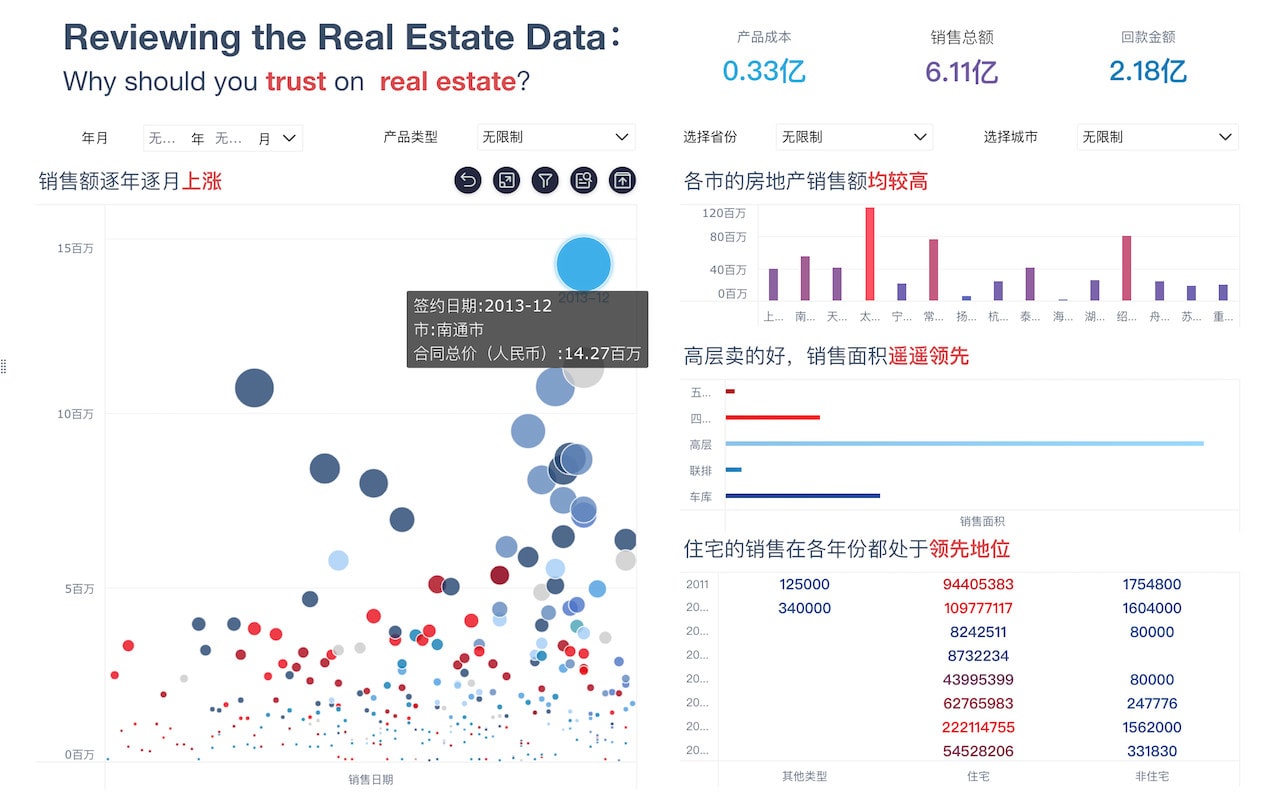
For more comprehensive insights and tools for bank operation analysis, consider exploring FineBI, a powerful business intelligence tool offered by FanRuan. FineBI provides advanced data visualization, reporting, and analytics capabilities to help banks make data-driven decisions. Learn more about FineBI on their official website: https://s.fanruan.com/f459r;
相关问答FAQs:
银行经营分析的英文翻译是“Banking Business Analysis”。在金融领域,银行经营分析涉及对银行的财务状况、运营效率、风险管理以及市场竞争力等方面进行全面评估,以帮助银行制定有效的战略和决策。
本文内容通过AI工具匹配关键字智能整合而成,仅供参考,帆软不对内容的真实、准确或完整作任何形式的承诺。具体产品功能请以帆软官方帮助文档为准,或联系您的对接销售进行咨询。如有其他问题,您可以通过联系blog@fanruan.com进行反馈,帆软收到您的反馈后将及时答复和处理。