The term "经营模式分析" in English translates to "Business Model Analysis".
A business model analysis involves evaluating various aspects of a business's strategy and operations to understand how it creates, delivers, and captures value. Key components typically include the value proposition, revenue streams, customer segments, channels, customer relationships, key activities, key resources, key partnerships, and cost structure. By analyzing these components, businesses can identify strengths, weaknesses, opportunities, and threats, which can help in making informed strategic decisions.
一、IMPORTANCE OF BUSINESS MODEL ANALYSIS
Business model analysis is critical for several reasons. It helps in understanding the core aspects of a business, which is essential for strategic planning and decision-making. For example, analyzing the value proposition allows a business to ensure that it meets the needs of its customers effectively. Additionally, understanding revenue streams helps in identifying the most profitable areas of the business and areas that may need improvement. This analysis can also highlight areas of potential growth, as well as areas where costs can be reduced without compromising quality. Overall, a thorough business model analysis provides a comprehensive overview of how a business operates and competes in the market.
二、KEY COMPONENTS OF A BUSINESS MODEL
Value Proposition: The value proposition defines the unique value a business offers to its customers. It is the primary reason why customers choose one product or service over another. A strong value proposition should address a specific customer need or problem and offer a solution that is significantly better than alternatives.
Revenue Streams: Revenue streams represent the various ways a business earns money from its customers. This can include sales of products or services, subscription fees, licensing fees, and more. Analyzing revenue streams helps businesses understand which areas are most profitable and where there may be opportunities for growth.
Customer Segments: Customer segments are the different groups of people or organizations a business aims to reach and serve. Identifying and understanding these segments is crucial for targeting marketing efforts and tailoring products or services to meet their specific needs.
Channels: Channels are the various ways a business delivers its value proposition to its customers. This can include physical stores, online platforms, direct sales, and more. Analyzing channels helps businesses optimize their distribution strategies and improve customer access to their products or services.
Customer Relationships: Customer relationships describe the types of relationships a business establishes with its customers. This can include personal assistance, self-service, automated services, and more. Understanding customer relationships helps businesses enhance customer satisfaction and loyalty.
Key Activities: Key activities are the critical actions a business must take to operate successfully. These can include production, marketing, sales, and more. Identifying key activities helps businesses focus on what is most important for achieving their goals.
Key Resources: Key resources are the assets a business needs to operate effectively. These can include physical, intellectual, human, and financial resources. Analyzing key resources helps businesses ensure they have the necessary assets to support their activities.
Key Partnerships: Key partnerships are the external organizations or individuals a business works with to achieve its goals. These can include suppliers, distributors, alliances, and more. Understanding key partnerships helps businesses leverage external expertise and resources.
Cost Structure: The cost structure outlines the major costs involved in operating a business. This can include fixed and variable costs, economies of scale, and more. Analyzing the cost structure helps businesses identify areas where they can reduce costs and improve efficiency.
三、BENEFITS OF USING TECHNOLOGY IN BUSINESS MODEL ANALYSIS
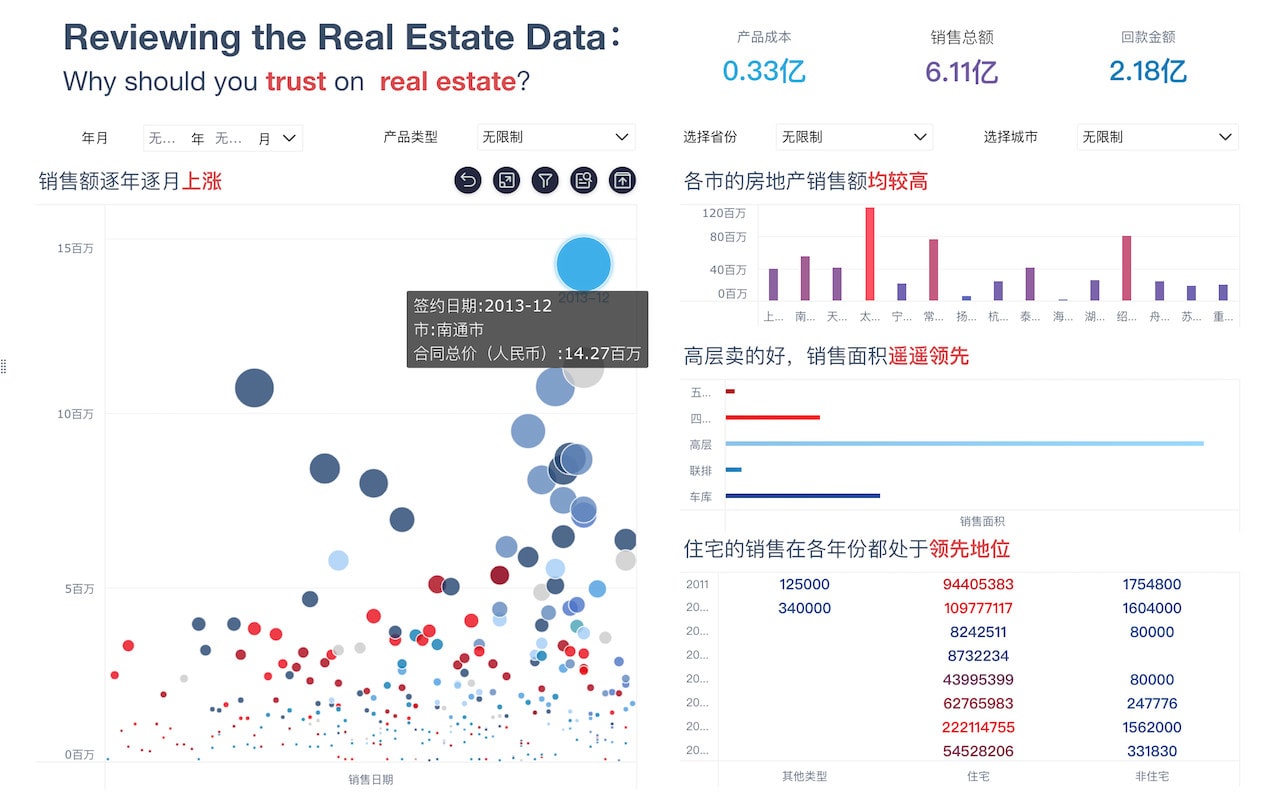
Utilizing technology in business model analysis offers several advantages. For instance, FineBI is a business intelligence tool that provides comprehensive data analysis capabilities, helping businesses gain deeper insights into their operations. With FineBI, companies can visualize their data through interactive dashboards, making it easier to identify trends and patterns. This tool also allows for real-time data analysis, enabling businesses to make timely decisions based on the latest information. Additionally, FineBI's user-friendly interface makes it accessible to users without advanced technical skills, allowing more team members to participate in the analysis process. By leveraging technology like FineBI, businesses can enhance their analytical capabilities and drive better strategic decisions. FineBI官网: https://s.fanruan.com/f459r;
四、CASE STUDIES OF SUCCESSFUL BUSINESS MODEL ANALYSES
Several companies have successfully utilized business model analysis to achieve significant growth and success. For example, Apple has continuously analyzed and refined its business model, focusing on innovation, premium pricing, and a strong ecosystem of products and services. This has allowed Apple to maintain its position as a market leader in the tech industry. Another example is Amazon, which has leveraged its business model analysis to expand from an online bookstore to a global e-commerce giant, offering a wide range of products and services, including cloud computing and streaming.
FineBI官网: https://s.fanruan.com/f459r;
In both cases, these companies have used business model analysis to identify key opportunities and challenges, enabling them to adapt and thrive in competitive markets.
五、CHALLENGES IN BUSINESS MODEL ANALYSIS
Despite its benefits, business model analysis can present several challenges. One common challenge is the complexity of data. Businesses often have to analyze large volumes of data from various sources, which can be time-consuming and require advanced analytical tools. Additionally, there is the challenge of keeping up with market changes. The business environment is constantly evolving, and businesses must continuously update their analysis to stay relevant. Another challenge is ensuring data accuracy. Inaccurate or incomplete data can lead to incorrect conclusions and poor decision-making.
FineBI官网: https://s.fanruan.com/f459r;
To overcome these challenges, businesses can invest in advanced analytical tools like FineBI, which offer robust data processing and visualization capabilities. By using such tools, businesses can streamline their analysis process, maintain data accuracy, and stay agile in a dynamic market.
六、BEST PRACTICES FOR BUSINESS MODEL ANALYSIS
To conduct an effective business model analysis, businesses should follow several best practices. Firstly, clearly define the objectives of the analysis to ensure it aligns with the overall business strategy. Secondly, gather comprehensive and accurate data from multiple sources to get a holistic view of the business. Thirdly, involve key stakeholders in the analysis process to gain diverse perspectives and insights. Fourthly, use advanced analytical tools like FineBI to enhance data processing and visualization. Finally, regularly update the analysis to reflect changes in the business environment and ensure ongoing relevance.
FineBI官网: https://s.fanruan.com/f459r;
By following these best practices, businesses can conduct thorough and effective business model analyses, leading to informed strategic decisions and improved business performance.
七、THE FUTURE OF BUSINESS MODEL ANALYSIS
The future of business model analysis is likely to be shaped by several emerging trends and technologies. Artificial Intelligence (AI) and Machine Learning (ML) are expected to play a significant role in enhancing analytical capabilities, enabling businesses to gain deeper insights and make more accurate predictions. Additionally, big data and advanced analytics will continue to grow in importance, providing businesses with more comprehensive and real-time information. Cloud computing is also set to become increasingly prevalent, offering scalable and flexible solutions for data storage and analysis. As these technologies evolve, businesses will be able to conduct more sophisticated and effective business model analyses, driving innovation and competitive advantage.
FineBI官网: https://s.fanruan.com/f459r;
In conclusion, business model analysis is a critical tool for understanding and improving a business's operations and strategy. By leveraging advanced analytical tools like FineBI and following best practices, businesses can gain valuable insights, make informed decisions, and achieve long-term success.
相关问答FAQs:
经营模式分析在英文中可以翻译为 "Business Model Analysis"。这个术语通常用于描述对一个企业或组织的商业运作方式、收入来源、客户群体、价值提供等方面的深入分析。通过这种分析,企业可以识别出其商业模式的优缺点,并为未来的发展制定战略。
本文内容通过AI工具匹配关键字智能整合而成,仅供参考,帆软不对内容的真实、准确或完整作任何形式的承诺。具体产品功能请以帆软官方帮助文档为准,或联系您的对接销售进行咨询。如有其他问题,您可以通过联系blog@fanruan.com进行反馈,帆软收到您的反馈后将及时答复和处理。