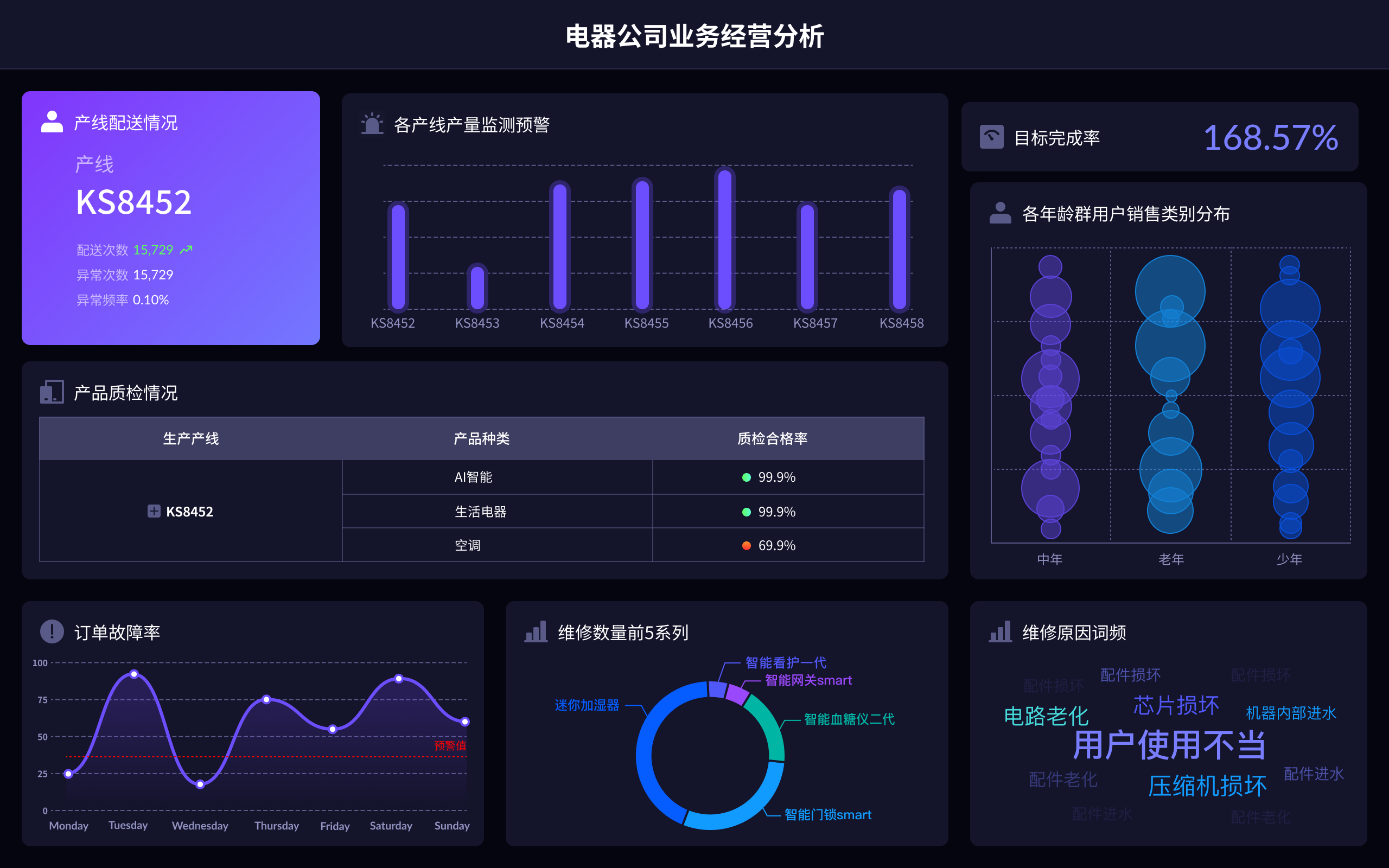
Key Highlights of Business Analysis
Key highlights of business analysis include identifying growth opportunities, understanding customer behavior, improving operational efficiency, and enhancing decision-making processes. Identifying growth opportunities involves analyzing market trends and competitive landscape to pinpoint areas where the business can expand or improve. For example, a company might find that there is a growing demand for eco-friendly products and decide to launch a new line of sustainable goods to capture this market segment.
ONE、IDENTIFYING GROWTH OPPORTUNITIES
Identifying growth opportunities is crucial for any business aiming to expand its market presence and increase revenue. This involves conducting thorough market research to understand current trends, customer needs, and competitive dynamics. By recognizing these opportunities, businesses can develop strategies to enter new markets, launch new products, or enhance existing offerings. For instance, a company might analyze consumer behavior and discover a rising demand for health-conscious food products. Consequently, they could develop a new product line that caters to this demand, thereby capturing a larger market share. Additionally, businesses can use tools like SWOT analysis (Strengths, Weaknesses, Opportunities, Threats) to systematically evaluate their position and identify areas for growth. Leveraging data analytics and business intelligence platforms such as FineBI (a product by FanRuan) can provide valuable insights to support these strategic decisions. FineBI enables businesses to analyze large datasets, uncover trends, and make data-driven decisions, ultimately driving growth and profitability.
TWO、UNDERSTANDING CUSTOMER BEHAVIOR
Understanding customer behavior is essential for delivering personalized experiences and building long-term customer relationships. This involves analyzing data on customer preferences, purchasing patterns, and feedback to gain insights into their needs and motivations. By understanding what drives customer behavior, businesses can tailor their marketing strategies, product offerings, and customer service to better meet their customers’ expectations. For example, a retail company might use customer data to segment their audience and create targeted marketing campaigns that resonate with specific customer groups. Additionally, businesses can implement customer relationship management (CRM) systems to track interactions and gather valuable data on customer behavior. Utilizing analytics tools like FineBI can help businesses visualize and interpret customer data, enabling them to make informed decisions and enhance customer satisfaction. FineBI provides powerful data analysis capabilities, allowing businesses to track customer behavior in real-time, identify trends, and adjust their strategies accordingly. By prioritizing customer insights, businesses can build stronger connections with their audience and drive loyalty and repeat business.
THREE、IMPROVING OPERATIONAL EFFICIENCY
Improving operational efficiency is critical for reducing costs, increasing productivity, and maintaining a competitive edge. This involves streamlining processes, optimizing resource allocation, and implementing best practices across the organization. Businesses can achieve operational efficiency by adopting lean management principles, automating repetitive tasks, and leveraging technology to improve workflows. For instance, a manufacturing company might implement automation systems to reduce production time and minimize errors, resulting in significant cost savings and improved product quality. Additionally, businesses can conduct regular process audits to identify bottlenecks and areas for improvement. Using business intelligence tools like FineBI can help organizations monitor key performance indicators (KPIs) and track progress towards efficiency goals. FineBI offers comprehensive data visualization and reporting features, allowing businesses to analyze operational data, identify inefficiencies, and implement corrective actions. By focusing on operational efficiency, businesses can optimize their resources, enhance productivity, and achieve sustainable growth.
FOUR、ENHANCING DECISION-MAKING PROCESSES
Enhancing decision-making processes is vital for making informed, strategic choices that drive business success. This involves leveraging data and analytics to support decision-making, fostering a culture of collaboration, and ensuring that decisions are aligned with the organization’s goals and values. Businesses can enhance their decision-making processes by implementing data-driven decision-making frameworks, which rely on accurate and timely data to guide strategic choices. For example, a financial services company might use predictive analytics to assess market risks and make investment decisions. Additionally, fostering a collaborative decision-making environment encourages diverse perspectives and collective problem-solving. Using business intelligence platforms like FineBI can provide decision-makers with real-time access to critical data and insights. FineBI enables businesses to create interactive dashboards, generate reports, and conduct advanced data analysis, facilitating informed decision-making at all levels of the organization. By enhancing their decision-making processes, businesses can improve strategic planning, mitigate risks, and achieve better outcomes.
FIVE、IMPLEMENTING EFFECTIVE MARKETING STRATEGIES
Implementing effective marketing strategies is crucial for attracting and retaining customers, building brand awareness, and driving sales. This involves understanding the target audience, creating compelling value propositions, and utilizing various marketing channels to reach potential customers. Businesses can develop effective marketing strategies by conducting market research to understand customer needs and preferences, segmenting the market, and tailoring their messaging to resonate with specific segments. For instance, a tech company might create targeted social media campaigns to engage with tech-savvy consumers and showcase their latest innovations. Additionally, businesses can leverage digital marketing tools and analytics to track the performance of their campaigns and optimize their strategies. FineBI can play a significant role in this process by providing insights into marketing data, such as campaign performance, customer engagement, and conversion rates. By analyzing this data, businesses can make data-driven decisions to refine their marketing strategies, allocate resources effectively, and achieve better results. Implementing effective marketing strategies enables businesses to connect with their audience, build brand loyalty, and drive growth.
SIX、OPTIMIZING SUPPLY CHAIN MANAGEMENT
Optimizing supply chain management is essential for ensuring the timely delivery of products, reducing costs, and maintaining high levels of customer satisfaction. This involves coordinating and managing the flow of goods, information, and resources from suppliers to customers. Businesses can optimize their supply chain by implementing efficient inventory management practices, improving supplier relationships, and leveraging technology to enhance visibility and coordination. For example, a retail company might use demand forecasting tools to predict customer demand and adjust inventory levels accordingly, reducing the risk of stockouts and overstock situations. Additionally, businesses can implement supply chain management software to track shipments, monitor supplier performance, and manage logistics. FineBI can provide valuable insights into supply chain data, helping businesses identify bottlenecks, track key metrics, and optimize their supply chain processes. By utilizing FineBI, businesses can create dashboards and reports that provide a comprehensive view of their supply chain, enabling them to make informed decisions and improve overall efficiency. Optimizing supply chain management helps businesses meet customer expectations, reduce operational costs, and enhance their competitive advantage.
SEVEN、LEVERAGING TECHNOLOGY AND INNOVATION
Leveraging technology and innovation is critical for staying competitive in today’s rapidly evolving business landscape. This involves adopting new technologies, fostering a culture of innovation, and continuously improving products and services. Businesses can leverage technology to automate processes, enhance customer experiences, and drive operational efficiency. For instance, a financial institution might implement artificial intelligence (AI) and machine learning algorithms to detect fraudulent transactions and improve security measures. Additionally, businesses can foster innovation by encouraging employees to share ideas, investing in research and development, and collaborating with external partners. Utilizing business intelligence tools like FineBI can support innovation by providing data-driven insights that inform product development and strategic initiatives. FineBI enables businesses to analyze large datasets, identify trends, and uncover opportunities for innovation. By leveraging technology and fostering a culture of innovation, businesses can stay ahead of the competition, meet evolving customer needs, and achieve long-term success.
EIGHT、ENSURING FINANCIAL HEALTH AND SUSTAINABILITY
Ensuring financial health and sustainability is fundamental for the long-term success of any business. This involves managing financial resources effectively, maintaining profitability, and planning for future growth. Businesses can ensure financial health by implementing sound financial management practices, such as budgeting, forecasting, and cost control. For example, a manufacturing company might conduct regular financial audits to identify cost-saving opportunities and improve profitability. Additionally, businesses can focus on building a sustainable business model that balances short-term profitability with long-term growth and environmental responsibility. Utilizing financial analytics tools like FineBI can help businesses monitor key financial metrics, track performance, and make data-driven decisions. FineBI provides comprehensive financial reporting and analysis capabilities, enabling businesses to gain insights into their financial health and identify areas for improvement. By ensuring financial health and sustainability, businesses can achieve stability, attract investment, and drive long-term growth.
NINE、DEVELOPING EFFECTIVE LEADERSHIP AND MANAGEMENT
Developing effective leadership and management is crucial for guiding the organization towards its goals and fostering a positive work environment. This involves cultivating strong leadership skills, implementing effective management practices, and promoting a culture of continuous improvement. Businesses can develop effective leadership by providing training and development opportunities, encouraging open communication, and fostering a collaborative work environment. For instance, a company might implement leadership development programs to help managers enhance their skills and lead their teams more effectively. Additionally, businesses can focus on performance management by setting clear goals, providing regular feedback, and recognizing employee achievements. Utilizing business intelligence tools like FineBI can support leadership and management by providing insights into team performance, employee engagement, and organizational metrics. FineBI enables businesses to create dashboards and reports that track key performance indicators, helping leaders make informed decisions and drive organizational success. Developing effective leadership and management helps businesses achieve their strategic objectives, improve employee satisfaction, and create a positive organizational culture.
TEN、FOSTERING A STRONG COMPANY CULTURE
Fostering a strong company culture is essential for attracting and retaining talent, driving employee engagement, and achieving organizational success. This involves creating an inclusive and supportive work environment, promoting core values, and encouraging collaboration and innovation. Businesses can foster a strong company culture by clearly defining their mission and values, recognizing and rewarding employee contributions, and providing opportunities for professional growth. For example, a tech company might implement flexible work arrangements and promote a culture of innovation to attract top talent and drive employee satisfaction. Additionally, businesses can focus on employee well-being by providing resources and support for work-life balance and mental health. Utilizing employee engagement tools and surveys can help businesses gather feedback and measure the effectiveness of their cultural initiatives. FineBI can provide valuable insights into employee engagement and satisfaction, helping businesses identify areas for improvement and track progress over time. By fostering a strong company culture, businesses can enhance employee loyalty, improve productivity, and achieve long-term success.
For more information on how FineBI can assist in business analysis and improve decision-making processes, visit the official website: https://s.fanruan.com/f459r;
相关问答FAQs:
经营亮点分析在英文中可以翻译为 "Business Highlights Analysis" 或 "Operational Highlights Analysis"。这个短语通常用于商业报告、市场分析或企业战略规划中,旨在突出一个企业在特定时间段内的成功因素、成就和重要运营数据。通过这种分析,企业可以识别出其竞争优势和潜在的改进领域,帮助制定未来的战略方向。
本文内容通过AI工具匹配关键字智能整合而成,仅供参考,帆软不对内容的真实、准确或完整作任何形式的承诺。具体产品功能请以帆软官方帮助文档为准,或联系您的对接销售进行咨询。如有其他问题,您可以通过联系blog@fanruan.com进行反馈,帆软收到您的反馈后将及时答复和处理。