Operating profit analysis in English means 分析公司的经营利润。Operating profit refers to the profit earned from a firm's normal core business operations. This value does not include any profit earned from the firm's investments or the effects of taxes and interest.
一、OPERATING PROFIT DEFINITION
Operating profit, also known as operating income, is a measure of the profit a company makes from its operations, excluding costs associated with non-operating activities such as taxes and interest payments. It is calculated by subtracting operating expenses from gross profit. Operating expenses include costs such as wages, depreciation, and cost of goods sold (COGS). The resulting figure shows how much profit a company generates from its core business activities before deducting interest and taxes. Operating profit is a critical metric for assessing a company's operational efficiency and profitability.
二、IMPORTANCE OF OPERATING PROFIT ANALYSIS
Conducting an operating profit analysis is crucial for businesses for several reasons: it helps in identifying operational efficiency, guides strategic decision-making, aids in performance benchmarking, and is used by investors and stakeholders to evaluate a company's financial health. Analyzing operating profit allows businesses to pinpoint areas where they can reduce costs or improve revenues, thereby enhancing overall profitability. For instance, if a company notices a decline in operating profit, it may need to investigate rising costs or declining sales volumes and take corrective actions.
三、METHODS TO ANALYZE OPERATING PROFIT
There are various methods to analyze operating profit, including trend analysis, comparative analysis, and ratio analysis. Trend analysis involves examining the operating profit over multiple periods to identify patterns or trends. Comparative analysis entails comparing the operating profit with that of competitors or industry benchmarks to gauge relative performance. Ratio analysis uses financial ratios like operating margin, which is calculated as operating profit divided by net sales, to assess efficiency. Each method provides unique insights into different aspects of the company's operational performance.
四、FACTORS AFFECTING OPERATING PROFIT
Several factors can impact a company's operating profit, such as changes in sales revenue, cost of goods sold, operating expenses, and external economic conditions. For example, an increase in sales revenue, if not accompanied by a proportional increase in costs, will boost operating profit. Conversely, rising costs or inefficiencies in operations can erode operating profit even if sales remain strong. External factors like economic downturns, changes in consumer preferences, or regulatory changes can also affect operating profit. Understanding these factors is essential for businesses to manage and optimize their profitability.
五、TOOLS FOR OPERATING PROFIT ANALYSIS
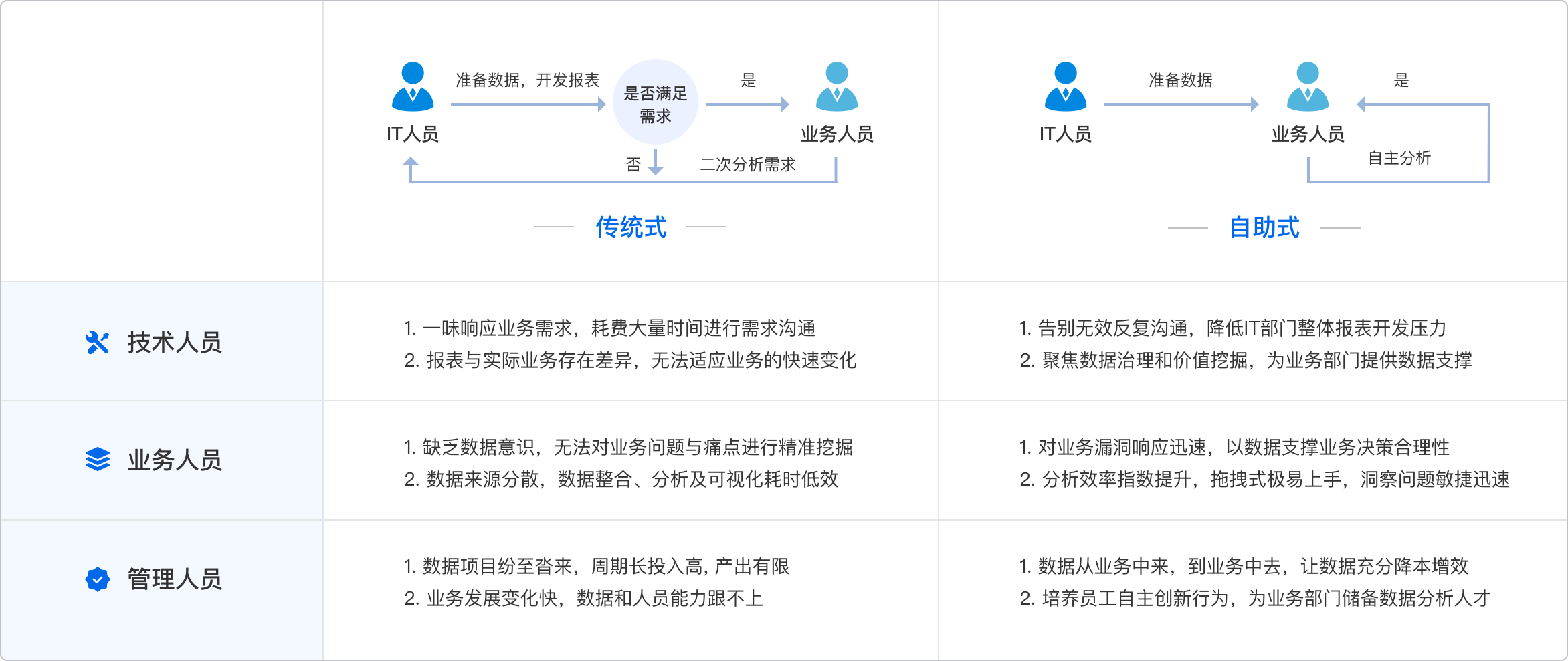
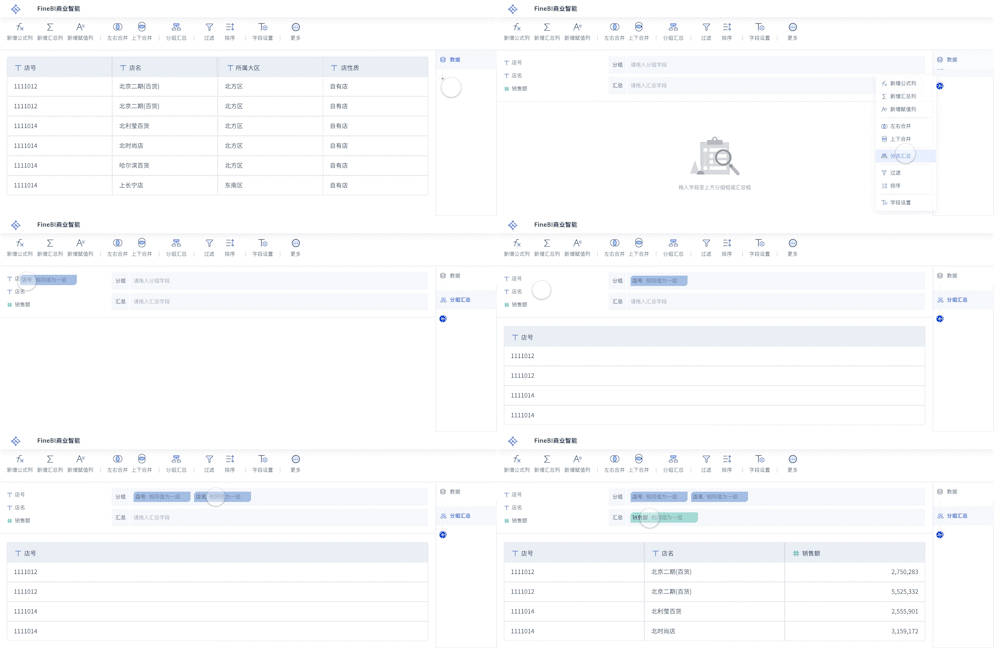
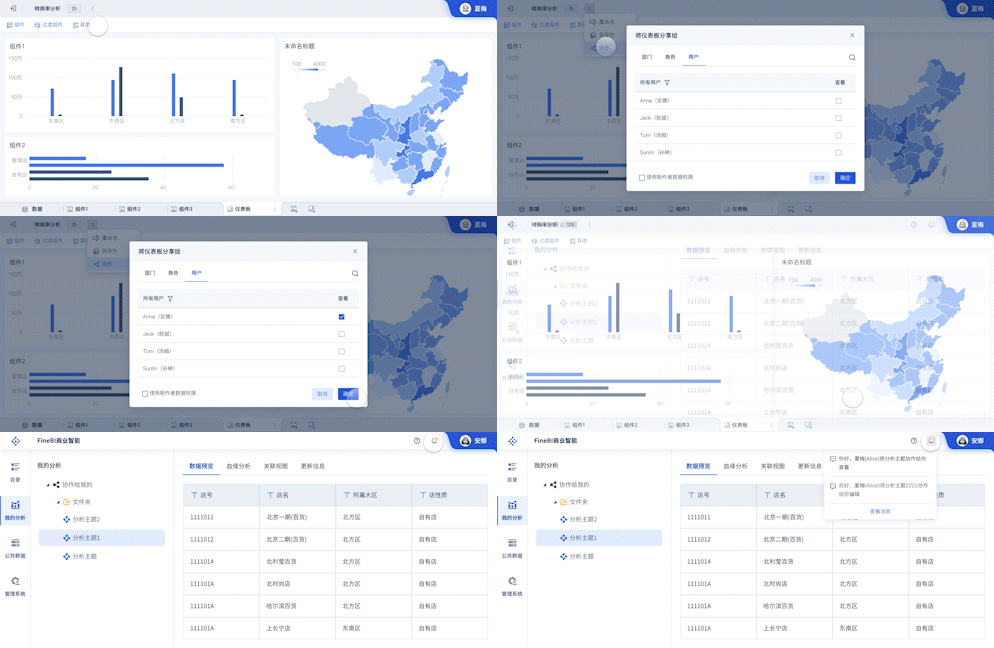
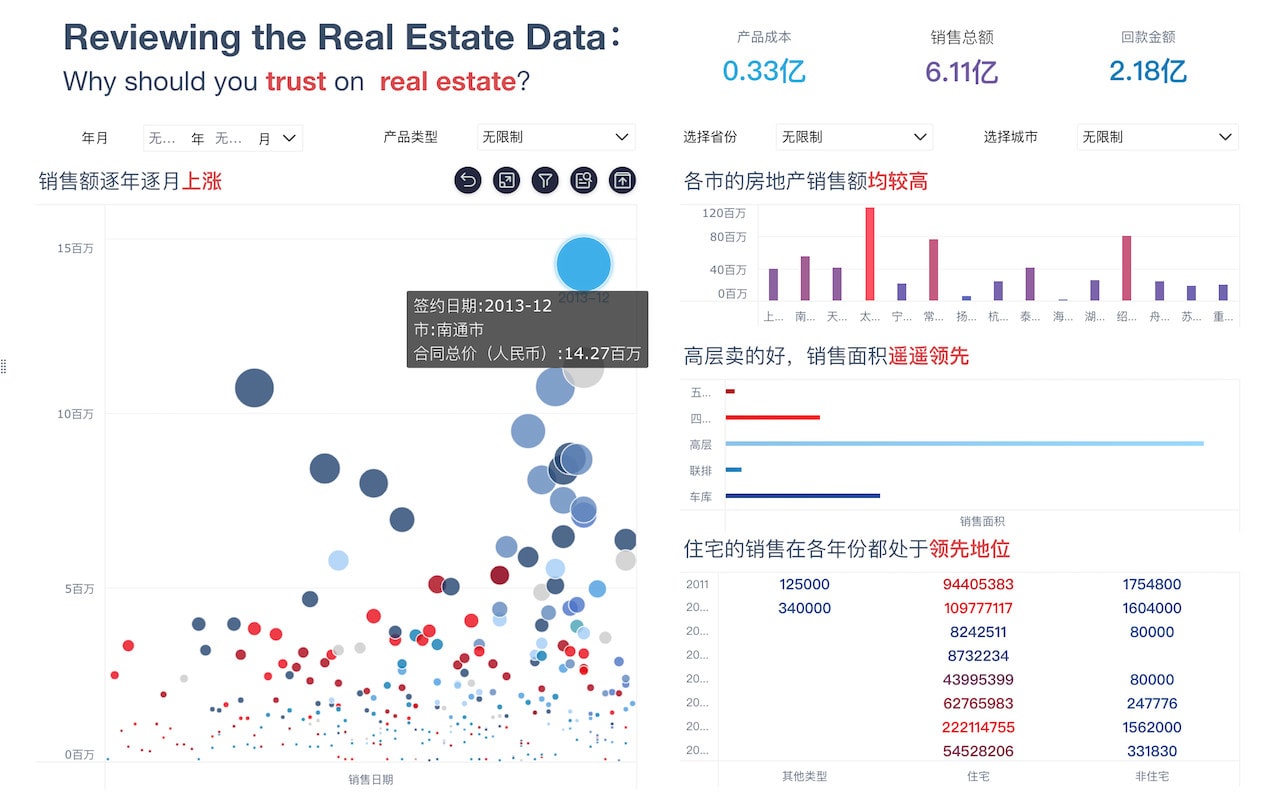
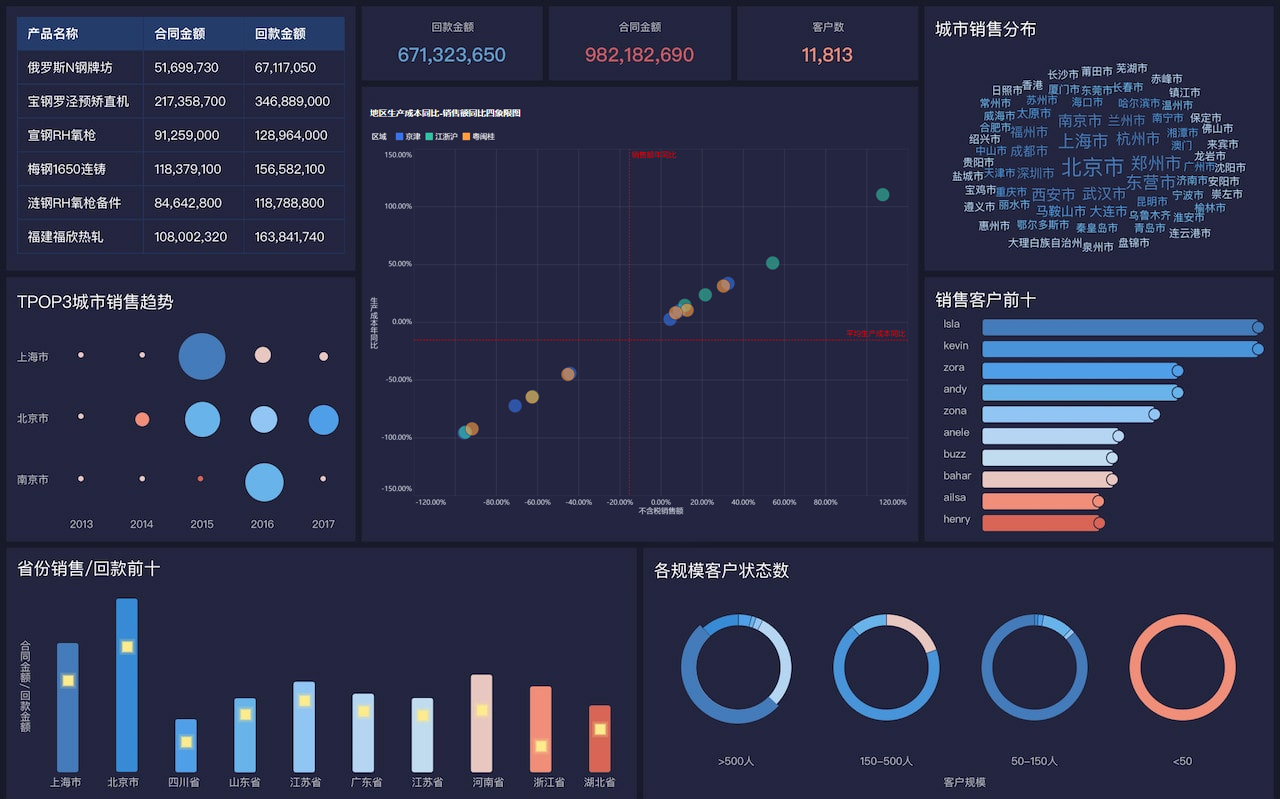
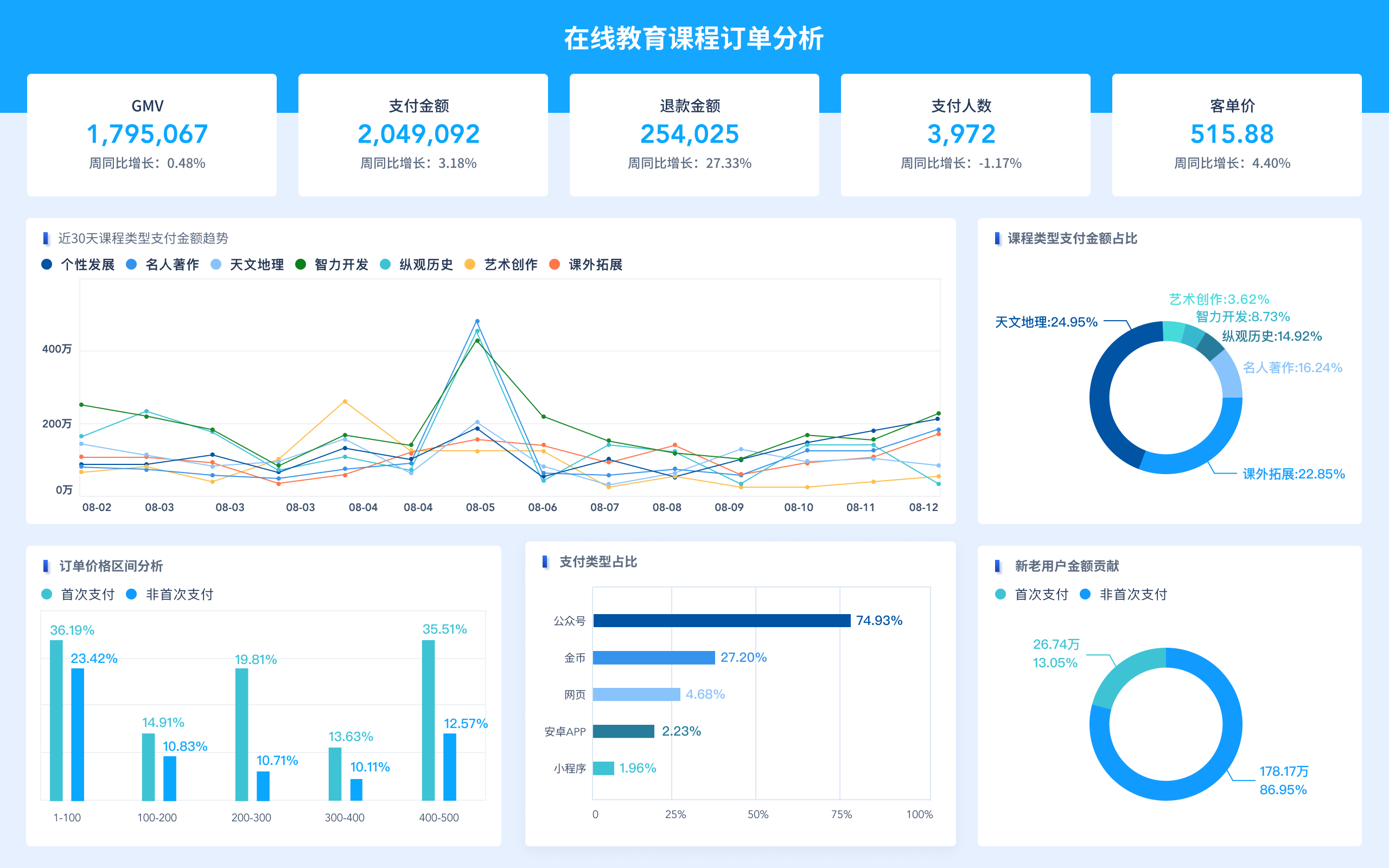
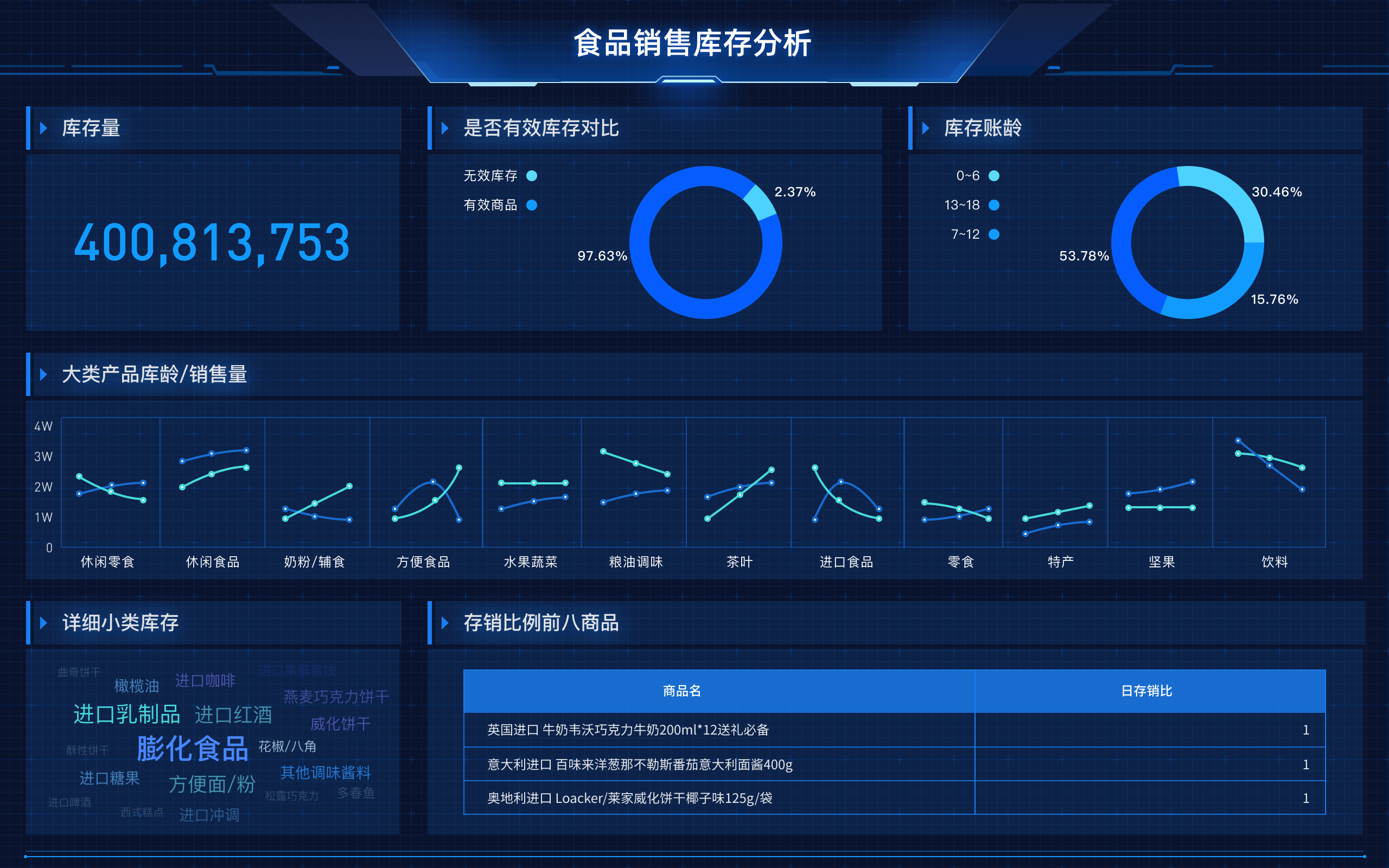
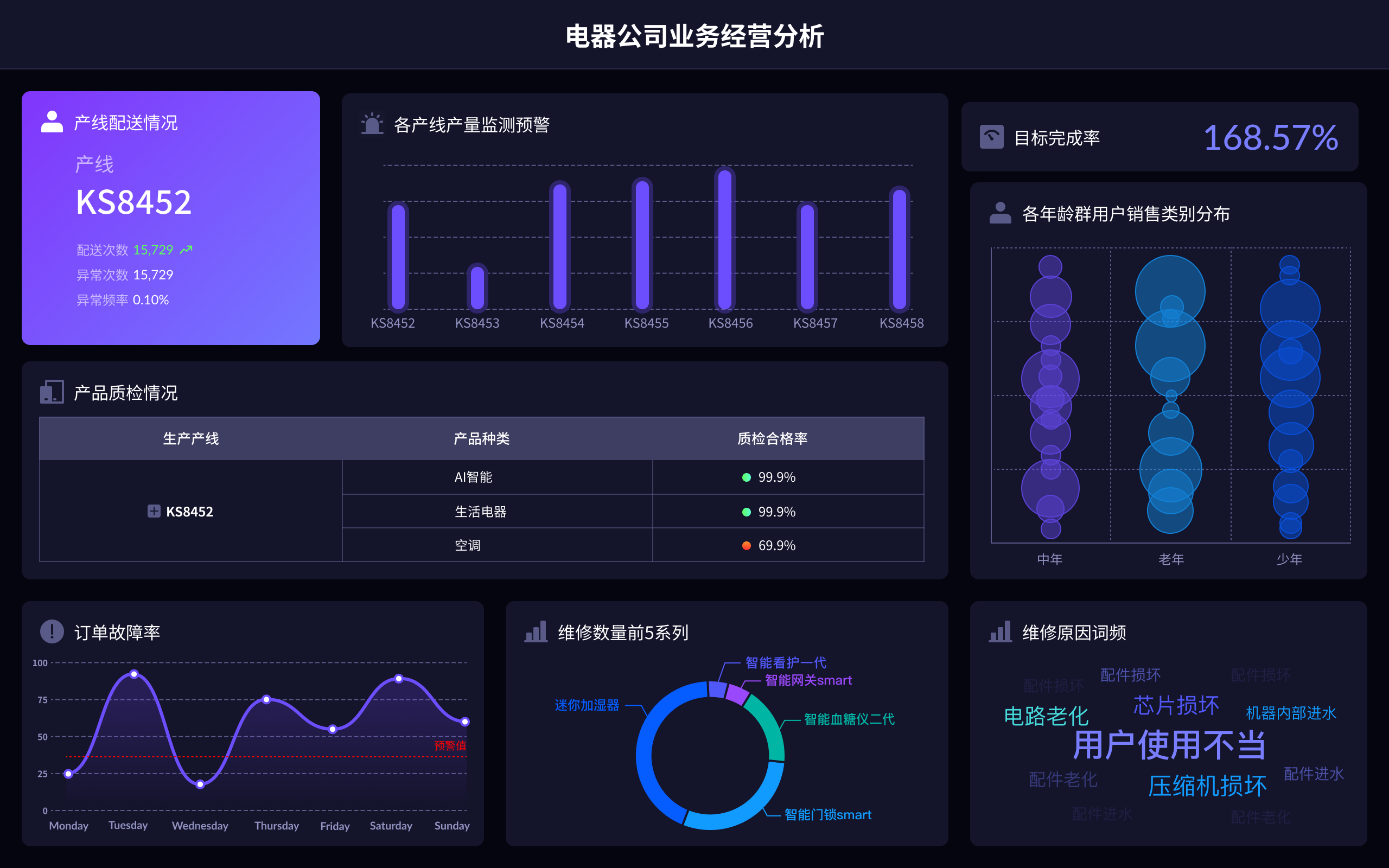
There are several tools available for conducting operating profit analysis, including financial software like FineBI, which is a product of FanRuan. FineBI provides comprehensive business intelligence capabilities that enable detailed financial analysis, including operating profit analysis. Using tools like FineBI can help businesses automate data collection, perform complex analyses, and generate insightful reports to support decision-making. FineBI’s user-friendly interface and powerful analytics capabilities make it an ideal choice for businesses looking to enhance their financial analysis processes.
FineBI官网: https://s.fanruan.com/f459r;
六、CASE STUDIES OF OPERATING PROFIT ANALYSIS
Examining case studies of companies that have successfully used operating profit analysis can provide valuable insights. For example, a retail company might use operating profit analysis to identify underperforming stores and take corrective measures such as staff retraining, store redesign, or targeted marketing campaigns. Another example could be a manufacturing firm that uses operating profit analysis to streamline its production processes, reduce waste, and negotiate better terms with suppliers. These case studies highlight the practical applications and benefits of conducting a thorough operating profit analysis.
七、CHALLENGES IN OPERATING PROFIT ANALYSIS
Despite its benefits, operating profit analysis can present certain challenges. These may include data accuracy issues, the complexity of financial data, changing economic conditions, and the need for specialized knowledge. Ensuring the accuracy of financial data is paramount, as errors can lead to incorrect conclusions and misguided decisions. Additionally, the complexity of financial data requires businesses to have skilled analysts who can interpret and draw meaningful insights from the data. Adapting to changing economic conditions and continuously updating analysis methods is also crucial for maintaining the relevance and effectiveness of the analysis.
八、CONCLUSION AND RECOMMENDATIONS
Operating profit analysis is an essential tool for businesses to assess their operational efficiency, make informed strategic decisions, and enhance overall profitability. By understanding and analyzing the factors that affect operating profit, businesses can identify areas for improvement and take proactive measures to optimize their operations. Utilizing advanced tools like FineBI can significantly streamline the analysis process and provide deeper insights. Businesses should also continuously monitor their operating profit and adapt their strategies in response to changing internal and external conditions. Investing in training and development for financial analysts can further enhance the effectiveness of operating profit analysis.
相关问答FAQs:
经营利润分析在英文中通常被称为 "Operating Profit Analysis"。这个术语用于描述企业在日常经营活动中产生的利润情况,通常通过分析收入和经营成本来评估企业的盈利能力。经营利润是企业在扣除运营费用(如销售成本、管理费用和其他运营支出)后的利润,能够有效反映企业的运营效率和盈利能力。
如果你需要更详细的解释或者相关信息,请告诉我!
本文内容通过AI工具匹配关键字智能整合而成,仅供参考,帆软不对内容的真实、准确或完整作任何形式的承诺。具体产品功能请以帆软官方帮助文档为准,或联系您的对接销售进行咨询。如有其他问题,您可以通过联系blog@fanruan.com进行反馈,帆软收到您的反馈后将及时答复和处理。