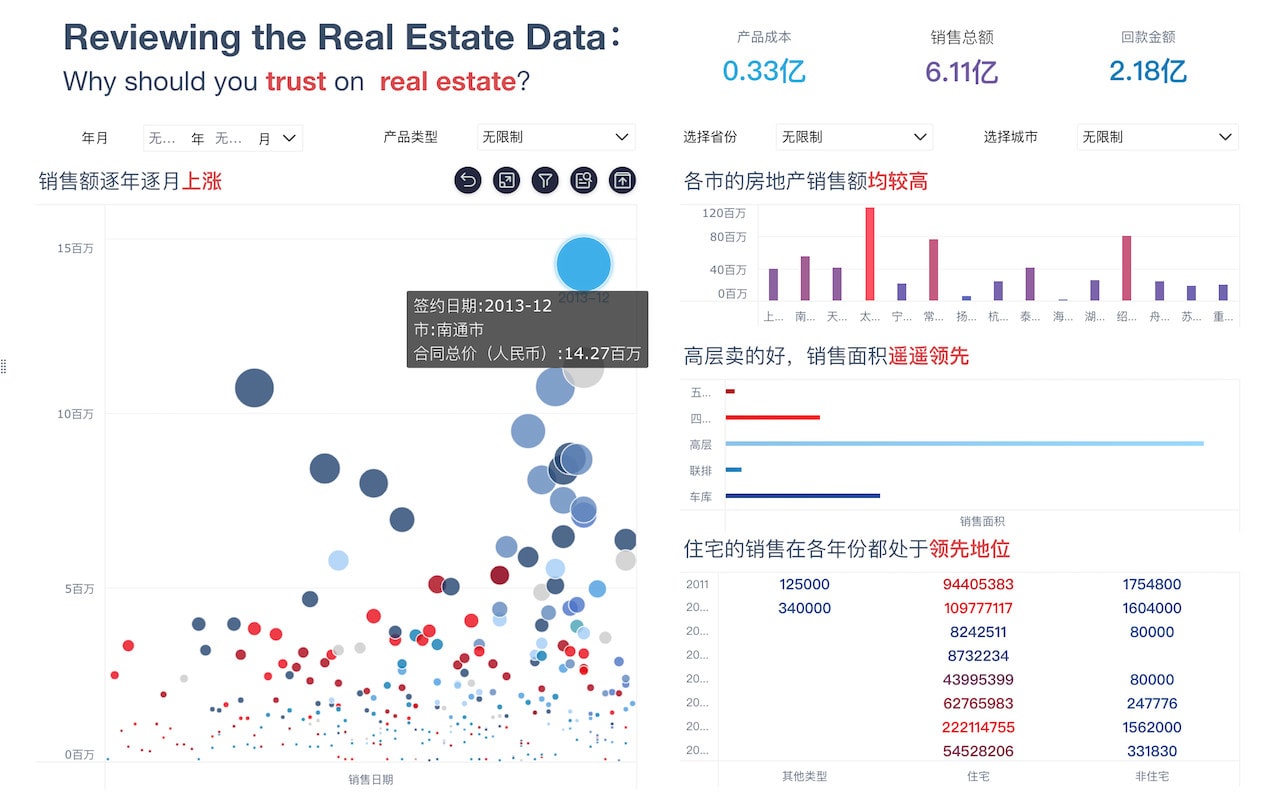
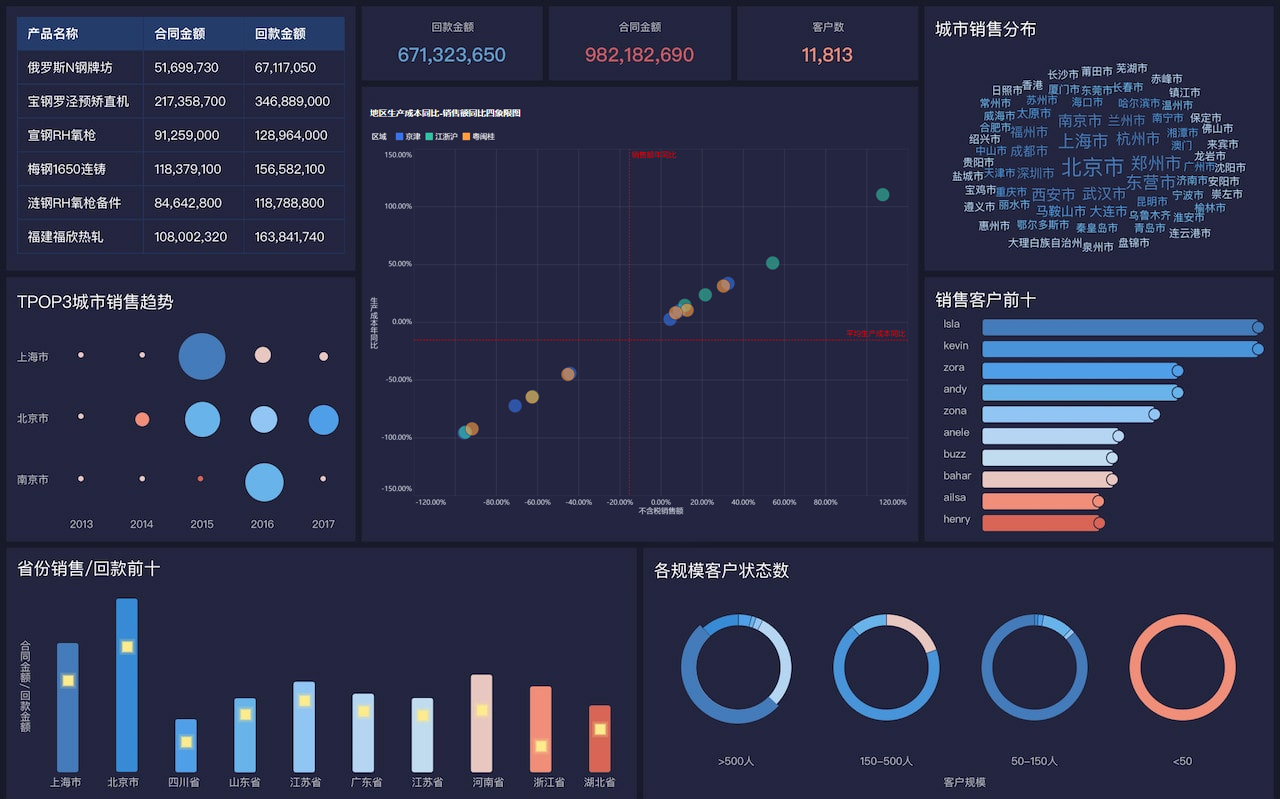
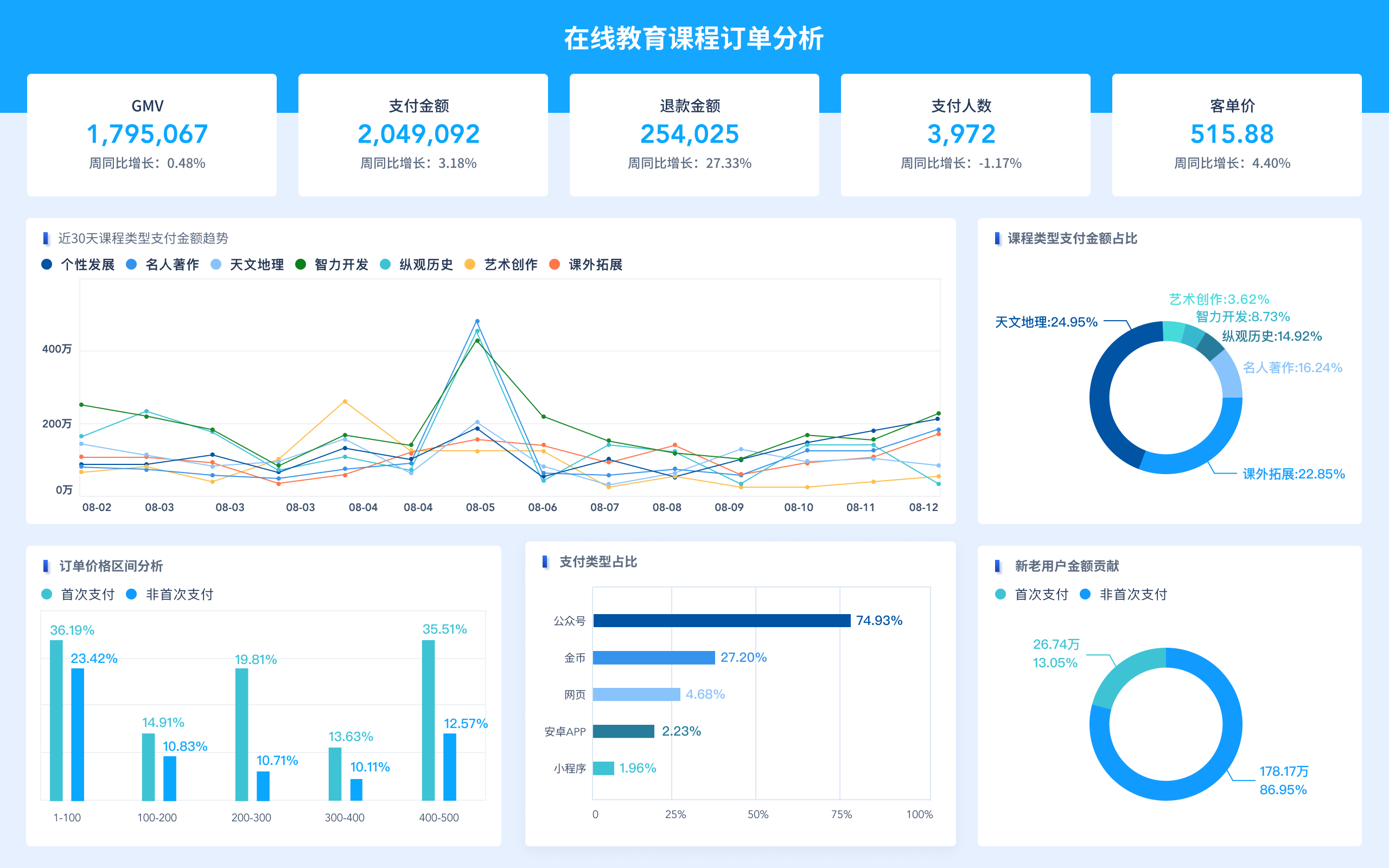
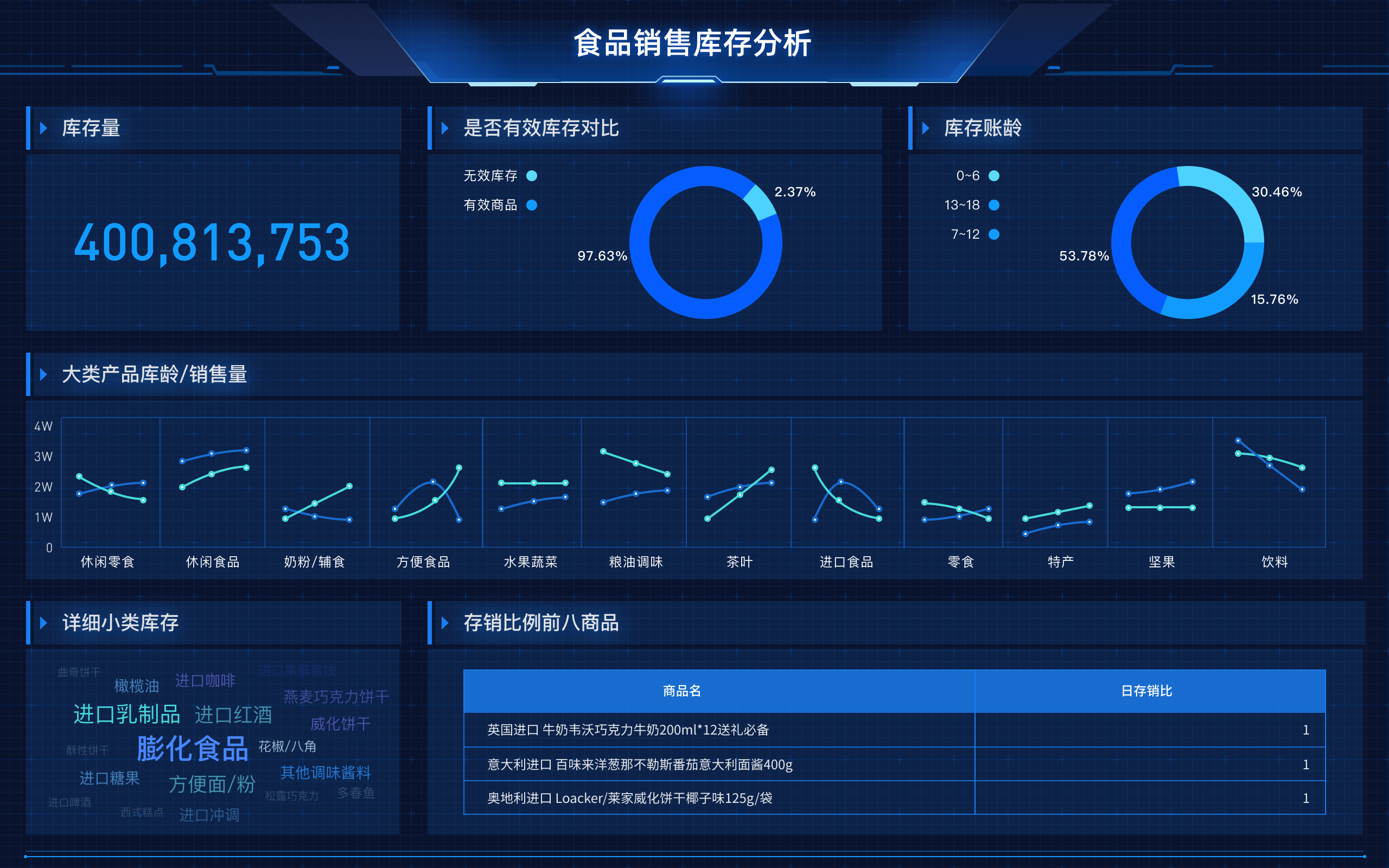
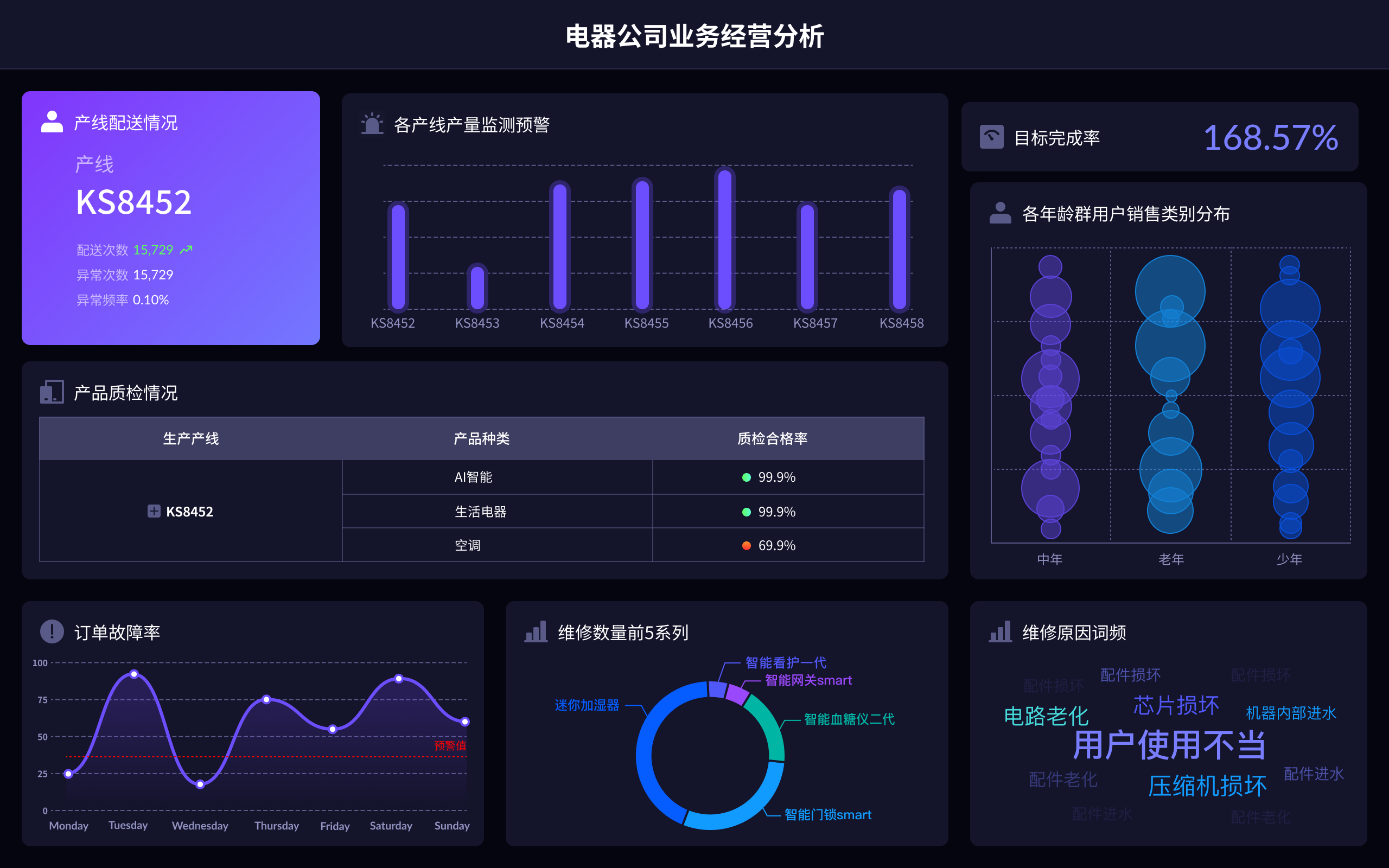
Activity operation analysis can be translated to "activity operation analysis" in English. This term refers to the examination and evaluation of various activities within a business to determine their effectiveness and efficiency. Activity operation analysis helps identify areas for improvement, streamline processes, and maximize productivity. For example, a company may use activity operation analysis to assess the performance of marketing campaigns, sales strategies, or production processes to ensure they are meeting their goals and contributing to the overall success of the business.
一、DEFINITION OF ACTIVITY OPERATION ANALYSIS
Activity operation analysis involves a comprehensive review of business activities to understand how well they are functioning. This analysis typically includes identifying key performance indicators (KPIs), collecting data on various operational processes, and evaluating this data to identify trends, bottlenecks, and areas for improvement. By continuously monitoring and analyzing activities, businesses can make informed decisions that drive efficiency and effectiveness.
二、IMPORTANCE OF ACTIVITY OPERATION ANALYSIS
The importance of activity operation analysis cannot be overstated, as it directly impacts the operational success of a business. It helps organizations optimize their operations, reduce costs, and improve overall performance. This type of analysis provides valuable insights into what is working well and what needs to be adjusted. For example, if a marketing campaign is not generating the expected return on investment, activity operation analysis can help identify the reasons and suggest corrective actions.
三、KEY COMPONENTS OF ACTIVITY OPERATION ANALYSIS
Effective activity operation analysis comprises several key components:
1. Data Collection: Gathering accurate and relevant data is the foundation of any analysis. This includes data on sales, production, customer interactions, and other operational metrics.
2. KPI Identification: Establishing clear KPIs helps measure the success of various activities. KPIs should be specific, measurable, achievable, relevant, and time-bound (SMART).
3. Data Analysis: Using analytical tools and techniques to evaluate the collected data. This may involve statistical analysis, trend analysis, and other methods to identify patterns and insights.
4. Reporting: Communicating the findings of the analysis through comprehensive reports. These reports should be clear, concise, and actionable, providing recommendations for improvement.
四、TOOLS AND TECHNIQUES FOR ACTIVITY OPERATION ANALYSIS
Several tools and techniques can be utilized for effective activity operation analysis:
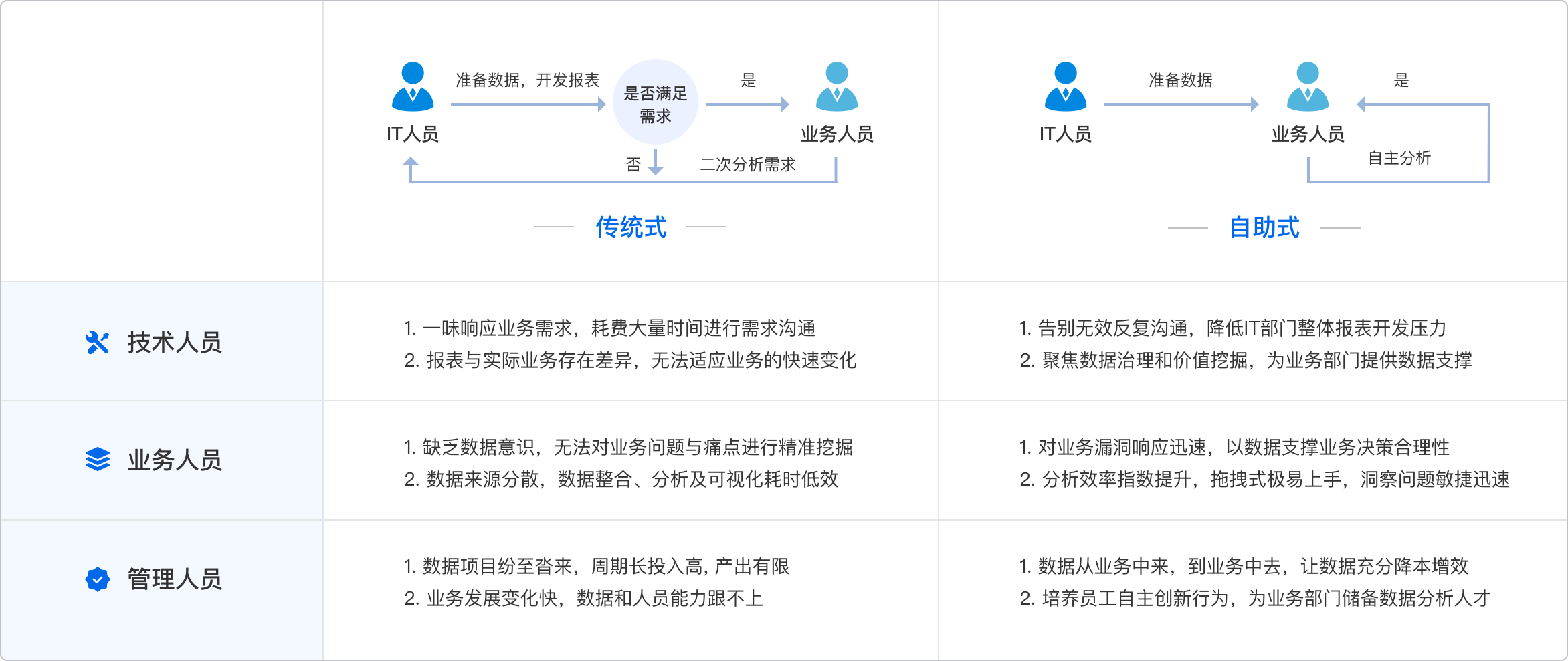
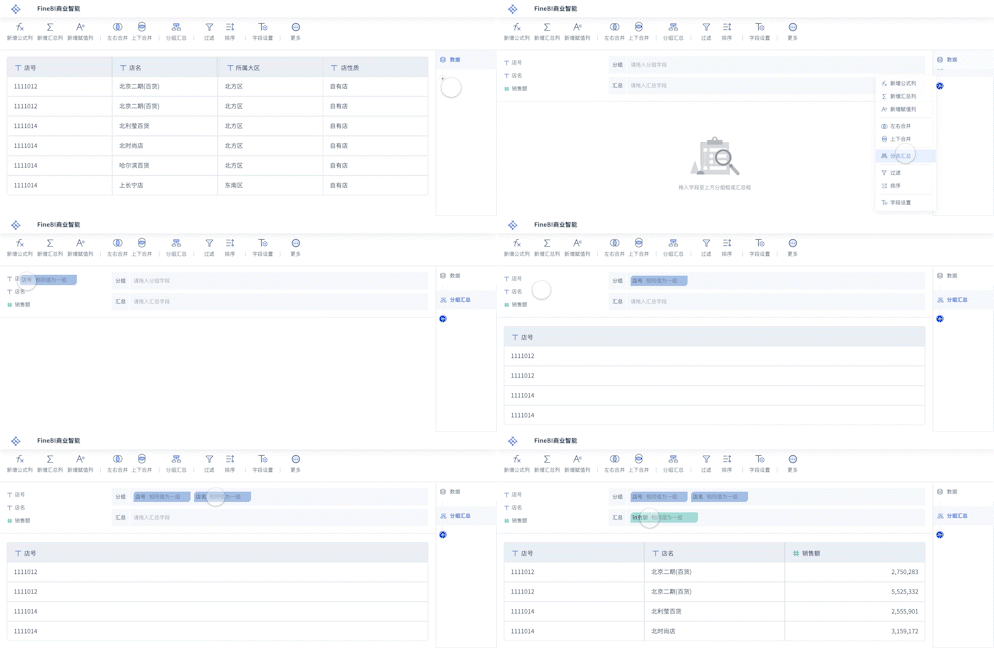
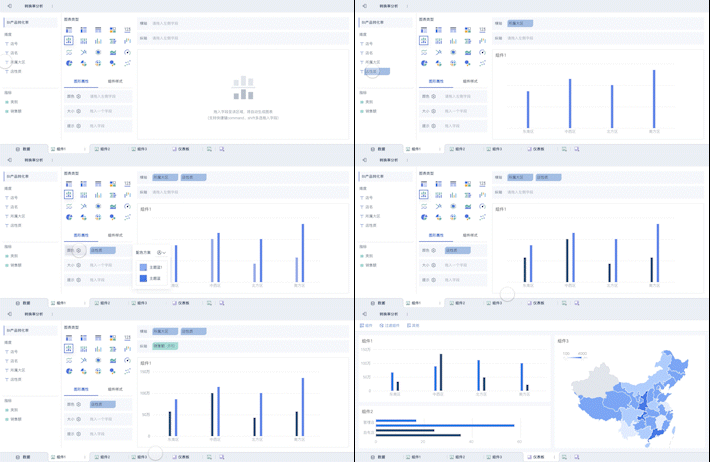
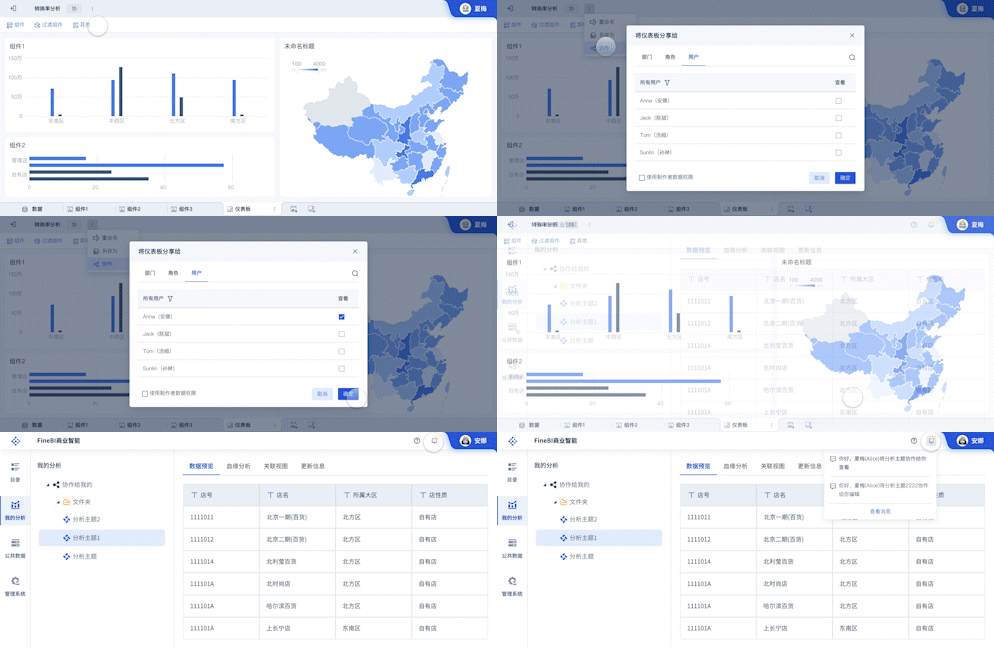
1. Business Intelligence (BI) Tools: Software like FineBI (FineBI官网: https://s.fanruan.com/f459r;) helps visualize and analyze data, providing detailed insights into operational performance.
2. Process Mapping: This technique involves creating visual representations of business processes to identify inefficiencies and areas for improvement.
3. Benchmarking: Comparing business activities against industry standards or competitors to identify best practices and performance gaps.
4. Root Cause Analysis: A method used to identify the underlying causes of issues or problems within business activities.
五、BENEFITS OF USING FINEBI FOR ACTIVITY OPERATION ANALYSIS
FineBI is a powerful BI tool that offers numerous benefits for activity operation analysis:
1. Data Visualization: FineBI provides advanced visualization capabilities, allowing users to create interactive dashboards and reports that make data easy to understand.
2. Real-Time Analysis: With FineBI, businesses can perform real-time analysis, ensuring that they have access to the latest data for decision-making.
3. User-Friendly Interface: FineBI’s intuitive interface makes it accessible to users of all skill levels, from beginners to advanced analysts.
4. Integration: FineBI seamlessly integrates with various data sources, ensuring that businesses can analyze data from multiple systems in one place.
5. Scalability: FineBI is designed to handle large volumes of data, making it suitable for businesses of all sizes.
六、CASE STUDIES AND EXAMPLES
Many businesses have successfully utilized activity operation analysis to improve their operations. For example, a retail company used FineBI to analyze sales data from multiple stores. By identifying trends and patterns, the company was able to optimize inventory levels, reduce stockouts, and increase sales. Another example is a manufacturing firm that used process mapping and root cause analysis to identify inefficiencies in their production process. By addressing these issues, they were able to reduce production costs and improve product quality.
七、IMPLEMENTING ACTIVITY OPERATION ANALYSIS IN YOUR BUSINESS
To implement activity operation analysis effectively, businesses should follow these steps:
1. Define Objectives: Clearly define the goals and objectives of the analysis. This may include improving efficiency, reducing costs, or increasing customer satisfaction.
2. Select Tools and Techniques: Choose the appropriate tools and techniques for the analysis, such as FineBI, process mapping, or benchmarking.
3. Collect Data: Gather relevant data on the activities being analyzed. This may involve collecting data from various sources, such as sales records, production logs, or customer feedback.
4. Analyze Data: Use the selected tools and techniques to analyze the data. Look for patterns, trends, and areas for improvement.
5. Report Findings: Communicate the findings of the analysis through comprehensive reports. Provide actionable recommendations for improvement.
6. Implement Changes: Based on the analysis, implement changes to optimize business activities. Monitor the impact of these changes and make further adjustments as needed.
八、COMMON CHALLENGES IN ACTIVITY OPERATION ANALYSIS
While activity operation analysis offers numerous benefits, it can also present challenges:
1. Data Quality: Ensuring the accuracy and completeness of data is crucial for effective analysis. Poor data quality can lead to incorrect conclusions and misguided decisions.
2. Resistance to Change: Employees may resist changes suggested by the analysis, particularly if they perceive these changes as threats to their current roles or routines.
3. Resource Constraints: Conducting thorough activity operation analysis requires time, effort, and resources. Businesses may need to allocate additional resources to support the analysis process.
4. Complexity: Some business activities are complex and may be difficult to analyze. Businesses may need to use advanced analytical techniques and tools to address these complexities.
九、BEST PRACTICES FOR SUCCESSFUL ACTIVITY OPERATION ANALYSIS
To overcome challenges and ensure successful activity operation analysis, businesses should follow these best practices:
1. Ensure Data Quality: Implement data governance practices to maintain high data quality. Regularly review and clean data to ensure accuracy.
2. Engage Employees: Involve employees in the analysis process and communicate the benefits of the proposed changes. Encourage their input and feedback.
3. Allocate Resources: Ensure that sufficient resources are allocated to support the analysis process. This may include investing in tools like FineBI and training staff on their use.
4. Use a Structured Approach: Follow a structured approach to analysis, including defining objectives, selecting tools, collecting data, analyzing data, reporting findings, and implementing changes.
5. Monitor and Adjust: Continuously monitor the impact of implemented changes and make further adjustments as needed. This ensures that improvements are sustained over time.
十、THE FUTURE OF ACTIVITY OPERATION ANALYSIS
The future of activity operation analysis is likely to be shaped by advancements in technology and data analytics. Emerging trends include the use of artificial intelligence (AI) and machine learning (ML) to automate and enhance analysis processes. These technologies can help businesses uncover deeper insights and make more accurate predictions. Additionally, the increasing availability of big data will provide businesses with more comprehensive datasets for analysis, further improving the accuracy and effectiveness of activity operation analysis. Businesses that embrace these advancements will be better positioned to optimize their operations and achieve long-term success.
FineBI官网: https://s.fanruan.com/f459r;
相关问答FAQs:
活动经营分析在英文中通常翻译为 "Event Management Analysis" 或 "Event Operations Analysis"。这个术语涉及对活动的策划、执行和评估进行详细的分析,以确保活动的成功和可持续性。在这一过程中,分析师通常会考虑多个因素,包括活动的目标、参与者的反馈、预算管理、资源分配以及市场趋势等。通过对这些因素的综合分析,可以制定出更有效的活动策略和经营方案。
本文内容通过AI工具匹配关键字智能整合而成,仅供参考,帆软不对内容的真实、准确或完整作任何形式的承诺。具体产品功能请以帆软官方帮助文档为准,或联系您的对接销售进行咨询。如有其他问题,您可以通过联系blog@fanruan.com进行反馈,帆软收到您的反馈后将及时答复和处理。