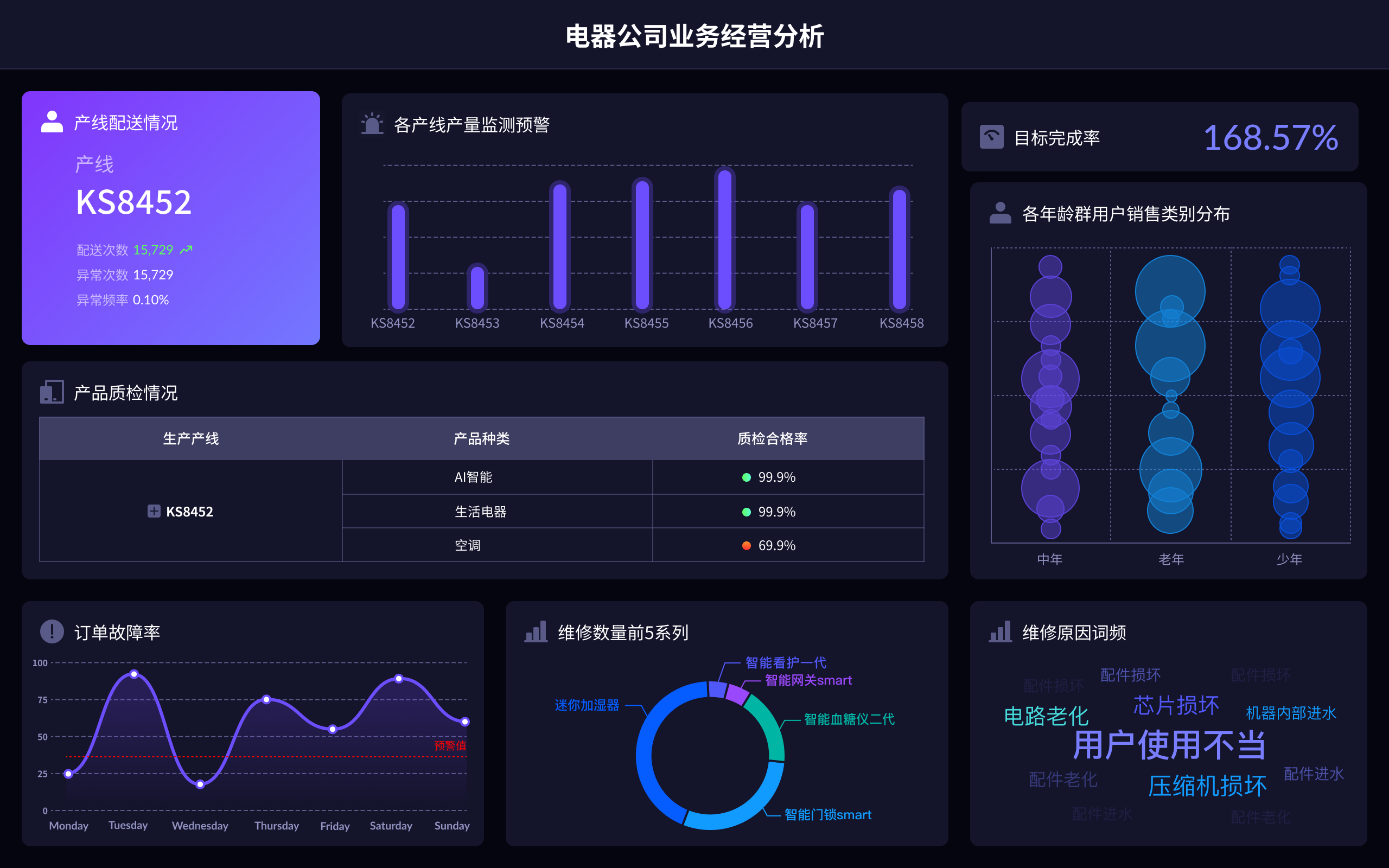
Yes, there are several principles for business analysis. Identifying key performance indicators (KPIs), SWOT analysis, and data-driven decision making are fundamental. SWOT analysis is particularly important as it helps businesses identify their strengths, weaknesses, opportunities, and threats, which is crucial for strategic planning.
I、IDENTIFYING KEY PERFORMANCE INDICATORS (KPIs)
Identifying KPIs is essential for tracking the performance of a business. KPIs are measurable values that demonstrate how effectively a company is achieving its business objectives. These indicators vary depending on the industry, but they generally include metrics such as revenue growth, profit margins, customer acquisition costs, and employee turnover rates. By regularly monitoring KPIs, businesses can identify trends, measure progress towards goals, and make informed decisions to drive growth.
Key performance indicators (KPIs) provide a clear and quantifiable measure of success. To identify the right KPIs, businesses need to understand their strategic objectives and select metrics that directly correlate with these goals. For instance, if a company aims to improve customer satisfaction, relevant KPIs might include Net Promoter Score (NPS), customer retention rates, and average response time to customer inquiries. By focusing on these specific metrics, businesses can align their efforts with their strategic priorities and ensure they are making progress in key areas.
In addition to tracking traditional financial metrics, businesses can also benefit from monitoring non-financial KPIs that provide insights into other critical aspects of their operations. For example, employee engagement and satisfaction can be measured through surveys and feedback mechanisms, helping businesses understand the impact of their workplace culture on overall performance. Similarly, tracking environmental and social impact metrics can help companies demonstrate their commitment to sustainability and corporate responsibility, which can enhance their reputation and attract socially-conscious consumers.
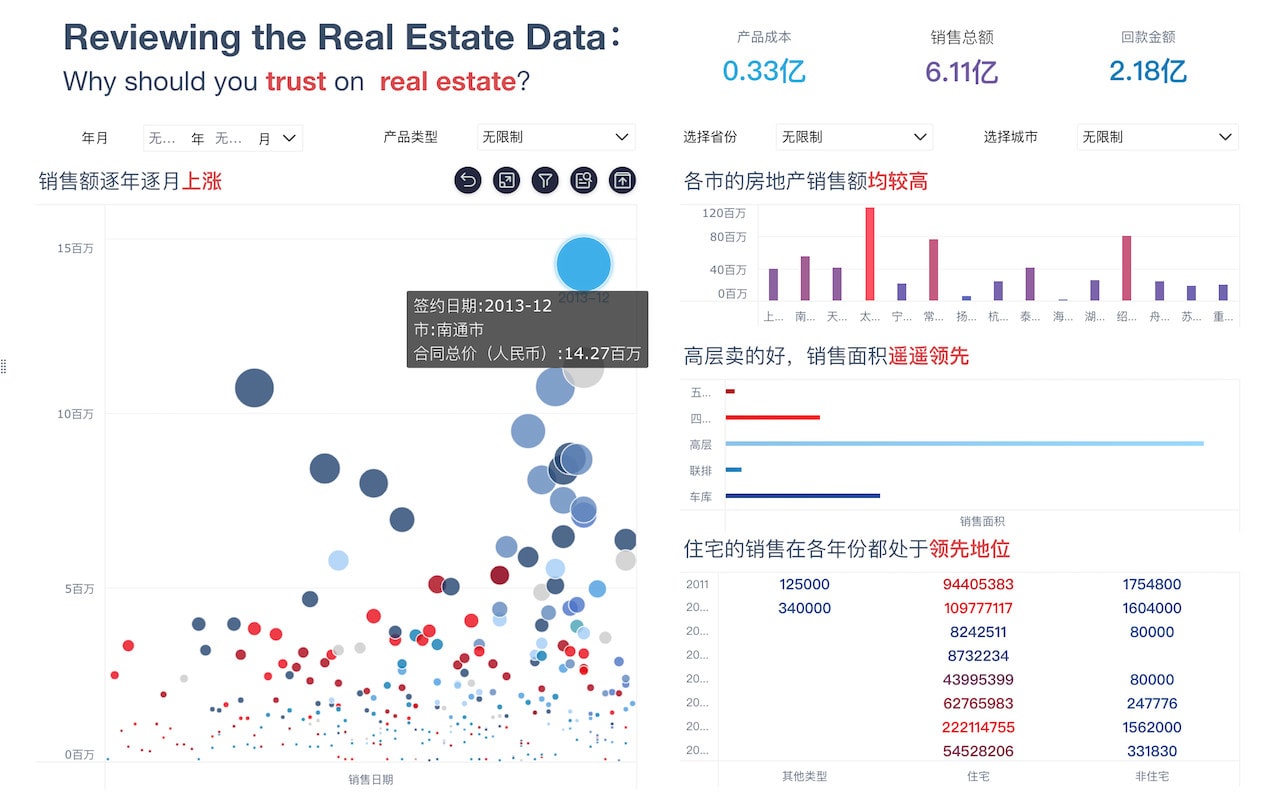
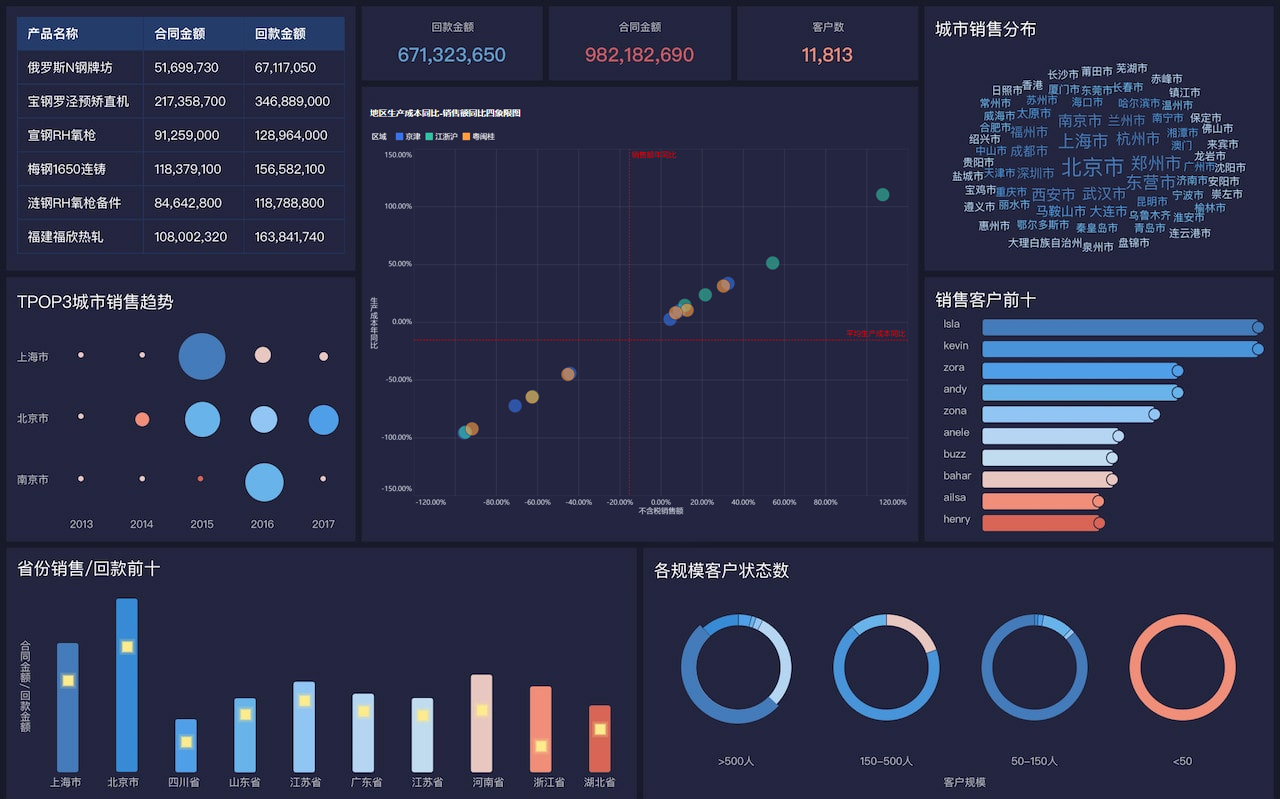
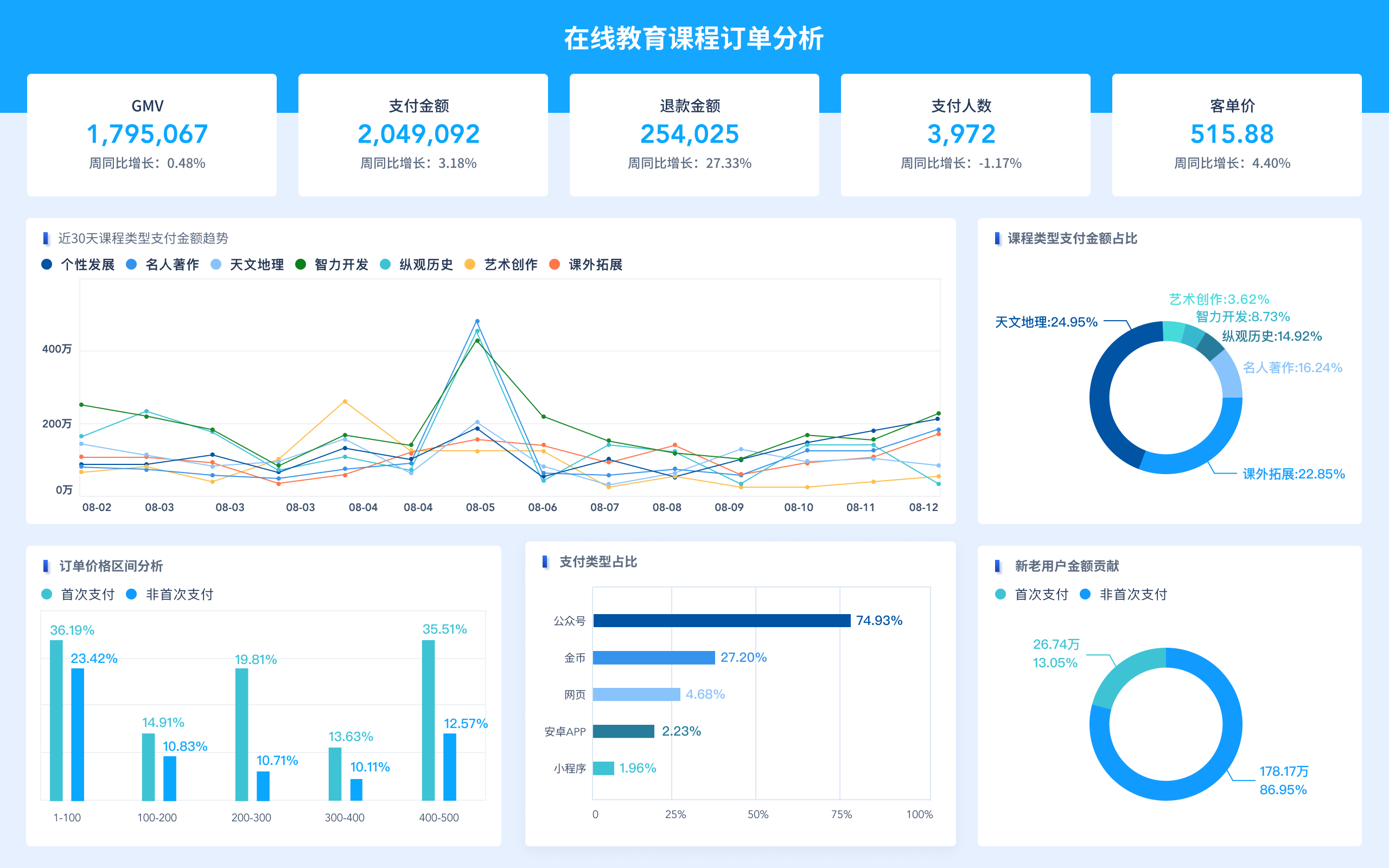
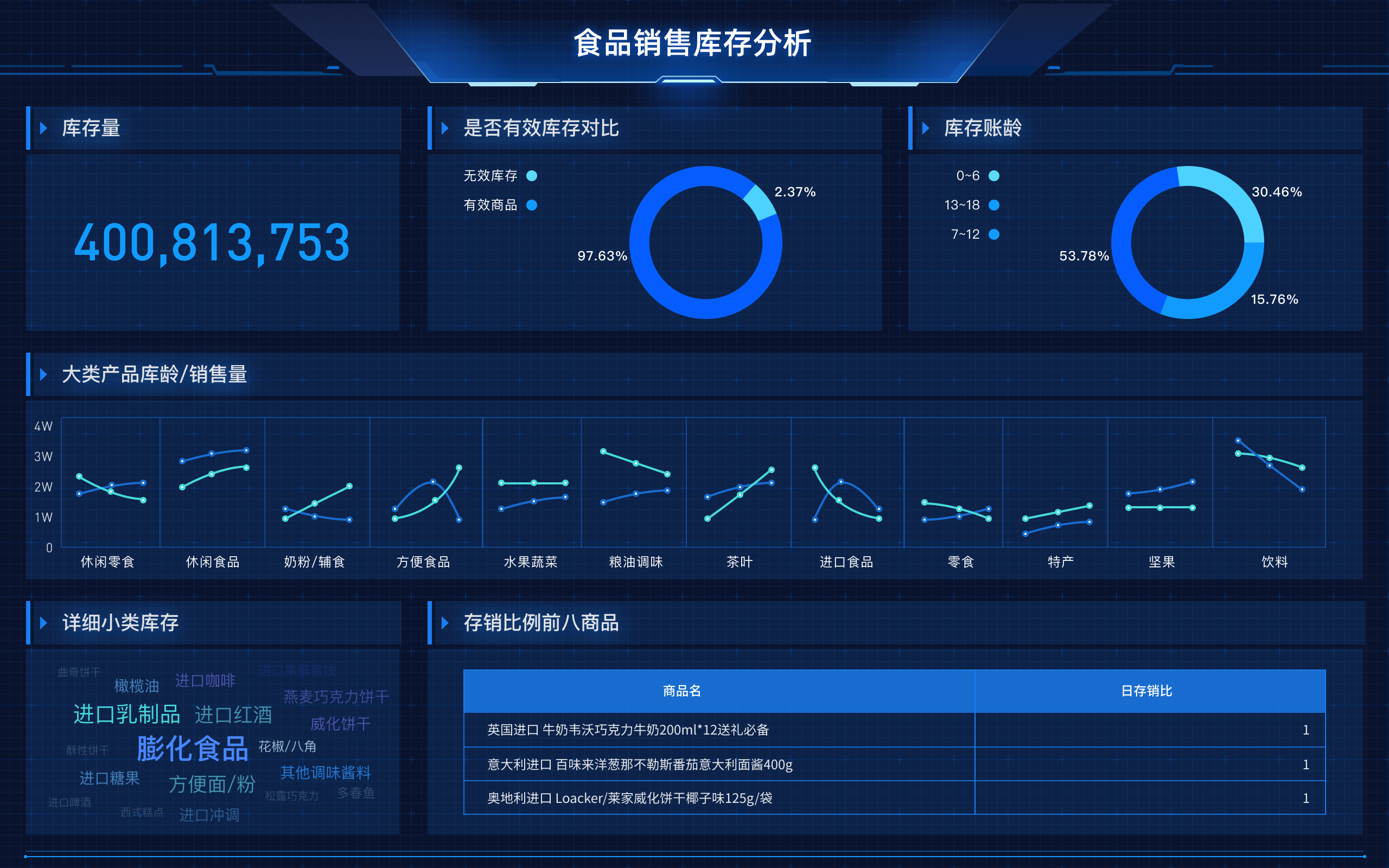
Effective KPI management requires a robust data collection and analysis process. Businesses need to invest in tools and technologies that enable them to capture, store, and analyze data in real-time. This could involve implementing a business intelligence (BI) platform, such as FineBI, which is a product from FanRuan. FineBI allows businesses to visualize and analyze their data, providing actionable insights to support decision-making. By leveraging advanced analytics and visualization capabilities, businesses can gain a deeper understanding of their performance and identify opportunities for improvement. For more information, visit the FineBI official website: https://s.fanruan.com/f459r;.
II、SWOT ANALYSIS
SWOT analysis stands for Strengths, Weaknesses, Opportunities, and Threats. This strategic planning tool helps businesses identify and evaluate their internal and external factors that can impact their success. By conducting a SWOT analysis, businesses can develop strategies that leverage their strengths, address their weaknesses, capitalize on opportunities, and mitigate potential threats.
Strengths refer to the internal attributes and resources that give a business a competitive advantage. These could include a strong brand reputation, a loyal customer base, proprietary technology, or a highly skilled workforce. By recognizing their strengths, businesses can focus on leveraging these assets to achieve their goals.
Weaknesses, on the other hand, are internal factors that may hinder a business's performance. These could include outdated technology, limited financial resources, poor customer service, or inefficient processes. Identifying weaknesses is crucial for businesses to address these areas and improve their overall performance.
Opportunities are external factors that a business can exploit to its advantage. These could include emerging markets, technological advancements, changes in consumer preferences, or regulatory changes. By identifying and capitalizing on opportunities, businesses can expand their market presence, introduce new products or services, and drive growth.
Threats are external factors that could negatively impact a business's performance. These could include increased competition, economic downturns, regulatory changes, or shifts in consumer behavior. By recognizing potential threats, businesses can develop contingency plans and strategies to mitigate their impact.
Conducting a SWOT analysis involves gathering input from various stakeholders, including employees, customers, suppliers, and industry experts. This collaborative approach ensures that all relevant factors are considered and provides a comprehensive view of the business's internal and external environment. Once the analysis is complete, businesses can develop actionable strategies to enhance their strengths, address their weaknesses, seize opportunities, and mitigate threats.
III、DATA-DRIVEN DECISION MAKING
Data-driven decision making is the process of making business decisions based on the analysis of data rather than intuition or personal experience. This approach allows businesses to make more informed and objective decisions, reduce uncertainty, and improve overall performance.
To implement data-driven decision making, businesses need to establish a strong data infrastructure that enables them to collect, store, and analyze data from various sources. This could involve investing in data management systems, data warehouses, and analytics tools. By integrating data from different departments and systems, businesses can create a comprehensive view of their operations and gain valuable insights.
One of the key benefits of data-driven decision making is the ability to identify trends and patterns that may not be immediately apparent through traditional analysis methods. For example, by analyzing sales data, businesses can identify which products are performing well and which ones are underperforming. This information can be used to make informed decisions about inventory management, pricing strategies, and marketing campaigns.
Data-driven decision making also allows businesses to conduct predictive analytics, which involves using historical data to forecast future outcomes. For example, businesses can use predictive analytics to anticipate customer demand, identify potential risks, and optimize their supply chain. By leveraging predictive analytics, businesses can make proactive decisions that improve efficiency and reduce costs.
To support data-driven decision making, businesses need to foster a data-driven culture that encourages employees to use data in their daily decision-making processes. This involves providing training and resources to help employees develop their data analysis skills and promoting a mindset that values evidence-based decision making.
FineBI, a business intelligence platform from FanRuan, can play a crucial role in supporting data-driven decision making. FineBI allows businesses to visualize and analyze their data, providing actionable insights that support informed decision making. With its intuitive interface and advanced analytics capabilities, FineBI empowers users to explore data, create interactive dashboards, and generate reports that drive better business outcomes. For more information, visit the FineBI official website: https://s.fanruan.com/f459r;.
IV、MARKET RESEARCH AND COMPETITOR ANALYSIS
Market research and competitor analysis are essential components of business analysis. These processes involve gathering and analyzing information about the market, customers, and competitors to inform strategic decision making and identify opportunities for growth.
Market research involves collecting data about the market environment, including customer preferences, buying behavior, market trends, and potential demand for products or services. This information helps businesses understand their target audience, identify market gaps, and develop effective marketing strategies. Market research can be conducted through surveys, focus groups, interviews, and secondary data analysis.
Competitor analysis involves evaluating the strengths and weaknesses of competitors to identify opportunities and threats in the market. This process includes analyzing competitors' products, pricing strategies, marketing tactics, customer reviews, and market share. By understanding the competitive landscape, businesses can develop strategies to differentiate themselves, improve their value proposition, and gain a competitive advantage.
Both market research and competitor analysis require a systematic and structured approach. Businesses need to define their research objectives, select appropriate research methods, collect and analyze data, and interpret the findings to inform decision making. FineBI can support these processes by providing tools for data collection, analysis, and visualization, helping businesses gain valuable insights from their research efforts.
V、CUSTOMER INSIGHTS AND FEEDBACK
Customer insights and feedback are invaluable for understanding customer needs, preferences, and satisfaction levels. By gathering and analyzing customer feedback, businesses can identify areas for improvement, enhance their products and services, and build stronger customer relationships.
Customer insights can be gathered through various methods, including surveys, interviews, focus groups, social media monitoring, and customer reviews. These methods provide direct feedback from customers about their experiences, preferences, and expectations. By analyzing this feedback, businesses can identify common themes, trends, and pain points, and use this information to make data-driven decisions.
One effective way to gather customer feedback is through Net Promoter Score (NPS) surveys. NPS measures customer loyalty by asking customers how likely they are to recommend the business to others. The results are categorized into promoters, passives, and detractors, providing a clear picture of customer satisfaction and loyalty. By analyzing NPS data, businesses can identify areas for improvement and develop strategies to enhance customer satisfaction and retention.
FineBI can help businesses analyze customer feedback by providing tools for data integration, analysis, and visualization. With FineBI, businesses can create interactive dashboards that display customer feedback data in real-time, allowing them to monitor trends, identify issues, and make informed decisions to improve customer satisfaction. For more information, visit the FineBI official website: https://s.fanruan.com/f459r;.
VI、FINANCIAL ANALYSIS AND PLANNING
Financial analysis and planning are critical for assessing the financial health of a business and making informed decisions about resource allocation, investment, and growth. This process involves analyzing financial statements, such as the balance sheet, income statement, and cash flow statement, to evaluate the business's performance and identify areas for improvement.
Financial analysis involves calculating key financial ratios, such as profitability ratios, liquidity ratios, and solvency ratios, to assess the business's financial stability and performance. These ratios provide insights into the business's ability to generate profit, meet its short-term and long-term obligations, and manage its financial resources effectively.
Budgeting and forecasting are essential components of financial planning. Businesses need to create detailed budgets that outline their expected revenues, expenses, and cash flows for a specific period. This helps businesses allocate resources effectively, monitor their financial performance, and make informed decisions about spending and investment.
FineBI can support financial analysis and planning by providing tools for data integration, analysis, and visualization. With FineBI, businesses can create interactive financial dashboards that display key financial metrics in real-time, allowing them to monitor their financial performance, identify trends, and make informed decisions. For more information, visit the FineBI official website: https://s.fanruan.com/f459r;.
VII、RISK MANAGEMENT
Risk management is the process of identifying, assessing, and mitigating potential risks that could impact a business's operations and performance. Effective risk management helps businesses minimize the impact of uncertainties and adverse events, ensuring business continuity and stability.
The risk management process involves several steps, including risk identification, risk assessment, risk mitigation, and risk monitoring. Risk identification involves identifying potential risks that could impact the business, such as operational risks, financial risks, strategic risks, and compliance risks. Risk assessment involves evaluating the likelihood and impact of these risks, prioritizing them based on their severity.
Risk mitigation involves developing strategies to reduce the likelihood and impact of identified risks. This could involve implementing internal controls, diversifying the business's operations, purchasing insurance, or developing contingency plans. Risk monitoring involves continuously monitoring the business's risk environment and adjusting risk management strategies as needed.
FineBI can support risk management by providing tools for data integration, analysis, and visualization. With FineBI, businesses can create interactive risk dashboards that display key risk metrics in real-time, allowing them to monitor their risk environment, identify emerging risks, and make informed decisions to mitigate their impact. For more information, visit the FineBI official website: https://s.fanruan.com/f459r;.
VIII、PERFORMANCE MANAGEMENT
Performance management is the process of setting goals, monitoring progress, and evaluating performance to ensure that business objectives are achieved. Effective performance management helps businesses align their efforts with their strategic priorities, improve employee productivity, and drive business growth.
The performance management process involves several steps, including goal setting, performance monitoring, performance evaluation, and performance improvement. Goal setting involves defining clear, measurable, and achievable goals that align with the business's strategic objectives. Performance monitoring involves tracking progress towards these goals, using KPIs and other performance metrics.
Performance evaluation involves assessing the business's performance against its goals, identifying areas for improvement, and providing feedback to employees. Performance improvement involves developing and implementing strategies to enhance performance, such as providing training and development opportunities, improving processes, and implementing new technologies.
FineBI can support performance management by providing tools for data integration, analysis, and visualization. With FineBI, businesses can create interactive performance dashboards that display key performance metrics in real-time, allowing them to monitor progress, identify areas for improvement, and make informed decisions to enhance performance. For more information, visit the FineBI official website: https://s.fanruan.com/f459r;.
IX、STRATEGIC PLANNING
Strategic planning is the process of defining a business's long-term goals and developing strategies to achieve them. Effective strategic planning helps businesses set a clear direction, allocate resources effectively, and ensure that all efforts are aligned with their strategic priorities.
The strategic planning process involves several steps, including defining the business's vision and mission, conducting a SWOT analysis, setting strategic goals, developing action plans, and monitoring progress. Defining the vision and mission involves articulating the business's long-term aspirations and purpose, providing a clear sense of direction.
Conducting a SWOT analysis involves identifying the business's strengths, weaknesses, opportunities, and threats, providing a comprehensive view of the internal and external factors that could impact the business's success. Setting strategic goals involves defining clear, measurable, and achievable goals that align with the business's vision and mission. Developing action plans involves outlining the specific steps and resources needed to achieve these goals, ensuring that all efforts are focused on the business's strategic priorities.
Monitoring progress involves tracking the business's performance against its strategic goals, using KPIs and other performance metrics. FineBI can support strategic planning by providing tools for data integration, analysis, and visualization. With FineBI, businesses can create interactive strategic dashboards that display key strategic metrics in real-time, allowing them to monitor progress, identify areas for improvement, and make informed decisions to achieve their long-term goals. For more information, visit the FineBI official website: https://s.fanruan.com/f459r;.
X、CONTINUOUS IMPROVEMENT
Continuous improvement is the ongoing effort to enhance processes, products, and services to achieve better performance and customer satisfaction. This approach involves regularly evaluating and refining business practices to ensure that they are efficient, effective, and aligned with the business's strategic goals.
The continuous improvement process involves several steps, including identifying areas for improvement, implementing changes, monitoring results, and making further refinements. Identifying areas for improvement involves analyzing performance data, gathering feedback from employees and customers, and conducting process audits. Implementing changes involves developing and executing action plans to address identified areas for improvement.
Monitoring results involves tracking the impact of implemented changes, using KPIs and other performance metrics. Making further refinements involves continuously evaluating and adjusting the business's practices to ensure that they are delivering the desired results. FineBI can support continuous improvement by providing tools for data integration, analysis, and visualization. With FineBI, businesses can create interactive continuous improvement dashboards that display key improvement metrics in real-time, allowing them to monitor progress, identify areas for improvement, and make informed decisions to enhance performance. For more information, visit the FineBI official website: https://s.fanruan.com/f459r;.
相关问答FAQs:
What are the key principles of business analysis?
Business analysis is a critical discipline that helps organizations understand their operations, identify opportunities for improvement, and align strategies with their goals. Several key principles underpin effective business analysis:
-
Understanding Stakeholder Needs: Engaging with stakeholders is essential. Business analysts must gather requirements from various stakeholders, ensuring that their needs and expectations are clearly understood. This involves effective communication, active listening, and the ability to translate stakeholder needs into actionable business requirements.
-
Defining Clear Objectives: Establishing clear and measurable objectives is vital for successful business analysis. Objectives should align with the organization's strategic goals and provide a framework for evaluating the success of the analysis. This clarity helps focus efforts and resources on what truly matters for the organization.
-
Data-Driven Decision Making: Leveraging data is crucial in business analysis. Analysts should utilize quantitative and qualitative data to inform their recommendations. This involves analyzing market trends, customer behaviors, and operational metrics to derive insights that can guide strategic decisions.
-
Continuous Improvement: Business analysis should not be a one-time activity. Organizations benefit from adopting a culture of continuous improvement, where processes are regularly reviewed and optimized. This approach allows businesses to adapt to changing market conditions and improve operational efficiency.
-
Collaboration and Communication: Effective collaboration among teams is essential for successful business analysis. Business analysts must work closely with various departments, including IT, marketing, finance, and operations. Clear communication ensures that everyone is on the same page and contributes to a cohesive analysis effort.
-
Risk Management: Identifying and analyzing risks associated with business decisions is a key aspect of business analysis. By understanding potential risks, organizations can make informed choices and develop mitigation strategies to minimize negative impacts.
-
Adapting to Change: The business environment is constantly evolving, and analysts must be agile in their approach. Being open to change and willing to adjust strategies based on new information or shifting circumstances is crucial for maintaining relevance and effectiveness.
How can business analysis improve organizational performance?
Business analysis plays a significant role in enhancing organizational performance by providing insights and recommendations that drive strategic initiatives. Here are several ways in which business analysis contributes to improved performance:
-
Identifying Opportunities for Growth: Business analysts evaluate market conditions, customer needs, and competitive landscapes to identify new opportunities for growth. By understanding where the organization can expand or innovate, analysts help position the business for success.
-
Enhancing Operational Efficiency: Through process analysis, business analysts identify inefficiencies and bottlenecks within operations. By recommending process improvements, automation, or resource reallocation, organizations can streamline operations, reduce costs, and enhance overall productivity.
-
Improving Customer Experience: Understanding customer preferences and behaviors is crucial for delivering exceptional service. Business analysts leverage data to identify pain points in the customer journey, enabling organizations to make informed changes that enhance customer satisfaction and loyalty.
-
Facilitating Change Management: Organizational changes can be challenging, but effective business analysis provides a roadmap for successful transitions. Analysts help manage change by assessing impacts, communicating with stakeholders, and ensuring that necessary training and support are in place.
-
Supporting Strategic Decision Making: Business analysis equips decision-makers with the information they need to make informed choices. By providing data-driven insights and recommendations, analysts help leaders weigh options and choose strategies that align with organizational goals.
-
Fostering Innovation: Business analysts encourage a culture of innovation by identifying trends and emerging technologies that can benefit the organization. By promoting creative thinking and collaboration, analysts help organizations stay ahead of the curve and adapt to evolving market demands.
-
Measuring Performance and Outcomes: Establishing key performance indicators (KPIs) is essential for tracking progress and success. Business analysts define relevant metrics and implement measurement frameworks, allowing organizations to assess the effectiveness of their strategies and make data-driven adjustments.
What tools and techniques are commonly used in business analysis?
A variety of tools and techniques are employed in business analysis to facilitate data gathering, analysis, and communication. These tools help streamline processes and enhance the quality of insights derived from the analysis. Here are some commonly used tools and techniques:
-
SWOT Analysis: This strategic planning tool helps organizations identify their strengths, weaknesses, opportunities, and threats. By conducting a SWOT analysis, business analysts can provide a comprehensive overview of the internal and external factors influencing the organization.
-
PESTLE Analysis: PESTLE analysis examines the political, economic, social, technological, legal, and environmental factors affecting an organization. This technique enables analysts to understand the broader context in which the business operates and identify potential challenges and opportunities.
-
Data Visualization Tools: Tools such as Tableau, Power BI, and Google Data Studio enable business analysts to create visually appealing and interactive data visualizations. These tools help stakeholders easily comprehend complex data and identify trends, patterns, and insights.
-
Process Mapping: Process mapping tools like Microsoft Visio or Lucidchart allow analysts to create visual representations of business processes. This technique helps identify inefficiencies, redundancies, and areas for improvement, facilitating a more streamlined approach to operations.
-
Requirements Elicitation Techniques: Various techniques, such as interviews, surveys, workshops, and focus groups, are used to gather requirements from stakeholders. These techniques ensure that analysts capture a comprehensive view of stakeholder needs and expectations.
-
Prototyping: Creating prototypes or mock-ups of proposed solutions allows stakeholders to visualize the end product before it is fully developed. This technique enables feedback and iterative improvements, ensuring that the final product meets user needs and expectations.
-
Root Cause Analysis: Techniques like the "5 Whys" or fishbone diagrams help analysts identify the root causes of problems. By understanding the underlying issues, organizations can develop targeted solutions that address the core challenges rather than just the symptoms.
-
Agile Methodologies: Agile approaches, such as Scrum or Kanban, promote iterative development and continuous feedback. Business analysts can leverage these methodologies to ensure that projects remain flexible and responsive to changing requirements and priorities.
Through the application of these principles, techniques, and tools, business analysis serves as a vital function within organizations, enabling them to navigate complexities, drive innovation, and achieve their strategic objectives. The integration of effective business analysis practices leads to enhanced decision-making, improved operational efficiency, and ultimately, sustainable business success.
本文内容通过AI工具匹配关键字智能整合而成,仅供参考,帆软不对内容的真实、准确或完整作任何形式的承诺。具体产品功能请以帆软官方帮助文档为准,或联系您的对接销售进行咨询。如有其他问题,您可以通过联系blog@fanruan.com进行反馈,帆软收到您的反馈后将及时答复和处理。