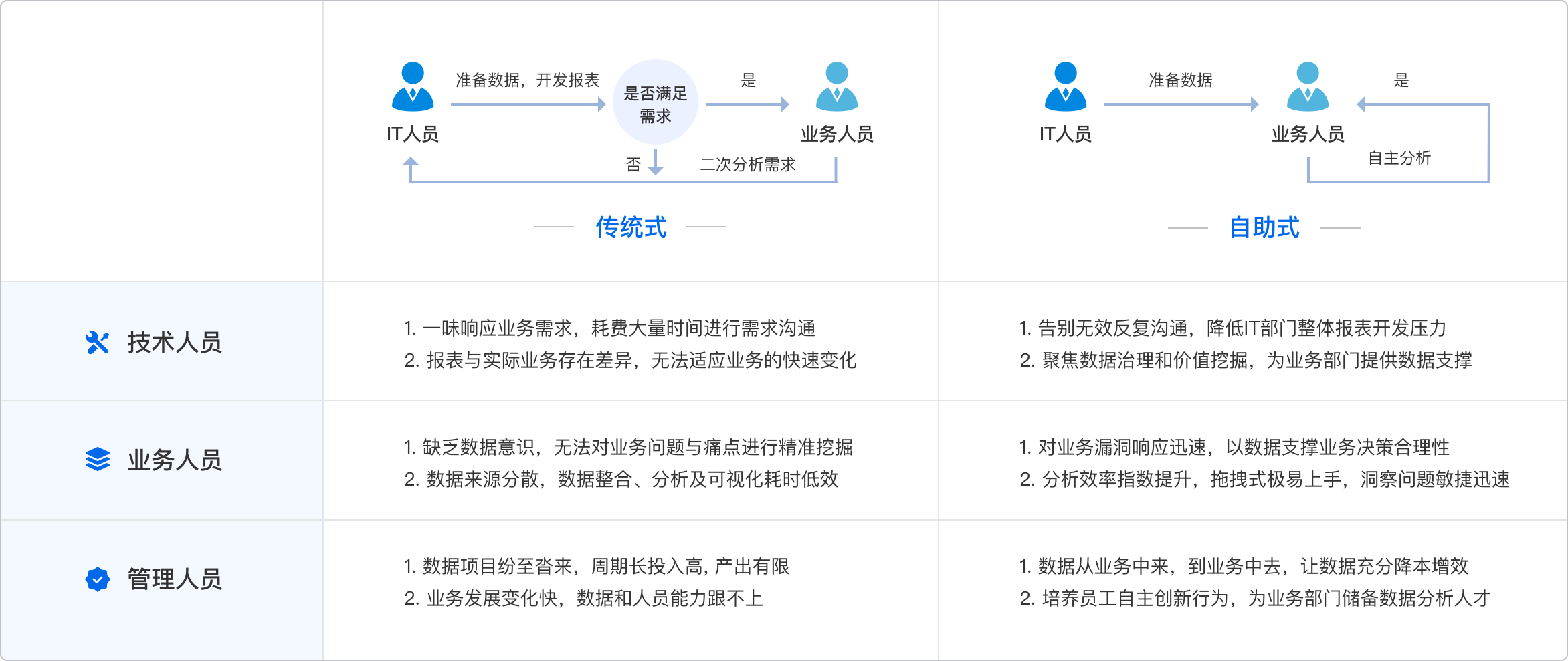
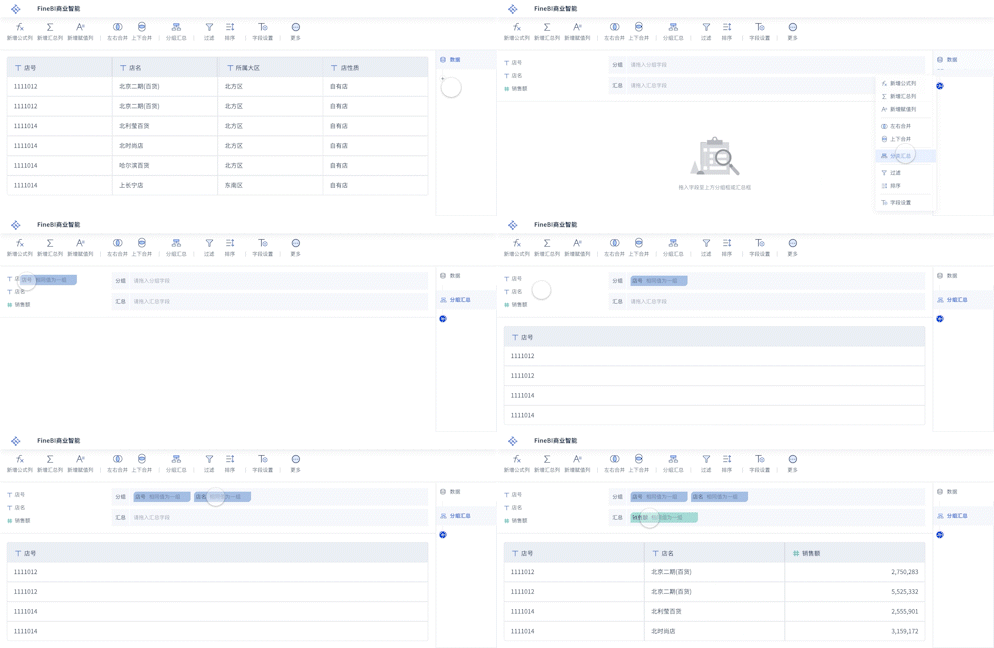
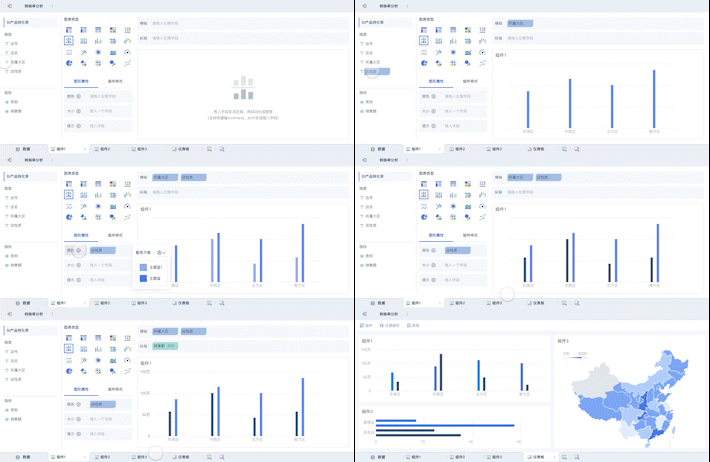
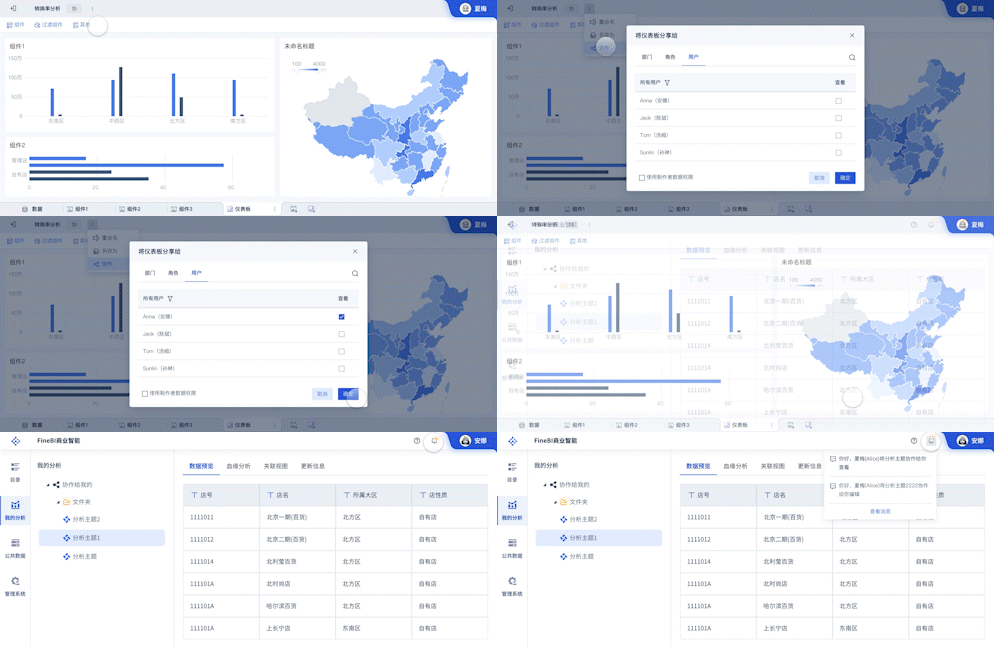
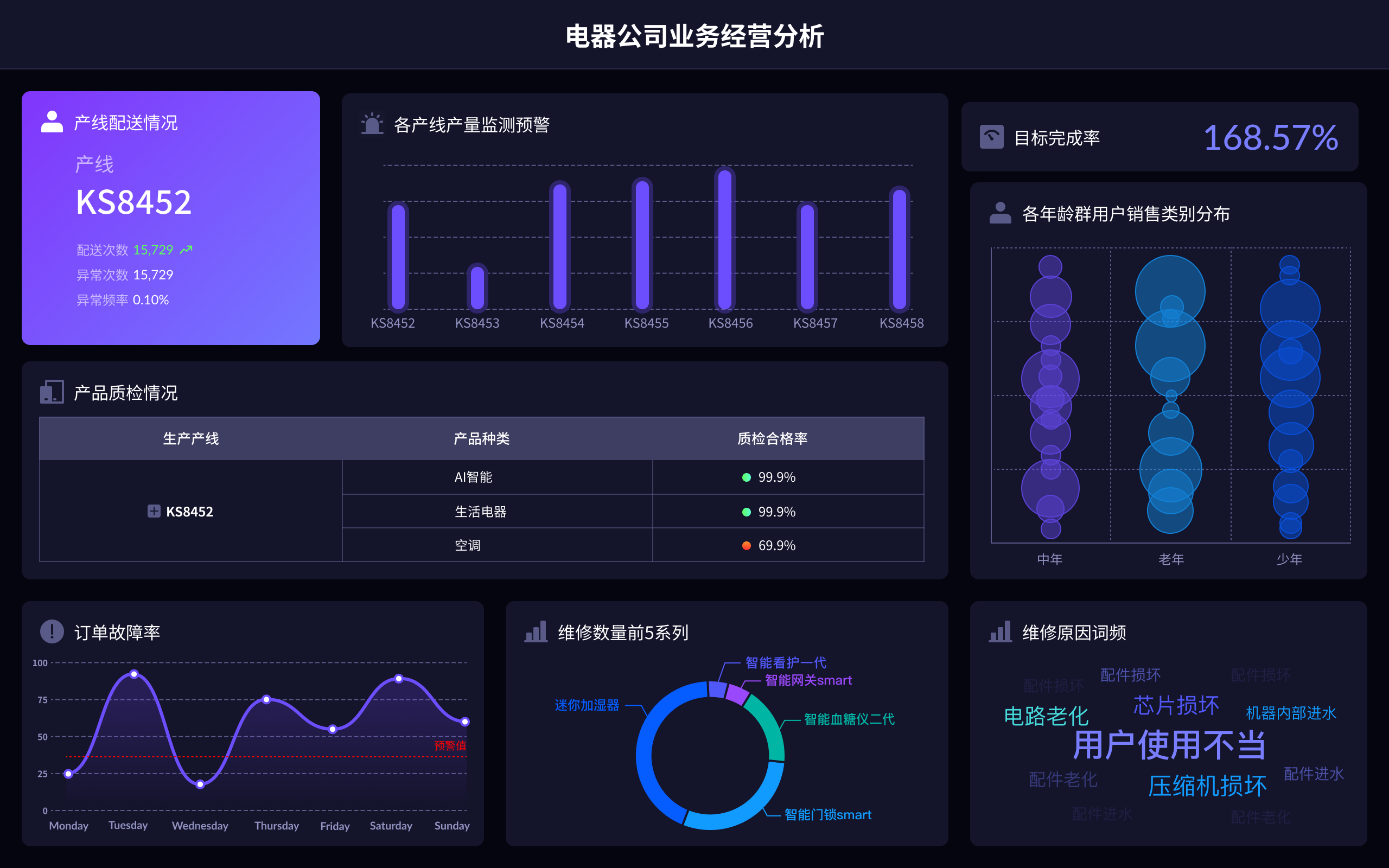
集成外部数据的方法有多种,如API接口、数据抓取、文件导入、数据库连接、第三方工具等。 使用API接口是集成外部数据的常用方法之一,通过API,用户可以访问和获取数据,实现系统之间的数据交互。例如,电商平台可以通过API与物流系统对接,实时获取订单的物流状态,提高用户体验。
一、API接口
API接口是集成外部数据的主要方式之一。API(应用程序接口)允许不同软件系统通过一组标准化的请求和响应来进行通信。通过API接口,开发者可以轻松地从外部系统获取数据,并将其集成到本地应用中。API接口的优势在于实时性和灵活性,例如,金融机构可以通过API获取最新的市场数据,从而做出及时的交易决策。此外,API接口通常提供了丰富的文档和示例代码,方便开发者快速上手。
二、数据抓取
数据抓取是通过编程手段从网页上自动提取数据的一种方法。数据抓取通常使用脚本语言,如Python的BeautifulSoup或Scrapy库,通过解析HTML结构获取需要的数据。数据抓取适用于获取无法通过API接口直接获取的数据,例如,从社交媒体平台或新闻网站提取用户评论或文章内容。尽管数据抓取可以获取大量数据,但需要注意遵守相关网站的使用条款和隐私政策,以避免法律风险。
三、文件导入
文件导入是将外部数据文件(如CSV、Excel、JSON等)直接导入到本地系统的一种方法。文件导入通常适用于一次性或批量数据迁移,例如,将供应商提供的产品清单导入到企业的库存管理系统中。文件导入的优点在于操作简单,适用范围广,但需要确保文件格式规范,数据完整性和一致性,以避免数据导入过程中出现错误。
四、数据库连接
数据库连接是通过数据库驱动程序(如JDBC、ODBC等)将外部数据库中的数据连接到本地系统的一种方法。通过数据库连接,用户可以直接查询、更新和处理外部数据库中的数据,实现数据的无缝集成。数据库连接适用于需要频繁访问和操作外部数据的场景,例如,将客户关系管理系统(CRM)与企业资源计划系统(ERP)连接,实现客户信息的实时同步。
五、第三方工具
第三方工具是一些专门用于数据集成的应用程序或平台,例如FineDatalink。FineDatalink是帆软旗下的一款产品,提供了强大的数据集成功能,支持多种数据源的集成与管理。用户可以通过FineDatalink实现不同系统之间的数据同步、清洗和转换,简化数据集成过程,提高数据质量和使用效率。使用第三方工具的优势在于其强大的功能和易用性,适用于复杂的数据集成需求。
六、Webhooks
Webhooks是一种由外部系统主动推送数据到本地系统的方式,通常用于实时数据更新和事件通知。例如,电商平台可以设置Webhooks,在订单状态发生变化时,实时通知物流系统进行后续处理。Webhooks的优势在于实时性和自动化,适用于需要及时响应外部事件的场景。
七、ETL(Extract, Transform, Load)工具
ETL工具是一类专门用于数据抽取、转换和加载的工具,例如Informatica、Talend等。ETL工具可以从不同的数据源抽取数据,对数据进行清洗和转换,最后将数据加载到目标系统中。ETL工具通常提供可视化的工作流设计界面,支持复杂的数据处理逻辑,适用于大规模数据集成和数据仓库建设。
八、云服务集成
云服务集成是通过云平台提供的集成功能,将不同的云服务和本地系统连接起来的一种方法。例如,使用AWS Lambda和API Gateway,可以实现数据的无缝集成和自动化处理。云服务集成的优势在于其扩展性和灵活性,适用于多云环境和混合云架构。
九、EDI(电子数据交换)
EDI是一种标准化的电子数据交换方式,用于企业之间的业务数据交换。通过EDI,企业可以实现订单、发票、货运单等业务数据的自动化传输和处理,提高业务效率和准确性。EDI适用于供应链管理、物流等领域,是传统企业数据集成的重要手段。
集成外部数据的方法多种多样,选择适合的方法取决于具体的业务需求、技术环境和数据特性。通过有效的外部数据集成,企业可以实现数据的全面利用,提高业务决策的准确性和效率。如果需要更多的关于FineDatalink的信息,可以访问他们的官网:https://s.fanruan.com/agbhk。
相关问答FAQs:
FAQs about Integrating External Data
1. What are the main types of external data that can be integrated into a system?
Integrating external data involves connecting a system with various types of data sources to enhance its functionality and provide more comprehensive insights. The main types of external data include:
-
Public Data: This includes datasets that are freely available from government sources, research institutions, and public repositories. Examples are census data, weather reports, and economic indicators.
-
Commercial Data: Businesses often purchase data from third-party vendors to gain competitive insights. This can include market research data, consumer behavior analytics, and financial reports.
-
Social Media Data: Social platforms generate vast amounts of data that can be valuable for understanding public sentiment, trends, and customer feedback. Integrating social media data can help in real-time monitoring and engagement strategies.
-
Sensor Data: With the rise of the Internet of Things (IoT), data from sensors embedded in various devices is increasingly integrated into systems for real-time analytics. This data can be used for everything from smart city applications to industrial automation.
-
API Data: Many services offer APIs (Application Programming Interfaces) that allow systems to fetch and use data programmatically. Examples include data from online services, financial markets, and geolocation services.
-
Transactional Data: This includes data generated from transactions in e-commerce platforms, point-of-sale systems, and other commercial activities. Integrating this data helps in analyzing sales performance, customer behavior, and inventory management.
Each type of external data brings unique benefits and challenges, and integrating them effectively requires careful consideration of data quality, compatibility, and relevance to the system’s goals.
2. What are the common challenges faced during external data integration, and how can they be addressed?
Integrating external data presents several challenges that organizations must navigate to ensure a successful integration. Common challenges include:
-
Data Quality and Consistency: External data can vary significantly in quality and format. To address this, organizations need robust data cleansing and validation processes to ensure the data is accurate, complete, and consistent with existing datasets.
-
Data Security and Privacy: Handling external data often involves sensitive information that must be protected. Implementing strong security measures, such as encryption and access controls, and ensuring compliance with privacy regulations (e.g., GDPR, CCPA) are crucial steps.
-
Integration Complexity: Combining data from different sources may require significant technical effort, especially if the data is in various formats or resides in disparate systems. Using middleware or integration platforms that support data transformation and mapping can simplify this process.
-
Scalability: As data volumes grow, maintaining performance and efficiency can become challenging. Scalable infrastructure, such as cloud-based solutions and distributed databases, can help manage large datasets and ensure smooth integration.
-
Data Governance: Ensuring that data integration aligns with organizational policies and standards is essential. Establishing clear data governance practices, including data stewardship roles and data management protocols, helps maintain oversight and accountability.
-
Real-time Processing: For applications requiring real-time data, latency can be a significant issue. Implementing real-time data processing frameworks and optimizing data pipelines can help reduce delays and ensure timely access to information.
Addressing these challenges involves a combination of technical solutions, best practices, and ongoing monitoring to ensure that the integrated data supports business objectives effectively.
3. How can businesses leverage integrated external data for strategic decision-making?
Integrating external data can provide valuable insights that drive strategic decision-making across various business functions. Here are some ways businesses can leverage this data:
-
Enhanced Customer Insights: By integrating external data sources such as social media and market research, businesses can gain a deeper understanding of customer preferences, behavior, and trends. This enables more targeted marketing campaigns, personalized product offerings, and improved customer engagement strategies.
-
Market Analysis and Competitive Intelligence: External data such as industry reports, competitive analysis, and economic indicators can help businesses understand market dynamics and competitive positioning. This information supports strategic planning, investment decisions, and competitive positioning.
-
Operational Efficiency: Integrating data from operational systems and external sources like supply chain partners can optimize workflows, reduce costs, and improve resource management. For example, real-time data from IoT sensors can enhance predictive maintenance and operational efficiency.
-
Risk Management: External data can provide early warnings of potential risks or disruptions, such as economic downturns, regulatory changes, or supply chain issues. By analyzing this data, businesses can develop proactive risk mitigation strategies and contingency plans.
-
Product Development: Insights from external data can guide product development and innovation. For instance, analyzing market trends and customer feedback can help identify opportunities for new products or features that meet emerging demands.
-
Strategic Partnerships: External data can also reveal opportunities for strategic partnerships or collaborations. For example, identifying complementary businesses or new market opportunities through data analysis can lead to beneficial alliances and joint ventures.
Leveraging integrated external data involves using advanced analytics, business intelligence tools, and data visualization techniques to transform raw data into actionable insights that inform strategic decisions and drive business growth.
本文内容通过AI工具匹配关键字智能整合而成,仅供参考,帆软不对内容的真实、准确或完整作任何形式的承诺。具体产品功能请以帆软官方帮助文档为准,或联系您的对接销售进行咨询。如有其他问题,您可以通过联系blog@fanruan.com进行反馈,帆软收到您的反馈后将及时答复和处理。