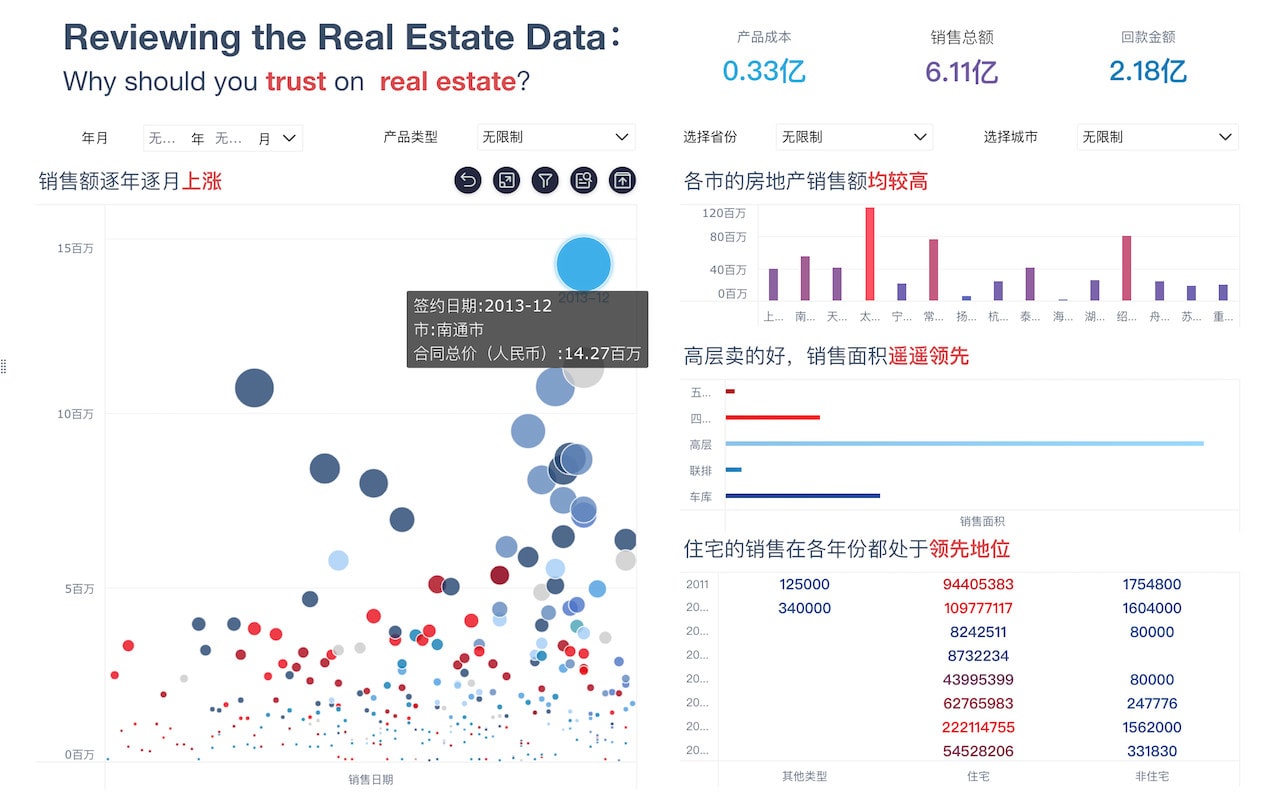
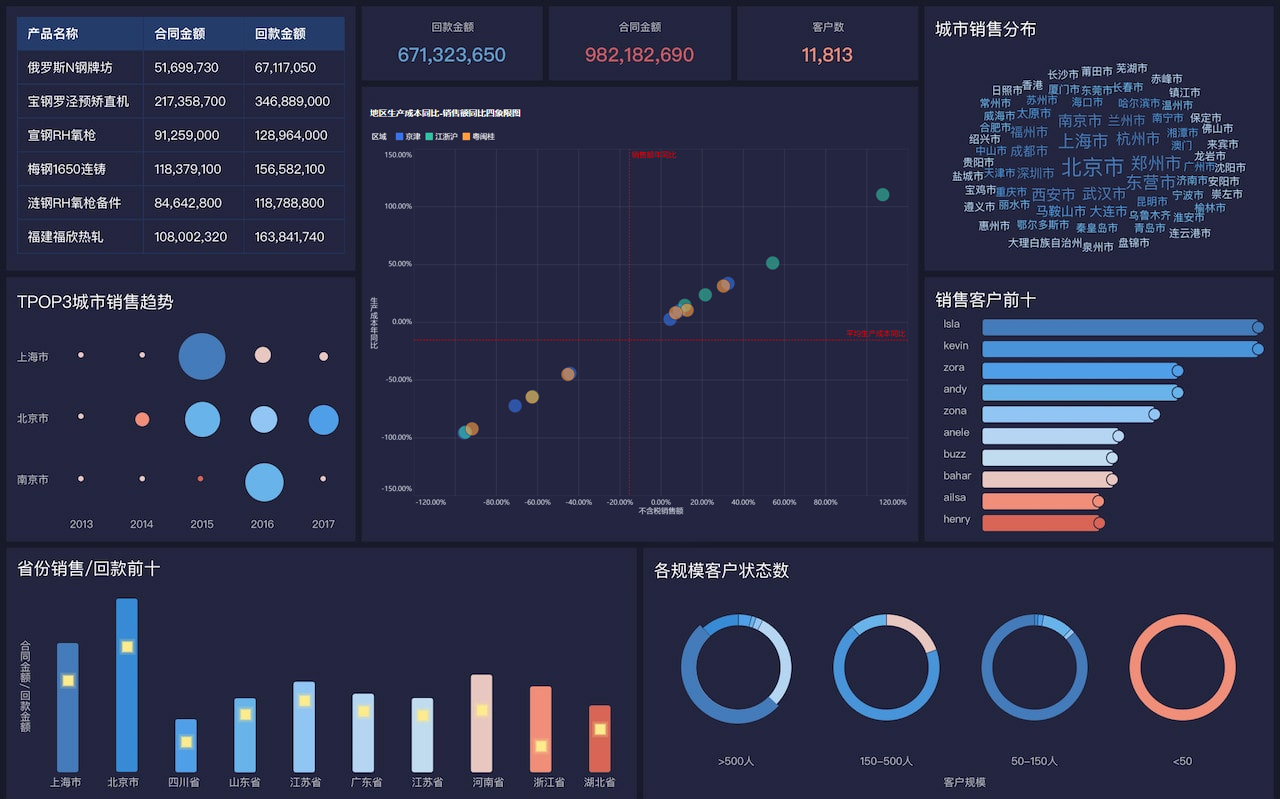
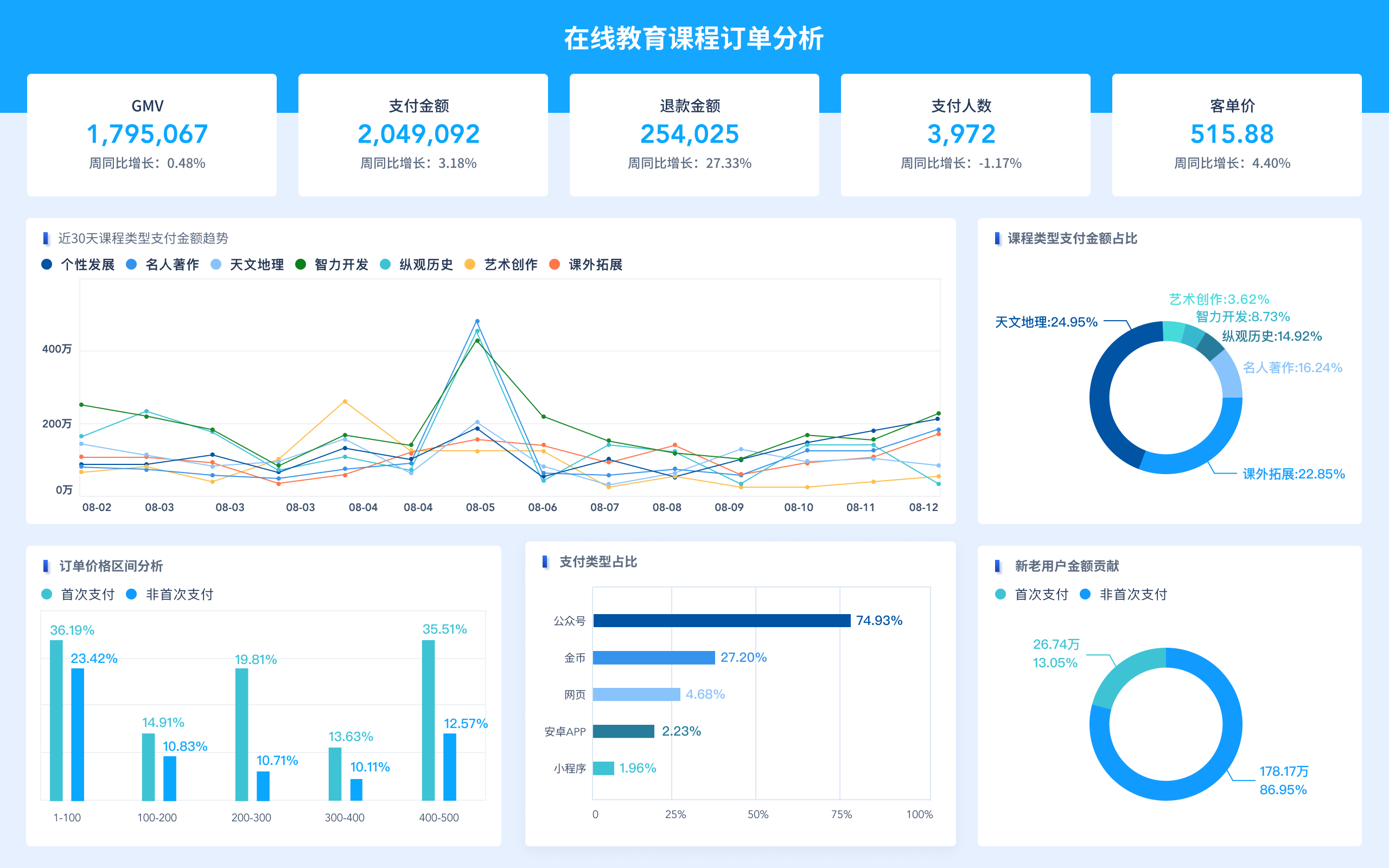
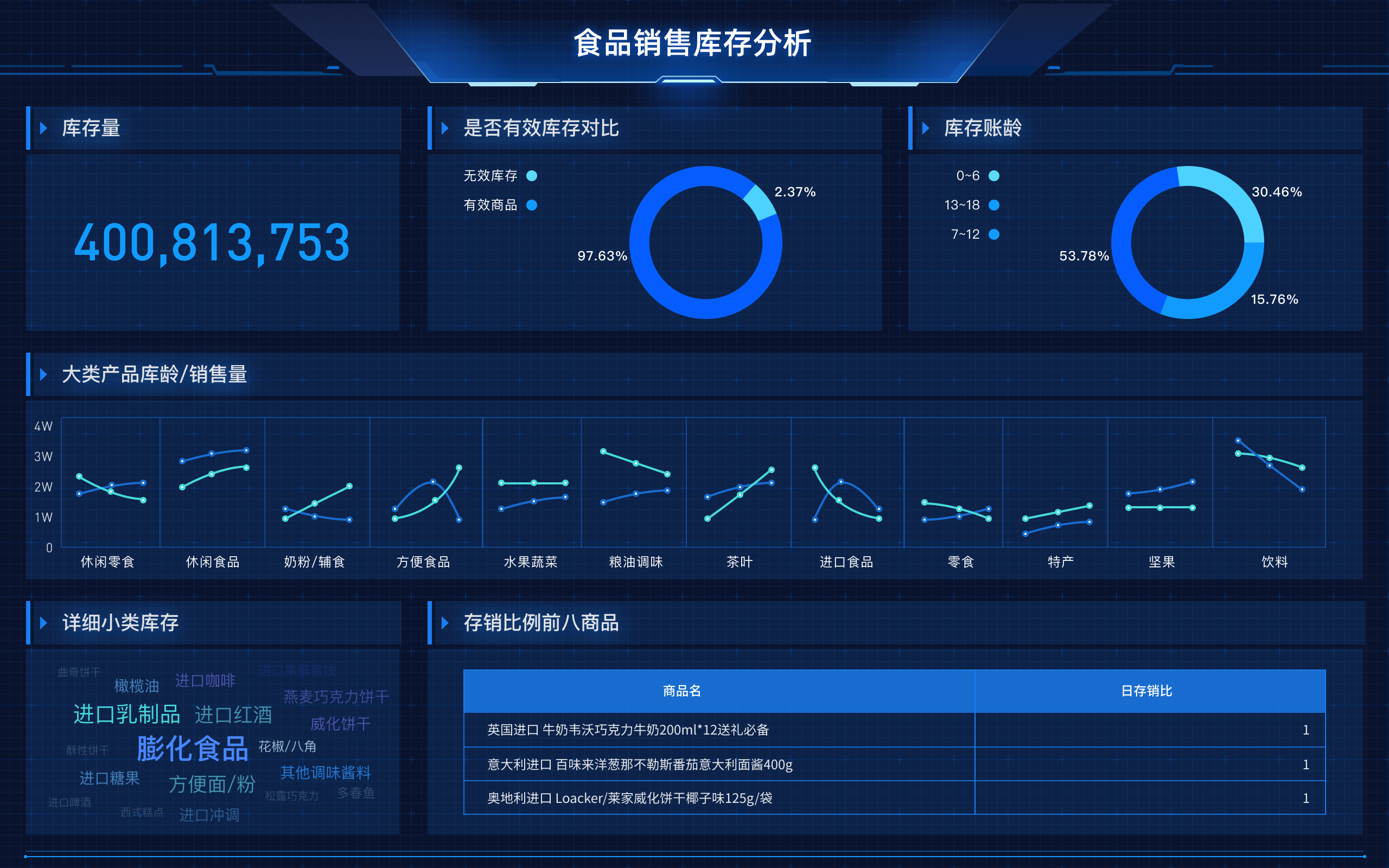
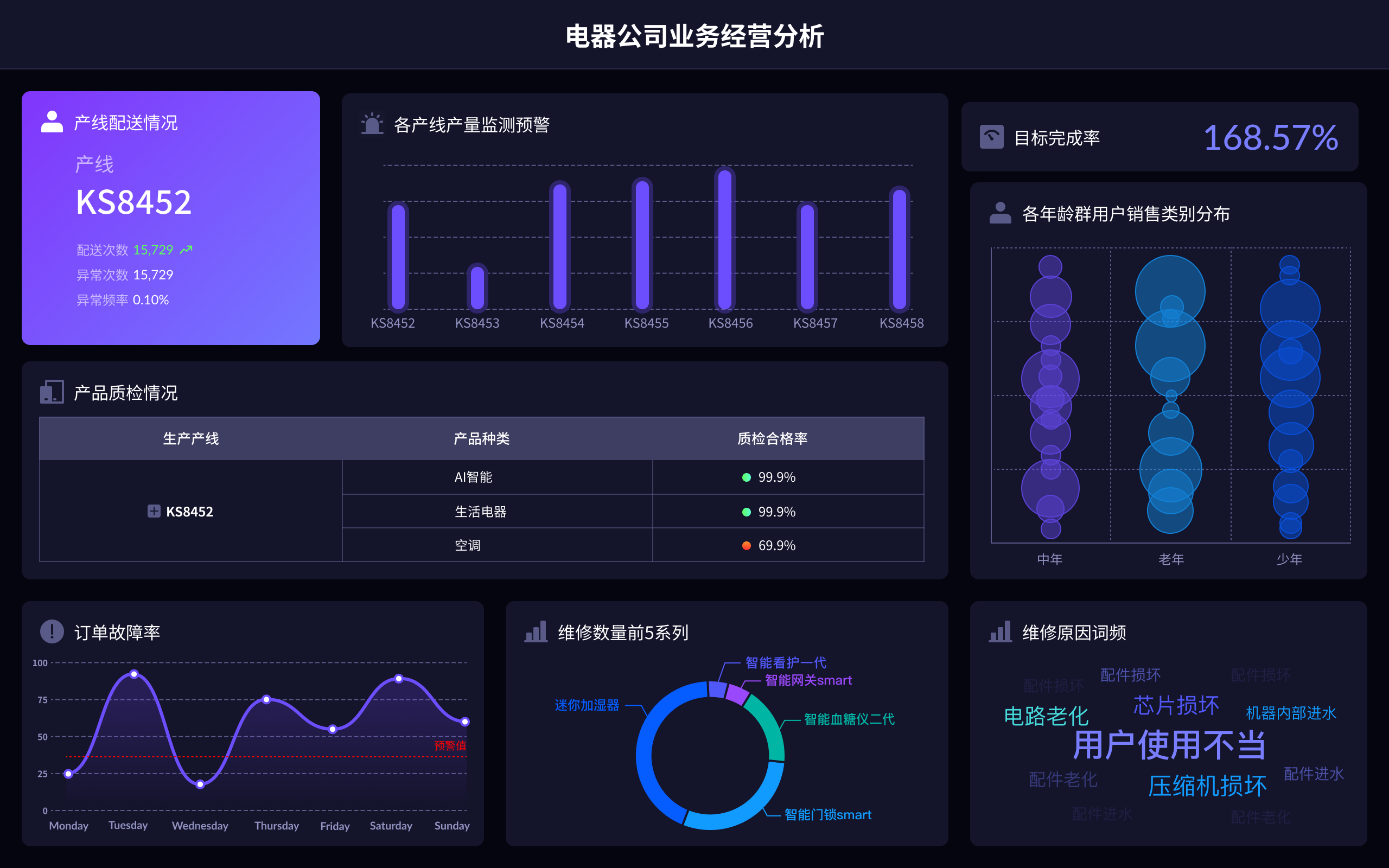
数据仓库的特点包括:主题导向、集成性、非易失性、时变性。数据仓库的主题导向性是指它围绕企业的重要主题(如客户、产品、销售等)组织数据,而不是按照传统的业务流程进行组织。这种方法使得企业能够更有效地进行分析和决策支持。集成性体现在数据仓库将多个来源的数据进行整合,消除了冗余和不一致性,提供了一个统一的视图。非易失性意味着一旦数据被加载到数据仓库中,就不会被删除或修改,确保了数据的稳定性和历史追溯能力。时变性则指数据仓库的数据是随时间变化的,支持对历史数据的分析和趋势预测。企业可以利用数据仓库的这些特点来实现更深层次的数据分析和商业智能应用。
一、主题导向
数据仓库的主题导向特点使其区别于其他数据库系统。传统数据库通常围绕特定的应用程序组织数据,例如订单处理或库存管理,而数据仓库则围绕企业的重要业务主题组织数据。这样的设计允许企业从整体角度分析数据,而不是局限于单一的操作流程。通过主题导向,企业可以更容易地进行跨部门的数据分析,因为数据仓库将不同来源的数据集成到一个共同的主题中。这种方法不仅提高了数据的相关性,还为业务分析提供了更清晰的视角。企业可以通过分析不同主题之间的关系,识别新的商业机会或优化现有流程。
二、集成性
数据仓库的集成性是其核心特征之一。数据仓库从多个异构数据源中提取数据,并将其整合到一个统一的数据库中。这一过程涉及数据清洗、转换和加载,确保数据的一致性和准确性。通过集成不同来源的数据,数据仓库消除了数据冗余和不一致性,为企业提供了一个一致的视图。这一特性使得数据仓库成为企业进行数据分析和决策支持的理想工具。集成性不仅提高了数据的质量,还简化了数据的访问和使用,使得企业可以更高效地进行数据分析和报告。
三、非易失性
数据仓库的非易失性特性确保了数据的稳定性和可靠性。一旦数据被加载到数据仓库中,它通常不会被修改或删除。这意味着数据仓库可以保存大量的历史数据,为企业提供长期的数据分析支持。这一特性使得企业能够进行趋势分析、历史数据对比和预测分析,从而做出更明智的决策。非易失性还确保了数据的可追溯性,企业可以回顾历史数据,了解业务发展的轨迹。通过保存完整的历史记录,数据仓库成为企业进行战略规划和绩效评估的重要工具。
四、时变性
时变性是数据仓库的另一个关键特征。数据仓库中的数据是随时间变化的,支持对历史数据的分析和趋势预测。这一特性允许企业进行时间序列分析,识别数据中的模式和趋势。通过分析时变数据,企业可以发现市场变化、客户行为变化和业务绩效变化,从而调整战略以适应不断变化的环境。时变性还支持企业进行预测分析,帮助企业预见未来的发展趋势和潜在的挑战。通过利用时变数据,企业能够更好地把握市场机会,优化资源配置,提高竞争力。
五、数据质量与一致性
数据仓库的设计强调数据质量和一致性。为了实现这一目标,数据仓库在数据加载过程中会进行数据清洗和转换,确保数据的准确性和完整性。这一过程消除了数据中的噪音和冗余,提高了数据的可靠性。数据仓库还通过一致的数据模型和标准化的数据格式,确保了数据的一致性。高质量和一致性的数据为企业提供了准确的分析基础,帮助企业做出明智的决策。通过确保数据质量和一致性,数据仓库成为企业进行数据驱动决策的可靠工具。
六、支持决策支持系统(DSS)
数据仓库作为决策支持系统(DSS)的核心组件,为企业提供了强大的分析和报告能力。它能够处理大量的历史数据,为企业提供深入的业务洞察。通过使用数据仓库,企业可以对数据进行多维分析,生成复杂的报告和仪表盘,从而支持战略决策和运营优化。数据仓库还支持高级分析技术,如数据挖掘和机器学习,帮助企业发现隐藏的模式和趋势。通过支持决策支持系统,数据仓库帮助企业提高决策的准确性和效率,增强市场竞争力。
七、灵活的数据访问
数据仓库提供了灵活的数据访问方式,使得企业可以根据需要检索和分析数据。企业用户可以通过多种工具和接口访问数据仓库,包括SQL查询、OLAP工具和BI平台。这种灵活性允许用户根据特定的业务需求,自定义数据查询和分析。数据仓库还支持实时数据访问和批量数据处理,使得企业能够快速响应业务变化。通过提供灵活的数据访问,数据仓库帮助企业提高数据利用率,支持多样化的业务需求和分析场景。
八、扩展性与可维护性
数据仓库的设计考虑了扩展性和可维护性,以适应企业不断增长的数据需求。现代数据仓库架构采用分布式计算和存储技术,能够轻松扩展以处理海量数据。数据仓库还提供了自动化的数据管理和维护工具,降低了运维复杂性和成本。通过采用模块化和可扩展的架构,数据仓库能够快速响应业务变化,支持企业的长期发展战略。扩展性与可维护性使得数据仓库成为企业数据管理的高效解决方案,确保了系统的稳定性和可用性。
九、数据安全与隐私保护
数据仓库在设计时高度重视数据安全与隐私保护。它采用多层次的安全机制,包括访问控制、数据加密和审计日志,确保数据的机密性和完整性。数据仓库还遵循数据隐私法规和标准,保护敏感数据不被滥用或泄露。通过实施严格的数据安全措施,数据仓库帮助企业降低数据泄露风险,增强客户信任。数据安全与隐私保护是数据仓库的基本要求,确保了数据的安全使用和合规性。
十、支持先进的分析应用
数据仓库支持先进的分析应用,为企业提供强大的数据分析能力。它能够集成和处理大量的结构化和非结构化数据,支持复杂的数据挖掘和机器学习应用。企业可以利用数据仓库进行客户细分、市场预测、风险管理等高级分析,提升业务价值。数据仓库还支持实时分析应用,使得企业能够快速响应市场变化和客户需求。通过支持先进的分析应用,数据仓库帮助企业实现数据驱动的创新和增长,提高市场竞争力。
相关问答FAQs:
What are the characteristics of a data warehouse?
A data warehouse is a centralized repository designed to store, manage, and analyze large volumes of data from various sources. The primary characteristics of a data warehouse include:
-
Subject-Oriented: Data warehouses are organized around key subjects of the business, such as customers, products, sales, and finance. This organization makes it easier for users to analyze data relevant to specific areas of interest.
-
Integrated: Data from multiple sources is integrated into a cohesive format. This means that data from different systems, like transaction databases, external data sources, and operational systems, are standardized and consolidated, ensuring consistency and accuracy.
-
Time-Variant: Data warehouses maintain historical data, allowing users to analyze trends over time. Unlike operational databases that store current data, a data warehouse keeps historical records to support time-based analysis and reporting.
-
Non-Volatile: Once data is entered into a data warehouse, it is stable and not subject to frequent changes. This stability allows for consistent reporting and analysis without the risk of data being altered or deleted frequently.
-
Support for Decision Making: Data warehouses are designed to facilitate complex queries and analytics, enabling decision-makers to gain insights and make informed business decisions. They support OLAP (Online Analytical Processing) operations, which allow users to explore data from different perspectives.
-
Scalability: Data warehouses are built to handle large volumes of data and can be scaled as business needs grow. This scalability ensures that organizations can continue to store and analyze increasing amounts of data without sacrificing performance.
-
Performance Optimization: Data warehouses employ various optimization techniques, such as indexing and partitioning, to enhance query performance. This focus on performance ensures that users can retrieve data quickly and efficiently, even when dealing with large datasets.
-
Data Quality and Consistency: A data warehouse emphasizes data quality by implementing data cleansing processes during the ETL (Extract, Transform, Load) phase. This ensures that the data is accurate, consistent, and reliable for analysis.
-
Support for Analytical Tools: Data warehouses are compatible with various analytical and business intelligence tools, enabling users to perform advanced analytics, create visualizations, and generate reports easily.
-
User-Friendly Access: Data warehouses are designed to be accessible to a wide range of users, from data analysts to business executives. Intuitive interfaces and user-friendly tools allow non-technical users to access and analyze data without requiring extensive technical knowledge.
How do data warehouses differ from traditional databases?
Data warehouses and traditional databases serve different purposes and are designed with distinct architectures and functionalities. Key differences include:
-
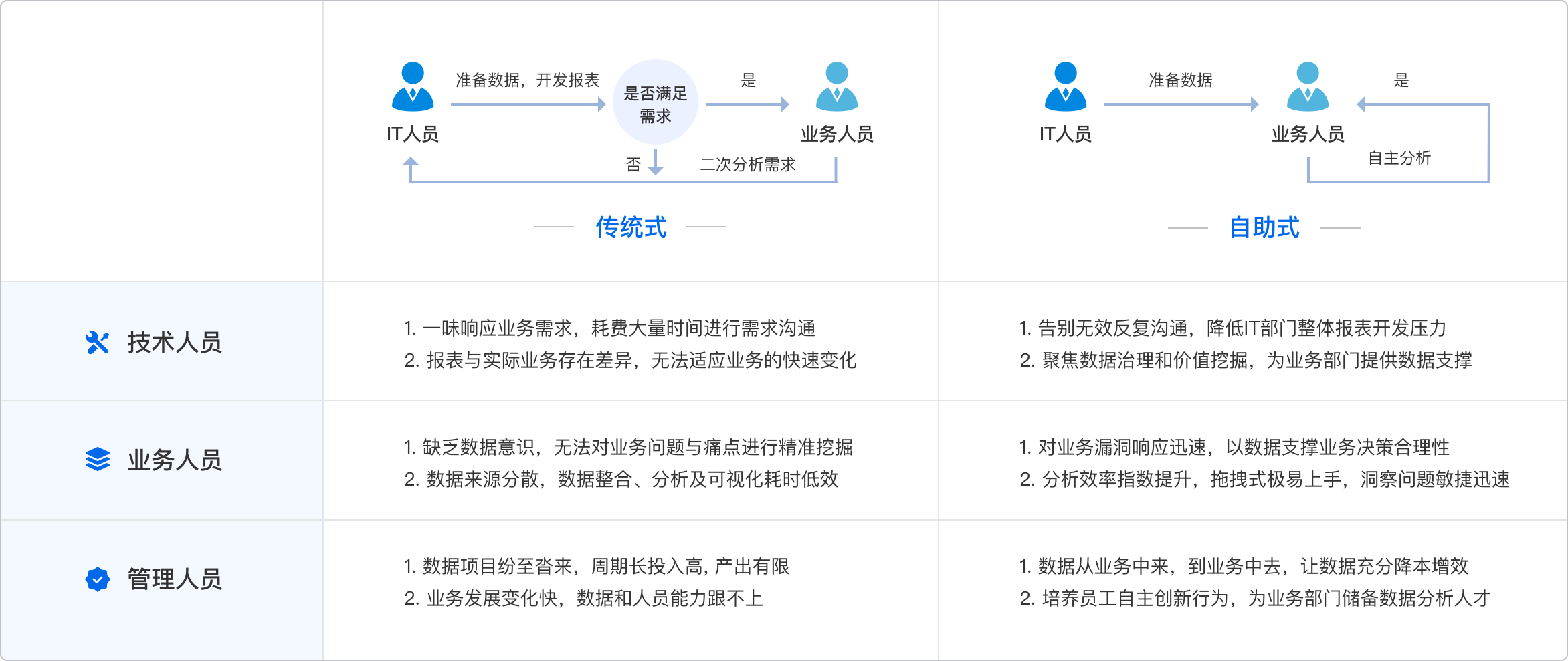
Purpose: Traditional databases are optimized for transaction processing (OLTP), focusing on daily operations, whereas data warehouses are optimized for analytical processing (OLAP), focusing on data analysis and reporting.
-
Data Structure: Traditional databases store current, real-time data, while data warehouses store historical data, allowing for trend analysis and time-based reporting.
-
Data Integration: Data warehouses integrate data from multiple sources, providing a unified view, whereas traditional databases typically handle data from a single operational source.
-
Query Complexity: Queries in data warehouses can be complex and involve large datasets, while traditional databases are designed for simpler, faster queries related to everyday transactions.
-
Performance Optimization: Data warehouses use specific performance optimization techniques, such as star or snowflake schemas, to enhance query performance, while traditional databases focus on quick transaction processing.
-
Data Volatility: Traditional databases are subject to frequent updates and changes, whereas data warehouses maintain stable, historical data that is rarely modified once loaded.
-
User Base: Data warehouses are primarily used by data analysts and business intelligence professionals for decision-making, while traditional databases are used by operational staff for day-to-day transactions.
What are the benefits of using a data warehouse?
Implementing a data warehouse can provide numerous benefits to organizations, including:
-
Improved Decision-Making: By consolidating data from various sources, a data warehouse provides a comprehensive view of the business, enabling better-informed decisions based on accurate and timely information.
-
Enhanced Data Quality: The ETL process in data warehouses ensures that data is cleansed, transformed, and standardized, leading to higher data quality and reliability for analysis.
-
Historical Analysis: The ability to store historical data allows organizations to analyze trends over time, identify patterns, and make predictions based on past performance.
-
Increased Efficiency: Data warehouses are optimized for query performance, allowing users to retrieve and analyze data quickly, thus improving productivity and efficiency in data analysis.
-
Support for Business Intelligence: Data warehouses provide the foundation for business intelligence initiatives, enabling organizations to implement reporting, dashboards, and analytics tools that drive strategic insights.
-
Scalability: As businesses grow and data volumes increase, data warehouses can scale to accommodate larger datasets without compromising performance, ensuring long-term viability.
-
Cost Savings: By improving data quality and accessibility, data warehouses can help organizations reduce the costs associated with poor data management, such as costly errors and inefficiencies.
-
User Empowerment: With user-friendly tools and interfaces, data warehouses empower users across the organization to access and analyze data independently, reducing reliance on IT departments for data queries and reports.
-
Competitive Advantage: Organizations that leverage data warehouses can gain a competitive edge by making data-driven decisions faster and more effectively than their competitors.
-
Regulatory Compliance: Data warehouses can help organizations maintain compliance with data governance and regulatory requirements by providing a centralized and controlled environment for data storage and management.
本文内容通过AI工具匹配关键字智能整合而成,仅供参考,帆软不对内容的真实、准确或完整作任何形式的承诺。具体产品功能请以帆软官方帮助文档为准,或联系您的对接销售进行咨询。如有其他问题,您可以通过联系blog@fanruan.com进行反馈,帆软收到您的反馈后将及时答复和处理。