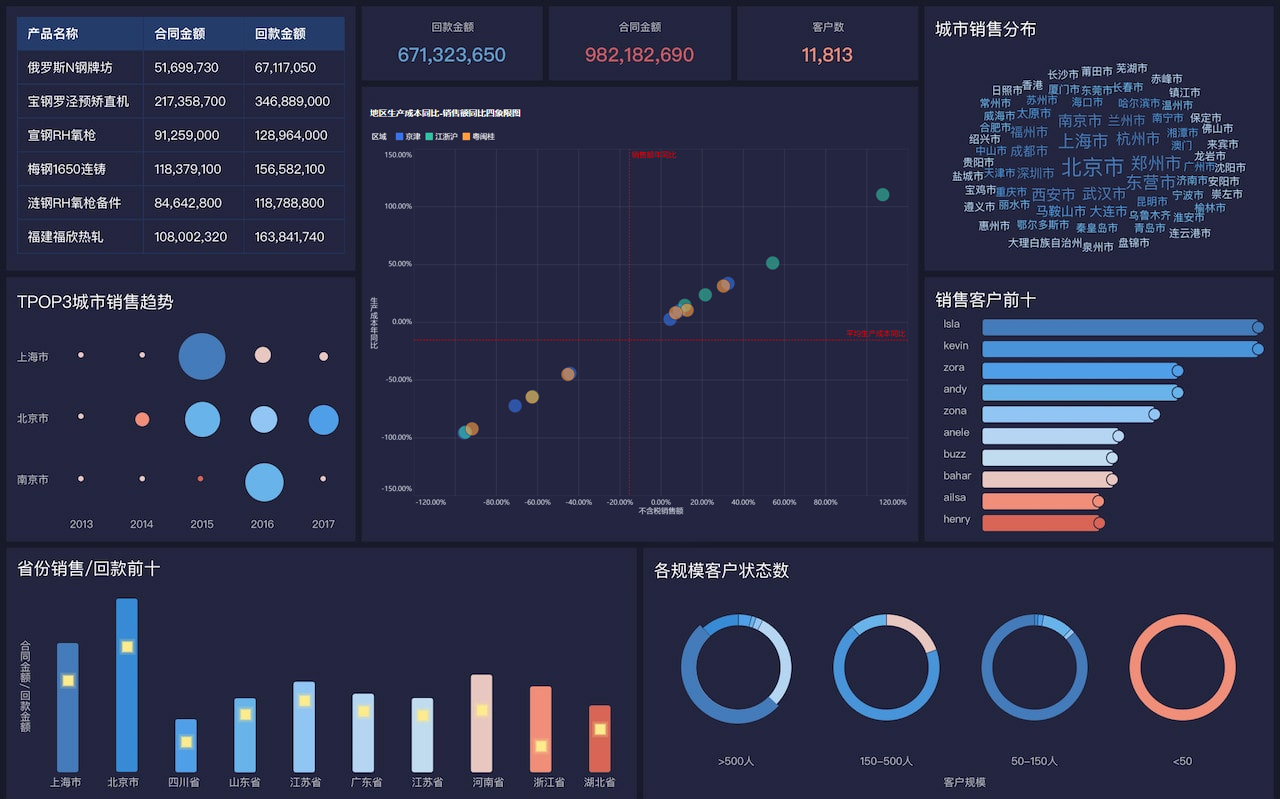
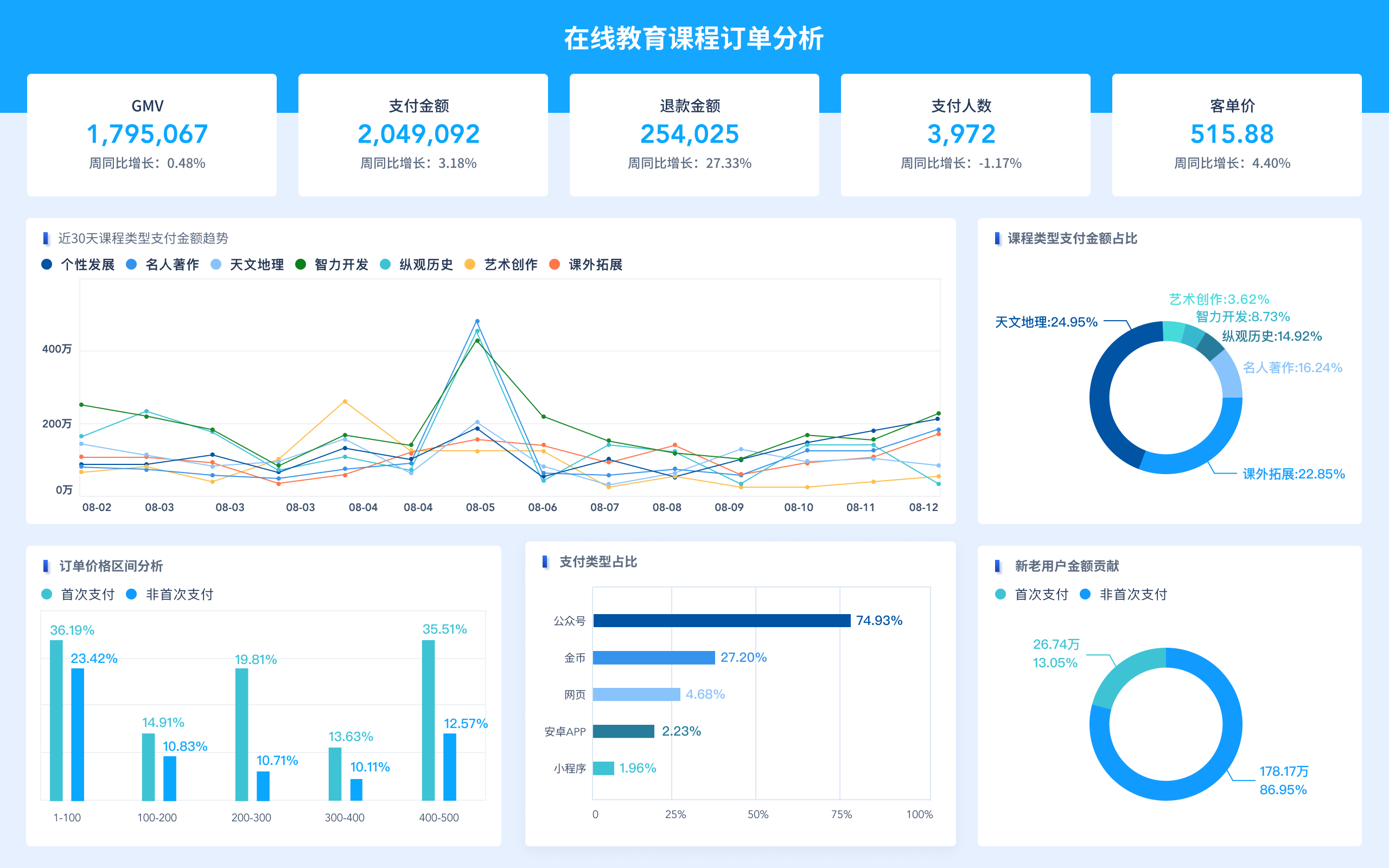
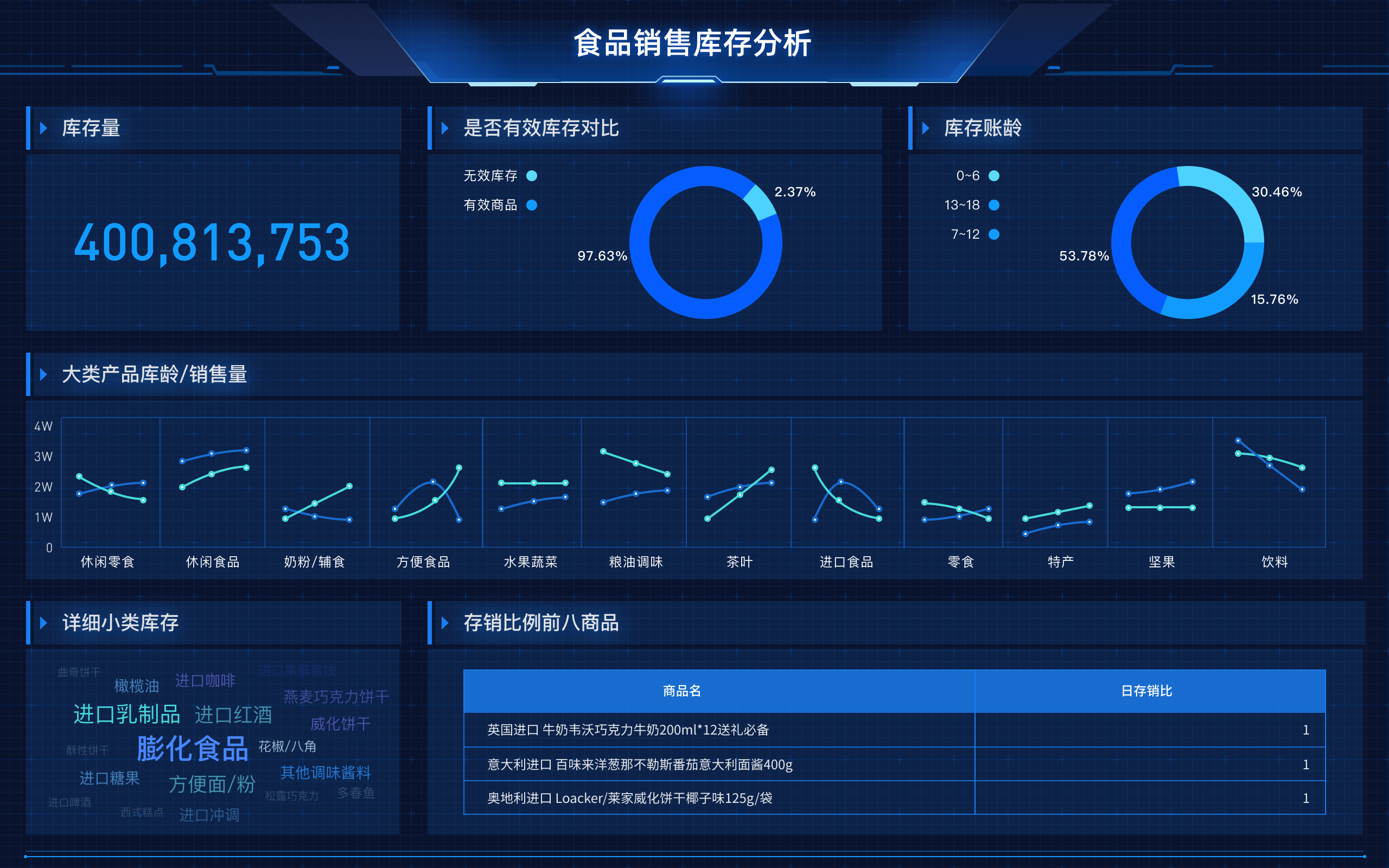
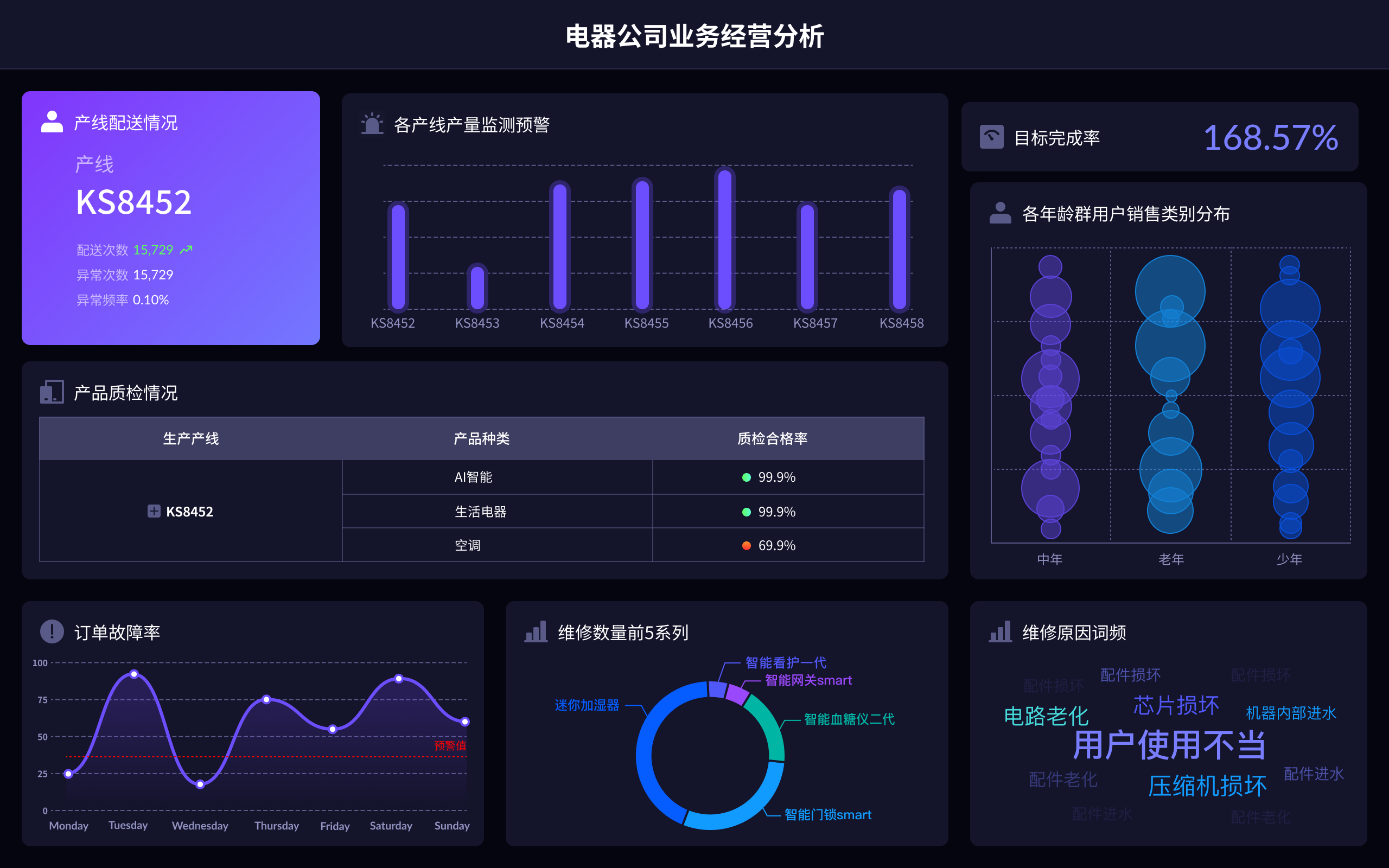
Big data mining is essential because it enables businesses to gain insights, make informed decisions, improve customer experiences, optimize operations, and identify new opportunities. By leveraging vast amounts of data, companies can uncover hidden patterns, trends, and correlations that traditional data analysis methods might miss. For instance, big data mining can significantly enhance customer experiences by analyzing buying behaviors and preferences. This data-driven approach allows businesses to tailor their products and services to meet specific customer needs, thereby increasing satisfaction and loyalty. Moreover, it can optimize operations by identifying inefficiencies and predicting maintenance needs, thus saving costs and improving productivity.
I, INSIGHTS AND INFORMED DECISIONS
Big data mining allows organizations to extract actionable insights from large datasets. These insights can lead to more informed decisions across various business functions. For example, in the healthcare industry, analyzing patient data can help in predicting disease outbreaks, personalizing treatments, and improving patient outcomes. Retail companies can analyze purchasing patterns to determine the most popular products and optimize inventory levels. Financial institutions use big data to detect fraudulent activities and assess credit risks more accurately. The ability to make data-driven decisions helps organizations stay competitive and adapt quickly to market changes.
II, IMPROVING CUSTOMER EXPERIENCES
Enhancing customer experiences is a crucial advantage of big data mining. By analyzing customer interactions, feedback, and behavior, companies can gain a deeper understanding of their preferences and pain points. This information allows businesses to personalize marketing campaigns, develop targeted promotions, and improve customer service. For instance, e-commerce platforms can recommend products based on previous purchases and browsing history, creating a more personalized shopping experience. Telecom companies can analyze usage patterns to offer tailored plans and improve network performance. The result is increased customer satisfaction and loyalty, which ultimately drives revenue growth.
III, OPTIMIZING OPERATIONS
Big data mining plays a significant role in optimizing business operations. By analyzing operational data, companies can identify inefficiencies, streamline processes, and reduce costs. In manufacturing, data from sensors and machines can be analyzed to predict equipment failures and schedule maintenance proactively, minimizing downtime and extending the lifespan of assets. In logistics, analyzing data on delivery routes, traffic patterns, and fuel consumption can lead to more efficient transportation and distribution strategies. Retailers can optimize supply chain management by analyzing demand patterns and adjusting inventory levels accordingly. This operational efficiency translates to cost savings and improved productivity.
IV, IDENTIFYING NEW OPPORTUNITIES
Big data mining enables organizations to identify new market opportunities and drive innovation. By analyzing data from various sources, businesses can uncover emerging trends, customer needs, and untapped markets. For instance, social media analytics can reveal trending topics and consumer sentiments, helping companies develop new products or services that align with market demands. In the financial sector, analyzing economic indicators and investment patterns can lead to the discovery of profitable investment opportunities. Companies can also use big data to explore potential business partnerships or mergers and acquisitions. Identifying these opportunities allows organizations to stay ahead of the competition and achieve sustainable growth.
V, ENHANCING RISK MANAGEMENT
Risk management is another critical area where big data mining provides substantial benefits. By analyzing historical data and identifying patterns, organizations can predict and mitigate risks more effectively. In the financial industry, big data analytics can help in assessing market risks, credit risks, and operational risks. Insurance companies can analyze data to detect fraudulent claims and assess policyholder risks accurately. In the supply chain, analyzing data on supplier performance, geopolitical events, and natural disasters can help companies develop robust contingency plans. Enhanced risk management ensures business continuity and protects the organization's assets.
VI, IMPROVING MARKETING STRATEGIES
Big data mining revolutionizes marketing strategies by providing deep insights into consumer behavior and preferences. Marketing teams can analyze data from social media, website interactions, and purchase history to segment customers and create targeted marketing campaigns. For example, personalized email marketing based on customer preferences and past purchases can lead to higher engagement and conversion rates. Social media analytics can help identify brand advocates and influencers who can amplify marketing messages. By understanding which marketing channels and messages resonate with their audience, companies can allocate their marketing budget more effectively and achieve better ROI.
VII, ENHANCING PRODUCT DEVELOPMENT
Product development benefits significantly from big data mining. By analyzing customer feedback, usage data, and market trends, companies can make data-driven decisions throughout the product development lifecycle. For instance, analyzing customer reviews and support tickets can provide insights into product issues and areas for improvement. Usage data can reveal which features are most popular and which are underutilized, guiding future development efforts. Market trend analysis can identify gaps in the market and inspire the creation of innovative products. This iterative, data-driven approach to product development ensures that companies deliver products that meet customer needs and stay ahead of competitors.
VIII, ENHANCING SUPPLY CHAIN MANAGEMENT
Big data mining is transformative for supply chain management. By analyzing data from suppliers, logistics, and market demand, companies can optimize their supply chain operations. For instance, predictive analytics can forecast demand more accurately, allowing for better inventory management and reducing stockouts or overstock situations. Analyzing supplier performance data can help identify reliable suppliers and negotiate better contracts. Logistics data analysis can optimize transportation routes and reduce delivery times. This comprehensive view of the supply chain enables companies to respond quickly to changes, improve efficiency, and reduce costs.
IX, IMPROVING HUMAN RESOURCES MANAGEMENT
Human resources management can be significantly enhanced through big data mining. By analyzing employee data, companies can gain insights into workforce trends, employee performance, and job satisfaction. For example, predictive analytics can identify high-performing employees who are at risk of leaving, allowing HR teams to take proactive retention measures. Analyzing recruitment data can help optimize hiring processes and identify the best sources of talent. Employee engagement surveys and feedback can provide insights into workplace culture and areas for improvement. This data-driven approach to HR management leads to a more engaged and productive workforce.
X, ENHANCING CYBERSECURITY
Cybersecurity is a critical area where big data mining provides significant advantages. By analyzing network traffic, user behavior, and threat intelligence, organizations can detect and respond to security threats more effectively. For instance, anomaly detection algorithms can identify unusual patterns that may indicate a cyber attack. Historical data analysis can reveal common attack vectors and help develop more robust security measures. Analyzing data from security incidents can provide insights into vulnerabilities and guide future security investments. Enhanced cybersecurity protects sensitive data and ensures business continuity.
XI, SUPPORTING SUSTAINABILITY INITIATIVES
Big data mining supports sustainability initiatives by providing insights into environmental impact and resource usage. For example, analyzing energy consumption data can help companies identify opportunities to reduce energy usage and lower carbon footprints. Supply chain data analysis can reveal inefficiencies and guide more sustainable sourcing practices. Predictive analytics can optimize resource usage and minimize waste in manufacturing processes. By leveraging big data, companies can develop and implement strategies that align with sustainability goals and contribute to a greener future.
XII, ENHANCING EDUCATION AND RESEARCH
In the education and research sectors, big data mining offers numerous benefits. Educational institutions can analyze student performance data to identify learning gaps and tailor instructional methods. Predictive analytics can help in identifying students at risk of dropping out and implementing early intervention strategies. In research, big data enables the analysis of large datasets to uncover new insights and drive scientific discoveries. For example, in medical research, analyzing genomic data can lead to breakthroughs in personalized medicine. The ability to harness big data accelerates progress and innovation in education and research.
XIII, IMPROVING PUBLIC SERVICES AND GOVERNANCE
Big data mining enhances public services and governance by providing insights into citizen needs and optimizing service delivery. Governments can analyze data from various sources to improve public safety, healthcare, transportation, and other services. For instance, analyzing crime data can help law enforcement agencies allocate resources more effectively and develop crime prevention strategies. Healthcare data analysis can improve the allocation of medical resources and enhance public health initiatives. Transportation data can optimize traffic management and reduce congestion. By leveraging big data, governments can improve the quality of public services and enhance citizen satisfaction.
XIV, ENHANCING AGRICULTURAL PRACTICES
Agriculture benefits greatly from big data mining. By analyzing data on weather patterns, soil conditions, crop yields, and market prices, farmers can make more informed decisions. For example, predictive analytics can help farmers determine the best planting and harvesting times, optimize irrigation, and manage pests more effectively. Market data analysis can guide pricing and marketing strategies to maximize profits. By leveraging big data, farmers can improve productivity, reduce costs, and contribute to sustainable agricultural practices.
XV, ENHANCING SPORTS PERFORMANCE AND MANAGEMENT
Big data mining is increasingly used in sports to enhance performance and management. Teams and athletes can analyze performance data to identify strengths and weaknesses, optimize training programs, and develop game strategies. For example, analyzing player movement and game statistics can help coaches make data-driven decisions during matches. Sports organizations can analyze fan data to improve marketing efforts, enhance the fan experience, and increase revenue. By leveraging big data, sports teams can achieve better performance and operational efficiency.
XVI, TRANSFORMING HEALTHCARE DELIVERY
Big data mining is transforming healthcare delivery by enabling personalized medicine, improving patient outcomes, and reducing costs. By analyzing patient data, healthcare providers can develop personalized treatment plans based on individual health profiles. Predictive analytics can identify patients at risk of developing chronic conditions and enable early intervention. Analyzing data from electronic health records (EHRs) and medical devices can improve diagnosis accuracy and treatment effectiveness. Big data also supports healthcare research by enabling the analysis of large datasets to identify new treatments and therapies. The result is a more efficient, effective, and patient-centered healthcare system.
Big data mining is a powerful tool that drives innovation, efficiency, and competitiveness across various industries. By leveraging the insights gained from analyzing vast amounts of data, organizations can make informed decisions, improve customer experiences, optimize operations, and identify new opportunities. As technology continues to advance, the importance of big data mining will only grow, making it an essential component of modern business strategy.
相关问答FAQs:
FAQs关于大数据挖掘的重要性
为什么大数据挖掘对企业至关重要?
大数据挖掘是企业在现代市场中取得竞争优势的关键工具。通过分析海量数据,企业能够识别出潜在的市场趋势、客户需求和行为模式。这种洞察力不仅有助于优化产品和服务,还能够提升客户体验和满意度。例如,零售商可以通过分析客户的购买历史和偏好,制定个性化的营销策略,从而提高销售额和客户忠诚度。此外,大数据挖掘还可以帮助企业识别运营中的问题,降低成本,提高效率。通过实时分析数据,企业能够快速做出决策,适应不断变化的市场环境。
大数据挖掘如何改善决策制定过程?
在传统的决策制定过程中,管理者往往依赖经验和直觉,这可能导致不准确或偏差的决策。而大数据挖掘通过提供基于数据的深刻见解,帮助管理者做出更为科学和合理的决策。通过分析历史数据和当前趋势,企业可以预测未来的市场变化,评估不同策略的潜在效果。例如,金融机构使用大数据挖掘来分析客户的信用风险,从而制定合适的贷款政策和利率。医疗行业同样能够通过大数据分析患者的健康记录,提高诊断的准确性和治疗的有效性。
大数据挖掘在社会生活中有哪些应用?
大数据挖掘不仅在商业领域发挥着重要作用,还在社会生活的各个方面产生深远的影响。在公共安全方面,警方和政府机构可以利用大数据分析来预测和预防犯罪,通过监测社交媒体和其他数据源,识别潜在的威胁。在交通管理中,通过分析实时交通数据,城市可以优化交通信号和路线规划,减少拥堵和提高出行效率。此外,在医疗健康领域,大数据挖掘能够帮助研究人员分析疾病的流行趋势,发现新的治疗方法,提升公共卫生水平。通过这些应用,大数据挖掘正在推动社会的持续进步与发展。
希望以上内容能够帮助您更好地理解大数据挖掘的重要性及其广泛应用。如果您对大数据挖掘还有其他疑问,欢迎继续提问。
本文内容通过AI工具匹配关键字智能整合而成,仅供参考,帆软不对内容的真实、准确或完整作任何形式的承诺。具体产品功能请以帆软官方帮助文档为准,或联系您的对接销售进行咨询。如有其他问题,您可以通过联系blog@fanruan.com进行反馈,帆软收到您的反馈后将及时答复和处理。