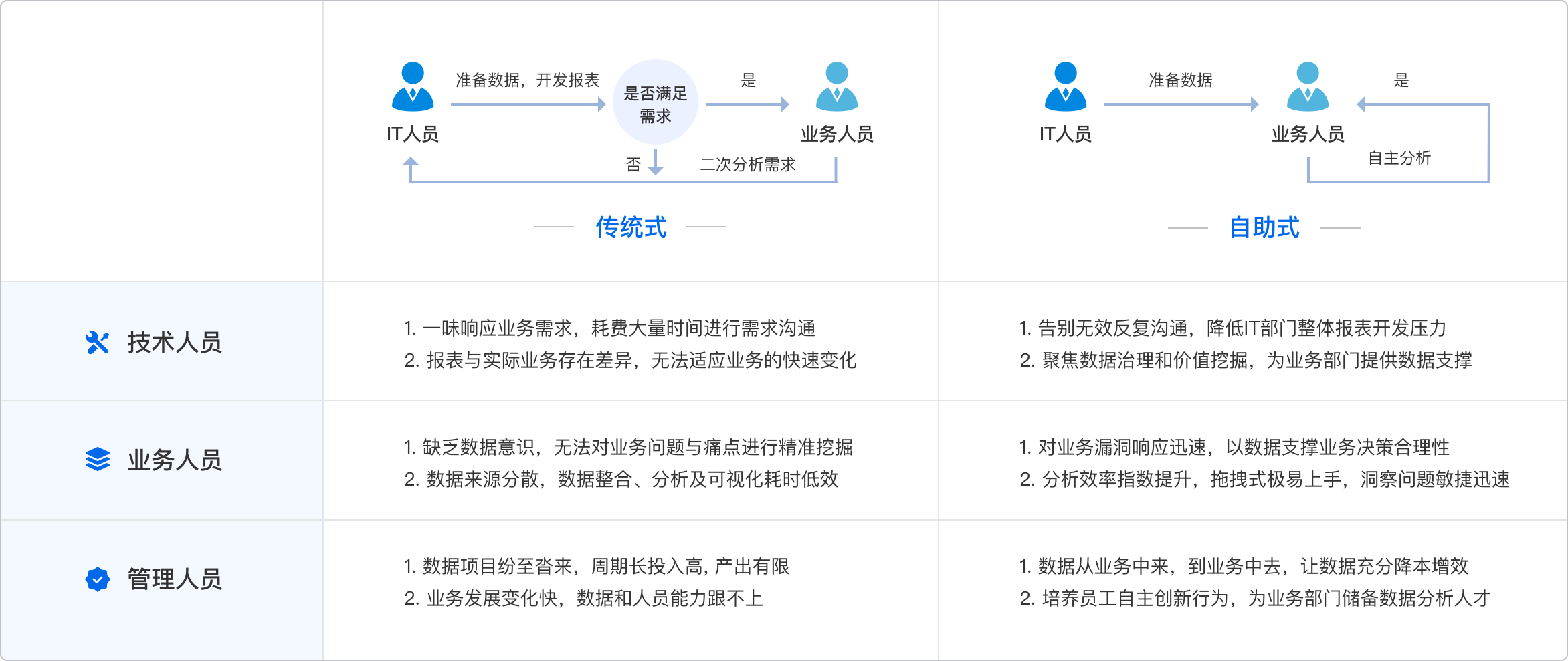
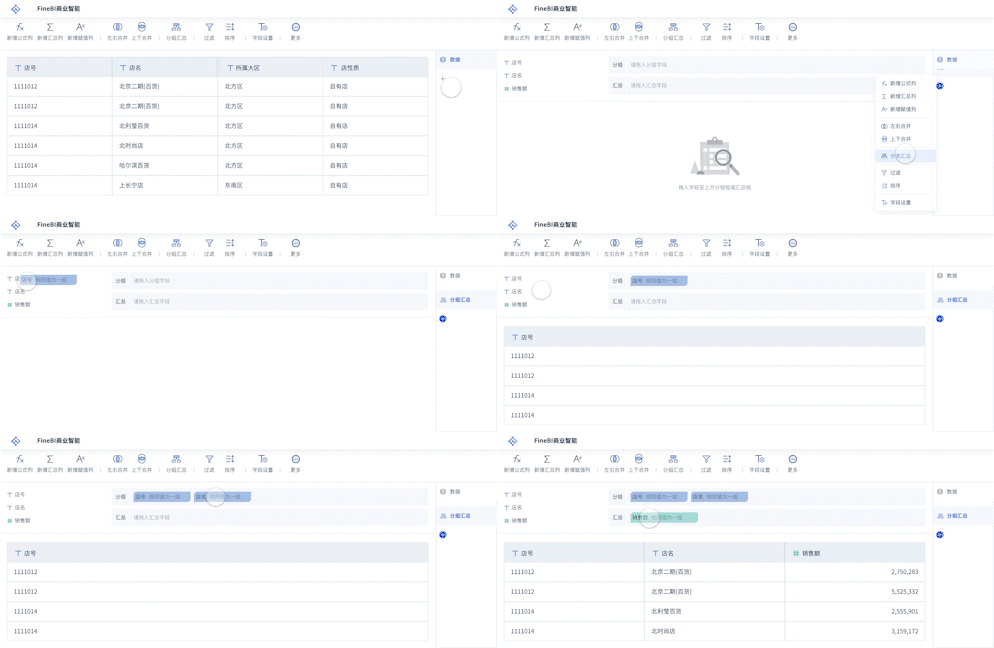
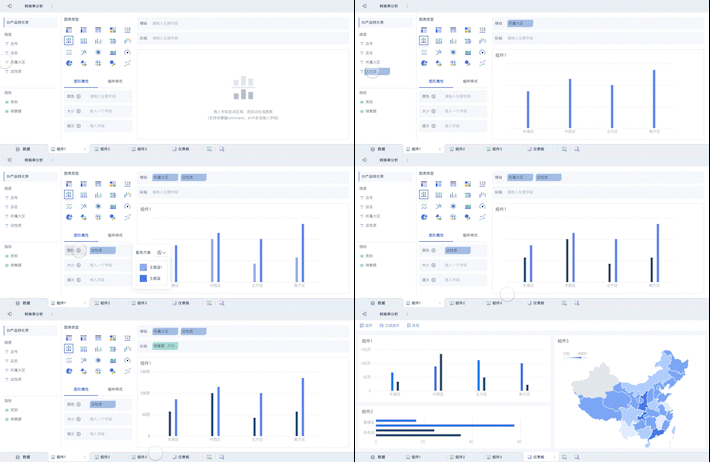
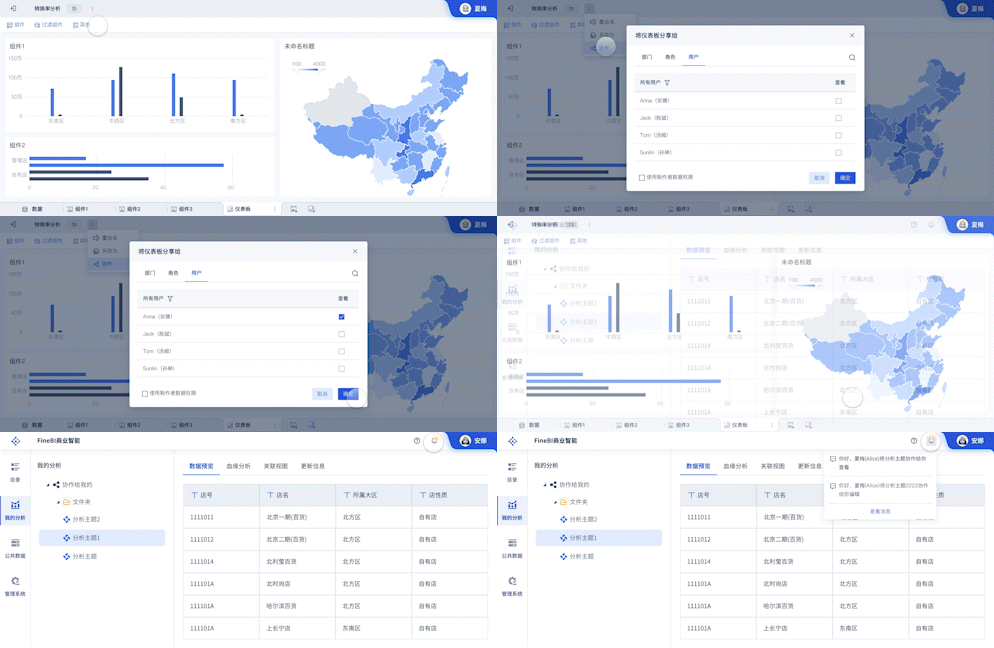
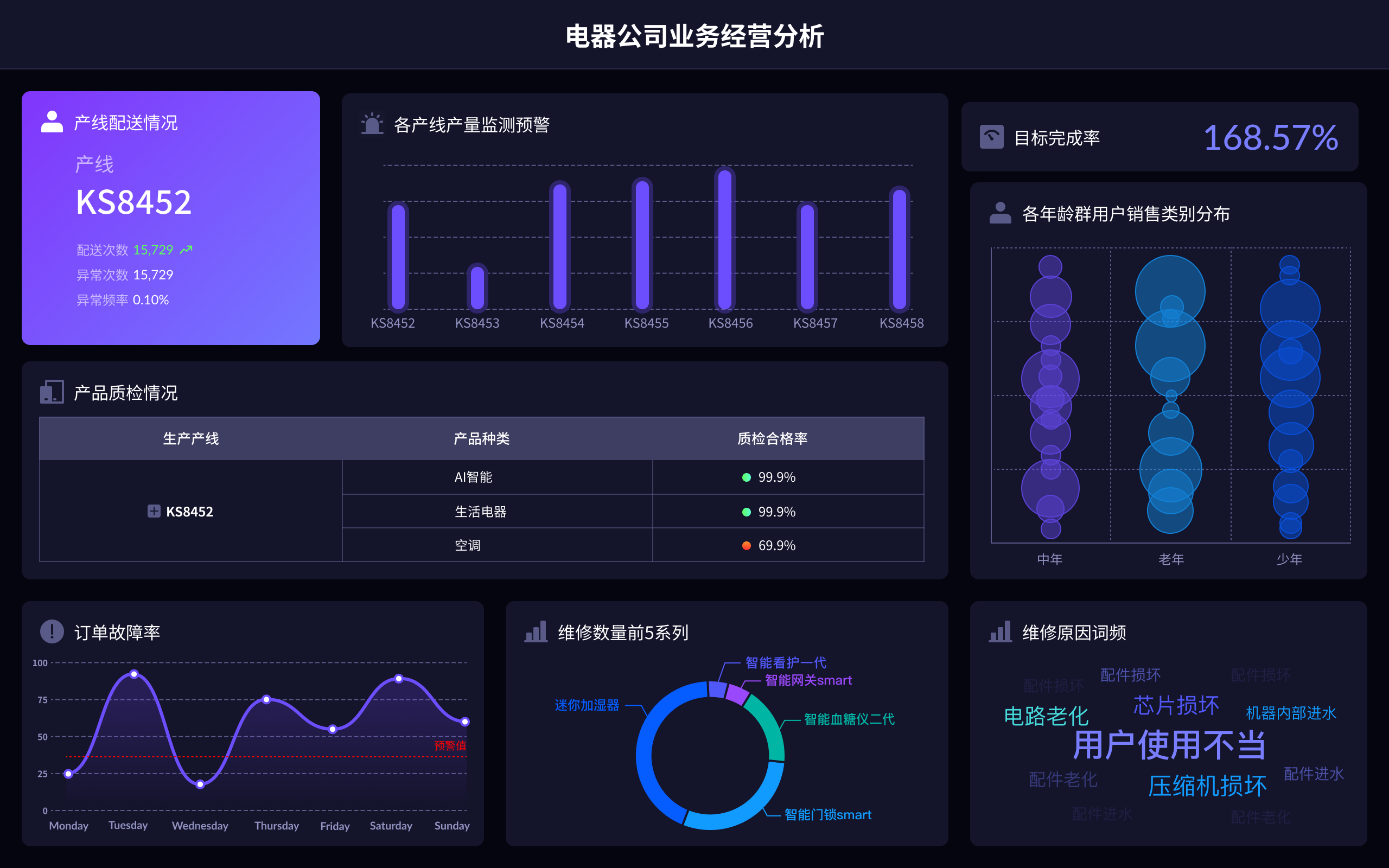
数据挖掘是一门综合性学科,涉及多个步骤和技术,主要步骤包括数据准备、数据清洗、数据转换、数据挖掘建模、结果评估、结果展示。其中,数据准备是整个过程的基础,它决定了后续工作的质量和效率。在数据准备阶段,需要从各种来源收集数据,并确保数据的完整性和一致性。这一步骤的质量直接影响数据挖掘模型的准确性。数据准备包括数据收集、数据清理、数据集成和数据格式化等多个子步骤,必须认真对待。
一、数据准备
在数据挖掘过程的第一步,数据准备至关重要。这个阶段包括数据收集、数据清理、数据集成和数据格式化等多个子步骤。数据收集是将数据从各种来源(如数据库、文件、网络爬虫等)中提取出来,并确保数据的完整性和一致性。数据清理则是去除数据中的噪声和错误,处理缺失值和重复数据。数据集成是将来自不同来源的数据合并到一个统一的数据集,数据格式化是将数据转换为适合进行数据挖掘的格式。数据准备的质量直接影响后续数据挖掘模型的准确性和效率。
二、数据清洗
在数据准备完成后,数据清洗是确保数据质量的重要步骤。数据清洗的主要目的是去除数据中的噪声和错误,处理缺失值和重复数据。噪声和错误是指数据中的异常值和不合理的数据记录,这些数据可能是由于数据收集过程中出现的错误或者人为输入错误。处理缺失值的方法有很多,例如删除包含缺失值的记录、使用平均值或中位数填补缺失值等。处理重复数据则需要检测和删除数据集中存在的重复记录,确保数据的唯一性和准确性。
三、数据转换
数据转换是数据挖掘过程中必不可少的一步。数据转换的目的是将数据转换为适合进行数据挖掘的格式。数据标准化是数据转换中的一个重要步骤,它将不同量纲的数据转换为同一量纲,以便于后续的分析和处理。数据标准化的方法有很多,例如最小-最大标准化、Z-score标准化等。数据转换还包括数据离散化和数据聚合等步骤,数据离散化是将连续数据转换为离散数据,数据聚合则是将多个数据记录聚合为一个数据记录。
四、数据挖掘建模
在数据准备和数据清洗完成后,数据挖掘建模是数据挖掘过程的核心步骤。数据挖掘建模的目的是从数据中发现有价值的模式和知识。常见的数据挖掘建模方法有分类、回归、聚类、关联规则挖掘等。分类是将数据分为不同的类别,回归是预测连续变量的值,聚类是将相似的数据记录聚合到一个簇中,关联规则挖掘是发现数据集中不同数据项之间的关联关系。选择合适的数据挖掘建模方法需要根据具体的数据和问题来确定。
五、结果评估
在数据挖掘建模完成后,结果评估是确保模型准确性和有效性的重要步骤。结果评估的目的是评估模型的性能,选择最优的模型。常见的结果评估方法有交叉验证、混淆矩阵、ROC曲线等。交叉验证是将数据集分为训练集和测试集,使用训练集构建模型,使用测试集评估模型的性能。混淆矩阵是用于评估分类模型性能的工具,它通过计算真阳性、假阳性、真阴性和假阴性来评估模型的准确性。ROC曲线是用于评估分类模型性能的工具,它通过绘制真阳性率和假阳性率的关系图来评估模型的性能。
六、结果展示
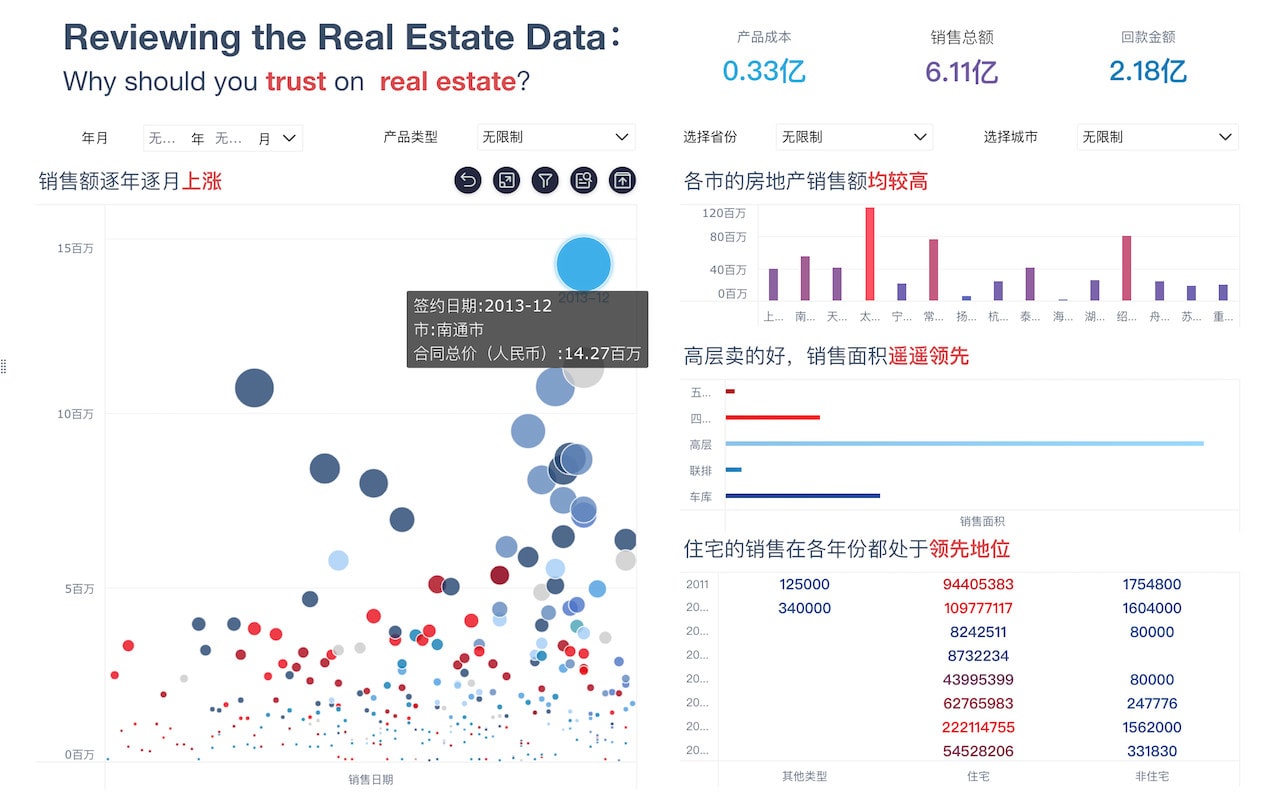
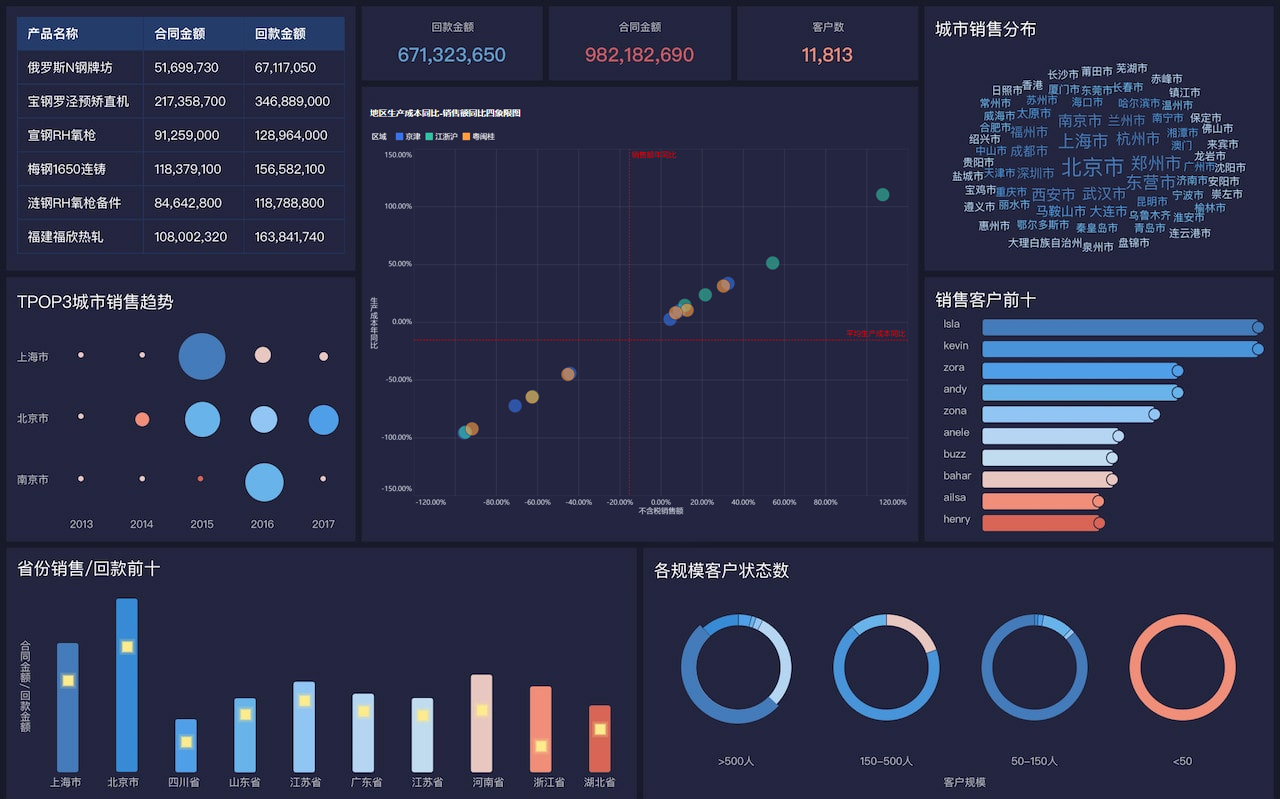
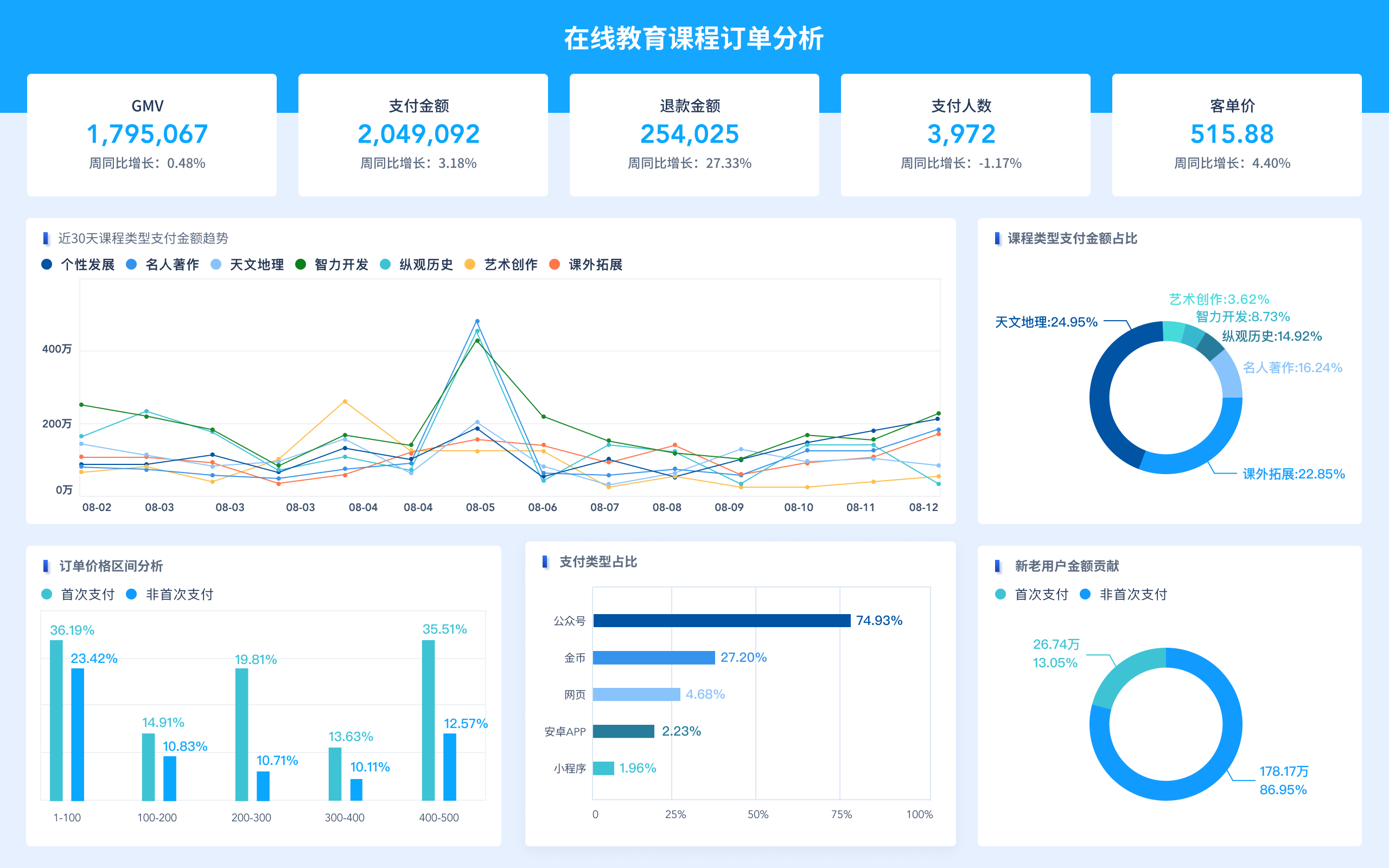
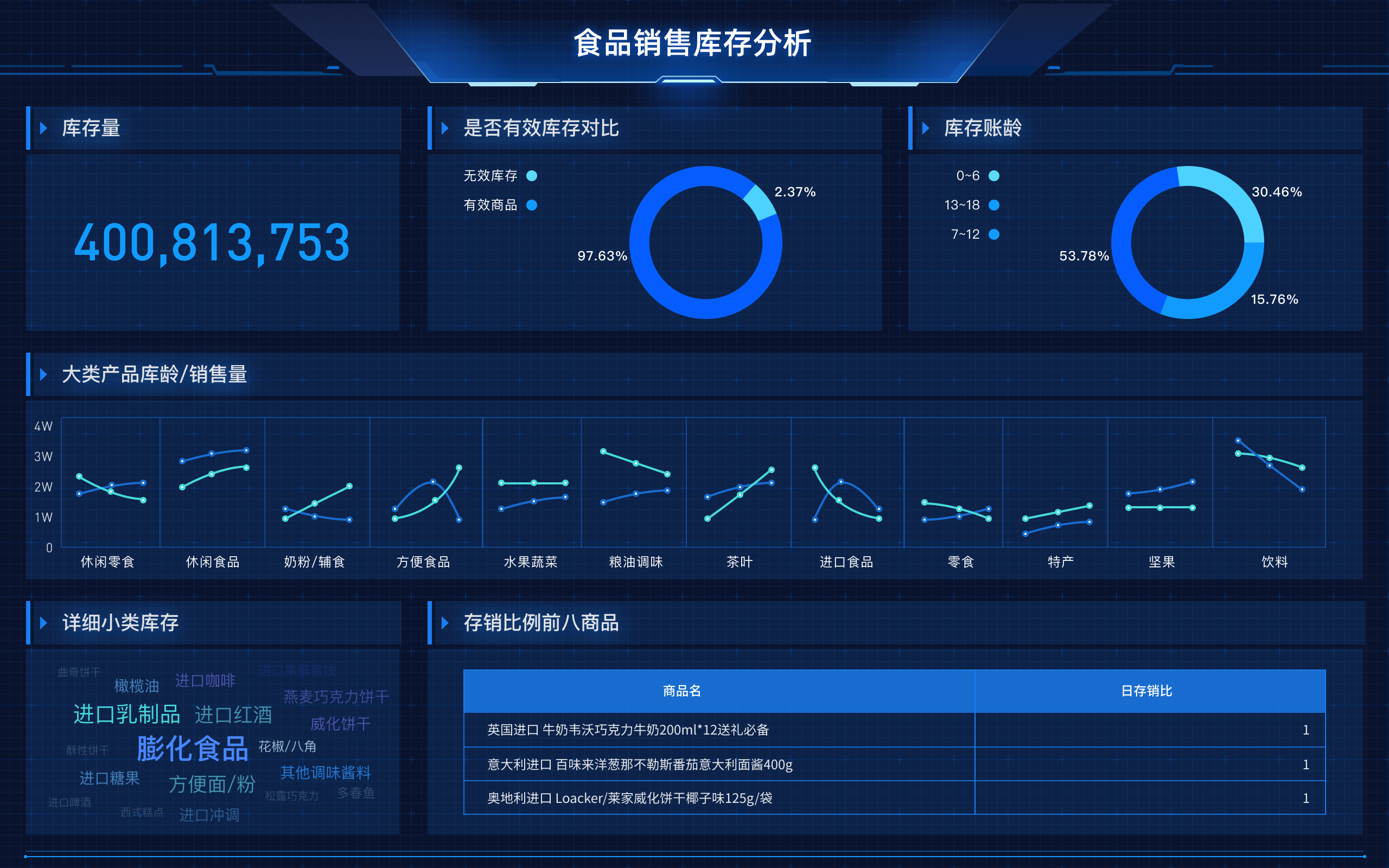
在结果评估完成后,结果展示是数据挖掘过程的最后一步。结果展示的目的是将数据挖掘的结果以可视化的方式展示出来,便于理解和解释。常见的结果展示方法有图表、报告、仪表盘等。图表是最常见的结果展示方法,通过柱状图、折线图、饼图等图表可以直观地展示数据挖掘的结果。报告是对数据挖掘过程和结果的详细描述,通过文字和图表的结合,可以全面地展示数据挖掘的结果。仪表盘是将多个图表和指标整合到一个界面上,便于实时监控和分析数据。
七、数据挖掘工具和技术
在数据挖掘过程中,选择合适的工具和技术是非常重要的。常见的数据挖掘工具有R、Python、Weka、RapidMiner等。R和Python是两种常见的编程语言,它们提供了丰富的数据挖掘库和工具,可以方便地进行数据挖掘。Weka和RapidMiner是两种常见的数据挖掘软件,它们提供了图形化的用户界面,可以方便地进行数据挖掘。选择合适的数据挖掘工具和技术需要根据具体的数据和问题来确定。
八、数据挖掘的应用
数据挖掘在各个领域都有广泛的应用。商业、医疗、金融、市场营销等领域都可以通过数据挖掘来发现有价值的模式和知识。在商业领域,数据挖掘可以用于客户关系管理、市场细分、销售预测等。在医疗领域,数据挖掘可以用于疾病预测、患者分类、治疗方案优化等。在金融领域,数据挖掘可以用于信用评分、欺诈检测、投资组合优化等。在市场营销领域,数据挖掘可以用于客户行为分析、广告效果评估、市场趋势预测等。
九、数据挖掘的挑战和未来发展
数据挖掘面临着许多挑战和未来发展方向。数据质量、数据隐私、计算资源、算法优化等都是数据挖掘面临的挑战。数据质量是数据挖掘的基础,确保数据的完整性和一致性是数据挖掘的关键。数据隐私是数据挖掘过程中需要考虑的重要问题,保护数据隐私是数据挖掘的前提。计算资源是数据挖掘过程中需要解决的问题,随着数据量的增加,计算资源的需求也在增加。算法优化是数据挖掘过程中需要解决的问题,随着数据挖掘技术的发展,算法的优化也在不断进步。未来,数据挖掘技术将会更加智能化、自动化、高效化,为各个领域带来更多的价值。
相关问答FAQs:
What are the essential steps in the data mining process?
Data mining is a multifaceted process that involves several key steps to extract meaningful patterns and insights from large datasets. Initially, defining the problem is crucial. This includes identifying the objectives of the data mining project and understanding what specific questions need to be answered. Once the problem is clear, the next phase is data collection, which entails gathering relevant data from various sources such as databases, online repositories, or even real-time data streams.
After data collection, the data needs to be cleaned and preprocessed. This step involves handling missing values, removing duplicates, and normalizing data to ensure consistency. Following data preprocessing, exploratory data analysis (EDA) is performed to visualize and understand the data better. Techniques such as summary statistics, correlation analysis, and data visualization help in identifying trends, patterns, and potential outliers.
The next step involves selecting the appropriate data mining techniques, which may include classification, regression, clustering, or association rule mining, depending on the nature of the data and the specific objectives. Once the techniques are selected, the data mining algorithms are applied, and models are built. This phase may also involve tuning model parameters to enhance performance.
After model training, the evaluation of the models is essential. Techniques such as cross-validation or splitting the dataset into training and testing subsets can help assess the model's accuracy and generalization capabilities. Once the model is validated, it can be deployed for practical use. Lastly, continuous monitoring and maintenance of the model are necessary to ensure it remains relevant and effective as new data becomes available.
What tools and technologies are commonly used for data mining?
The landscape of data mining is enriched with a variety of tools and technologies designed to streamline the process and enhance the capabilities of data analysts and scientists. Some of the most popular tools include:
-
Python: As a versatile programming language, Python offers an extensive range of libraries such as Pandas for data manipulation, NumPy for numerical computation, and Scikit-learn for machine learning. These libraries provide powerful functionalities to perform complex data mining tasks with ease.
-
R: Known for its statistical computing capabilities, R is widely used in data mining and analysis. Its numerous packages, such as caret for machine learning and ggplot2 for data visualization, make it a preferred choice for statisticians and data scientists.
-
Weka: This open-source software suite is specifically designed for data mining. Weka provides an easy-to-use interface and a collection of machine learning algorithms for data mining tasks, making it accessible for beginners and experts alike.
-
RapidMiner: A popular data science platform, RapidMiner combines data preparation, machine learning, and model deployment in a single environment. Its visual interface allows users to create data processing workflows without extensive programming knowledge.
-
Tableau: While primarily known for data visualization, Tableau also offers capabilities for data preparation and analysis. Its user-friendly interface enables users to connect to various data sources and create interactive dashboards.
-
SQL: Structured Query Language (SQL) is fundamental for data extraction and manipulation in relational databases. Proficiency in SQL is essential for data miners to efficiently access and manipulate data.
These tools and technologies empower data professionals to carry out effective data mining processes, allowing them to derive valuable insights that drive decision-making.
How can businesses benefit from data mining?
The application of data mining can significantly enhance business operations and decision-making processes across various sectors. Businesses can leverage data mining techniques to uncover valuable insights that drive strategic initiatives and improve overall performance.
-
Customer Segmentation: Data mining enables businesses to analyze customer data and segment them based on purchasing behaviors, preferences, and demographics. This segmentation allows for targeted marketing strategies, personalized communication, and improved customer satisfaction.
-
Predictive Analytics: By utilizing historical data, businesses can develop predictive models that forecast future trends and behaviors. This capability is invaluable for inventory management, sales forecasting, and risk assessment, allowing companies to make informed decisions and optimize resources.
-
Fraud Detection: In industries such as finance and insurance, data mining plays a crucial role in identifying fraudulent activities. By analyzing transaction patterns and detecting anomalies, businesses can mitigate risks and protect their assets.
-
Product Development: Data mining provides insights into market trends and customer preferences, guiding product development teams in creating offerings that meet consumer demands. Understanding which features resonate with customers can lead to more successful product launches.
-
Operational Efficiency: Analyzing operational data can reveal inefficiencies and bottlenecks within processes. By identifying these issues, businesses can streamline operations, reduce costs, and enhance productivity.
-
Competitive Advantage: In today’s data-driven world, organizations that effectively utilize data mining can gain a competitive edge. By harnessing insights from data, businesses can make proactive decisions, stay ahead of market trends, and respond swiftly to changes in consumer behavior.
Through these diverse applications, data mining serves as a powerful tool that empowers businesses to thrive in a competitive landscape by making data-driven decisions that enhance performance and profitability.
本文内容通过AI工具匹配关键字智能整合而成,仅供参考,帆软不对内容的真实、准确或完整作任何形式的承诺。具体产品功能请以帆软官方帮助文档为准,或联系您的对接销售进行咨询。如有其他问题,您可以通过联系blog@fanruan.com进行反馈,帆软收到您的反馈后将及时答复和处理。