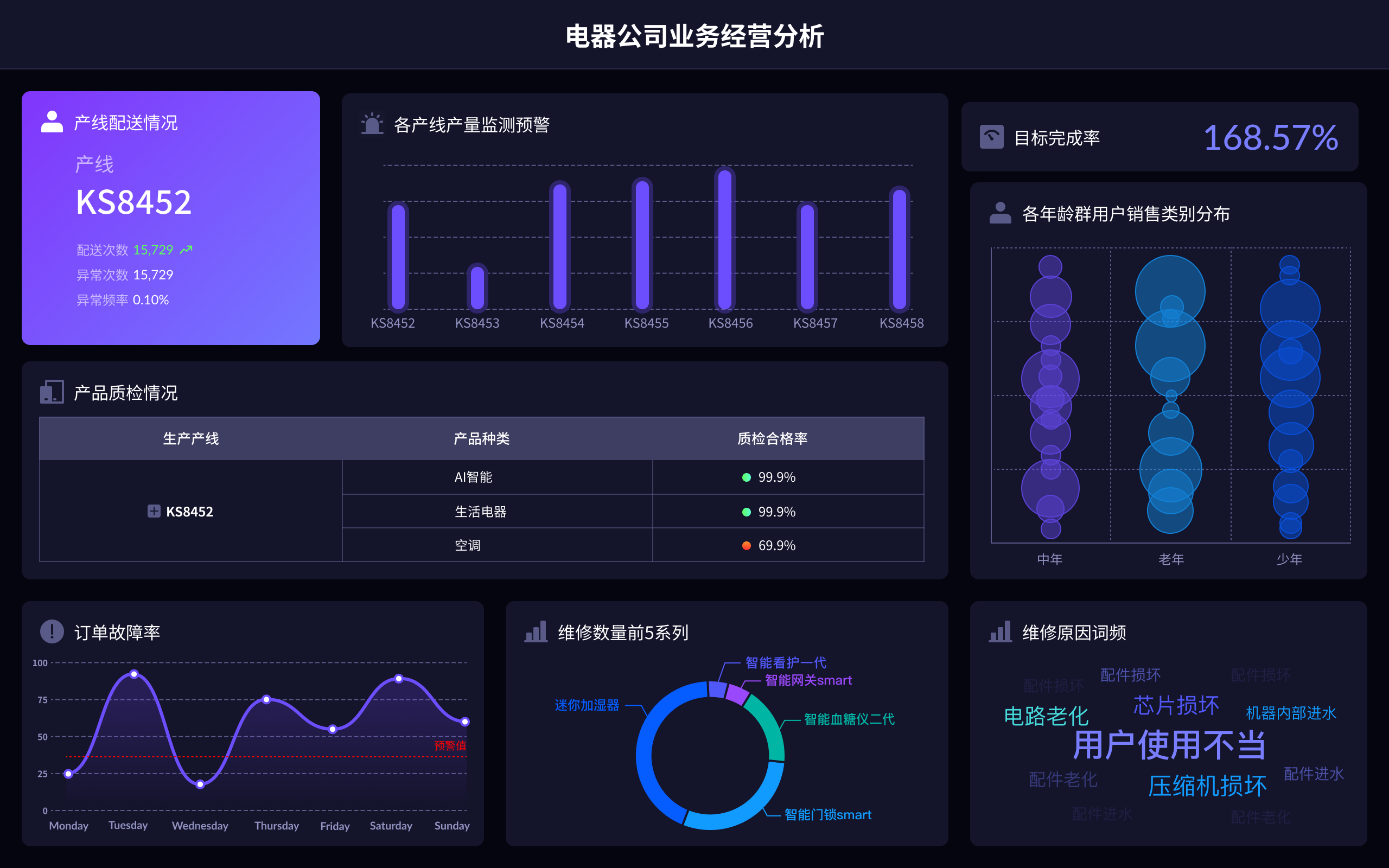
Data mining steps in English can be summarized as follows: data understanding, data preparation, modeling, evaluation, and deployment. To elaborate on one of the steps, data understanding involves collecting initial data, identifying data quality issues, discovering initial insights, and determining data relevance. This step is crucial as it sets the foundation for all subsequent steps by ensuring that the data to be analyzed is both relevant and of high quality.
I、DATA UNDERSTANDING
The first step in any data mining process is understanding the data that will be used. This involves multiple sub-steps:
-
Collect Initial Data: Gather all data that might be relevant to the analysis. This data can come from a variety of sources, including databases, spreadsheets, and even external sources like APIs or web scraping. The quality and scope of this data will determine the success of the entire data mining process.
-
Identify Data Quality Issues: Before diving into analysis, it’s essential to identify any issues with the data. This includes missing values, inconsistencies, and outliers. Data cleaning will be necessary to address these issues. Data quality directly impacts the reliability of the insights that can be drawn from the analysis.
-
Discover Initial Insights: Use exploratory data analysis (EDA) techniques to understand the basic structure and characteristics of the data. This can include summary statistics, visualizations, and initial hypothesis testing. Tools like Python’s Pandas and visualization libraries such as Matplotlib or Seaborn are invaluable at this stage.
-
Determine Data Relevance: Assess whether the data collected is relevant to the problem at hand. This involves understanding the context of the data and how it relates to the business problem being solved. Irrelevant data can lead to misleading insights and wasted effort.
II、DATA PREPARATION
Data preparation is a critical step that involves transforming raw data into a format suitable for analysis. Key activities in this step include:
-
Data Cleaning: Address any data quality issues identified in the data understanding phase. This involves handling missing values, correcting errors, and dealing with outliers. Techniques like imputation for missing values, and normalization for scaling data are commonly used.
-
Data Integration: Combine data from different sources. This can involve merging datasets, joining tables, or integrating external data sources. Ensuring that the data is consistent and correctly aligned is essential for accurate analysis.
-
Data Transformation: Transform data into a suitable format for modeling. This can include feature engineering, where new features are created from existing data, and data normalization or scaling to standardize the data.
-
Data Reduction: Simplify the dataset without losing significant information. Techniques like principal component analysis (PCA) or feature selection methods can be used to reduce the number of variables while retaining the most important information.
III、MODELING
Modeling involves selecting and applying appropriate algorithms to analyze the data and build predictive models. Steps in this phase include:
-
Select Modeling Techniques: Choose the appropriate algorithms for the problem. This can include classification algorithms like decision trees or logistic regression, clustering algorithms like k-means, or association rule learning algorithms like Apriori.
-
Generate Test Design: Plan how the model will be validated. This involves splitting the data into training and testing sets, and possibly cross-validation to ensure the model’s robustness.
-
Build Models: Apply the selected algorithms to the training data to build the models. This involves training the model, tuning hyperparameters, and iterating to improve performance.
-
Assess Models: Evaluate the models using the test data. Metrics like accuracy, precision, recall, F1 score, and ROC-AUC are commonly used to assess the performance of classification models. For regression models, metrics like RMSE (Root Mean Squared Error) or MAE (Mean Absolute Error) are used.
IV、EVALUATION
Evaluation is the process of assessing the effectiveness and accuracy of the models built. This step ensures that the models meet the business objectives and are reliable:
-
Review Model Results: Compare the performance of different models and select the best one based on the evaluation metrics. It's essential to ensure that the chosen model generalizes well to new data.
-
Validate with Business Objectives: Ensure that the model’s predictions align with the business objectives. This involves working closely with stakeholders to understand the practical implications of the model’s predictions.
-
Perform Cross-validation: Use cross-validation techniques to further ensure that the model is not overfitting and performs well on unseen data. Techniques like k-fold cross-validation are commonly used.
-
Refine Model: Based on the evaluation results, refine the model by adjusting parameters, adding new features, or trying different algorithms to improve performance.
V、DEPLOYMENT
Deployment involves putting the model into production so that it can be used to make decisions or predictions in real-time. Steps in this phase include:
-
Plan Deployment: Develop a deployment plan that outlines how the model will be integrated into existing systems. This involves understanding the technical requirements and ensuring that the necessary infrastructure is in place.
-
Implement Model: Deploy the model in the production environment. This can involve creating APIs, integrating with existing software, or setting up automated pipelines for real-time predictions.
-
Monitor and Maintain: Continuously monitor the model’s performance in production. This involves tracking key metrics, detecting drifts in data distribution, and retraining the model as necessary to maintain accuracy.
-
Update Model: Regularly update the model based on new data and feedback. The model may need to be retrained or refined to adapt to changing conditions and ensure ongoing accuracy.
By following these detailed steps, organizations can effectively utilize data mining to extract valuable insights and make informed decisions. The process is iterative, often requiring multiple cycles of refinement and validation to achieve the best results.
相关问答FAQs:
What are the main steps involved in the data mining process?
Data mining involves a systematic approach to discovering patterns and extracting useful information from large datasets. The main steps in the data mining process typically include:
-
Problem Definition: This initial step focuses on understanding the business problem or objective that needs to be addressed. It involves identifying the goals of the data mining project and determining what insights or predictions are required.
-
Data Collection: After defining the problem, the next step involves gathering relevant data. This data can come from various sources, including databases, data warehouses, web scraping, or data generated from sensors and devices.
-
Data Preprocessing: Raw data often contains noise, missing values, and inconsistencies. Preprocessing involves cleaning the data to ensure quality. This can include removing duplicates, handling missing values, and normalizing data formats.
-
Data Exploration: In this stage, analysts explore the cleaned data using statistical and visualization techniques. This helps in understanding the data's structure, distribution, and relationships among variables, which can guide the selection of appropriate mining techniques.
-
Modeling: After exploring the data, the next step involves selecting and applying various data mining techniques to build models. This could involve classification, regression, clustering, or association rule mining, depending on the project goals.
-
Evaluation: Once models are built, they need to be evaluated for their accuracy and effectiveness. This involves using metrics such as precision, recall, F1 score, or ROC-AUC, and may require revisiting earlier steps to fine-tune models.
-
Deployment: If the model meets the desired performance standards, it can then be deployed into production. This step involves integrating the model into existing systems or processes where it can provide real-time insights or predictions.
-
Monitoring and Maintenance: After deployment, continuous monitoring is essential to ensure the model remains accurate and relevant over time. This step also involves updating the model with new data and re-evaluating its performance as needed.
How can I ensure data quality during the data mining process?
Ensuring data quality is crucial for the success of any data mining project. Here are several strategies to maintain high data quality throughout the process:
-
Data Cleaning: Implementing thorough data cleaning procedures helps eliminate inaccuracies. This can include removing outliers, filling in missing values, and correcting errors in data entry.
-
Validation Rules: Establishing validation rules during data entry can prevent erroneous data from being captured. This can involve constraints, such as format checks or range checks, to ensure data integrity.
-
Automated Tools: Utilizing automated data quality tools can significantly enhance the cleaning process. These tools can identify inconsistencies and anomalies in large datasets quickly.
-
Regular Audits: Conducting regular data audits helps identify quality issues early. Audits can evaluate data against predefined standards and benchmarks, ensuring ongoing compliance with quality expectations.
-
Training and Guidelines: Providing training for data entry personnel and establishing clear guidelines can reduce the incidence of errors. Ensuring that everyone involved understands the importance of data quality is vital.
-
Feedback Loops: Creating feedback loops where data users can report quality issues helps to continuously improve the dataset. This collaborative approach encourages users to take ownership of data quality.
-
Data Governance: Establishing a data governance framework ensures that there are policies and procedures in place for managing data quality. This includes assigning roles and responsibilities for data management and quality assurance.
What are some common data mining techniques used in practice?
Data mining encompasses a variety of techniques tailored to uncover patterns and insights from data. Here are some of the most common techniques utilized in practice:
-
Classification: This technique involves assigning items in a dataset to target categories or classes. Algorithms such as decision trees, random forests, and support vector machines are commonly used for classification tasks. Applications include spam detection in emails and credit scoring in finance.
-
Regression: Regression analysis is used to predict a continuous outcome variable based on one or more predictor variables. Techniques like linear regression, polynomial regression, and regression trees allow analysts to forecast sales, prices, or trends based on historical data.
-
Clustering: Clustering techniques group similar data points together based on characteristics. Common algorithms include K-means, hierarchical clustering, and DBSCAN. Clustering is widely used in market segmentation and customer profiling.
-
Association Rule Learning: This technique identifies interesting relationships between variables in large datasets. A well-known example is market basket analysis, where businesses can discover products frequently purchased together, allowing for targeted promotions.
-
Anomaly Detection: Anomaly detection focuses on identifying unusual data points that deviate significantly from the norm. This technique is crucial in fraud detection, network security, and fault detection in manufacturing systems.
-
Time Series Analysis: This technique analyzes data points collected or recorded at specific time intervals. It is used for forecasting future values based on historical trends, such as predicting stock prices or sales figures.
-
Text Mining: Text mining involves extracting meaningful information from unstructured text data. Techniques such as natural language processing (NLP) and sentiment analysis are used to analyze customer feedback, reviews, and social media posts.
By understanding these techniques and their applications, organizations can effectively leverage data mining to gain insights and drive informed decision-making.
本文内容通过AI工具匹配关键字智能整合而成,仅供参考,帆软不对内容的真实、准确或完整作任何形式的承诺。具体产品功能请以帆软官方帮助文档为准,或联系您的对接销售进行咨询。如有其他问题,您可以通过联系blog@fanruan.com进行反馈,帆软收到您的反馈后将及时答复和处理。