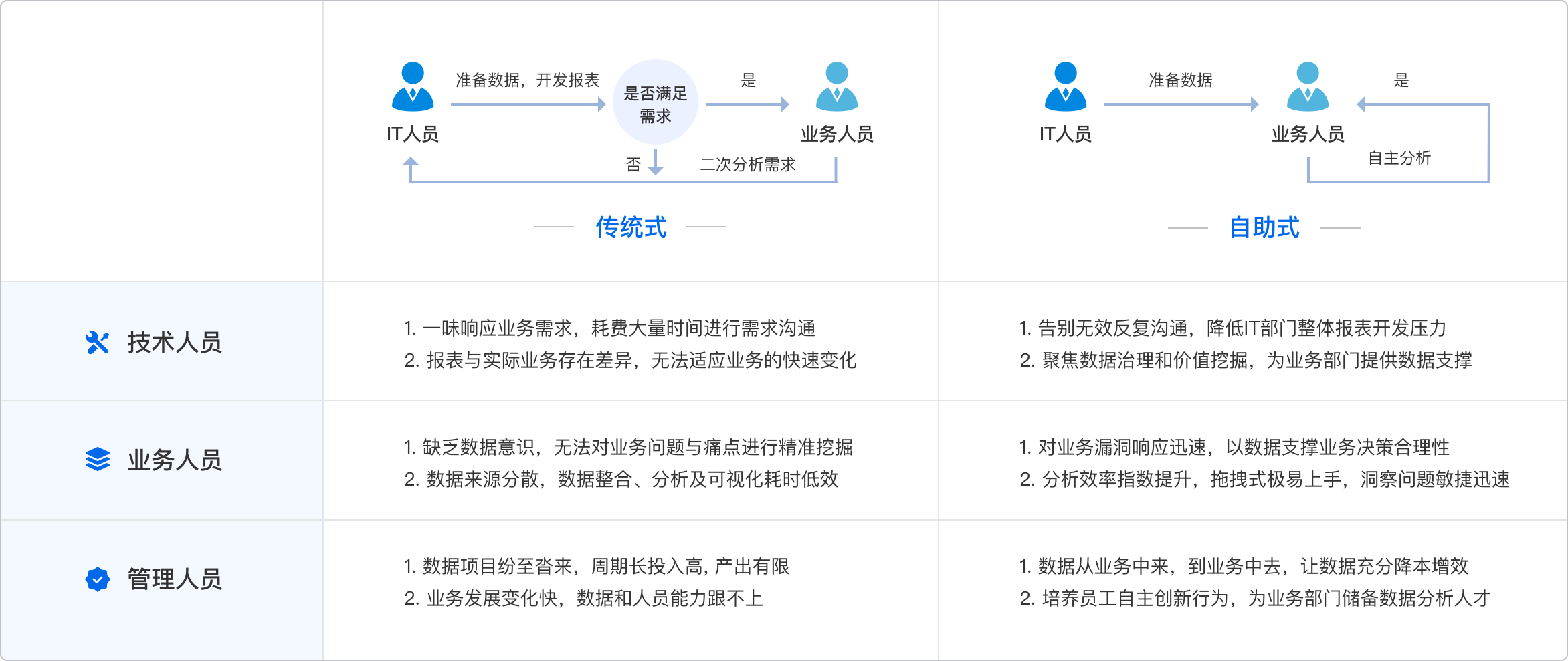
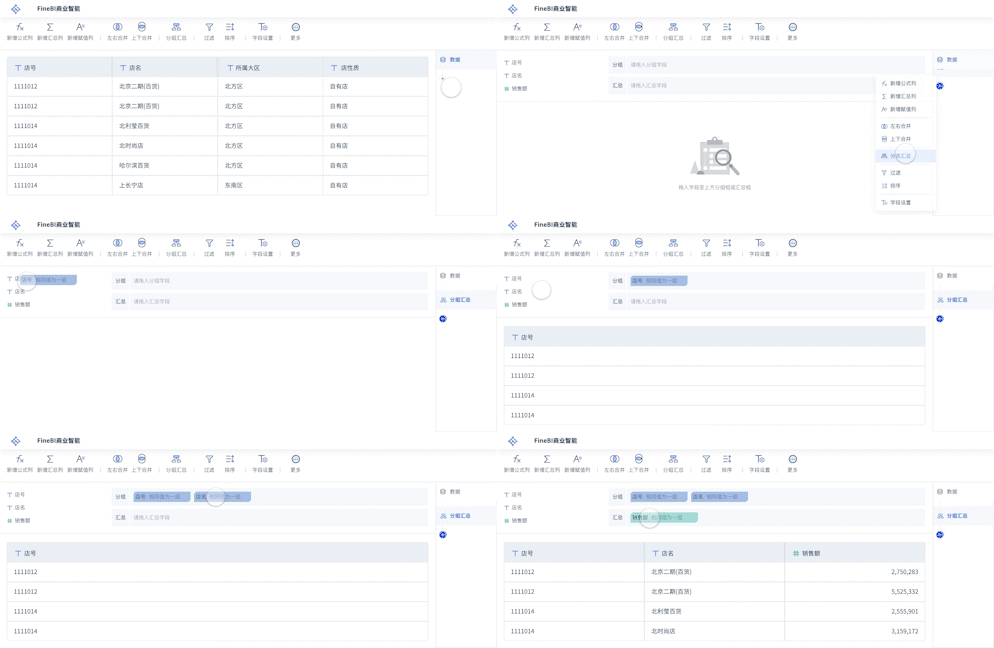
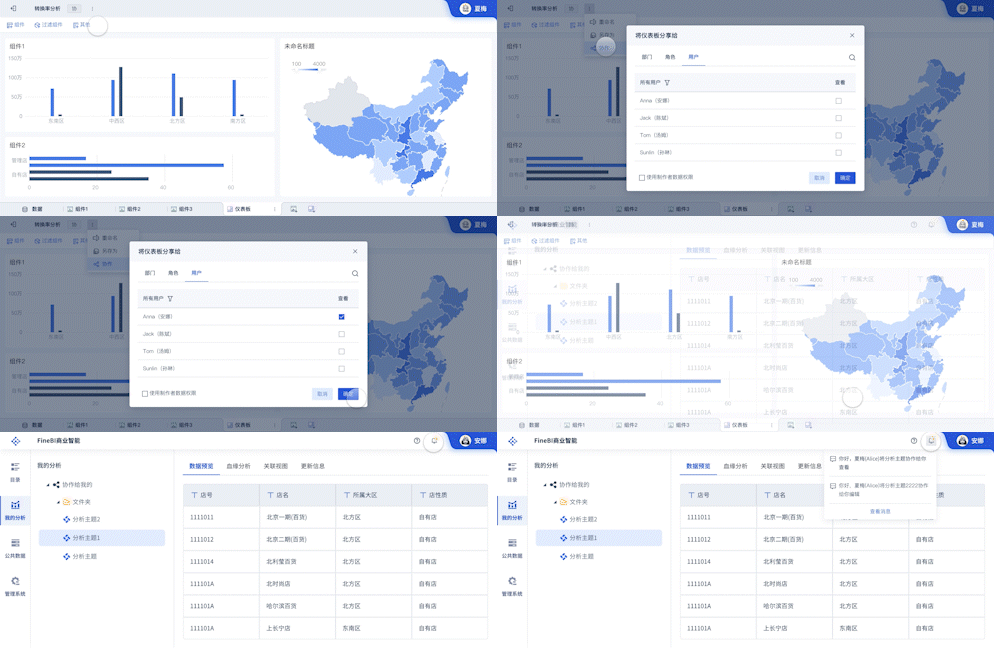
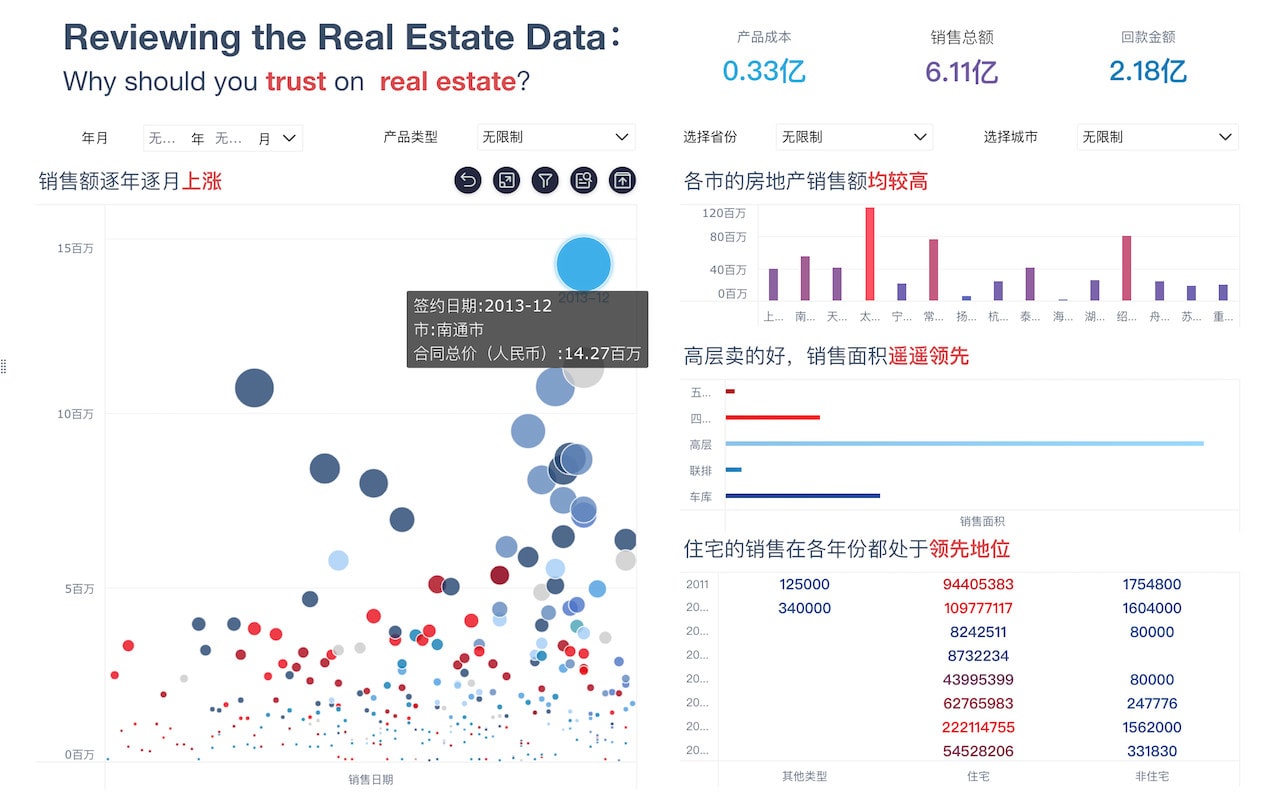
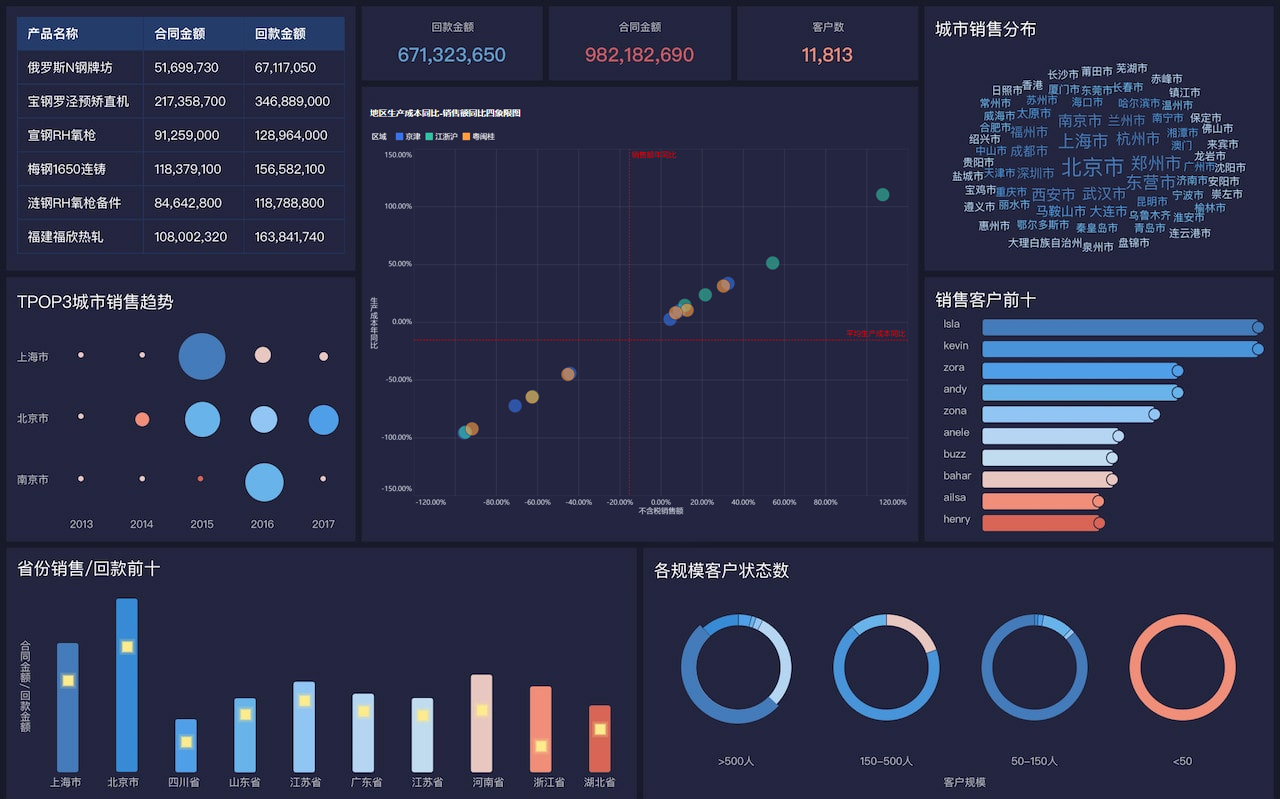
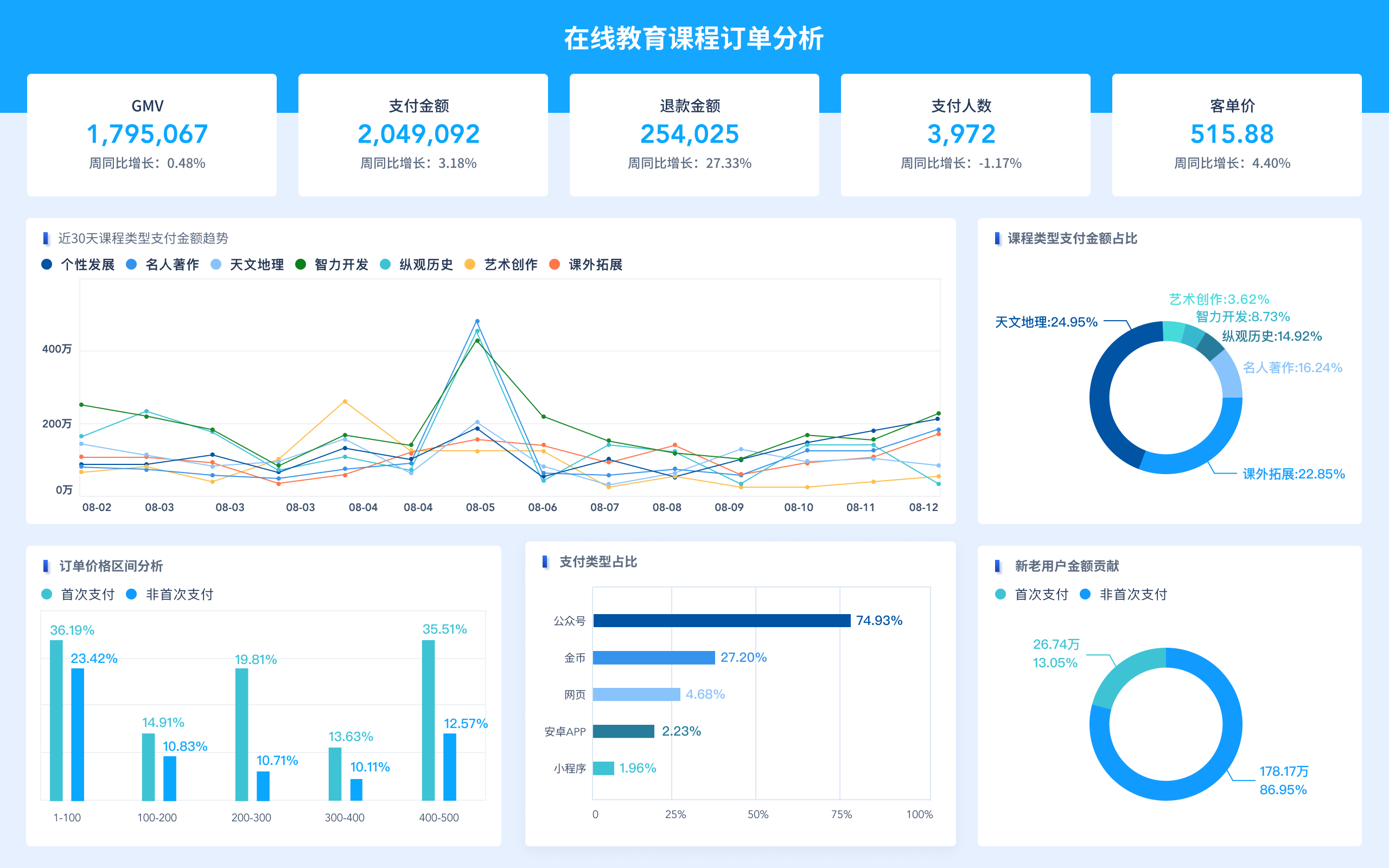
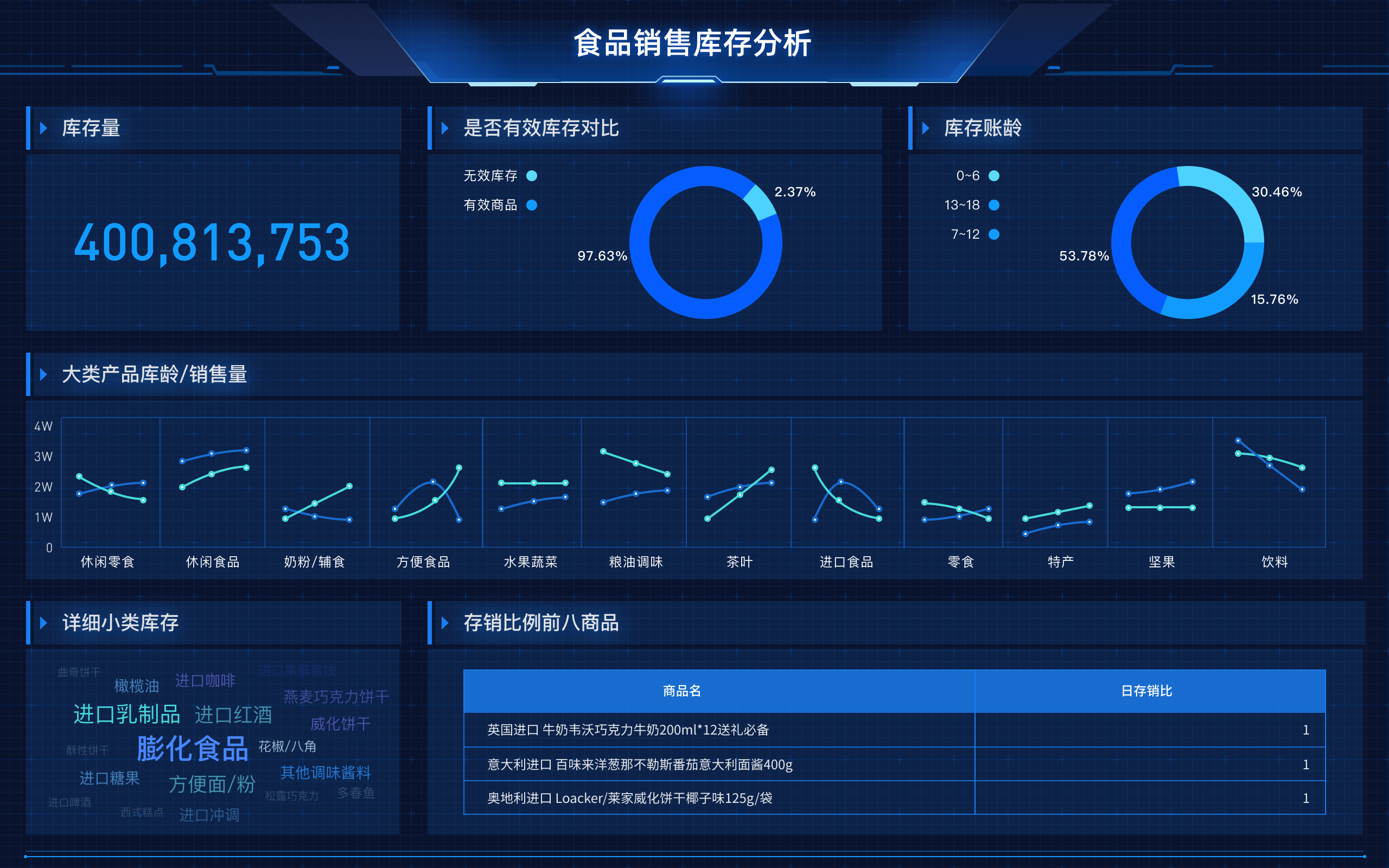
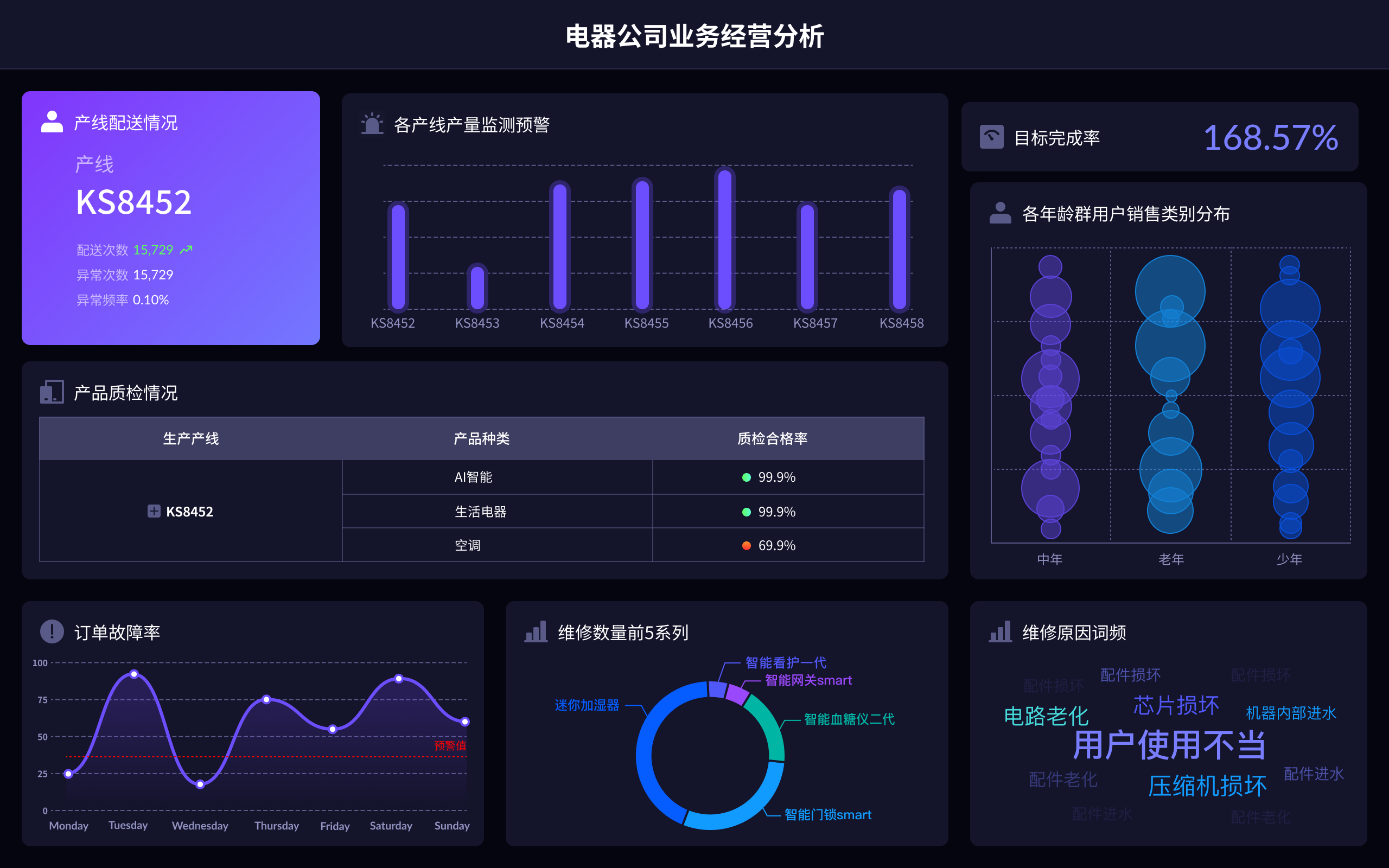
Database mining, also known as data mining, offers numerous advantages including improved decision-making, cost reduction, enhanced customer insights, and fraud detection. Improved decision-making is particularly crucial as it allows businesses to analyze vast amounts of data to uncover patterns and trends that would be difficult to detect manually. For instance, in the retail industry, data mining can help identify which products are frequently bought together, allowing retailers to optimize inventory management and marketing strategies. By leveraging these insights, companies can make more informed decisions that lead to increased efficiency, better customer satisfaction, and higher profitability.
I、IMPROVED DECISION-MAKING
Database mining significantly enhances decision-making processes by providing actionable insights derived from large datasets. Organizations can identify trends, patterns, and correlations that are not immediately obvious, thus enabling more strategic planning and execution. For example, in the healthcare industry, data mining can help in predicting patient outcomes based on historical data, which can lead to better treatment plans and resource allocation. By utilizing advanced algorithms and statistical models, companies can transform raw data into valuable information that supports their strategic goals.
Moreover, data mining tools can automate the analysis process, making it faster and more accurate than traditional methods. This automation allows for real-time decision-making, which is critical in dynamic and competitive markets. For instance, financial institutions use data mining to assess credit risks and detect fraudulent activities, ensuring timely and effective responses. The ability to quickly interpret and act on data insights can be a game-changer for businesses looking to stay ahead of the curve.
II、COST REDUCTION
Another significant benefit of database mining is cost reduction. By identifying inefficiencies and areas for improvement, companies can streamline operations and reduce expenses. For instance, in manufacturing, data mining can be used to predict equipment failures before they occur, allowing for preventive maintenance that minimizes downtime and repair costs. Similarly, in the supply chain, data mining can optimize logistics and inventory management, reducing overhead and improving delivery times.
Cost reduction through data mining also extends to marketing and customer acquisition. By analyzing customer data, businesses can identify high-value prospects and tailor their marketing efforts accordingly, thus reducing the cost per acquisition. For example, targeted marketing campaigns based on consumer behavior and preferences are more likely to yield higher conversion rates, making the marketing spend more efficient. Additionally, data mining can help in identifying fraudulent activities, thereby saving costs associated with fraud detection and prevention.
III、ENHANCED CUSTOMER INSIGHTS
Database mining offers profound insights into customer behavior and preferences, which can be leveraged to improve customer satisfaction and loyalty. By analyzing data from various touchpoints, businesses can develop a comprehensive understanding of their customers, allowing for personalized experiences and targeted marketing. For example, e-commerce platforms use data mining to recommend products based on past purchases and browsing history, thereby enhancing the shopping experience and increasing sales.
Customer segmentation is another area where data mining proves invaluable. By categorizing customers into different segments based on their behavior, demographics, and preferences, companies can tailor their products and services to meet the specific needs of each group. This targeted approach not only improves customer satisfaction but also increases the likelihood of repeat business and customer retention. Furthermore, data mining can help in identifying emerging trends and shifts in customer preferences, enabling businesses to adapt quickly and stay relevant in a constantly evolving market.
IV、FRAUD DETECTION
Fraud detection is a critical application of database mining, particularly for financial institutions and e-commerce platforms. By analyzing transaction data and identifying unusual patterns, businesses can detect and prevent fraudulent activities before they cause significant damage. For example, credit card companies use data mining algorithms to monitor transactions in real-time and flag suspicious activities for further investigation.
Machine learning models and predictive analytics play a crucial role in enhancing the accuracy and efficiency of fraud detection systems. By continuously learning from new data, these models can adapt to evolving fraud tactics and improve their detection capabilities over time. Additionally, data mining can help in identifying vulnerabilities and potential attack vectors, enabling businesses to strengthen their security measures proactively.
Fraud detection through data mining is not limited to financial transactions. It can also be applied in other areas such as insurance claims, healthcare billing, and online reviews, where fraudulent activities can have significant financial and reputational impacts. By leveraging data mining techniques, organizations can protect themselves and their customers from fraud, ensuring a safer and more trustworthy environment.
V、MARKET ANALYSIS AND COMPETITIVE ADVANTAGE
Database mining provides businesses with the tools needed for comprehensive market analysis and competitive intelligence. By analyzing market trends, customer preferences, and competitor activities, companies can identify opportunities and threats, allowing them to make informed strategic decisions. For instance, in the retail industry, data mining can help identify emerging trends in consumer behavior, enabling retailers to stock the right products and capitalize on market demand.
Competitive analysis is another crucial aspect where data mining proves beneficial. By monitoring competitors' activities, pricing strategies, and market positioning, businesses can gain insights into their strengths and weaknesses. This information can be used to develop competitive strategies that differentiate the company from its rivals and capture a larger market share. Additionally, data mining can help in identifying gaps in the market, allowing businesses to innovate and offer unique products or services that meet unaddressed needs.
Market analysis through data mining also extends to customer feedback and sentiment analysis. By analyzing reviews, social media posts, and other forms of customer feedback, businesses can gauge public perception and identify areas for improvement. This real-time feedback loop allows for continuous improvement and adaptation, ensuring that the company remains competitive and relevant in the market.
VI、IMPROVED OPERATIONAL EFFICIENCY
Database mining plays a pivotal role in enhancing operational efficiency across various industries. By analyzing operational data, companies can identify bottlenecks, optimize processes, and improve resource allocation. For example, in the manufacturing sector, data mining can help in optimizing production schedules, reducing waste, and improving quality control. By leveraging data insights, companies can streamline their operations and achieve higher levels of efficiency and productivity.
In the logistics and supply chain industry, data mining can optimize route planning, inventory management, and demand forecasting. By predicting demand patterns and optimizing stock levels, businesses can reduce inventory costs and improve delivery times. Additionally, data mining can help in identifying and mitigating risks in the supply chain, such as supplier reliability and transportation disruptions, ensuring smooth and efficient operations.
Operational efficiency through data mining is not limited to large enterprises. Small and medium-sized businesses can also benefit from data-driven insights to improve their processes and compete more effectively. By adopting data mining tools and techniques, businesses of all sizes can achieve operational excellence and drive sustainable growth.
VII、ENHANCED PRODUCT DEVELOPMENT
Data mining significantly contributes to product development by providing insights into customer needs and market trends. By analyzing customer feedback, usage patterns, and market data, businesses can develop products that better meet customer expectations and stand out in the market. For example, in the technology sector, data mining can help in identifying features that are most valued by users, allowing companies to prioritize them in their product development roadmap.
Product innovation is another area where data mining proves beneficial. By identifying emerging trends and unmet needs, businesses can develop innovative products that address these gaps and capture new market opportunities. For instance, in the pharmaceutical industry, data mining can help in identifying potential drug candidates and predicting their efficacy based on historical data, accelerating the drug development process and reducing costs.
Furthermore, data mining can help in optimizing the product lifecycle by providing insights into product performance and customer satisfaction. By continuously monitoring and analyzing product data, businesses can identify areas for improvement and make data-driven decisions to enhance product quality and customer experience. This iterative approach to product development ensures that companies stay ahead of the competition and meet the evolving needs of their customers.
VIII、BETTER RISK MANAGEMENT
Risk management is another critical area where database mining offers significant benefits. By analyzing historical data and identifying patterns, businesses can predict and mitigate risks more effectively. For example, in the financial industry, data mining can help in assessing credit risks by analyzing borrowers' financial history and behavior, enabling lenders to make informed lending decisions.
In the insurance industry, data mining can help in identifying high-risk policyholders and predicting claim probabilities, allowing insurers to adjust premiums and coverage accordingly. Additionally, data mining can help in detecting fraudulent claims, reducing the financial impact of fraud on the business.
Risk management through data mining also extends to operational and strategic risks. By analyzing data from various sources, businesses can identify potential risks and develop mitigation strategies proactively. For instance, in the supply chain, data mining can help in identifying supplier risks and developing contingency plans to ensure business continuity. By leveraging data-driven insights, businesses can enhance their risk management capabilities and achieve greater resilience in the face of uncertainties.
IX、IMPROVED CUSTOMER RETENTION
Customer retention is crucial for the long-term success of any business, and data mining plays a vital role in enhancing customer loyalty. By analyzing customer behavior and preferences, businesses can develop targeted retention strategies that keep customers engaged and satisfied. For example, loyalty programs can be tailored based on customer purchase history and preferences, offering personalized rewards and incentives that encourage repeat business.
Churn prediction is another area where data mining proves invaluable. By analyzing customer data, businesses can identify early warning signs of churn and take proactive measures to retain at-risk customers. For instance, telecom companies use data mining to predict customer churn based on usage patterns and service interactions, allowing them to offer targeted promotions and interventions to retain customers.
Furthermore, data mining can help in improving customer service by providing insights into common issues and pain points. By addressing these issues proactively, businesses can enhance customer satisfaction and loyalty. Additionally, data mining can help in identifying opportunities for upselling and cross-selling, increasing customer lifetime value and driving revenue growth.
X、STRATEGIC PLANNING AND FORECASTING
Strategic planning and forecasting are essential for business growth and sustainability, and database mining provides the tools needed for accurate and reliable predictions. By analyzing historical data and identifying trends, businesses can develop data-driven strategies that align with their long-term goals. For example, in the retail industry, data mining can help in forecasting sales trends and inventory needs, allowing for better planning and resource allocation.
Scenario analysis is another area where data mining proves beneficial. By simulating different scenarios based on historical data, businesses can assess the potential impact of various strategies and make informed decisions. For instance, in the energy sector, data mining can help in forecasting energy demand and supply, enabling companies to develop strategies that ensure a stable and sustainable energy supply.
Strategic planning through data mining also extends to workforce management and capacity planning. By analyzing workforce data, businesses can identify skill gaps and develop training programs to address them, ensuring that they have the right talent to achieve their strategic objectives. Additionally, data mining can help in optimizing resource allocation and project management, ensuring that projects are completed on time and within budget.
XI、INNOVATION AND COMPETITIVE EDGE
Innovation is a key driver of competitive advantage, and data mining plays a crucial role in fostering innovation. By identifying emerging trends and opportunities, businesses can develop innovative products and services that differentiate them from their competitors. For example, in the technology sector, data mining can help in identifying new applications for existing technologies, leading to the development of groundbreaking products.
Furthermore, data mining can help in optimizing research and development efforts by providing insights into the most promising areas for innovation. By analyzing data from various sources, businesses can identify gaps in the market and develop solutions that address these needs. For instance, in the pharmaceutical industry, data mining can help in identifying potential drug targets and predicting their efficacy, accelerating the drug discovery process and reducing costs.
Innovation through data mining also extends to business processes and models. By analyzing operational data, businesses can identify inefficiencies and develop innovative solutions to streamline processes and improve performance. Additionally, data mining can help in identifying new business models and revenue streams, driving growth and sustainability.
XII、CUSTOMER EXPERIENCE AND SATISFACTION
Enhancing customer experience and satisfaction is a top priority for businesses, and data mining plays a vital role in achieving this goal. By analyzing customer data, businesses can develop personalized experiences that meet the unique needs and preferences of each customer. For example, in the hospitality industry, data mining can help in personalizing guest experiences based on their preferences and past interactions, leading to higher satisfaction and loyalty.
Sentiment analysis is another area where data mining proves beneficial. By analyzing customer feedback and reviews, businesses can gauge public sentiment and identify areas for improvement. This real-time feedback loop allows for continuous improvement and adaptation, ensuring that the company remains responsive to customer needs and expectations.
Furthermore, data mining can help in improving customer support by providing insights into common issues and pain points. By addressing these issues proactively, businesses can enhance the overall customer experience and reduce the likelihood of negative reviews and complaints. Additionally, data mining can help in identifying opportunities for upselling and cross-selling, increasing customer lifetime value and driving revenue growth.
In conclusion, database mining offers numerous advantages that can significantly enhance various aspects of a business, from decision-making and cost reduction to customer insights and fraud detection. By leveraging data-driven insights, businesses can achieve greater efficiency, innovation, and competitive advantage, driving long-term growth and success.
相关问答FAQs:
What are the benefits of database mining?
Database mining, also known as data mining, offers a plethora of advantages that can significantly enhance decision-making processes across various industries. One of the most prominent benefits is the ability to uncover hidden patterns and relationships within large datasets. This capability allows businesses to make data-driven decisions, thereby increasing their efficiency and effectiveness. By analyzing customer behaviors and preferences, organizations can tailor their marketing strategies to better meet the needs of their target audience, ultimately leading to improved customer satisfaction and loyalty.
Another key benefit of database mining is the enhancement of predictive analytics. By utilizing historical data, businesses can predict future trends and behaviors, which is invaluable for strategic planning and resource allocation. For instance, in retail, data mining can help forecast inventory needs, ensuring that products are available when customers want them, thus minimizing lost sales opportunities. Furthermore, industries such as healthcare can leverage data mining to anticipate patient needs and improve service delivery, thereby enhancing overall patient care.
Cost reduction is another significant advantage associated with database mining. By identifying inefficiencies and areas for improvement within operations, organizations can streamline processes and reduce waste. This is particularly relevant in manufacturing, where data mining can reveal production bottlenecks or quality control issues, allowing for timely interventions that can save money and resources. Additionally, by honing in on the most profitable customer segments, businesses can allocate their marketing budgets more effectively, ensuring a higher return on investment.
How does database mining improve decision-making?
The process of database mining fundamentally transforms decision-making by providing actionable insights derived from comprehensive data analysis. Organizations can leverage these insights to enhance their strategic planning and operational efficiencies. By employing various data mining techniques, such as clustering, classification, and regression analysis, companies can segment their data and identify trends that may not be immediately apparent through traditional analysis.
For example, in the finance sector, database mining can help identify fraudulent activities by analyzing transaction patterns and flagging anomalies that deviate from the norm. This proactive approach not only helps in mitigating risks but also fosters a culture of informed decision-making that prioritizes security and customer trust. Similarly, in the telecommunications industry, companies can analyze call data records to identify customer churn patterns, enabling them to implement retention strategies that keep valuable customers from switching to competitors.
Moreover, the use of visualization tools in database mining allows decision-makers to see complex data in a more digestible format. Visual representations of data trends and relationships can enhance understanding and facilitate discussions among stakeholders, leading to consensus-driven decisions. This collaborative approach ensures that all perspectives are considered, ultimately resulting in more robust and well-rounded strategies.
What industries benefit most from database mining?
Numerous industries can reap significant rewards from the application of database mining techniques, with some sectors particularly standing out due to their data-rich environments. The retail industry is one of the most notable examples, where companies utilize data mining to analyze consumer purchasing patterns, optimize inventory management, and enhance personalized marketing efforts. By understanding customer preferences, retailers can create targeted promotions that resonate with their audience, driving sales and increasing customer engagement.
The healthcare industry also benefits immensely from database mining. By analyzing patient data, healthcare providers can identify trends in patient outcomes, optimize treatment plans, and even predict potential outbreaks of diseases. This data-driven approach not only improves patient care but also enhances operational efficiencies within healthcare facilities, allowing for better resource management and allocation.
The financial services sector leverages database mining to improve risk assessment and management. By analyzing historical transaction data, banks and financial institutions can identify potential fraud patterns and assess creditworthiness more accurately. This leads to better decision-making regarding loans and investments, ultimately enhancing profitability and customer satisfaction.
In the telecommunications industry, data mining plays a crucial role in customer retention strategies. By analyzing usage patterns and customer feedback, telecom companies can identify at-risk customers and implement retention strategies to prevent churn. Additionally, data mining helps optimize network performance by analyzing call data records and identifying areas that require infrastructure improvements.
Overall, the benefits of database mining span across various industries, empowering organizations to harness the power of data for improved decision-making, enhanced customer experiences, and operational efficiencies. As technology continues to evolve, the potential for database mining to drive innovation and competitive advantage remains boundless.
本文内容通过AI工具匹配关键字智能整合而成,仅供参考,帆软不对内容的真实、准确或完整作任何形式的承诺。具体产品功能请以帆软官方帮助文档为准,或联系您的对接销售进行咨询。如有其他问题,您可以通过联系blog@fanruan.com进行反馈,帆软收到您的反馈后将及时答复和处理。