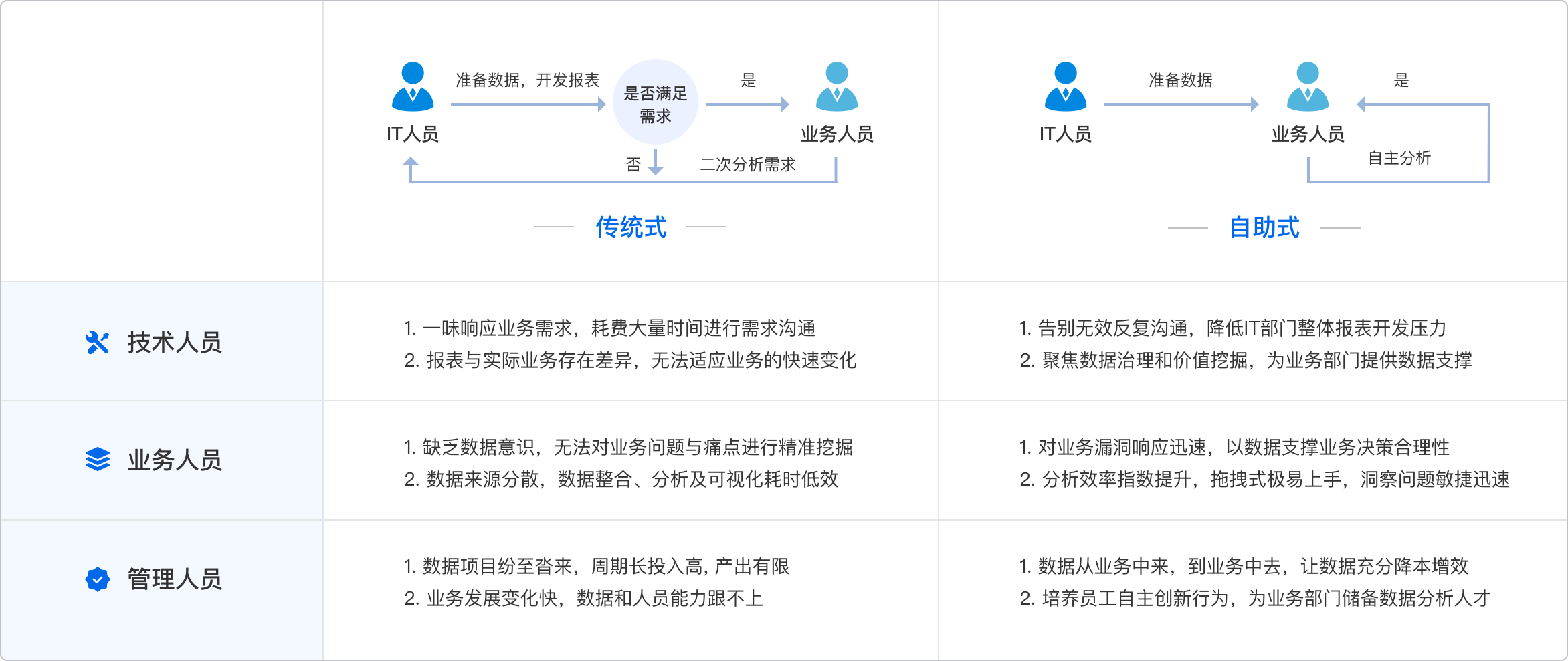
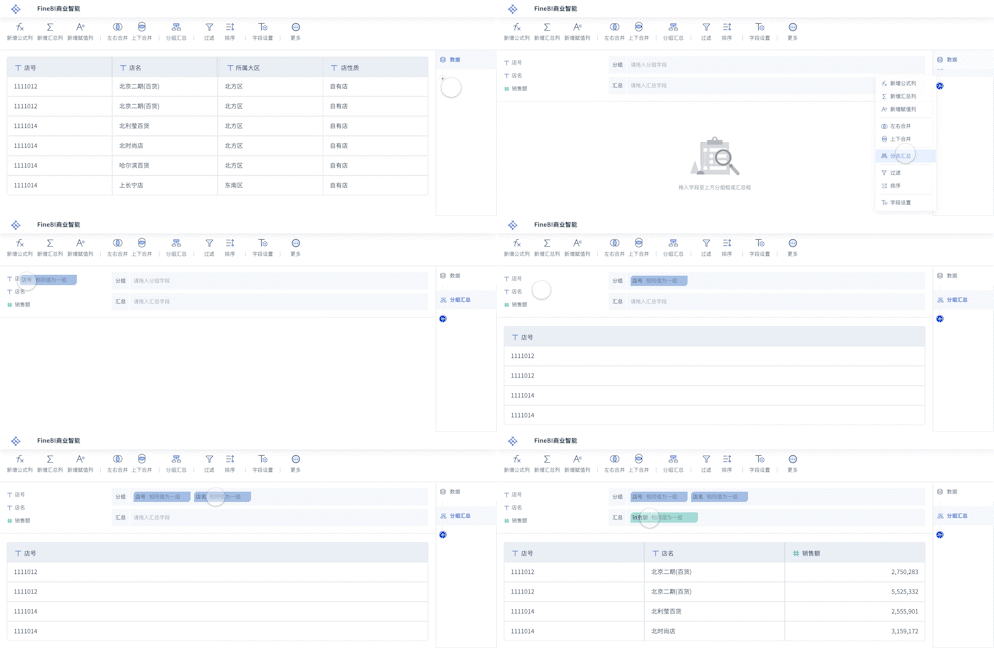
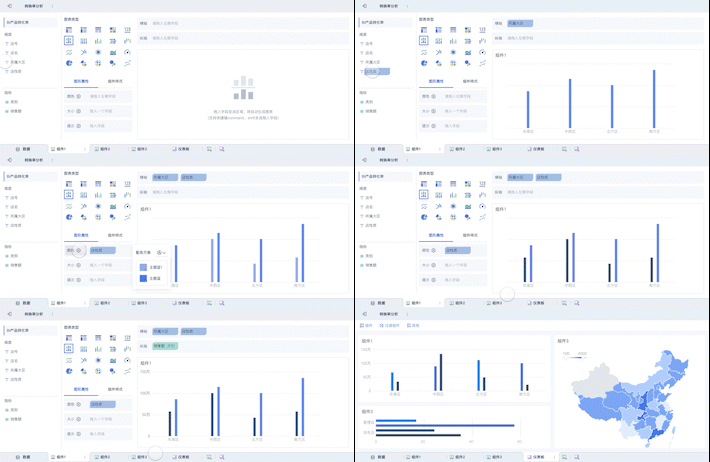
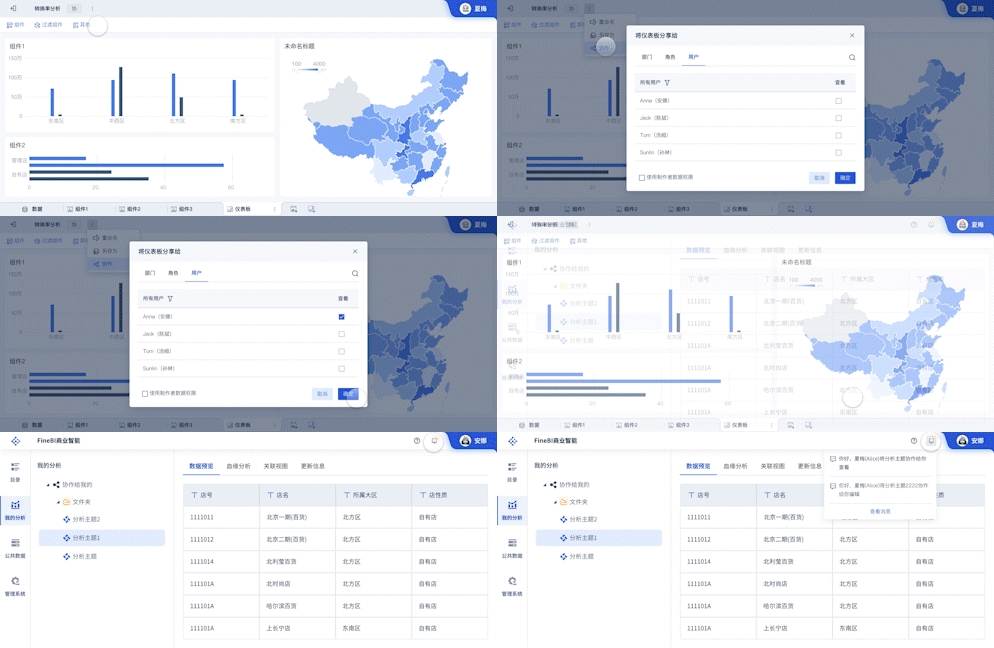
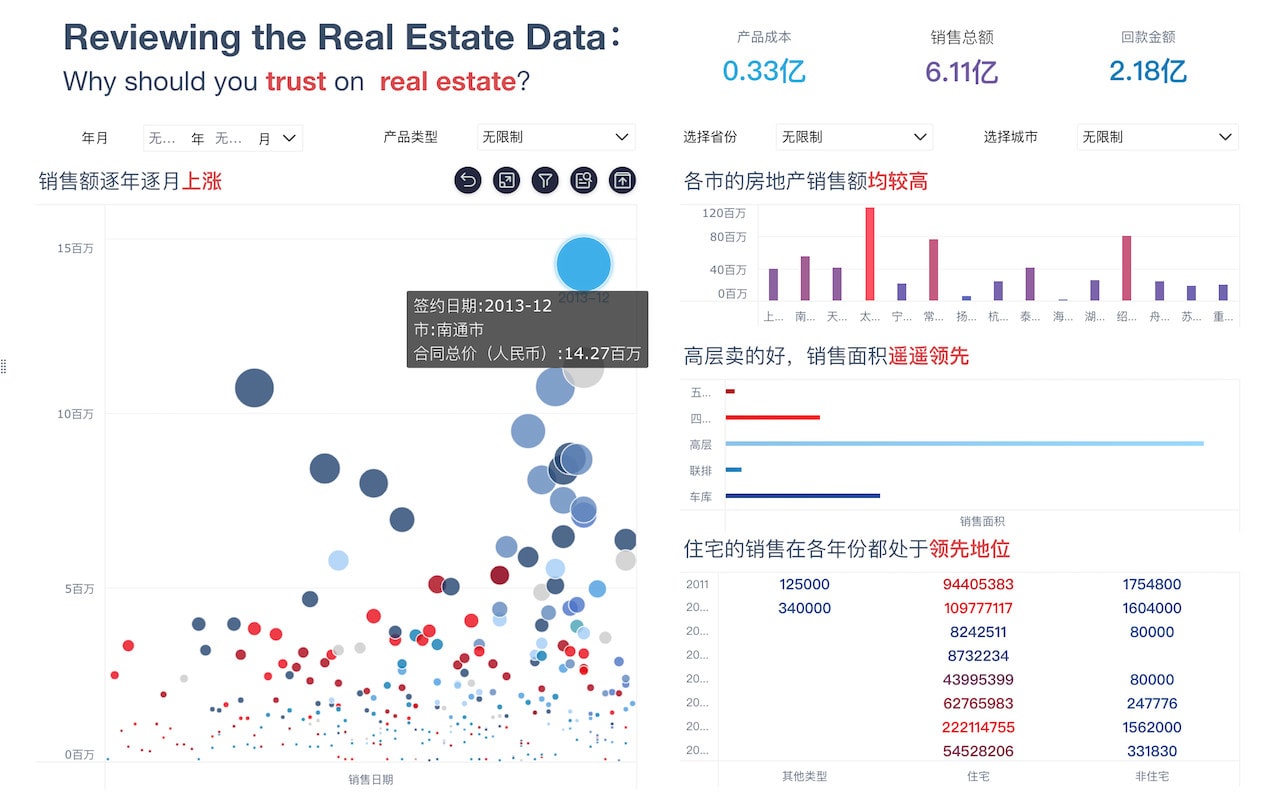
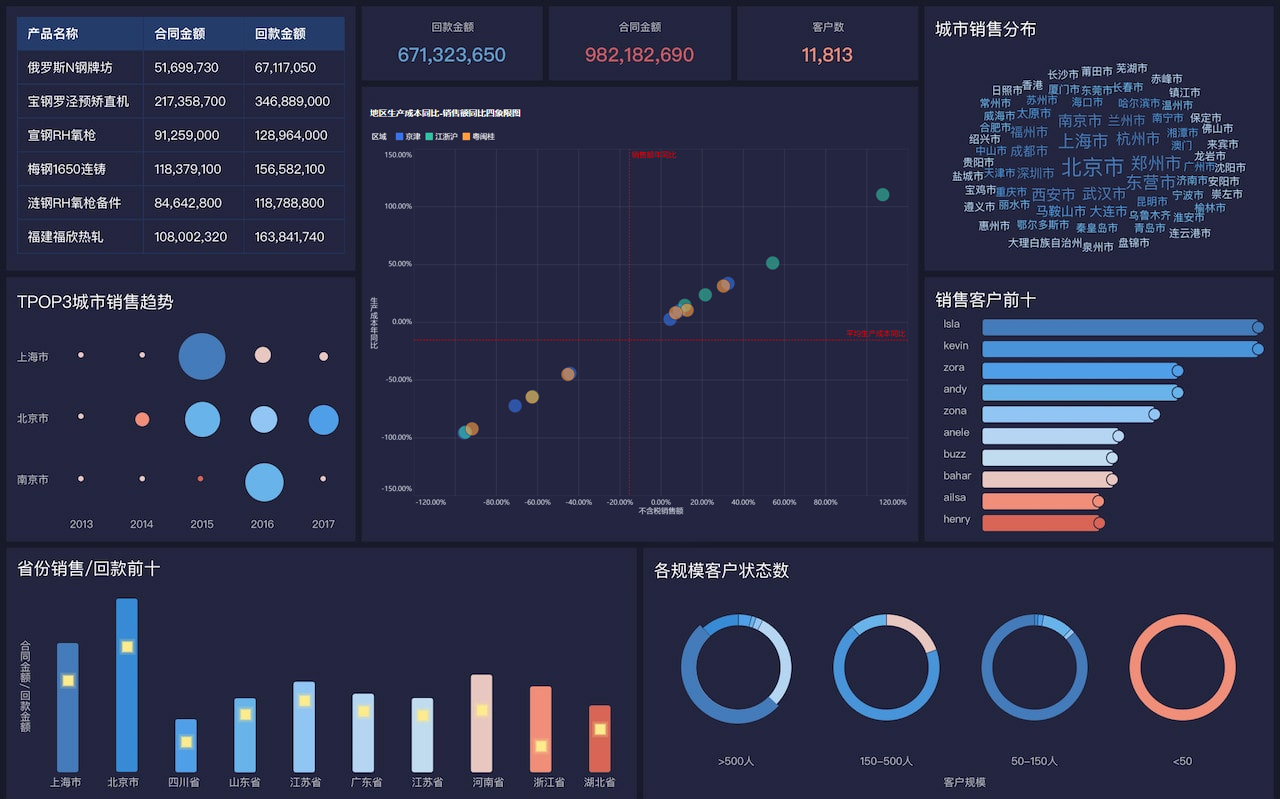
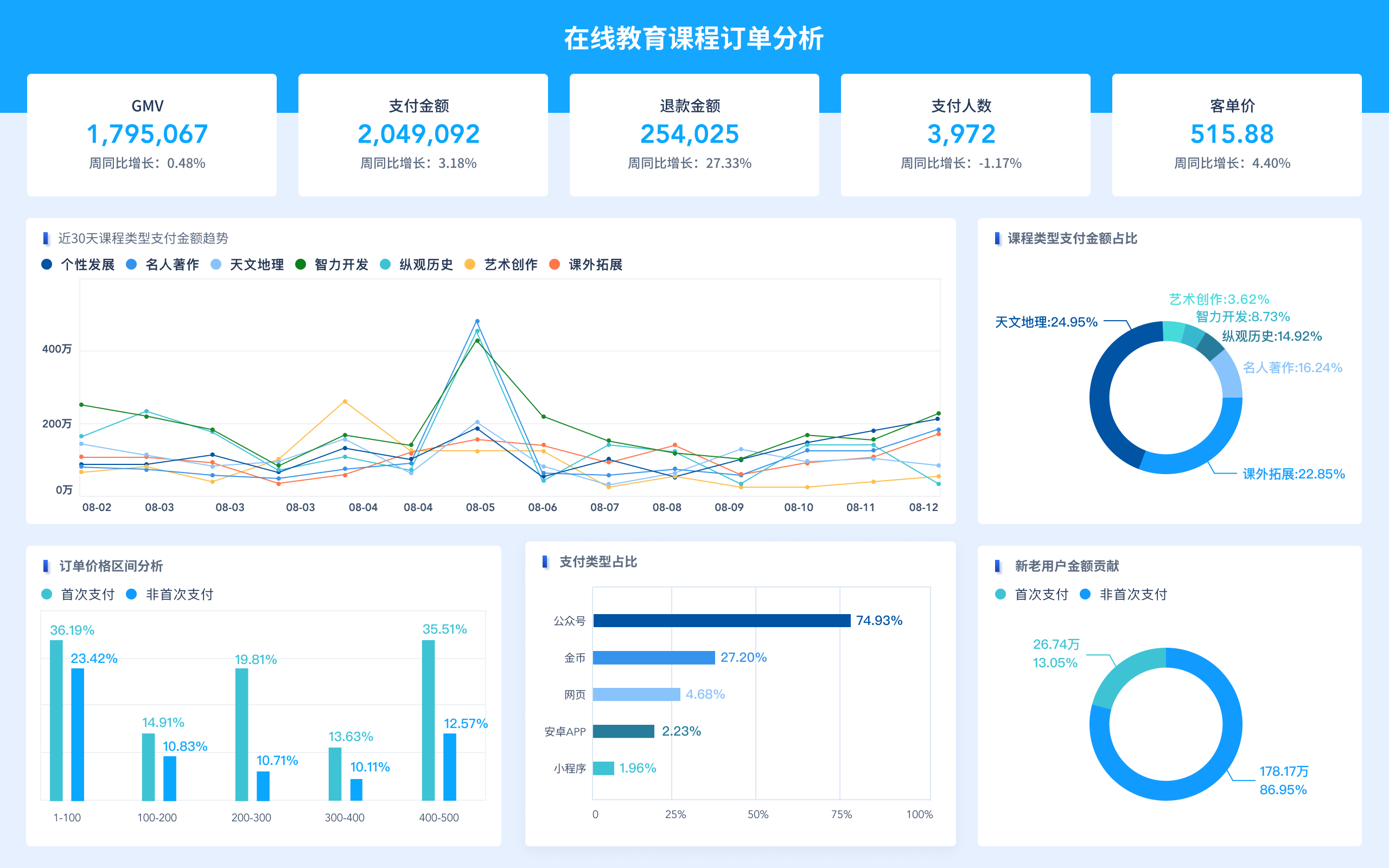
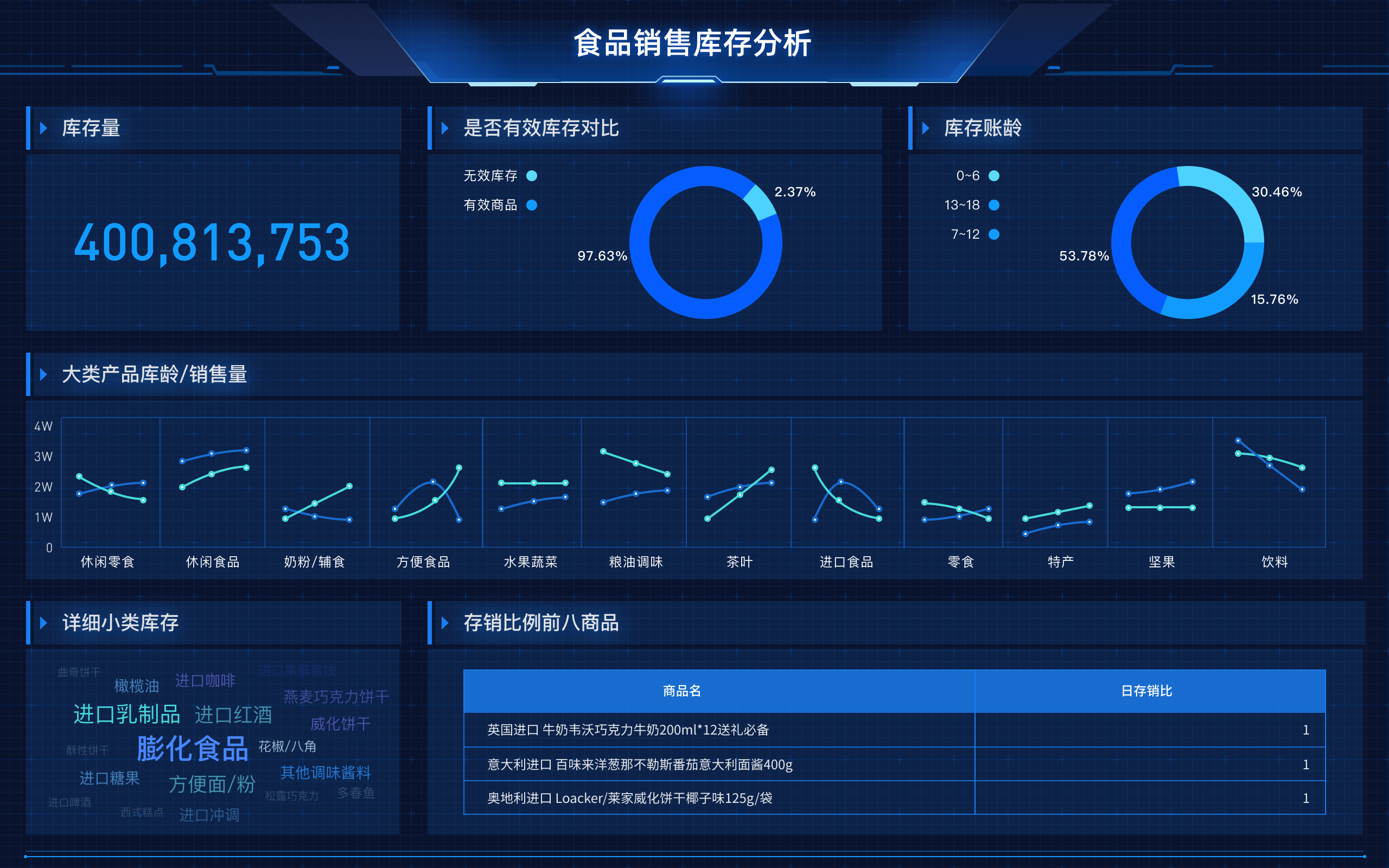
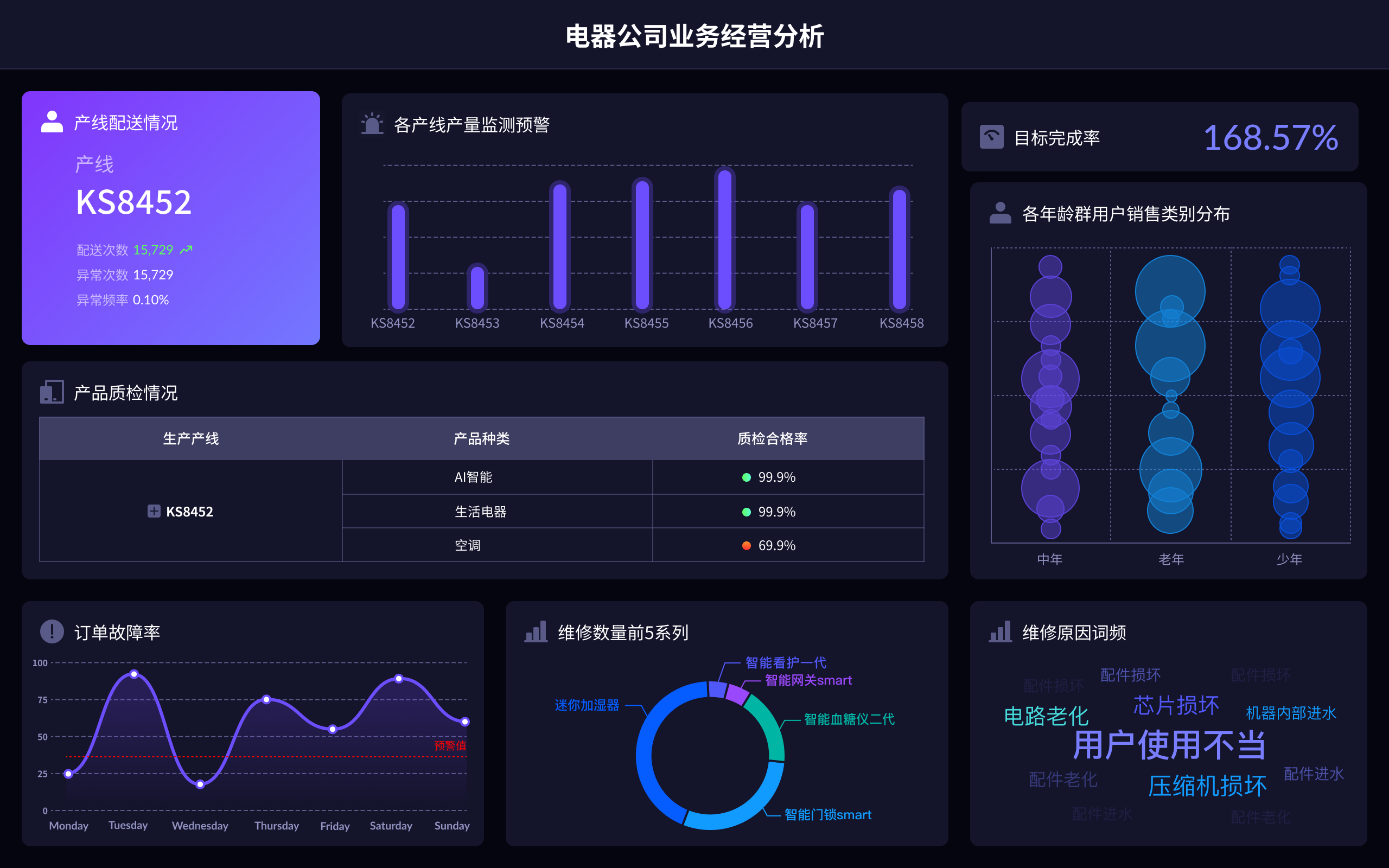
Database mining offers several benefits including improved decision-making, enhanced customer insights, fraud detection, cost reduction, and increased efficiency. Among these, improved decision-making stands out as a critical advantage. By analyzing large volumes of data, organizations can uncover hidden patterns and trends that provide actionable insights. For example, a retail business can analyze customer purchasing behaviors to optimize inventory management and forecast future sales. This data-driven approach enables businesses to make more informed decisions, reducing uncertainties and improving overall strategic planning. Enhanced customer insights allow companies to personalize marketing efforts, leading to increased customer satisfaction and loyalty. Fraud detection capabilities help in identifying unusual patterns that could indicate fraudulent activities, thus protecting the organization from potential losses. Cost reduction is achieved by identifying inefficiencies and areas for process improvement, while increased efficiency results from automating data analysis tasks, freeing up resources for other critical activities.
一、IMPROVED DECISION-MAKING
Database mining significantly enhances decision-making processes by providing comprehensive data analysis. Organizations can leverage data mining to analyze historical data and predict future trends. This predictive analysis can be applied in various sectors such as finance, healthcare, and retail. For instance, in the financial sector, data mining can predict stock market trends and assist in investment decisions. In healthcare, it can forecast disease outbreaks and improve patient care management. Retailers can use data mining to understand customer buying patterns and optimize inventory. The ability to make data-driven decisions reduces risks and uncertainties, leading to more strategic and effective business operations. Moreover, real-time data analysis allows organizations to respond swiftly to market changes, ensuring they remain competitive and agile.
二、ENHANCED CUSTOMER INSIGHTS
Understanding customer behavior is crucial for any business aiming to succeed in a competitive market. Database mining provides deep insights into customer preferences, buying habits, and demographic information. By segmenting customers based on their behavior, businesses can create personalized marketing campaigns that resonate with specific target audiences. For example, an e-commerce platform can use data mining to recommend products based on a customer's previous purchases and browsing history. This level of personalization not only enhances the customer experience but also drives sales and customer loyalty. Additionally, businesses can identify potential customer needs and preferences, enabling them to develop new products or services that meet market demand. Enhanced customer insights also help in identifying and addressing customer pain points, improving overall customer satisfaction.
三、FRAUD DETECTION
Fraud is a significant concern for many organizations, especially those in the financial and retail sectors. Database mining plays a crucial role in fraud detection by identifying unusual patterns and anomalies in data. For instance, credit card companies use data mining techniques to monitor transaction patterns and detect fraudulent activities in real-time. By analyzing vast amounts of transaction data, these companies can identify patterns that deviate from normal behavior, such as multiple transactions in different locations within a short period. This allows for immediate action to prevent fraud. Furthermore, data mining can help in developing sophisticated fraud detection models that evolve with new fraud tactics, ensuring continuous protection. Organizations can also use these insights to strengthen their security measures and reduce the risk of future fraud incidents.
四、COST REDUCTION
Reducing operational costs is a primary goal for many businesses, and database mining can significantly contribute to this objective. By analyzing data, organizations can identify inefficiencies and areas where resources are being wasted. For example, a manufacturing company can use data mining to optimize its supply chain, reducing excess inventory and minimizing production delays. In the healthcare sector, data mining can streamline administrative processes, reducing paperwork and improving patient care efficiency. Additionally, businesses can use data mining to monitor energy consumption and implement measures to reduce utility costs. By uncovering hidden patterns and trends, data mining helps organizations make informed decisions that lead to cost savings. These savings can then be reinvested into the business, driving growth and innovation.
五、INCREASED EFFICIENCY
Database mining enhances efficiency by automating the data analysis process. Traditional data analysis methods can be time-consuming and labor-intensive, often requiring manual intervention. However, data mining algorithms can process vast amounts of data quickly and accurately, identifying patterns and insights that may not be immediately apparent. This automation frees up valuable resources, allowing employees to focus on more strategic tasks. For instance, in a retail environment, data mining can automate the process of analyzing sales data, providing real-time insights into product performance and customer preferences. In the healthcare industry, data mining can automate patient data analysis, improving diagnosis accuracy and treatment plans. Increased efficiency not only improves productivity but also enhances overall business performance, enabling organizations to achieve their objectives more effectively.
六、MARKET TRENDS AND COMPETITIVE ADVANTAGE
Staying ahead of market trends and maintaining a competitive edge are critical for business success. Database mining provides organizations with the tools to analyze market data and gain insights into emerging trends. By understanding market dynamics, businesses can adapt their strategies to meet changing consumer demands and stay ahead of competitors. For example, a technology company can use data mining to monitor industry trends and identify opportunities for innovation. This proactive approach allows businesses to launch new products and services that meet market needs, driving growth and profitability. Additionally, data mining can help organizations analyze competitor activities, providing valuable insights into their strengths and weaknesses. By leveraging this information, businesses can develop strategies to outperform their competitors and capture a larger market share.
七、IMPROVED CUSTOMER RETENTION
Customer retention is vital for long-term business success, and database mining can significantly enhance retention efforts. By analyzing customer data, businesses can identify at-risk customers and implement targeted retention strategies. For instance, a subscription-based service can use data mining to monitor user engagement and identify customers who are likely to cancel their subscriptions. By offering personalized incentives or addressing specific concerns, businesses can retain these customers and reduce churn rates. Additionally, data mining can help in understanding the factors that contribute to customer loyalty, enabling businesses to enhance their offerings and improve customer satisfaction. By focusing on retention, organizations can build a loyal customer base, leading to increased revenue and sustained growth.
八、RISK MANAGEMENT
Effective risk management is crucial for organizational stability and growth. Database mining provides valuable insights into potential risks, enabling businesses to develop proactive risk management strategies. For example, in the financial sector, data mining can identify credit risks by analyzing customer credit histories and transaction patterns. This allows financial institutions to make informed lending decisions and mitigate the risk of defaults. In the healthcare industry, data mining can predict potential health risks based on patient data, enabling early intervention and preventive care. By identifying and addressing risks early, organizations can minimize their impact and ensure business continuity. Additionally, data mining can help in developing risk mitigation plans, ensuring that businesses are prepared to handle unforeseen challenges.
九、IMPROVED PRODUCT DEVELOPMENT
Database mining plays a crucial role in product development by providing insights into customer needs and preferences. By analyzing customer feedback and behavior data, businesses can identify gaps in the market and develop products that meet consumer demands. For example, a software company can use data mining to analyze user feedback and identify features that are most desired by customers. This information can guide the development process, ensuring that the final product meets customer expectations. Additionally, data mining can help in predicting the success of new products by analyzing market trends and consumer behavior. By leveraging these insights, businesses can make informed decisions about product development, reducing the risk of failure and increasing the chances of success.
十、BETTER RESOURCE ALLOCATION
Efficient resource allocation is essential for maximizing business performance, and database mining provides the insights needed to allocate resources effectively. By analyzing data, organizations can identify the areas that require more attention and resources. For example, a retail business can use data mining to determine which stores are performing well and which ones need additional support. This allows for targeted resource allocation, ensuring that resources are used where they are most needed. Additionally, data mining can help in optimizing workforce management by analyzing employee performance and identifying areas for improvement. By making data-driven decisions about resource allocation, businesses can enhance efficiency and productivity, leading to better overall performance.
十一、ENHANCED CUSTOMER SERVICE
Providing excellent customer service is crucial for building customer loyalty, and database mining can significantly enhance service quality. By analyzing customer interactions and feedback, businesses can identify common issues and address them promptly. For example, a call center can use data mining to analyze call recordings and identify recurring problems that customers face. This information can be used to improve training programs and develop better support materials. Additionally, data mining can help in personalizing customer service by providing insights into individual customer preferences and history. This allows customer service representatives to offer tailored solutions, enhancing the overall customer experience. By improving customer service, businesses can build stronger relationships with their customers and increase customer satisfaction.
十二、SUPPORT FOR BUSINESS STRATEGY
Database mining supports business strategy by providing the data and insights needed to make informed strategic decisions. By analyzing market trends, customer behavior, and internal performance, businesses can develop strategies that align with their goals and objectives. For example, a company looking to expand into new markets can use data mining to analyze market potential and identify the most promising opportunities. This information can guide the expansion strategy, reducing risks and increasing the chances of success. Additionally, data mining can help in monitoring the effectiveness of strategic initiatives, providing feedback that can be used to adjust and improve strategies. By leveraging data mining, businesses can develop and execute strategies that drive growth and achieve their objectives.
十三、INNOVATION AND GROWTH
Innovation is key to staying competitive, and database mining can drive innovation by uncovering new opportunities and insights. By analyzing data, businesses can identify emerging trends and technologies that can be leveraged for innovation. For example, a pharmaceutical company can use data mining to analyze research data and identify potential new drug candidates. This can accelerate the drug development process and lead to the discovery of breakthrough treatments. Additionally, data mining can help in identifying areas where existing products and services can be improved, driving continuous innovation. By fostering a culture of innovation, businesses can stay ahead of the competition and achieve sustainable growth.
十四、REGULATORY COMPLIANCE
Compliance with regulations is essential for avoiding legal issues and maintaining a good reputation. Database mining can help businesses ensure regulatory compliance by providing insights into compliance-related data. For example, in the financial industry, data mining can be used to monitor transactions and ensure they comply with anti-money laundering regulations. In healthcare, data mining can help in ensuring that patient data is handled in compliance with privacy regulations. By identifying potential compliance issues early, businesses can take corrective action and avoid penalties. Additionally, data mining can help in maintaining accurate records and generating reports required for regulatory compliance. By leveraging data mining for compliance, businesses can reduce risks and ensure they operate within legal boundaries.
十五、SUPPLY CHAIN MANAGEMENT
Effective supply chain management is crucial for ensuring smooth operations, and database mining can significantly enhance supply chain efficiency. By analyzing supply chain data, businesses can identify bottlenecks and areas for improvement. For example, a manufacturing company can use data mining to analyze production data and identify inefficiencies in the manufacturing process. This information can be used to optimize production schedules and reduce lead times. Additionally, data mining can help in predicting demand and managing inventory levels, ensuring that products are available when needed without overstocking. By improving supply chain management, businesses can reduce costs, enhance efficiency, and improve customer satisfaction.
十六、ENHANCED MARKETING STRATEGIES
Marketing is a critical aspect of business success, and database mining can significantly enhance marketing strategies. By analyzing customer data, businesses can identify the most effective marketing channels and tactics. For example, a company can use data mining to analyze the performance of different marketing campaigns and determine which ones generate the highest return on investment. This information can be used to allocate marketing budgets more effectively and develop targeted marketing strategies. Additionally, data mining can help in segmenting customers and creating personalized marketing messages that resonate with specific audiences. By leveraging data mining, businesses can develop more effective marketing strategies that drive customer engagement and increase sales.
十七、PREDICTIVE MAINTENANCE
Predictive maintenance is essential for minimizing downtime and ensuring the reliability of equipment, and database mining plays a crucial role in this area. By analyzing maintenance data, businesses can predict when equipment is likely to fail and schedule maintenance before issues occur. For example, a manufacturing company can use data mining to analyze sensor data from machines and identify patterns that indicate potential failures. This allows for timely maintenance, reducing the risk of unexpected breakdowns and production delays. Additionally, data mining can help in optimizing maintenance schedules and reducing maintenance costs. By implementing predictive maintenance, businesses can improve equipment reliability, reduce downtime, and enhance overall operational efficiency.
十八、IMPROVED SUPPLY AND DEMAND FORECASTING
Accurate supply and demand forecasting is crucial for optimizing inventory levels and ensuring that products are available when needed. Database mining provides the insights needed for accurate forecasting by analyzing historical sales data and market trends. For example, a retailer can use data mining to analyze past sales data and predict future demand for different products. This information can be used to optimize inventory levels, ensuring that products are available when customers need them without overstocking. Additionally, data mining can help in identifying seasonal trends and adjusting forecasts accordingly. By improving supply and demand forecasting, businesses can enhance inventory management, reduce costs, and improve customer satisfaction.
十九、ENHANCED PERFORMANCE MONITORING
Performance monitoring is essential for ensuring that business operations run smoothly, and database mining provides the tools needed for effective monitoring. By analyzing performance data, businesses can identify areas where performance is lagging and take corrective action. For example, a call center can use data mining to analyze call handling times and identify agents who may need additional training. Additionally, data mining can help in monitoring the performance of marketing campaigns, product launches, and other initiatives. By providing real-time insights into performance, data mining enables businesses to make informed decisions and improve overall efficiency. Enhanced performance monitoring ensures that businesses can achieve their goals and maintain a high level of operational excellence.
二十、SUPPORT FOR STRATEGIC PARTNERSHIPS
Strategic partnerships are essential for business growth, and database mining can support the development and management of these partnerships. By analyzing data from potential partners, businesses can identify the most promising opportunities for collaboration. For example, a company looking to expand its market reach can use data mining to identify potential partners with complementary strengths and capabilities. Additionally, data mining can help in monitoring the performance of existing partnerships and ensuring that they deliver the expected value. By providing insights into partnership opportunities and performance, data mining supports the development of strategic alliances that drive growth and innovation.
In conclusion, database mining offers numerous benefits that can significantly enhance business performance. From improved decision-making and enhanced customer insights to fraud detection and cost reduction, the advantages of data mining are vast and varied. By leveraging these benefits, businesses can achieve greater efficiency, innovation, and growth, ensuring long-term success in a competitive market.
相关问答FAQs:
What are the benefits of database mining?
Database mining, often referred to as data mining, offers a plethora of benefits that can significantly enhance business operations and decision-making processes. One of the primary advantages is the ability to uncover hidden patterns and relationships within large datasets. Organizations can analyze historical data to identify trends, which can inform strategic planning and marketing efforts. For instance, by understanding customer purchasing behaviors, businesses can tailor their offerings and promotions to meet specific needs, leading to increased customer satisfaction and loyalty.
Another key benefit of database mining is the enhancement of predictive analytics capabilities. By leveraging algorithms and statistical models, businesses can make informed predictions about future trends and behaviors. This foresight allows organizations to proactively address potential challenges and seize opportunities. For example, a retail company can predict seasonal demand fluctuations, enabling them to optimize inventory management and reduce costs related to overstocking or stockouts.
Moreover, database mining plays a crucial role in risk management. Companies can analyze historical data to identify potential risks and develop strategies to mitigate them. In industries such as finance and healthcare, where data integrity and risk assessment are paramount, data mining tools can help organizations identify fraud, ensure compliance with regulations, and improve overall operational efficiency.
How does database mining enhance decision-making in businesses?
Database mining significantly enhances decision-making in businesses by transforming raw data into actionable insights. Through the use of sophisticated algorithms and analytical techniques, organizations can sift through vast amounts of data to uncover valuable information that may not be immediately evident. This process enables businesses to make data-driven decisions rather than relying solely on intuition or anecdotal evidence.
One of the ways database mining enhances decision-making is by providing a clearer understanding of customer preferences and behaviors. By analyzing purchasing patterns, companies can segment their customer base more effectively and develop targeted marketing campaigns. This level of personalization increases the likelihood of engagement and conversion, ultimately driving sales and enhancing customer relationships.
In addition to customer insights, database mining can optimize operational efficiencies. By identifying bottlenecks and inefficiencies within processes, organizations can implement changes that streamline operations and reduce costs. For example, a manufacturing company can analyze production data to identify areas where machinery is underperforming, leading to improved maintenance schedules and reduced downtime.
Furthermore, the predictive capabilities of database mining allow businesses to anticipate market changes and adjust their strategies accordingly. By analyzing trends and historical data, organizations can proactively respond to shifts in consumer demand, competitive landscapes, and economic conditions. This agility is essential in today’s fast-paced business environment, where the ability to adapt quickly can be a significant competitive advantage.
What tools and techniques are commonly used in database mining?
A variety of tools and techniques are employed in database mining to extract meaningful insights from data. Some of the most commonly used techniques include classification, clustering, regression analysis, and association rule learning.
Classification involves categorizing data into predefined classes or groups based on specific attributes. This technique is widely used in applications such as credit scoring, where financial institutions classify applicants into risk categories based on their credit history and other relevant factors.
Clustering, on the other hand, groups similar data points together based on their characteristics. This unsupervised learning technique is beneficial for market segmentation, where businesses can identify distinct customer groups that exhibit similar behaviors or preferences. By understanding these segments, companies can tailor their marketing efforts to resonate more effectively with each group.
Regression analysis is a powerful statistical method used to understand the relationships between variables. This technique allows businesses to predict future outcomes based on historical data. For instance, a company might use regression analysis to forecast sales based on various factors such as advertising spend, seasonality, and economic indicators.
Association rule learning is another critical technique in database mining. It focuses on discovering interesting relationships between variables in large datasets. A common application is in market basket analysis, where retailers analyze purchase data to determine which products are frequently bought together. This information can inform product placement, promotions, and cross-selling strategies.
In terms of tools, there are numerous software solutions available for database mining, ranging from open-source options to commercial applications. Popular tools include Python and R for statistical programming, as well as specialized software like RapidMiner, KNIME, and Tableau for data visualization and analysis. These tools provide user-friendly interfaces and robust functionalities that enable organizations to conduct sophisticated data analyses without requiring extensive programming knowledge.
In conclusion, the benefits of database mining are vast and varied, impacting decision-making, operational efficiency, and strategic planning across industries. By leveraging the right tools and techniques, businesses can unlock the full potential of their data, driving growth and innovation in an increasingly data-driven world.
本文内容通过AI工具匹配关键字智能整合而成,仅供参考,帆软不对内容的真实、准确或完整作任何形式的承诺。具体产品功能请以帆软官方帮助文档为准,或联系您的对接销售进行咨询。如有其他问题,您可以通过联系blog@fanruan.com进行反馈,帆软收到您的反馈后将及时答复和处理。