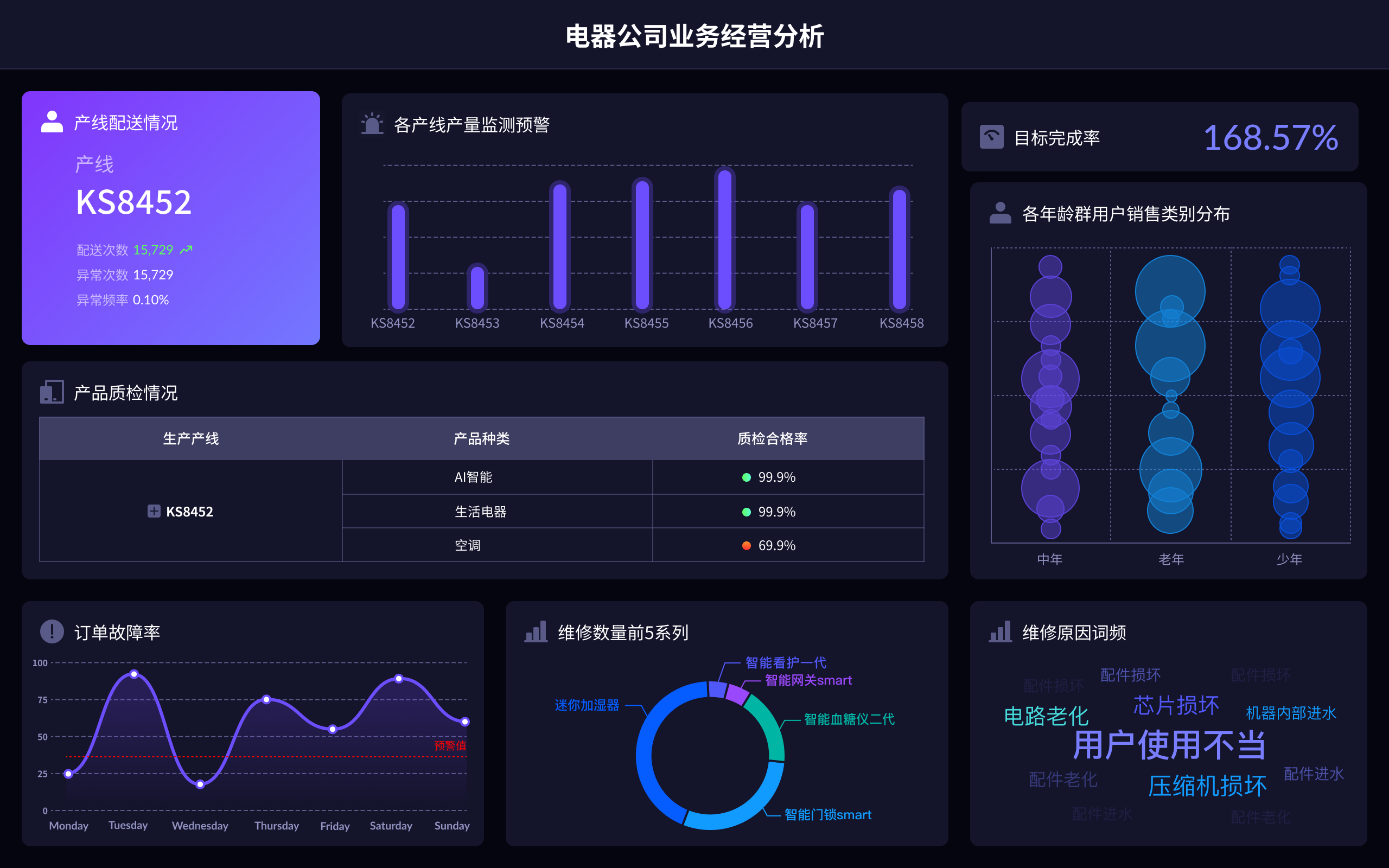
To effectively tap into data resources, you need to follow several key strategies: conducting thorough research, leveraging data mining tools, utilizing APIs, collaborating with data scientists, and adopting a systematic approach to data collection. Conducting thorough research is crucial because it helps you identify valuable data sources and understand the context in which the data exists. For example, if you are working in the e-commerce industry, researching competitors, market trends, and customer behavior can provide you with a wealth of data that is essential for making informed decisions. By deeply understanding the data landscape, you can better pinpoint where to find the most relevant and high-quality data.
I、CONDUCTING THOROUGH RESEARCH
Conducting thorough research involves multiple steps, starting with identifying the exact type of data you need. Begin with a clear problem statement or objective, which will guide your research process. Utilize academic journals, industry reports, and white papers to gather background information and understand existing data trends. Pay special attention to case studies and real-world examples, as they often provide practical insights into how data has been effectively utilized in similar scenarios. Additionally, use search engines and databases to find credible sources that can provide the specific data you require.
II、LEVERAGING DATA MINING TOOLS
Data mining tools are essential for extracting valuable information from large datasets. Tools like RapidMiner, KNIME, and SAS can help you uncover patterns and relationships within your data that are not immediately apparent. These tools come with a variety of built-in algorithms for tasks such as classification, clustering, and regression, which can be tailored to fit your specific needs. By using data mining tools, you can automate the process of data analysis, making it more efficient and accurate. Additionally, these tools often include visualization features, which can help you interpret the results more effectively and communicate your findings to stakeholders.
III、UTILIZING APIS
Application Programming Interfaces (APIs) are powerful tools for accessing data from external sources. Many organizations provide APIs that allow you to tap into their data in a structured and controlled manner. For instance, social media platforms like Twitter and Facebook offer APIs that let you access a wealth of data related to user behavior, trends, and interactions. To effectively use APIs, you need to have a good understanding of programming languages such as Python or JavaScript, as well as familiarity with data formats like JSON and XML. Once you have the technical skills, you can integrate API data into your existing datasets, providing a richer and more comprehensive view of your research area.
IV、COLLABORATING WITH DATA SCIENTISTS
Collaboration with data scientists can significantly enhance your data resource extraction efforts. Data scientists bring specialized skills in data analysis, machine learning, and statistical modeling that can help you make sense of complex datasets. By working closely with data scientists, you can ensure that the data you collect is not only relevant but also actionable. They can help you design experiments, build predictive models, and validate your findings. This collaborative approach ensures that your data initiatives are grounded in scientific rigor, increasing the reliability and validity of your insights.
V、ADOPTING A SYSTEMATIC APPROACH TO DATA COLLECTION
A systematic approach to data collection involves planning, execution, and continuous improvement. Start by defining clear data collection objectives and criteria. Use standardized methods for data collection to ensure consistency and reliability. This might include surveys, web scraping, or sensor data collection, depending on your specific needs. Regularly review and refine your data collection methods to adapt to changing conditions and new insights. By adopting a systematic approach, you can build a robust data infrastructure that supports ongoing analysis and decision-making. This structured methodology not only improves the quality of your data but also enhances your ability to derive meaningful insights from it.
VI、DATA STORAGE AND MANAGEMENT
Effective data storage and management are critical components of any data strategy. Utilize cloud-based storage solutions like AWS, Google Cloud, or Azure to ensure that your data is secure, scalable, and easily accessible. Implement data management best practices, including regular backups, data encryption, and access controls to protect sensitive information. Use data management tools to organize and catalog your data, making it easier to retrieve and analyze. Effective data management ensures that your data remains a valuable asset that can be leveraged for future analysis and decision-making.
VII、DATA CLEANING AND PREPROCESSING
Data cleaning and preprocessing are essential steps to ensure that your data is accurate and usable. This involves removing duplicate entries, handling missing values, and correcting inconsistencies. Use tools like OpenRefine or Python libraries such as Pandas to automate the cleaning process. Preprocessing steps may also include normalization, standardization, and transformation of data to make it suitable for analysis. By investing time in data cleaning and preprocessing, you can significantly improve the quality of your insights and avoid potential pitfalls in your analysis.
VIII、DATA ANALYSIS AND INTERPRETATION
Data analysis involves applying statistical and machine learning techniques to extract meaningful insights from your data. Use tools like R, Python, or specialized software like SPSS to perform your analysis. Techniques such as regression analysis, cluster analysis, and time-series analysis can help you uncover patterns and trends. Once the analysis is complete, interpretation is crucial. Use data visualization tools like Tableau or Power BI to create charts and graphs that make your findings more understandable. Effective interpretation involves not only understanding the results but also communicating them in a way that is actionable for decision-makers.
IX、DATA VISUALIZATION
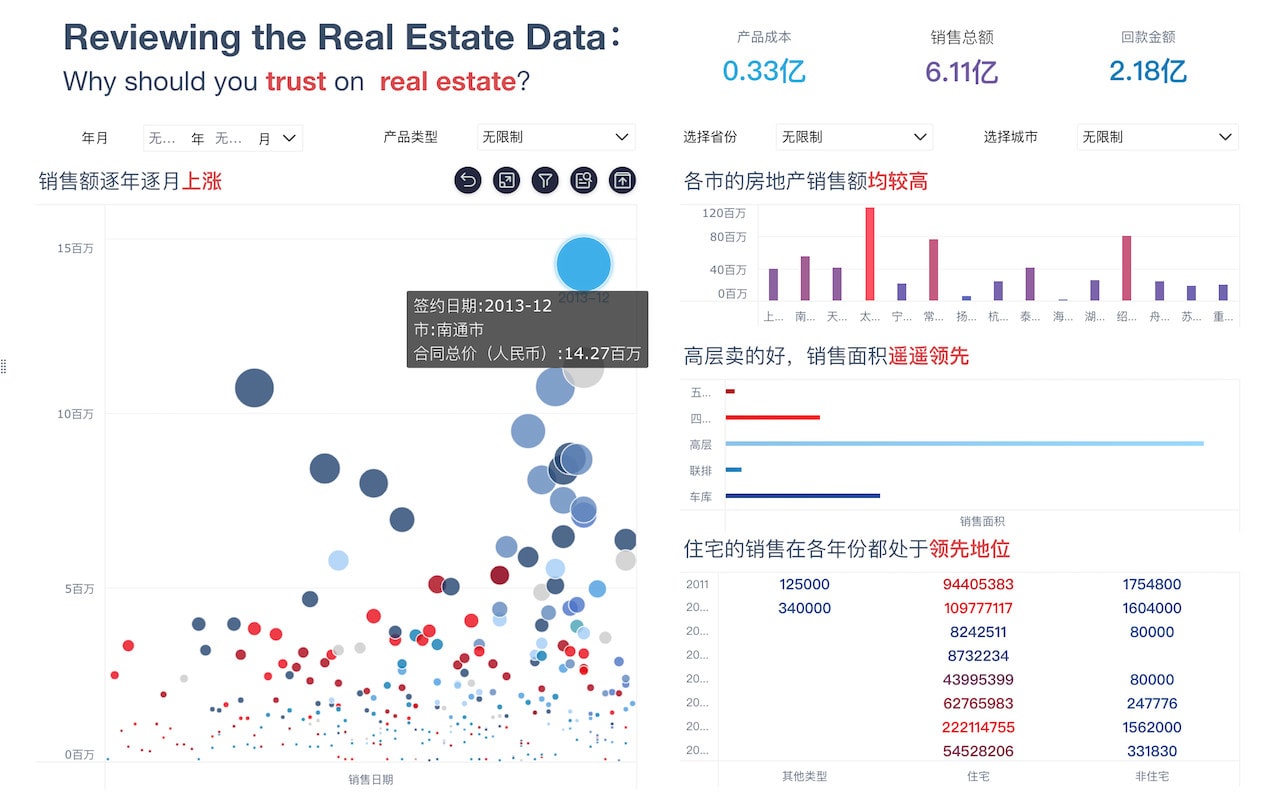
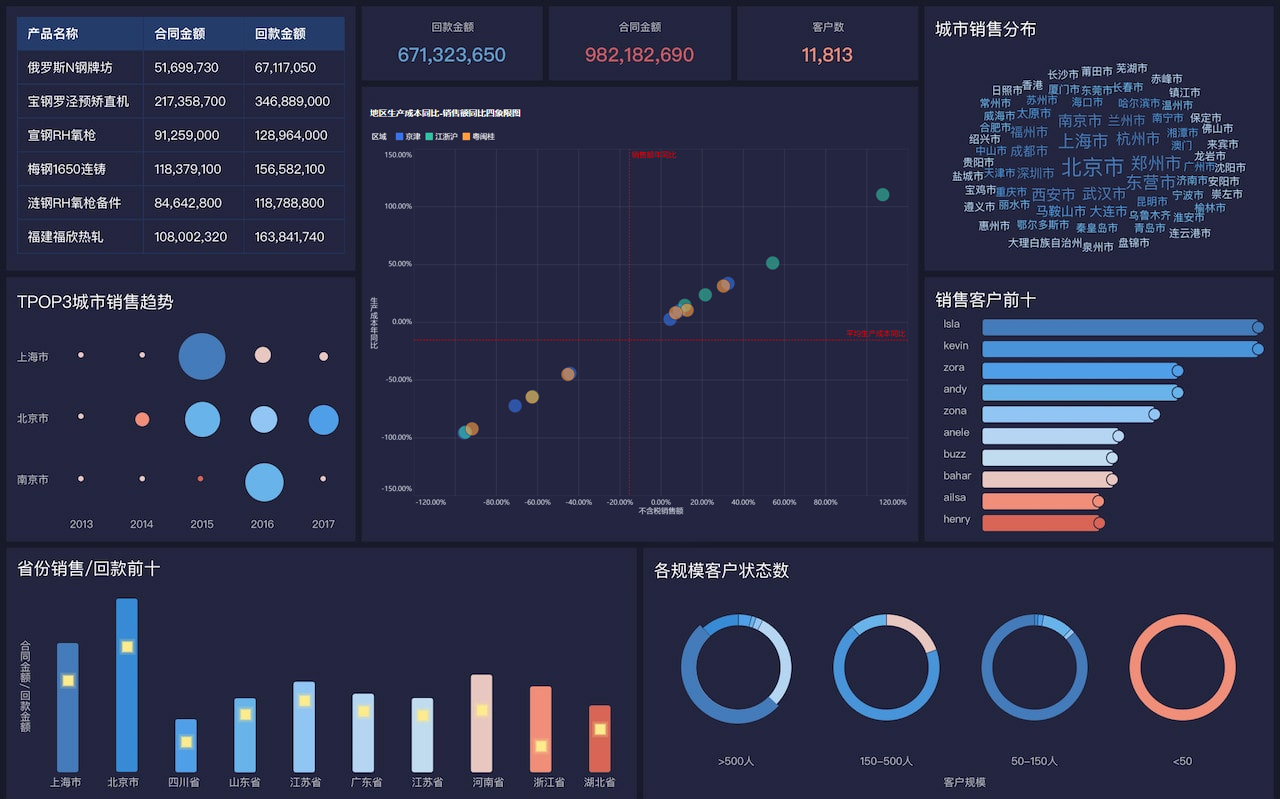
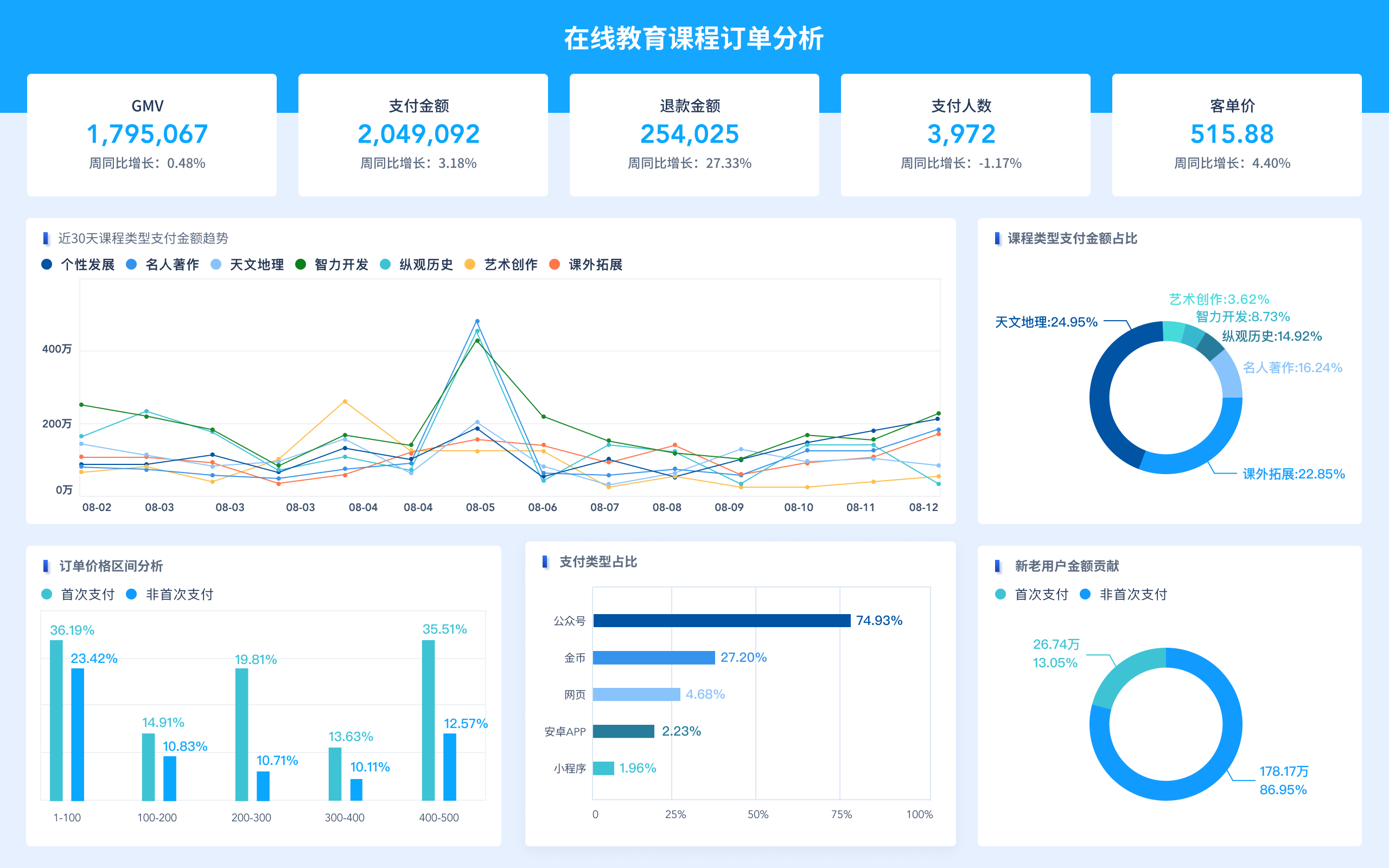
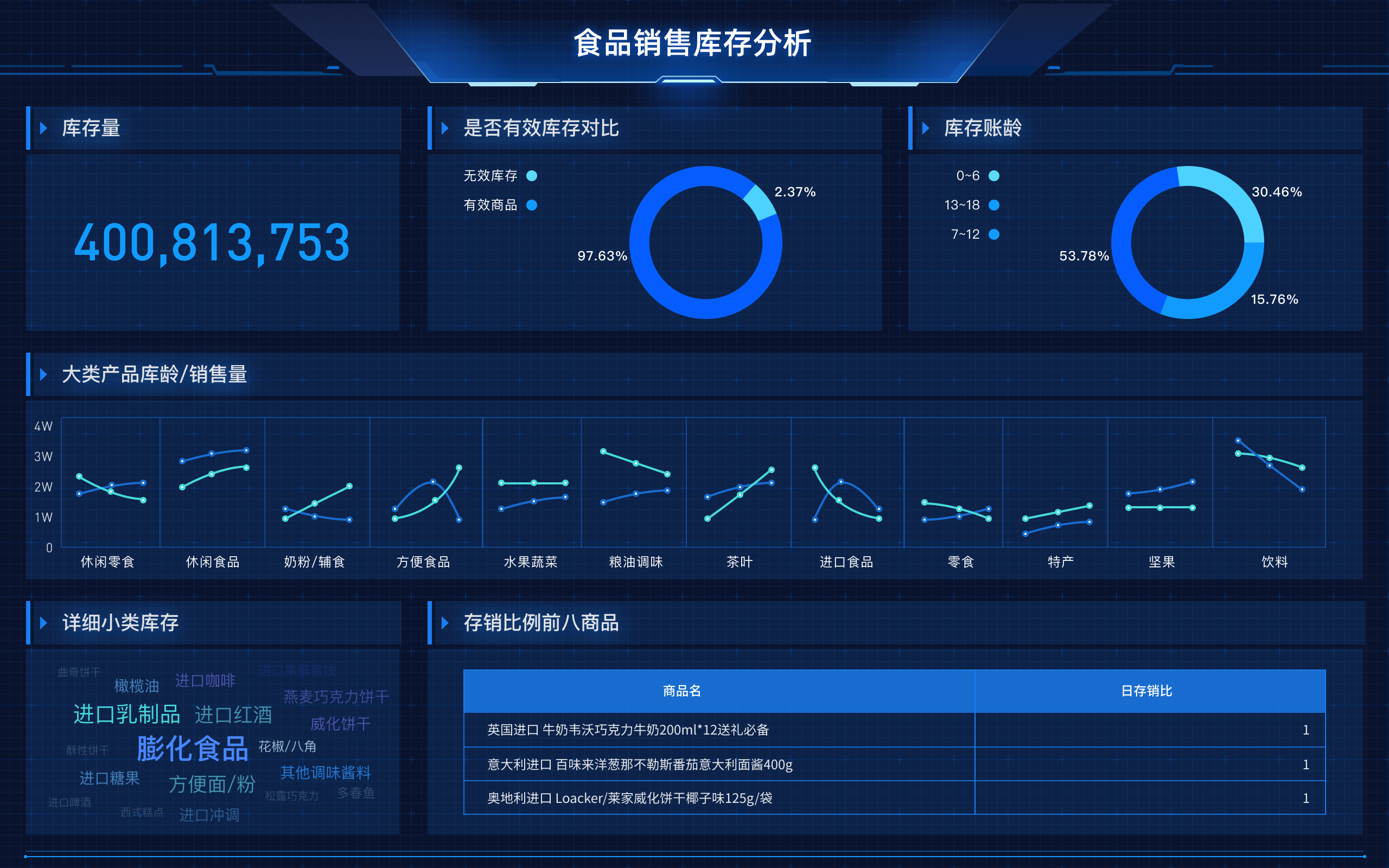
Data visualization is a powerful way to communicate complex data insights in a clear and understandable manner. Use tools like Tableau, Power BI, or D3.js to create interactive and engaging visualizations. Visualizations such as bar charts, line graphs, and heatmaps can help you convey your findings more effectively. Interactive dashboards allow stakeholders to explore the data on their own, providing a more immersive experience. Effective data visualization not only makes your data more accessible but also helps to highlight key insights and trends that might be missed in a traditional report.
X、ETHICAL CONSIDERATIONS IN DATA COLLECTION
Ethical considerations are paramount when collecting and using data. Ensure that your data collection methods comply with relevant regulations such as GDPR or CCPA. Obtain informed consent from individuals whose data you are collecting, and be transparent about how the data will be used. Anonymize sensitive data to protect privacy and avoid any potential harm. By adhering to ethical guidelines, you not only protect the rights of individuals but also build trust with your stakeholders. Ethical data practices are essential for maintaining the integrity and credibility of your data initiatives.
XI、CONTINUOUS LEARNING AND ADAPTATION
The field of data science is constantly evolving, and continuous learning is essential to stay ahead. Keep up-to-date with the latest tools, techniques, and best practices by attending conferences, taking online courses, and reading industry publications. Encourage a culture of continuous improvement within your organization by promoting knowledge sharing and collaboration. Adapt your data strategies based on new insights and changing conditions to ensure that they remain effective. By fostering a mindset of continuous learning and adaptation, you can ensure that your data initiatives remain relevant and impactful.
XII、BUILDING A DATA-DRIVEN CULTURE
Building a data-driven culture within your organization is crucial for maximizing the value of your data resources. Encourage data literacy by providing training and resources to employees at all levels. Promote the use of data in decision-making by integrating data analysis into business processes and workflows. Recognize and reward data-driven successes to reinforce the importance of data within your organization. By fostering a data-driven culture, you can ensure that data becomes a central part of your organization's strategy and operations, leading to more informed and effective decision-making.
By following these strategies, you can effectively tap into data resources and leverage them to drive informed decision-making and business success.
相关问答FAQs:
如何挖掘数据资源?
数据挖掘是指从大量数据中提取出潜在的信息和知识的过程。它结合了统计学、机器学习和数据库系统等多个学科的技术,以识别数据中隐藏的模式和趋势。挖掘数据资源的过程通常包括数据收集、数据预处理、数据分析和结果解释等步骤。
在现代社会,数据资源的挖掘显得尤为重要。企业和组织在决策、市场分析、客户关系管理等方面都依赖于数据挖掘技术。通过有效的数据挖掘,企业可以提高运营效率,优化资源配置,并增强市场竞争力。数据挖掘的技术和工具多种多样,包括但不限于数据仓库、数据清洗、聚类分析、分类算法、关联规则挖掘等。
数据挖掘的步骤是什么?
数据挖掘的过程可以分为几个关键步骤:
-
数据收集:从各种来源(如数据库、互联网、传感器等)获取所需的数据。这一步骤需要明确数据的来源和类型,以确保数据的质量和完整性。
-
数据预处理:对收集到的数据进行清洗和转换,包括处理缺失值、去除噪声、标准化数据等。这一步骤对数据挖掘的成功与否至关重要,因为质量不高的数据会导致错误的分析结果。
-
数据分析:应用各种数据挖掘技术和算法对预处理后的数据进行分析。根据目标的不同,可以采用分类、聚类、关联规则等不同的分析方法。
-
结果解释:对分析结果进行解读,并将其转化为有意义的信息。这一过程可能需要领域知识,以便能够将数据分析的结果与实际业务场景结合起来。
-
模型评估与优化:在得到结果后,需要评估数据挖掘模型的准确性和有效性,并根据需要进行优化和调整。这可能涉及再次进行数据预处理、选择不同的算法或调整参数等。
-
部署与监控:将经过验证的模型部署到实际应用中,并对其性能进行持续监控,以确保其在实际运行中的有效性。
数据挖掘需要哪些工具和技术?
在数据挖掘的过程中,使用合适的工具和技术可以显著提高效率和准确性。以下是一些常用的数据挖掘工具和技术:
-
数据库管理系统(DBMS):用于存储和管理数据,支持数据的检索和查询。常见的DBMS包括MySQL、Oracle、SQL Server等。
-
数据分析软件:如R、Python(配合库如Pandas、NumPy、Scikit-learn等)等,它们提供了丰富的数据处理和分析功能。
-
数据可视化工具:如Tableau、Power BI等,用于将数据分析结果以图形化形式展示,便于理解和决策。
-
机器学习算法:分类(如决策树、随机森林)、聚类(如K-means、层次聚类)、关联规则(如Apriori算法)等,这些算法用于从数据中挖掘出有价值的信息。
-
数据挖掘平台:如WEKA、RapidMiner等,它们集成了多种数据挖掘算法和工具,适合不同层次的数据分析需求。
-
云计算平台:如AWS、Google Cloud等,提供强大的计算和存储能力,支持大数据处理和分析。
通过合理利用这些工具和技术,数据挖掘可以更高效地进行,帮助企业和组织从数据中获取更深层次的洞察。
数据挖掘的应用领域有哪些?
数据挖掘的应用领域广泛,几乎涵盖了各行各业。以下是一些主要的应用领域:
-
市场营销:企业利用数据挖掘分析消费者行为和市场趋势,制定精准的市场营销策略,提高广告投放的效果。
-
金融服务:金融机构通过数据挖掘识别信用风险、欺诈行为、客户流失等,优化信贷审批和风险管理流程。
-
医疗健康:医疗机构通过分析患者的医疗记录和临床数据,预测疾病发展,提升治疗效果,改善医疗服务。
-
零售业:零售商利用数据挖掘分析销售数据和顾客偏好,优化库存管理和产品推荐,提高客户满意度。
-
制造业:通过对生产数据的分析,企业可以识别生产瓶颈,优化生产流程,提高生产效率和产品质量。
-
社交网络:社交平台利用数据挖掘分析用户行为,推荐内容和好友,增强用户黏性和参与度。
数据挖掘不仅可以帮助企业提升运营效率,还能为决策提供数据支持,推动业务创新。随着数据量的不断增加,数据挖掘的重要性也愈加突出。
数据挖掘是一个复杂而又充满潜力的领域,掌握相关技术和方法,有助于从数据中提取出有价值的信息,为决策提供支持。在现代信息社会中,有效的数据挖掘能力将成为企业和组织竞争优势的重要组成部分。通过不断学习和实践,深入理解数据挖掘的原理和应用,将为个人和组织创造更大的价值。
本文内容通过AI工具匹配关键字智能整合而成,仅供参考,帆软不对内容的真实、准确或完整作任何形式的承诺。具体产品功能请以帆软官方帮助文档为准,或联系您的对接销售进行咨询。如有其他问题,您可以通过联系blog@fanruan.com进行反馈,帆软收到您的反馈后将及时答复和处理。