E-commerce data mining is how you say "电商数据挖掘" in English. E-commerce data mining, also known as online retail data mining, involves extracting valuable information from massive datasets generated by online transactions. This can include customer purchase histories, website interactions, and social media activities. For example, understanding customer behavior patterns through data mining can help businesses personalize marketing strategies, improve product recommendations, and optimize inventory management. By leveraging this data, companies can make more informed decisions, increase sales, and enhance customer satisfaction.
一、E-COMMERCE DATA MINING CONCEPTS
E-commerce data mining is the process of analyzing large sets of data generated by online retail platforms to uncover meaningful patterns, trends, and relationships. This process involves several key steps: data collection, data cleaning, data integration, data analysis, and interpretation. The primary goal is to convert raw data into actionable insights that can drive business decisions. Data mining techniques include clustering, classification, regression analysis, and association rule learning. For instance, clustering can segment customers into distinct groups based on purchasing behavior, while classification can predict future customer actions based on historical data.
二、IMPORTANCE OF DATA MINING IN E-COMMERCE
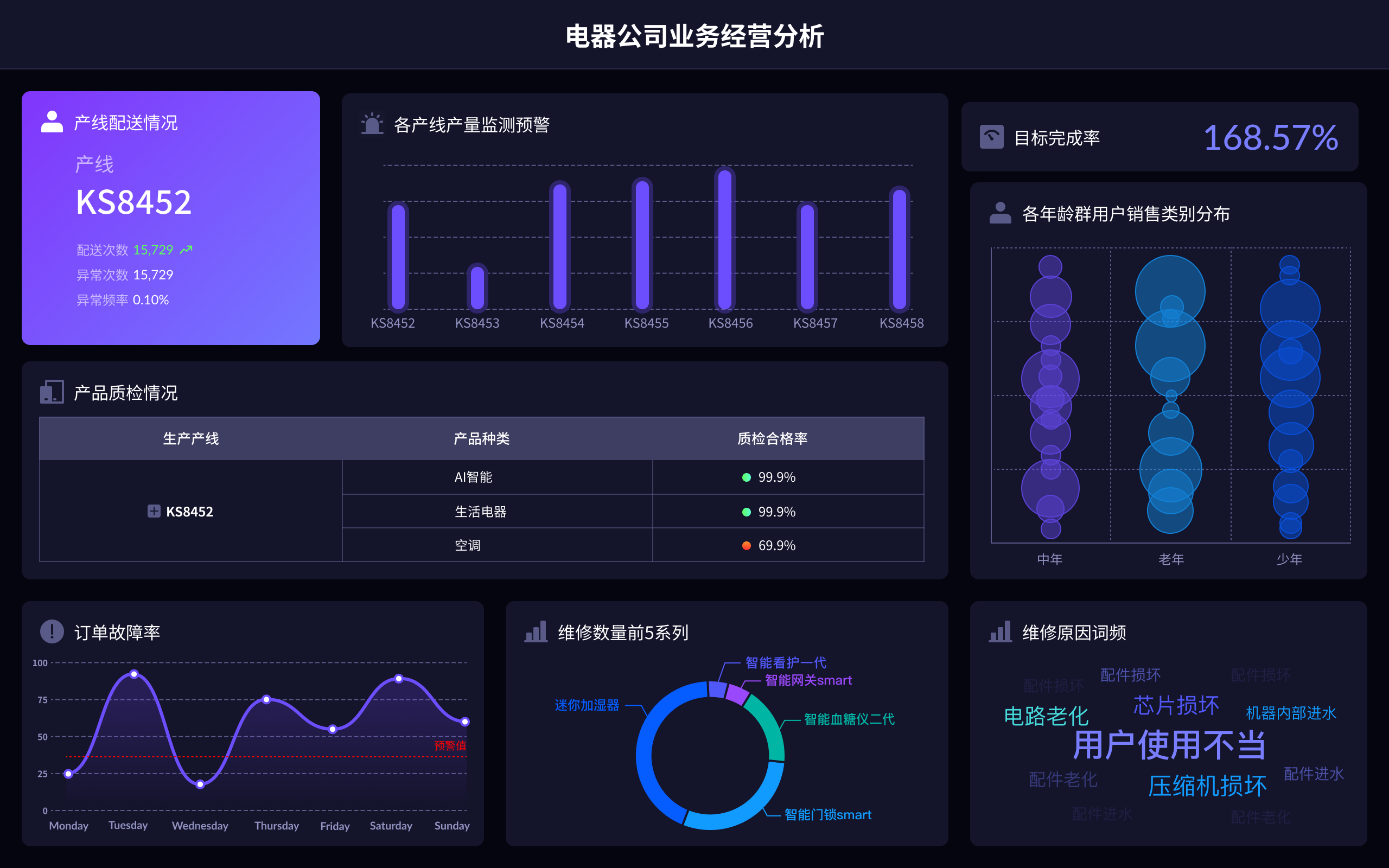
Data mining plays a critical role in e-commerce by enabling businesses to understand customer preferences, improve user experience, and boost sales. Through data mining, e-commerce companies can gain insights into customer buying patterns, seasonal trends, and product popularity. This information helps in tailoring marketing campaigns to target specific customer segments effectively. Additionally, data mining can identify potential fraud by detecting unusual patterns and behaviors. For example, a sudden surge in high-value transactions from a single account could indicate fraudulent activity, prompting further investigation.
三、TECHNIQUES AND METHODS IN E-COMMERCE DATA MINING
Several techniques are employed in e-commerce data mining to extract valuable insights. Clustering groups similar items or customers together based on shared characteristics. This technique helps in market segmentation and personalized marketing. Classification involves categorizing data into predefined classes; for example, predicting whether a customer will make a purchase based on their browsing history. Association rule learning identifies relationships between variables in large datasets; for instance, customers who buy product A also tend to buy product B. Regression analysis predicts continuous outcomes like future sales based on historical data. These techniques, when applied correctly, can significantly enhance decision-making processes.
四、APPLICATIONS OF E-COMMERCE DATA MINING
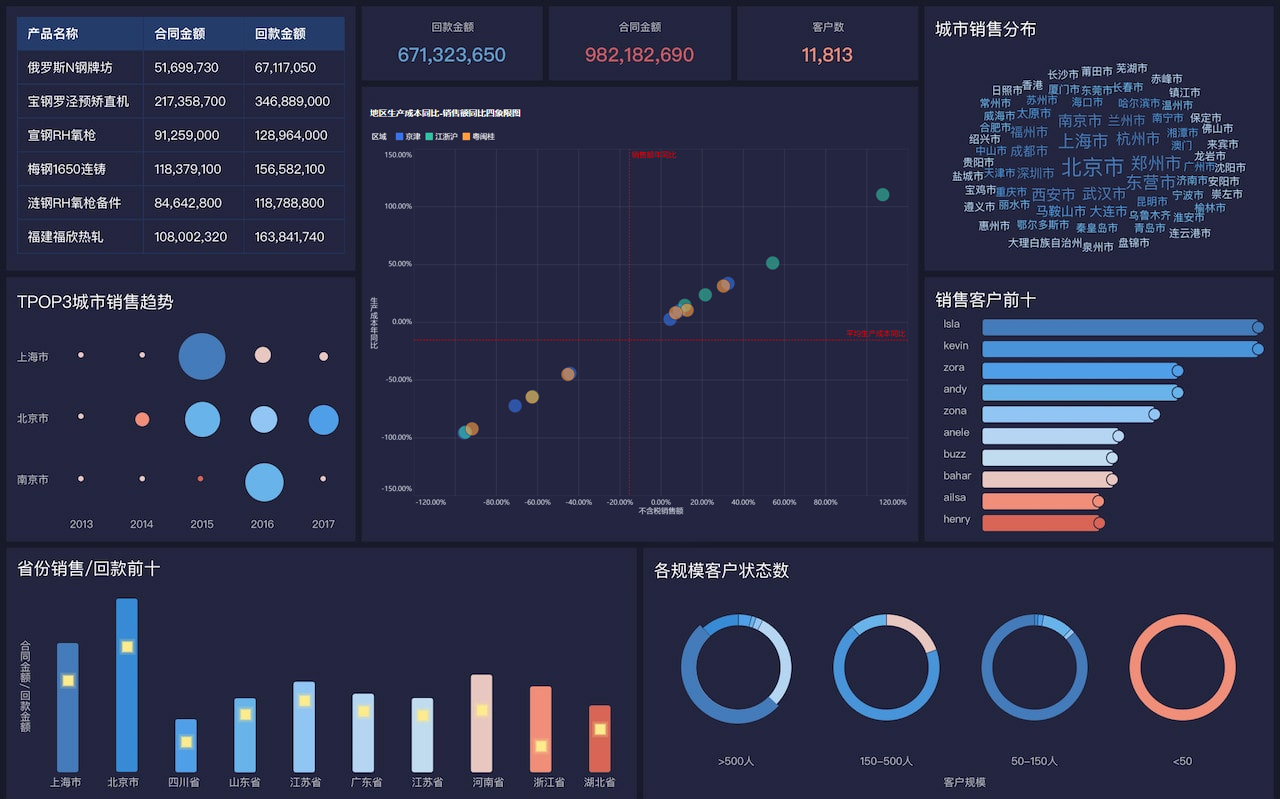
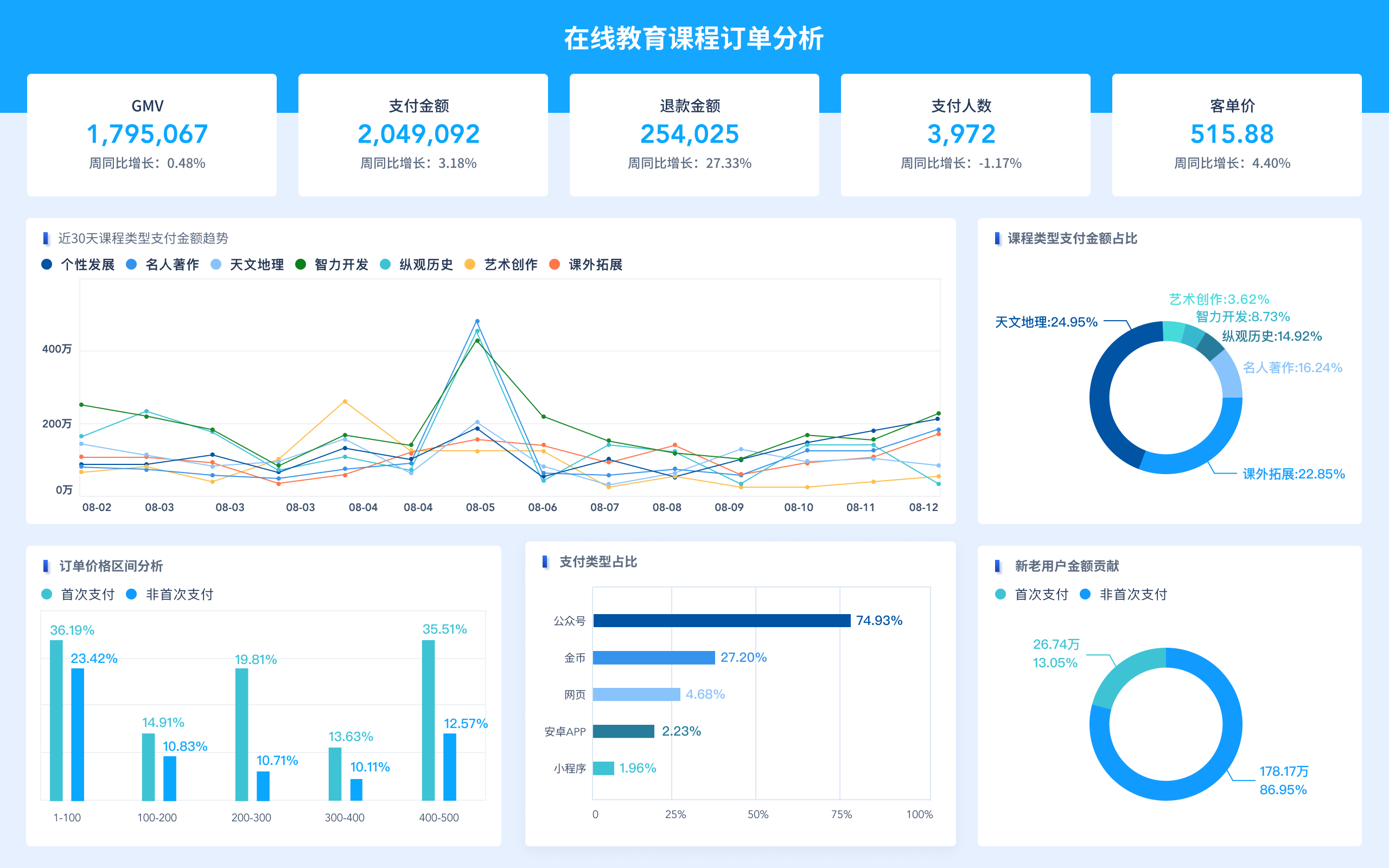
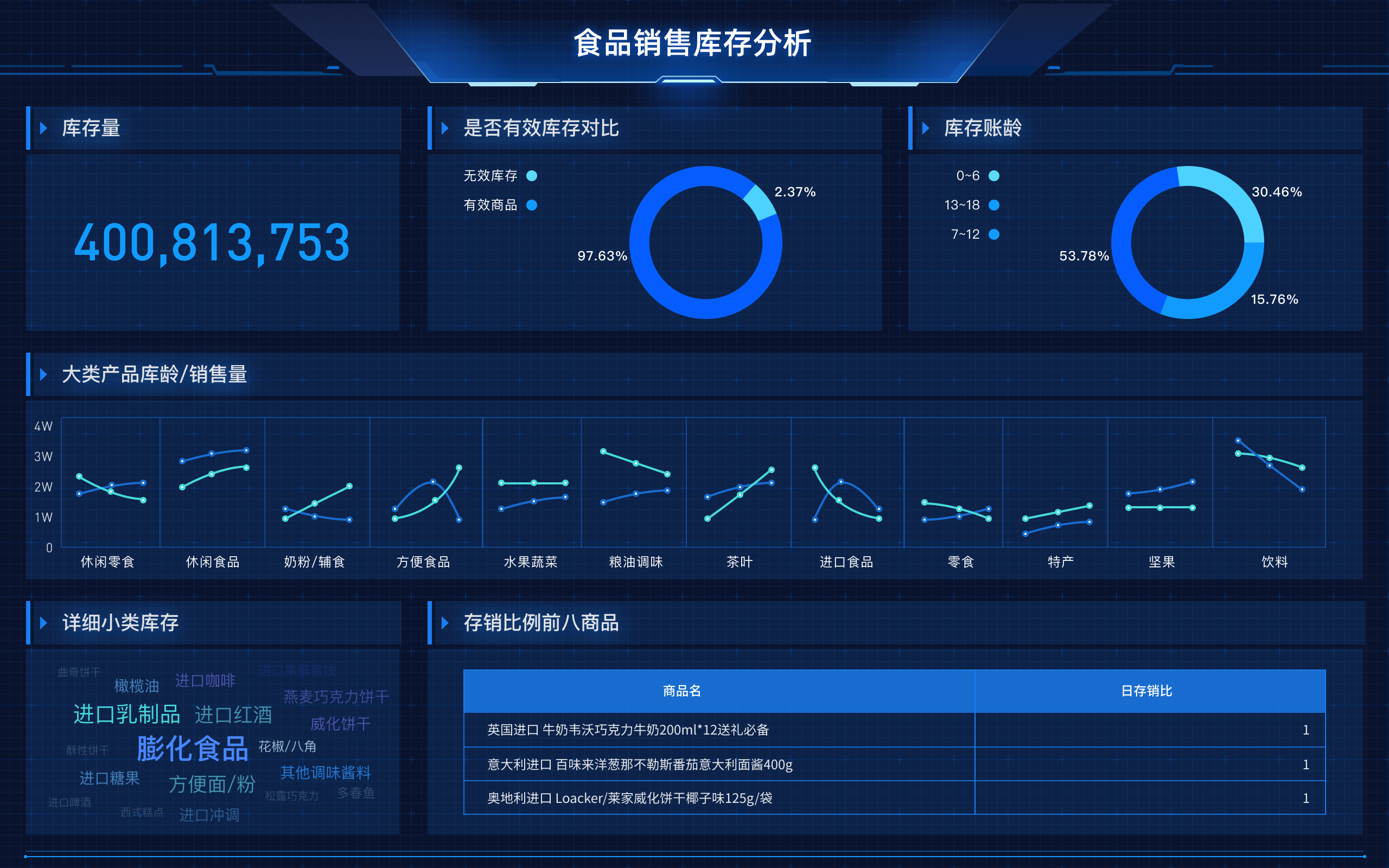
E-commerce data mining has a wide range of applications. Personalized recommendations are one of the most common uses. By analyzing past purchase behavior and browsing history, e-commerce platforms can suggest products that customers are likely to buy. Customer segmentation is another crucial application. By grouping customers based on their purchasing habits, businesses can tailor marketing strategies to each segment, improving conversion rates. Inventory management also benefits from data mining. By predicting demand for different products, companies can optimize stock levels, reducing costs associated with overstocking or stockouts. Additionally, data mining can enhance customer service by predicting common issues and providing proactive solutions.
五、TOOLS AND SOFTWARE FOR E-COMMERCE DATA MINING
A variety of tools and software are available for e-commerce data mining. Apache Hadoop is a widely used open-source platform that allows for the distributed processing of large datasets across clusters of computers. RapidMiner and KNIME offer user-friendly interfaces for data mining tasks and support a wide range of techniques, from clustering to regression analysis. Tableau and Power BI are powerful visualization tools that help in interpreting and presenting data mining results in an understandable format. Google Analytics and Adobe Analytics provide insights specifically tailored for e-commerce platforms, tracking user behavior and conversion rates. These tools enable businesses to efficiently mine and analyze data, leading to better decision-making.
六、CHALLENGES IN E-COMMERCE DATA MINING
While data mining offers significant benefits, it also presents several challenges. Data quality is a major concern; incomplete or inaccurate data can lead to misleading insights. Data privacy and security are critical issues, as e-commerce platforms handle sensitive customer information. Ensuring compliance with regulations like GDPR is essential. Scalability is another challenge; as the volume of data grows, so does the complexity of analysis. Additionally, integrating data from various sources (such as website logs, social media, and transaction records) can be difficult. Addressing these challenges requires robust data management practices and advanced analytical techniques.
七、FUTURE TRENDS IN E-COMMERCE DATA MINING
The field of e-commerce data mining is continually evolving. Artificial intelligence and machine learning are expected to play an increasingly significant role. These technologies can automate and enhance the data mining process, providing deeper insights and more accurate predictions. Real-time data mining is another emerging trend. By analyzing data as it is generated, businesses can respond more quickly to changing market conditions and customer behavior. The integration of IoT devices (like smart shelves and connected payment systems) will provide even more data for analysis, further enhancing decision-making capabilities. As technology advances, the potential applications and benefits of e-commerce data mining will continue to expand.
八、CASE STUDIES OF SUCCESSFUL E-COMMERCE DATA MINING
Several companies have successfully leveraged e-commerce data mining to achieve significant business outcomes. Amazon is a prime example. The company uses data mining extensively to personalize the shopping experience, recommend products, and optimize logistics. Walmart employs data mining to manage its vast inventory and streamline supply chain operations. Netflix uses data mining to analyze viewer preferences and create targeted content recommendations, enhancing user engagement and retention. Alibaba utilizes data mining to understand consumer trends and improve marketing strategies. These case studies demonstrate the transformative impact of data mining on e-commerce businesses.
九、BEST PRACTICES FOR IMPLEMENTING E-COMMERCE DATA MINING
To effectively implement e-commerce data mining, businesses should follow several best practices. Establish clear objectives before starting any data mining project to ensure alignment with business goals. Invest in high-quality data management systems to maintain data integrity and facilitate analysis. Employ skilled data scientists and analysts who can interpret complex datasets and derive actionable insights. Regularly update and refine data mining models to adapt to changing market conditions and customer behavior. Ensure compliance with data privacy regulations to protect customer information and maintain trust. By adhering to these best practices, businesses can maximize the benefits of data mining.
十、CONCLUSION
E-commerce data mining is an invaluable tool that provides deep insights into customer behavior, market trends, and operational efficiency. By leveraging advanced data mining techniques, businesses can make more informed decisions, personalize customer interactions, and enhance overall performance. Despite challenges such as data quality and privacy concerns, the benefits far outweigh the drawbacks. As technology continues to advance, the capabilities of e-commerce data mining will only grow, offering even greater opportunities for innovation and competitive advantage. Businesses that invest in robust data mining practices today will be well-positioned to thrive in the ever-evolving e-commerce landscape.
相关问答FAQs:
电商数据挖掘英文怎么说?
电商数据挖掘在英文中通常被称为“E-commerce Data Mining”。这一术语结合了“E-commerce”(电子商务)和“Data Mining”(数据挖掘),用以描述在电子商务领域中通过分析和挖掘大量数据以发现潜在模式、趋势和关系的过程。这个过程对于提高企业的市场策略、客户体验以及产品推荐系统等方面至关重要。
在电商行业中,数据挖掘可以帮助商家更好地理解客户需求、优化库存管理、提升营销效果等。商家可以利用数据挖掘技术分析消费者的购买行为、浏览习惯以及反馈信息,从而制定更为精准的营销策略,提升销售额和客户满意度。
电商数据挖掘的主要应用领域是什么?
电商数据挖掘的应用领域非常广泛,涵盖了多个方面。首先,客户行为分析是最常见的应用之一。通过挖掘客户的购买记录、浏览历史和反馈,企业可以识别出客户的偏好和需求,从而进行个性化推荐。例如,许多电商平台会根据用户的历史购买记录向其推荐相关产品,以提高转化率。
其次,库存管理也是电商数据挖掘的重要领域。商家可以通过分析销售数据和市场趋势,预测哪些产品在未来的某一时间段内会热销,从而合理规划库存,减少库存积压,提高资金周转效率。此外,数据挖掘还可以帮助商家识别出滞销商品,及时进行促销或调整策略。
再者,市场趋势分析也是电商数据挖掘的关键应用之一。通过分析竞争对手的销售数据、价格变化和市场反馈,商家可以更好地把握市场动态,调整自身的市场策略。此外,数据挖掘还可以用来评估营销活动的效果,帮助企业优化广告投放和促销策略。
最后,欺诈检测和风险管理也是电商数据挖掘的重要应用。通过分析交易数据,商家可以识别出异常交易模式,从而及时发现并防范潜在的欺诈行为,保护企业和消费者的利益。
电商数据挖掘的挑战有哪些?
尽管电商数据挖掘带来了许多好处,但在实际应用中也面临着诸多挑战。首先,数据质量是一个重要问题。电商企业收集的数据往往来自多个渠道,这些数据可能存在缺失、冗余或不一致的情况,影响分析结果的准确性。因此,确保数据的质量和完整性是数据挖掘成功的基础。
其次,数据隐私和安全性问题也日益凸显。随着消费者对数据隐私的关注度提高,企业在进行数据挖掘时必须遵循相关法律法规,保护用户的个人信息不被泄露。同时,企业也需要建立安全的系统,防止数据被非法访问和篡改。
此外,技术和工具的选择也是一个挑战。电商数据挖掘涉及大量数据处理和分析,企业需要选择合适的工具和技术来实现高效的数据挖掘。而随着技术的快速发展,企业需要不断更新和升级其数据处理能力,以保持竞争优势。
最后,人才短缺也是电商数据挖掘面临的挑战之一。具备数据挖掘能力的人才在市场上相对稀缺,企业需要投入更多的资源来培养和吸引数据科学家和分析师,以支持其数据挖掘工作。
通过有效的应对这些挑战,电商企业可以更好地利用数据挖掘技术,提高市场竞争力,实现可持续发展。
本文内容通过AI工具匹配关键字智能整合而成,仅供参考,帆软不对内容的真实、准确或完整作任何形式的承诺。具体产品功能请以帆软官方帮助文档为准,或联系您的对接销售进行咨询。如有其他问题,您可以通过联系blog@fanruan.com进行反馈,帆软收到您的反馈后将及时答复和处理。