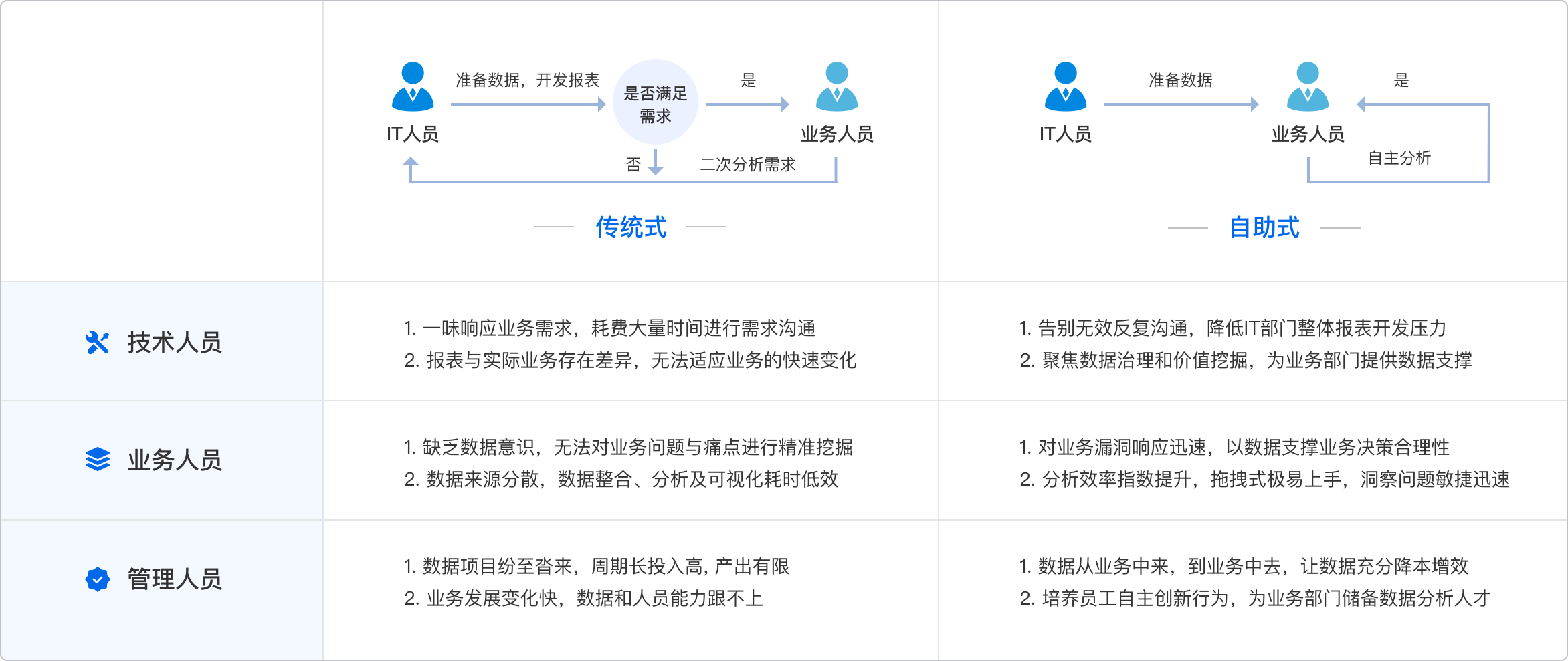
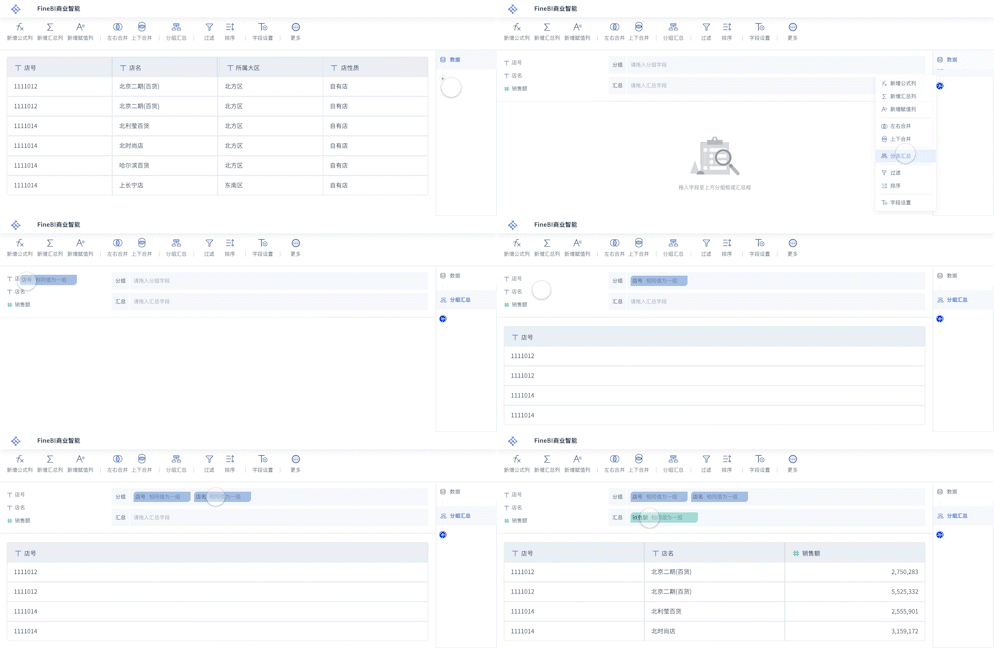
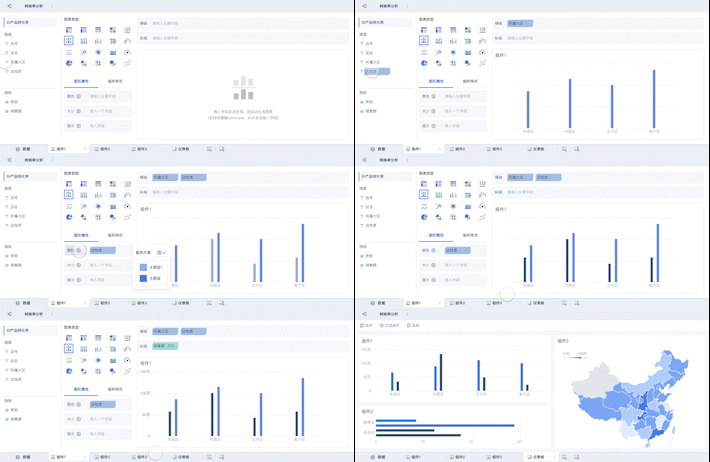
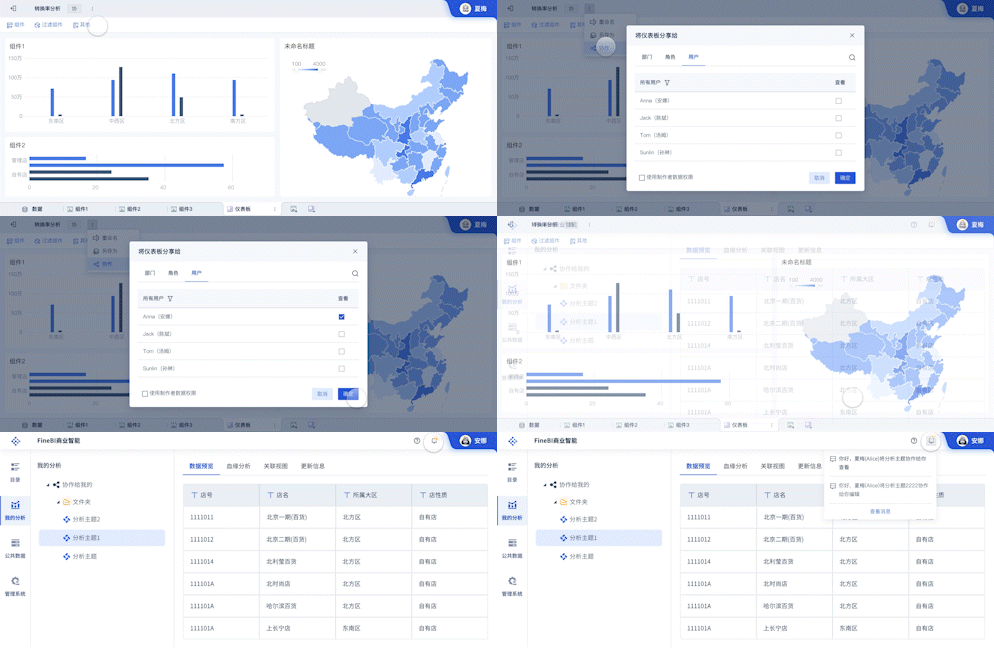
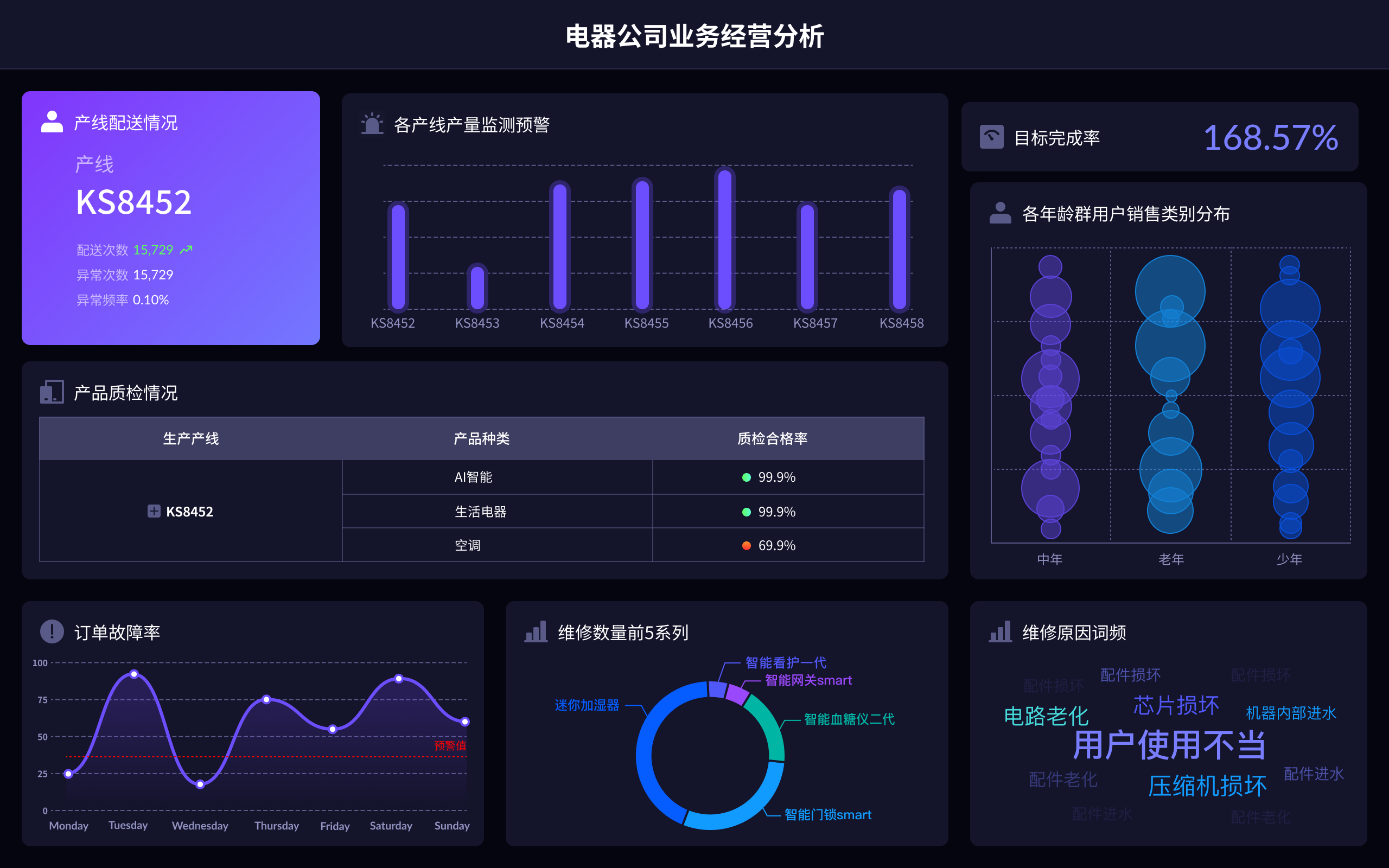
Big Data Mining for Customer Insights can be referred to as the process of extracting valuable information and patterns from large datasets to understand customer behavior, preferences, and trends. It involves techniques such as data analytics, machine learning, and statistical analysis. These techniques help businesses make data-driven decisions, enhance customer experience, and improve marketing strategies. For instance, by analyzing customer purchase history, companies can predict future buying behavior and tailor their marketing efforts accordingly. This targeted approach not only increases customer satisfaction but also boosts sales and customer loyalty.
一、数据收集与存储
Data Collection and Storage is the first step in big data mining for customer insights. This phase involves gathering data from various sources such as social media, websites, customer transactions, and surveys. The collected data is then stored in data warehouses or cloud storage systems. The quality of data collection and storage is crucial because it directly impacts the accuracy and reliability of the insights derived. Modern businesses use advanced technologies like IoT devices, CRM systems, and web analytics tools to collect comprehensive data. Ensuring data integrity and security during storage is also vital to protect sensitive customer information and comply with data protection regulations.
二、数据预处理与清洗
Data Preprocessing and Cleaning is essential to prepare raw data for analysis. This stage involves removing noise, correcting errors, and handling missing values to ensure the dataset is accurate and complete. Data preprocessing enhances the quality of data and makes it suitable for mining. Techniques such as data normalization, transformation, and deduplication are employed to standardize the dataset. For example, data normalization involves scaling numerical values to a common range, which helps in reducing data redundancy and improving the efficiency of data mining algorithms. Effective data cleaning ensures that the insights derived are based on accurate and reliable data.
三、数据分析与模式识别
Data Analysis and Pattern Recognition are key components of big data mining. This phase involves applying statistical methods, machine learning algorithms, and data analytics tools to identify patterns, trends, and correlations within the dataset. Advanced analytics techniques like clustering, classification, and regression analysis are widely used in this stage. For instance, clustering helps group customers based on similar behaviors or characteristics, allowing businesses to target specific segments with tailored marketing strategies. Classification algorithms can predict customer responses to various marketing campaigns, enabling businesses to optimize their efforts and resources. Pattern recognition helps in identifying recurring trends and anomalies, providing deeper insights into customer behavior.
四、数据可视化与报告
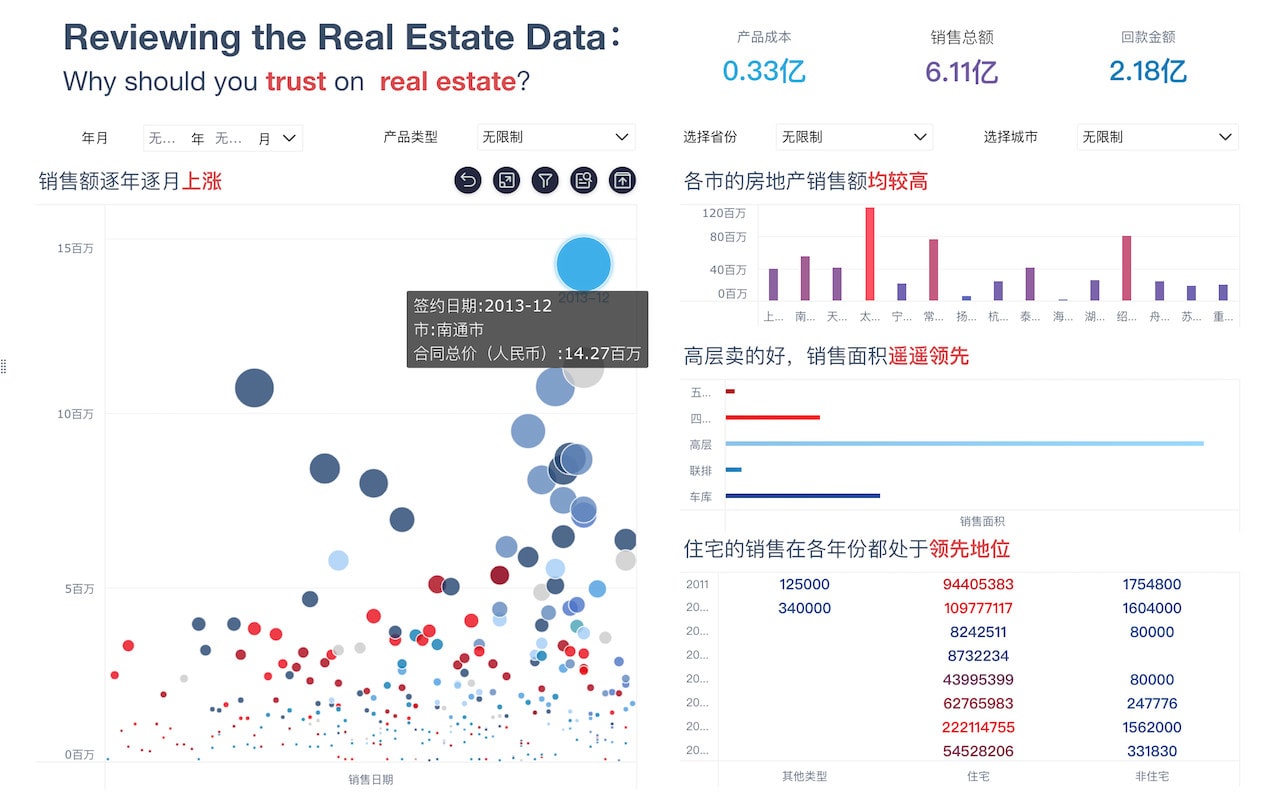
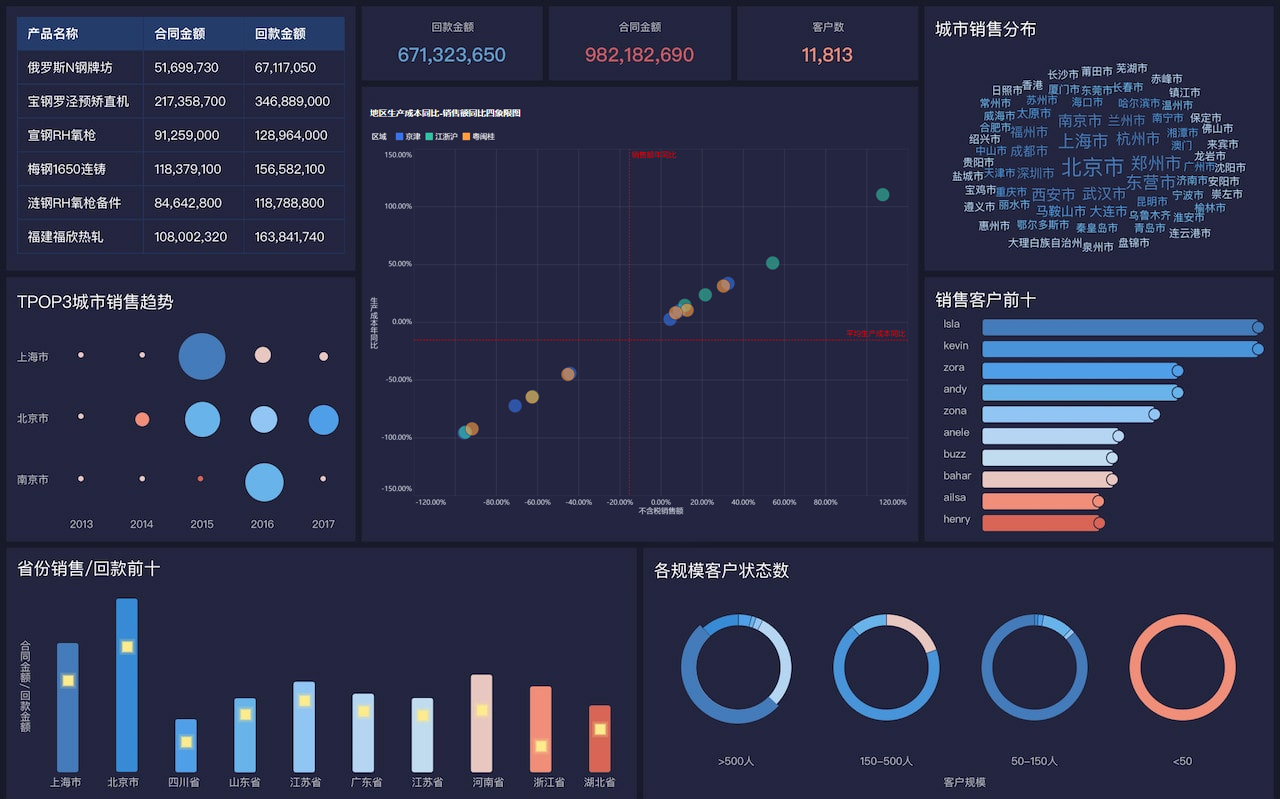
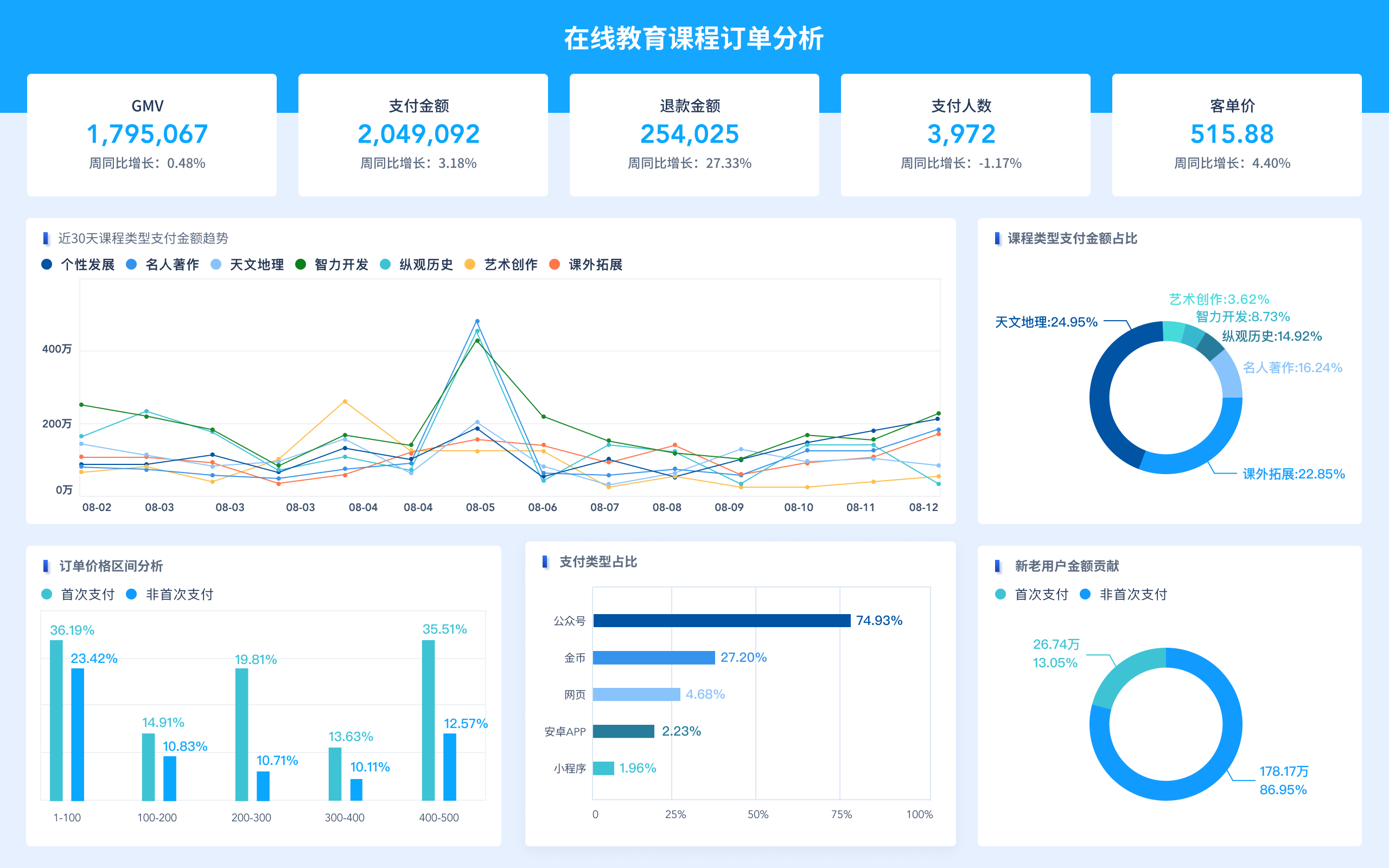
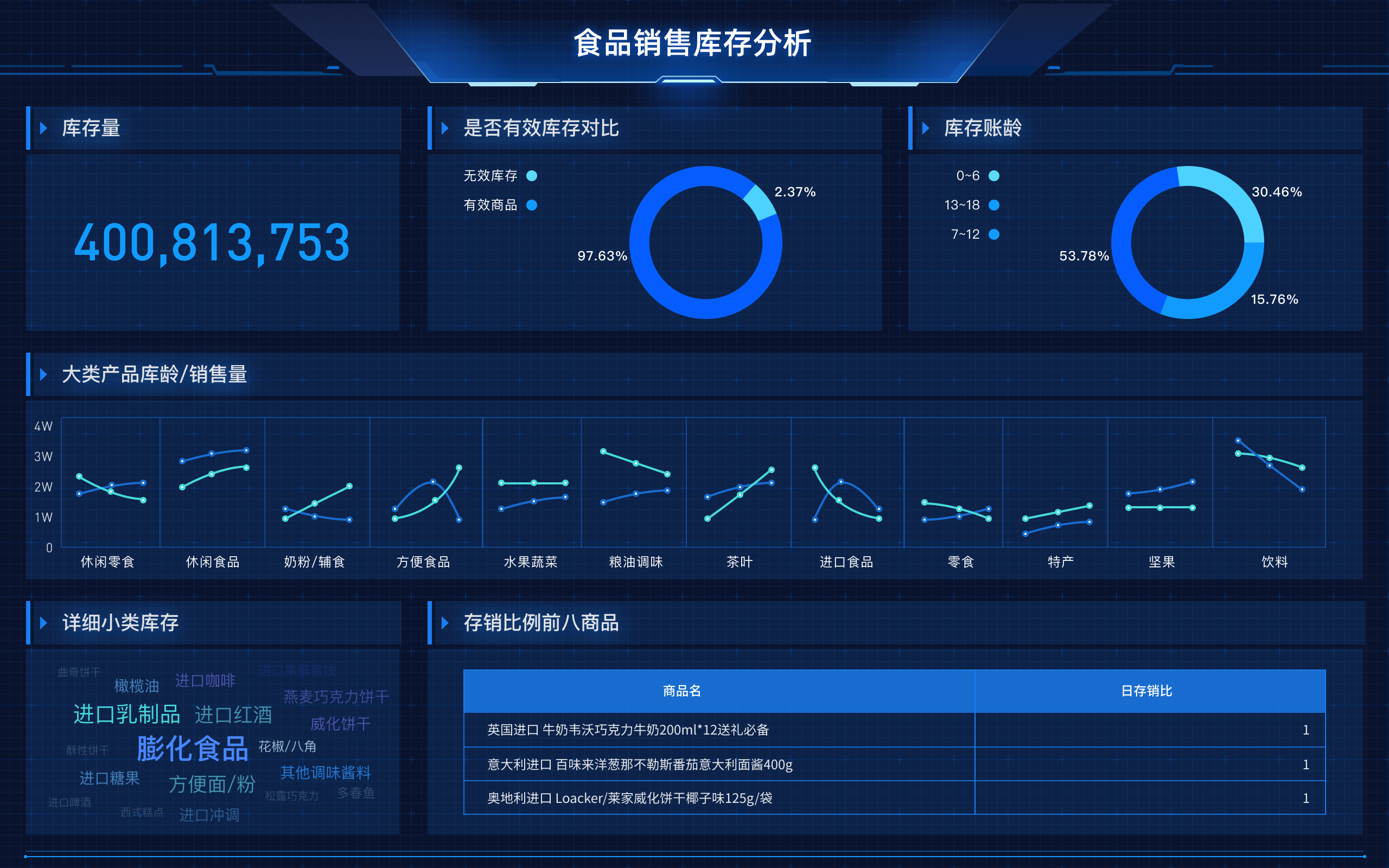
Data Visualization and Reporting is crucial for interpreting and communicating the insights derived from big data mining. This phase involves creating visual representations such as graphs, charts, and dashboards to present the data in an easily understandable format. Effective data visualization helps stakeholders grasp complex data quickly and make informed decisions. Tools like Tableau, Power BI, and D3.js are commonly used to create interactive and dynamic visualizations. For example, a heat map can highlight areas with high customer activity, while a time series chart can show trends over a specific period. Reporting tools compile these visualizations into comprehensive reports, providing a clear and concise summary of the findings.
五、客户行为预测与个性化推荐
Customer Behavior Prediction and Personalized Recommendations leverage the insights gained from data mining to forecast future actions and tailor experiences. Predictive analytics models, such as decision trees and neural networks, are used to anticipate customer needs and behaviors. Personalized recommendations enhance customer engagement and satisfaction by offering relevant products or services based on individual preferences. For instance, e-commerce platforms use recommendation engines to suggest items based on past purchases and browsing history. This personalized approach not only improves the shopping experience but also increases conversion rates and customer loyalty. Businesses can also use predictive models to identify potential churn and take proactive measures to retain valuable customers.
六、优化营销策略与业务决策
Optimizing Marketing Strategies and Business Decisions is one of the significant benefits of big data mining. By understanding customer preferences and behavior patterns, businesses can refine their marketing campaigns to target the right audience with the right message. Data-driven marketing strategies lead to higher ROI and better customer acquisition and retention rates. For example, segmenting customers based on purchasing behavior allows marketers to create personalized email campaigns that resonate with each group. Additionally, businesses can use data insights to improve product development, inventory management, and customer service. Decision-makers can rely on accurate data to make strategic choices that drive growth and profitability.
七、客户体验与满意度提升
Enhancing Customer Experience and Satisfaction is a critical objective of big data mining. By leveraging customer insights, businesses can create more meaningful and engaging interactions. Understanding customer pain points and preferences allows companies to tailor their services and products to meet customer expectations. For instance, a telecom company can analyze customer feedback to identify common issues and improve its service quality. Personalized communication, timely responses to inquiries, and proactive problem-solving contribute to a positive customer experience. Higher customer satisfaction leads to increased loyalty, positive word-of-mouth, and ultimately, greater business success.
八、实施与技术挑战
Implementation and Technical Challenges are inevitable in the process of big data mining for customer insights. These challenges include data integration, scalability, and maintaining data privacy. Successful implementation requires a robust infrastructure and skilled professionals who can manage and analyze large datasets. Integrating data from disparate sources can be complex and requires advanced ETL (Extract, Transform, Load) processes. Scalability is another concern, as the volume of data continues to grow exponentially. Businesses must invest in scalable storage and processing solutions to handle this growth. Ensuring data privacy and compliance with regulations like GDPR is crucial to maintain customer trust and avoid legal repercussions.
九、案例研究与成功示例
Case Studies and Success Stories provide valuable insights into how businesses have effectively utilized big data mining for customer insights. Real-world examples demonstrate the practical applications and benefits of data-driven decision-making. For instance, Netflix uses big data mining to analyze viewer preferences and recommend shows, resulting in higher viewer engagement and retention. Amazon leverages customer data to optimize its supply chain and personalize shopping experiences, leading to increased sales and customer loyalty. By studying these success stories, other businesses can learn best practices and strategies to implement in their own data mining efforts.
十、未来趋势与发展方向
Future Trends and Developments in big data mining for customer insights are driven by advancements in technology and evolving customer expectations. Emerging technologies like artificial intelligence (AI) and machine learning are set to revolutionize data mining processes, making them more efficient and accurate. AI-powered tools can automate data analysis and provide real-time insights, enabling businesses to respond swiftly to market changes. The integration of augmented reality (AR) and virtual reality (VR) with big data can enhance customer experiences by providing immersive and interactive shopping environments. Additionally, the increasing focus on ethical data use and transparency will shape the future of big data mining, ensuring that businesses use customer data responsibly and build trust with their audience.
In conclusion, big data mining for customer insights is a powerful tool that enables businesses to understand their customers better, optimize marketing strategies, and enhance customer experience. By effectively collecting, analyzing, and leveraging data, companies can make informed decisions that drive growth and success in a competitive market. As technology continues to evolve, the potential for big data mining to transform customer insights and business strategies will only grow.
相关问答FAQs:
大数据挖掘客户英文怎么说?
大数据挖掘客户在英文中通常可以表达为“Customer Data Mining”或“Big Data Customer Analytics”。这一术语指的是利用大数据技术和分析工具,对客户相关的数据进行深入挖掘和分析,以便更好地理解客户行为、需求和偏好,从而实现精准营销和个性化服务。随着科技的发展,企业越来越重视利用大数据来提升客户体验和业务效率。
大数据挖掘客户的意义是什么?
大数据挖掘客户的意义在于帮助企业识别潜在客户、提高客户满意度以及优化产品和服务。通过对客户数据的分析,企业能够发现客户的购买习惯、消费模式和潜在需求。这不仅可以提高客户的忠诚度,还可以为企业带来更多的销售机会。此外,数据挖掘还可以帮助企业在市场竞争中保持领先地位,通过深入的市场洞察制定更有效的战略。
如何进行大数据挖掘客户?
进行大数据挖掘客户的步骤包括数据收集、数据清洗、数据分析和结果应用。企业需要从多个渠道收集客户数据,如社交媒体、在线购物网站、客户反馈和调查问卷等。收集到的数据往往是杂乱无章的,因此需要进行数据清洗,以确保数据的准确性和完整性。接下来,使用合适的数据分析工具和算法对数据进行深入分析,以识别客户行为和趋势。最后,将分析结果应用于实际业务中,通过制定相应的市场营销策略和提升客户服务来实现业务增长。
本文内容通过AI工具匹配关键字智能整合而成,仅供参考,帆软不对内容的真实、准确或完整作任何形式的承诺。具体产品功能请以帆软官方帮助文档为准,或联系您的对接销售进行咨询。如有其他问题,您可以通过联系blog@fanruan.com进行反馈,帆软收到您的反馈后将及时答复和处理。