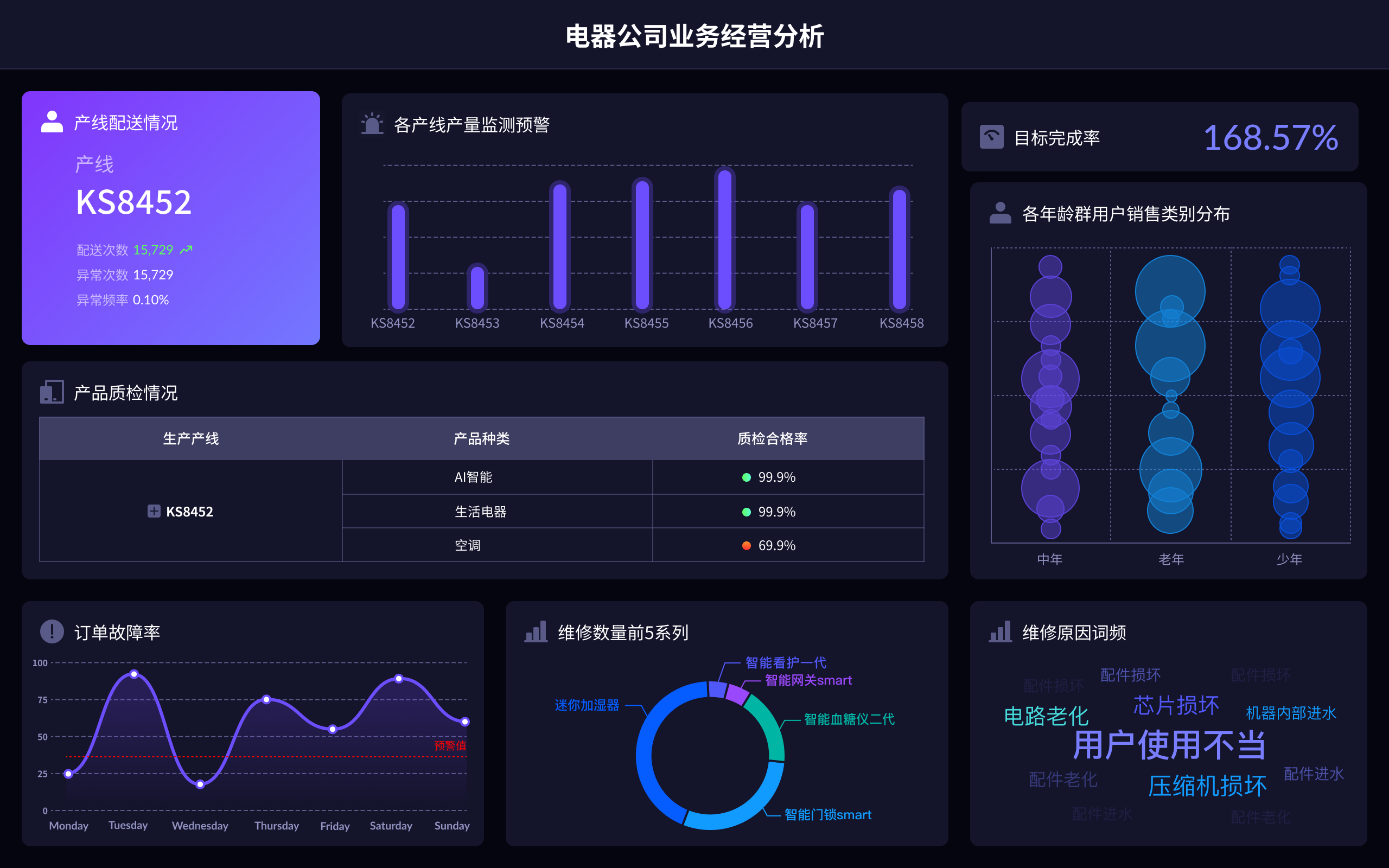
What Data is Worth Mining
Data that is worth mining typically includes customer behavior data, transactional data, social media data, web traffic data, and operational data. Among these, customer behavior data is particularly valuable as it provides insights into purchasing habits, preferences, and trends that can inform marketing strategies and product development. By analyzing customer behavior data, businesses can segment their audience more effectively, tailor personalized offers, and enhance customer satisfaction, ultimately driving sales and revenue growth.
一、CUSTOMER BEHAVIOR DATA
Customer behavior data encompasses all the interactions and actions a customer takes when engaging with a brand. This data can be gathered from various touchpoints such as website interactions, email responses, purchase history, and social media engagements. Understanding customer behavior allows businesses to predict future actions, personalize marketing efforts, and improve overall customer experience. For instance, an e-commerce company can use this data to recommend products that a customer is likely to buy based on their past purchases and browsing history. Furthermore, analyzing this data helps in identifying trends and patterns, which can be crucial for product development and inventory management.
二、TRANSACTIONAL DATA
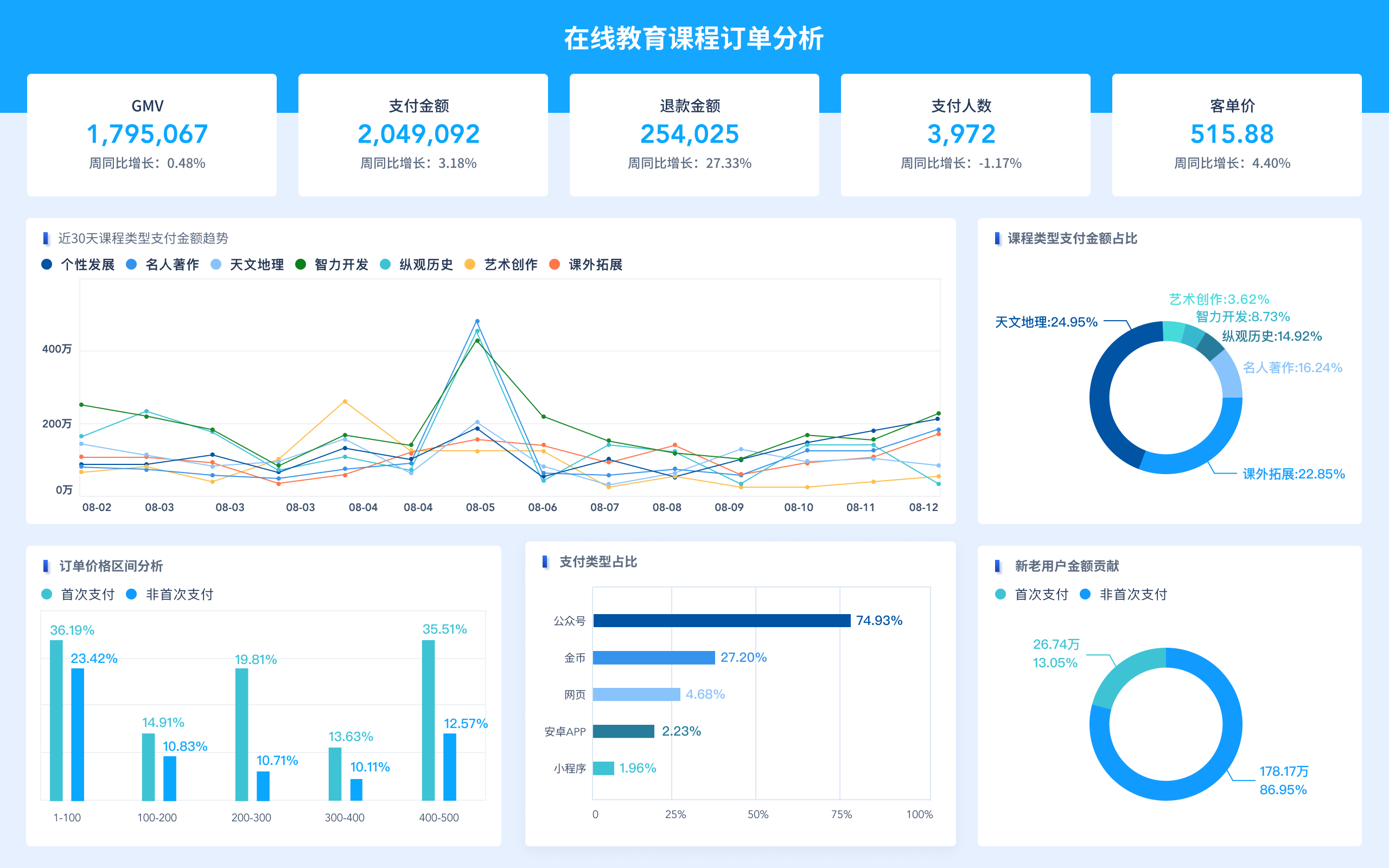
Transactional data includes information about the transactions that occur within a business, such as sales, returns, and exchanges. This data is critical for financial analysis and reporting, but its value extends beyond basic accounting. By mining transactional data, companies can uncover spending patterns, detect fraudulent activities, and optimize pricing strategies. For example, a retail store can analyze transaction data to identify peak shopping times and adjust staffing levels accordingly. Additionally, this data can be used to develop loyalty programs that reward frequent shoppers, thereby increasing customer retention.
三、SOCIAL MEDIA DATA
Social media platforms generate a massive amount of data every day, including likes, shares, comments, and follower counts. Mining social media data provides insights into brand perception, customer sentiments, and market trends. Businesses can use this data to gauge the effectiveness of their social media campaigns and understand the public’s opinion about their products or services. For instance, sentiment analysis can help companies identify negative feedback and address issues promptly, enhancing their reputation and customer satisfaction. Moreover, social media data can reveal emerging trends and topics, allowing businesses to stay ahead of the competition by adapting their strategies in real-time.
四、WEB TRAFFIC DATA
Web traffic data involves information about the visitors to a website, including their geographic location, the pages they visit, the time spent on each page, and the referral sources. This data is essential for optimizing website performance, improving user experience, and increasing conversion rates. By analyzing web traffic data, businesses can identify which pages are most popular and which ones have high bounce rates, enabling them to make informed decisions about content and design improvements. Additionally, web traffic data can help in understanding the effectiveness of online marketing campaigns and SEO efforts, allowing for better allocation of marketing budgets.
五、OPERATIONAL DATA
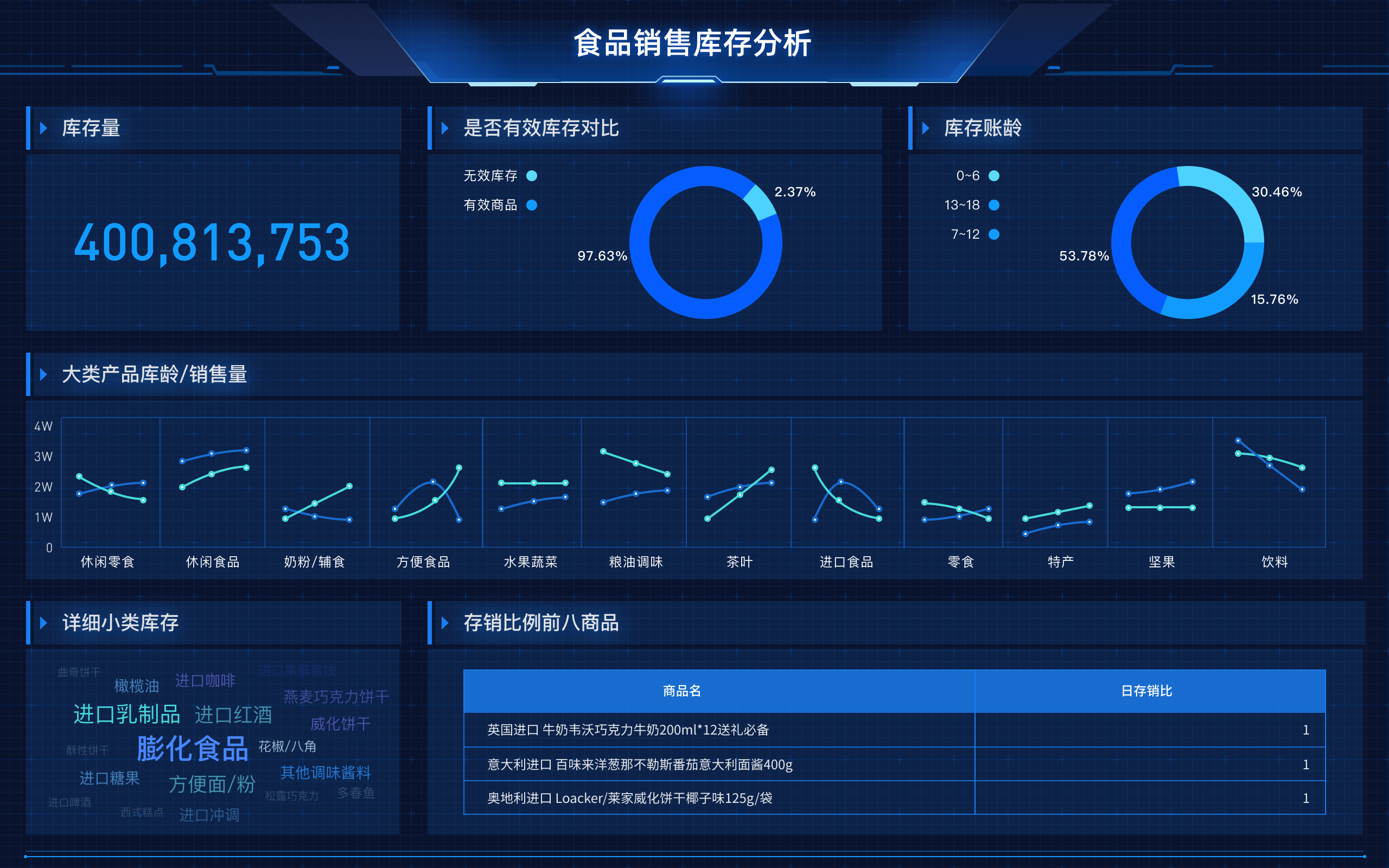
Operational data includes information about the internal processes of a business, such as production schedules, inventory levels, and supply chain logistics. Mining operational data can lead to increased efficiency, cost savings, and better resource management. For example, a manufacturing company can use this data to predict equipment maintenance needs and reduce downtime. By analyzing inventory data, businesses can optimize stock levels, minimize holding costs, and avoid stockouts. Furthermore, operational data can provide insights into employee performance and productivity, enabling businesses to implement targeted training programs and improve overall operational efficiency.
六、DEMOGRAPHIC DATA
Demographic data provides information about the characteristics of a population, such as age, gender, income, education level, and occupation. This data is crucial for market segmentation, targeted advertising, and product development. By understanding the demographics of their customer base, businesses can tailor their marketing messages to resonate with specific groups, leading to higher engagement and conversion rates. For instance, a company selling luxury goods might target high-income individuals, while a brand offering budget-friendly products might focus on younger consumers with lower disposable income. Demographic data also helps in identifying potential market opportunities and expanding into new regions or customer segments.
七、GEOGRAPHIC DATA
Geographic data involves information about the physical locations of customers, including their countries, cities, and neighborhoods. This data is valuable for location-based marketing, distribution planning, and market expansion. Businesses can use geographic data to identify regions with high demand for their products and allocate resources accordingly. For example, a restaurant chain might analyze geographic data to determine the best locations for new outlets. Additionally, geographic data can help businesses understand regional preferences and tailor their offerings to meet local tastes and cultural nuances. This localization strategy can enhance customer satisfaction and boost sales in specific areas.
八、PSYCHOGRAPHIC DATA
Psychographic data explores the attitudes, interests, values, and lifestyles of customers. This data is essential for developing deeper customer insights and creating more personalized marketing campaigns. By understanding what motivates their customers, businesses can craft messages that resonate on an emotional level, leading to stronger brand loyalty and advocacy. For instance, a fitness brand might target health-conscious individuals who value wellness and active living. Psychographic data also helps in identifying customer pain points and preferences, allowing businesses to develop products and services that better meet their needs and expectations.
九、COMPETITOR DATA
Competitor data involves information about the activities, strengths, and weaknesses of competing businesses. Mining competitor data is crucial for benchmarking, competitive analysis, and strategic planning. By understanding what competitors are doing, businesses can identify gaps in the market, differentiate their offerings, and develop strategies to gain a competitive edge. For example, a company might analyze competitor pricing strategies to adjust their own prices and attract more customers. Additionally, competitor data can reveal industry trends and best practices, helping businesses stay innovative and responsive to market changes.
十、SENTIMENT ANALYSIS DATA
Sentiment analysis data involves analyzing customer feedback, reviews, and social media mentions to gauge public opinion about a brand or product. This data is vital for reputation management, customer service, and product improvement. By mining sentiment analysis data, businesses can identify common complaints and areas for improvement, allowing them to address issues proactively and enhance customer satisfaction. Positive sentiment data can also be used in marketing campaigns to build trust and credibility. Additionally, sentiment analysis helps businesses understand the emotional drivers behind customer decisions, enabling them to create more compelling value propositions.
十一、SUPPLY CHAIN DATA
Supply chain data involves information about the flow of goods and services from suppliers to customers, including procurement, production, and distribution processes. Mining supply chain data is crucial for improving efficiency, reducing costs, and ensuring timely delivery. By analyzing this data, businesses can identify bottlenecks, optimize logistics, and enhance coordination with suppliers. For instance, a retailer might use supply chain data to predict demand and adjust inventory levels to avoid stockouts or overstock situations. Additionally, supply chain data can provide insights into supplier performance and reliability, enabling businesses to make informed sourcing decisions and mitigate risks.
十二、CUSTOMER SUPPORT DATA
Customer support data includes information about customer inquiries, complaints, and service interactions. This data is essential for improving customer service, identifying common issues, and enhancing product quality. By mining customer support data, businesses can identify recurring problems and develop solutions to prevent them in the future. For example, a software company might analyze support tickets to find common bugs and prioritize fixes in their development pipeline. Additionally, customer support data can provide insights into customer satisfaction levels and service quality, allowing businesses to implement training programs and improve their support processes.
十三、EMAIL MARKETING DATA
Email marketing data includes information about email open rates, click-through rates, conversion rates, and subscriber behavior. This data is crucial for optimizing email campaigns, improving engagement, and driving sales. By analyzing email marketing data, businesses can identify which types of content and subject lines resonate with their audience, allowing them to refine their messaging and increase effectiveness. For instance, an e-commerce company might use email data to segment their audience based on past purchases and send personalized product recommendations. Additionally, email marketing data can help businesses understand subscriber preferences and behaviors, enabling them to create more targeted and relevant email campaigns.
十四、MOBILE APP DATA
Mobile app data involves information about user interactions with a mobile application, including in-app purchases, session duration, and feature usage. This data is vital for improving app performance, enhancing user experience, and driving engagement. By mining mobile app data, businesses can identify which features are most popular and which ones are underutilized, allowing them to make informed decisions about app development and updates. For example, a gaming company might analyze app data to understand player behavior and optimize game mechanics to increase retention. Additionally, mobile app data can provide insights into user demographics and preferences, enabling businesses to tailor their app offerings to meet the needs of their target audience.
十五、IoT DATA
IoT (Internet of Things) data involves information collected from connected devices, such as smart home appliances, wearables, and industrial sensors. This data is essential for predictive maintenance, real-time monitoring, and enhancing product functionality. By analyzing IoT data, businesses can detect anomalies, predict equipment failures, and perform maintenance before issues escalate, reducing downtime and costs. For instance, a manufacturing company might use IoT data to monitor machine performance and schedule maintenance activities proactively. Additionally, IoT data can provide insights into how customers use connected products, allowing businesses to improve their designs and add new features that enhance user experience.
十六、FINANCIAL DATA
Financial data includes information about a company’s revenues, expenses, profits, and financial transactions. This data is crucial for financial planning, budgeting, and investment decisions. By mining financial data, businesses can identify cost-saving opportunities, optimize resource allocation, and improve profitability. For example, a company might analyze financial data to understand the impact of different business activities on their bottom line and adjust their strategies accordingly. Additionally, financial data can provide insights into market trends and economic conditions, helping businesses make informed decisions about expansion, mergers, and acquisitions.
十七、HUMAN RESOURCES DATA
Human resources data involves information about employee performance, attendance, compensation, and training. This data is essential for workforce planning, performance management, and employee development. By analyzing HR data, businesses can identify high-performing employees, understand factors influencing employee turnover, and develop strategies to retain top talent. For instance, a company might use HR data to create personalized development plans for employees based on their skills and career aspirations. Additionally, HR data can provide insights into workforce diversity and inclusion, enabling businesses to implement policies that promote a positive and inclusive work environment.
十八、MARKET RESEARCH DATA
Market research data includes information about market size, competition, customer preferences, and industry trends. This data is crucial for strategic planning, product development, and market positioning. By mining market research data, businesses can identify new market opportunities, understand customer needs, and develop products that meet those needs. For example, a company might use market research data to identify a gap in the market for a new product and develop a go-to-market strategy to capture that opportunity. Additionally, market research data can provide insights into competitive dynamics, helping businesses differentiate their offerings and gain a competitive edge.
十九、HEALTHCARE DATA
Healthcare data includes information about patient records, treatment outcomes, and medical research. This data is vital for improving patient care, advancing medical research, and optimizing healthcare operations. By analyzing healthcare data, medical professionals can identify patterns and trends that inform treatment decisions and improve patient outcomes. For example, researchers might use healthcare data to study the effectiveness of a new drug or treatment protocol. Additionally, healthcare data can provide insights into operational efficiencies, enabling healthcare providers to streamline processes, reduce costs, and enhance the quality of care.
二十、EDUCATION DATA
Education data involves information about student performance, attendance, and learning outcomes. This data is crucial for improving educational programs, enhancing student engagement, and supporting personalized learning. By mining education data, educators can identify factors that influence student success and develop targeted interventions to support struggling students. For instance, a school might analyze data to understand the impact of different teaching methods on student performance and adjust their curriculum accordingly. Additionally, education data can provide insights into student preferences and learning styles, enabling educators to create more engaging and effective learning experiences.
In conclusion, a wide range of data types can be mined to provide valuable insights and drive business success. Each type of data offers unique benefits and can be used to inform different aspects of business strategy and operations. By leveraging the power of data mining, businesses can gain a competitive edge, improve efficiency, and enhance customer satisfaction.
相关问答FAQs:
What Data is Worth Mining?
数据挖掘是一个复杂而又广泛的过程,涉及从大量数据中提取有价值的信息和知识。在现代商业和科技环境中,了解哪些数据值得挖掘是至关重要的。这不仅可以帮助企业做出更明智的决策,还可以推动创新和效率。以下是一些值得挖掘的数据类型及其潜在价值。
1. 用户行为数据
用户行为数据是指用户在网站或应用程序上的交互记录。这包括点击率、浏览时长、购买历史等。这些数据能够提供有关用户偏好的深入见解,从而帮助企业优化其产品和服务。
- 如何利用用户行为数据?
- 个性化推荐:通过分析用户的历史行为,企业可以向用户推荐相关产品或服务,从而提高转化率。
- 用户体验优化:理解用户的行为模式,可以帮助企业识别网站或应用中的痛点,进而改善用户体验。
2. 社交媒体数据
社交媒体数据来源于用户在平台上发布的内容、评论和互动。这些数据不仅可以反映用户的情感和态度,还可以提供关于品牌声誉和市场趋势的实时信息。
- 社交媒体数据的应用
- 舆情分析:企业可以利用社交媒体数据监测公众对品牌的看法,从而及时调整市场策略。
- 市场趋势预测:通过分析社交媒体上的热门话题,企业可以预测未来的市场趋势,抓住商机。
3. 销售数据
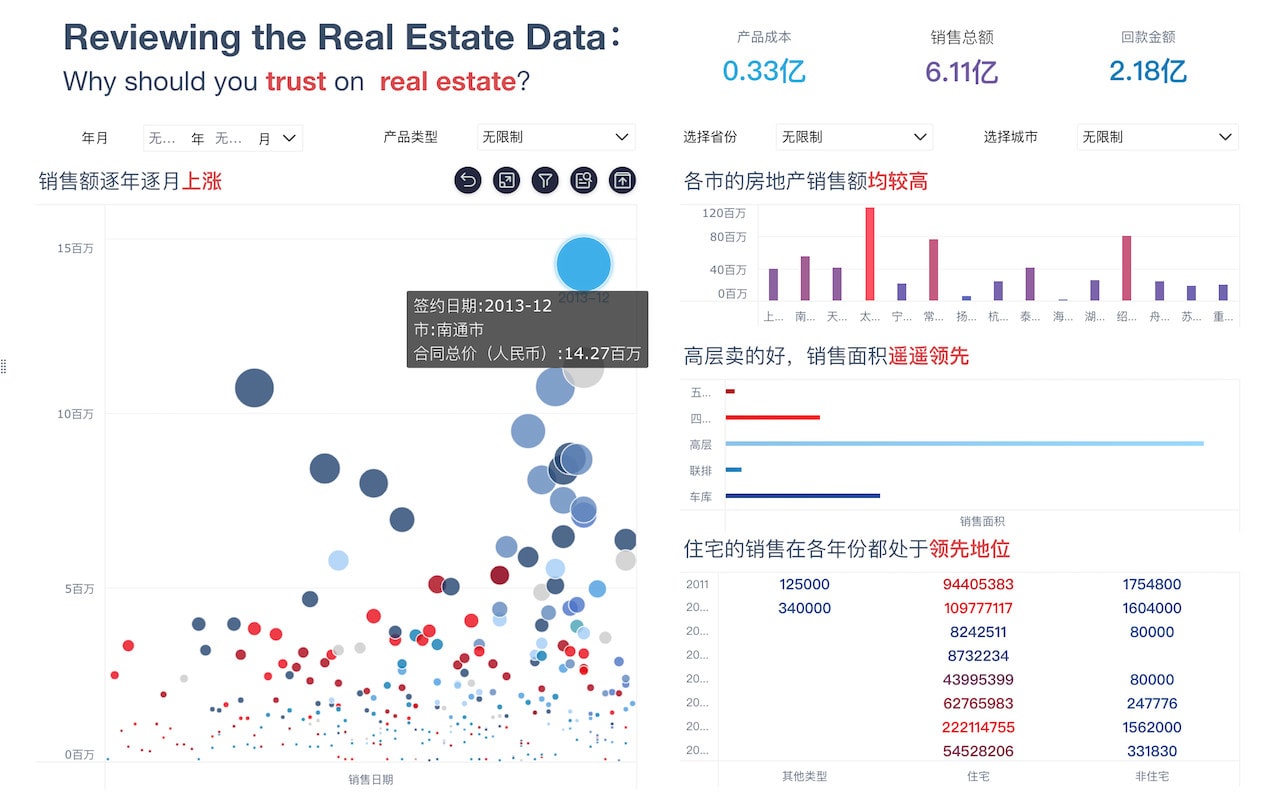
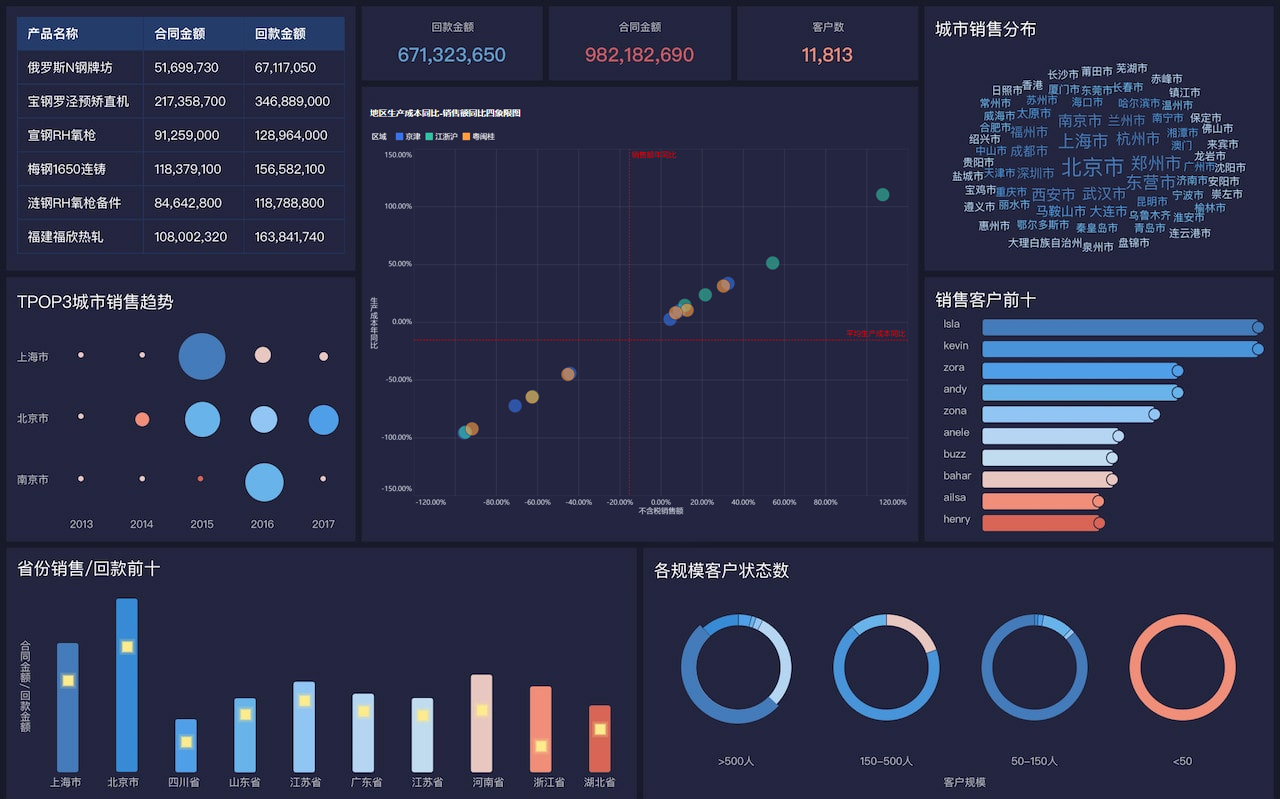
销售数据是企业最重要的资产之一,包括销售额、客户购买频率、产品库存等。这些数据可以帮助企业评估市场表现,并制定未来的销售战略。
- 销售数据的挖掘价值
- 销售预测:通过历史销售数据的分析,企业可以预测未来的销售趋势,优化库存管理。
- 客户细分:分析客户购买行为,可以帮助企业进行市场细分,制定更具针对性的营销策略。
4. 市场调研数据
市场调研数据来自于对消费者和市场的调查和分析。这些数据能够为企业提供竞争对手分析、消费者需求和市场机会的全面视角。
- 市场调研数据的优势
- 产品开发:通过了解消费者的需求和偏好,企业可以开发出更符合市场需求的产品。
- 竞争分析:分析竞争对手的市场策略,可以帮助企业识别自身的优势和劣势,从而制定更有效的竞争策略。
5. 财务数据
财务数据包括企业的收入、成本、利润等信息。这些数据对于企业的运营和战略规划至关重要。
- 财务数据的挖掘方式
- 成本控制:通过分析成本结构,企业可以识别降低成本的机会,提高盈利能力。
- 投资决策:财务数据的深入分析可以为企业的投资决策提供支持,确保资源的有效配置。
6. 产品性能数据
产品性能数据是指企业在生产和销售过程中收集的与产品质量和性能相关的信息。这些数据可以帮助企业提高产品质量和客户满意度。
- 如何利用产品性能数据?
- 质量控制:通过监测产品性能,可以及时发现并解决质量问题,降低退货率。
- 产品优化:分析用户对产品的反馈,可以为后续产品的改进提供依据。
7. 地理位置数据
地理位置数据是指与用户或市场相关的地理信息。随着移动设备的普及,这类数据的获取变得更加容易。
- 地理位置数据的应用
- 市场定位:企业可以根据不同地区的消费习惯和需求,制定相应的市场策略。
- 广告投放:通过地理位置数据,企业可以向特定地区的用户投放更具针对性的广告,提高广告效果。
8. 客户反馈数据
客户反馈数据来源于客户对产品或服务的评价和建议。这些数据对于企业了解客户需求和提升服务质量非常重要。
- 客户反馈数据的挖掘
- 改进产品和服务:分析客户的反馈,可以帮助企业识别需要改进的领域,从而提升客户满意度。
- 客户忠诚度分析:通过研究客户反馈,可以了解客户的忠诚度和流失原因,制定相应的客户保留策略。
9. 行业趋势数据
行业趋势数据包括行业报告、市场研究和竞争对手分析等。这些数据可以为企业的战略规划提供参考。
- 行业趋势数据的价值
- 战略制定:通过对行业趋势的分析,企业可以制定更具前瞻性的战略,抓住市场机遇。
- 风险评估:了解行业动态,可以帮助企业识别潜在风险,做好应对措施。
10. 供应链数据
供应链数据涵盖从原材料采购到产品交付的各个环节的信息。这类数据可以帮助企业优化运营效率,降低成本。
- 供应链数据的应用
- 库存管理:通过分析供应链数据,企业可以优化库存水平,降低库存成本。
- 供应商评估:分析供应商的绩效,可以帮助企业选择更可靠的合作伙伴,提高供应链的稳定性。
通过对上述数据类型的深入挖掘和分析,企业能够获得更全面的市场洞察和客户理解,从而在竞争激烈的市场中获得优势。这不仅能够提升企业的决策能力,还能够推动业务的持续增长和创新。
本文内容通过AI工具匹配关键字智能整合而成,仅供参考,帆软不对内容的真实、准确或完整作任何形式的承诺。具体产品功能请以帆软官方帮助文档为准,或联系您的对接销售进行咨询。如有其他问题,您可以通过联系blog@fanruan.com进行反馈,帆软收到您的反馈后将及时答复和处理。