The importance of data engines
Data engines are crucial in the modern digital landscape due to their role in efficient data processing, real-time analytics, enhancing decision-making, optimizing business operations, and supporting machine learning models. Efficient data processing enables organizations to handle large volumes of data swiftly and accurately. For instance, real-time analytics provided by data engines allow businesses to gain immediate insights and react promptly to market changes, customer behavior, or operational issues. This capability is essential for making informed decisions, optimizing processes, and maintaining a competitive edge in today's fast-paced business environment.
I、EFFICIENT DATA PROCESSING
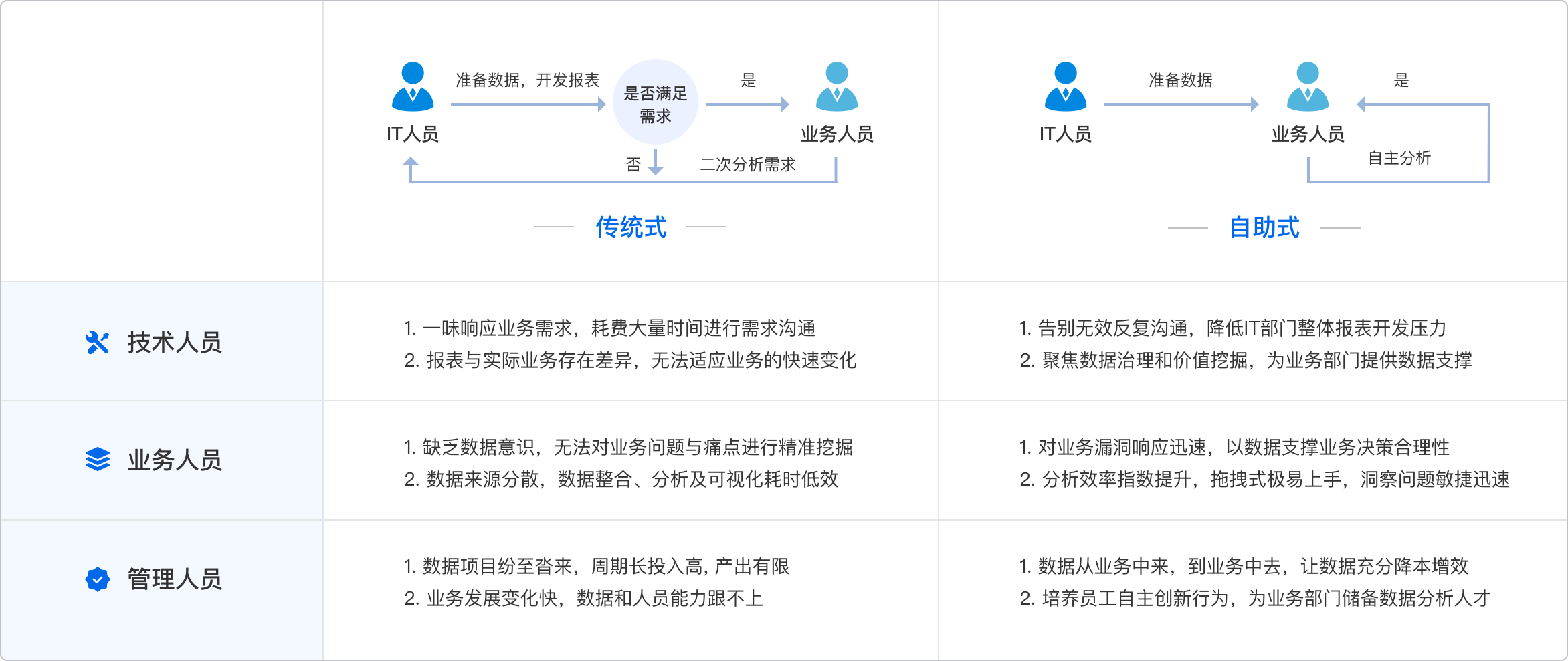
Efficient data processing is fundamental to any organization's ability to manage and utilize vast amounts of data. Data engines like Apache Spark, Hadoop, and Flink provide the necessary infrastructure to process large datasets quickly and accurately. This efficiency is achieved through distributed computing, where data processing tasks are divided among multiple nodes or servers, allowing for parallel processing. This division of labor significantly reduces the time required to process data, enabling organizations to analyze and act on information in near real-time. Moreover, efficient data processing minimizes the risks associated with data latency, ensuring that decisions are based on the most current and relevant data available.
II、REAL-TIME ANALYTICS
Real-time analytics is a game-changer for many industries. Data engines facilitate the continuous analysis of streaming data, providing businesses with up-to-the-minute insights. This capability is particularly valuable in sectors like finance, healthcare, and retail, where timely information is critical. For instance, in finance, real-time analytics can help detect fraudulent transactions as they happen, allowing for immediate intervention. In healthcare, real-time data can monitor patient vitals and alert medical staff to any sudden changes, potentially saving lives. In retail, businesses can use real-time analytics to track customer behavior and adjust marketing strategies on the fly, maximizing sales opportunities.
III、ENHANCING DECISION-MAKING
Data-driven decision-making is at the heart of modern business strategies. Data engines provide the tools necessary to analyze vast amounts of information and extract meaningful insights. These insights enable decision-makers to base their strategies on empirical evidence rather than intuition or guesswork. For example, a company can analyze customer data to identify trends and preferences, allowing it to tailor its products and services to meet market demands more effectively. Additionally, data engines can help identify operational inefficiencies, enabling businesses to streamline processes and reduce costs. The ability to make informed decisions quickly and accurately is a significant competitive advantage in any industry.
IV、OPTIMIZING BUSINESS OPERATIONS
Operational efficiency is critical for the success of any organization. Data engines play a vital role in optimizing business operations by providing insights into various aspects of the business, from supply chain management to customer service. For example, data engines can analyze supply chain data to identify bottlenecks and inefficiencies, allowing businesses to implement corrective measures and improve overall performance. In customer service, data engines can analyze customer interactions to identify common issues and areas for improvement, leading to enhanced customer satisfaction. By optimizing operations, businesses can reduce costs, improve productivity, and increase profitability.
V、SUPPORTING MACHINE LEARNING MODELS
Machine learning models require large amounts of data to be effective. Data engines provide the infrastructure needed to collect, process, and store this data, enabling the development and deployment of sophisticated machine learning algorithms. These models can then be used for a wide range of applications, from predictive analytics to automation. For instance, in predictive maintenance, machine learning models can analyze equipment data to predict failures before they occur, allowing for proactive maintenance and reducing downtime. In marketing, machine learning models can analyze customer data to predict purchasing behavior and personalize marketing efforts, increasing conversion rates. The ability to support machine learning models is a significant advantage of data engines, as it allows businesses to leverage the power of artificial intelligence to drive innovation and growth.
VI、IMPROVING DATA INTEGRITY AND SECURITY
Data integrity and security are paramount in today's digital age. Data engines provide robust mechanisms for ensuring the accuracy, consistency, and security of data. This is achieved through features such as data encryption, access controls, and audit trails. Data encryption ensures that sensitive information is protected from unauthorized access, while access controls allow businesses to manage who can view and modify data. Audit trails provide a record of all data-related activities, enabling businesses to monitor and investigate any suspicious behavior. By improving data integrity and security, data engines help businesses protect their valuable information assets and maintain compliance with regulatory requirements.
VII、FACILITATING DATA INTEGRATION
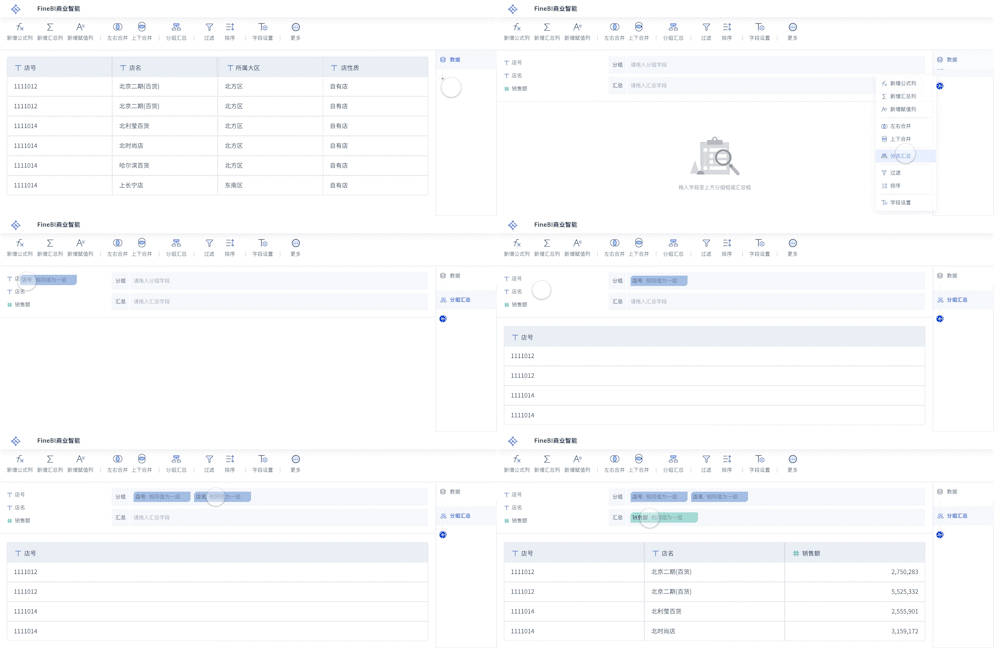
Data integration is the process of combining data from different sources to provide a unified view. Data engines facilitate this process by providing the tools and infrastructure needed to collect, transform, and merge data from various sources. This capability is particularly valuable in organizations that operate in multiple locations or have diverse data systems. For example, a multinational company can use data engines to integrate sales data from different regions, providing a comprehensive view of global sales performance. This unified view enables businesses to make more informed decisions and develop strategies that are aligned with their overall objectives. Additionally, data integration helps eliminate data silos, ensuring that all relevant information is accessible and can be leveraged to its full potential.
VIII、ENABLING SCALABILITY
Scalability is a crucial feature of data engines, allowing organizations to handle increasing amounts of data as their operations grow. Data engines like Apache Hadoop and Spark are designed to scale horizontally, meaning that additional nodes can be added to the system to increase its processing capacity. This scalability ensures that businesses can continue to process and analyze data efficiently, even as the volume of data grows. For instance, an e-commerce company experiencing rapid growth can scale its data engine to handle the increased volume of transactions and customer interactions. By enabling scalability, data engines help businesses maintain performance and efficiency, regardless of the size and complexity of their data.
IX、SUPPORTING DATA-DRIVEN CULTURE
A data-driven culture is one where decisions at all levels of the organization are guided by data and analytics. Data engines support this culture by providing the tools and infrastructure needed to collect, process, and analyze data. This empowers employees to make informed decisions based on empirical evidence rather than intuition or guesswork. For example, marketing teams can use data engines to analyze campaign performance and optimize strategies, while product development teams can use customer feedback data to improve product features and functionality. By supporting a data-driven culture, data engines help organizations foster a mindset of continuous improvement and innovation.
X、ENHANCING CUSTOMER EXPERIENCE
Improving the customer experience is a top priority for many businesses. Data engines play a crucial role in this by providing insights into customer behavior and preferences. These insights can be used to personalize interactions, improve customer service, and develop products and services that meet customer needs. For instance, data engines can analyze customer feedback to identify common pain points and areas for improvement, enabling businesses to address these issues proactively. Additionally, data engines can be used to track customer interactions across multiple channels, providing a holistic view of the customer journey. By enhancing the customer experience, businesses can increase customer satisfaction, loyalty, and retention.
XI、SUPPORTING INNOVATION
Innovation is essential for businesses to stay competitive and drive growth. Data engines support innovation by providing the tools and infrastructure needed to analyze data and identify new opportunities. For example, data engines can be used to analyze market trends and customer behavior, helping businesses identify gaps in the market and develop new products and services to meet these needs. Additionally, data engines can support research and development efforts by providing insights into the performance of existing products and identifying areas for improvement. By supporting innovation, data engines help businesses stay ahead of the competition and drive long-term success.
XII、IMPROVING COMPLIANCE
Compliance with regulatory requirements is a critical concern for many organizations. Data engines help businesses ensure compliance by providing the tools and infrastructure needed to manage and protect data. This includes features such as data encryption, access controls, and audit trails. Data encryption ensures that sensitive information is protected from unauthorized access, while access controls allow businesses to manage who can view and modify data. Audit trails provide a record of all data-related activities, enabling businesses to monitor and investigate any suspicious behavior. By improving compliance, data engines help businesses avoid costly fines and penalties, protect their reputation, and maintain the trust of their customers and stakeholders.
XIII、REDUCING COSTS
Cost reduction is a key priority for many businesses. Data engines can help achieve this by optimizing business operations and improving efficiency. For example, data engines can analyze supply chain data to identify inefficiencies and implement corrective measures, reducing operational costs. Additionally, data engines can be used to analyze customer interactions and identify common issues, enabling businesses to improve customer service and reduce the costs associated with handling customer complaints. By reducing costs, data engines help businesses improve their bottom line and achieve long-term financial stability.
XIV、SUPPORTING COLLABORATION
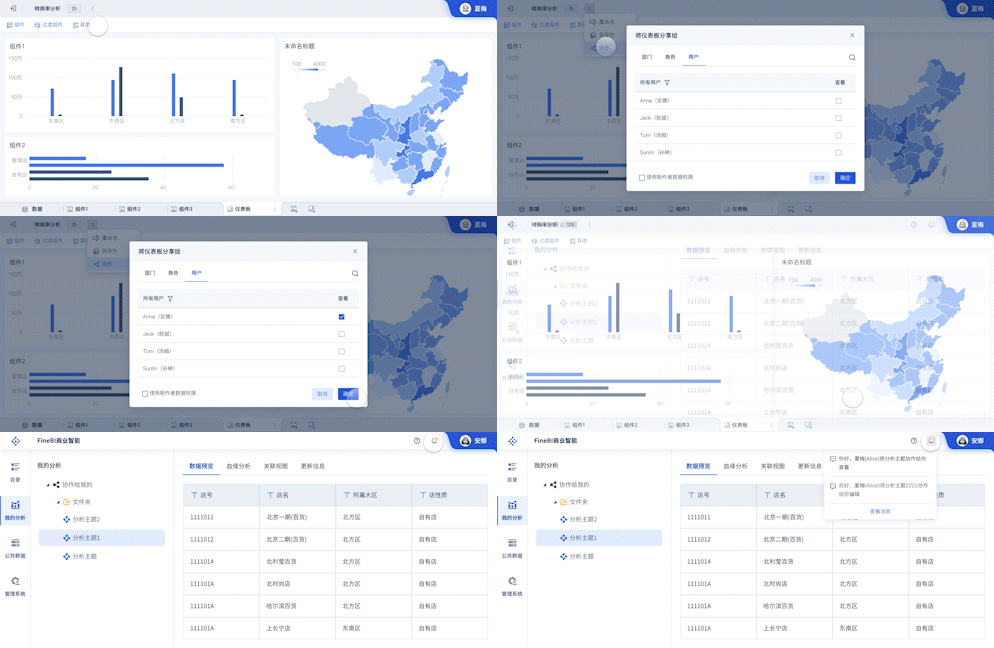
Collaboration is essential for the success of any organization. Data engines support collaboration by providing a centralized platform for data collection, processing, and analysis. This enables teams to work together more effectively, share insights, and make informed decisions. For example, marketing teams can use data engines to collaborate on campaign analysis and optimization, while product development teams can use customer feedback data to improve product features and functionality. By supporting collaboration, data engines help businesses foster a culture of teamwork and innovation.
XV、ENHANCING REPORTING AND VISUALIZATION
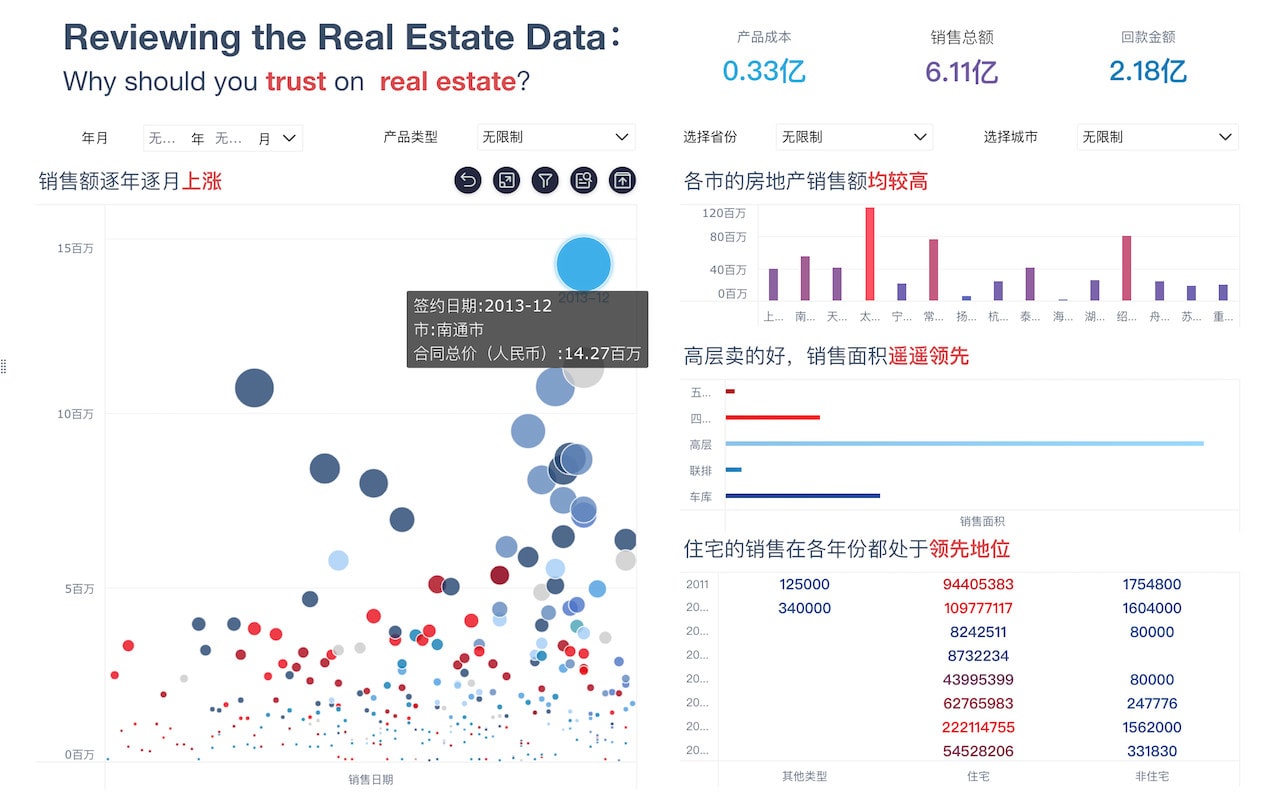
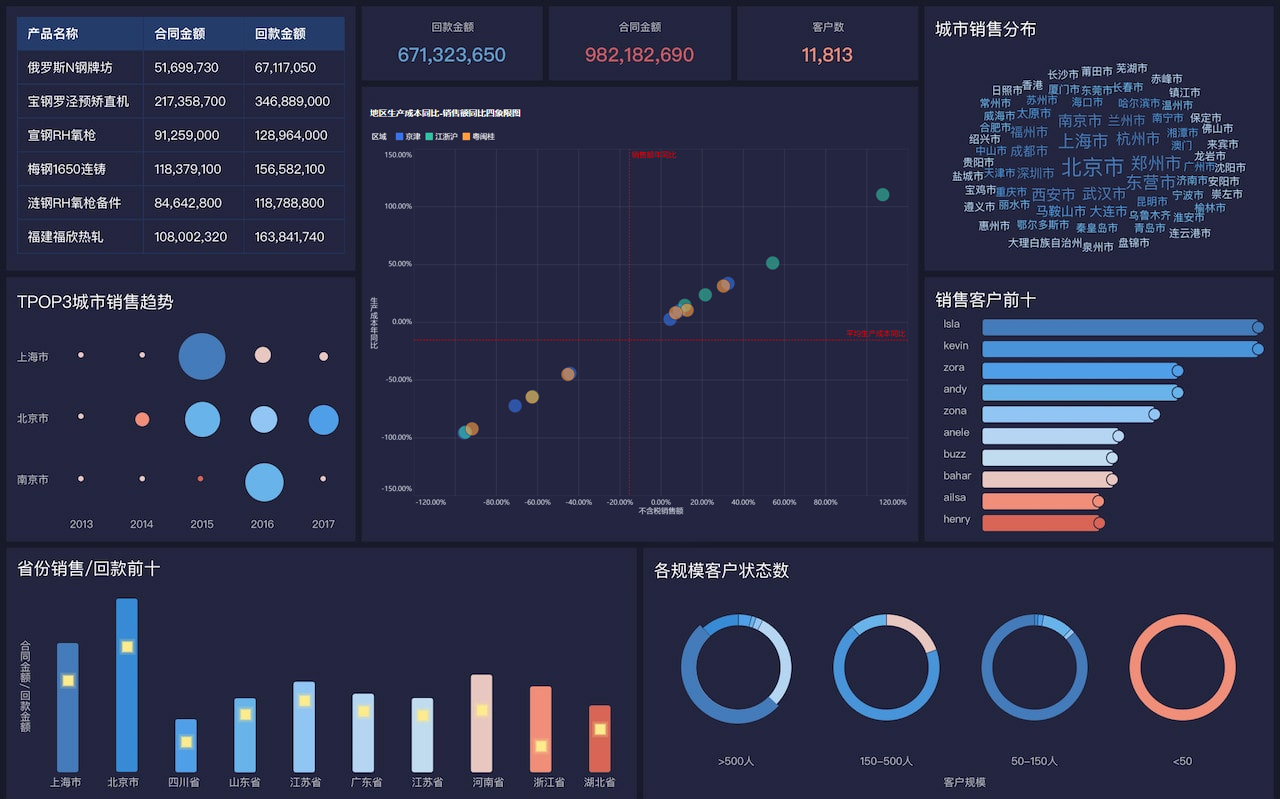
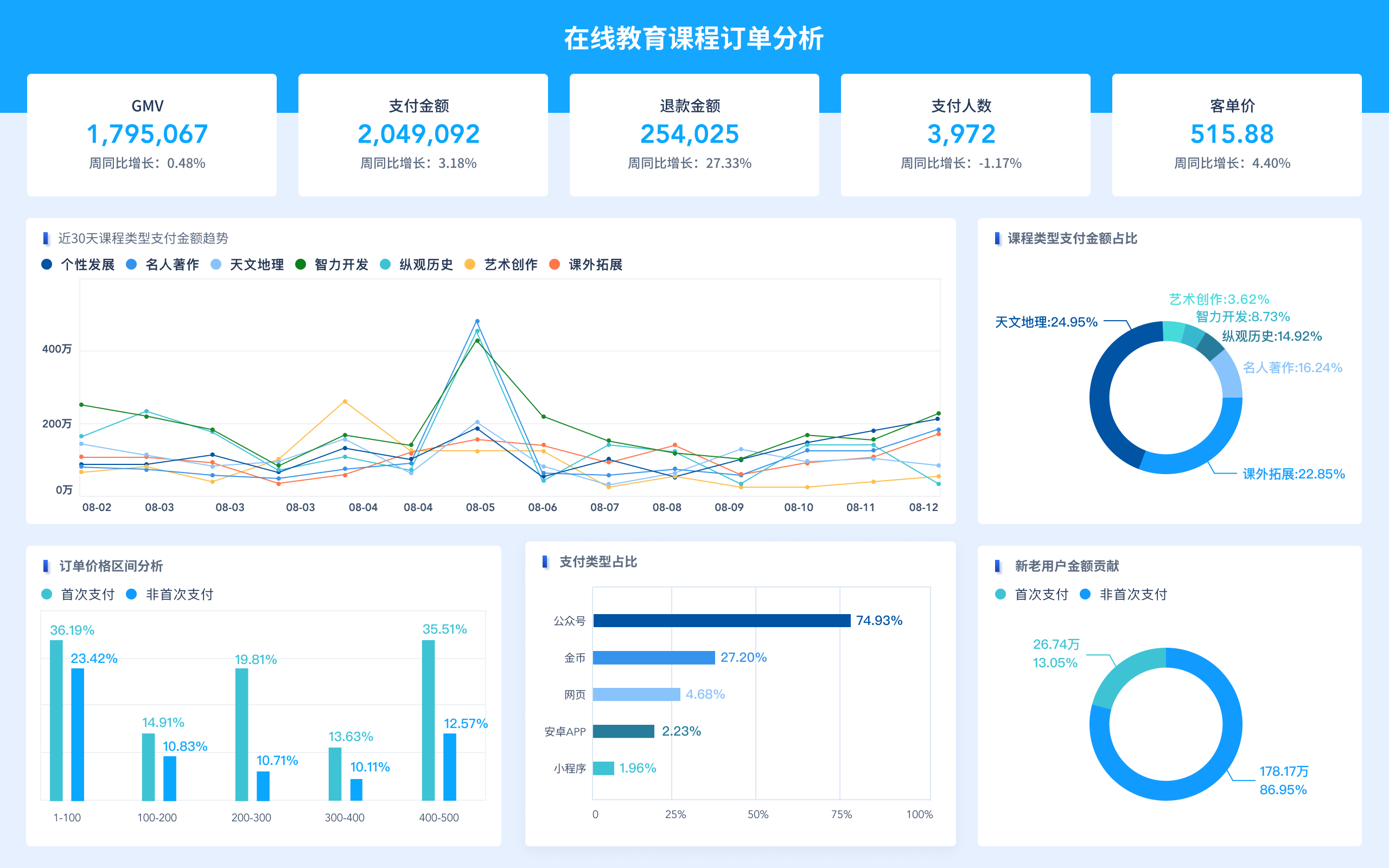
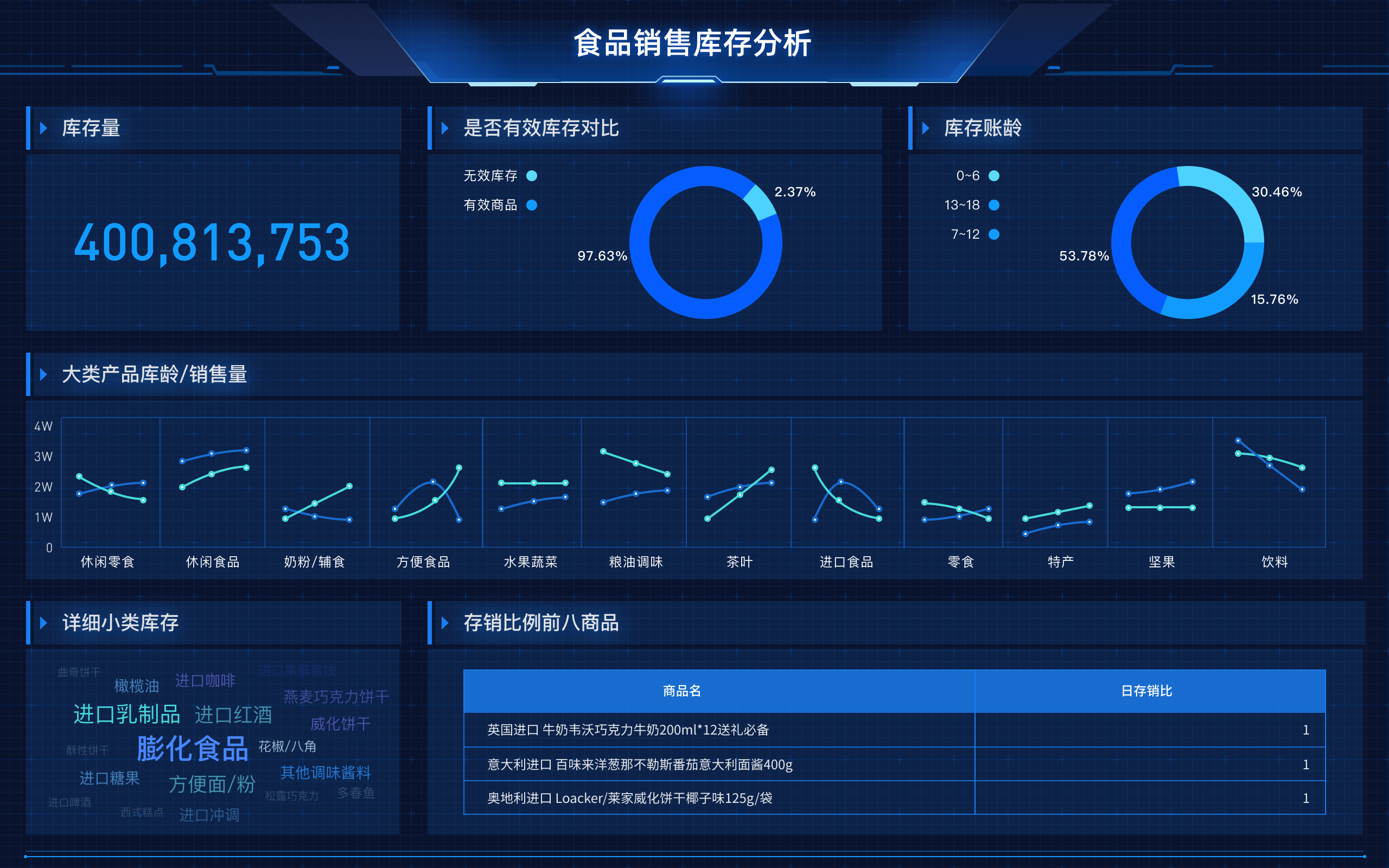
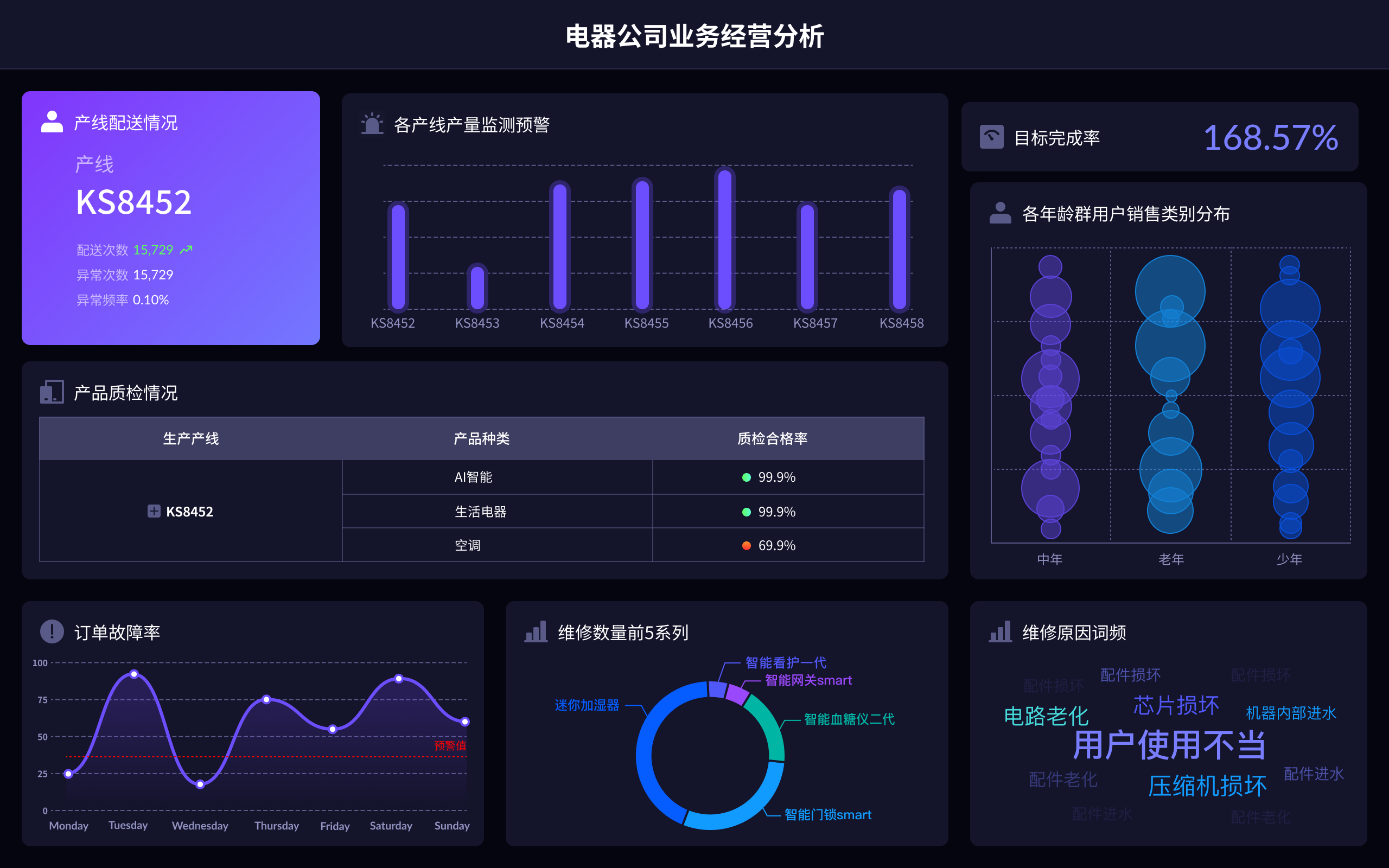
Effective reporting and visualization are crucial for communicating insights and driving informed decision-making. Data engines provide the tools needed to create detailed reports and visualizations that present data in a clear and understandable way. This includes features such as dashboards, charts, and graphs, which can be customized to meet the specific needs of the organization. For example, a sales team can use data engines to create visualizations of sales performance, helping them identify trends and areas for improvement. By enhancing reporting and visualization, data engines help businesses communicate insights more effectively and drive better decision-making.
XVI、SUPPORTING DATA GOVERNANCE
Data governance refers to the management of data availability, usability, integrity, and security. Data engines support data governance by providing the tools and infrastructure needed to manage data effectively. This includes features such as data cataloging, data lineage, and data quality management. Data cataloging helps businesses organize and manage their data assets, while data lineage provides a record of where data comes from and how it has been used. Data quality management ensures that data is accurate, consistent, and reliable. By supporting data governance, data engines help businesses maintain control over their data and ensure that it is used effectively and responsibly.
XVII、ENABLING PREDICTIVE ANALYTICS
Predictive analytics uses historical data to predict future outcomes. Data engines provide the tools and infrastructure needed to collect, process, and analyze data for predictive analytics. This capability is particularly valuable in industries such as finance, healthcare, and manufacturing. For example, in finance, predictive analytics can be used to forecast market trends and inform investment decisions. In healthcare, predictive analytics can be used to predict patient outcomes and develop personalized treatment plans. In manufacturing, predictive analytics can be used to predict equipment failures and optimize maintenance schedules. By enabling predictive analytics, data engines help businesses anticipate future trends and make proactive decisions.
XVIII、SUPPORTING BIG DATA INITIATIVES
Big data initiatives involve the collection, processing, and analysis of large and complex datasets. Data engines provide the tools and infrastructure needed to support these initiatives, enabling businesses to leverage big data for competitive advantage. This includes features such as distributed computing, data integration, and real-time analytics. For example, a retail company can use big data initiatives to analyze customer behavior and develop targeted marketing strategies. A healthcare organization can use big data to analyze patient data and improve treatment outcomes. By supporting big data initiatives, data engines help businesses unlock the value of their data and drive innovation and growth.
XIX、IMPROVING DATA ACCESSIBILITY
Data accessibility refers to the ease with which data can be accessed and used by those who need it. Data engines improve data accessibility by providing a centralized platform for data collection, processing, and analysis. This ensures that data is readily available to those who need it, enabling them to make informed decisions. For example, a marketing team can use data engines to access customer data and develop targeted campaigns, while a finance team can use data engines to access financial data and make informed investment decisions. By improving data accessibility, data engines help businesses make better use of their data and drive better outcomes.
XX、SUPPORTING DIGITAL TRANSFORMATION
Digital transformation involves the integration of digital technology into all areas of a business, fundamentally changing how it operates and delivers value to customers. Data engines support digital transformation by providing the tools and infrastructure needed to collect, process, and analyze data. This enables businesses to leverage data to drive innovation, improve efficiency, and enhance customer experience. For example, a manufacturing company can use data engines to implement predictive maintenance and improve operational efficiency, while a retail company can use data engines to develop personalized marketing strategies and enhance customer experience. By supporting digital transformation, data engines help businesses stay competitive and drive long-term success.
In conclusion, data engines play a critical role in the modern digital landscape, providing the tools and infrastructure needed to collect, process, and analyze data. This enables businesses to make informed decisions, optimize operations, enhance customer experience, and drive innovation and growth. Whether it is through efficient data processing, real-time analytics, or supporting machine learning models, data engines are essential for any organization looking to thrive in today's data-driven world.
相关问答FAQs:
The importance of data engines.
本文内容通过AI工具匹配关键字智能整合而成,仅供参考,帆软不对内容的真实、准确或完整作任何形式的承诺。具体产品功能请以帆软官方帮助文档为准,或联系您的对接销售进行咨询。如有其他问题,您可以通过联系blog@fanruan.com进行反馈,帆软收到您的反馈后将及时答复和处理。