大数据平台建设英文怎么写
-
The English term for "大数据平台建设" is "Big Data Platform Construction." This refers to the process of building a system or infrastructure to manage and analyze large volumes of data. The construction involves various components such as data storage, processing, analysis, and visualization to support the handling of big data.
1年前 -
The construction of big data platforms can be referred to as "big data platform construction" in English.
1年前 -
Title: How to Build a Big Data Platform
Introduction:
Building a big data platform is essential for organizations looking to harness the power of large volumes of data to make informed decisions and gain valuable insights. In this guide, we will break down the process of constructing a big data platform into manageable steps, covering methods, operational procedures, and best practices.I. Defining the Scope and Objectives
- Begin by clearly defining the scope of your big data platform project. Identify the specific goals and objectives you aim to achieve through the platform.
- Determine the types of data sources you will be working with, such as structured, semi-structured, or unstructured data.
- Assess the volume, velocity, and variety of data that you need to handle to ensure that your platform can scale as needed.
- Define the key performance indicators (KPIs) that will measure the success of the big data platform.
II. Selecting the Right Technologies
- Evaluate different big data technologies and tools available in the market, such as Hadoop, Spark, Kafka, and others.
- Consider factors such as scalability, flexibility, ease of use, and compatibility with your existing infrastructure when selecting technologies.
- Choose the appropriate storage and processing technologies based on your specific requirements.
- Assess the need for real-time processing or batch processing and select technologies accordingly.
III. Architecting the Big Data Platform
- Design a scalable and flexible architecture that can accommodate diverse data sources and workloads.
- Define data ingestion processes and data pipelines for collecting, processing, and storing data.
- Implement data governance and security measures to ensure compliance and protect sensitive data.
- Plan for data integration and data transformation processes to derive valuable insights from the data.
IV. Implementation and Deployment
- Set up the necessary infrastructure, including servers, storage, networking, and security components.
- Install and configure the selected big data technologies and tools according to best practices.
- Develop and deploy data processing jobs, workflows, and applications on the big data platform.
- Monitor the performance and reliability of the platform using monitoring tools and dashboards.
V. Data Analysis and Visualization
- Implement data analytics algorithms and techniques to extract insights from the data.
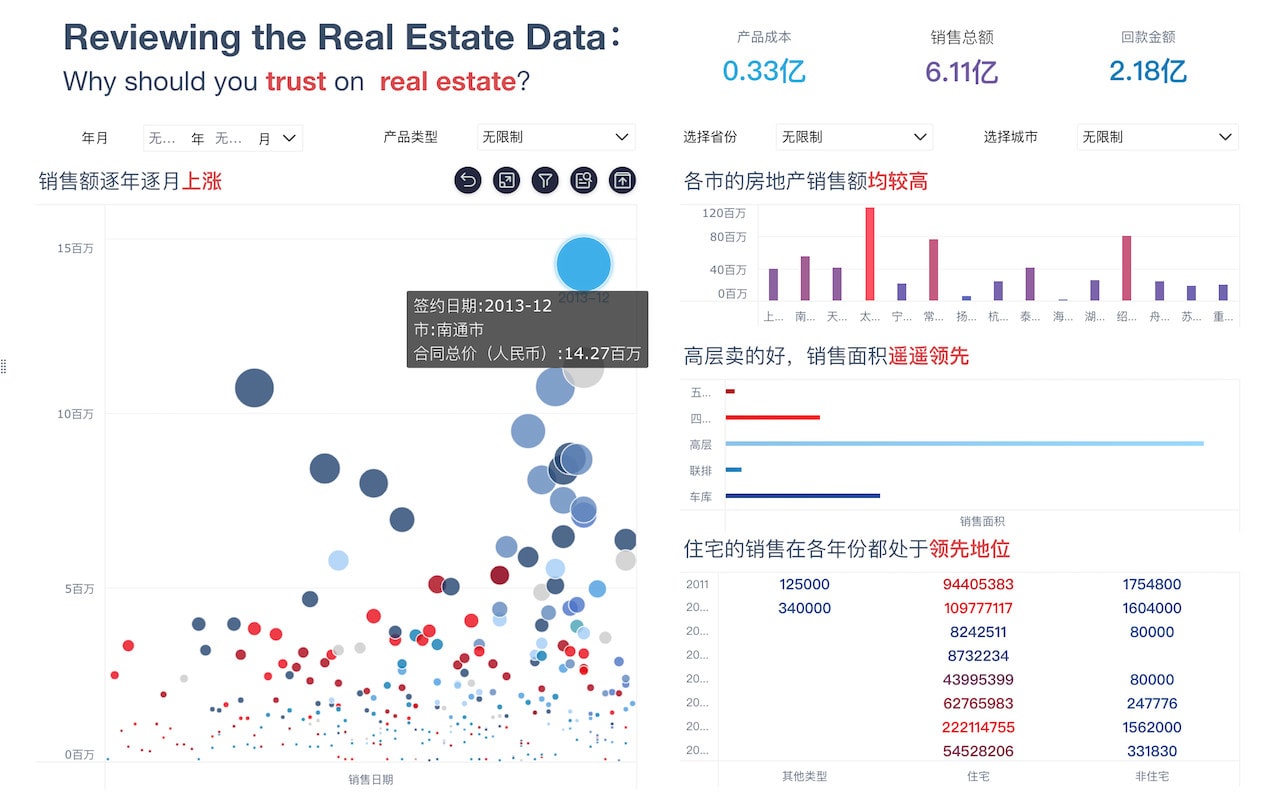
- Visualize the data using dashboards, reports, and other visualization tools to communicate insights effectively.
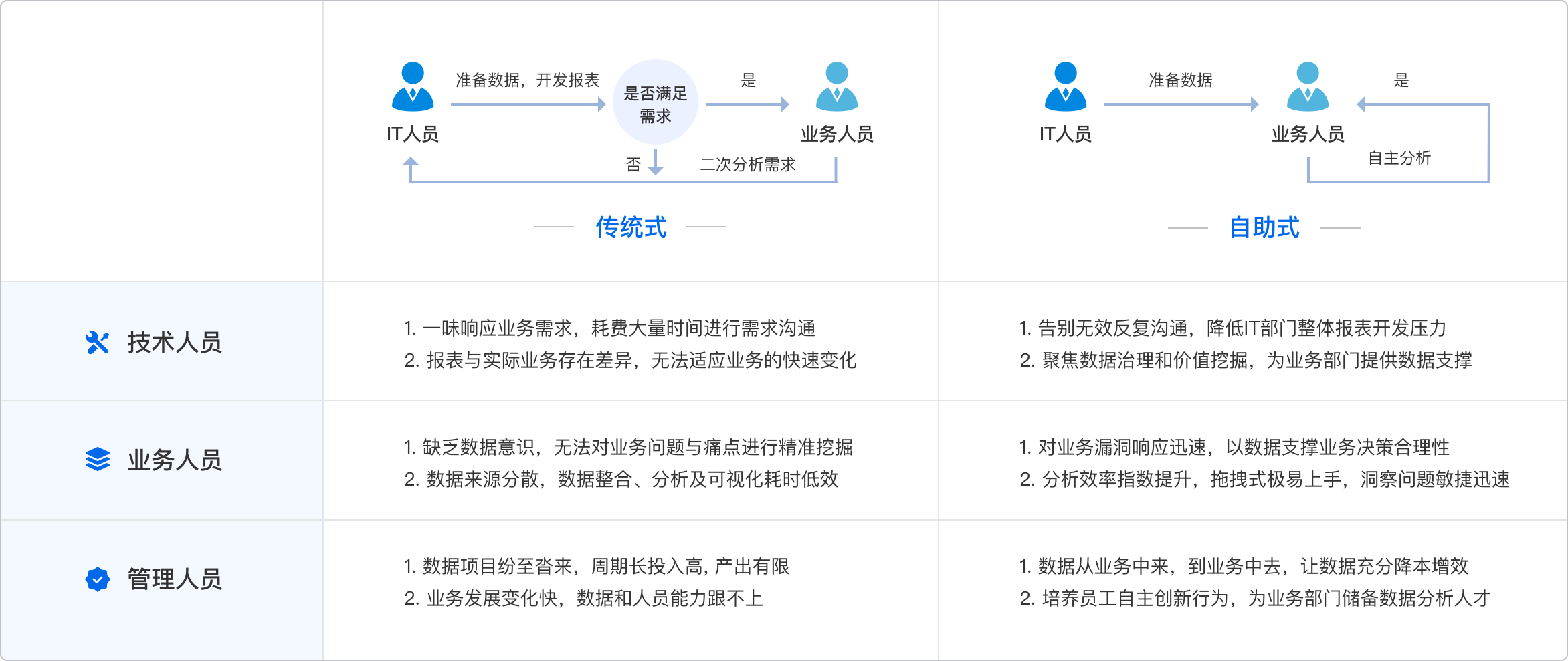
- Enable self-service analytics capabilities for users to explore and analyze data on their own.
- Continuously refine and improve the data analytics processes based on feedback and results.
VI. Maintenance and Optimization
- Regularly monitor and maintain the big data platform to ensure optimal performance and reliability.
- Implement data backup and disaster recovery procedures to protect data against potential threats.
- Optimize data processing workflows and algorithms to improve efficiency and reduce costs.
- Stay updated with the latest trends and technologies in the big data space to continuously improve the platform.
Conclusion:
Building a big data platform requires careful planning, implementation, and maintenance to leverage the full potential of data for driving business growth and innovation. By following the steps outlined in this guide, organizations can create a robust big data platform that meets their specific needs and goals.1年前