数据仓库作用有哪些呢英文
-
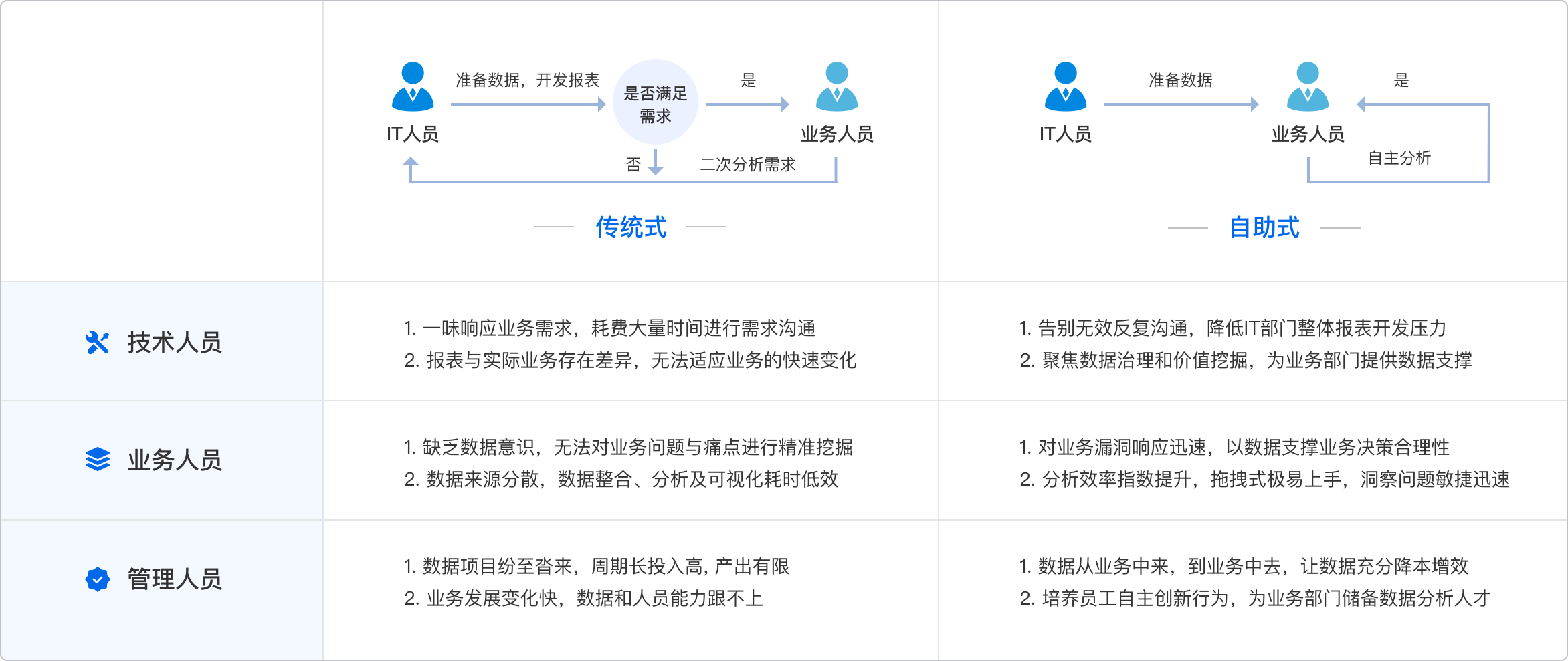
数据仓库的作用主要体现在数据整合、数据分析、决策支持、历史数据存储、以及提升数据质量等方面。 数据仓库通过将来自不同来源的数据整合到一个统一的平台,提供了一个集中式的数据存储解决方案,便于进行复杂的查询和分析。这种整合不仅提高了数据的可访问性,还确保了分析过程中的一致性与准确性。数据仓库能够支持多维数据分析,帮助企业从历史数据中提取有价值的洞察,促进更好的决策制定。
一、数据整合
数据仓库的一个显著作用是数据整合。企业在日常运营中会产生大量的数据,这些数据通常来自不同的系统和应用程序。数据仓库通过ETL(提取、转换、加载)过程,将这些异构数据源的数据提取并整合到一个统一的存储库中。这种整合使得企业能够从多个角度分析数据,获得更全面的视图。
数据整合不仅提高了数据访问效率,还减少了数据冗余和不一致性。通过集中存储,企业能够确保所有用户都在使用相同的数据集,从而减少因数据不同步而导致的决策失误。有效的数据整合还使得企业能够更快地响应市场变化,优化业务流程,提升竞争力。
二、数据分析
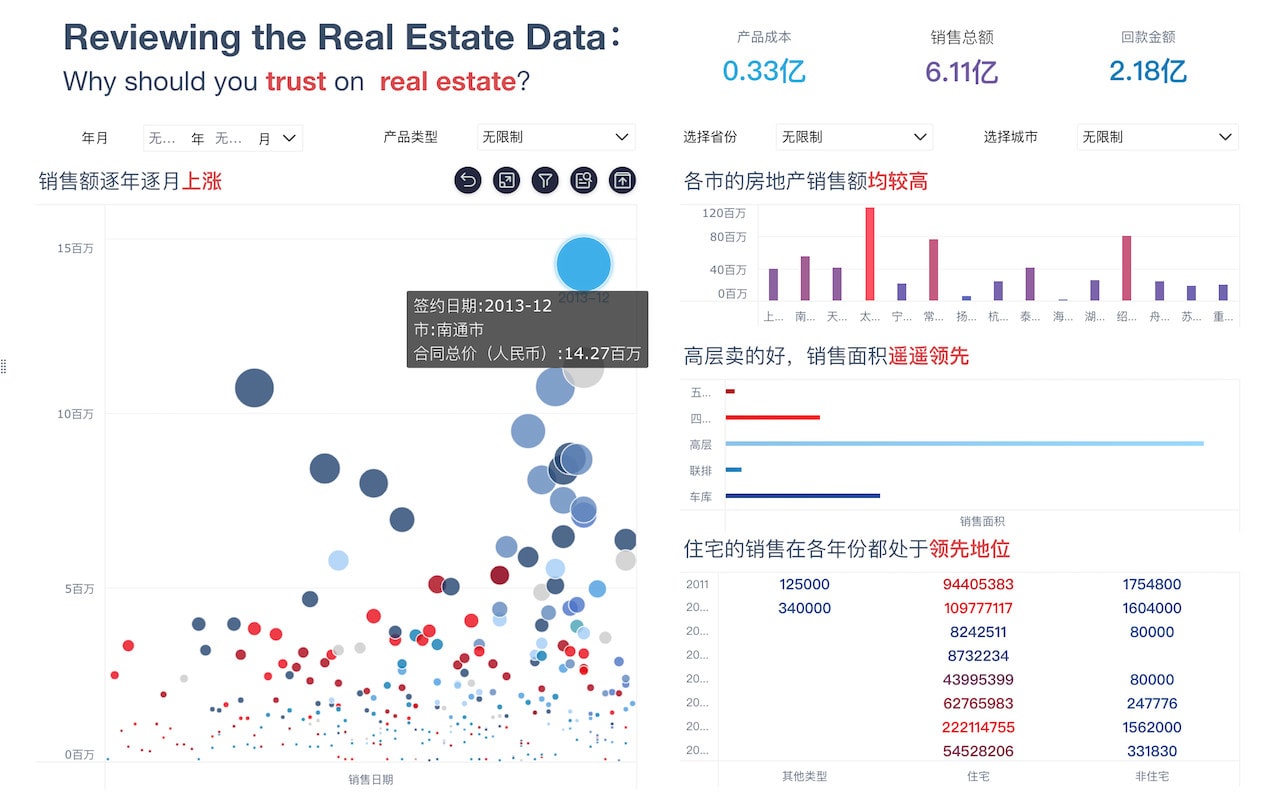
数据仓库为数据分析提供了强大的支持。通过将数据存储在一个结构化的环境中,用户可以利用各种分析工具进行深入的数据挖掘和报告生成。数据仓库支持多维分析,使得用户能够从不同的维度和层次进行数据查看,从而揭示潜在的业务趋势和模式。
此外,数据仓库还允许用户进行复杂的查询。这些查询可以涉及多个数据表和维度,为决策者提供更深层次的洞察。通过实时和历史数据的结合,企业能够识别出关键的绩效指标(KPI),并基于数据做出更为精准的战略决策。
三、决策支持
数据仓库的主要功能之一是为企业的决策支持。在当今快节奏的商业环境中,快速、准确的决策至关重要。数据仓库通过提供可查询的数据和分析报告,使得决策者能够在短时间内获取所需的信息。这种快速反应能力能够帮助企业把握市场机会,降低风险。
决策支持不仅仅局限于日常运营,还可以扩展到战略规划。企业能够利用数据仓库中的历史数据进行趋势分析,预测未来的市场变化,从而制定更具前瞻性的策略。通过数据驱动的决策,企业可以提升资源的利用效率,优化运营成本,从而提高整体盈利能力。
四、历史数据存储
数据仓库的设计允许企业有效地进行历史数据存储。与传统的操作数据库不同,数据仓库专门用于存储大量的历史数据。这些数据可以是多年的业务记录,包括销售数据、客户信息、市场活动等。通过保留这些历史数据,企业能够跟踪趋势、变化和业务绩效。
历史数据的存储为企业提供了丰富的分析基础。决策者可以利用这些数据进行回顾性分析,找出过去的成功经验与失败教训。这种分析不仅有助于优化当前业务流程,还能够为未来的战略方向提供指导。历史数据的有效管理和分析,有助于企业保持持续的竞争优势。
五、提升数据质量
数据仓库的实施也促进了企业数据质量的提升。在数据整合和加载过程中,企业能够对数据进行清洗和标准化,确保数据的一致性和准确性。高质量的数据是进行有效分析和决策的基础,只有确保数据的完整性和准确性,企业才能从中获得真正的价值。
数据仓库中使用的数据治理措施,例如数据验证、数据清洗和数据监控,可以显著提高数据质量。这些措施确保了数据在整个生命周期中的一致性和可追溯性。通过提升数据质量,企业不仅能减少因数据错误造成的损失,还能增强客户的信任度,提高整体业务效率。
通过以上几个方面的分析,可以看出数据仓库在现代企业中的重要性。无论是数据整合、数据分析、决策支持、历史数据存储,还是提升数据质量,数据仓库都为企业提供了强大的支持和价值。
1年前 -
What Are the Uses of Data Warehousing?
Data warehousing plays a crucial role in modern data management by centralizing data storage, enabling complex queries, and supporting business intelligence. The primary purpose of a data warehouse is to consolidate data from multiple sources into a single, accessible repository. This centralization allows organizations to perform comprehensive analysis, generate insightful reports, and make informed decisions. One key benefit of data warehousing is its ability to handle complex queries efficiently, providing quick access to historical data for trend analysis and strategic planning. This capability is essential for organizations that need to analyze large volumes of data and derive actionable insights for competitive advantage.
ONE: CENTRALIZED DATA STORAGE
Data warehousing centralizes data from various sources into a single repository. This integration simplifies data management by providing a unified view of information across the organization. Centralized data storage enhances data consistency and accuracy by eliminating discrepancies that arise from disparate data sources. It also improves data accessibility, enabling users to retrieve information quickly and efficiently. The process of consolidating data involves Extract, Transform, Load (ETL) operations, where data is extracted from different sources, transformed into a consistent format, and loaded into the data warehouse. This structured approach ensures that the data is clean, accurate, and ready for analysis.
TWO: SUPPORT FOR COMPLEX QUERIES
A data warehouse is designed to handle complex queries and large volumes of data with high performance. The use of specialized database structures, such as star schemas and snowflake schemas, optimizes query performance and supports advanced analytical capabilities. These structures organize data into fact tables and dimension tables, making it easier to perform multidimensional analysis. Complex queries, such as those involving aggregations, joins, and calculations, can be executed efficiently, allowing users to gain insights from large datasets quickly. Data warehouses often use indexing and materialized views to further enhance query performance.
THREE: BUSINESS INTELLIGENCE AND REPORTING
Data warehousing is integral to business intelligence (BI) and reporting. By providing a centralized repository of historical data, it supports the creation of detailed reports and dashboards. BI tools leverage data warehouses to generate insightful reports that help organizations understand past performance, monitor key metrics, and forecast future trends. Reports can be customized to meet the needs of different stakeholders, from operational staff to executives. The ability to access historical data and perform trend analysis is crucial for strategic decision-making and identifying opportunities for improvement.
FOUR: DATA INTEGRATION AND QUALITY
Data integration is a fundamental aspect of data warehousing. By consolidating data from various sources, it ensures that information is consistent and of high quality. Data warehousing involves processes such as data cleansing, transformation, and enrichment to maintain data quality. Integration techniques include data mapping, data transformation rules, and data validation checks, which standardize and improve the accuracy of data. Ensuring high data quality is essential for reliable reporting and analysis, as errors or inconsistencies in the data can lead to incorrect conclusions and poor decision-making.
FIVE: SUPPORT FOR DATA MINING
Data mining is a key application of data warehousing. Data warehouses provide a foundation for data mining by storing large volumes of historical data that can be analyzed to uncover patterns and trends. Advanced analytics techniques, such as clustering, classification, and association rule mining, are applied to data stored in the warehouse to identify hidden insights. These insights can inform business strategies, improve customer targeting, and enhance operational efficiency. Data mining helps organizations discover valuable information that might not be apparent through traditional reporting methods.
SIX: SCALABILITY AND FLEXIBILITY
Scalability and flexibility are important characteristics of modern data warehouses. Data warehouses are designed to scale with increasing data volumes and user demands. They can accommodate growing datasets and evolving analytical needs without compromising performance. Cloud-based data warehousing solutions offer additional flexibility, allowing organizations to adjust resources based on demand and reduce infrastructure costs. The ability to scale and adapt ensures that the data warehouse remains effective as the organization’s data requirements change over time.
SEVEN: IMPROVED DECISION-MAKING
Data warehousing enhances decision-making by providing a comprehensive view of organizational data. With access to accurate, up-to-date information, decision-makers can make informed choices based on solid evidence. Data warehousing supports various analytical and reporting functions that contribute to better decision-making processes. It enables organizations to perform trend analysis, compare historical data, and evaluate performance metrics, all of which are critical for making strategic decisions and planning future actions.
In summary, data warehousing offers multiple benefits, including centralized data storage, support for complex queries, business intelligence, data integration, data mining, scalability, and improved decision-making. These advantages collectively enhance an organization's ability to manage, analyze, and utilize its data effectively.
1年前 -
数据仓库的作用主要包括数据整合、数据分析和决策支持。数据整合是指数据仓库能够将来自不同来源的数据进行统一的整合,使其在一个统一的系统中进行管理和使用;数据分析则是通过强大的分析工具和技术,帮助企业挖掘数据中的价值,识别趋势和模式;决策支持功能则通过提供准确、可靠的数据,支持企业做出科学的业务决策。数据仓库在现代企业中的作用不可忽视,它不仅提高了数据管理的效率,还帮助企业在竞争激烈的市场中保持优势。
数据仓库的核心作用
数据整合、数据分析和决策支持是数据仓库的三大核心作用。数据仓库通过将来自不同系统的数据进行集成,解决了数据孤岛问题。这种整合不仅包括了结构化数据,还可以涵盖非结构化数据,如日志文件和文档。整合后的数据以统一格式存储,使得数据查询和管理变得更加高效。企业可以通过数据仓库生成一致的报表和分析结果,确保数据的一致性和准确性,从而为决策提供可靠的数据支持。
数据整合的详细说明
数据整合的过程涉及数据提取、转换和加载(ETL)。首先,数据从源系统中提取,源系统可能包括企业资源计划(ERP)系统、客户关系管理(CRM)系统等。提取后的数据通常需要经过转换,以适应目标数据仓库的结构。这包括数据清洗、格式转换、数据标准化等步骤。最后,将经过处理的数据加载到数据仓库中。这一过程使得来自不同来源的数据可以被整合到一个统一的数据库中,为数据分析和报告提供了基础。数据整合不仅提升了数据的一致性,还减少了因数据来源不同导致的数据质量问题,从而提升了企业决策的科学性和准确性。
数据分析的详细说明
数据分析是数据仓库的重要功能之一。通过数据分析,企业能够从庞大的数据集中提取有价值的信息。数据分析工具,如在线分析处理(OLAP)工具和数据挖掘技术,可以帮助用户识别数据中的趋势、模式和关联。数据仓库支持复杂的查询和分析,用户可以使用多维数据模型进行交互式查询,从而获得更加深刻的见解。此外,数据分析还可以进行预测分析,通过历史数据预测未来趋势,帮助企业制定长期战略和优化业务流程。数据分析不仅帮助企业了解当前业务状况,还能预见潜在问题,从而采取相应的措施加以应对。
决策支持的详细说明
决策支持是数据仓库的最终目的之一。通过提供准确、及时的数据,数据仓库帮助企业做出科学的业务决策。企业可以利用数据仓库生成各种类型的报告,如财务报表、销售分析报告、市场趋势报告等。这些报告为高层管理人员提供了决策所需的信息支持。此外,数据仓库中的数据还可以用于进行战略规划、绩效管理和风险评估。决策支持系统(DSS)结合数据仓库的数据,提供决策模型和模拟功能,使管理人员能够评估不同决策方案的潜在影响。这样,数据仓库不仅提升了决策的准确性,还提高了决策的效率和灵活性。
数据仓库的挑战与解决方案
在实施数据仓库的过程中,企业可能会面临多种挑战,包括数据质量问题、系统整合难度、性能瓶颈等。数据质量问题可能会影响数据仓库的整体效果,因此在数据整合过程中需要进行严格的数据清洗和验证。系统整合难度则需要通过标准化的数据模型和接口来解决,确保不同系统之间的数据能够顺畅地整合。性能瓶颈可以通过优化数据仓库的架构、增加计算资源以及使用高效的查询优化技术来解决。此外,企业还需定期进行数据仓库的维护和更新,以适应业务需求的变化和技术的发展。
数据仓库作为企业数据管理和分析的重要工具,其作用不可忽视。通过有效的数据整合、深入的数据分析和精准的决策支持,企业能够提升运营效率、优化决策过程,并在竞争中占据优势。然而,实施数据仓库也面临挑战,企业需要采取相应的解决方案来克服这些难题,以确保数据仓库的有效性和持续性。
1年前