用大数据分析的英语怎么说
-
"Using Big Data Analysis"
1年前 -
Big data analysis is referred to as the process of examining large and complex data sets to uncover hidden patterns, unknown correlations, market trends, customer preferences, and other useful information.
1年前 -
Big data analysis refers to the process of examining large and complex data sets to uncover patterns, trends, and insights that can be used to make informed business decisions. In English, this can be expressed as "big data analysis" or "analyzing big data." Below are some key methods and steps involved in big data analysis:
-
Data Collection and Storage
- The first step in big data analysis is to collect and store massive volumes of data from various sources such as social media, sensors, devices, and business transactions. This can be referred to as "data collection and storage" in English.
-
Data Cleaning and Preprocessing
- Once the data is collected, it needs to be cleaned and preprocessed to remove any inconsistencies, errors, or irrelevant information. This process can be called "data cleaning and preprocessing" in English.
-
Data Integration and Transformation
- Big data often comes from diverse sources in different formats. To analyze it effectively, the data needs to be integrated and transformed into a consistent format. This can be described as "data integration and transformation" in English.
-
Exploratory Data Analysis (EDA)
- Exploratory data analysis involves examining the data to understand its main characteristics, such as distributions, correlations, and outliers. In English, this can be referred to as "exploratory data analysis" or simply "data exploration."
-
Statistical Analysis and Modeling
- Big data analysis often involves applying statistical techniques and building models to uncover patterns and make predictions. This can be expressed as "statistical analysis and modeling" in English.
-
Machine Learning and Artificial Intelligence
- Big data analysis frequently leverages machine learning and artificial intelligence algorithms to identify patterns and make predictions. This can be described as "machine learning and artificial intelligence in big data analysis."
-
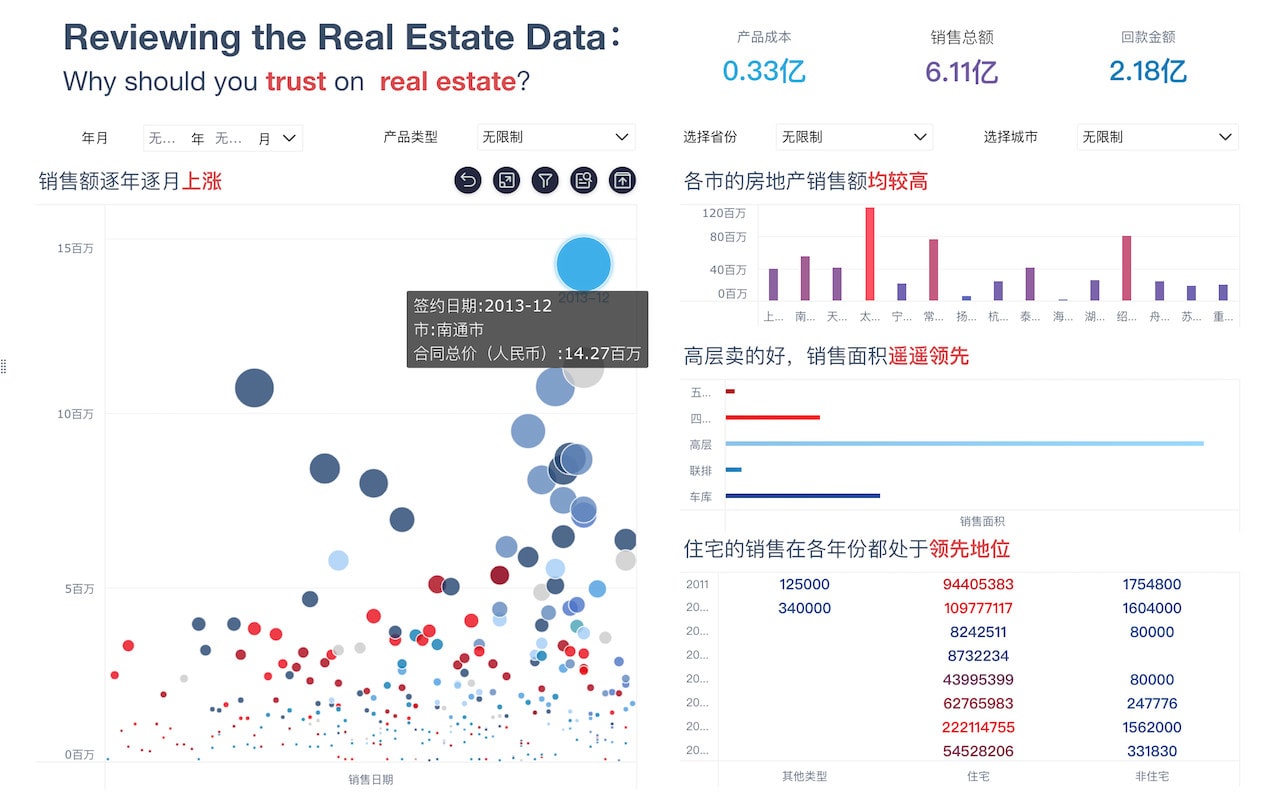
Data Visualization and Reporting
- After the analysis, the results need to be visualized and presented in a comprehensible manner. This step can be called "data visualization and reporting" in English.
-
Business Insights and Decision Making
- Ultimately, the goal of big data analysis is to derive actionable insights that can
1年前 -