用英语介绍什么是大数据分析
-
Introduction to Big Data Analysis
Big data analysis refers to the process of examining large and complex data sets to uncover hidden patterns, unknown correlations, market trends, customer preferences, and other useful information that can help organizations make informed decisions. The term "big data" typically refers to data sets that are so large and complex that traditional data processing applications are inadequate to deal with them effectively.
-
Volume: Big data analysis involves working with vast amounts of data. Traditional data processing tools are unable to handle such large volumes of data, making it necessary to use specialized software and systems designed to manage and analyze big data.
-
Variety: Big data comes in various formats, including structured data (e.g., databases), unstructured data (e.g., text documents, social media posts, videos), and semi-structured data (e.g., XML files). Big data analysis involves processing and analyzing data in all these different formats to extract valuable insights.
-
Velocity: The speed at which data is generated and processed is another characteristic of big data. With the increasing use of sensors, social media, and other sources, data is being generated at an unprecedented rate. Big data analysis requires tools and techniques that can process and analyze this data in real-time or near real-time to provide timely insights.
-
Veracity: Big data analysis also deals with the quality and accuracy of data. Since big data can come from various sources, it may contain errors, inconsistencies, or inaccuracies. Analyzing big data involves addressing these issues to ensure that the insights derived are reliable and trustworthy.
-
Value: Ultimately, the goal of big data analysis is to extract value from the data. By analyzing large and diverse data sets, organizations can gain valuable insights that can help them understand customer behavior, improve operational efficiency, identify market trends, and make data-driven decisions that can lead to competitive advantages.
In conclusion, big data analysis involves working with large, complex, and diverse data sets to extract valuable insights that can drive business decisions and strategies. It requires specialized tools, technologies, and skills to process, analyze, and derive meaning from big data, ultimately unlocking its potential to create value for organizations across various industries.
1年前 -
-
Big data analytics refers to the process of examining large and varied data sets to uncover hidden patterns, unknown correlations, market trends, customer preferences, and other useful information that can help organizations make more informed business decisions. This analysis is typically performed using advanced analytics techniques such as machine learning, data mining, natural language processing, and statistical analysis.
The key characteristics of big data that differentiate it from traditional data analysis are known as the 3Vs: volume, velocity, and variety. Volume refers to the sheer amount of data generated every second from various sources such as social media, sensors, websites, and more. Velocity refers to the speed at which this data is generated and needs to be processed, often in real-time. Variety refers to the different types of data sources and formats that need to be integrated and analyzed together.
Big data analytics can provide organizations with valuable insights that can drive strategic decision-making, improve operational efficiency, enhance customer experiences, and create new revenue opportunities. For example, retail companies can use big data analytics to analyze customer purchase patterns and preferences to optimize inventory management and personalize marketing campaigns. Healthcare providers can use big data analytics to predict patient outcomes, improve treatment plans, and reduce costs.
In addition to its application in the business world, big data analytics is also used in various other fields such as healthcare, finance, marketing, cybersecurity, and government. As technology continues to evolve, the importance of big data analytics in enabling data-driven decision-making and innovation will only continue to grow.
1年前 -
Title: Introduction to Big Data Analysis
Introduction
Big data analysis is the process of examining large and varied data sets to uncover hidden patterns, unknown correlations, market trends, customer preferences, and other useful business information. It involves applying advanced analytical techniques to large data sets that are often too complex or massive for traditional data processing applications to handle. In this introduction, we will discuss the methods, processes, and technologies involved in big data analysis.What is Big Data?
Big data refers to the massive volume of structured and unstructured data that inundates businesses on a day-to-day basis. This data comes from sources such as social media, sensors, devices, video/audio, networks, log files, transactional applications, and more. It is characterized by the 3Vs: Volume (the sheer amount of data), Variety (the different types of data), and Velocity (the speed at which the data is generated and processed).Methods and Techniques
Big data analysis employs various methods and techniques to process and analyze large and complex data sets. These include:-
Data Mining: This involves discovering patterns and relationships in large data sets to extract valuable information.
-
Machine Learning: It uses algorithms and statistical models to enable computer systems to improve their performance on a specific task through experience.
-
Text Analytics: This technique involves extracting meaningful information and insights from unstructured text data, such as social media posts, customer reviews, and more.
-
Predictive Analytics: It utilizes historical data to predict future outcomes or trends.
-
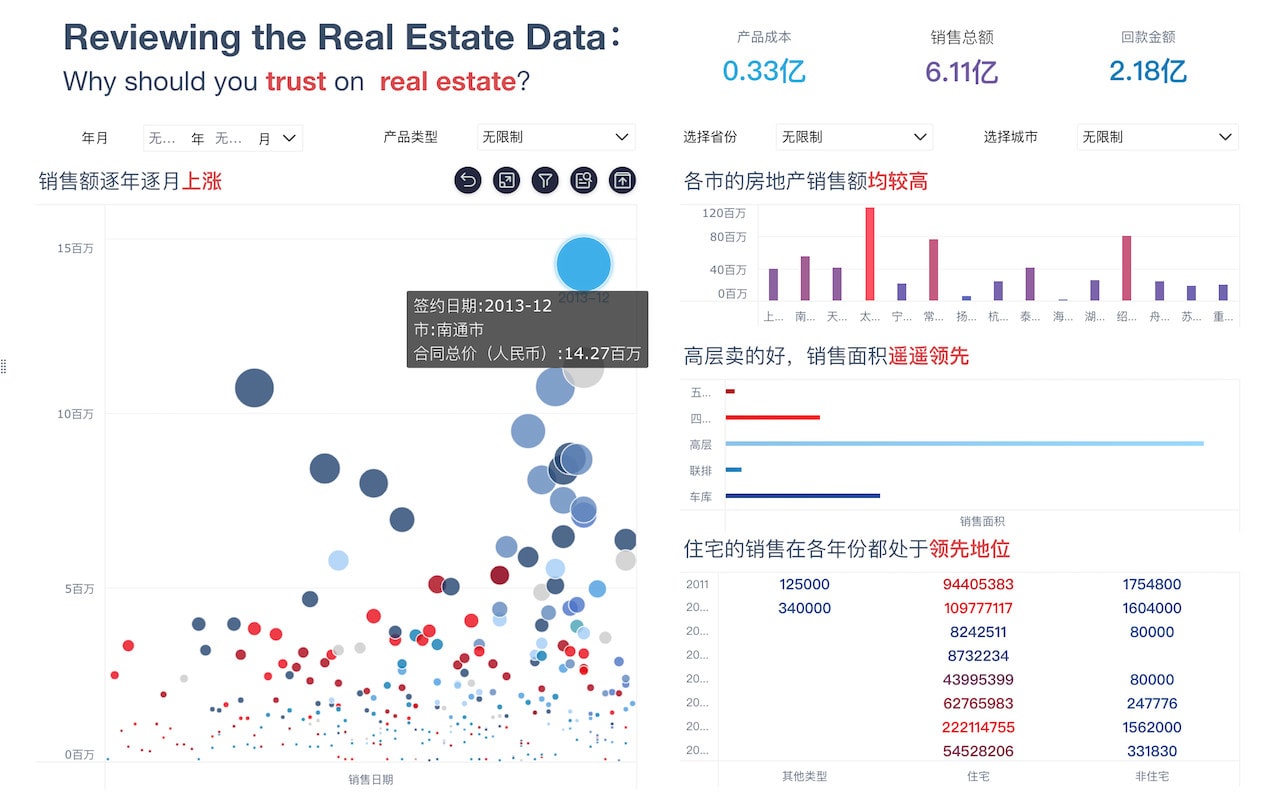
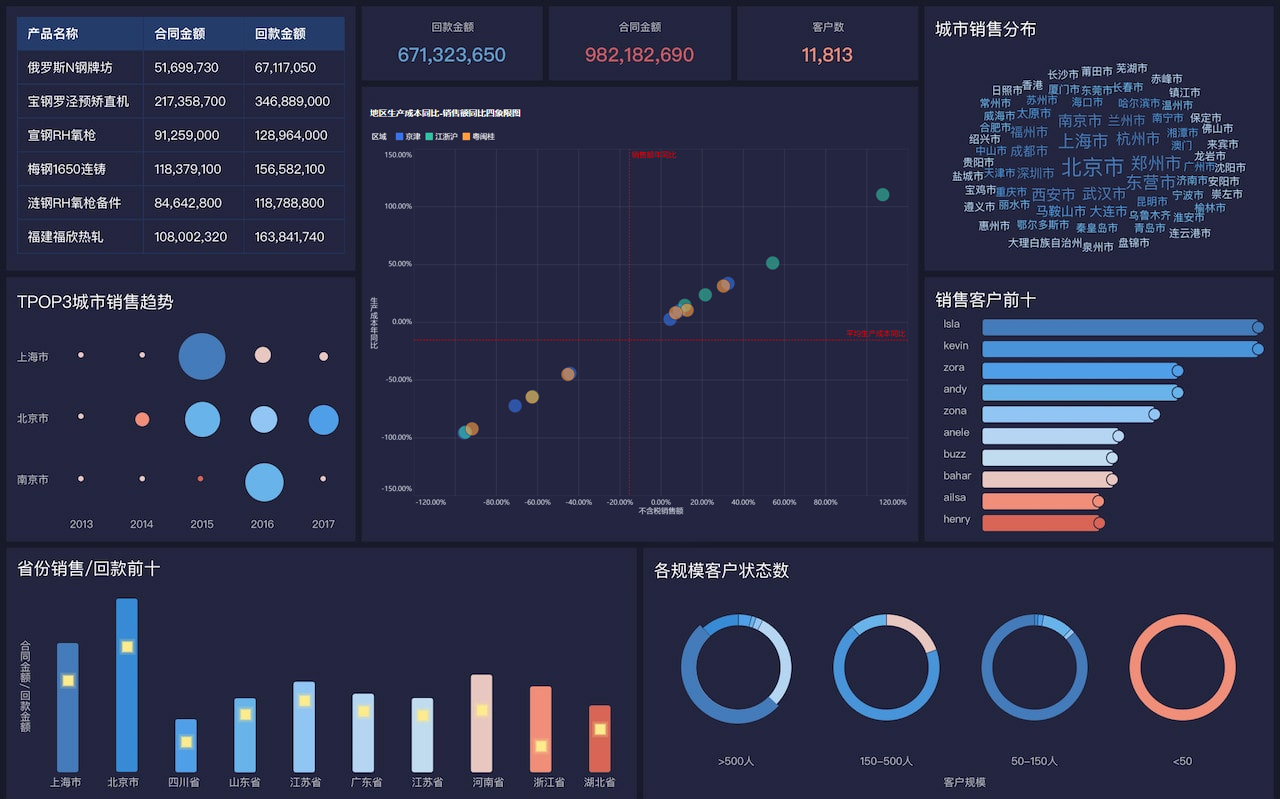
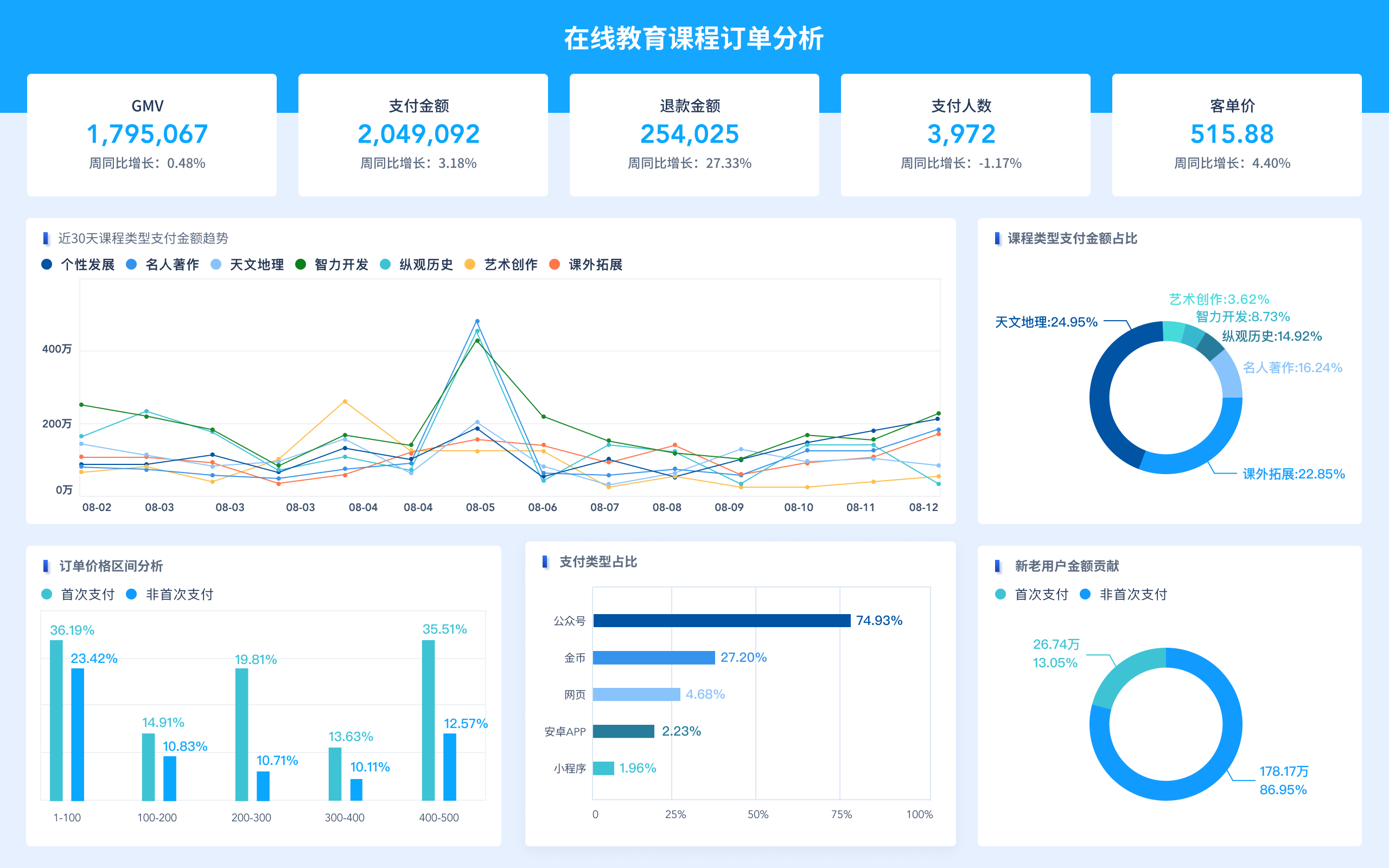
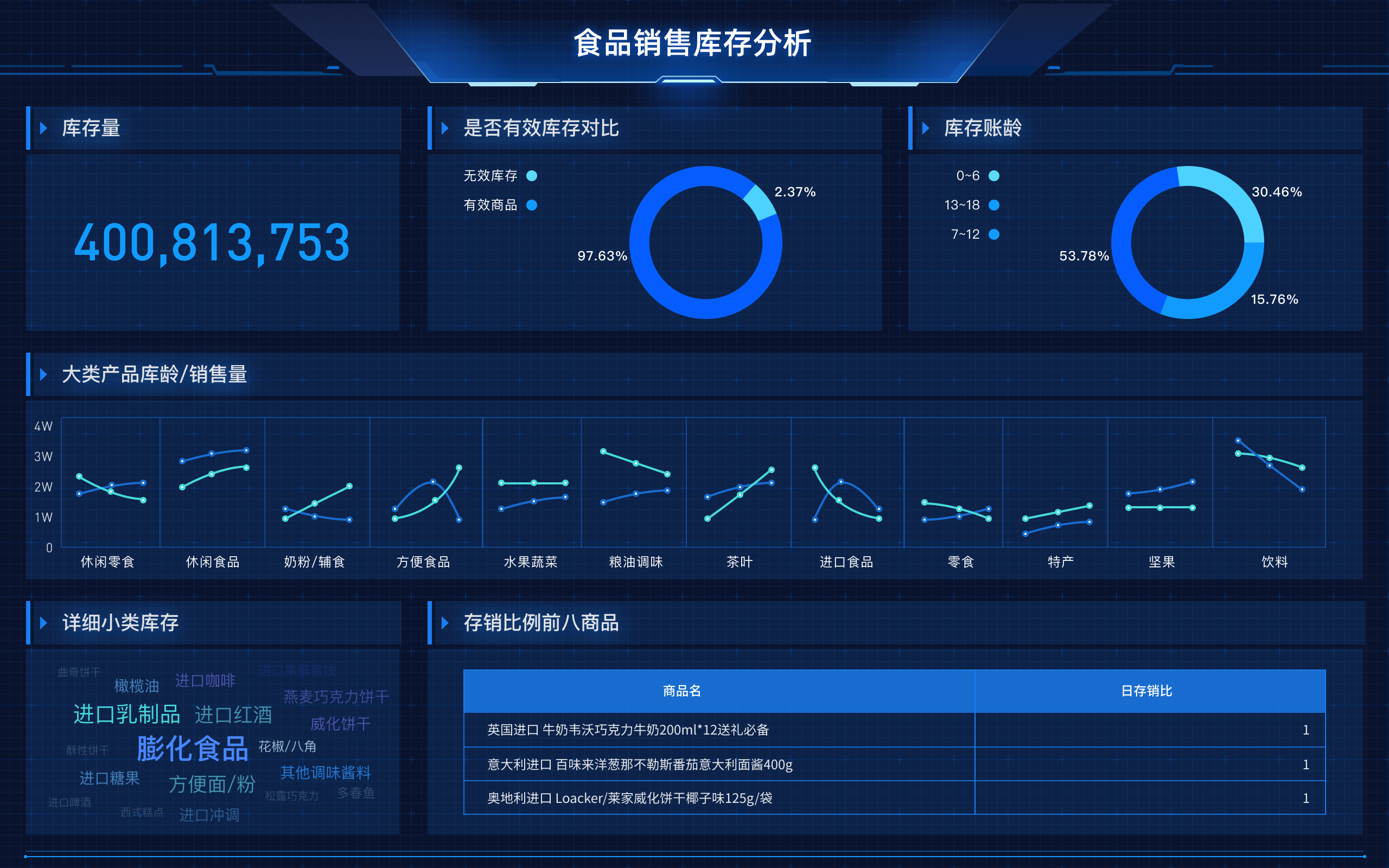
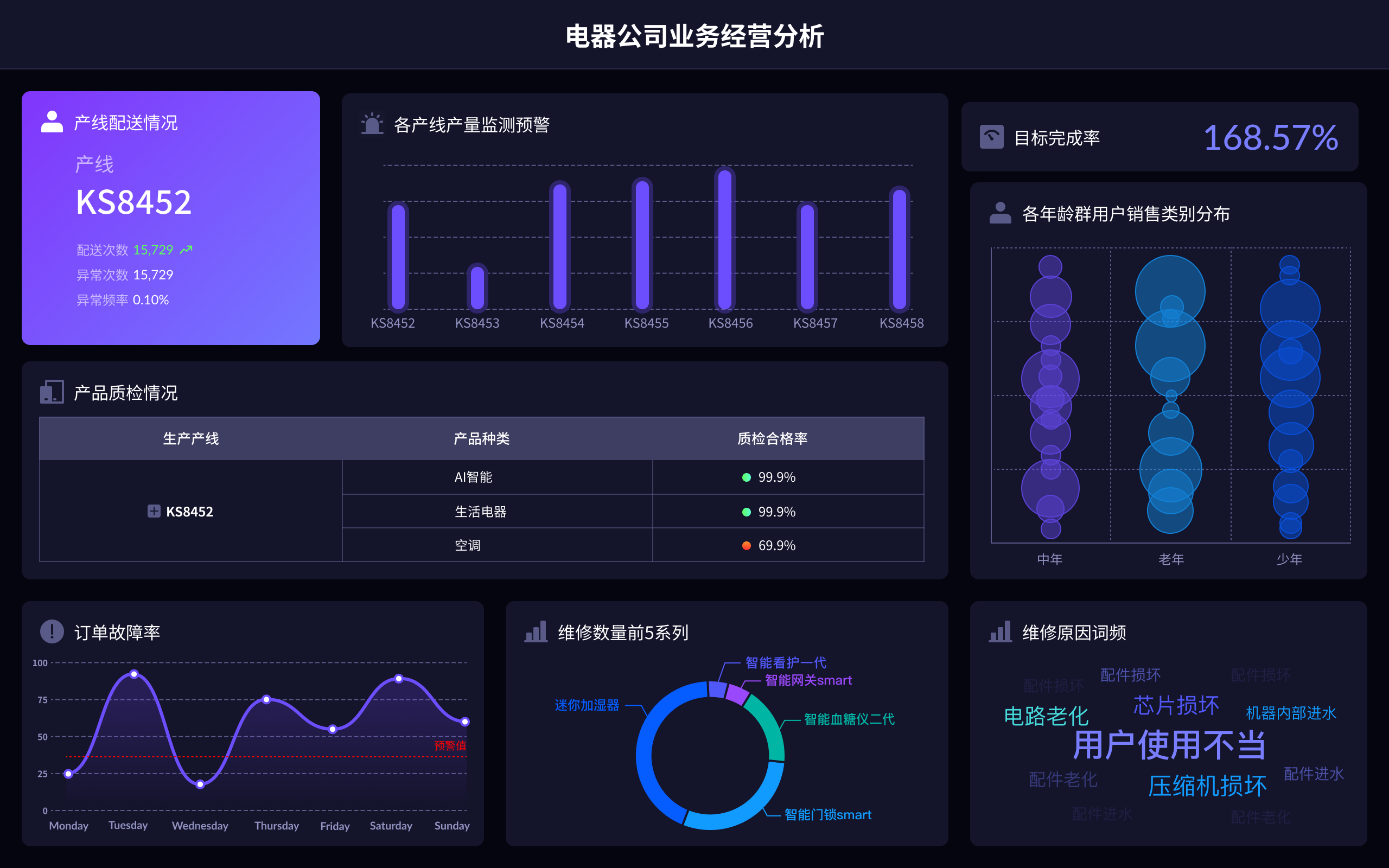
Data Visualization: This technique uses visual representations such as charts and graphs to make complex data more understandable and accessible.
Operational Flow
The operational flow of big data analysis involves several key steps:-
Data Collection: Gathering data from various sources, including social media, business applications, and IoT devices.
-
Data Storage: Storing the collected data in a suitable format, such as data warehouses, data lakes, or cloud storage.
-
Data Processing: Using technologies like Apache Hadoop or Spark to process and prepare the data for analysis.
-
Data Analysis: Applying various analytical techniques to derive insights and patterns from the processed data.
-
Interpretation and Visualization: Interpreting the analyzed data and presenting the findings through visualizations to make them more understandable.
Technologies
Several technologies are used in big data analysis, including:-
Hadoop: An open-source framework for distributed storage and processing of large data sets.
-
Apache Spark: A fast and general-purpose cluster computing system for big data processing.
-
NoSQL Databases: These databases are designed for large-scale distributed data stores and retrieval.
-
Data Lakes: A centralized repository that allows businesses to store all their structured and unstructured data at any scale.
Conclusion
Big data analysis plays a crucial role in helping businesses make informed decisions, identify new opportunities, and gain a competitive edge. By leveraging advanced analytical techniques, large volumes of data can be transformed into valuable insights that drive business growth and innovation. As technology continues to advance, big data analysis will remain a key component of business intelligence and strategy.1年前 -