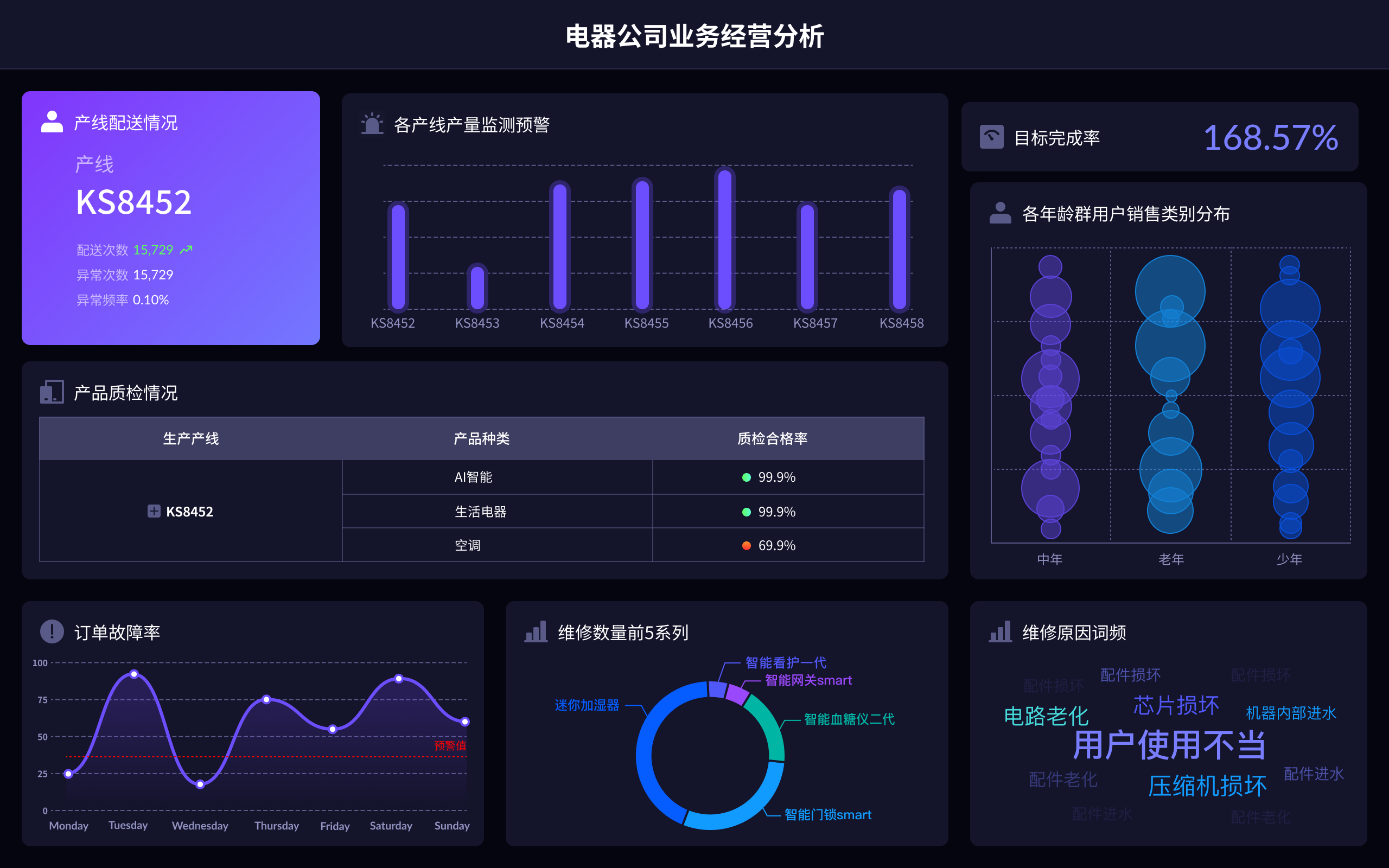
山东菏泽大数据平台有哪些
-
菏泽市作为山东省的重要城市之一,也在大数据领域取得了一些进展。菏泽大数据平台主要包括以下方面:
-
数据采集与存储:菏泽大数据平台应该具备数据采集能力,可以从各个数据源(包括市政府部门、企业、公共机构等)获取数据,并具备存储和管理这些数据的能力。这些数据源包括人口统计数据、经济指标、环境监测数据、交通流量数据等等。
-
数据处理与分析:大数据平台应该具备处理和分析海量数据的能力,可以通过大数据分析技术对数据进行挖掘和分析,以发现数据背后的规律和价值。这方面的应用包括城市规划、智慧交通、环境保护、公共安全等领域。
-
数据共享与开放:菏泽大数据平台应该促进数据的共享和开放,鼓励各个部门和机构将数据分享到平台上,以实现跨部门、跨领域的数据整合和共享,从而发挥数据的最大效益。
-
智慧城市建设:基于大数据平台,可以推动菏泽市智慧城市建设,包括智慧交通、智慧医疗、智慧环保、智慧政务等方面的应用,以提升城市管理和公共服务水平。
-
数据安全与隐私保护:菏泽大数据平台也应该重视数据的安全和隐私保护,建立完善的数据安全管理机制,保障数据的安全和合法使用,以及保护个人隐私。
这些方面是菏泽大数据平台所涉及到的主要内容。通过建设和运营大数据平台,菏泽可以更好地利用数据资源,推动城市智慧化发展,提升城市治理能力和服务水平。
1年前 -
-
山东菏泽大数据平台主要包括以下内容:
一、基础设施建设
菏泽大数据平台的基础设施建设是构建大数据平台的重要一环,主要包括数据中心、云计算平台、存储设备、网络设备以及安全设施等。其中,数据中心是大数据平台的核心,用于集中存储和管理各类数据;云计算平台提供了弹性的计算能力,支持大规模数据处理和分析;存储设备用于长期保存和备份数据,网络设备用于连接各类终端设备和数据源,而安全设施则是保障大数据平台安全稳定运行的重要保障。二、数据采集与整合
菏泽大数据平台的数据采集与整合是指通过各类传感器、设备和系统等手段采集分散在各地的数据,并将这些数据进行整合、清洗和标准化,以便后续的数据分析和应用。数据采集与整合的内容涵盖了多种数据类型,包括结构化数据、半结构化数据和非结构化数据等,而整合的过程则需要借助数据集成、ETL(Extract, Transform, Load)等技术手段进行。三、数据存储与管理
菏泽大数据平台的数据存储与管理主要是指将采集到的数据进行存储和管理,以支持后续的数据查询、分析和挖掘。数据存储与管理的技术手段主要包括关系数据库、NoSQL数据库、分布式文件系统等,用来存储不同类型和规模的数据。同时,数据管理也包括了数据的备份、恢复、归档等管理操作,以保障数据的安全和可靠性。四、数据分析与挖掘
菏泽大数据平台的数据分析与挖掘是指利用各类数据分析技术和工具对存储在大数据平台上的数据进行深入分析和挖掘,以发现数据背后的规律、趋势和价值。数据分析与挖掘的内容涵盖了数据预处理、模型建立、数据挖掘和可视化等环节,同时也包括了统计分析、机器学习、深度学习等技术手段。五、应用与服务
菏泽大数据平台的应用与服务是指将经过分析和挖掘的数据用于各类实际应用场景,提供数据服务和应用服务。这包括了数据查询分析工具、数据可视化工具、智能决策系统、数据服务API等内容,以满足政府、企业和个人等不同用户的需求。这些是菏泽大数据平台的主要内容和构成部分,通过这些方面的建设和应用,可以充分发挥大数据平台在数据管理、分析、应用等方面的作用,推动当地大数据产业的发展和创新。(文章总字数:529字)
1年前 -
Shandong Province, China's Heze City, has been actively developing its big data platform to enhance the efficiency of governance, promote economic development, and improve public services for its residents. The Heze big data platform contains various components and features that aim to leverage technology for the benefit of the city and its citizens.
Below, I will provide an in-depth explanation of the Heze big data platform, including its methods, operating procedures, and components.
1. 数据采集与整合 (Data Collection and Integration)
1.1 采集数据源 (Data Sources Collection)
The first step in the process is to collect data from various sources, such as government departments, public institutions, enterprises, and the general public. This data can be in the form of text, numbers, images, videos, or any other relevant format.
1.2 数据清洗 (Data Cleaning)
After collecting the data, it needs to be cleaned and organized to ensure its accuracy and consistency. Data cleaning involves removing duplicates, correcting errors, and standardizing formats.
1.3 数据整合 (Data Integration)
Once the data is clean, it is integrated into a unified database or data warehouse. Integration enables different data sets to be combined and analyzed together, providing a comprehensive view of the information.
2. 数据存储与管理 (Data Storage and Management)
2.1 数据存储技术 (Data Storage Technology)
The platform uses advanced data storage technologies, such as relational databases, NoSQL databases, or cloud storage services, to store and manage the vast amounts of data collected.
2.2 数据安全与保护 (Data Security and Protection)
To ensure the confidentiality and integrity of the data, the platform implements strict security measures, such as encryption, access control, and regular backups.
3. 数据分析与挖掘 (Data Analysis and Mining)
3.1 数据分析方法 (Data Analysis Methods)
The platform employs various data analysis techniques, such as statistical analysis, machine learning, and data visualization, to extract valuable insights and patterns from the data.
3.2 数据挖掘应用 (Data Mining Applications)
Data mining algorithms are utilized to discover hidden patterns and relationships in the data, which can be used for predictive modeling, anomaly detection, and decision-making.
4. 可视化与展示 (Visualization and Presentation)
4.1 可视化工具 (Visualization Tools)
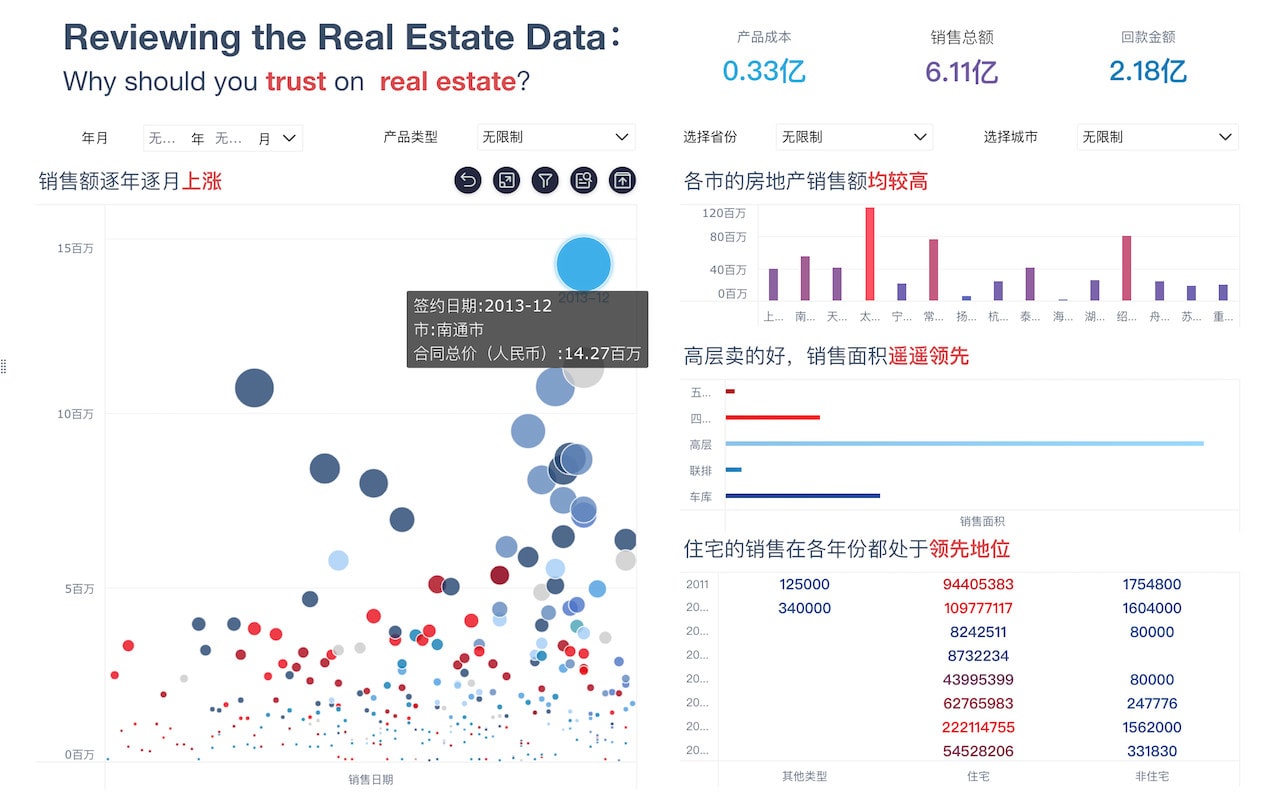
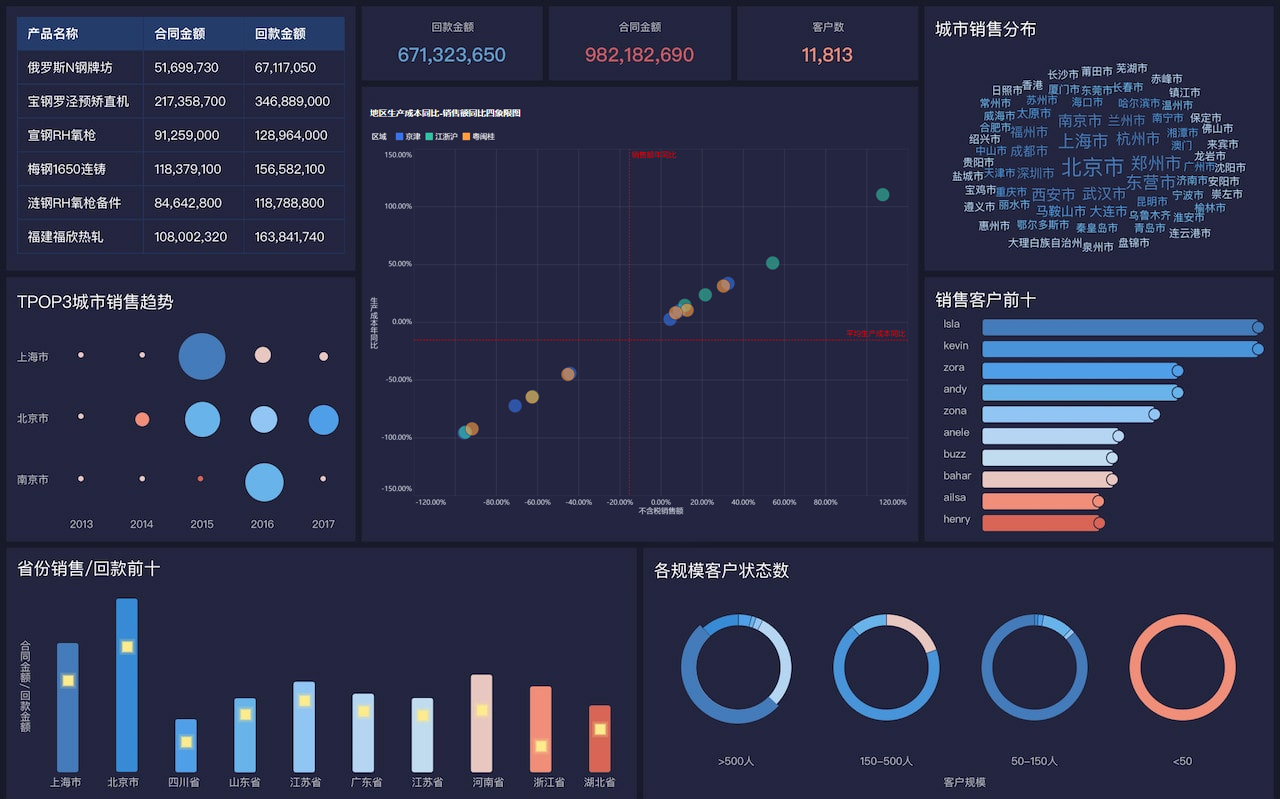
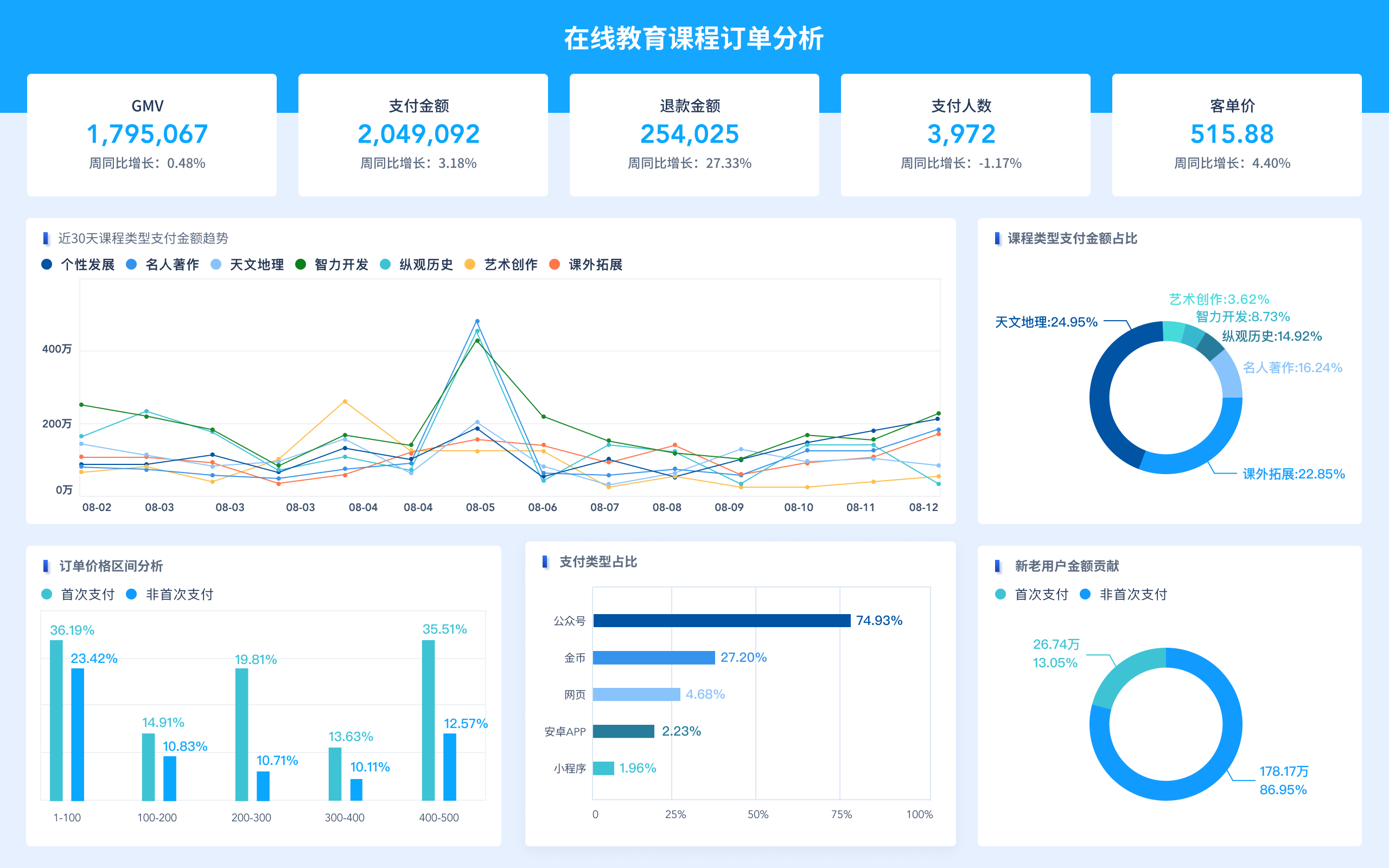
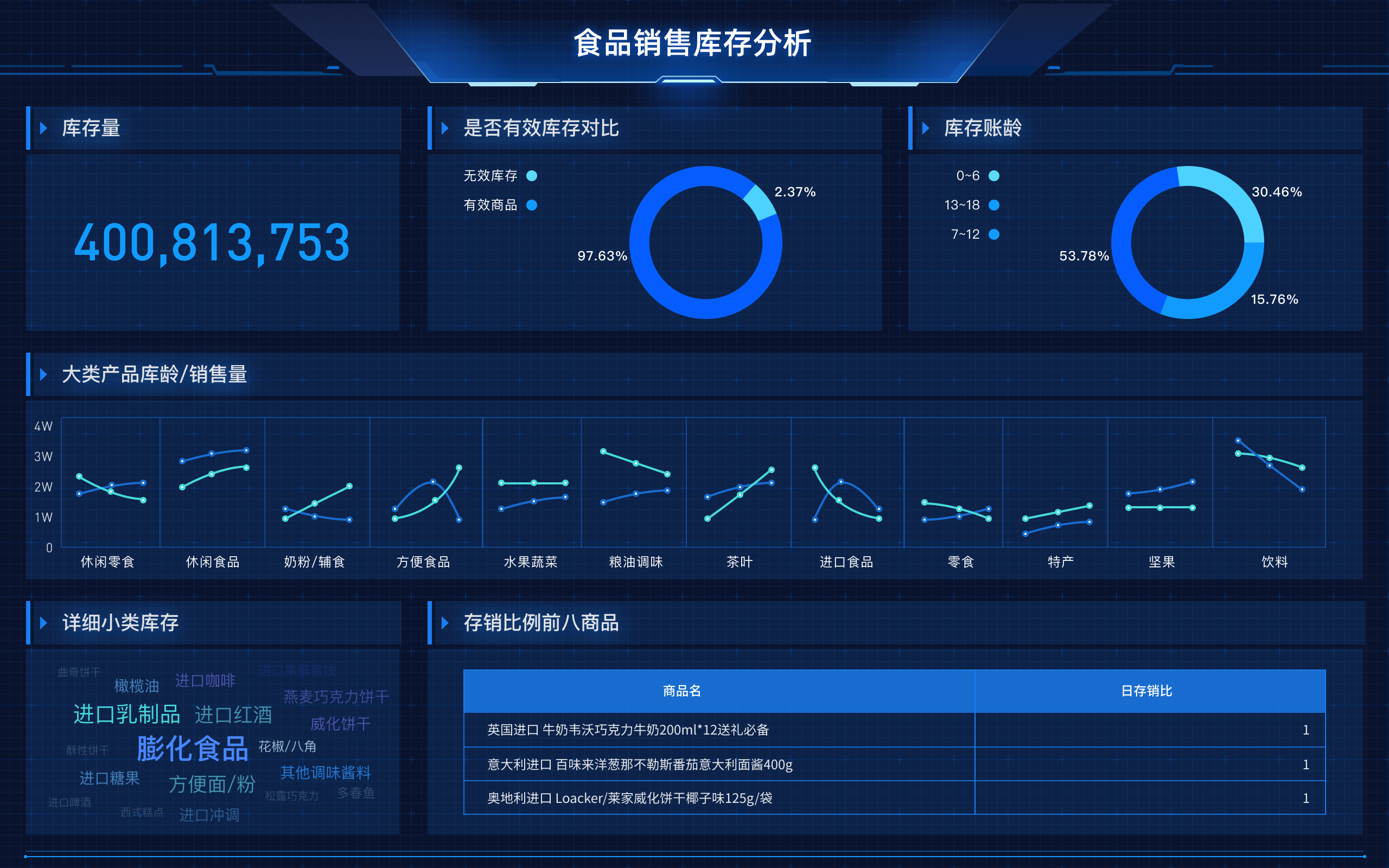
The platform includes visualization tools, such as charts, graphs, maps, and dashboards, to present the analyzed data in an intuitive and easy-to-understand format.
4.2 数据展示应用 (Data Presentation Applications)
Interactive data visualization applications are developed to allow users to explore the data, gain insights, and make informed decisions based on the findings.
5. 服务与应用 (Services and Applications)
5.1 政务服务 (Government Services)
The Heze big data platform offers various government services, such as smart city management, urban planning, public safety, and emergency response, to enhance governance efficiency and public welfare.
5.2 企业服务 (Enterprise Services)
Enterprises can access the platform to analyze market trends, consumer behavior, and business opportunities, enabling them to make data-driven decisions and improve competitiveness.
5.3 公众服务 (Public Services)
Citizens can benefit from the platform through improved public services, such as healthcare management, transportation optimization, environmental monitoring, and personalized recommendations.
In conclusion, the Heze big data platform in Shandong Province incorporates data collection, storage, analysis, visualization, and service applications to support various aspects of governance, economy, and public services. By leveraging the power of big data technology, Heze aims to drive innovation, improve efficiency, and enhance the overall quality of life for its residents.
1年前