大数据分析有什么特点吗英语翻译
-
What are the characteristics of big data analysis?
1年前 -
Characteristics of Big Data Analysis
Big data analysis refers to the process of examining large and complex data sets to uncover hidden patterns, unknown correlations, market trends, customer preferences, and other useful information. The analysis of big data presents several unique characteristics that differentiate it from traditional data analysis methods. Below are some key characteristics of big data analysis:
-
Volume: Big data analysis deals with massive volumes of data that are too large to be processed using traditional data processing techniques. This large volume of data can come from various sources, such as social media, sensors, web logs, and more.
-
Velocity: Big data is generated at an unprecedented speed, with data streams coming in real-time or near real-time. Big data analysis must be able to process and analyze this data quickly to derive actionable insights in a timely manner.
-
Variety: Big data comes in a variety of formats, including structured, semi-structured, and unstructured data. This diversity of data types requires specialized tools and techniques for processing and analyzing the data effectively.
-
Veracity: Big data analysis often deals with data of questionable quality, including errors, inconsistencies, and missing values. Data cleansing and preprocessing techniques are essential to ensure the accuracy and reliability of the analysis results.
-
Value: The ultimate goal of big data analysis is to extract value and insights from the data that can drive business decisions and actions. This value can manifest in various forms, such as improved operational efficiency, better customer service, enhanced decision-making, and competitive advantage.
In conclusion, big data analysis is characterized by its volume, velocity, variety, veracity, and value. By leveraging advanced analytics tools and techniques, organizations can harness the power of big data to gain valuable insights and stay ahead in today's data-driven world.
1年前 -
-
Characteristics of Big Data Analysis
Big data analysis refers to the process of examining large and varied datasets to uncover hidden patterns, unknown correlations, market trends, customer preferences, and other useful information that can help organizations make informed decisions. The characteristics of big data analysis are crucial for understanding the complexities involved in handling massive volumes of data. Below are some key characteristics of big data analysis:
-
Volume
Big data analysis deals with massive volumes of data that cannot be processed using traditional data processing techniques. The sheer size of the datasets requires specialized tools and technologies to store, manage, and analyze the data effectively. -
Velocity
Big data is generated at an unprecedented rate from various sources such as social media, sensors, mobile devices, and online transactions. The velocity at which data is generated requires real-time or near-real-time processing to extract valuable insights and make timely decisions. -
Variety
Big data comes in various formats and types, including structured data (e.g., databases), unstructured data (e.g., text, images, videos), and semi-structured data (e.g., XML, JSON). Analyzing such diverse data types poses challenges in terms of data integration, data quality, and data processing. -
Veracity
Veracity refers to the quality and reliability of the data being analyzed. Big data analysis often involves dealing with data from multiple sources, which may vary in accuracy, consistency, and completeness. Ensuring data veracity is essential to make sound decisions based on the insights derived from the data. -
Value
The ultimate goal of big data analysis is to extract value from the data by uncovering meaningful patterns, trends, and correlations that can drive business growth, improve operational efficiency, enhance customer experience, and support decision-making. Generating actionable insights from big data adds tangible value to organizations. -
Variability
Data in big data analysis can exhibit variability in terms of data quality, data structure, data sources, and data formats. Dealing with such variability requires flexible data processing techniques and tools that can adapt to changing data characteristics and requirements. -
Visualization
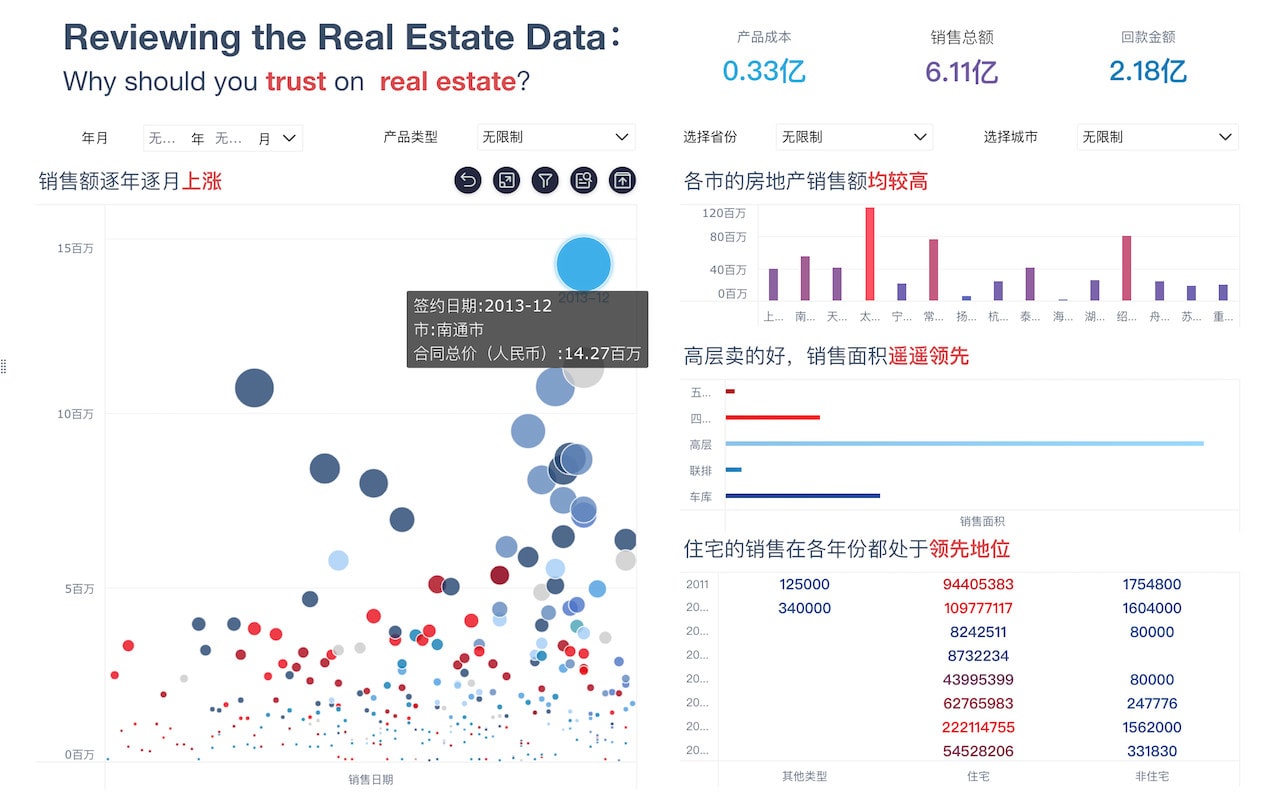
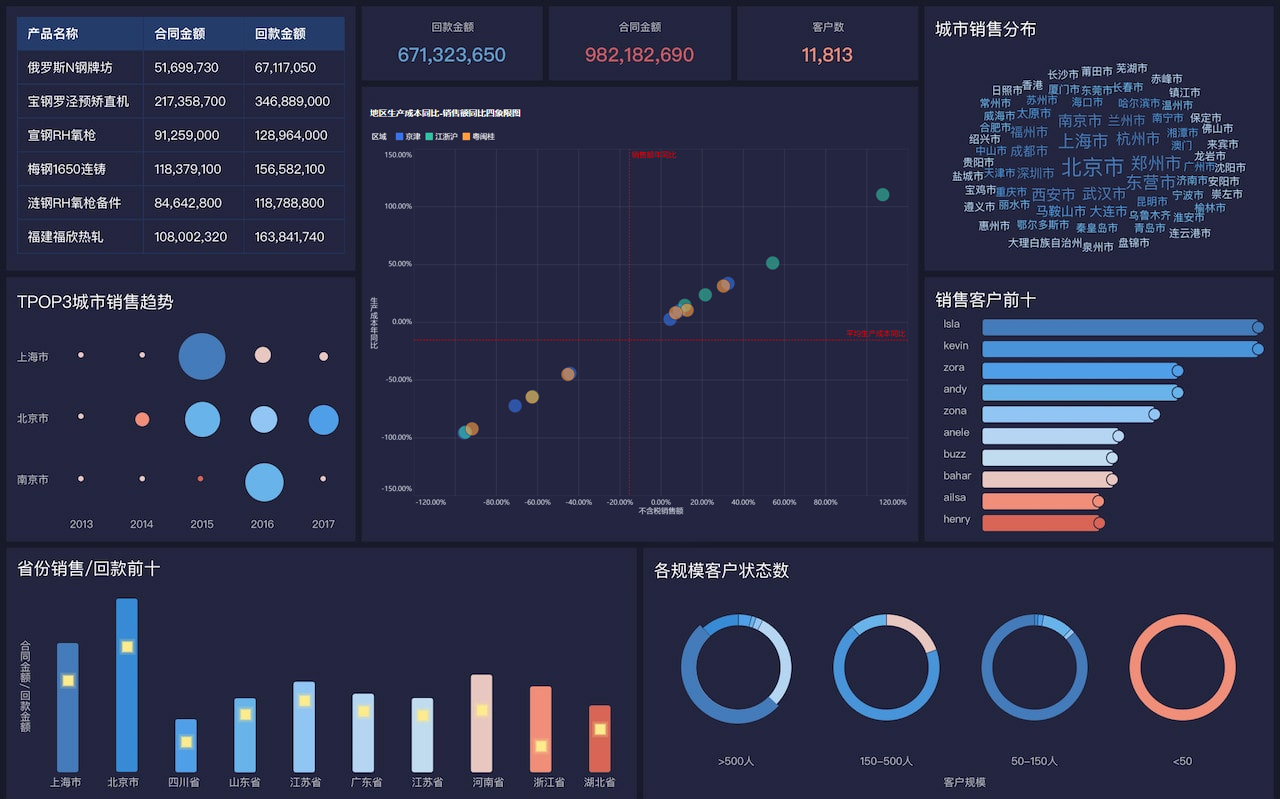
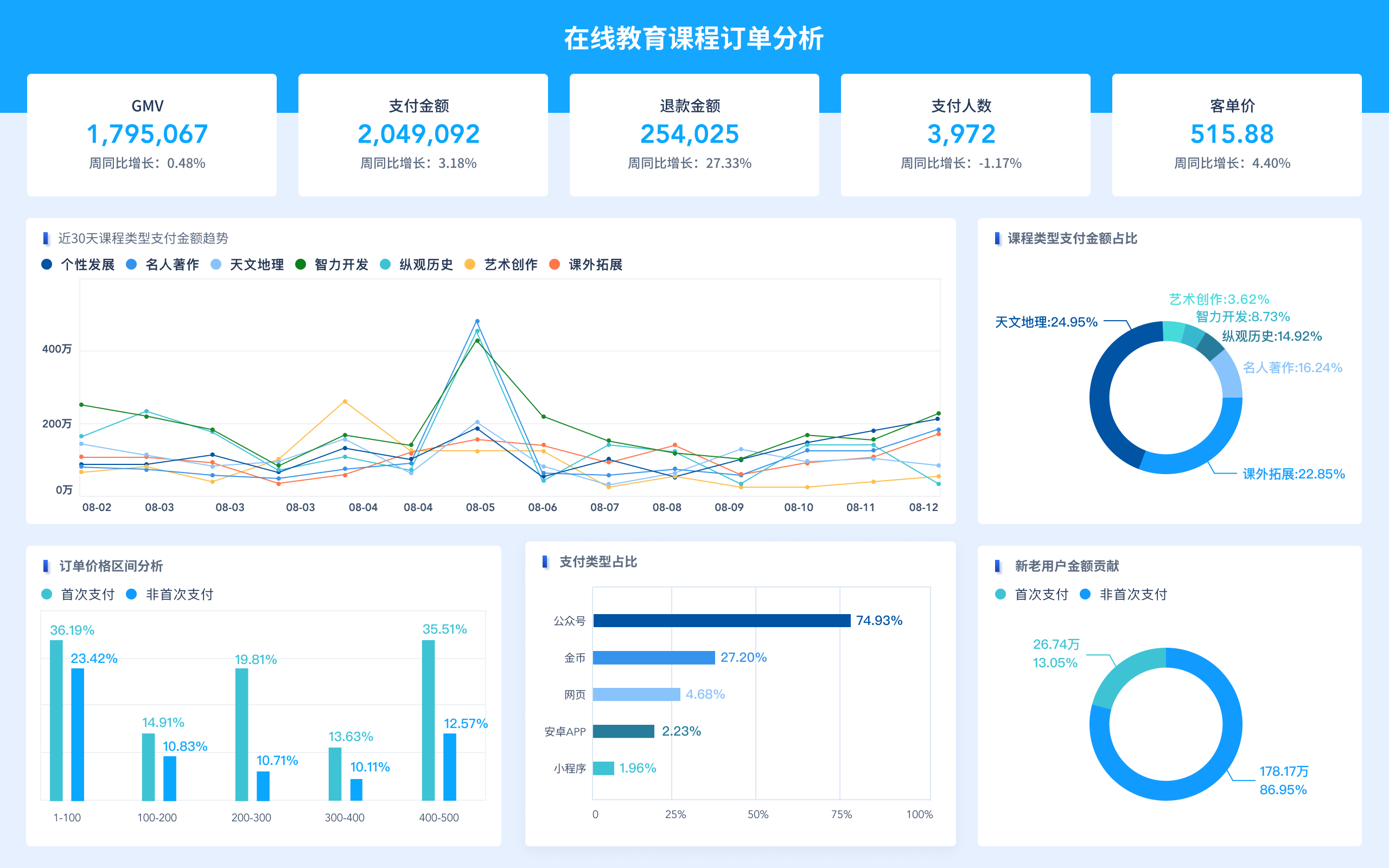
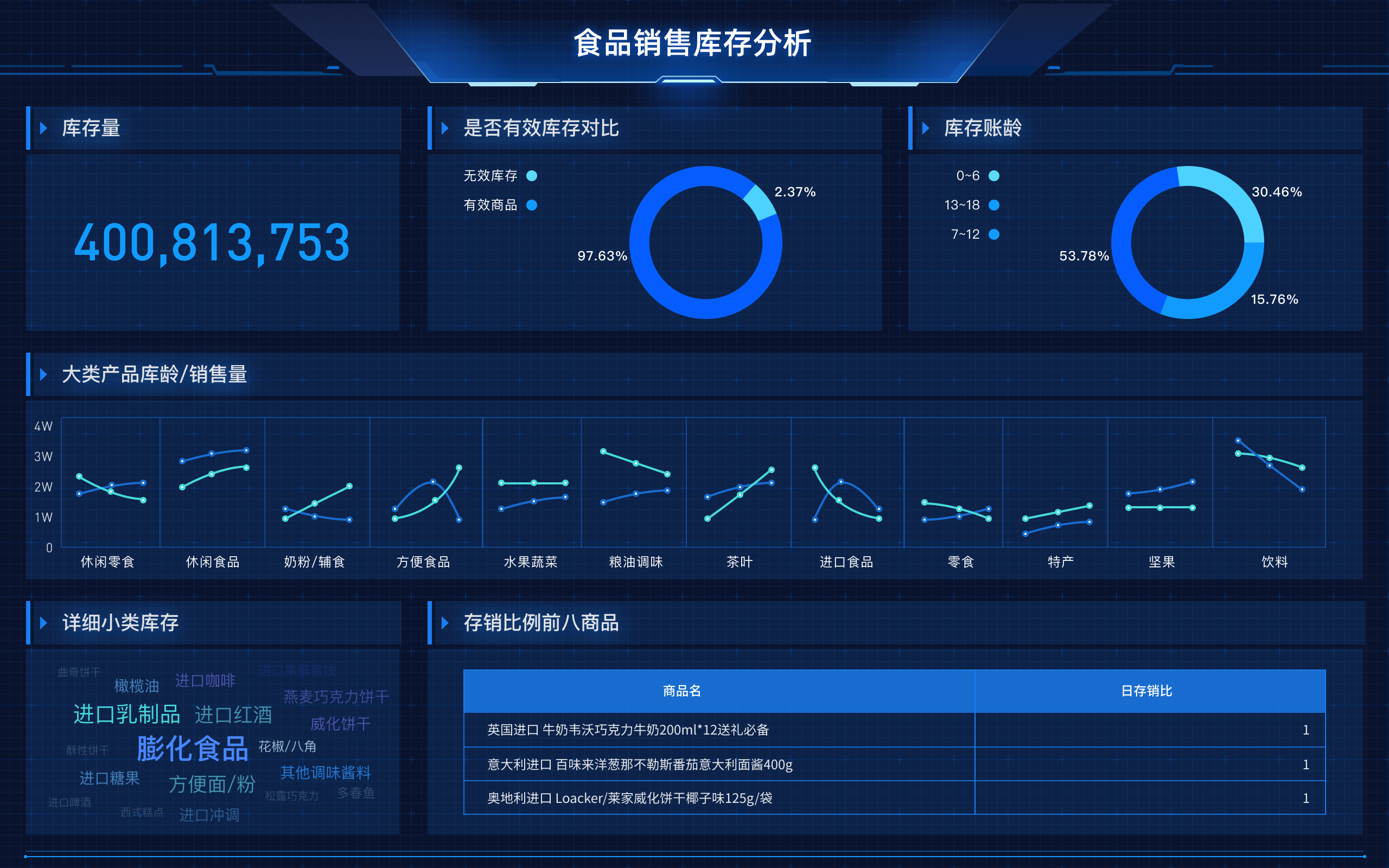
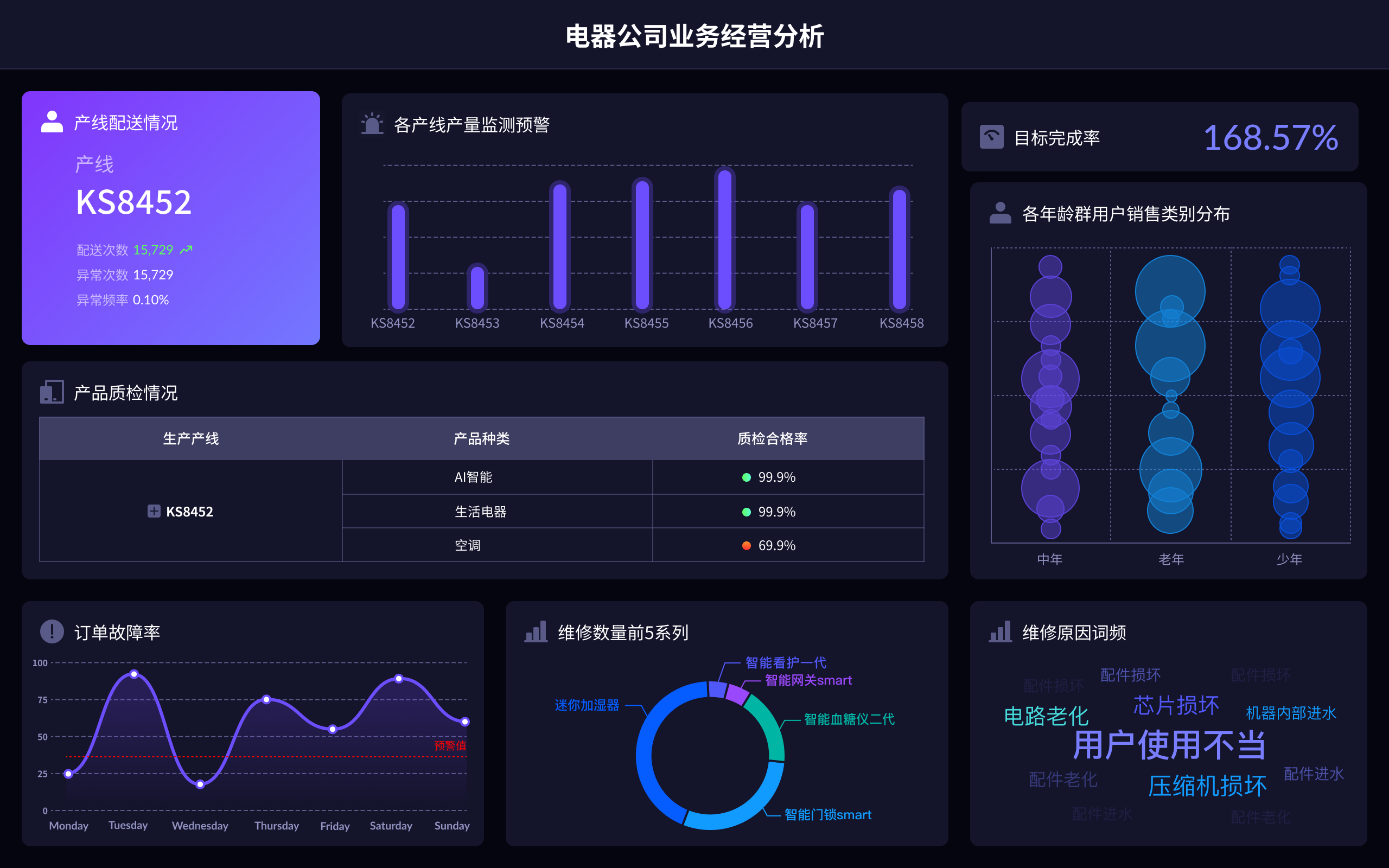
Visualization plays a crucial role in big data analysis by transforming complex datasets into visual representations such as charts, graphs, dashboards, and heat maps. Visualizing data helps analysts and decision-makers gain a better understanding of the data, identify patterns, and communicate insights effectively. -
Versatility
Big data analysis is not limited to a specific industry or use case. It can be applied across various sectors, including healthcare, finance, marketing, retail, telecommunications, and more. The versatility of big data analysis allows organizations to leverage data-driven insights for diverse purposes and objectives.
In conclusion, big data analysis encompasses several key characteristics that distinguish it from traditional data analysis methods. Understanding these characteristics is essential for organizations seeking to harness the power of big data to drive innovation, competitiveness, and success in today's data-driven world.
1年前 -