大数据分析英语怎么写
-
Big Data Analysis
Big data analysis refers to the process of examining large and complex data sets to uncover hidden patterns, unknown correlations, market trends, customer preferences, and other useful information that can help organizations make better decisions. In today's digital age, the amount of data being generated and collected is growing at an exponential rate, making big data analysis a crucial tool for businesses to stay competitive and innovative.
There are several key steps involved in the process of big data analysis:
-
Data Collection: The first step in big data analysis is collecting relevant and meaningful data from various sources. This data can come from internal sources such as customer transactions, website interactions, and social media platforms, as well as external sources such as market research reports, government databases, and industry publications.
-
Data Cleaning: Once the data is collected, it needs to be cleaned and preprocessed to ensure its accuracy and reliability. This involves removing any duplicate or irrelevant data, correcting errors, and standardizing data formats to make it suitable for analysis.
-
Data Storage: Big data sets are typically too large to be stored and processed using traditional database management systems. Therefore, organizations often use specialized tools and technologies such as Hadoop, Spark, and NoSQL databases to store and manage their big data sets.
-
Data Analysis: The next step is to analyze the data using various statistical and machine learning techniques to extract valuable insights and patterns. This can involve descriptive analytics to summarize the data, predictive analytics to forecast future trends, and prescriptive analytics to make recommendations for action.
-
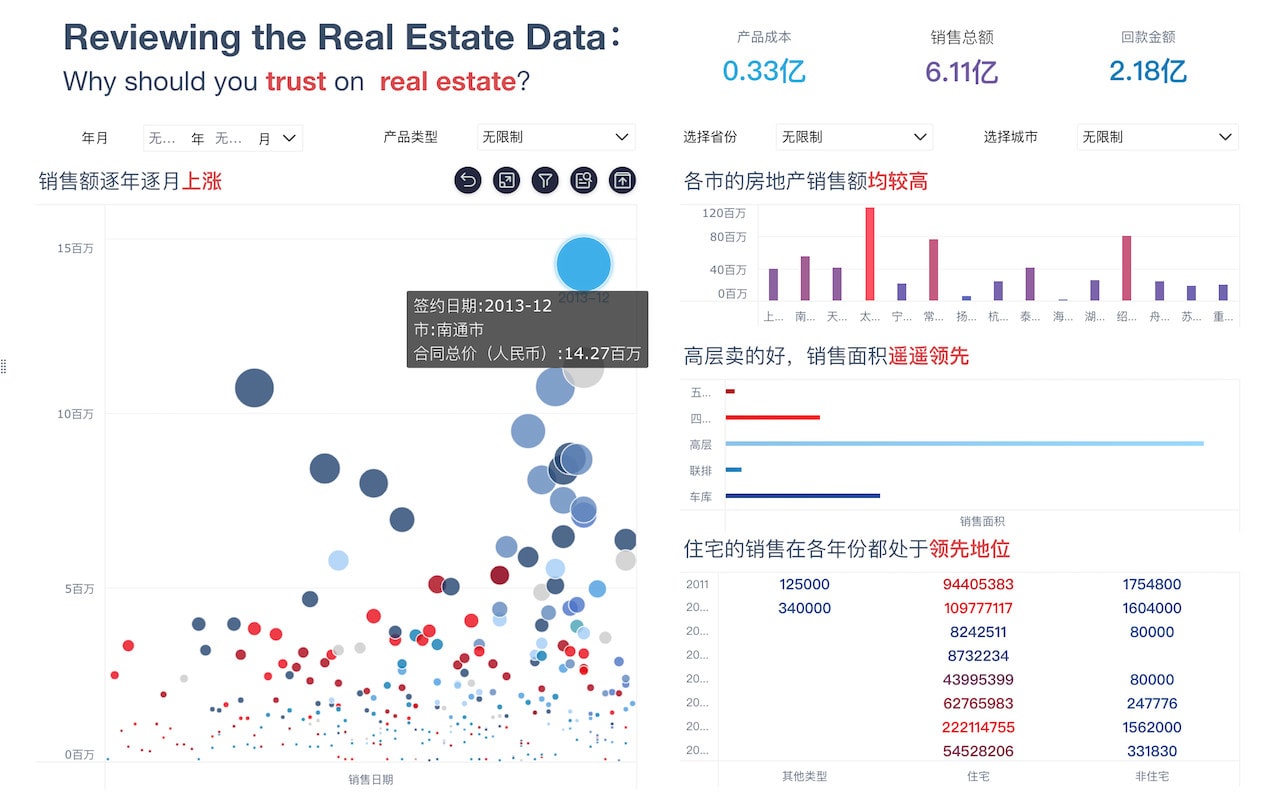
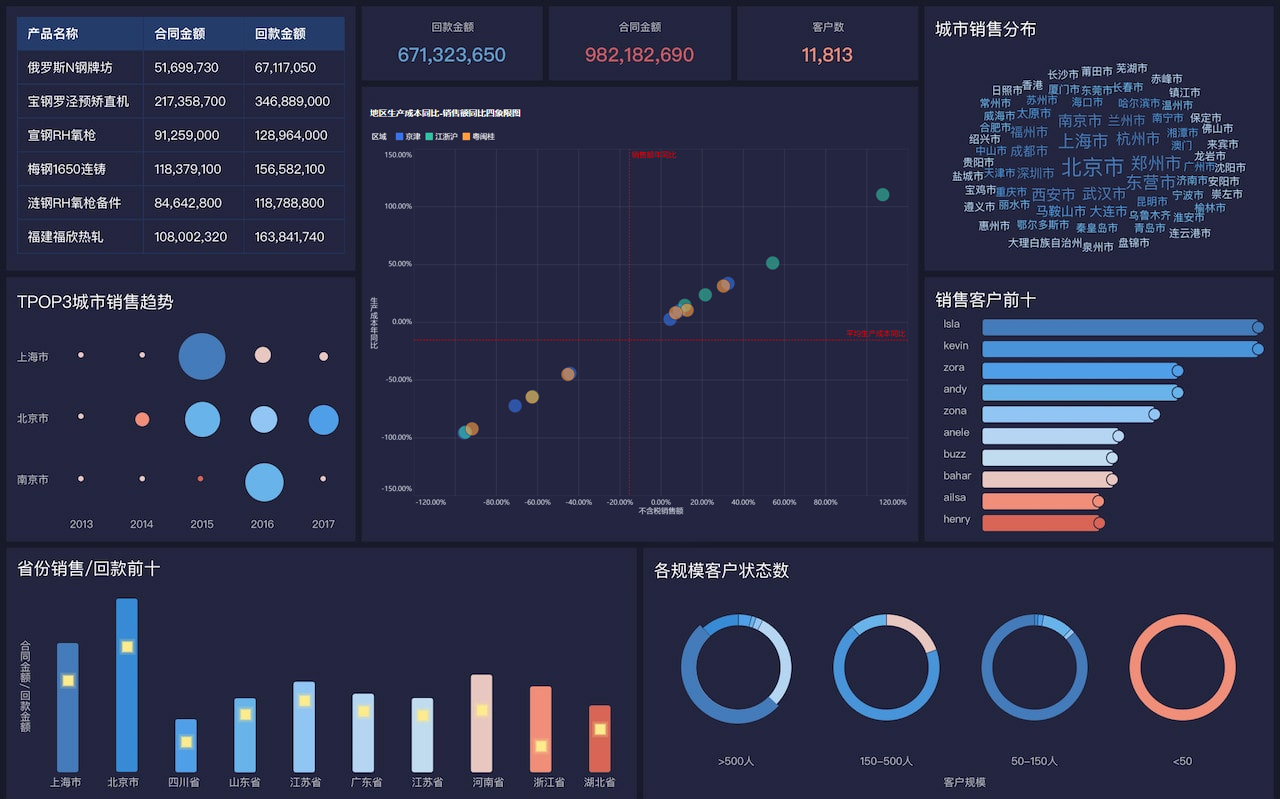
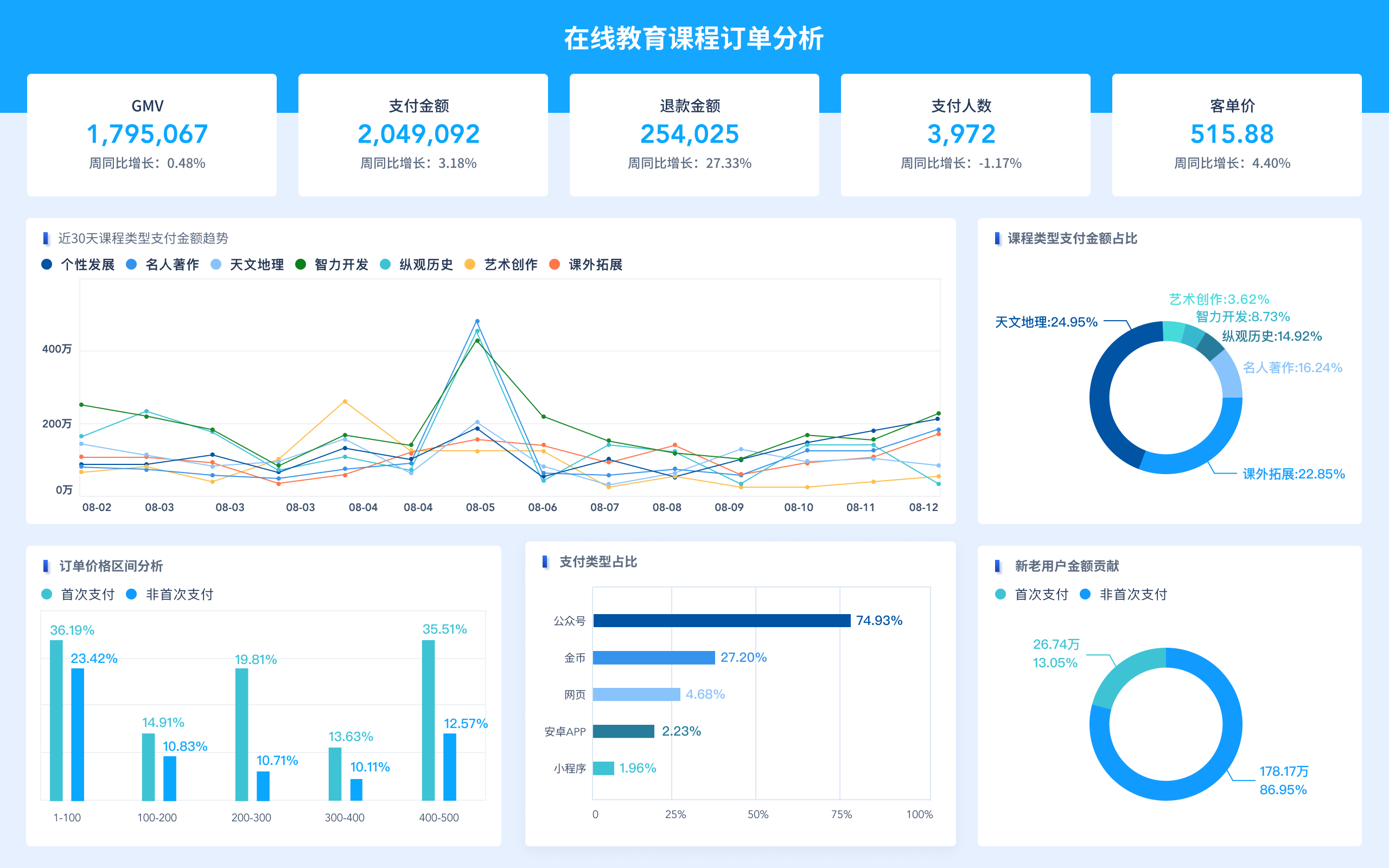
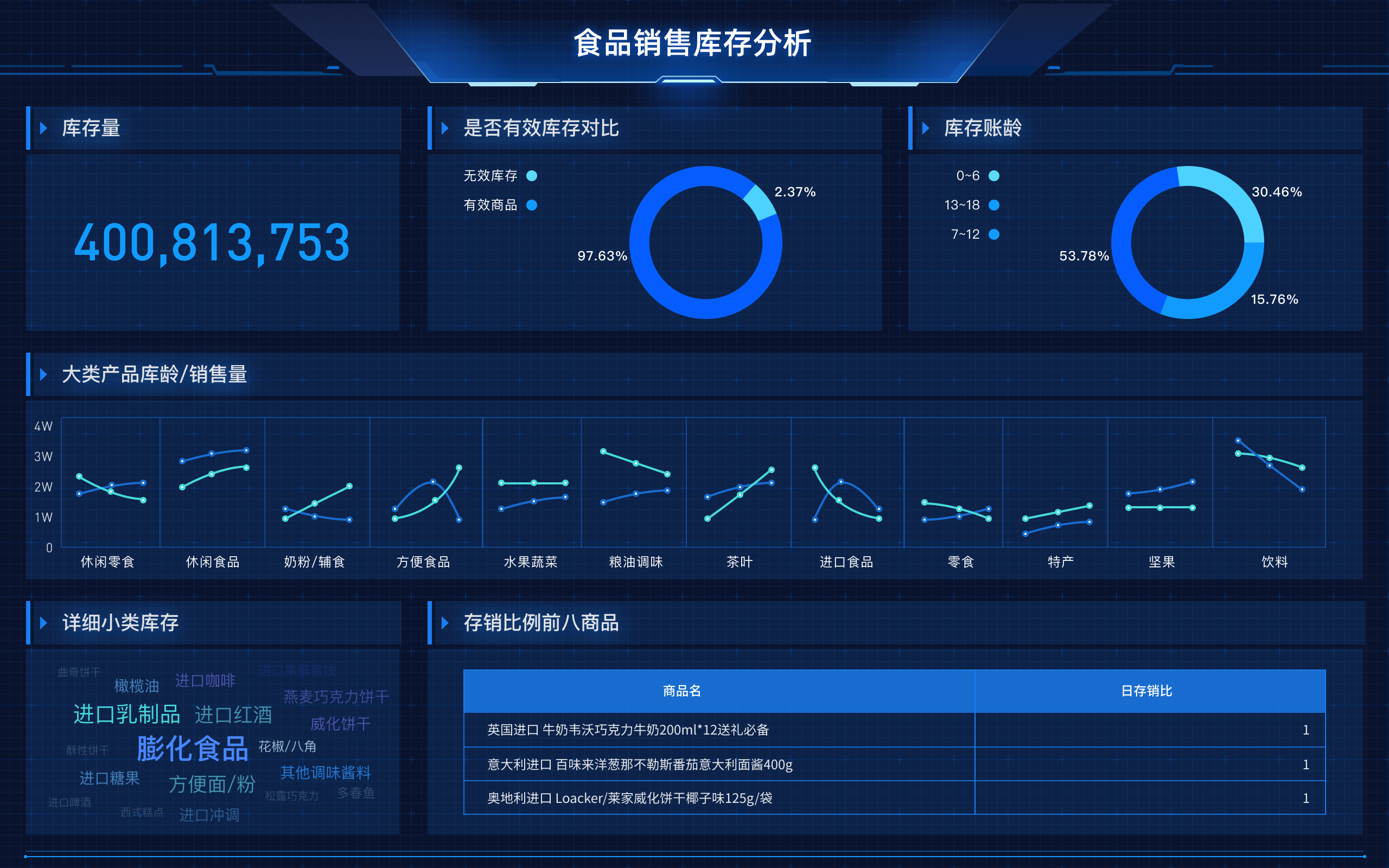
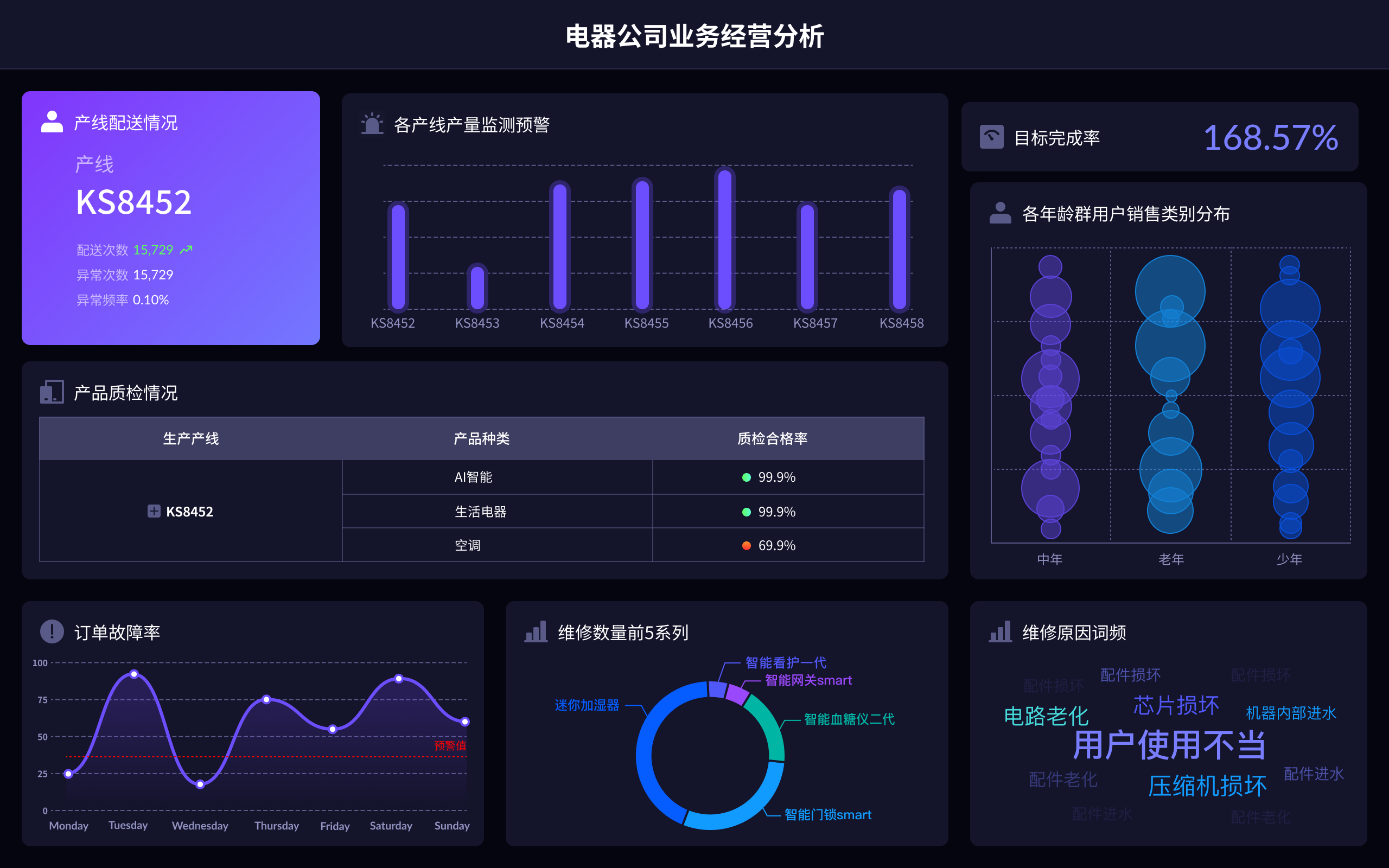
Data Visualization: Finally, the results of the data analysis need to be communicated effectively to stakeholders. Data visualization tools such as charts, graphs, and dashboards can be used to present the findings in a clear and understandable way, enabling decision-makers to make informed decisions based on the insights gained from the data analysis.
In conclusion, big data analysis is a powerful tool that can help organizations unlock the potential of their data and drive business growth and innovation. By following the key steps outlined above, businesses can harness the power of big data to gain a competitive edge in today's data-driven world.
1年前 -
-
大数据分析英文写作可以分为以下几个步骤:
-
确定主题和目的:首先,确定你要写作的主题和目的。例如,你可以写一篇关于大数据分析在市场营销中的应用,或者大数据分析对企业决策的影响等。确保你明确了写作的目的和要传达的信息。
-
确定关键词和术语:在写作之前,确定与大数据分析相关的关键词和术语。这些关键词和术语可以帮助你在文中准确地描述和解释大数据分析的概念和原理。
-
搜集资料和信息:在开始写作之前,搜集与你主题相关的资料和信息。这些资料可以来自于学术论文、行业报告、案例研究等,确保你的写作有充分的事实依据。
-
结构清晰:在写作过程中,确保你的文章结构清晰,逻辑严谨。可以按照引言、正文和结论的结构来组织你的文章,确保每个部分的内容连贯,逻辑清晰。
-
使用专业术语和表达:在写作中,使用与大数据分析相关的专业术语和表达,确保你的文章具有专业性和权威性。
-
举例和数据支持:在文章中可以使用具体的案例和数据来支持你的观点和论述,这样可以增强你的文章的说服力和可信度。
-
审校和修改:在完成初稿后,对文章进行审校和修改,确保语法准确,表达清晰,逻辑严谨。
-
参考文献:最后,确保你在文章中引用了相关的参考文献,这样可以增加你文章的权威性和可信度。
综上所述,大数据分析英文写作需要明确主题和目的,使用专业术语和表达,结构清晰,逻辑严谨,并且要使用实例和数据支持观点。
1年前 -
-
要写一篇关于大数据分析的英语文章,你可以按照以下步骤进行:
Title: Introduction to Big Data Analysis
-
Introduction
- Start with a brief introduction to big data and its significance in today's world.
- Define what big data analysis is and why it is important for businesses and organizations.
-
Understanding Big Data
- Explain the concept of big data, including the 3Vs: volume, velocity, and variety.
- Discuss the sources of big data, such as social media, sensors, and transactional data.
-
Tools and Technologies for Big Data Analysis
- Introduce the popular tools and technologies used for big data analysis, such as Hadoop, Spark, and NoSQL databases.
- Explain the role of machine learning and artificial intelligence in analyzing big data.
-
Steps in Big Data Analysis
- Outline the steps involved in big data analysis, including data collection, data cleaning, data storage, data analysis, and visualization.
- Discuss the challenges and best practices in each step of the analysis process.
-
Applications of Big Data Analysis
- Provide examples of how big data analysis is used in different industries, such as healthcare, finance, and e-commerce.
- Highlight the benefits of big data analysis in improving decision-making and gaining competitive advantages.
-
Future Trends in Big Data Analysis
- Discuss the emerging trends and advancements in big data analysis, such as edge computing, real-time analytics, and predictive modeling.
- Predict how big data analysis is expected to evolve in the future and its potential impact on businesses and society.
-
Conclusion
- Summarize the key points discussed in the article.
- Emphasize the importance of big data analysis and its role in driving innovation and growth.
-
References
- Include a list of references and sources used for information and data in the article.
By following these steps and structuring your article with clear subheadings, you can effectively write an informative and comprehensive piece on big data analysis in English. Remember to use appropriate vocabulary and terminology related to big data and data analysis throughout the article.
1年前 -