大数据分析要以什么为基础呢英文
-
Big data analysis is based on several key components. Here are five essential foundations for big data analysis:
-
Data Collection: The first step in big data analysis is to collect vast amounts of data from various sources. This data can come from structured sources like databases, as well as unstructured sources like social media, sensor data, and web logs. The data collected should be relevant to the analysis objectives and should be of high quality to ensure accurate results.
-
Data Storage: Once the data is collected, it needs to be stored in a way that allows for easy access, retrieval, and processing. Big data storage solutions like Hadoop Distributed File System (HDFS) and NoSQL databases are commonly used to store massive amounts of data efficiently. These storage systems are designed to handle the volume, variety, and velocity of big data.
-
Data Processing: Big data analysis requires processing large datasets to extract meaningful insights. Technologies like Apache Spark, Apache Flink, and MapReduce are commonly used for processing big data. These technologies enable parallel processing of data across distributed computing clusters, allowing for faster analysis of large datasets.
-
Data Analysis: Once the data is processed, it can be analyzed to uncover patterns, trends, and insights. Data analysis techniques like data mining, machine learning, and statistical analysis are commonly used in big data analysis to extract valuable information from the data. These techniques help in making data-driven decisions and predictions.
-
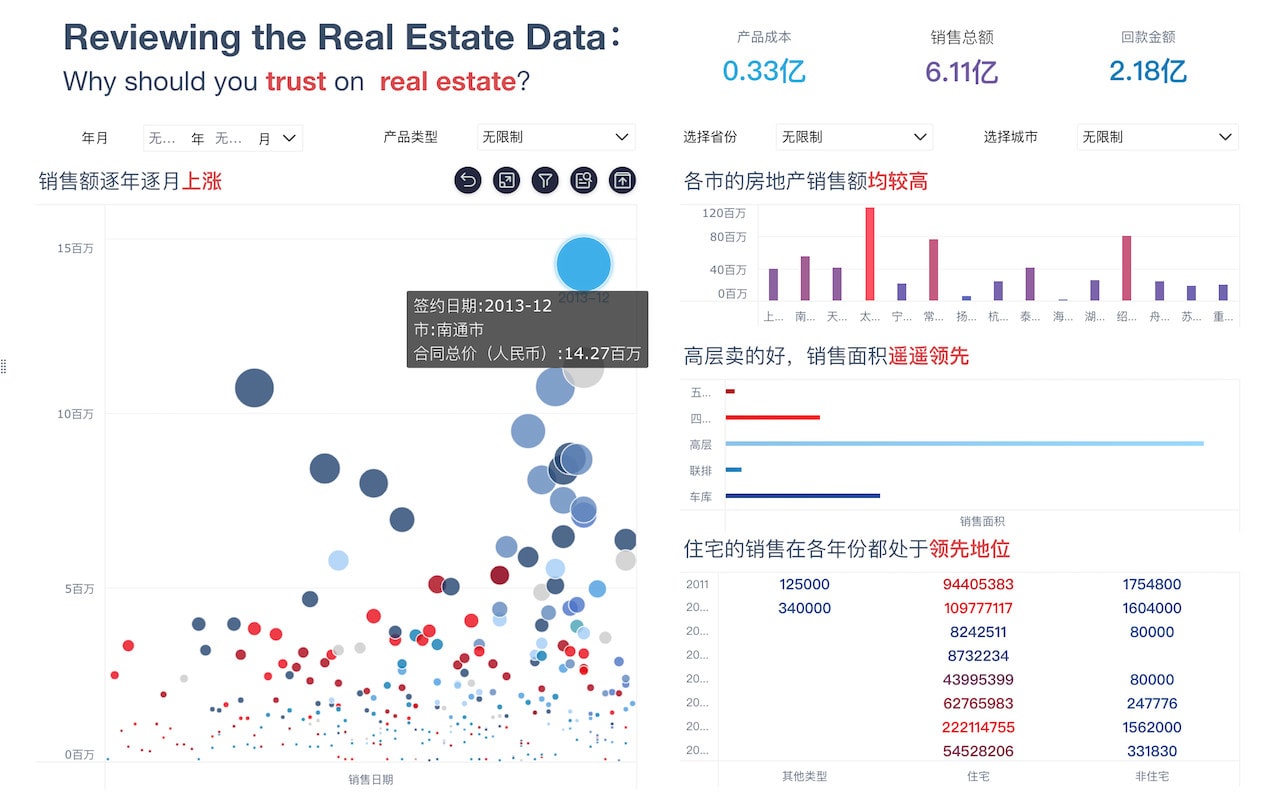
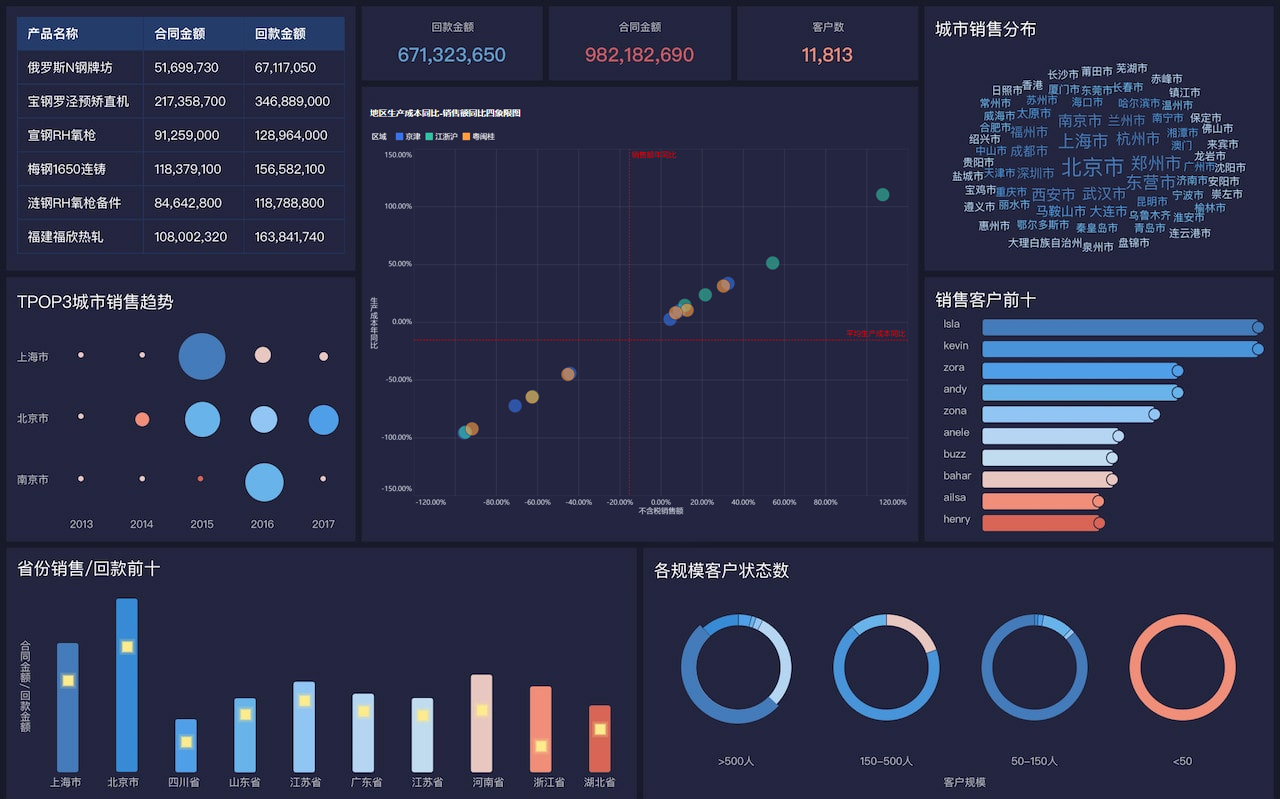
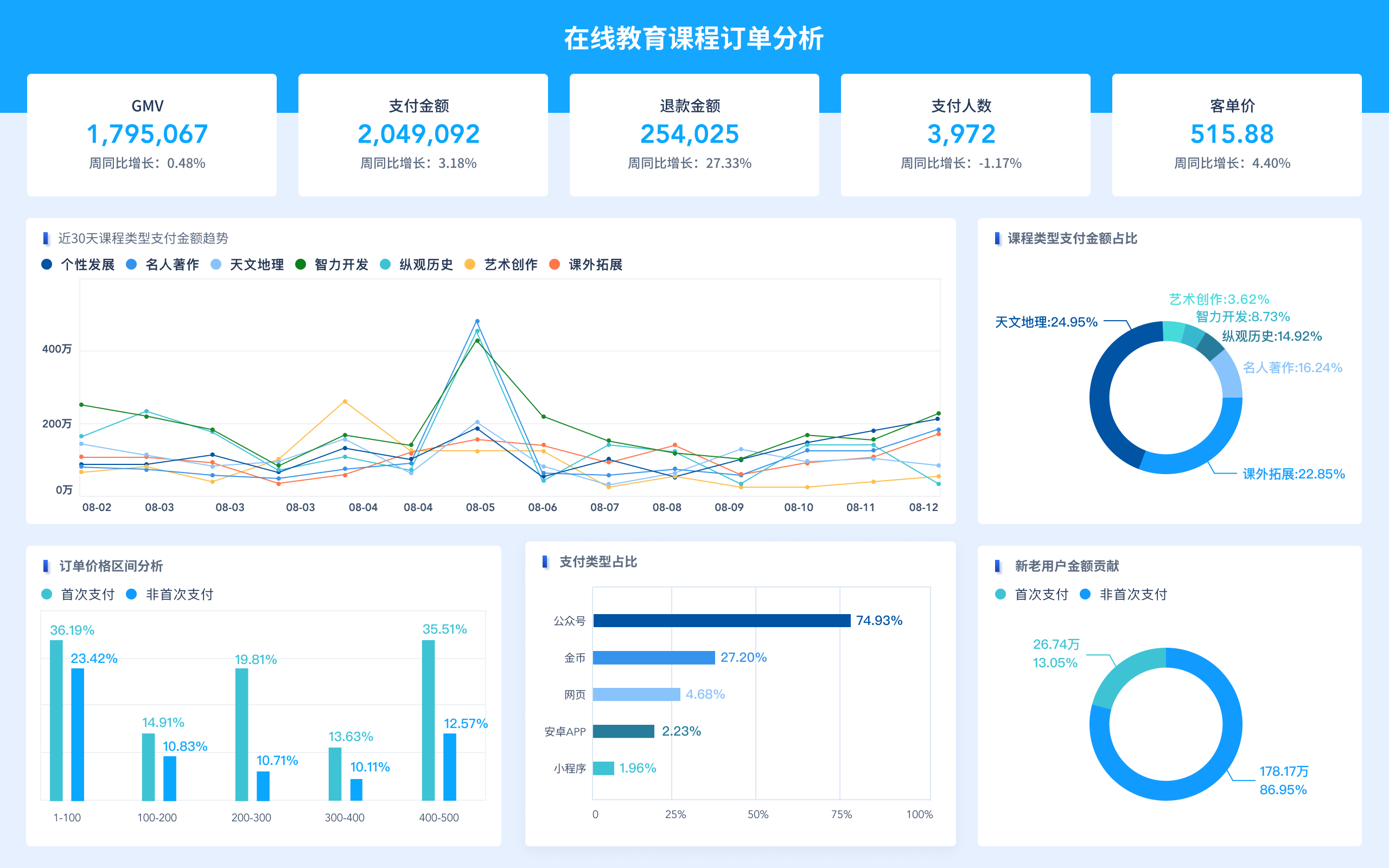
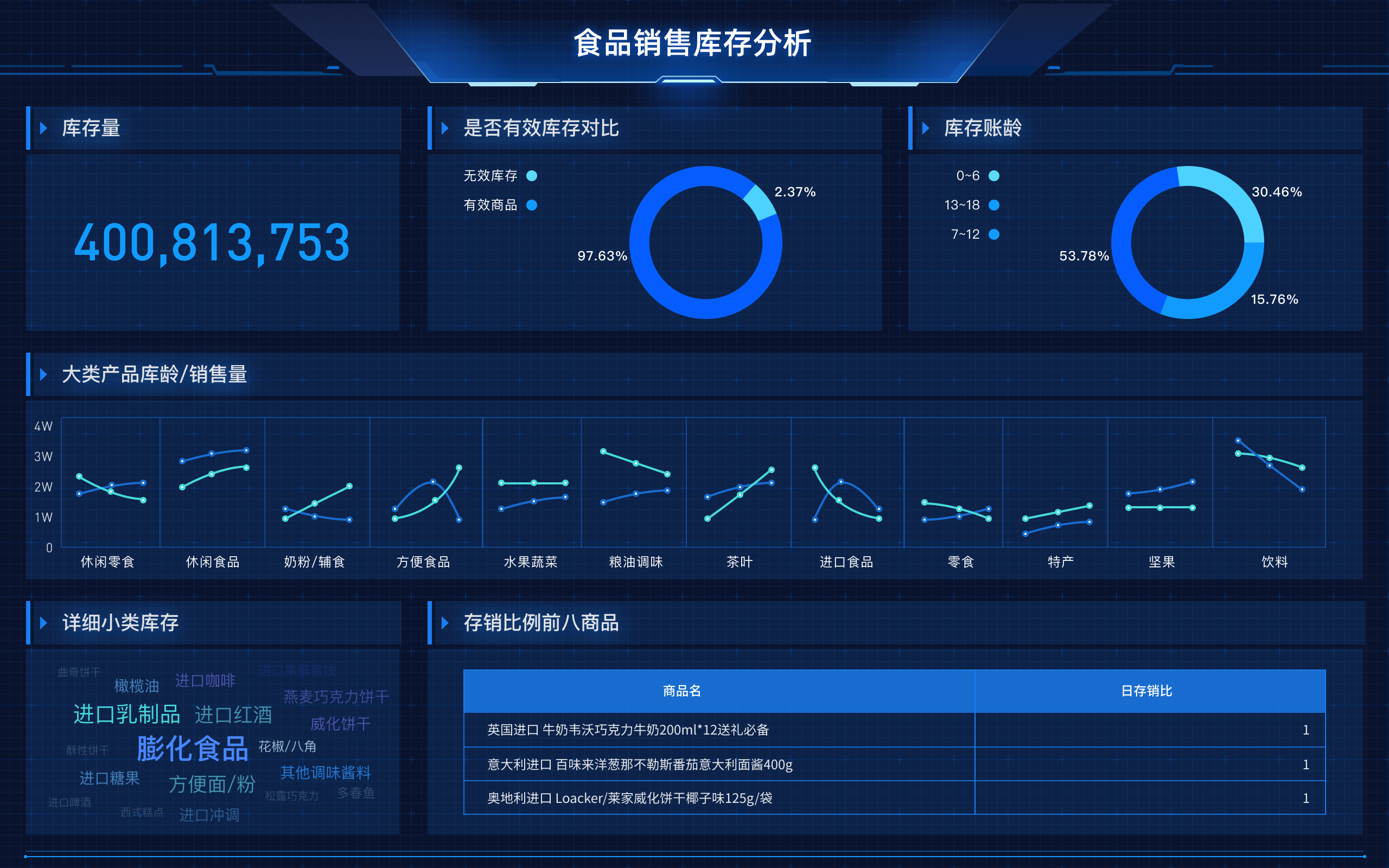
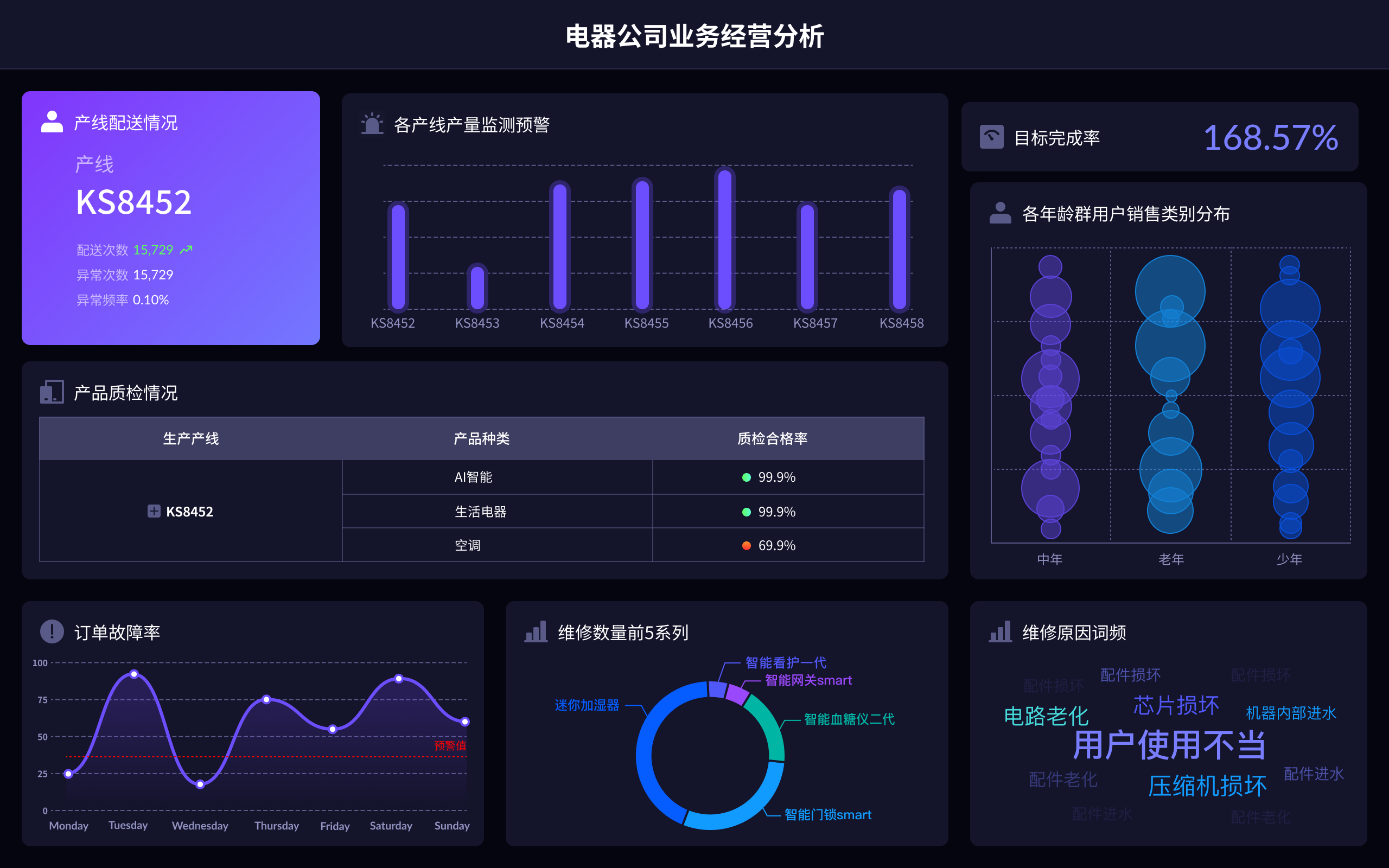
Data Visualization: The insights gained from data analysis need to be communicated effectively to stakeholders. Data visualization tools like Tableau, Power BI, and matplotlib are used to create visual representations of the data, such as charts, graphs, and dashboards. Data visualization helps in understanding complex data and communicating insights in a clear and concise manner.
In conclusion, big data analysis is based on the foundation of data collection, storage, processing, analysis, and visualization. By leveraging these key components, organizations can unlock the potential of big data to drive informed decision-making and gain a competitive advantage.
1年前 -
-
Big data analysis is based on what foundation?
1年前 -
Big data analysis is based on a variety of technologies and techniques, including data mining, machine learning, statistical analysis, and data visualization. These tools and methods are used to process and analyze large volumes of data to uncover patterns, trends, and insights that can be used to make informed decisions and drive business growth. By leveraging the power of big data analysis, organizations can gain valuable insights into customer behavior, market trends, operational efficiency, and other key areas of their business.
1年前