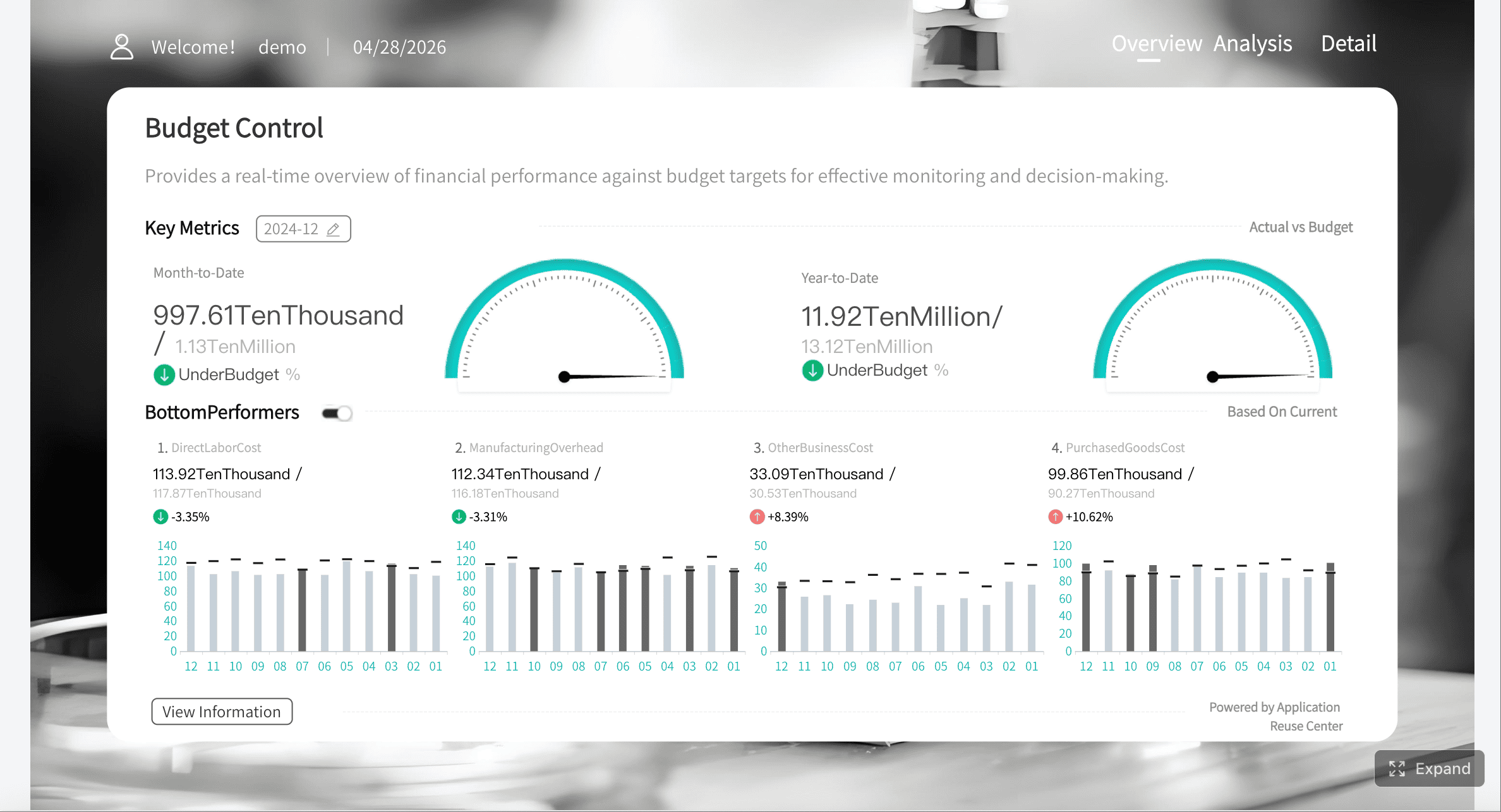
A clients SEO dashboard should do one job exceptionally well: prove that SEO is creating measurable business value. If your dashboard only shows rankings, clicks, and traffic, most clients will still ask the same question: “What did this do for leads, sales, or revenue?”
For agencies, consultants, marketing managers, and operations leaders, this is the core reporting challenge. SEO work often takes time, touches multiple channels, and influences conversions across a long buying journey. That makes weak dashboards easy to build and hard to trust.
The solution is not more data. The solution is a dashboard designed around business outcomes, clear attribution, and a narrative stakeholders can understand in minutes.
What a clients SEO dashboard should prove
Before choosing charts or connecting tools, define what the dashboard must prove. A useful clients SEO dashboard is not a generic marketing report. It is a decision tool built around a specific business question.
That question usually sounds like one of these:
How much pipeline or revenue is organic search generating?
Is SEO improving lead volume and lead quality?
Which pages or keyword groups are driving conversions?
Is SEO becoming more efficient over time compared with paid acquisition?
Are local SEO efforts increasing calls, bookings, or store actions?
If you do not define that question first, the dashboard will drift into vanity reporting.
Define the business question first
Start with the outcome your client values most. For some businesses, the priority is qualified leads. For others, it is online purchases, booked demos, calls, or influenced pipeline.
Your dashboard should be built backward from that goal. If the client cares about revenue, top-line traffic charts alone are not enough. If the client cares about local actions, map views and phone calls may matter more than national keyword visibility.
A strong business question anchors every widget, comparison, and note in the dashboard.
Separate vanity metrics from decision-making metrics
Vanity metrics can still be useful, but only when they support business interpretation. For example, impressions and rankings matter when they explain why conversions increased or dropped. On their own, they rarely prove ROI.
Decision-making metrics are the ones that change budget allocation, strategy, or expectations. These usually include:
Qualified organic sessions
Conversion rate from organic traffic
Leads or purchases from SEO landing pages
Revenue influenced or generated by organic search
Cost per lead or customer acquisition cost
Close rate or lead quality by organic source
Clients care less about whether a keyword moved from position 11 to 7 than whether SEO is producing profitable outcomes.
Align the dashboard with client goals
A clients SEO dashboard should reflect the actual business model behind the campaign. That means different KPI sets for different clients.
When the dashboard mirrors the client’s commercial goals, trust increases immediately.
Set expectations for reporting cadence and stakeholders
Dashboards fail when they are technically accurate but operationally misaligned. Decide upfront:
Who will use the dashboard: executives, marketing managers, sales leaders, or account teams
How often it will be reviewed: weekly, monthly, quarterly
What success looks like: growth targets, efficiency gains, trend improvement, or contribution benchmarks
Which decisions the dashboard should support: budget, content priorities, technical fixes, local SEO expansion, or conversion optimization
A CEO may need a one-minute summary. A marketing team may need more detail. A sales leader may care most about lead quality and close rate. Build views accordingly.
Choose the right KPIs to connect SEO work to ROI
The best way to make a clients SEO dashboard credible is to select KPIs that show the full path from search visibility to business outcome.
Key Metrics (KPIs)
Organic Sessions: Total visits from organic search. Useful as a baseline, but should be paired with quality and conversion metrics.
Qualified Organic Visits: Organic sessions that meet intent or engagement thresholds, such as time on site, page depth, or key page views.
Branded vs. Non-Branded Traffic: Separates demand capture from growth in new search visibility. Critical for honest performance reporting.
Organic Conversion Rate: Percentage of organic visits that complete a target action, such as a form fill, purchase, or booking.
Leads from Organic Search: Total lead actions attributed to SEO traffic.
Revenue from Organic Search: Direct or influenced revenue tied to organic sessions, conversions, or assisted paths.
Pipeline Contribution: Sales pipeline value generated or influenced by organic search, especially important in B2B reporting.
Lead Quality or Close Rate: Measures whether organic leads convert into sales at a healthy rate.
Cost per Lead (CPL): SEO investment divided by organic leads generated.
Cost per Acquisition (CPA): SEO investment divided by customers acquired through organic.
Return on SEO Investment: Revenue or pipeline generated relative to SEO cost over time.
Top Landing Page Performance: Which SEO pages drive traffic, conversions, and revenue.
Query Contribution: Which search terms generate clicks, visits, and downstream value.
Technical Health Indicators: Crawlability, index coverage, Core Web Vitals, and issue counts when they directly affect performance.
Traffic quality and conversion signals
Traffic volume matters, but traffic quality matters more. If organic sessions are rising while conversions are flat, the client may not see progress as meaningful.
Track organic traffic alongside engagement and intent signals such as:
Engaged sessions
Pages per session
Key page visits
Scroll depth or product views
Demo page visits
Return visits from organic users
These signals help explain whether SEO is attracting the right audience.
Segment branded vs. non-branded traffic
This is one of the most important reporting practices in any clients SEO dashboard. Branded traffic often reflects existing brand demand, while non-branded traffic shows your ability to capture new prospects searching for solutions.
If total organic traffic grows only because branded searches increase, the story is different from growth driven by non-branded discovery. Clients need to see that difference clearly.
Revenue and pipeline metrics
Once traffic quality is covered, connect SEO to financial outcomes. This is where most dashboards either build trust or lose it.
Your dashboard should show how organic search contributes to:
Form fills
Calls
Demo requests
Bookings
Purchases
Influenced opportunities
Closed revenue
If the client has a CRM, push further. Do not stop at lead counts if sales outcome data is available.
Include lead quality or close-rate data
Many SEO reports overstate value by counting every lead equally. That can mislead clients fast.
A stronger dashboard includes:
Marketing-qualified leads from organic
Sales-qualified leads from organic
Opportunity creation rate
Close rate by channel
Revenue per organic lead
This moves the dashboard from marketing activity reporting to business performance reporting.
Cost and efficiency indicators
ROI is not just about output. It is also about efficiency.
Show how SEO investment compares with generated value over time. Useful metrics include:
Estimated savings compared with paid search cost for similar traffic or conversions
This helps clients understand not just whether SEO works, but whether it is becoming a more efficient growth channel.
Gather the data sources and set up clean tracking
A clients SEO dashboard is only as credible as the tracking behind it. Beautiful visuals cannot fix broken attribution, duplicate conversions, or inconsistent naming.
Core platforms to connect
Most SEO ROI dashboards pull from several systems. Depending on the client’s model, common sources include:
Web analytics platforms for sessions, engagement, and conversions
Search performance tools for impressions, clicks, CTR, and queries
CRM systems for lead stages, pipeline, and revenue
Call tracking platforms for phone-based conversions
E-commerce systems for transactions, product revenue, and order value
Local business tools for calls, bookings, or direction actions
The key is consistency. Campaign names, page naming, conversion labels, and source definitions should match across tools wherever possible.
If one platform says “Demo Request” and another says “Book Demo Form,” reporting becomes messy quickly. Standardization avoids confusion and reduces reporting disputes later.
Attribution and data hygiene
Attribution must be defined before the dashboard is built. Otherwise, teams end up arguing over which channel should receive credit.
Decide upfront:
Which attribution model will be used
Whether the dashboard reports first-touch, last-touch, or multi-touch influence
How branded search will be treated
Whether assisted conversions are included
Which conversion window applies
Then clean the underlying data. Audit for:
Duplicate conversions
Broken event tracking
Incorrect goals
Internal traffic contamination
Spam referrals
Missing CRM source fields
Misaligned landing page naming
Incomplete call tracking setup
A trustworthy clients SEO dashboard is less about design and more about disciplined measurement.
Build the clients SEO dashboard structure clients can understand quickly
A dashboard should not feel like a data warehouse. It should feel like a guided performance review. The structure must help clients grasp outcomes fast, then explore supporting detail if needed.
Create an executive summary view
Start with a top-level summary that a busy stakeholder can read in under two minutes.
This section should lead with:
Organic leads, revenue, or pipeline generated
Period-over-period and year-over-year performance
Non-branded growth trend
Conversion rate trend
Cost efficiency metrics
Top wins, risks, and next actions
Add a short narrative above or beside the charts. This is where many dashboards improve dramatically. A simple explanation like “Non-branded traffic rose 24% after service pages were optimized, driving 18% more qualified leads” gives the numbers meaning.
Add supporting detail without overwhelming the reader
After the summary, build supporting sections only if they connect to business outcomes.
Useful sections may include:
Rankings and search visibility
Top landing pages
Query groups by intent
Conversion paths
Local SEO actions
Technical health indicators
The rule is simple: if a section does not help explain business performance, it does not belong in the main client-facing dashboard.
Keep the dashboard focused. You can always provide a deeper analyst view separately.
Design for clarity
Clarity beats complexity every time. A high-trust clients SEO dashboard usually has fewer widgets, stronger labels, and better commentary.
Best design practices include:
Use simple chart types such as scorecards, line charts, bar charts, and tables
Keep naming consistent across tabs and widgets
Use annotations to explain major changes
Make date comparisons obvious
Avoid cluttered visuals and excessive color use
Ensure every chart answers a specific client question
If a client has to ask what a chart means, the design failed.
Turn the clients SEO dashboard into a step-by-step ROI story
The most effective dashboard is not a collection of metrics. It is a narrative. It shows how SEO created business value through a chain of cause and effect.
Show the path from visibility to revenue
A strong ROI story follows a clear sequence:
Search visibility improved.
Relevant clicks increased.
Qualified visits landed on high-intent pages.
More conversions occurred.
Those conversions produced leads, pipeline, or revenue.
That progression should be visible in the dashboard. Show the funnel with supporting metrics at each step.
For example:
Impressions up on target service pages
Non-branded clicks increased
Qualified sessions to those pages rose
Demo requests from those pages improved
Organic-sourced opportunities and revenue followed
This approach helps clients understand what happened and why it matters.
Add insights, not just numbers
Clients do not need a scoreboard alone. They need interpretation.
For each major KPI or section, include:
What changed
Why it changed
What risk exists
What action should happen next
Examples of useful notes:
“Traffic increased, but conversion rate declined due to lower-intent blog traffic. Next step: strengthen internal linking to commercial pages.”
“Local landing pages drove 32% more calls after title and GBP updates. Next step: replicate to remaining locations.”
“Revenue dipped because two top pages lost rankings after a site migration. Recovery actions are in progress.”
This is where the dashboard becomes a management tool instead of a passive report.
Review and refine over time
No dashboard should stay static. As client goals change, your reporting should evolve.
Review regularly:
Which widgets clients actually use
Which sections create the most discussion
Which KPIs are no longer tied to business priorities
How seasonality affects trend interpretation
Whether new services or markets require new segments
Remove what is ignored. Expand what drives decisions. A refined clients SEO dashboard gets stronger with each review cycle.
Common mistakes that weaken client trust
Even technically sound dashboards can damage confidence if they frame SEO performance poorly.
Common mistakes include:
Reporting too many SEO metrics without connecting them to business impact
Claiming ROI without defined attribution or conversion logic
Using total traffic growth to hide weak lead quality
Ignoring branded vs. non-branded segmentation
Hiding declines instead of explaining causes and corrective actions
Showing rankings and technical metrics without tying them to outcomes
Building a dashboard that impresses marketers but confuses clients
Updating reports inconsistently or changing KPI definitions midstream
The most trusted dashboards are honest, focused, and stable. They show progress clearly, explain setbacks directly, and tie reporting to decisions.
Build it faster and make it easier to trust with FineBI
Building a clients SEO dashboard manually is possible, but it is rarely simple. You need to connect multiple data sources, clean inconsistent fields, define attribution rules, structure views for different stakeholders, and keep everything updated without breaking trust.
That manual workflow becomes expensive fast, especially when you manage multiple clients, multiple conversion types, and multiple reporting cadences.
This is where FineBI becomes the practical solution.
With FineBI, you can utilize ready-made templates and automate this entire workflow. Instead of stitching together spreadsheets, exports, and disconnected tools, teams can centralize SEO, analytics, CRM, and conversion data into one reporting environment built for clarity and speed.
Consolidate data from multiple platforms into one dashboard
Standardize KPI definitions across clients and campaigns
Build executive summary views and detailed analysis tabs faster
Automate recurring reporting workflows
Create visual dashboards that clearly show the path from SEO activity to ROI
Reduce manual reporting errors and improve stakeholder trust
Utilize ready-made templates and automate this entire workflow with FineBI
If your goal is to prove SEO value consistently, the answer is not more manual reporting. It is a better system. FineBI makes it easier to turn fragmented SEO data into a dashboard clients understand, trust, and use to make decisions.
A great clients SEO dashboard does more than report performance. It proves impact, supports smarter conversations, and gives clients confidence that SEO is driving real business results.
It should connect organic traffic to business outcomes like leads, sales, revenue, or pipeline. Core metrics usually include qualified organic sessions, conversion rate, leads, revenue, and cost efficiency.
Rankings and traffic show visibility, but they do not explain business impact on their own. Clients usually need to see whether SEO is generating profitable actions such as bookings, purchases, or qualified leads.
Start with the client’s main business goal and build the dashboard backward from that outcome. A B2B company may care about pipeline and sales-qualified leads, while an e-commerce brand may focus on transactions and revenue.
Include metrics like close rate, sales-qualified leads, or downstream conversion performance from organic traffic. This helps show whether SEO is attracting the right audience, not just more visitors.
Most teams benefit from monthly reporting for trend analysis, while weekly checks can help monitor changes more closely. The right cadence depends on who uses the dashboard and what decisions it needs to support.
Product Trial
FineReport
Pixel-perfect reports · Interactive dashboards · Easy data entry · Digital twins