Record to report process transformation is the disciplined redesign of the financial close cycle to make period-end reporting faster, more accurate, and easier to control. For finance leaders, controllers, shared services managers, and CIOs, the problem is familiar: too many spreadsheets, inconsistent handoffs, late reconciliations, weak visibility, and audit pressure that spikes every month or quarter. A well-executed transformation reduces close delays, improves confidence in financial data, and gives leadership real-time control over the process instead of relying on status-chasing and manual follow-ups.
Click To Try The Dashboard
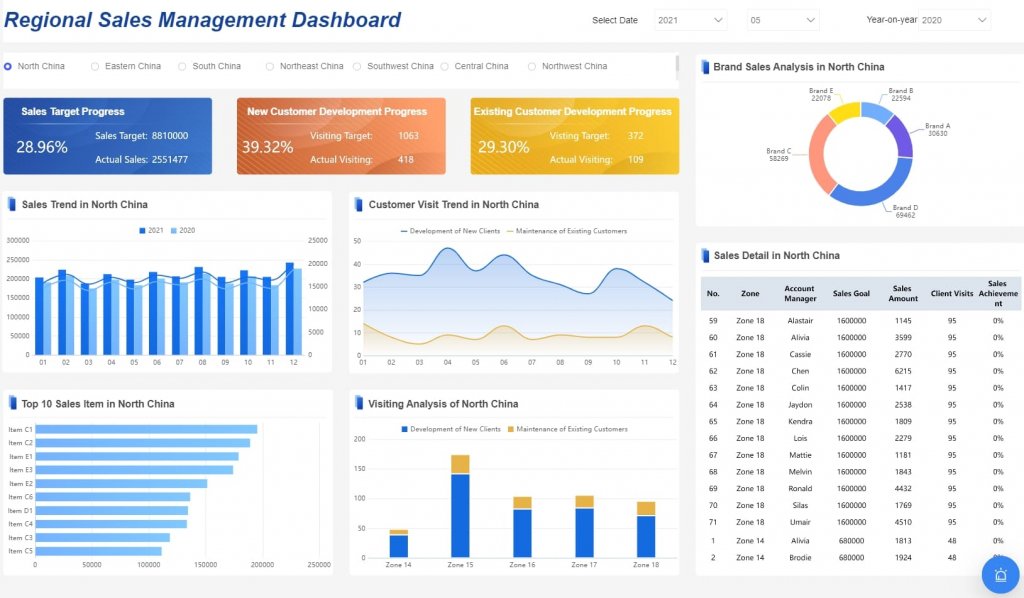
All reports in this article are built with FineReport
What record to report process transformation means and why it matters
Record to report process transformation covers the full journey from transaction recording to final financial statements and management reporting. It includes journal entries, reconciliations, accruals, intercompany processing, consolidation, review workflows, and final reporting. Transformation means redesigning this cycle so work is standardized, automated where possible, and governed through clear controls and visibility.
For most enterprises, the business value is immediate. A faster close gives leadership earlier insight into financial performance. Better process control reduces the risk of misstatements, missed deadlines, and compliance exceptions. Stronger transparency helps finance teams spend less time coordinating status and more time analyzing results.
The need for change usually appears in operational symptoms, not strategy decks. Teams stay late during close. Approvers cannot see bottlenecks. Different entities follow different calendars. Reconciliations age across periods. Journals require repeated corrections. Auditors ask for evidence that is scattered across files and inboxes. These are not isolated inefficiencies. They are signs that the record to report process needs structural improvement.
Step 1: Assess the current close process end to end
Before changing systems or buying tools, finance and operations leaders need a full view of how the close actually works today. Most organizations underestimate process fragmentation because each team only sees its own part.
Map workflows, systems, and handoffs
Start by documenting the process from transaction capture to final reporting across business units, entities, and functions. Identify which steps happen in ERP systems, which happen in reconciliation tools, and which still live in spreadsheets or email. Map every handoff between accountants, controllers, finance shared services, tax teams, and approvers.
This mapping exercise often reveals that close delays are not caused by one major failure, but by dozens of small inefficiencies compounded across the calendar.
Once the workflow is mapped, quantify current performance. Without baseline data, transformation goals become subjective and hard to defend.
At minimum, measure:
Current close cycle time by entity and reporting level
Number of late reconciliations
Average reconciliation aging
Journal error and rejection rates
Rework volume by task type
Manual touchpoints per close
Approval turnaround by role
Number of audit requests for missing evidence
Baseline metrics make prioritization easier. They also create credibility with leadership because they turn process complaints into measurable business cases.
Step 2: Standardize policies, workflows, and ownership
Transformation stalls when every entity or team follows a different close logic. Standardization is what turns isolated improvement into a scalable operating model.
Define a consistent process model
Create a common framework for calendars, journal rules, account reconciliation standards, thresholds, review timing, and escalation paths. This does not mean every entity must be identical, but core policies should be consistent enough to support shared governance and automation.
Standardization usually includes:
A unified close calendar
Standard journal entry categories and approval rules
Common reconciliation templates and materiality thresholds
Defined cut-off rules
Standard exception handling procedures
Consistent naming and documentation conventions
This step reduces ambiguity and improves comparability across teams. It also makes downstream automation possible.
Assign clear roles and controls
Every close task needs a named owner, reviewer, and escalation path. When accountability is unclear, delays multiply and control gaps emerge.
Document ownership for:
Task execution
Exception resolution
Review and sign-off
Policy interpretation
Final close approval
Evidence retention
A RACI-style model works well here. It clarifies who is responsible, who approves, who must be consulted, and who needs visibility. In mature organizations, role clarity is one of the fastest ways to improve close discipline without major system investment.
The best record to report process transformation programs do not try to automate everything at once. They start with the tasks that consume the most effort, create the most delay, and have the clearest return.
Prioritize quick wins with measurable value
Focus first on activities that are repetitive, high-volume, and rules-based. In most close environments, these include journal automation, account reconciliations, intercompany matching, and task management.
Practical quick wins include:
Automating recurring journals
Standard accruals, allocations, and routine adjustments can often be generated and routed automatically.
Digitizing reconciliation workflows
Replace email-based reconciliation tracking with centralized status control, documentation, and sign-off.
Automating intercompany matching
Detect mismatches earlier and reduce manual research during the close crunch.
Using close task orchestration
Track dependencies, deadlines, blockers, and approvals in one governed workflow.
These improvements create visible value quickly and help fund the next wave of transformation.
Integrate data across source systems
Many close inefficiencies exist because data is spread across ERP systems, subledgers, planning platforms, and offline spreadsheets. Integration reduces delay and improves consistency.
The goal is not just data movement. The goal is a governed data flow where balances, transaction details, and close status update reliably across systems. When finance teams stop exporting and reformatting data manually, error rates drop and reviewers gain more confidence in the numbers.
Step 4: Strengthen governance, controls, and audit readiness
A faster close is not enough if it weakens control. The right transformation improves speed and auditability at the same time.
Build control points into the process
Controls should be embedded directly into the workflow, not layered on after the fact. Preventive and detective controls help finance teams catch issues before they affect reporting.
Examples include:
Validation rules for journal entries
Segregation of duties in approval chains
Balance and variance thresholds
Mandatory documentation before submission
Auto-flagging of overdue reconciliations
Exception alerts for unusual account movements
These controls reduce late surprises and make the close process more predictable.
Improve transparency for stakeholders
Controllers, CFOs, internal audit teams, and external auditors all need visibility, but not at the same level of detail. A transformed process should provide role-based transparency through dashboards, status views, and evidence trails.
This means stakeholders should be able to see:
What is complete
What is overdue
What exceptions remain open
Who owns the issue
What supporting evidence exists
Whether sign-offs are complete
That level of transparency reduces dependency on manual status meetings and helps auditors retrieve support faster.
Step 5: Enable adoption and continuous improvement
Technology and policy changes only work if teams use them consistently. Adoption is not a side task. It is part of the transformation design.
Train teams on the new operating model
Training should be role-based and practical. Accountants need to know how to perform tasks in the new workflow. Reviewers need to understand approval logic and control responsibilities. Shared services teams need clear escalation rules and documentation standards.
Effective enablement includes:
Process playbooks
Standard operating procedures
Role-based job aids
Training workshops tied to the close calendar
Leadership messaging on expected behaviors
Post-go-live support during early close cycles
Good training reduces workarounds and helps teams trust the new process faster.
Review results after each close
Continuous improvement should happen after every cycle, not once a year. Use performance data and team feedback to identify friction points and refine the process.
Review questions should include:
Which tasks consistently finish late?
Where are exceptions accumulating?
Which controls are producing false positives?
What manual work still exists?
Which entities need additional support?
Are KPI improvements sustained month over month?
This review rhythm turns transformation from a one-time project into an operating discipline.
Step 6: Scale the transformation with a practical roadmap
Once early wins are proven, scale the model through a roadmap based on business value, complexity, and readiness. Not every entity, system, or process should be transformed in the same order.
A practical roadmap usually includes:
Prioritization by pain and value
Start with areas where cycle time, risk, or labor intensity is highest.
Phased deployment
Roll out standards and automation in manageable waves by region, entity group, or process area.
Technology sequencing
Align dashboarding, workflow, integration, and control enhancements with operational readiness.
Policy and governance updates
Refresh close policies, approval matrices, and evidence standards as the operating model matures.
Outcome tracking
Compare each phase against the original baseline metrics to prove gains and maintain executive support.
The companies that sustain improvement are the ones that treat record to report process transformation as a roadmap, not a one-off close optimization exercise.
Best practices to implement record to report process transformation successfully
If you want this initiative to work in a real enterprise environment, focus on disciplined execution rather than abstract transformation language.
1. Start with one version of the truth
Consolidate process status, KPI tracking, and exception visibility into a central reporting layer. If each team tracks progress differently, leadership will never have a trusted view of close readiness.
2. Fix process variation before adding heavy automation
Automation amplifies both strengths and weaknesses. Standardize calendars, task definitions, approval rules, and reconciliation logic first. Then automate.
3. Target bottlenecks with the highest labor and risk impact
Do not chase low-value automation. Prioritize recurring journals, aging reconciliations, intercompany breaks, and approval delays because these areas typically produce the fastest measurable returns.
4. Design controls into the workflow
Build evidence capture, approval traceability, and exception alerts into the operating process. Audit readiness should be a built-in outcome, not a manual afterthought before review periods.
5. Run a closed-loop review after every period-end
Use each close as a source of performance data. Review KPIs, capture team feedback, and refine the process monthly. This is how transformation compounds over time.
Building this manually is complex; use FineReport to automate the workflow
Building a high-visibility, controlled record to report process transformation manually is possible, but it is complex, slow to maintain, and difficult to scale. Finance teams often end up stitching together ERP exports, spreadsheets, email approvals, and presentation slides just to answer simple questions like what is overdue, where exceptions sit, and whether reporting is audit-ready.
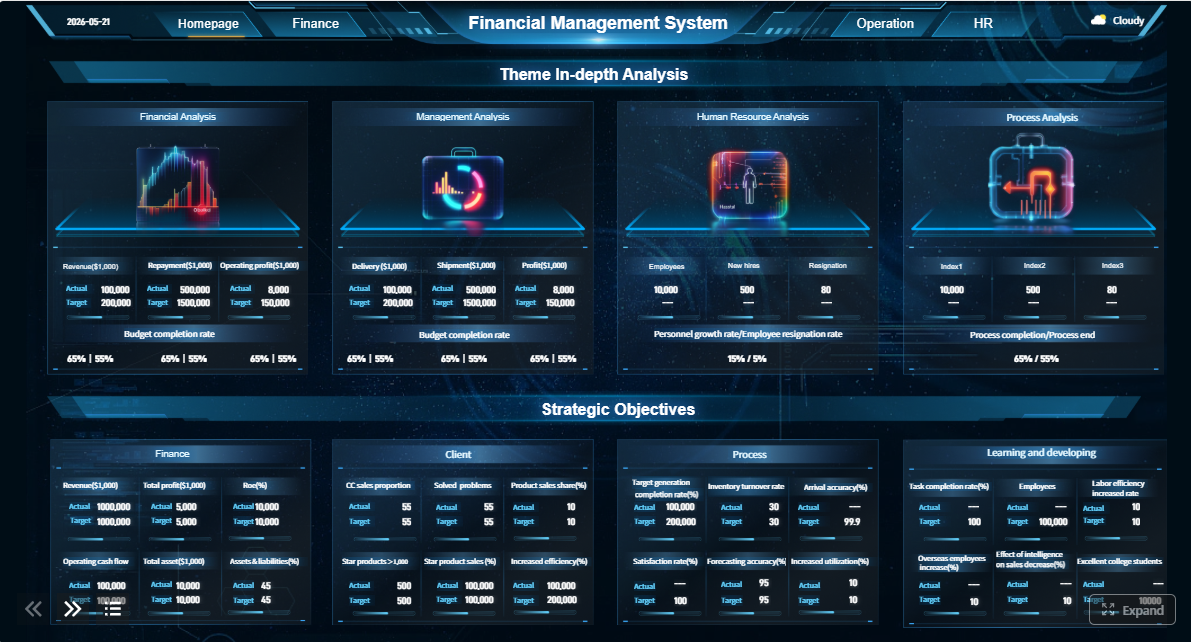
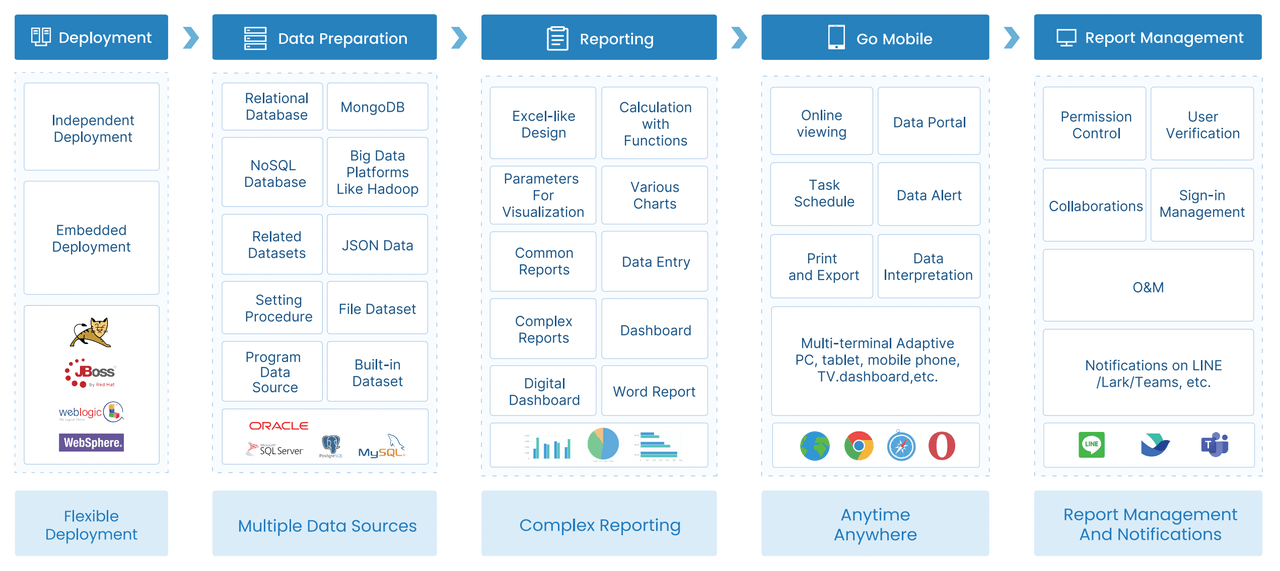
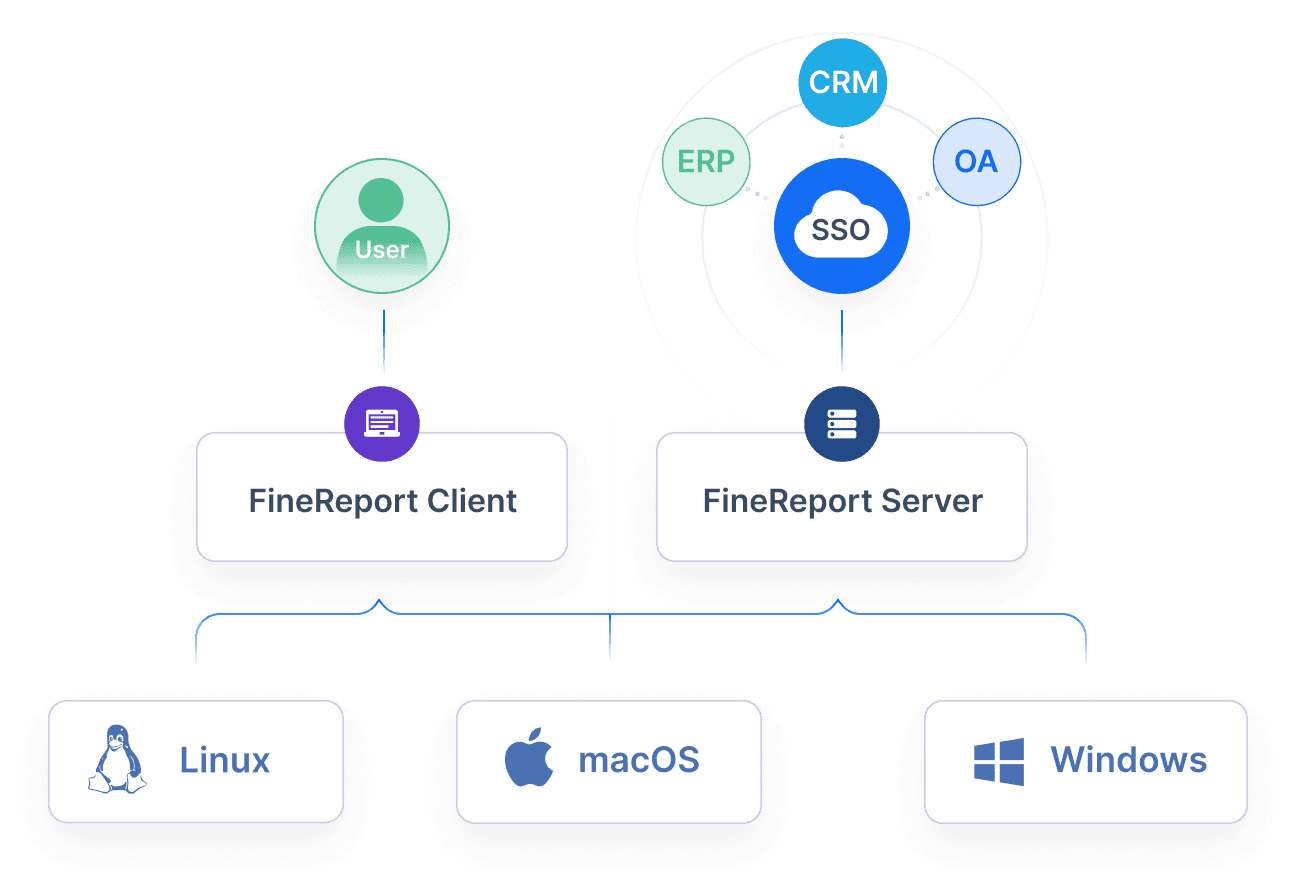
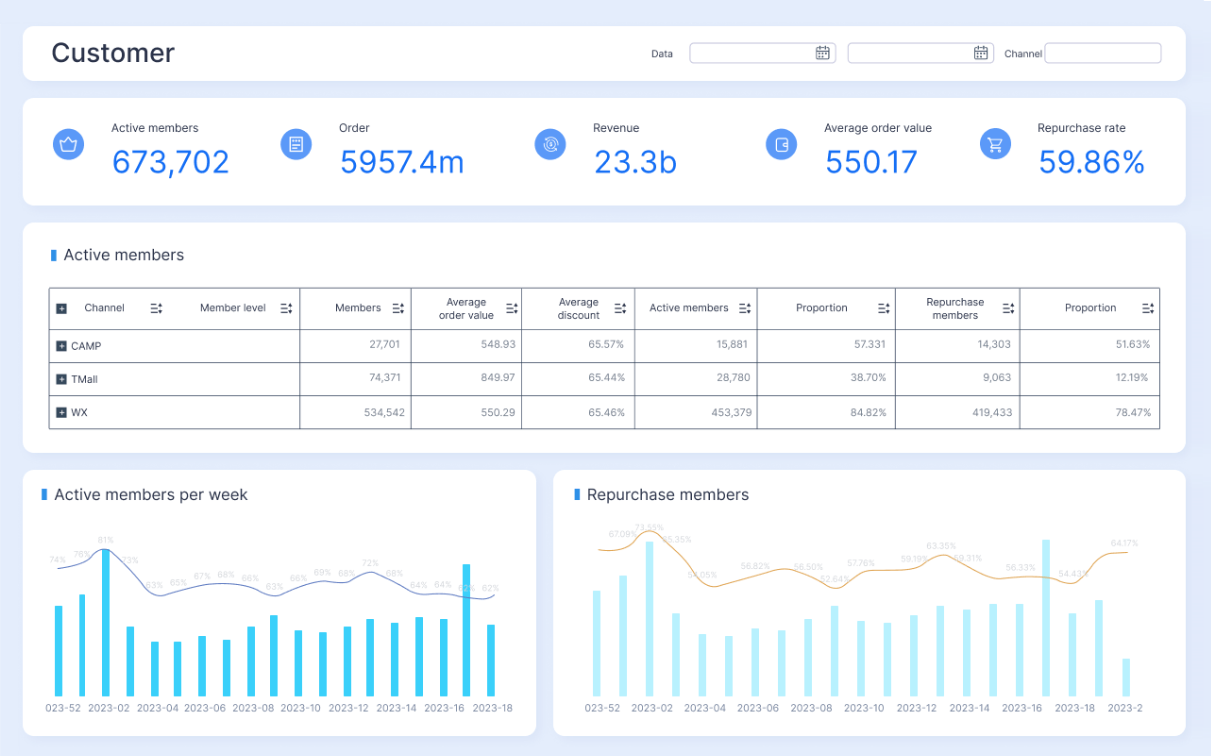
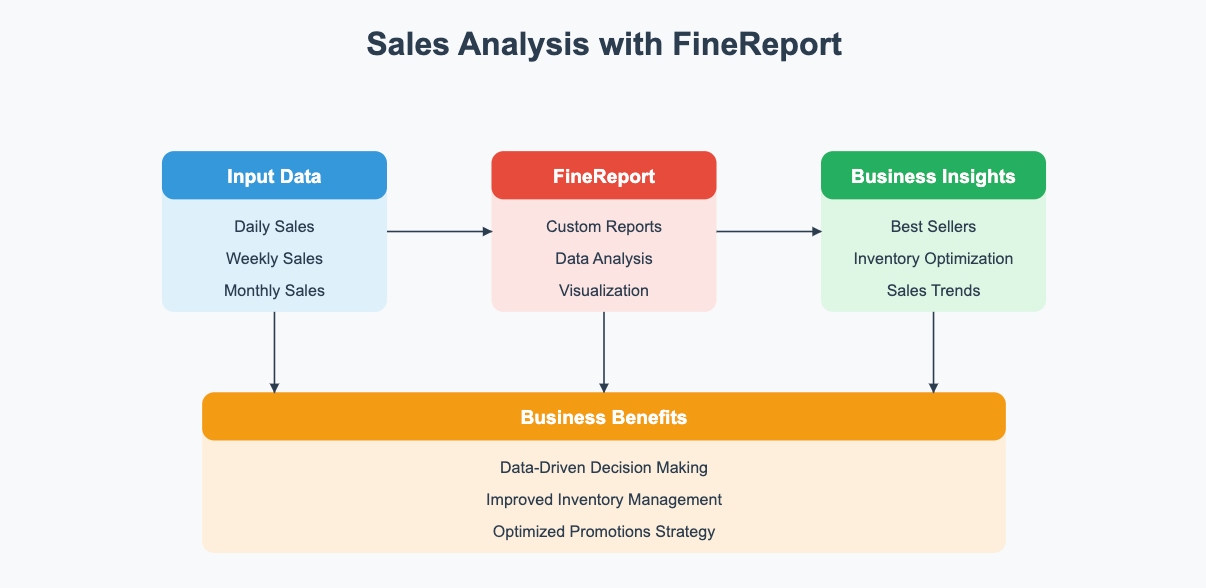
FineReport makes this much easier by giving teams a practical way to build close dashboards, status tracking views, exception monitoring, and management reports on top of existing enterprise data. Instead of relying on fragmented files and manual updates, teams can use ready-made templates and automate this entire workflow.
Deliver role-based reporting for finance leadership and auditors
Reduce spreadsheet dependency through connected reporting
For enterprise decision-makers, the value is straightforward: better visibility, faster response to bottlenecks, and stronger governance without adding reporting overhead to already stretched finance teams.
If your finance organization is trying to shorten the close, improve control, and create a scalable record to report operating model, start with the metrics, standardization, and automation steps outlined above. Then use a platform that helps your team operationalize them without rebuilding reporting from scratch every month.
It is the redesign of the financial close process from transaction recording to final reporting to make closing faster, more accurate, and easier to control. It typically includes standardizing workflows, reducing manual work, and improving visibility across teams.
It helps reduce close delays, lower error rates, and strengthen compliance during monthly, quarterly, and annual reporting. It also gives leaders better visibility into bottlenecks, task status, and financial data quality.
Common signs include heavy spreadsheet use, delayed reconciliations, inconsistent handoffs, repeated journal corrections, and poor status visibility during close. Audit pressure and scattered supporting evidence are also strong indicators.
The most useful KPIs include close cycle time, journal turnaround time, reconciliation completion rate, reconciliation aging, error rate, and on-time task completion. Many teams also track intercompany exceptions, rework, audit evidence completeness, and spreadsheet dependency.
Start by mapping the current close process end to end across systems, teams, and entities. Then establish baseline metrics so you can identify bottlenecks, prioritize changes, and measure improvement over time.
Product Trial
FineReport
Pixel-perfect reports · Interactive dashboards · Easy data entry · Digital twins