Record to report services help CFOs turn fragmented financial activity into accurate, timely, decision-ready reporting. If your finance team is fighting close delays, spreadsheet-heavy reconciliations, intercompany mismatches, or inconsistent reporting across entities, the issue is rarely just workload. It is usually a process design problem. A strong R2R model creates control over the full finance reporting cycle—from transaction capture to close, consolidation, compliance, and executive reporting—so leadership can trust the numbers and act faster.
Click To Try The Dashboard
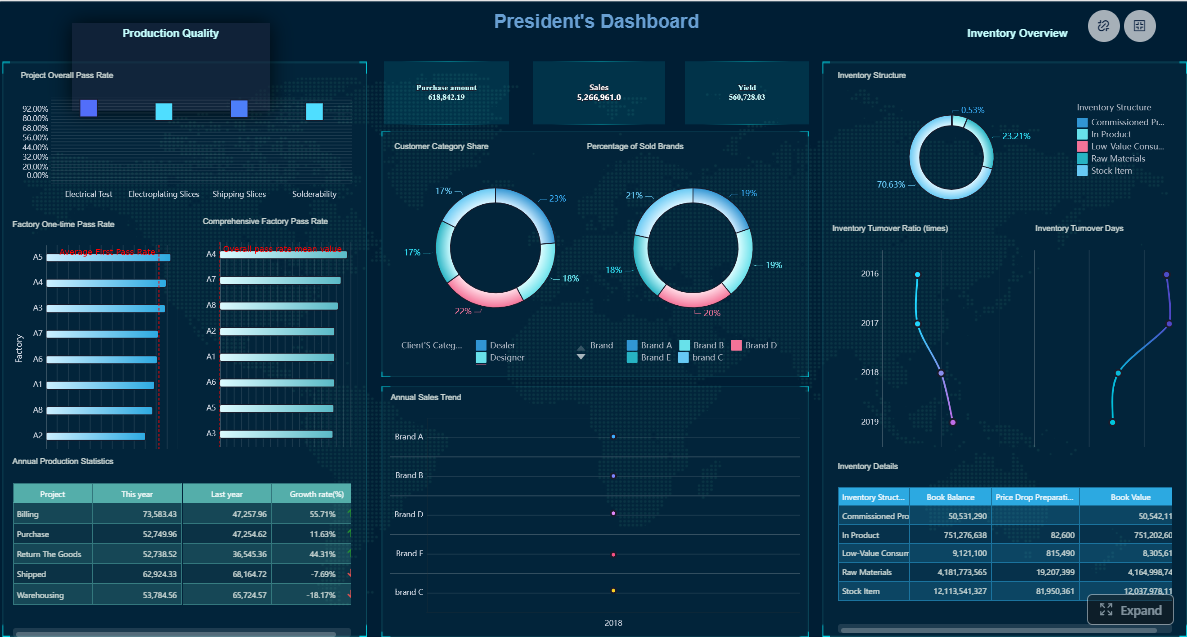
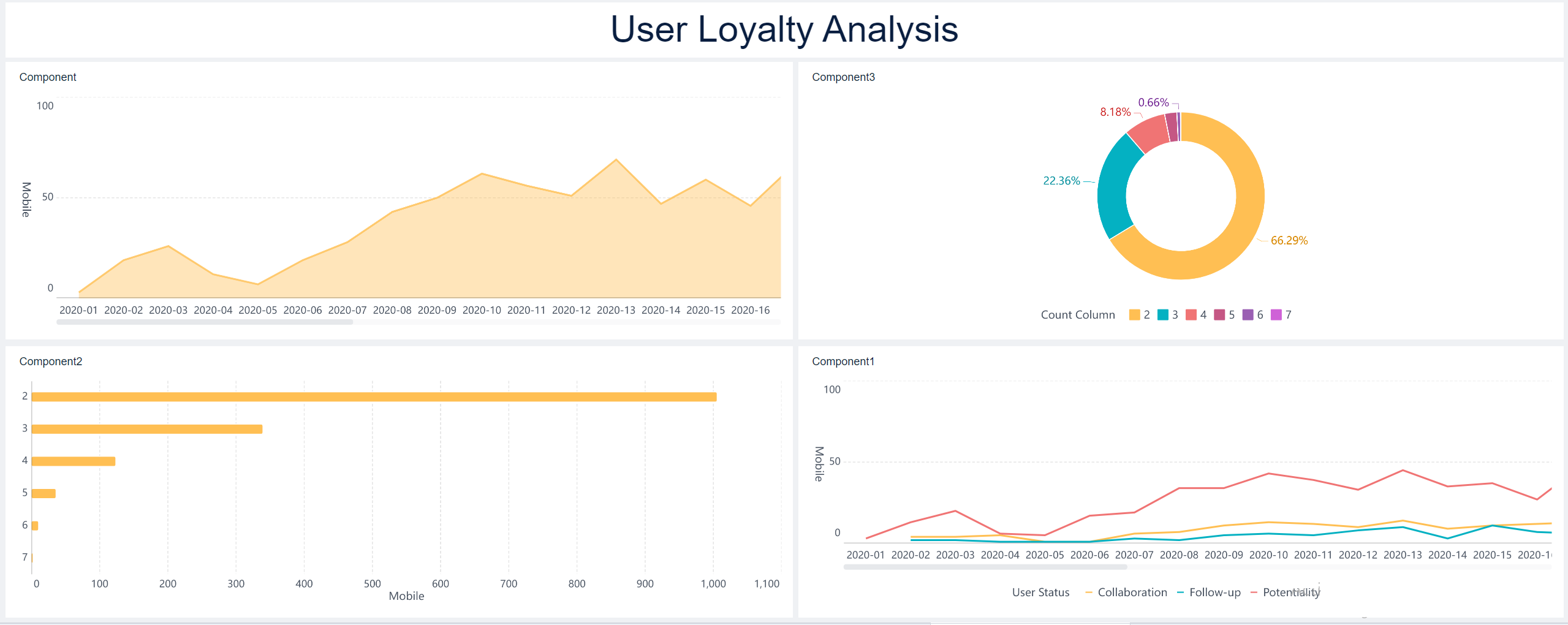
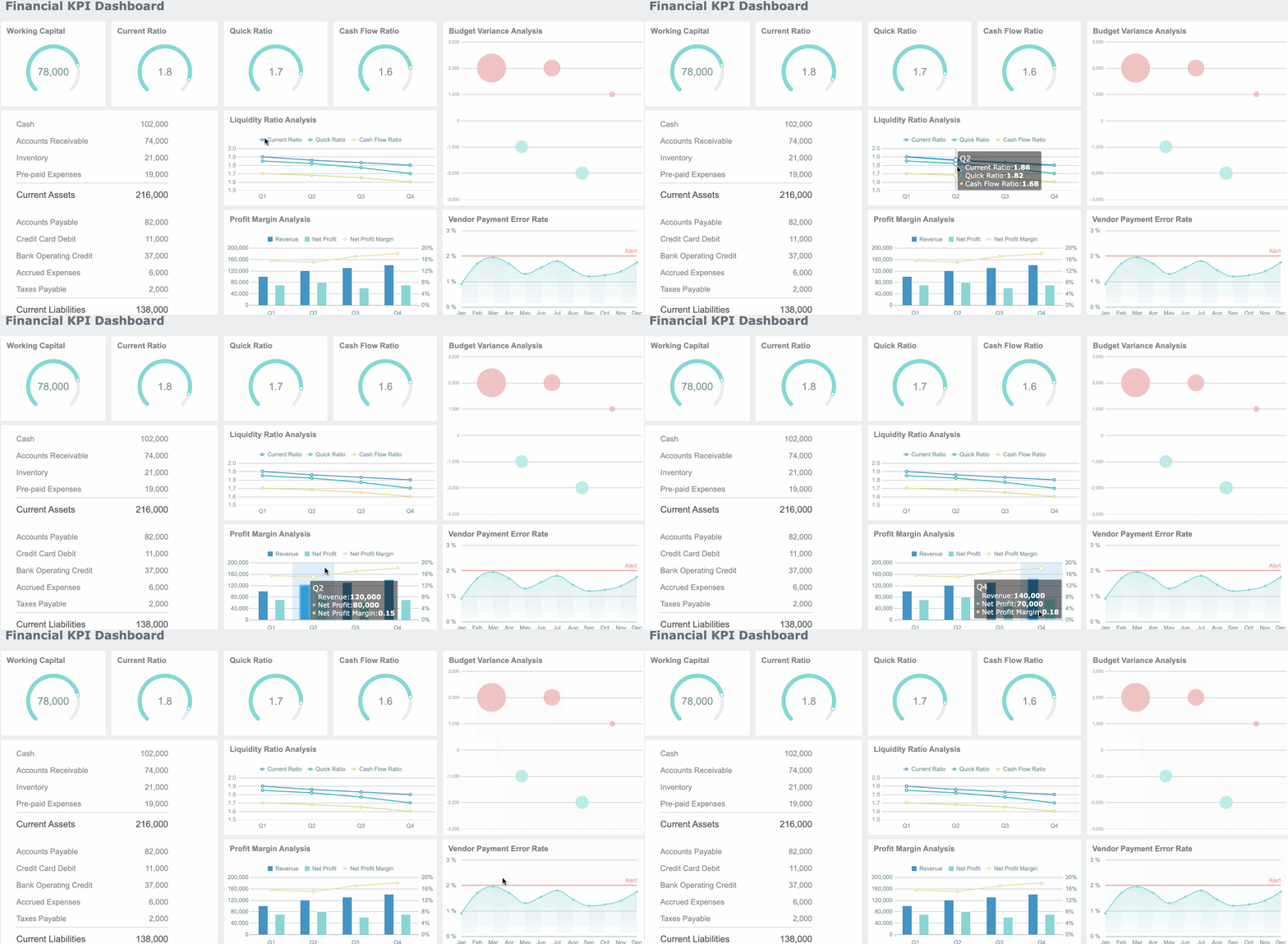
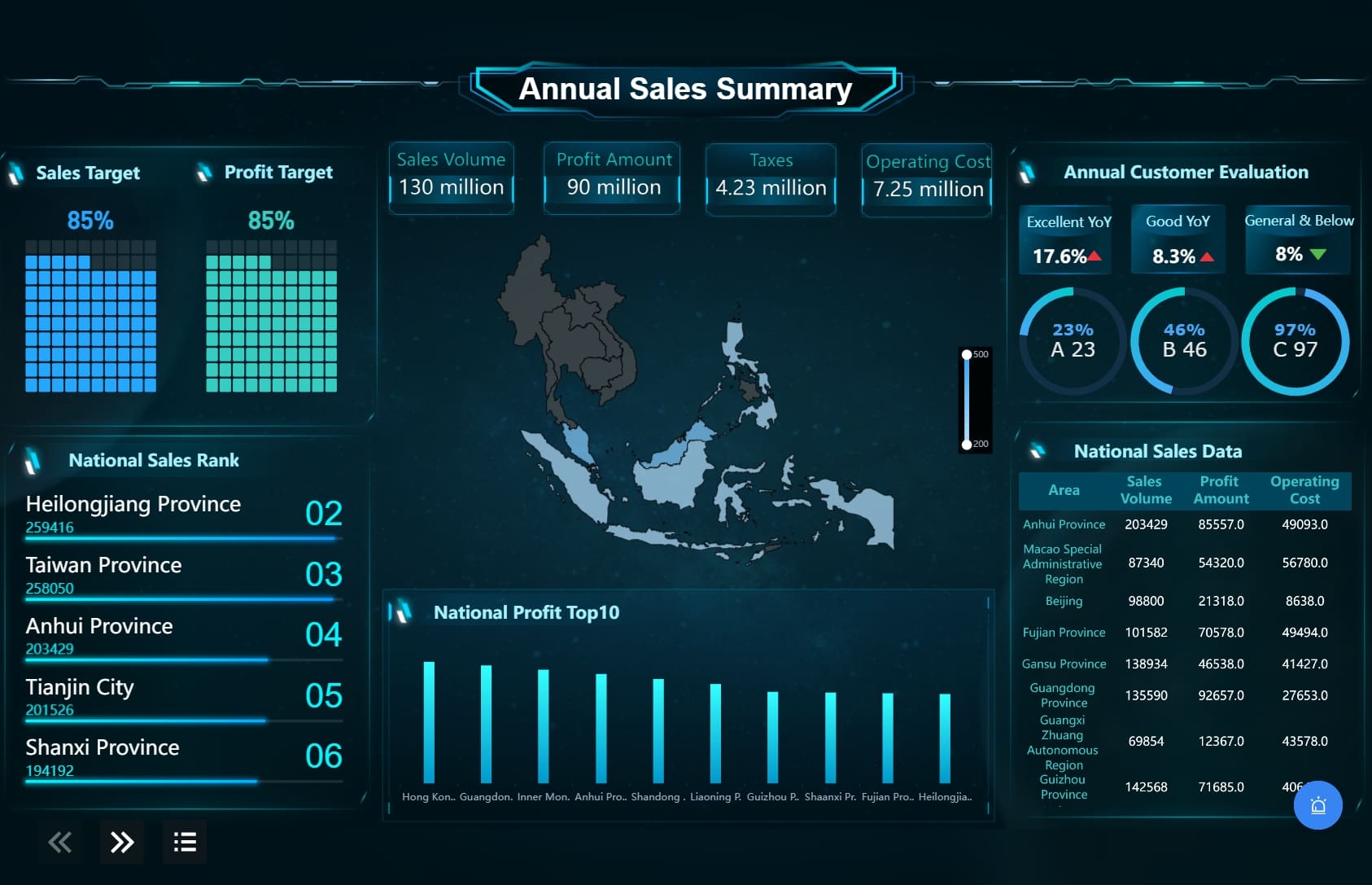
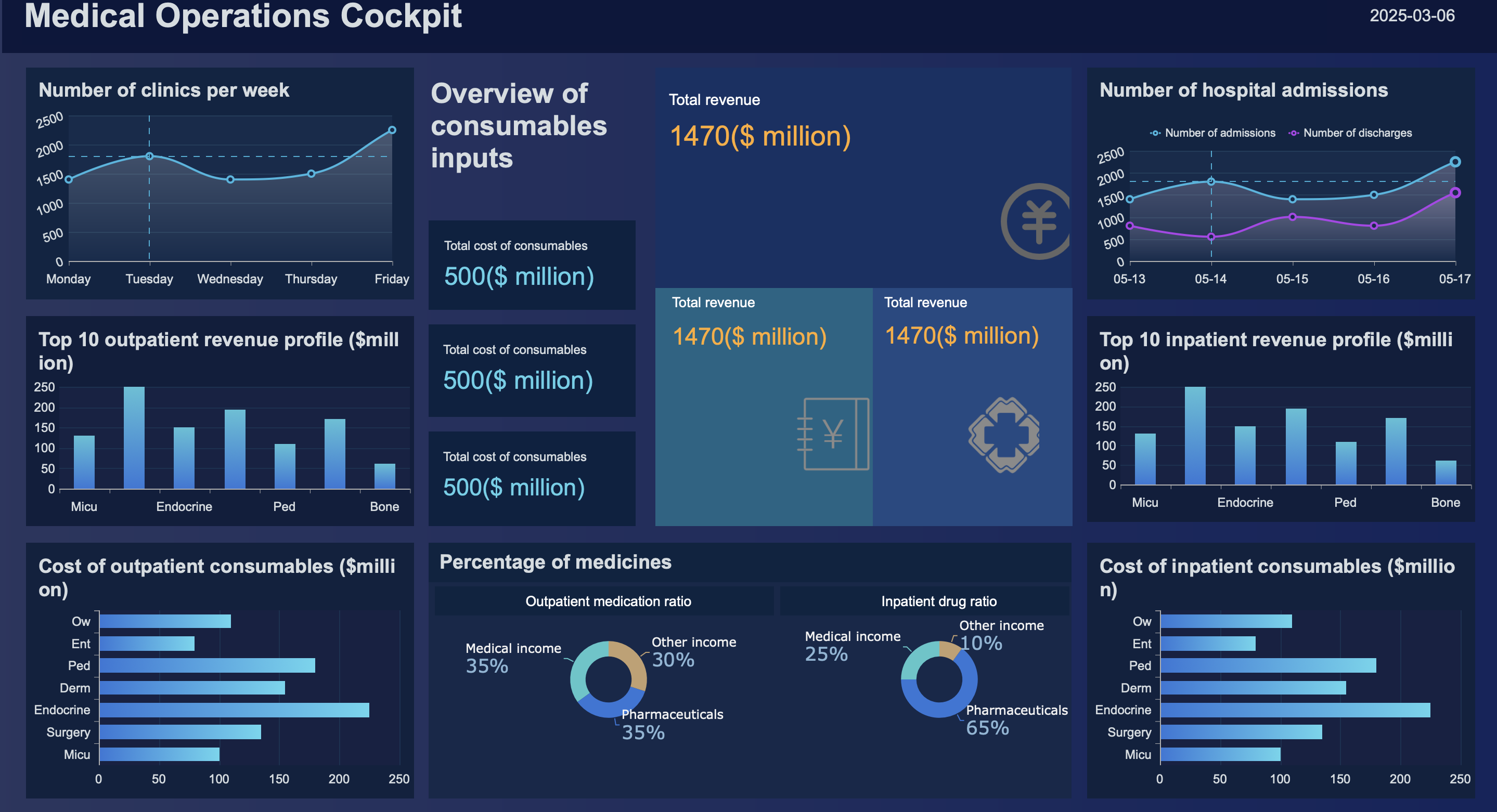
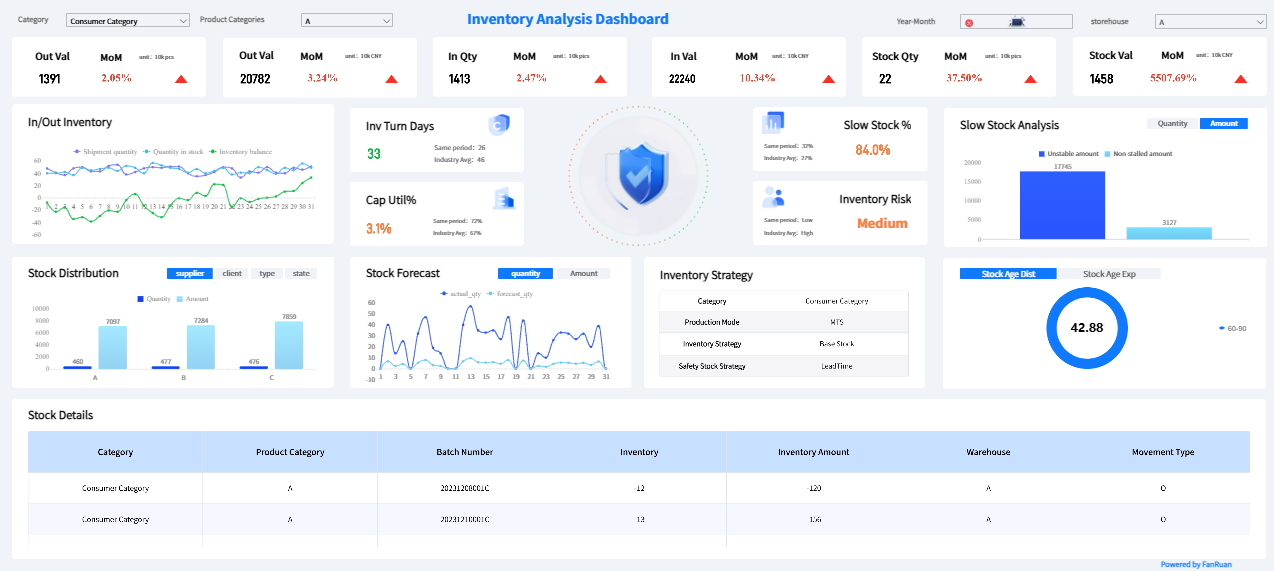
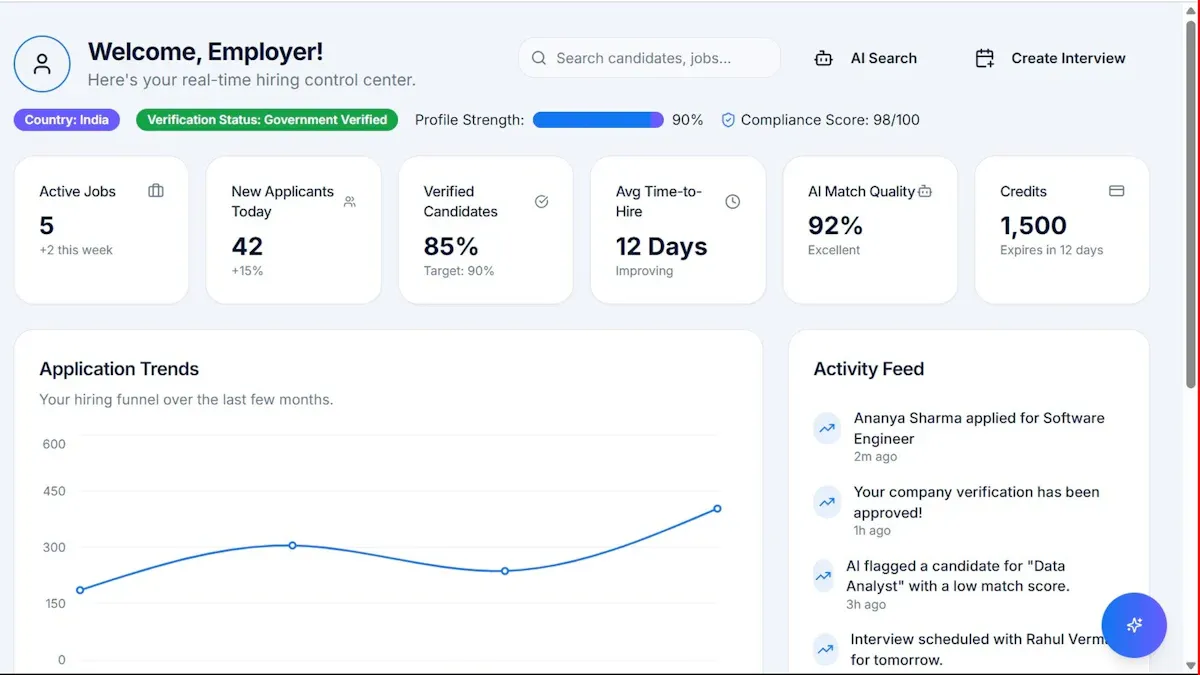
All reports in this article are built with FineReport
Record to report services are the finance and accounting activities used to collect, validate, reconcile, consolidate, and report financial data for a given period. In plain language, they transform daily business transactions into financial statements, management reports, and compliance-ready outputs that leaders can trust.
For most enterprises, record to report services sit at the center of finance operations. They connect source transactions from ERP systems, subledgers, payroll, banks, and operational platforms to the general ledger, then carry that data through reconciliations, journal adjustments, close, consolidation, and final reporting. Without a disciplined R2R structure, finance teams spend too much time fixing data instead of explaining performance.
Ownership usually spans several stakeholders:
CFOs set reporting expectations, control priorities, and ROI targets.
Controllers own accounting integrity, close discipline, and policy adherence.
Shared services teams handle standardized recurring activities at scale.
Outsourcing or co-sourcing partners provide capacity, process expertise, and operating rigor.
It is also important to separate record to report services from adjacent finance processes:
Procure-to-pay (P2P) covers purchasing, invoices, approvals, and vendor payments.
Order-to-cash (O2C) covers billing, collections, receivables, and cash application.
Record to report (R2R) takes the financial output of those upstream processes and converts it into controlled accounting and reporting.
That distinction matters because many reporting problems blamed on "accounting" are really caused by weak handoffs between P2P, O2C, payroll, treasury, and the R2R team.
Understanding the Record-to-Report Process Steps
A reliable record to report process is not one task. It is a chain of dependent activities. If one link breaks—such as poor source mapping, weak reconciliations, or inconsistent close ownership—the entire reporting cycle slows down.
Data capture and transaction recording
The process begins with data capture. Finance teams gather source data from ERP environments, subledgers, banks, payroll systems, expense tools, and operational platforms. The goal is not just collection. The goal is completeness, consistency, and classification accuracy.
Typical activities include:
Extracting source transactions from core finance and operational systems
Validating completeness across accounts payable, accounts receivable, payroll, fixed assets, and treasury feeds
Standardizing account codes, cost centers, entity structures, and chart of accounts mapping
Posting journal entries, accruals, reclasses, and adjustments to the general ledger
Enforcing cutoff rules so transactions land in the correct period
If this stage is weak, downstream teams inherit bad data and the close becomes a cleanup exercise.
Reconciliations, close, and consolidation
Once transactions are recorded, finance must prove the balances are accurate. This is where many organizations lose time. Manual reconciliations, unclear ownership, intercompany disputes, and late adjustments create cascading delays.
Core activities at this stage include:
Completing account reconciliations for bank, balance sheet, and control accounts
Matching subledgers to the general ledger
Recording accruals, provisions, depreciation, and recurring adjustments
Resolving intercompany mismatches and posting eliminations
Managing month-end, quarter-end, and year-end close checklists
Consolidating entities, business units, and currencies into a group view
For multi-entity organizations, consolidation is often the hardest step. Different local charts, close calendars, currency rules, and reporting standards create complexity fast. Standardization and workflow visibility are critical.
After the books are closed and consolidated, the R2R process delivers outputs for different audiences. These include statutory reporting, management packs, board-level summaries, and analysis for controllers and business leaders.
Typical outputs include:
Income statement, balance sheet, and cash flow statement
Management reporting by entity, business unit, geography, or product line
Variance analysis against budget, forecast, and prior period
Compliance reports for audit, tax, and regulatory review
Control evidence and documentation for audit readiness
A mature R2R function does more than publish reports. It supports review discipline, explains material movements, and flags risks early enough for leadership to respond.
Why Record to Report Matters for CFOs and Controllers
For CFOs and controllers, record to report services are not back-office housekeeping. They are the control tower for financial credibility. When the R2R process is weak, leadership does not just get slower numbers. It gets weaker decisions, higher audit exposure, and less confidence across the business.
A strong R2R operating model helps finance leaders:
Improve financial accuracy by reducing reconciliation breaks, unsupported journals, and inconsistent reporting logic
Increase timeliness by shortening close cycles and reducing review bottlenecks
Strengthen confidence in decisions because management receives more reliable, comparable data
Reduce manual effort by standardizing recurring tasks and automating repetitive workflows
Close control gaps through documented approvals, audit trails, and exception management
Improve visibility across entities, business units, and reporting calendars
Support planning and forecasting with cleaner historical actuals
Deliver better board reporting with less last-minute rework
For enterprise finance teams, the real value is not just speed. It is predictability. A close that takes five days every month with controlled exceptions is more valuable than a close that takes three days one month and nine the next.
Core Benefits of Record to Report Services
The business case for record to report services usually rests on three outcomes: accuracy, efficiency, and insight. CFOs should evaluate all three together. Reducing cost without improving control is not transformation. It is just shifting work.
Better accuracy and stronger controls
The first major benefit is trust in the numbers. Record to report services help standardize how transactions are classified, reconciled, adjusted, reviewed, and reported. That reduces inconsistency across teams and entities.
Key gains include:
Fewer reconciliation errors and unexplained balance movements
Reduced duplicate work across accounting teams
Consistent close procedures and reporting practices
Better policy adherence and review discipline
Stronger documentation and audit trails
Improved readiness for internal and external audits
This matters because audit issues often start long before audit season. They begin with weak evidence, poor account ownership, and inconsistent close execution.
Efficiency, scalability, and standardization
As companies grow, finance complexity expands faster than many operating models can handle. New entities, acquisitions, currencies, reporting packs, and compliance requirements create volume and variation. Record to report services help absorb that complexity through standard workflows and governance.
Benefits here include:
Streamlined workflows with fewer manual handoffs
Shared services leverage for repetitive activities
Easier scaling across multi-entity environments
Better close calendar management and accountability
Less dependency on tribal knowledge and spreadsheet macros
Process governance that survives staff turnover and growth
In practical terms, this means finance can support expansion without adding the same level of overhead every time reporting requirements grow.
Faster insight and measurable ROI
The third benefit is business impact. Record to report services improve how quickly finance can move from transaction processing to explanation and action.
Common ROI drivers include:
Labor savings from automation and standardized workflows
Reduced rework caused by posting errors and late reconciliations
Lower audit effort due to stronger evidence and documentation
Faster access to reliable financial data for management reporting
Better use of finance talent on analysis instead of cleanup
Lower risk of compliance penalties or reporting delays
For most CFOs, ROI improves when record to report services free senior finance staff from operational firefighting. That is when controllers and FP&A teams can spend more time on margin analysis, cash visibility, business performance reviews, and scenario planning.
The Core Framework: Key Metrics CFOs Should Track
To manage record to report services effectively, CFOs need a clear KPI structure. These metrics should cover speed, quality, control, and service performance.
Key Metrics (KPIs)
Days to Close: The number of business days required to complete month-end, quarter-end, or year-end close.
On-Time Reconciliation Rate: Percentage of reconciliations completed by the deadline.
Open Reconciliation Exceptions: Count of unresolved reconciliation breaks carried past review cutoff.
Post-Close Adjustments: Number or value of entries posted after formal close, indicating quality issues upstream.
Journal Entry Accuracy Rate: Percentage of journal entries posted correctly without rework or reversal.
Intercompany Match Rate: Percentage of intercompany balances matched before consolidation.
Close Task Completion Rate: Percentage of scheduled close activities completed on time.
Reporting Timeliness: Time from close completion to delivery of management or statutory reports.
Audit Findings / Control Exceptions: Number of internal or external audit issues tied to R2R controls.
Manual Journal Dependency: Share of total journal entries requiring manual creation or intervention.
Entity-Level Close Variance: Variation in close performance across business units or legal entities.
Cost per Close Cycle: Total labor and operating cost associated with each reporting cycle.
Data Quality Exception Rate: Frequency of missing, unmapped, or invalid source data items entering the R2R process.
SLA Adherence: Percentage of service commitments achieved by internal shared services or external providers.
These metrics give CFOs a better view than close speed alone. The right KPI mix shows whether finance is becoming faster and more reliable.
How to Evaluate and Implement an R2R Services Model
Selecting or redesigning a record to report services model should start with operating reality, not vendor promises. The strongest implementations begin with a hard look at process friction, ownership gaps, and reporting pain points.
Assess the current state
Before changing the model, document where the current process breaks.
Focus on these areas:
Bottlenecks in reconciliations, close, reporting, and compliance support
Manual workarounds outside the ERP
Weak handoffs between source processes and R2R
Gaps in system integration and chart of accounts consistency
Unclear ownership for close tasks and account reviews
Recurring audit points, late adjustments, and reporting delays
This stage should produce a baseline of performance, cost, risk, and effort. Without that baseline, ROI claims stay vague.
Choose the right delivery approach
There is no one-size-fits-all model. The right option depends on complexity, internal capability, control appetite, and growth plans.
Common models include:
In-house optimization: Best when the team is strong but workflows need redesign and automation.
Shared services: Useful for centralizing repeatable activities across entities or regions.
Co-sourcing: Combines internal ownership with external specialist support.
Outsourced business services: Appropriate when the goal is scalable delivery, standardization, and process maturity at lower operating cost.
Whatever model you choose, define:
Roles and responsibilities
Governance cadence
Escalation paths
SLA definitions
KPI ownership
Review and approval controls
Build the business case and rollout plan
A credible R2R transformation case needs more than cost estimates. It should quantify both efficiency and control benefits.
Include:
Current cost to operate the close and reporting cycle
Expected savings from standardization and automation
Transition and change management effort
Technology enablement requirements
Risk reduction value from better controls and audit readiness
Timeline for quick wins and phased maturity gains
Prioritize fast-impact improvements first, such as reconciliation standardization, close calendars, dashboard visibility, and entity-level accountability.
Actionable Best Practices for Implementing Record to Report Services
Below are practical recommendations I would give any CFO, controller, or shared services leader evaluating record to report services.
1. Standardize before you automate
Do not automate broken processes. First align close calendars, account ownership, reconciliation templates, approval hierarchies, and chart of accounts mapping. Automation works best after policy and workflow discipline are in place.
2. Build a close command center
Create one operational view of the close across all entities, teams, and deadlines. Track task status, reconciliation completion, exceptions, late journals, and intercompany breaks in real time. This reduces blind spots and makes escalation faster.
Not every R2R task needs the same skill level. Move high-volume, rules-based work into shared services or automated workflows. Keep judgment-heavy work—such as policy interpretation, material reviews, and executive commentary—close to controllers and finance leaders.
4. Use KPIs to manage behavior, not just report performance
If you only track days to close, teams may rush work and create more post-close adjustments. Balance speed metrics with quality and control measures such as reconciliation aging, audit findings, and manual journal dependency.
5. Phase the rollout and prove value early
Start with one business unit, region, or process cluster. Fix high-friction areas first, then expand. Early wins build credibility and reduce resistance from local finance teams.
If you are evaluating an external partner for record to report services, ask questions that test real operating capability—not just staffing depth.
Use this shortlist:
What industries and ERP environments do you support today?
How do you handle multi-entity, multi-currency, and intercompany complexity?
What controls govern journal accuracy, reconciliations, close approvals, and audit support?
Which SLAs and KPIs will be used, and how will they be reported?
How do you manage business continuity, data security, and access controls?
What does the transition plan look like in the first 30, 60, and 90 days?
How will you identify automation opportunities after stabilization?
What dashboards will CFOs and controllers use to track performance?
How do you handle exceptions, escalations, and policy changes?
What proof can you show of close improvement, error reduction, or audit-readiness gains?
A good provider should answer with process detail, governance structure, and measurable outcomes—not generic promises.
Build the Reporting Layer That Makes R2R Work at Scale
Even a well-designed record to report services model can fail if finance leaders cannot see performance in real time. This is where many organizations hit a ceiling: the process exists, but visibility is fragmented across spreadsheets, email threads, and disconnected ERP reports.
Building this manually is complex; use FineReport to utilize ready-made templates and automate this entire workflow.
With FineReport, finance teams can build and scale:
Close status dashboards across entities and business units
Reconciliation tracking reports with aging and exception visibility
Intercompany matching dashboards
Consolidated management reporting packs
Audit and compliance monitoring views
CFO KPI scorecards for close speed, accuracy, and service performance
The advantage is not just visualization. It is operational control. FineReport helps finance teams centralize data, automate report generation, standardize KPI logic, and give executives one trusted reporting layer for the full R2R cycle. That is especially valuable in enterprises managing multiple entities, reporting calendars, and stakeholders.
If your goal is to reduce close friction, strengthen control, and improve finance visibility without building everything from scratch, FineReport is a practical enabler.
Record to report services are the finance activities that turn raw transaction data into accurate financial statements, management reports, and compliance-ready outputs. They usually cover data capture, journal entries, reconciliations, close, consolidation, and reporting.
The core steps typically include collecting and validating financial data, posting journals to the general ledger, reconciling accounts, closing the books, consolidating entities, and producing final reports. Each step depends on clean source data and clear process ownership.
They help CFOs gain faster close cycles, better reporting accuracy, and stronger confidence in the numbers used for decisions. A well-run R2R process also improves visibility into exceptions, controls, and overall finance performance.
Common warning signs include delayed month-end close, heavy spreadsheet use, unresolved reconciliations, intercompany mismatches, and inconsistent reporting across entities. These issues often point to process design gaps rather than just staffing pressure.
ROI is usually measured through shorter close timelines, fewer manual adjustments, lower reconciliation effort, improved audit readiness, and more reliable reporting. CFOs also look at reduced finance cost, stronger compliance, and better decision speed.
Product Trial
FineReport
Pixel-perfect reports · Interactive dashboards · Easy data entry · Digital twins