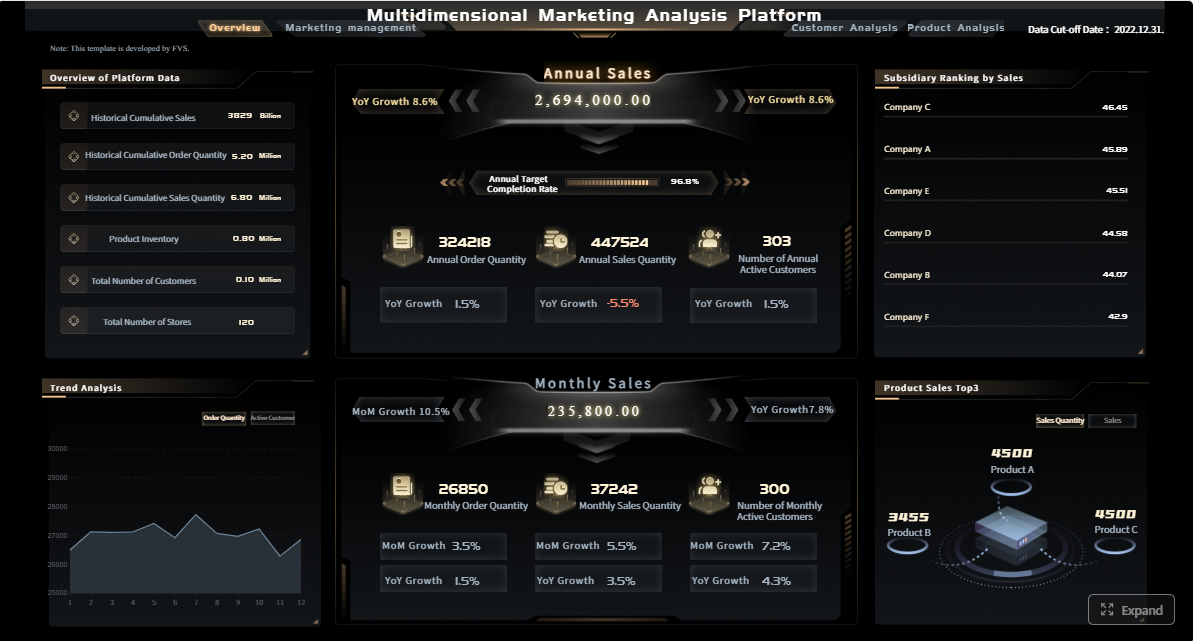
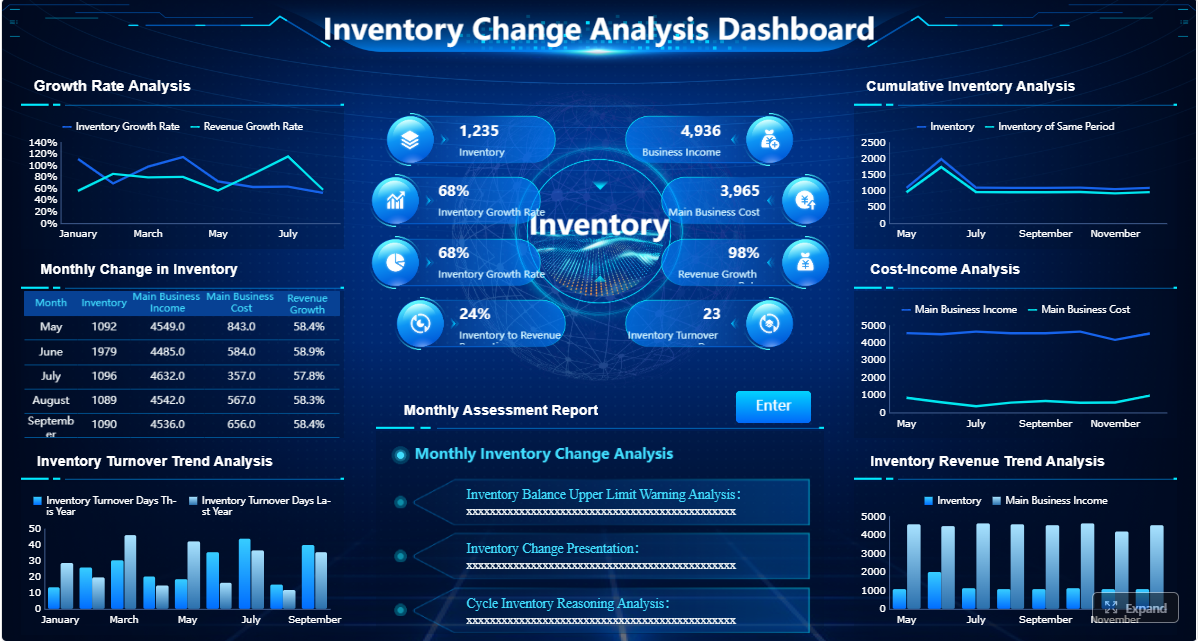
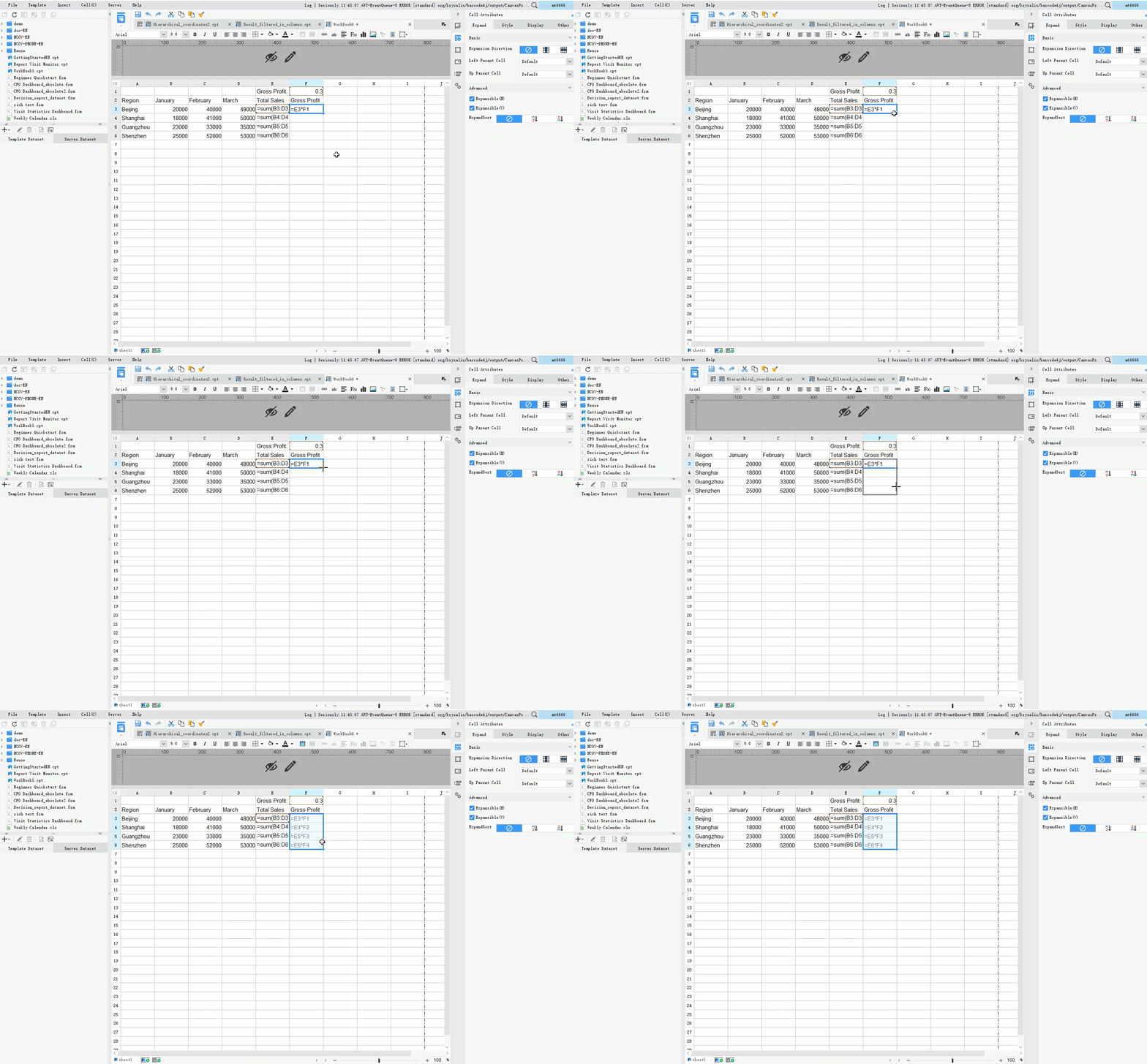
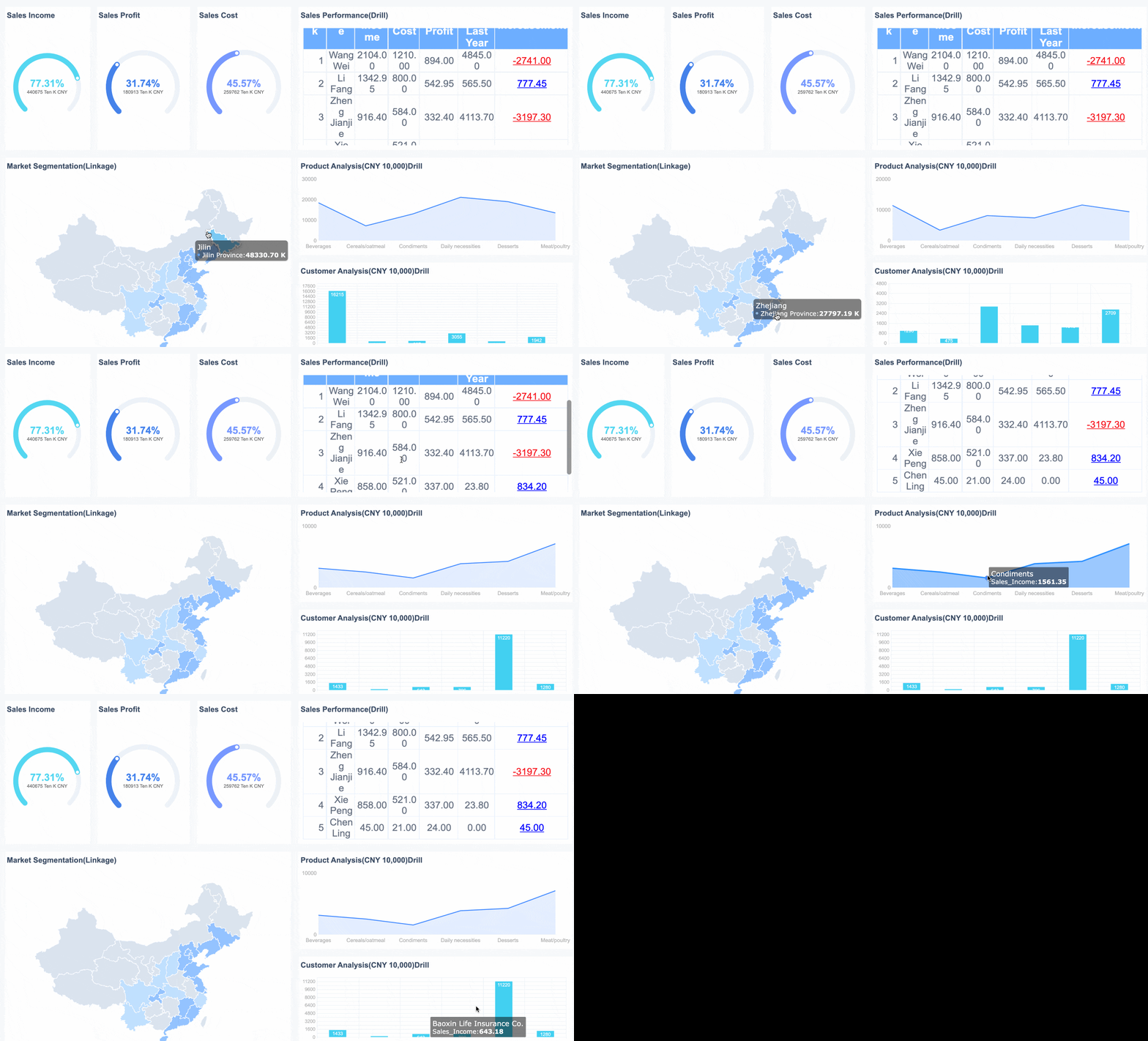
A monthly marketing report should help executives answer three questions fast: Are we growing, are we spending efficiently, and what decisions need to be made next? If your current report is packed with screenshots, platform exports, and disconnected channel metrics, leadership will skim it, miss the signal, and move on. The real business value of a monthly marketing report is not documentation. It is decision support. This guide shows marketing leaders, operations directors, and analytics teams how to build a concise, executive-friendly report around the 11 components that matter most.
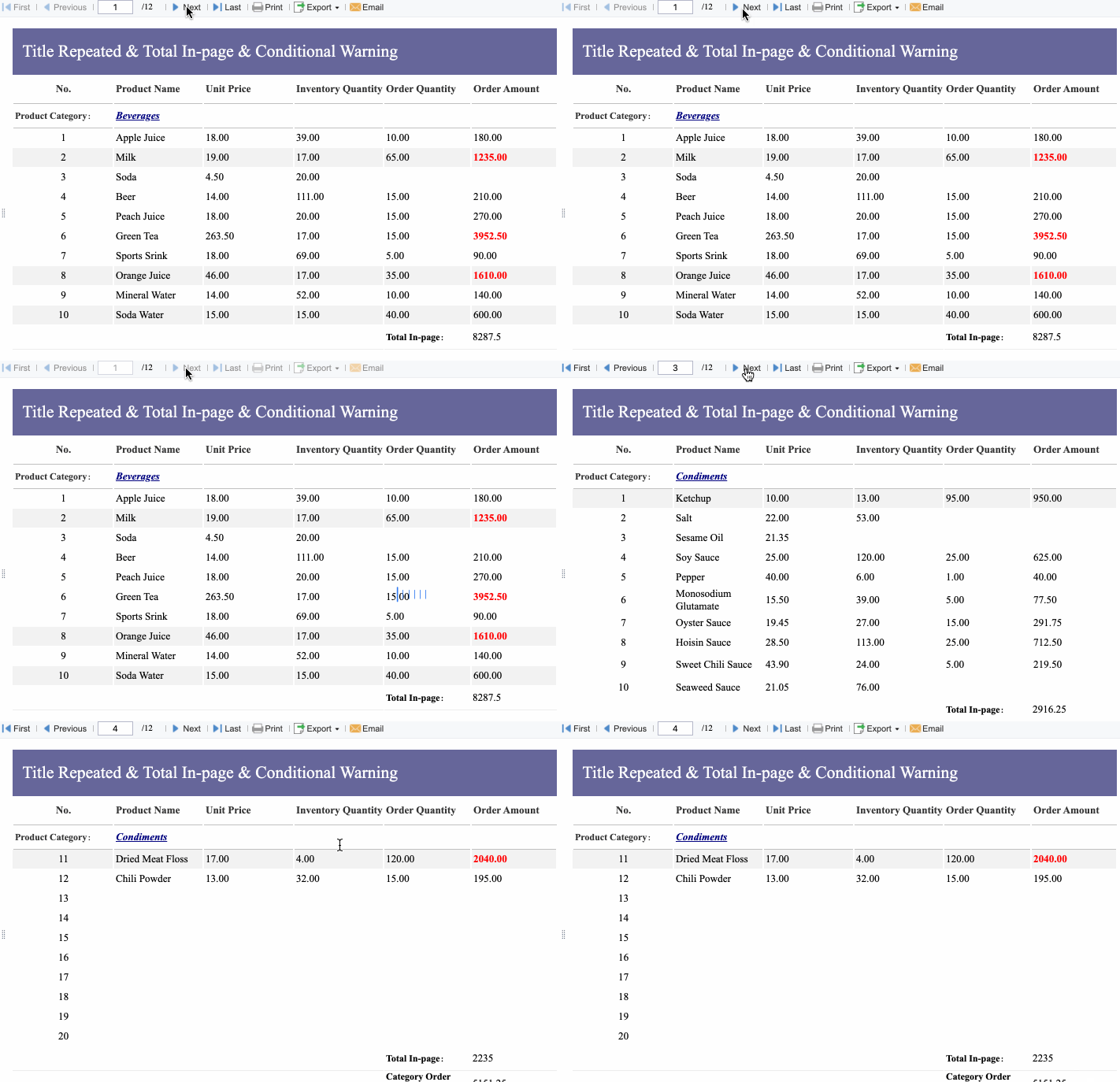
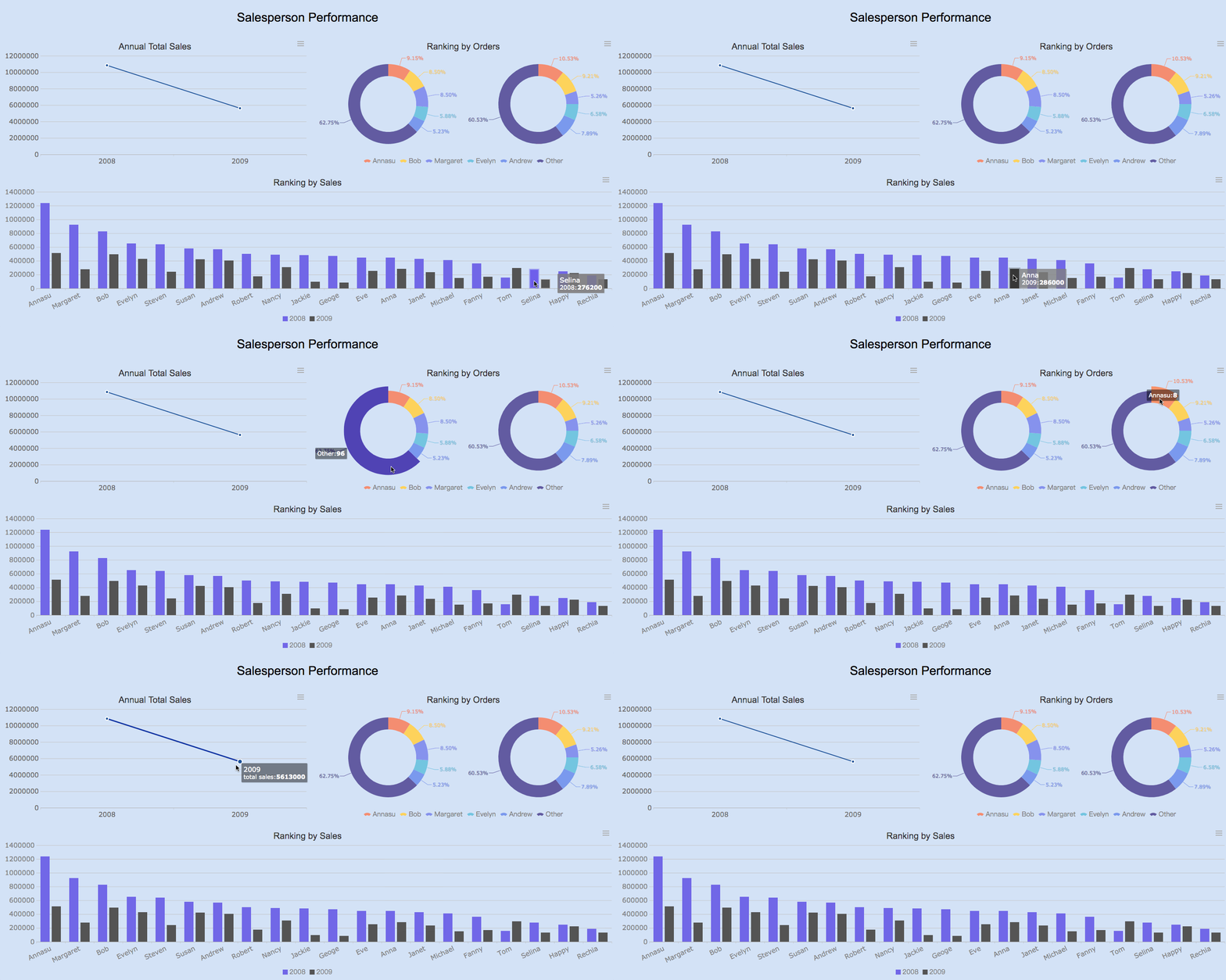
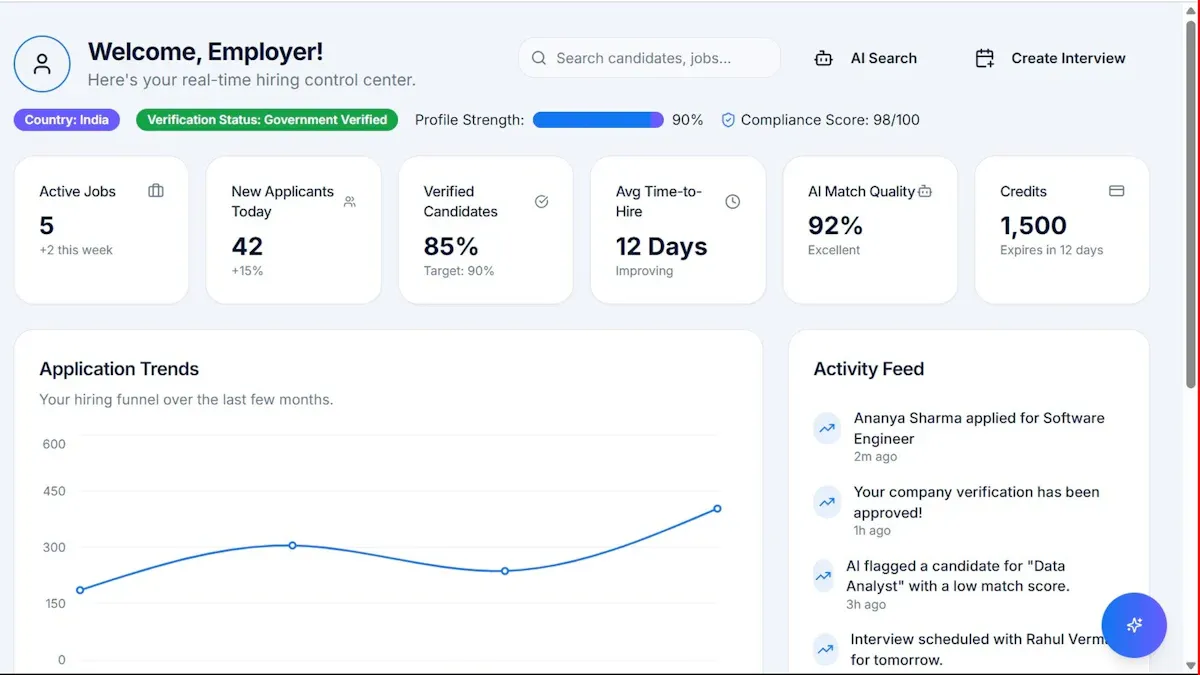
All reports in this article are built with FineReport
What Makes a Monthly Marketing Report Executive-Friendly
Executives do not need a full activity log. They need a leadership update that translates marketing performance into business impact. A strong monthly marketing report connects campaign output to revenue, pipeline, efficiency, risk, and next-step decisions.
A channel summary says, “Paid social impressions increased 18%.” An executive-ready report says, “Paid social produced lower-cost top-of-funnel leads, but conversion to SQL declined, so budget should remain capped until audience quality improves.” That difference is what makes the report useful in boardrooms and leadership meetings.
An executive-friendly report is built around clarity, brevity, and relevance. It surfaces what changed, why it changed, and what should happen next. That is exactly what the 11 essential components in this guide are designed to do.
Core Elements of an Executive-Ready Monthly Marketing Report
Business alignment: Every section ties back to revenue, growth, efficiency, retention, or strategic goals.
Decision orientation: Insights lead to recommended actions, not just observations.
Comparative context: Metrics are shown against prior periods, targets, or benchmarks.
Channel synthesis: Data is summarized into patterns and outliers instead of dumped by platform.
Transparent methodology: Definitions, attribution rules, and backup detail are available without cluttering the main narrative.
Key Metrics (KPIs)
Below are the KPIs most executive teams expect to see in a monthly marketing report. Use only the ones that support an actual business question.
Marketing-sourced pipeline: Pipeline created directly from marketing-generated leads.
Marketing-influenced revenue: Revenue from deals touched by marketing during the buying journey.
Lead volume: Total leads generated in the reporting period.
Lead-to-opportunity rate: Share of leads that progressed into qualified pipeline.
Conversion rate: Percentage of users or leads who completed the desired action.
Customer acquisition cost (CAC): Average cost to acquire a customer.
Return on ad spend (ROAS): Revenue generated for each unit of advertising spend.
Cost per lead (CPL): Average spend required to generate one lead.
Channel contribution: Share of traffic, leads, pipeline, or revenue by channel.
Engagement rate: Level of interaction with content, campaigns, or digital properties.
Traffic quality: Indicators such as bounce rate, session depth, and assisted conversions.
Pipeline velocity: Speed at which leads move through the funnel toward close.
Budget pacing: Actual spend versus planned budget for the month or quarter.
Retention or repeat purchase rate: Ongoing customer value where lifecycle marketing matters.
The 11 Essential Components to Include
1. Executive Summary
Start with the most important outcomes of the month. This section should be readable in under two minutes and answer the questions executives care about immediately.
Include three things:
What went well
What did not go well
What leadership should do next
A good executive summary avoids raw data overload. It distills the month into a short narrative with clear implications. If the summary is weak, the rest of the report will not be read.
Before reviewing performance, restate the goals. This creates the frame for interpreting success. Without that frame, even accurate metrics can feel random.
Tie the monthly marketing report back to quarterly OKRs, campaign priorities, market expansion plans, product launches, or customer acquisition targets. Executives need to see whether the team was working on the right things, not just whether activity occurred.
Clarify:
The business initiative being supported
The target outcomes
The strategic priority level of each initiative
3. Core KPIs and Performance Snapshot
This is your top-line view. Focus only on the metrics that explain business performance. For most executive audiences, fewer metrics with better context will outperform a crowded dashboard every time.
Show month-over-month, quarter-to-date, and year-over-year comparisons where relevant. The point is not just to show a number. It is to show movement.
Strong performance snapshots usually include:
Pipeline or revenue contribution
Lead generation and quality
Spend efficiency
Conversion trends
Major variances to plan
4. Channel Performance Breakdown
Executives rarely need every platform metric. They do need to know which channels are driving outcomes, which are declining, and where unusual patterns require action.
Summarize major channels such as:
Email
Paid media
Organic search
Social media
Events or webinars
Partner or referral programs
Keep the analysis focused on outliers and directional insight. If paid search volume rose but CPL spiked, say so. If organic traffic declined but demo conversion improved, explain why that matters.
This is the section many reports underdeliver. Executives want marketing connected to business outcomes, not just engagement metrics.
Depending on the business model, show how marketing influenced:
Lead quality
Pipeline creation
Closed-won revenue
Customer acquisition
Expansion or upsell activity
If attribution is imperfect, be transparent. It is still better to present a disciplined attribution model with caveats than to skip the business impact layer entirely.
This section should answer one core question: What commercial result did marketing produce this month?
6. Campaign Highlights and Key Learnings
Not every campaign deserves a deep dive. Highlight only the ones that materially shaped results, generated a strategic learning, or introduced a major change.
For each highlighted campaign, cover:
Objective
Target audience
Performance outcome
What worked
What underperformed
What should be repeated, scaled, or stopped
This gives executives confidence that the team is learning and improving, not just executing.
A monthly marketing report should make it easy to judge whether budget was used wisely. This means more than showing total spend. It means showing whether spend translated into results.
Include:
Planned versus actual spend
Spend by channel or initiative
Cost trends
Efficiency metrics such as CPL, CAC, and ROAS
Reallocation decisions made during the month
Executives care less about whether a budget line was fully spent and more about whether it was spent in the right places.
8. Audience and Conversion Insights
This is where the report moves beyond topline numbers and explains user behavior. Show where target audiences engaged, where they dropped off, and where momentum improved.
Helpful areas to analyze:
Traffic source quality
Content engagement patterns
Funnel drop-off points
Landing page conversion performance
Segment-level behavior by audience, geography, product, or industry
These insights help leadership understand whether problems are rooted in acquisition, messaging, offer fit, or funnel design.
Strong reporting does not hide complexity. If external conditions, internal constraints, tracking gaps, or one-time events affected results, say so directly.
Examples include:
Seasonality
Sales follow-up bottlenecks
CRM attribution issues
Website outages
Budget cuts
Delayed creative approvals
Market or competitor changes
This section protects the credibility of the monthly marketing report. It helps executives interpret the numbers correctly and avoid bad decisions based on incomplete context.
10. Recommendations and Next Steps
Every report should end with decisions, not just findings. Translate the month’s performance into a short list of actions for the next cycle.
Make recommendations specific and prioritized. For example:
Shift 15% of paid budget from low-converting prospecting audiences to branded search
Pause underperforming webinar format and test shorter product-led sessions
Improve lead scoring thresholds to raise MQL-to-SQL conversion quality
Add CRO support to key landing pages with high traffic but weak completion rates
This section is where the report becomes operationally valuable.
11. Appendix or Supporting Data
The appendix keeps the main report clean while preserving transparency for stakeholders who want detail. Place backup tables, metric definitions, attribution notes, campaign lists, and platform-level exports here.
This allows the primary monthly marketing report to stay concise and executive-friendly while still supporting analysts, managers, and finance reviewers who need deeper validation.
How to Structure the Report So Executives Actually Read It
A well-chosen set of components is not enough. Structure determines whether the report gets consumed or ignored.
Keep the Narrative Focused
Lead with outcomes, not activity. Executives should understand business impact before they see tactical detail. Replace platform jargon with plain business language. Instead of “CTR softened across TOFU prospecting,” say “top-of-funnel ads generated attention, but engagement quality declined.”
A simple rule works well: every section should answer one business question clearly.
Make the Layout Easy to Scan
Use short summaries, obvious headings, and visual hierarchy. Dense paragraphs and too many charts reduce attention fast. The best monthly marketing report layouts let a busy executive scan the page and still grasp the takeaway.
Do not include a metric because it is available. Include it because it answers a decision-maker’s question.
Examples:
If leadership asks about growth, show pipeline, revenue contribution, and conversion trends.
If leadership asks about efficiency, show CAC, CPL, ROAS, and budget pacing.
If leadership asks about risk, show drop-offs, underperforming segments, and context.
Remove vanity metrics unless they support a real conclusion.
Monthly Marketing Report Templates and Formatting Options
Templates are valuable because they reduce reporting effort, improve consistency, and make month-to-month comparisons easier. But the best templates are structured around decisions, not decoration.
The business is restructuring goals or market focus
Leadership needs deeper analysis of a specific issue
What a Strong Template Should Include
A high-performing template should have:
Executive summary section
Goal alignment section
KPI scorecard
Channel breakdown
Pipeline or revenue impact panel
Commentary fields for insights
Recommendation section
Appendix area for detailed tables
The most effective teams build a reusable monthly marketing report template with locked structure and flexible commentary. That keeps the format consistent while allowing room for strategic interpretation.
Printable, Editable, and Downloadable Formats
The right format depends on the audience and use case.
Slide deck: Best for executive meetings and presentations
Dashboard: Best for live updates and drill-down access
Spreadsheet: Best for analyst-level detail and calculations
Printable PDF: Best for formal reviews and email distribution
In practice, many organizations use a hybrid model: a live dashboard for operational monitoring and a curated monthly marketing report for leadership communication.
Common Mistakes to Avoid in Monthly Marketing Reporting
Several reporting habits make otherwise good data unusable for executives.
Overloading the report with disconnected metrics: Too many numbers without hierarchy creates confusion.
Failing to connect marketing performance to business outcomes: Channel data alone is not enough.
Hiding context behind charts without explanation: Visuals need interpretation.
Ending the report without decisions or next steps: Reporting should trigger action.
Using inconsistent definitions month to month: KPI drift destroys trust.
Reporting only wins: Leaders need risks and tradeoffs too.
Best Practices for Building a Monthly Marketing Report That Works
If you want this process to scale, use a disciplined operating method rather than rebuilding the report from scratch every month.
1. Start With Executive Questions
Before pulling any data, define the decisions leadership needs to make. That determines what belongs in the report and what should stay out.
Ask:
What business outcomes matter this month?
What changed materially?
What action might leadership take based on this report?
2. Standardize KPI Definitions Across Teams
Marketing, sales, finance, and operations should agree on what counts as a lead, qualified opportunity, sourced pipeline, influenced revenue, and CAC. Without shared definitions, the monthly marketing report becomes a debate about numbers instead of a tool for decisions.
3. Build Commentary Into the Reporting Workflow
Do not leave analysis until the last minute. Assign channel owners or analysts to write short commentary alongside the data every week. That makes month-end reporting faster and more accurate because context is captured while events are still fresh.
4. Automate Data Collection, Then Curate the Story
Automation should handle data refreshes, consolidations, and recurring visualizations. Human effort should focus on synthesis, risk interpretation, and recommendations. This is where the report becomes executive-grade.
5. Review the Report for Decision Usefulness
Before sending it, ask one final question: if an executive had only five minutes, would this report tell them what happened, why it mattered, and what should happen next? If not, simplify.
Build the Monthly Marketing Report Faster With FineReport
Building this manually is complex; use FineReport to utilize ready-made templates and automate this entire workflow.
For enterprise teams, the challenge is rarely just report design. It is data fragmentation, inconsistent KPI logic, manual chart production, version control, and the time required to convert raw data into a decision-ready narrative. FineReport helps solve that by combining dashboard design, data integration, automated refresh, and executive-ready report formatting in one environment.
Consolidate channel and CRM data into one reporting layer
Standardize KPI definitions across departments
Use ready-made templates for executive dashboards and monthly marketing reports
Automate recurring report generation and distribution
Build drill-down views without cluttering the leadership summary
Deliver printable, shareable, and presentation-ready outputs
That means less time spent exporting from multiple tools and more time interpreting results, improving spend efficiency, and guiding strategic decisions.
If your team is still assembling reports manually in slides and spreadsheets, this is usually the point where reporting starts to break as the business scales. FineReport gives you a more reliable, repeatable way to build a monthly marketing report executives will actually read and use.
An executive-ready monthly marketing report should include an executive summary, strategic goals, core KPIs, channel performance, budget efficiency, major risks, and clear next-step recommendations. The focus should be on business impact, not raw platform data.
A dashboard shows live or near-real-time performance data, while a monthly marketing report explains what changed, why it changed, and what actions should follow. Reports are better for executive decision-making because they add context and interpretation.
The most important KPIs usually include marketing-sourced pipeline, influenced revenue, lead volume, conversion rate, customer acquisition cost, return on ad spend, and channel contribution. The right mix depends on your business goals and reporting audience.
It should be concise enough for executives to review quickly, often with a one-page summary followed by supporting detail. If the report takes too long to understand, it is probably too detailed.
Tie every major metric to a business goal, explain the reason behind key changes, and end each section with a recommendation or decision point. This turns the report from a data recap into a leadership tool.
Product Trial
FineReport
Pixel-perfect reports · Interactive dashboards · Easy data entry · Digital twins