Choosing the right business report covers is a small decision that can have an outsized impact on how your documents are received. For office managers, operations teams, procurement leads, and client-facing professionals, the wrong cover can make a proposal feel cheap, cause pages to bend in transit, or create avoidable issues with binding and distribution. The right cover improves presentation, protects the contents, and aligns your document with its purpose—whether that is a polished client pitch, a formal bid package, or a practical internal review copy.
Click To Try The Dashboard
All reports in this article are built with FineReport
What business report covers do and why they matter for client-facing documents
Business report covers do three jobs at once: they improve first impressions, protect printed pages, and signal professionalism. When a report lands on a client’s desk, the cover becomes part of the message. A flimsy or poorly fitted cover can make even strong content feel less credible. A well-chosen one frames the report as organized, intentional, and worth attention.
For client-facing documents, presentation matters because recipients often form judgments before they read a single page. A proposal with a clear front cover or a clean pressboard finish looks more prepared than a stack of loose sheets. In competitive situations—such as RFP responses, financial presentations, or consulting deliverables—that visual discipline can reinforce trust.
A cover is especially worth using when the document will be:
Hand-delivered to clients or executives
Reviewed by multiple stakeholders
Transported between meetings
Stored for future reference
Combined with inserts, tabs, or supporting materials
Common use cases include:
Proposals: Need a polished, branded look that supports first impressions
Presentations: Benefit from neat page organization and easier handling
Bid packages: Often require structure, durability, and a formal appearance
Internal review copies: May need lower-cost protection without premium finishing
The decision usually comes down to balancing four factors:
Appearance: How professional and brand-aligned the cover looks
Durability: How well it protects pages from handling, bending, or moisture
Cost: Whether it fits a bulk purchasing or premium presentation budget
Ease of distribution: How simple it is to assemble, ship, carry, and update
Key Metrics (KPIs) for choosing business report covers
If you need a practical evaluation framework, use these core criteria:
Durability level: Measures how well the cover resists scuffs, bends, spills, and repeated handling
Presentation quality: Assesses visual impact, perceived professionalism, and fit for client-facing delivery
Document visibility: Indicates whether the title page, branding, or custom design remains visible through the cover
Binding compatibility: Checks whether the cover works with prongs, comb, coil, wire, or slide-bar systems
Capacity fit: Evaluates whether the cover can handle the page count, tabs, inserts, and dividers without bulging
Customization potential: Measures support for printed logos, colors, windows, and branded finishes
Distribution efficiency: Assesses how easy the report is to assemble, transport, mail, and hand out
Unit cost vs. presentation impact: Compares item price against the value added to the final document experience
How to compare materials for business report covers
Material choice is the foundation of cover performance. The best option depends on how formal the document is, how often it will be handled, and whether the title page needs to stay visible.
Clear front covers are one of the most practical choices for standard business use. They allow the title page to remain fully visible while adding a protective layer against spills, fingerprints, and minor scuffs. That makes them a strong fit when your branded first page is part of the presentation.
They work particularly well for:
Client proposals with designed title pages
Training packets that need quick identification
Internal reports shared across departments
Board or executive meeting handouts
The main advantage is visibility. You can invest in a custom cover page without hiding it behind opaque stock. This creates a cleaner presentation without requiring fully custom-printed outer covers.
However, clear front covers are usually more functional than luxurious. If the goal is a premium tactile impression, they may feel too utilitarian compared with textured paper or pressboard.
Poly and plastic options
Poly and plastic covers are designed for heavier use. They offer flexibility, moisture resistance, and better long-term wear than standard paper-based options. If documents will be carried to multiple meetings, used in training sessions, or kept as reference materials, this category is often the safest choice.
Best use cases include:
Training manuals
Sales leave-behinds
Reusable presentation books
Operational SOP bind-ups
Project documents that travel between sites
Their biggest strength is durability. They resist wrinkling and hold up better in bags, briefcases, and storage cabinets. They also perform well when readers flip through documents repeatedly.
The tradeoff is aesthetic. Poly and plastic can look less formal than heavier paper stocks. For high-stakes presentations, they may appear more practical than premium. That is not a flaw—just a signal to match the material to the audience and context.
Pressboard and heavyweight paper covers
Pressboard and heavyweight paper covers create a more structured, traditional presentation. They are often the right choice for formal submissions, archival filing, legal-style packets, and situations where texture and rigidity contribute to perceived quality.
These materials are ideal for:
Formal client submissions
Financial statement packages
Legal or compliance documentation
Annual reports
Archival records
Pressboard tends to feel sturdier and more substantial, while heavyweight paper offers more design flexibility and can support a refined branded look. If you want a document to feel deliberate and executive-ready, this category often performs best.
When comparing these options, focus on:
Durability: Pressboard usually outlasts paper in frequent handling
Texture: Heavier textured stocks often elevate the tactile experience
Appearance: Paper can look more premium when well designed and printed
Storage use: Rigid materials perform better for filing and archiving
A high-quality material still fails if the size is wrong. Poor fit makes documents look sloppy, causes curling or overhang, and may interfere with binding.
Match the cover to standard document sizes
Start with the document size. Most business reports are built around standard formats such as letter size and legal size, and the cover should match that format precisely. A cover that is too tight can cause pages to catch or bend. One that is too loose can make the report feel careless.
Common sizing considerations include:
Letter size: Best for standard business reports and proposals
Legal size: Suitable for contracts, legal documentation, and longer forms
Oversized formats: Useful for plans, financial schedules, or chart-heavy documents
Exact fit matters because it affects:
Edge alignment
Cover closure
Title page visibility
Overall presentation quality
Capacity is just as important as paper dimensions. A 15-page report and a 120-page project file do not need the same cover. Page count, inserts, and tabbed sections all increase the required space.
Before buying, confirm:
Total number of pages
Whether dividers or tabs are included
If pockets or inserts will be added
What binding method will be used
Consider layout, branding, and audience expectations
The right format is not only about dimensions. It should also support the way the report is meant to look and feel.
Ask what impression the document should create:
Minimalist: Clean, simple, cost-effective, and modern
Corporate: Structured, restrained, and aligned with standard business branding
Premium: Heavier stock, stronger finish, and elevated tactile quality
Also consider whether the title must be visible on the front. If yes, a clear front cover or a die-cut window format may work better than a fully opaque cover. Color choices matter too. Neutral tones usually suit finance, legal, and consulting environments, while branded colors can work well in marketing, sales, or onboarding materials.
Binding options explained: what works best for different report types
Binding determines how the document functions in real use. Some reports only need a neat edge and light protection. Others need to lay flat, support page updates, or hold multiple sections together.
Spine fasteners and sliding bars
Spine fasteners and sliding bars are a practical choice for short to medium reports. They create a clean finish without requiring complex assembly, which makes them useful in busy offices where documents need to be prepared quickly.
These are best when you need:
Fast assembly
A tidy appearance
Moderate page capacity
The ability to revise pages before final delivery
Spine fasteners are often a good fit for proposals, internal summaries, and review drafts. Sliding bars work well for simple presentations where you want to avoid punching pages.
Their main limitation is scale. Once the document becomes too thick or heavily referenced, these systems can feel less stable than full binding methods.
Comb, coil, and wire binding compatibility
For longer reports, external binding often creates a better reading experience than cover-only formats.
Here is the practical difference:
Comb binding: Cost-effective and easy to edit; good for internal manuals and training materials
Coil binding: Durable and flexible; pages turn smoothly and lie flatter
Wire binding: More polished and presentation-friendly; often preferred for premium documents
Use a separate cover plus external binding when the report needs:
High page counts
Frequent page turning
Lay-flat reading
Better section navigation
More durable long-term use
For example, a training manual benefits from coil binding because it stays open on a desk. A premium strategy presentation may benefit from wire binding because it feels more formal and finished. A frequently updated internal operations document may be better with comb binding because pages can be replaced more easily.
Folder-style and project cover formats
Folder-style covers and project cover formats are useful when the report is not just a report. They work well when you need to include inserts, handouts, business cards, appendices, or multi-part documentation.
Strong use cases include:
Sales proposals with brochures and pricing sheets
Onboarding packets with forms and instructions
Project submissions with supporting documentation
Executive packs with summary sheets and appendices
These formats often include:
Interior pockets
Enclosed sides
Tabbed filing features
Multi-panel layouts
They are especially useful when the recipient needs to review several items together. Instead of forcing everything into one bound stack, a project-style cover keeps components organized and easier to reference.
How to choose the best option for your use case and budget
The best business report covers are not the most expensive ones. They are the ones that match the job. A smart selection process reduces waste, avoids reordering, and improves how your documents are perceived.
Questions to ask before buying
Use these questions as a pre-purchase checklist:
How often will the document be handled, transported, or stored?
High-handling documents need more durable materials like poly, plastic, or pressboard.
Does the report need customization, a visible title page, or extra durability?
If title visibility matters, clear front covers are often the best fit. If durability matters more, poly or pressboard may be stronger choices.
Is the goal a low-cost bulk purchase or a premium client presentation?
Internal review documents can use economical options. High-value presentations should prioritize appearance and structure.
What is the final page count and binding method?
Underestimating capacity is one of the most common buying errors.
Will you need inserts, tabs, or supporting documents?
If yes, pocketed or folder-style options may outperform standard covers.
Common mistakes to avoid
Many buyers focus only on the cover’s appearance and miss the practical realities of how the report will be used. That leads to mismatched materials, awkward assembly, and a weaker final impression.
Avoid these common mistakes:
Choosing a material that looks good but cannot withstand actual handling needs
Ordering the wrong size for the document format
Underestimating page count and cover capacity
Forgetting to check compatibility with comb, coil, wire, or prong systems
Ignoring whether the title page needs to remain visible
Comparing only unit price instead of total presentation impact
4 best practices for making the right choice
A seasoned procurement or operations consultant would usually recommend this process:
1. Define the document’s real-world use before comparing products
Do not start with color or finish. Start with use case. Ask where the report will go, who will touch it, how often it will be moved, and how long it needs to last.
2. Standardize cover types by document category
Create simple internal rules. For example:
Client proposals: clear front or premium paper covers
Training manuals: poly with coil binding
Formal submissions: pressboard with fasteners
Internal drafts: economical clear front options
This reduces decision fatigue and improves consistency.
3. Test fit with actual page counts and inserts
Before placing a bulk order, build physical samples using your most common report sizes and thicknesses. Include tabs, pockets, and branded first pages. This catches sizing and binding problems early.
4. Evaluate total value, not just item cost
A slightly more expensive cover may reduce damage, improve presentation, and avoid reprinting. For client-facing materials, that often produces a better return than the cheapest available option.
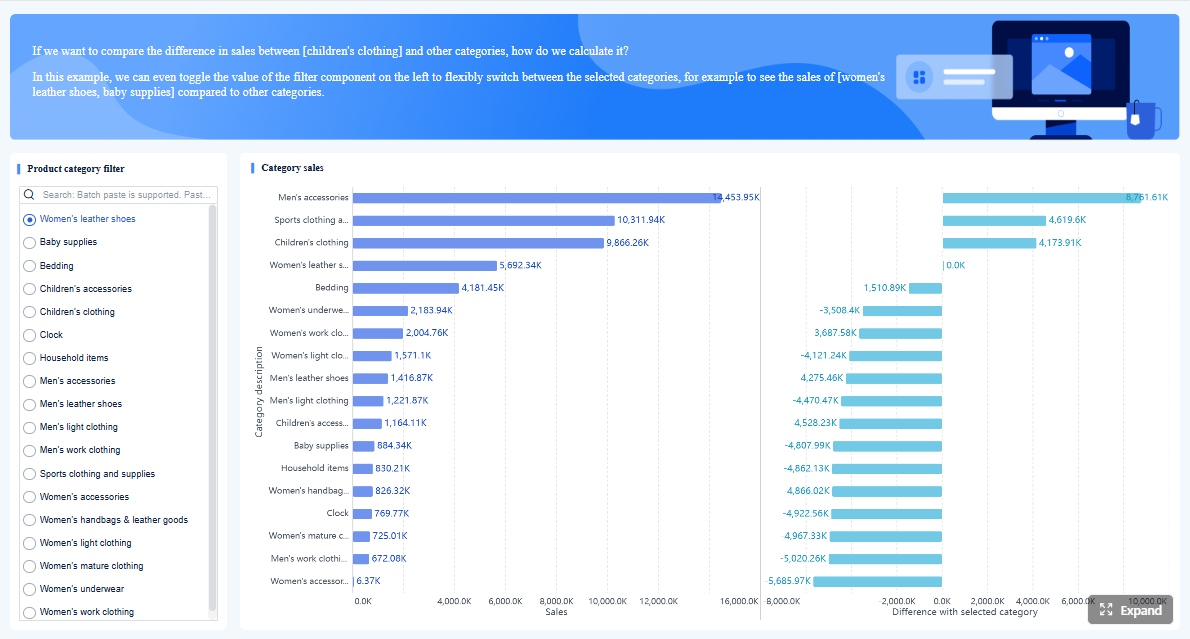
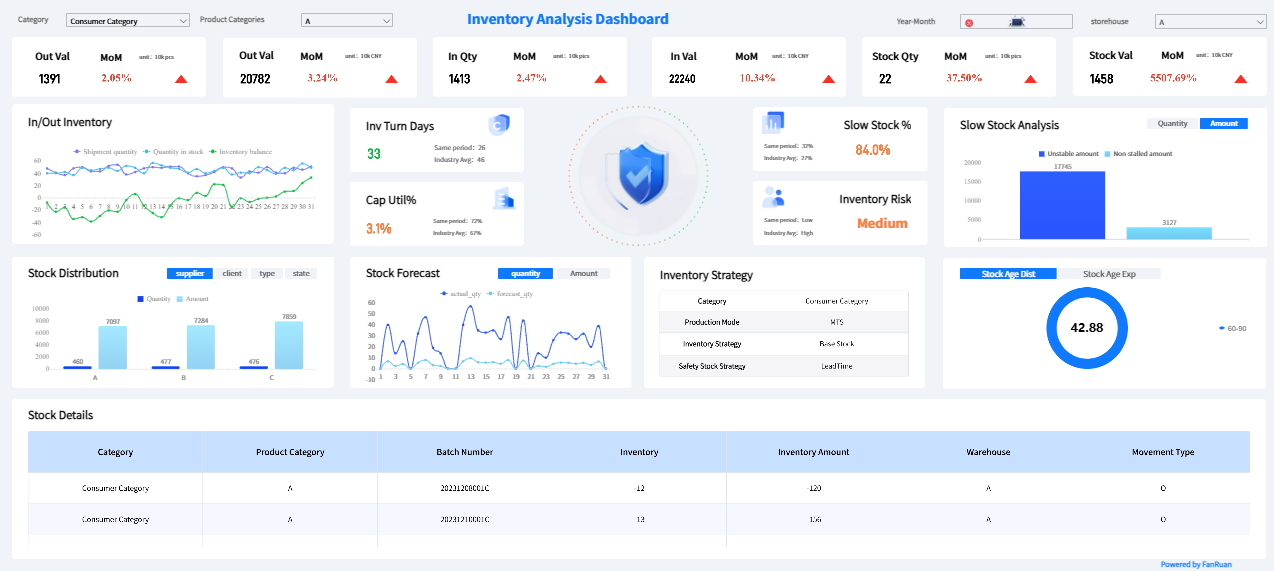
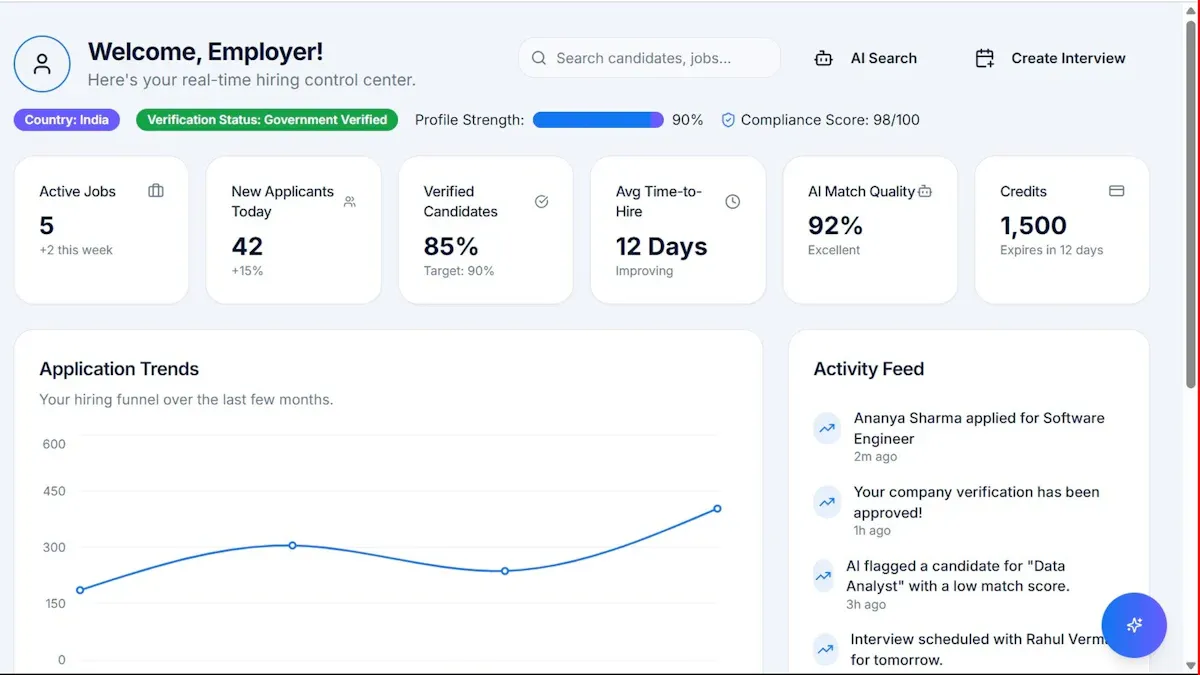
Building a more professional reporting workflow with FineReport
Choosing the right cover is only one part of presenting information professionally. The bigger challenge is building reports that are accurate, visually clear, brand-consistent, and easy to produce at scale. That is where teams often lose time—especially when they manually prepare title pages, layout formats, dashboards, print-ready summaries, and recurring report packs.
Building this manually is complex; use FineReport to utilize ready-made templates and automate this entire workflow.
If your organization produces frequent proposals, review packs, executive summaries, or operational reports, the combination of smart document presentation and automated report production creates a measurable advantage. Better covers improve the physical impression. Better reporting systems improve speed, consistency, and trust.
The best material depends on how the report will be used. Clear front covers work well for branded title pages, while poly or plastic is better for documents that need more durability and repeated handling.
Most business reports use letter size for 8.5 x 11 inch pages. If you are printing legal, tabloid, or half-size documents, choose a cover made specifically for that paper format so the pages fit cleanly.
Yes, clear front covers are a strong option for client proposals because they keep the title page visible and add light protection. They are especially useful when your first page includes branding or custom design.
Check whether the cover is designed for prong, comb, coil, wire, or slide-bar binding before ordering. A mismatch can cause assembly problems, poor page alignment, or an unprofessional finish.
Premium covers make sense for high-stakes presentations, bids, and executive documents where first impressions matter. Basic covers are usually enough for internal reviews, training copies, or cost-sensitive bulk printing.
Product Trial
FineReport
Pixel-perfect reports · Interactive dashboards · Easy data entry · Digital twins