TCFD reporting helps companies explain how climate-related risks and opportunities could affect business performance, strategy, and long-term value. For CFOs, sustainability leaders, risk managers, and board members, the real challenge is not understanding that climate matters. It is turning scattered emissions data, operational risk signals, governance decisions, and forward-looking assumptions into disclosures that investors and regulators can actually use. Good tcfd reporting reduces that gap. It gives decision-makers a structured way to show how climate risk connects to revenue, costs, assets, financing, and resilience.
All reports in this article are built with FineReport.
In plain language, TCFD reporting is a framework for disclosing how climate change could affect an organization financially and strategically. It is designed to make climate issues decision-useful, not just descriptive. Instead of treating climate as a separate CSR topic, TCFD asks companies to connect it to governance, planning, risk oversight, and measurable performance.
The purpose is simple: help investors, lenders, insurers, boards, and regulators understand whether a company is prepared for climate-related disruption and whether management is handling the issue with the same rigor as other enterprise risks.
The framework is organized around four pillars:
Governance
This covers who is accountable. Companies disclose how the board oversees climate-related risks and opportunities, and what role management plays in evaluating and acting on them.
Strategy
This explains how climate risks and opportunities may affect the business model, strategic priorities, and financial planning over the short, medium, and long term.
Risk management
This shows how climate-related risks are identified, assessed, prioritized, and integrated into enterprise risk management processes.
Metrics and targets
This includes the data used to track climate exposure and progress, such as emissions, energy use, internal carbon assumptions, resilience indicators, and climate targets.
Who uses TCFD disclosures
The audience for tcfd reporting is broader than many companies expect. Key users include:
Investors evaluating long-term resilience and capital allocation
Lenders assessing credit risk and borrower exposure
Boards overseeing strategy and risk governance
Regulators monitoring disclosure quality and market transparency
Insurers evaluating asset and operational exposure
Internal executives aligning sustainability work with business planning
Key Metrics (KPIs)
A strong TCFD process usually includes a structured set of climate and financial indicators. Common KPIs include:
Scope 1 emissions: Direct greenhouse gas emissions from owned or controlled operations.
Scope 2 emissions: Indirect emissions from purchased electricity, steam, heating, or cooling.
Scope 3 emissions: Value chain emissions upstream and downstream, where material.
Carbon intensity: Emissions per unit of revenue, production, or output.
Energy consumption: Total energy used across operations, often split by source.
Renewable energy share: Percentage of energy sourced from renewables.
Climate-related capex: Capital expenditure directed to mitigation, adaptation, or transition initiatives.
Internal carbon price: Financial assumption used in planning and investment decisions.
Physical risk exposure: Share of assets, sites, or suppliers exposed to hazards like flooding, heat, or wildfire.
Transition risk exposure: Sensitivity to regulation, carbon pricing, technology shifts, or demand changes.
Target progress rate: Progress against emissions, energy, or resilience commitments.
Scenario-adjusted EBITDA or margin impact: Estimated earnings sensitivity under climate scenarios.
Why climate disclosure matters for business and investors
Climate-related risks and opportunities can materially change business performance. This is the core reason tcfd reporting matters. For many sectors, climate is no longer an abstract externality. It can alter demand patterns, production economics, logistics reliability, insurance costs, financing access, and asset values.
A manufacturer may face higher operating costs from energy and carbon pricing. A retailer may see supply disruptions from extreme weather. A real estate firm may face asset impairment from flood exposure. A bank may face portfolio risk if clients in carbon-intensive sectors underperform. These are business issues, not just sustainability issues.
How climate affects the financials
Climate-related impacts typically show up in five places:
Revenue: Demand shifts toward low-carbon products or away from exposed offerings
Costs: Energy prices, carbon costs, compliance expenses, or adaptation spending
Assets: Impairment, stranded assets, useful life changes, or location risk
Financing: Credit conditions, covenant scrutiny, insurance pricing, cost of capital
Valuation: Investor confidence, growth assumptions, and risk premium adjustments
Why consistent disclosure improves decisions
Consistent climate disclosure helps stakeholders compare companies on a more like-for-like basis. It improves:
Management decision-making by linking risk signals to action
Investor comparability across peers and sectors
Board oversight through clearer accountability and metrics
Market confidence because assumptions and exposures are more transparent
When companies disclose clearly, they reduce information asymmetry. That matters in capital markets. It also matters internally, because teams in finance, operations, procurement, sustainability, and strategy need one common view of climate exposure.
Why voluntary frameworks now influence mandatory reporting
Although the TCFD began as a voluntary framework, it has strongly shaped mandatory climate disclosure expectations in many markets. That shift matters for companies that still see tcfd reporting as optional. In practice, the framework has become a foundational reference point for climate-related disclosure design.
As reporting expectations mature, companies are expected to provide more than policy statements. They need evidence of governance, scenario-based thinking, financially relevant analysis, and measurable targets.
The Task Force on Climate-related Financial Disclosures framework
The origin and purpose of the framework
The Task Force on Climate-related Financial Disclosures was created to solve a market problem: climate-related financial information was inconsistent, incomplete, and difficult to compare. Investors and lenders needed a clearer view of how climate could affect future cash flows, assets, liabilities, and strategy.
The framework was developed to improve the quality of climate-related financial disclosure and help markets price risk more accurately. Its design reflects a practical idea: climate information becomes more useful when it is embedded into mainstream corporate reporting and linked to material business outcomes.
The four recommended disclosure areas
Under the TCFD framework, companies are expected to disclose information across four recommended areas.
1. Governance disclosures
Companies typically explain:
How the board oversees climate-related risks and opportunities
Which committees or governance bodies are involved
How often climate issues are reviewed
What role management has in assessing and responding to climate matters
2. Strategy disclosures
Companies generally disclose:
The climate-related risks and opportunities identified
Time horizons used for short, medium, and long term
Potential impacts on business model and financial planning
Strategic resilience under different climate scenarios
3. Risk management disclosures
Organizations usually describe:
How climate risks are identified
How those risks are assessed and prioritized
How mitigation or adaptation actions are determined
How climate risk is integrated into overall enterprise risk management
4. Metrics and targets disclosures
This section often includes:
Emissions data and carbon intensity
Climate-related operational or financial metrics
Targets and deadlines
Performance against those targets
Relevant assumptions used in planning
How the framework connects to broader climate reporting
TCFD does not sit in isolation. In mature organizations, it connects to:
That connection is what makes tcfd reporting credible. If climate disclosures are disconnected from finance, operations, and governance, stakeholders will see them as narrative rather than actionable.
Scenario analysis of TCFD reporting explained in simple terms
Scenario analysis is one of the most important and most misunderstood parts of TCFD. It is not a prediction of exactly what will happen. It is a structured way to test how a business might perform under different plausible climate futures.
That distinction matters. Forecasting tries to estimate the most likely future. Scenario analysis explores multiple possible futures to understand vulnerability, resilience, and strategic options.
What scenario analysis does
A climate scenario analysis helps an organization answer questions like:
What happens if carbon prices rise faster than expected?
What if extreme weather disrupts critical suppliers more often?
What if customer demand shifts quickly toward low-carbon alternatives?
What if regulation accelerates in one region but not another?
The value of the exercise is not perfect precision. The value is better preparedness.
Why scenario analysis improves resilience
Scenario analysis helps organizations:
Test whether the current strategy is resilient
Identify hidden cost and supply chain exposures
Prioritize adaptation and transition investments
Strengthen board-level discussion with quantified assumptions
Produce more credible tcfd reporting
Common scenario types
Most companies assess a mix of transition and physical risk pathways.
Transition risk scenarios
These explore how the move to a lower-carbon economy may affect the business through:
Carbon taxes or emissions pricing
Stricter regulation
New technology adoption
Customer preference changes
Reputation or market pressure
Physical risk scenarios
These examine direct climate hazards such as:
Flooding
Heat stress
Wildfire
Drought
Storm damage
Long-term sea level or temperature changes
A robust analysis often combines both, because transition and physical impacts can hit the same company through different channels.
A simple scenario analysis example of TCFD reporting
To make tcfd reporting easier to understand, let’s use a simple operating scenario.
Step 1: Set the business context
Imagine a mid-sized food manufacturer with three production plants, a regional supplier network, refrigerated logistics, and major customers in retail. Its climate exposure is concentrated in four areas:
Energy-intensive manufacturing
Agricultural raw material volatility
Cold-chain logistics costs
Physical exposure to heatwaves and flooding at two facilities
The company’s leadership team wants to understand whether current margins and supply continuity remain resilient under different climate conditions over the next 10 years.
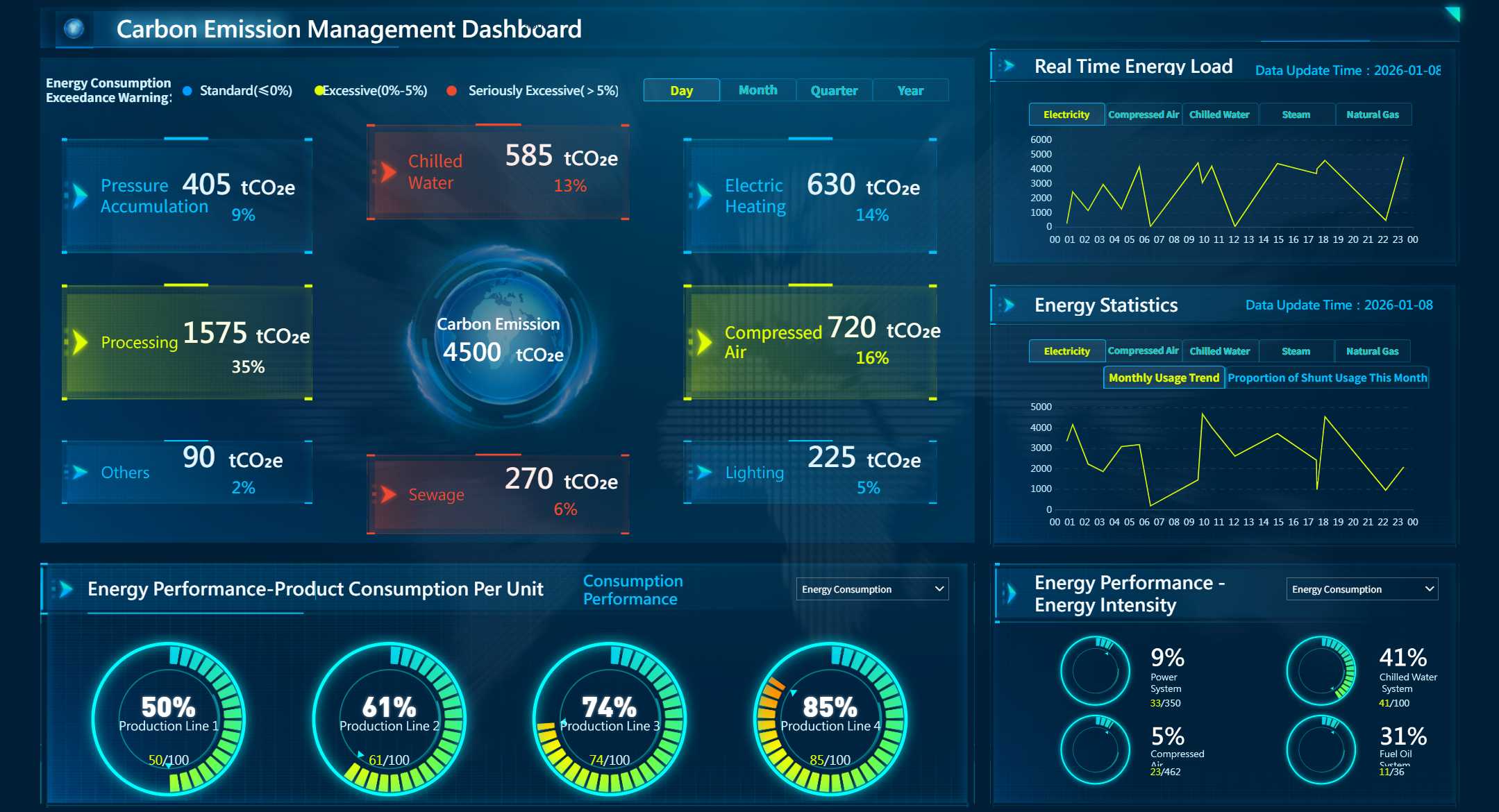
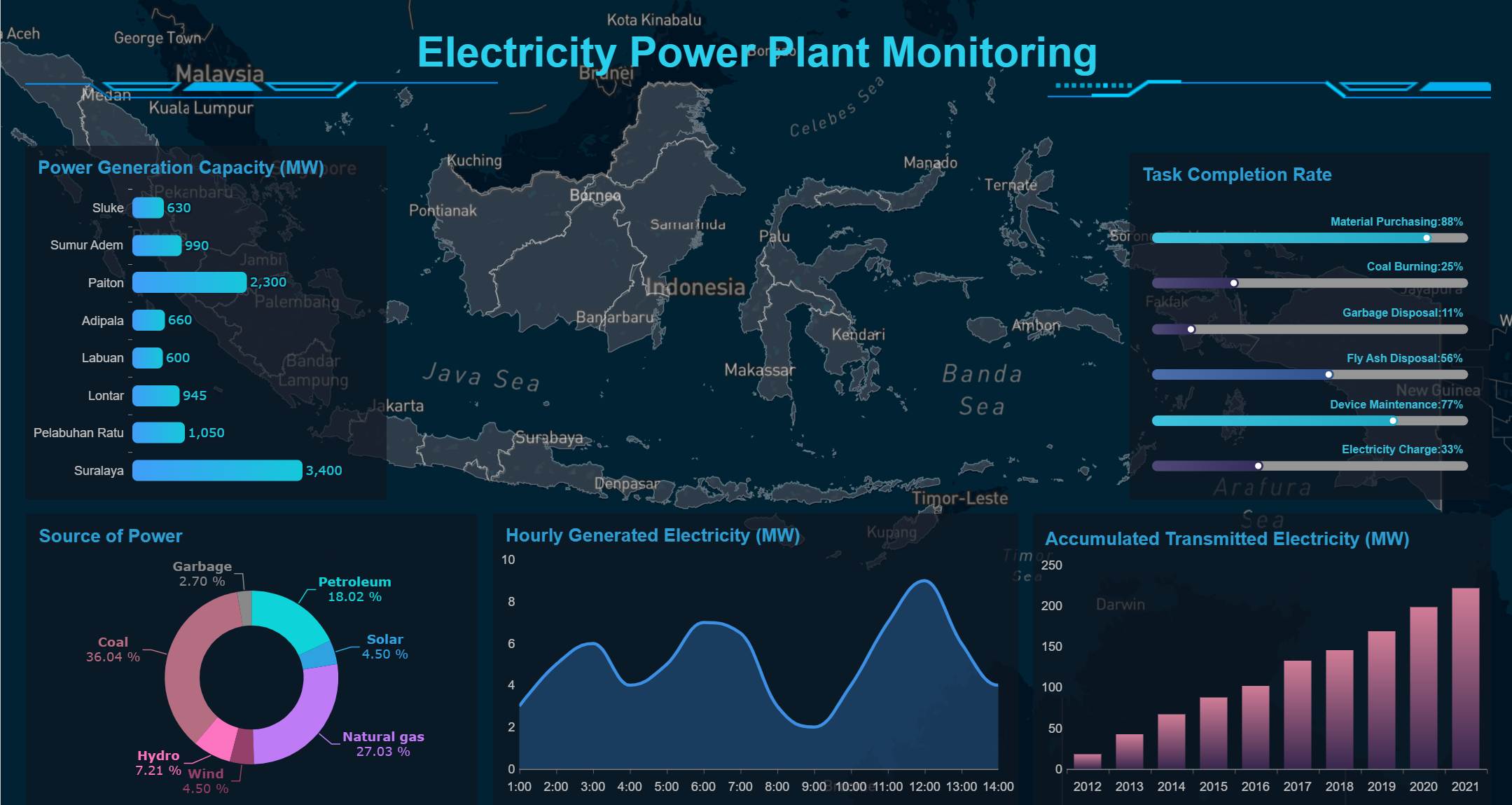
Digital monitoring for energy and climate exposure
Margin and strategy impacts
Margin compression if costs cannot be passed on
Opportunity to premium-price lower-carbon products
Need to redesign sourcing and operations
Potential relocation or hardening of vulnerable sites
A practical way to summarize the scenario results is with a comparison table:
Scenario
Main Risk Driver
Operational Effect
Financial Effect
Strategic Response
Moderate transition
Gradual carbon and energy cost rise
Efficiency pressure
Mild cost increase
Improve energy efficiency and supplier data
Accelerated transition
Fast regulation and demand shift
Product and compliance pressure
Margin compression without action
Redesign product mix and transition plan
Severe physical disruption
Flooding, heat, crop volatility
Downtime and sourcing disruption
Higher capex and input volatility
Diversify suppliers and harden facilities
Step 4: Turn findings into disclosure and action
This is where scenario analysis becomes useful tcfd reporting rather than an internal workshop. The company should summarize:
Which scenarios were used and why
What assumptions materially changed outcomes
Which business areas were most exposed
What management actions are planned
How resilience will be tracked over time
The disclosure does not need to pretend certainty. It needs to show a disciplined process, material insights, and clear management responses.
For this example, the company might disclose that:
Transition risk is likely to raise operating costs unless efficiency upgrades are accelerated
Physical risk is concentrated in two sites and several agricultural sourcing zones
A supplier diversification plan and site resilience program are now part of capital planning
Climate risk review has been elevated to quarterly executive oversight
How to start improving TCFD reporting
For most companies, the right first move is not building a perfect climate model. It is creating a workable operating model for disclosure. That means assembling the right data, people, governance, and decision rules.
Identify the data you need
Start with the minimum viable dataset:
Emissions and energy data
Facility and asset location data
Supplier and logistics exposure data
Climate hazard inputs where relevant
Financial planning assumptions
Existing risk register information
Current targets and transition initiatives
Involve the right teams
Effective tcfd reporting is cross-functional. Core contributors usually include:
Finance
Sustainability
Risk management
Operations
Procurement
Legal and compliance
Investor relations
Internal audit
Board or executive sponsors
A practical first-year approach
If resources are limited, use a phased approach.
1. Establish governance
Assign ownership, define review cadence, and align board or executive oversight.
2. Map material climate issues
Identify the most relevant transition and physical risks by business unit, geography, and value chain.
3. Build a baseline dataset
Consolidate emissions, energy, operational, and financial data into one reporting structure.
4. Run a simple scenario analysis
Use two or three plausible scenarios and estimate directional impacts before attempting highly granular modeling.
5. Improve disclosure clarity
Focus on clear links between climate issues, financial effects, and management responses.
Common reporting gaps to fix
Many organizations struggle with the same weaknesses:
Vague governance language without decision evidence
Strategy sections that describe ambition but not financial impact
Risk processes that are not integrated into ERM
Metrics without context, targets, or trend analysis
Scenario analysis that is too theoretical to inform decisions
The best disclosures are specific, balanced, and connected to business reality.
Best practices from the field
Based on what works in enterprise reporting programs, here are four practical best practices:
Start with materiality, not completeness
Focus first on the risks and opportunities most likely to affect enterprise value.
Use finance language, not only sustainability language
Translate climate issues into cost, revenue, capex, asset, and margin implications.
Standardize assumptions across teams
Carbon price, energy inflation, and risk time horizons should not vary by department.
Use FineReport to automate TCFD reporting workflows
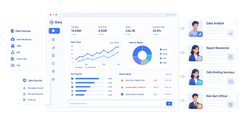
As disclosure expectations rise, building tcfd reporting manually becomes difficult to scale. Data sits across finance systems, energy records, supplier files, risk registers, and sustainability trackers. Scenario analysis adds another layer of complexity. The reporting burden grows fast, especially when leadership wants dashboards, drill-downs, audit trails, and board-ready summaries.
This is where FineReport becomes the practical enabler.
Building this manually is complex; use FineReport to utilize ready-made templates and automate this entire workflow. Instead of stitching together static spreadsheets and slide decks, teams can centralize climate-related metrics, connect operational and financial data, standardize dashboard outputs, and create dynamic reporting views for executives, boards, and compliance teams.
For enterprises that need to move from fragmented climate reporting to an integrated decision system, this matters. A good platform does more than make charts. It shortens reporting cycles, improves confidence in numbers, and helps management act on the findings.
If your organization is trying to turn climate data into decision-useful disclosure, FineReport can help you move faster and with less manual effort.
FAQs
TCFD reporting is a framework companies use to explain how climate-related risks and opportunities could affect strategy, operations, and financial performance. It focuses on making climate disclosure useful for investors, boards, lenders, and regulators.
The four pillars are governance, strategy, risk management, and metrics and targets. Together, they show who is accountable, how climate affects the business, how risks are managed, and which data points track performance.
It helps connect climate issues to revenue, costs, assets, financing, and long-term resilience. That makes it easier for investors and finance leaders to assess material risk and make better capital allocation decisions.
Scenario analysis tests how a business might perform under different climate futures, such as tighter regulation or more severe physical weather impacts. It helps companies evaluate resilience and support forward-looking disclosure rather than only reporting past data.
Yes, the framework remains highly relevant because its recommendations continue to shape climate disclosure practice and have influenced newer standards such as those from the IFRS Foundation and ISSB. Many companies still use TCFD as a practical structure for climate-related reporting.
Product Trial
FineReport
Pixel-perfect reports · Interactive dashboards · Easy data entry · Digital twins