You face big challenges in supply chain management today. Geopolitical tensions can disrupt logistics. Labor risks and strikes might halt shipments. Natural disasters damage infrastructure. Global shipping routes stay fragile, and changing regulations demand transparency. You need supply chain tracking software to enhance visibility, automate workflows, and harness AI analytics. FineReport help you integrate data and get real-time insights, so you can make smarter decisions.
Top 10 Supply Chain Tracking Software
Summary Table of Leading Solutions
You want a quick way to compare the best supply chain tracking software for 2026. Here’s a handy table that shows the top picks, their main strengths, and the industries they serve:
Software
Key Strengths
Best For
SAP Integrated Business Planning
Advanced planning, analytics
Manufacturing, Retail
Oracle SCM Cloud
Cloud integration, scalability
Global Enterprises
Blue Yonder Luminate
AI-driven forecasting
Retail, Logistics
Kinaxis RapidResponse
Real-time scenario planning
Manufacturing
Infor Nexus
Network visibility
Logistics, Retail
E2open
End-to-end connectivity
Supply Chain Networks
ComplianceQuest
Compliance management
Regulated Industries
Logility
Demand planning
Consumer Goods
FineReport
Data integration, real-time BI
Manufacturing, SCM
Manhattan Associates
Warehouse optimization
Distribution, Retail
Quick Overview of Each Software
Let’s break down what makes each supply chain tracking software stand out. You’ll see how these platforms help you solve real problems and keep your business moving.
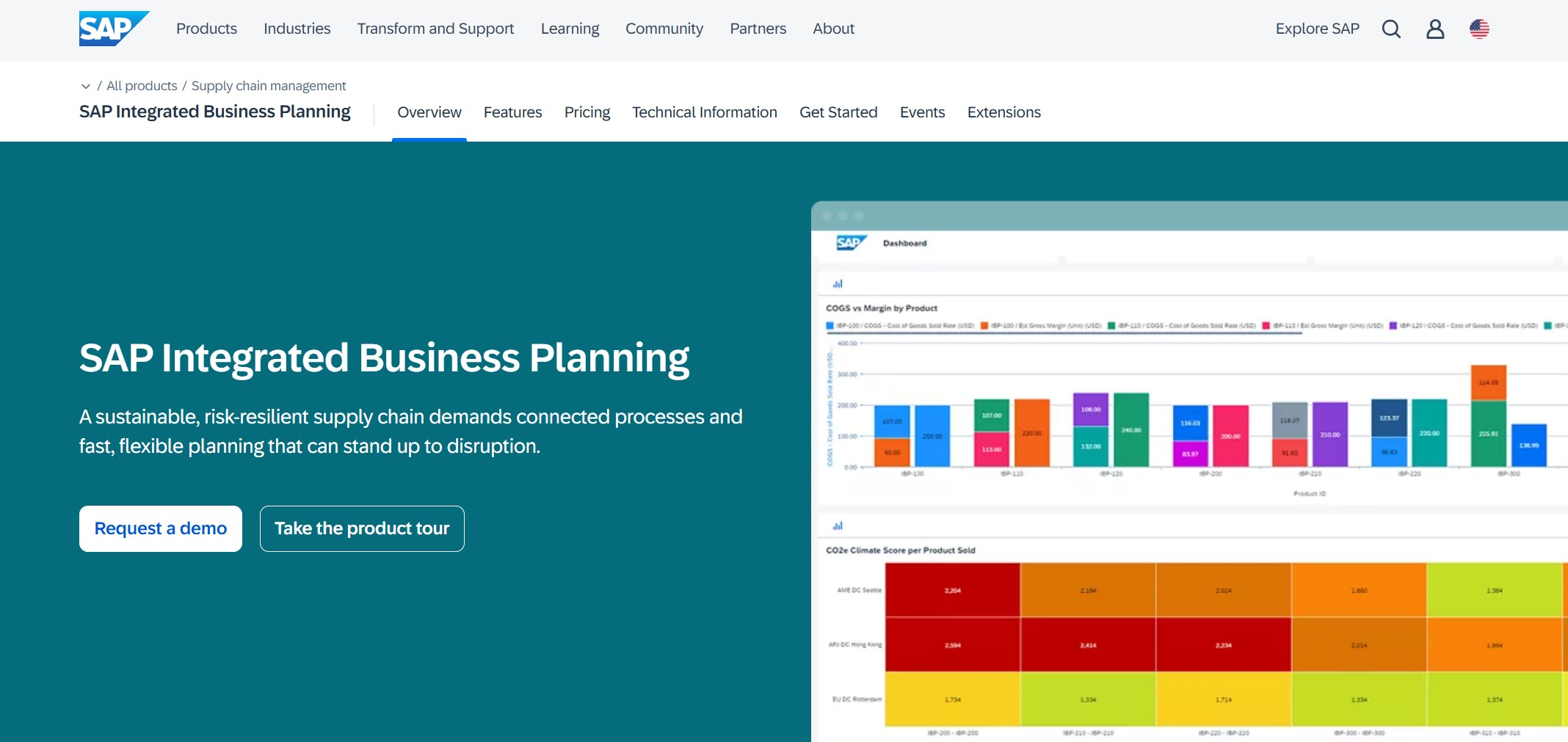
SAP Integrated Business Planning gives you powerful analytics and planning tools. You can manage demand and supply with confidence.
Oracle SCM Cloud connects your supply chain in the cloud. You get flexibility and scalability for global operations.
Blue Yonder Luminate uses AI to forecast demand and optimize inventory. You stay ahead of market changes.
Kinaxis RapidResponse lets you plan scenarios in real time. You respond quickly to disruptions.
Infor Nexus offers network-wide visibility. You track shipments and collaborate with partners easily.
E2open provides end-to-end supply chain connectivity. You streamline processes across your network.
ComplianceQuest focuses on compliance and risk management. You meet regulations without hassle.
Logility helps you plan demand and manage inventory. You improve efficiency and reduce costs.
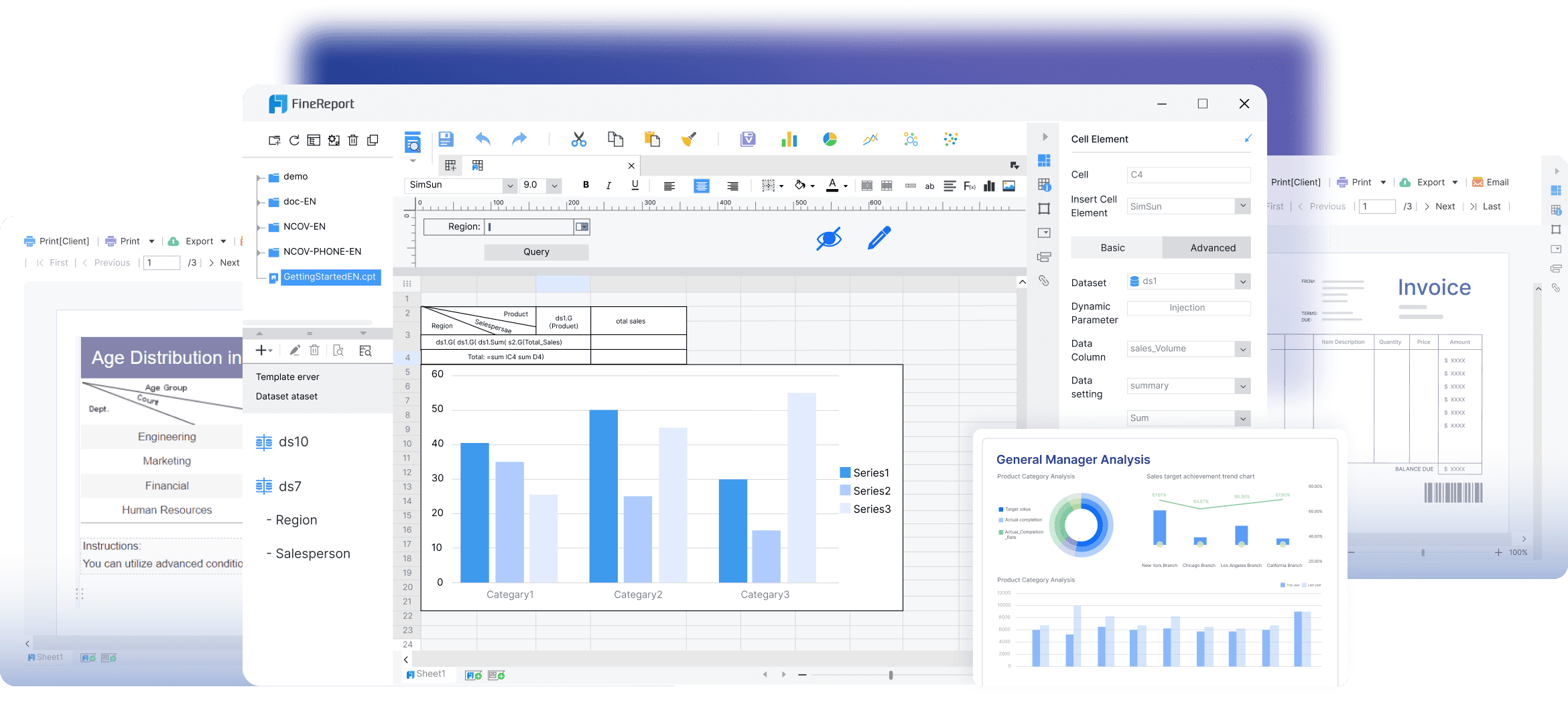
FineReport stands out for data integration and real-time analytics. You get instant insights and seamless reporting, especially if you work in manufacturing or supply chain management.
Manhattan Associates optimizes warehouse and distribution operations. You boost speed and accuracy.
You have many choices for supply chain tracking software. Each one brings unique strengths to your business. Pick the one that matches your needs and helps you stay competitive.
Why Supply Chain Tracking Software Matters
Key Challenges in 2026
You know how fast things can change in the world of supply chains. In 2026, you face a whole new set of challenges. Here’s what you need to watch out for:
Artificial intelligence is now a must-have, not just a nice-to-have.
Trade policies keep shifting, and tariffs are sticking around.
Automation is everywhere, especially in warehouses and logistics.
You need to stay agile and bounce back quickly from surprises.
The workforce is changing, and digital skills are in high demand.
Supply chain visibility is more important than ever for tracking goods from start to finish.
Cybersecurity threats are growing as your systems connect to more devices.
Sourcing needs to be flexible so you can adapt fast.
Climate concerns and circular economy practices are moving from compliance to a real competitive edge.
You can’t ignore these challenges if you want to keep your business running smoothly.
Trends in Supply Chain Management Software
Supply chain management software is evolving quickly. You see new trends shaping the way you work every year. Here’s what’s hot for 2026:
Trend
What It Means for You
Decision Agility
You can make quick, smart choices using scenario modeling and real-time adjustments.
Integration Maturity
Your software connects smoothly with your current systems, saving you time and money.
Scalability
You can handle global operations without extra headaches.
Partner Ecosystem
You work better with partners and suppliers, not just your own team.
Pace of Innovation
You get the latest tech, like AI and digital twins, to stay ahead of the curve.
You’ll also notice more companies using AI for risk management. AI helps with supply chain mapping, demand forecasting, and spotting risks before they become problems. High-performing businesses use these tools to optimize their processes. You might see features like predictive maintenance and alternative supplier tracking become standard. These trends help you stay flexible and ready for anything.
Key Criteria for Supply Chain Planning Software
Choosing supply chain planning software can feel overwhelming. You want tools that make your job easier and help your business grow. Let’s break down the five most important criteria you should look for.
Real-Time Visibility
You need to see what’s happening in your supply chain at every moment. Real-time visibility lets you spot trouble before it gets out of hand. When you track shipments, inventory, and orders instantly, you make better decisions and keep customers happy. Check out how real-time tracking boosts efficiency:
Metric
Impact on Efficiency
Reduce expedite rates
Up to 90%
Lower inventory levels
By 40%
Increase planner efficiency
Up to 300%
You also cut costs and avoid delays. Your team works faster, and you deliver on time.
Integration Capabilities with FineReport
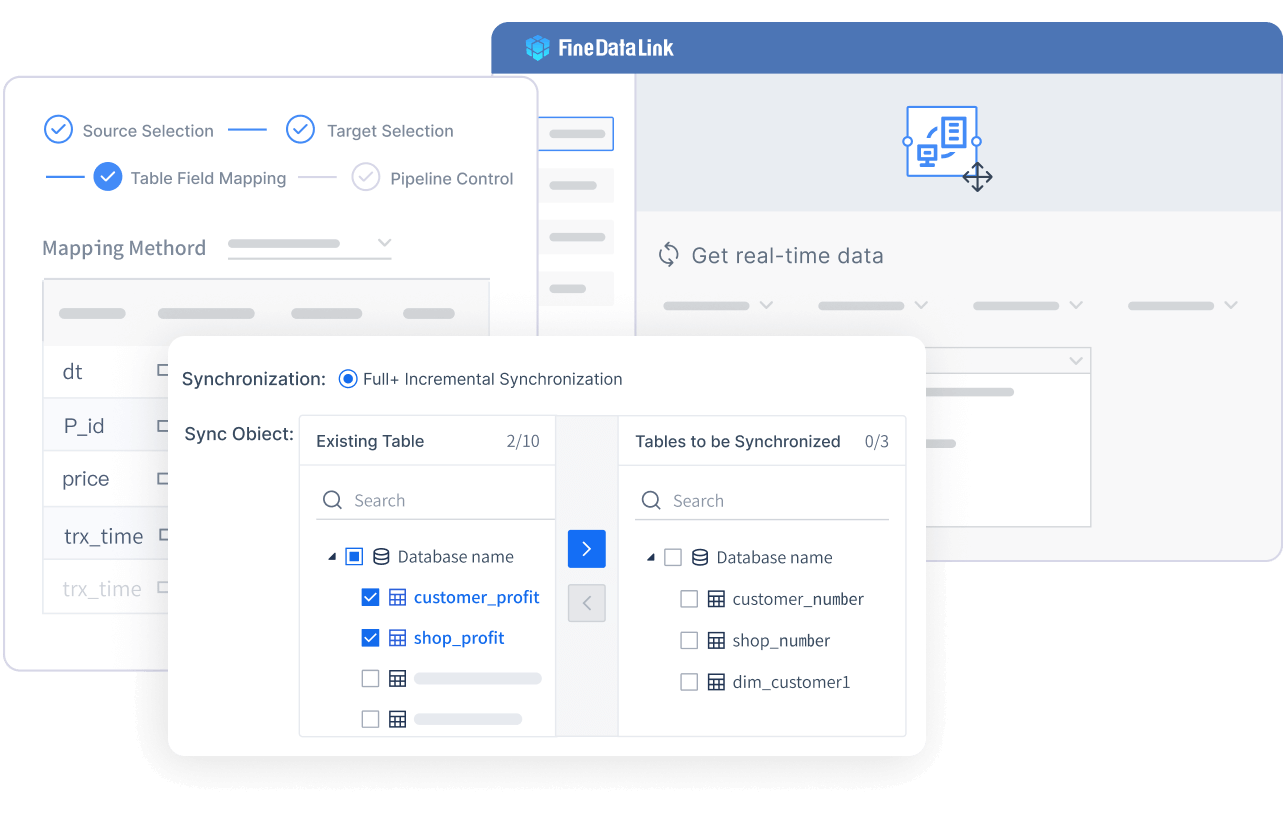
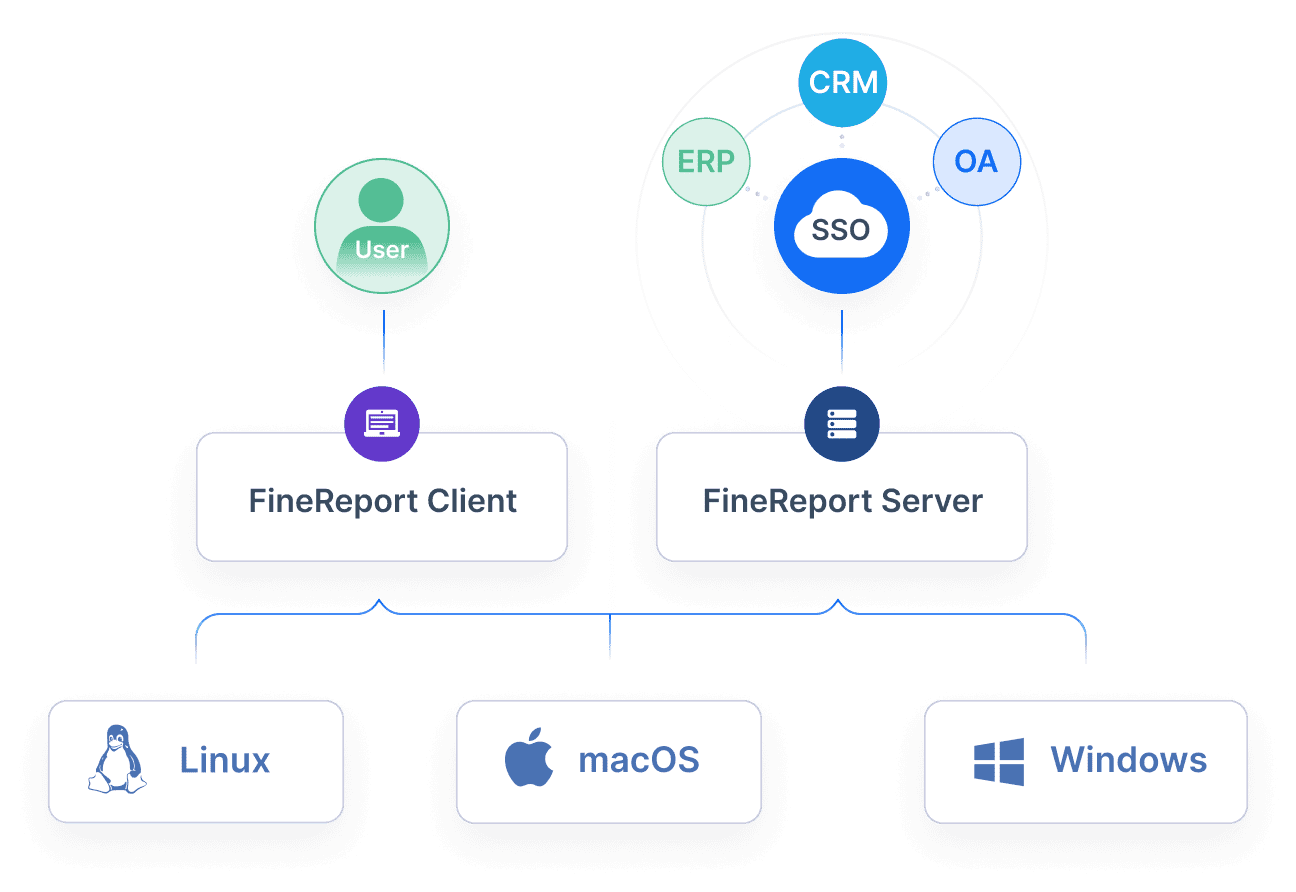
Integration capabilities matter more than ever. You want supply chain planning software that connects with your ERP, CRM, and IoT devices. FineReport stands out here. You get real-time data synchronization across all your systems. Updates happen in seconds, so you always know what’s going on. This means you can replace old, slow systems and make decisions quickly.
Tip: Seamless integration helps you avoid data silos and keeps your supply chain running smoothly.
Automation and Workflow
Automation is your secret weapon. You can set up workflows that handle inventory management and order processing without manual effort. Orders get sorted, shipped, and delivered faster. Automation tools also reduce errors and speed up warehouse operations. You spend less time fixing mistakes and more time growing your business.
Orders fulfilled quickly with fewer errors.
Mobile device management gives you control and visibility.
Automated workflows eliminate slow, manual tasks.
Advanced Analytics and Reporting
You want supply chain planning software that gives you advanced analytics and reporting. These features help you spot problems early and plan ahead. Predictive analytics let you act before issues arise. Control towers powered by machine learning show you real-time insights. You move from reacting to problems to preventing them.
Your business grows. Your supply chain planning software must keep up. Scalability means you can add new sites and handle more data without headaches. Compliance is also key. You need tools that help you follow global regulations and track everything for audits. Leading solutions automate screening, improve documentation, and support ethical practices. You stay ready for expansion and keep regulators happy.
Note: Regular audits and strong compliance policies protect your business and build trust with partners.
You want supply chain planning software that checks all these boxes. When you focus on these criteria, you set your business up for success in 2026 and beyond.
Reviews of Top Supply Chain Management Software
1.SAP Integrated Business Planning (IBP)
You want a supply chain management software that helps you stay ahead. SAP Integrated Business Planning (IBP) gives you powerful tools for demand forecasting, inventory optimization, and capacity planning. You can collaborate with your team using S&OP features and get real-time visibility into your supply chain management systems. IBP’s control tower lets you track key performance indicators and spot issues fast.
Manage and monitor your supply chain with real-time tracking and analytics.
IBP for Sales & Operations Planning
Align procurement and sales to maximize profits and efficiency.
IBP for Demand
Use advanced models for accurate forecasting and better production planning.
IBP for Inventory Optimization
Optimize inventory levels and improve customer service.
IBP Response and Supply
Adapt quickly to changes in demand and keep your supply network strong.
Integrated planning for financials
Break down silos and improve planning with advanced functions.
More accurate demand forecasting
Use analytics to fine-tune your planning process.
Optimized inventory planning
Reduce risks and boost visibility with embedded analytics.
Demand-driven replenishment
Control inventory across your supply chain management systems.
Improved visibility for supply chain
Collaborate better and fix problems quickly with smart features.
You can deploy IBP in the cloud for faster setup. Pre-built templates help you get started quickly. You also get seamless integration capabilities with SAP S/4HANA, so your data flows smoothly. Custom dashboards let you tailor the experience for different departments.
IBP works well in logistics, retail, automotive, and even oil and gas. You can use it for demand forecasting, inventory optimization, and just-in-time manufacturing. If you want to optimize efficiency and make data-driven decision-making easier, IBP is a solid choice.
2.Oracle SCM Cloud
Oracle SCM Cloud stands out as a supply chain management SaaS that offers comprehensive planning and strong analytics. You get scalability and easy integration with other Oracle products. The platform supports real-time tracking and helps you manage global operations with confidence.
Oracle SCM Cloud is a cloud-hosted solution, so you don’t have to worry about hardware. You can use it for demand planning, procurement, and logistics. If you want a supply chain management software that supports large enterprises and helps you reduce costs, Oracle SCM Cloud is worth considering.
3.Blue Yonder
Blue Yonder brings AI-driven supply chain management to the next level. You get more than 25 billion AI predictions every day. The platform’s AI agents help you see, analyze, decide, and act with machine speed. You can monitor your supply chain management systems and get alerts when something goes wrong.
"With more than 25 billion AI predictions being delivered every day, Blue Yonder is taking supply chains to the next level with our AI agents," said Duncan Angove, CEO, Blue Yonder.
Blue Yonder’s AI agents work on mobile devices, so you can make critical decisions anywhere. The adaptive user experience adjusts to your needs. You can analyze planning and execution data, reduce decision-making lag, and accelerate your response to disruptions.
Increase your ROI by analyzing a wide range of data.
Make decisions faster with mobile AI agents.
Get adaptive UX for any device or location.
If you want an ai-driven supply chain that uses real-time information and supply chain analytics, Blue Yonder is a top pick.
4.Kinaxis RapidResponse
Kinaxis RapidResponse gives you agile, intelligent supply planning. You get a single source of truth with real-time integration across your supply chain management systems. The platform uses AI and advanced techniques to help you act smarter and faster.
Make informed decisions with AI-powered analytics.
Proactive risk management
Spot risks early and avoid problems.
Scenario analysis
Compare options instantly and choose the best path.
Scalable solutions
Adapt as your business grows without costly replacements.
Kinaxis RapidResponse is a supply chain management SaaS that helps you manage risk and plan scenarios in real time. You can use it for manufacturing, logistics, and any business that needs real-time tracking and proactive planning.
5.Infor Nexus
Infor Nexus connects over 94,000 organizations on a unified platform. You get real-time, end-to-end visibility of orders, shipments, and inventory. The platform uses machine learning to improve estimated times of arrival and sends proactive alerts to help you reduce costs and avoid delays.
Get alerts to cut dwell time and excess inventory.
Infor Nexus connects suppliers, manufacturers, brokers, 3PLs, and banks. You can collaborate, optimize, and respond to disruptions quickly. If you want supply chain management software that supports global visibility and collaboration, Infor Nexus is a strong choice.
6.E2open
E2open operates a massive multi-enterprise supply chain network. You get a comprehensive AI-powered suite with over 50 modular applications. The platform uses a dynamic digital twin to unify all supply chain functions.
Connect millions of trading relationships across ecosystems.
Comprehensive AI-powered suite
Cover every supply chain function with modular apps.
Enterprise-grade trust
Enjoy financial stability and transparency as a publicly traded cloud provider.
E2open is a supply chain management SaaS that gives you end-to-end visibility and control. You can use it for demand planning, logistics, and supplier management. If you want to optimize efficiency and manage complex networks, E2open delivers.
7.ComplianceQuest (SaaS)
ComplianceQuest is a supply chain management SaaS focused on regulatory compliance. You get centralized compliance management, automated workflows, and real-time monitoring. The platform helps you track risks and maintain audit readiness.
Keep all compliance data in one place for easy audits.
Automated Workflows and Documentation
Automate compliance tasks and reduce errors.
Real-Time Monitoring and Risk Management
Track performance and get alerts for non-conformances.
Scalability and Adaptability
Adjust quickly to new regulations.
Audit Readiness and Traceability
Access electronic records and audit trails instantly.
Industry-Specific Compliance Support
Meet OSHA, FDA, ISO, and other standards.
You can use ComplianceQuest for regulated industries like pharmaceuticals, food, and manufacturing. If you need supply chain management software that keeps you compliant and ready for audits, this platform is a smart choice.
8.Logility
Logility helps you with demand planning and inventory optimization. The platform features an intuitive interface and supports quick implementation. You get plug-and-play integration capabilities with major ERP systems.
Use machine learning for data correction and adaptability.
Advanced planning and simulation go beyond standard ERP systems.
Scale up as your data grows.
Respond quickly to supply chain dynamics.
Logility uses InventoryAI+ to combine strategic and tactical elements. You can optimize inventory deployment and execute policies based on real-time data changes. If you want supply chain management software that helps you reduce costs and adapt fast, Logility is a great option.
9.FineReport
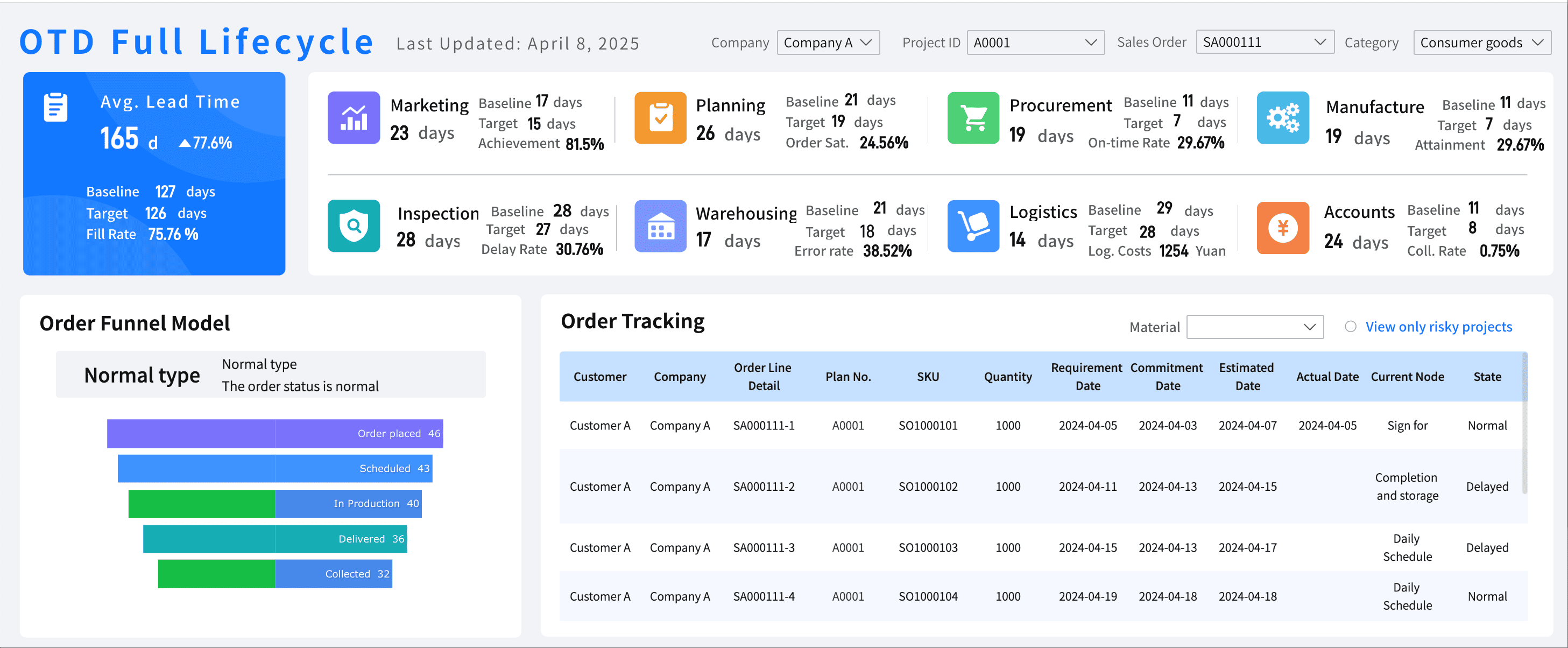
FineReport stands out in supply chain management software for its integration capabilities and real-time analytics. You can integrate demand, procurement, inventory, production, and logistics data for real-time decisions. The platform provides real-time monitoring, so you get instant insights and reliable on-time delivery.
Connect all your supply chain management systems for seamless data flow.
Real-time Monitoring
Track every step with real-time data processing and instant alerts.
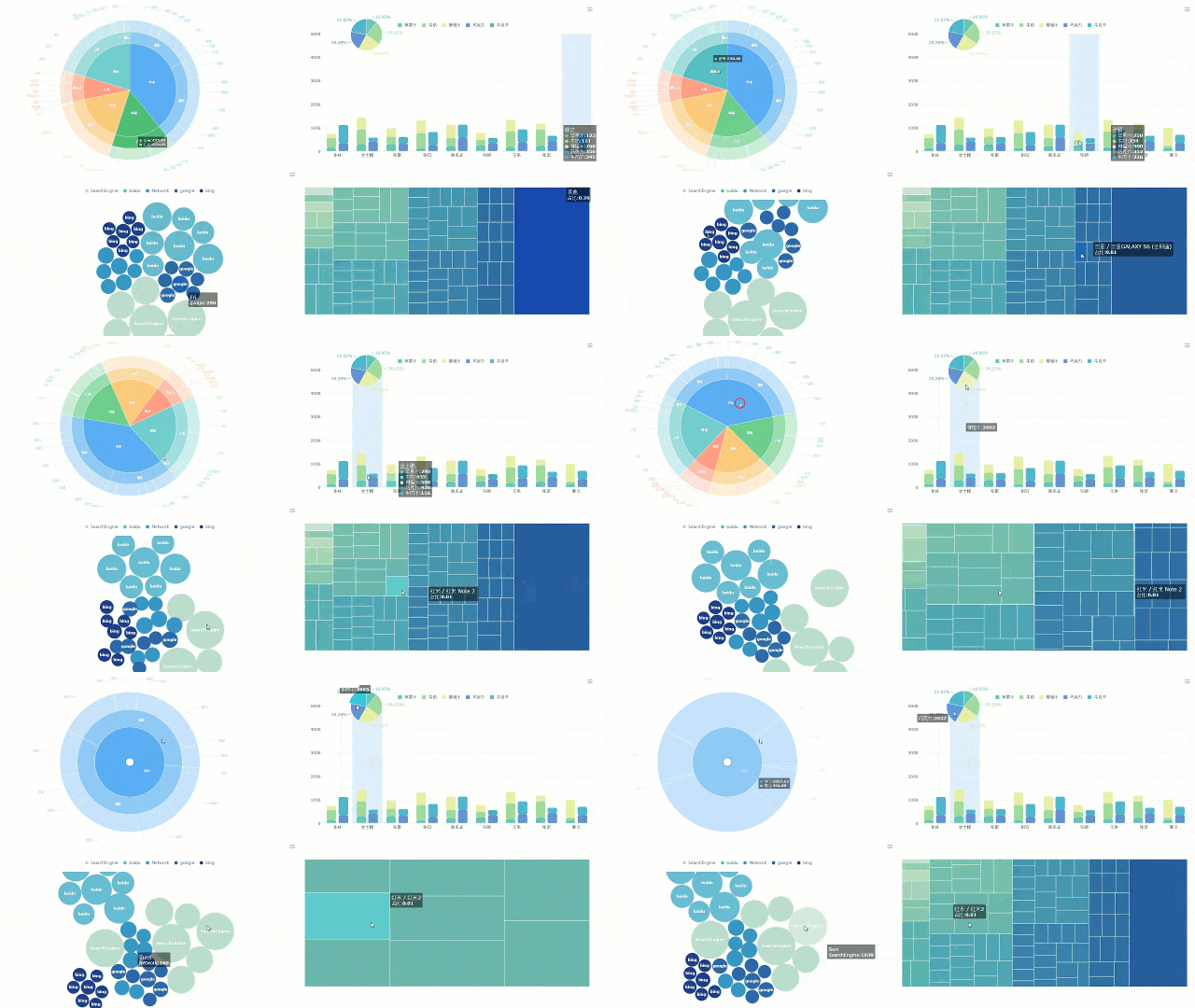
Comprehensive Data Visualization
Use visual tools to make informed decisions and boost efficiency.
Seamless Data Integration
Eliminate silos by connecting ERP, MES, and SRM systems.
Reporting Functionalities
Access various reporting features and real-time insights on one platform.
Low-code Functionality
Build dashboards and reports quickly, even without coding skills.
End-to-end Visibility
See everything from raw material procurement to product delivery.
Proactive Risk Management
Spot risks early and optimize inventory.
Real-time Analytics
Use real-time information for predictive planning and proactive maintenance.
You can use FineReport for manufacturing, logistics, and any business that needs supply chain management SaaS with strong data-driven decision-making. The platform helps you reduce costs, optimize efficiency, and improve collaboration. If you want end-to-end visibility and advanced supply chain analytics, FineReport is a top choice.
Additional Noteworthy Solutions
You have even more options for supply chain management software in 2026. Here are a few worth checking out:
Supplier risk management, supply chain visibility, trade compliance, agentic AI for workflow automation.
Prewave
[Details not provided]
These supply chain management systems offer advanced supply chain analytics, real-time tracking, and support for complex networks. You can use them to reduce costs, manage risks, and keep your supply chain running smoothly.
Comparison Table: Features and Pricing
You want to know how the top supply chain tracking software stacks up in 2026. Let’s look at the features and pricing side by side. This helps you see which platform fits your needs and budget.
You see that some platforms, like Flowlity, focus on real-time collaboration with suppliers. Others, such as Coupa and Manhattan Associates, put more emphasis on internal coordination. FineReport stands out with flexible deployment and strong data integration, giving you end-to-end visibility.
Supply Chain Management SaaS vs. On-Premise Solutions
You might wonder if SaaS or on-premise is better for your business. Here’s a quick comparison to help you decide:
Aspect
SaaS Solutions
On-Premise Solutions
Cost
Subscription-based, lower upfront costs
High upfront investment
Long-term Cost
Ongoing fees may add up over time
Lower ongoing costs after setup
Scalability
Easy to scale, elastic resources
Scaling is complex, needs more hardware
Security
Vendor invests in strong security measures
You control security, need in-house experts
SaaS-based warehouse management systems usually offer lower total cost of ownership.
You get greater scalability with SaaS, so you can adjust resources as your business grows.
IT efficiency improves because the vendor manages the infrastructure.
Tip: If you want flexibility and quick setup, SaaS might be your best bet. If you need full control and have a skilled IT team, on-premise could work for you.
You have choices. Think about your goals, budget, and how much control you want over your data. The right solution helps you stay agile and competitive.
How to Select the Best Supply Chain Tracking Software
Assessing Business Needs
You want supply chain tracking software that fits your business like a glove. Start by looking at what you really need. Here’s a simple checklist to guide you:
Check if the software can be configured for your unique processes.
Find a vendor who understands your industry.
Ask about ongoing support and updates.
Look for advanced features that match your strategy.
Read customer reviews to see how the vendor performs.
Decide if you prefer cloud-based or on-premise solutions.
Make sure the vendor’s culture matches yours.
Tip: FineReport offers flexible integration and real-time analytics, making it a smart choice for businesses with complex data needs.
Matching Features to Goals
Now, match the software’s features to your goals. You want tools that solve your biggest problems and help you grow. Here are some features to look for:
Inventory Management: Track stock levels in real time and avoid shortages.
Order and Shipment Tracking: See where every order is and keep customers informed.
Supplier Relationship Management: Manage contracts and measure supplier performance.
Demand Forecasting and Analytics: Spot trends and adjust your operations.
Logistics Management: Optimize delivery routes and cut down on delays.
Capacity Planning: Use your assets wisely and plan production better.
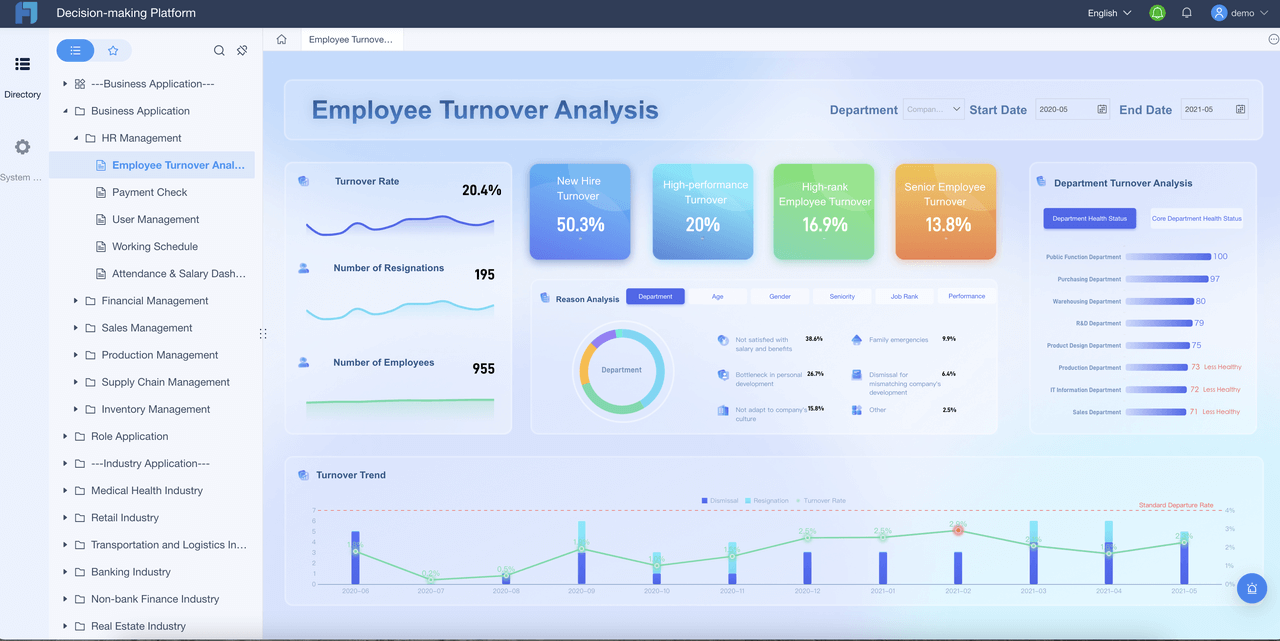
Note: FineReport’s dashboards and reporting tools help you visualize these features and make smarter decisions.
Implementation and Support
Getting new software up and running takes planning. You want a smooth transition and strong support. Here’s how you can make it happen:
Map your old data to the new system.
Clean up and standardize your data for accuracy.
Integrate with other platforms for seamless workflows.
Test everything before going live.
Use personalized dashboards to manage inventory and sourcing.
Train your team so everyone feels confident.
Set up help desks and user forums for ongoing support.
User adoption is key. When your team knows the system, you get better results and fewer headaches.
FineReport stands out for easy integration, strong analytics, and flexible deployment. You get the support you need to keep your supply chain running smoothly.
You’ve seen how integration capabilities and real-time analytics can transform your supply chain. When you choose software, look for ai-powered visibility and seamless data flow. Here’s a quick table to help you focus on what matters most:
Factor
Description
Real-time tracking
Stay proactive and transparent.
Integration
Break down silos for smooth information flow.
Cost reduction
Streamline operations and save resources.
Security features
Protect your supply chain from threats.
If you want to move forward, consider these strategies:
Strategy
Description
Leadership Buy-in
Get support from top executives.
Tailored Dashboards
Build dashboards for each department.
Clear Communication
Share goals and benefits with your team.
Accessibility
Make analytics easy to reach on any device.
Ongoing Training
Help users feel confident with new tools.
Explore demos, talk to vendors, or check out case studies. You’ll find the right fit for your business and future growth.
Continue Reading About supply chain tracking software
End-to-end visibility and real-time insights to optimize sourcing, inventory, and logistics.
FAQ
How do you integrate supply chain tracking software with existing systems?
You connect most platforms using built-in APIs or data connectors. FineReport supports over 100 data sources, so you can link ERP, CRM, and IoT devices without coding.
Can you deploy supply chain tracking software on-premise or in the cloud?
Yes! Many solutions, including FineReport, offer both SaaS and on-premise options. You choose what fits your business best.
What analytics features should you expect?
You get real-time dashboards, predictive analytics, and automated reporting. These tools help you spot trends, manage risks, and make smarter decisions.
How do you get support and training for new software?
Most vendors provide onboarding, help desks, and user forums. You can access tutorials, live chat, and personalized training to help your team succeed.