Fund regulatory reporting services are no longer just about assembling forms before a deadline. For fund managers, compliance leaders, finance teams, and administrators, the real challenge is building a repeatable workflow that turns fragmented operational data into accurate, reviewable, and audit-ready submissions.
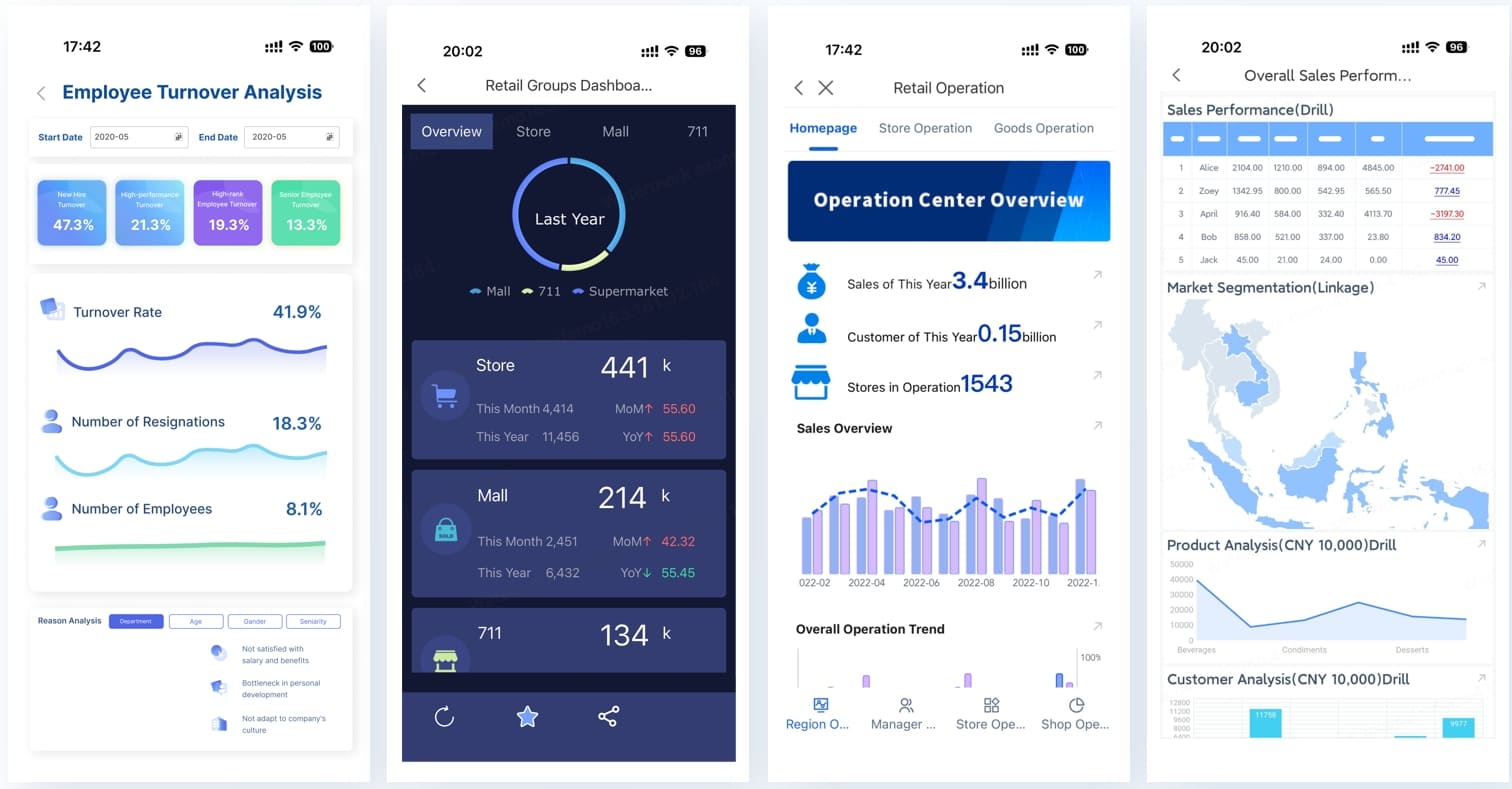
In practice, that means combining a trusted reporting and operational cockpit foundation with an AI assistant upgrade. With FineReport + Dora, teams can ask for a report summary in chat, generate structured narratives from trusted report assets, receive scheduled briefings, and push exceptions to the right owner. This approach helps reduce manual chasing, improve review discipline, and make reporting cycles easier to govern across entities, strategies, and jurisdictions.
Click To Try The Dashboard
All reports in this article are built with FineReport
Fund regulatory reporting services support the end-to-end process of preparing, checking, approving, and submitting required regulatory reports for funds. The scope often spans multiple fund structures, legal entities, reporting frameworks, and filing cycles. Depending on the operating model, the service may include data aggregation, validation, report drafting, exception management, approval coordination, and filing evidence retention.
For many firms, the value of these services is not only technical compliance. It is operational control. A well-run reporting process reduces filing risk, shortens review cycles, and gives management better visibility into what is complete, what is delayed, and what needs escalation.
Fund teams typically rely on these services in different ways:
Fund managers need confidence that filings reflect the underlying books, valuations, and investor records.
Compliance teams need a defensible process with documented controls, issue tracking, and submission proof.
Finance leaders need reporting timeliness, reconciliation discipline, and audit readiness.
Fund administrators need a clear workflow for data preparation, review responsibilities, and regulator-specific submission steps.
Preparing reports means assembling required fields, calculations, schedules, and templates.
Validating data means checking completeness, consistency, reconciliations, and rule-based logic.
Reviewing exceptions means investigating anomalies, documenting explanations, and obtaining approvals.
Managing submissions means handling filing methods, evidence retention, deadlines, and status tracking.
This distinction matters because many reporting failures do not come from calculation logic alone. They come from unclear ownership between these stages.
Core components of an accurate, audit-ready reporting workflow
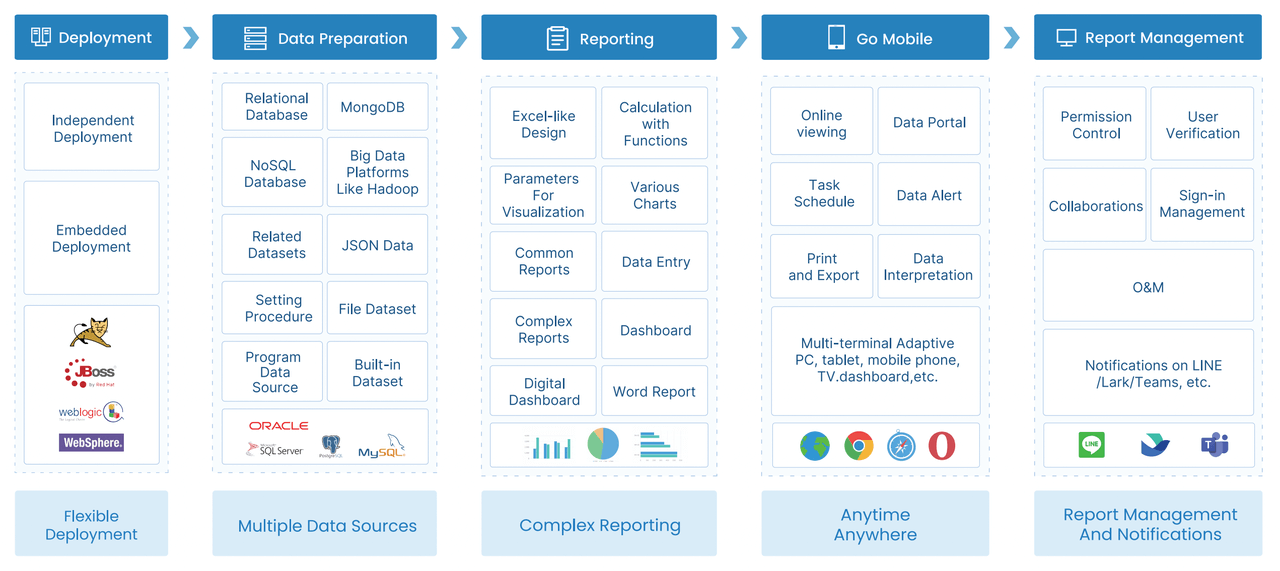
An audit-ready reporting workflow depends on more than a checklist. It requires a controlled reporting process that standardizes data inputs, enforces reviews, and preserves evidence at every step. FineReport helps enterprises build that trusted reporting foundation with formatted reports, complex reports, operational cockpits, and reporting workflows. Dora adds the enterprise Data Agent layer that helps teams query, summarize, alert, and follow up on top of those reporting assets.
Source data collection and standardization
The first requirement is turning raw fund data into a controlled reporting input set. In many organizations, critical data elements are spread across portfolio accounting systems, investor servicing platforms, valuation files, administrator reports, compliance tools, spreadsheets, and email attachments. Without standardization, every reporting cycle becomes a manual data hunt.
A better approach is to map all required reporting fields into a governed reporting workflow:
portfolio accounting balances
investor and ownership records
instrument and issuer reference data
valuation inputs and pricing files
cash, custody, and position records
compliance classifications and legal entity mappings
For each field, teams should define:
the official source
cut-off time
transformation rule
owner
review responsibility
escalation path if the field is missing or inconsistent
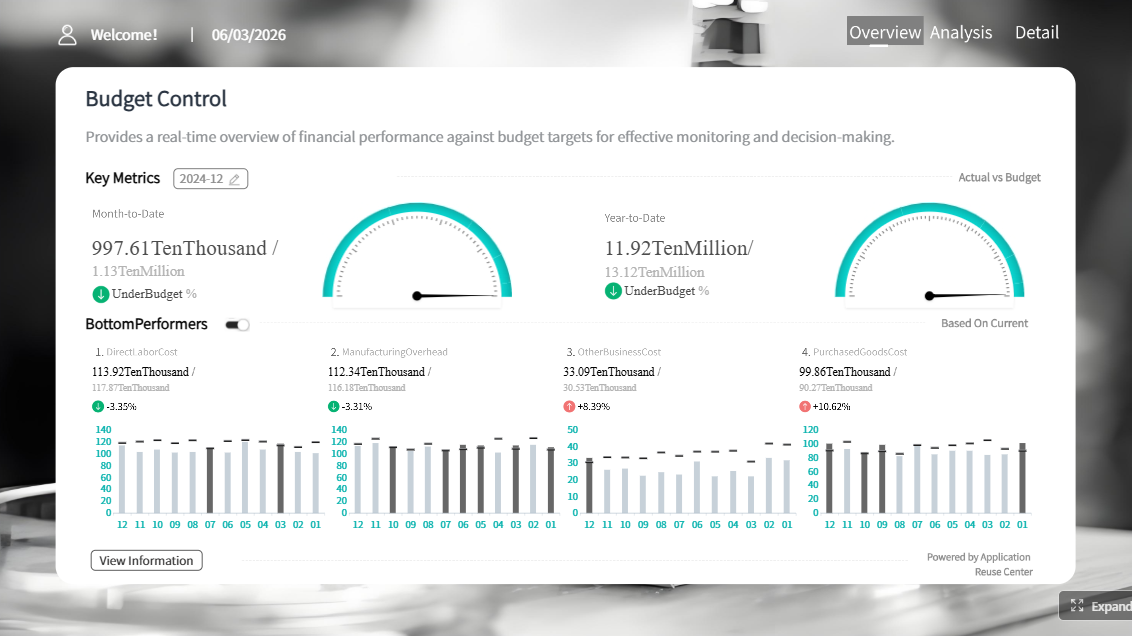
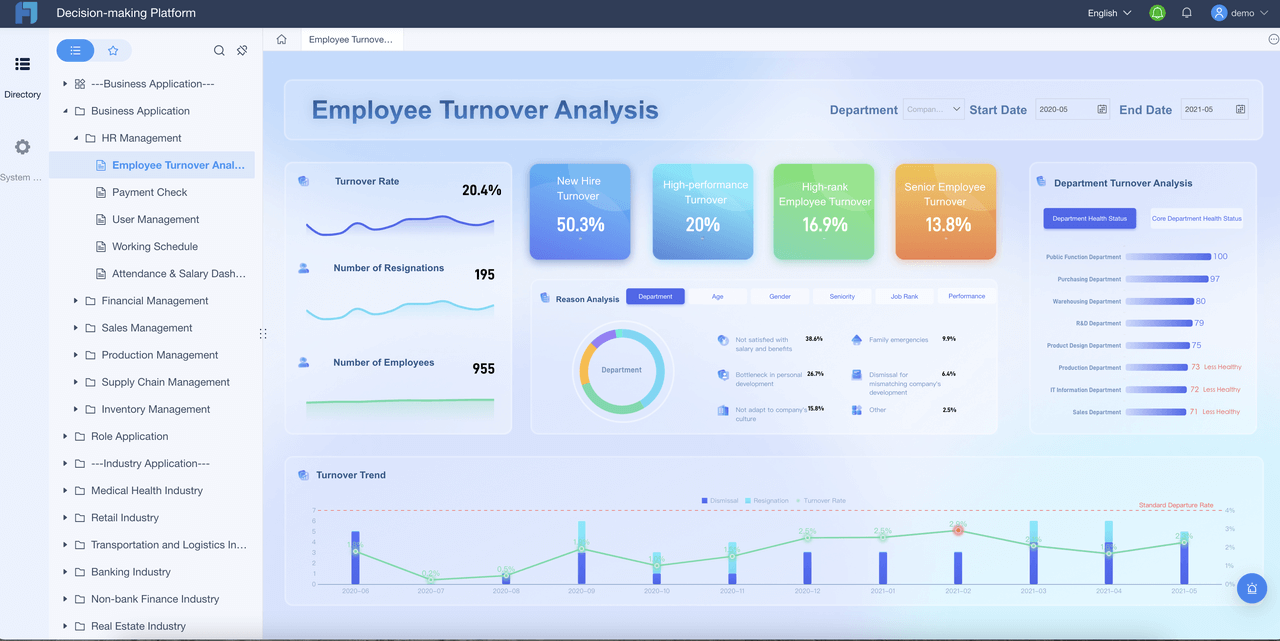
This is where FineReport is especially valuable. It can consolidate regulated reporting views, formatted review packs, and operational cockpit pages that show reporting readiness by fund, jurisdiction, and deadline. Instead of relying on disconnected files, teams get a common reporting layer built around controlled templates and governed metrics.
Report Element: Data completeness status Definition: A view of whether all required fields and source files have been received and loaded for a reporting cycle. Business value: Prevents teams from drafting filings based on partial data. AI use:Dora can summarize missing inputs, identify overdue data owners, and include data readiness in a scheduled management briefing.
Report Element: Source-to-report mapping Definition: A controlled mapping between source systems and regulatory report fields. Business value: Makes report preparation repeatable and easier to defend during audits. AI use:Dora can explain where a reported value came from and point users back to the trusted FineReport source report.
Report Element: Cut-off governance Definition: Defined timing rules for what data is included in a reporting period. Business value: Reduces disputes caused by late-arriving adjustments and inconsistent close assumptions. AI use:Dora can flag records loaded after cut-off and notify owners when review is required.
Review controls and exception handling
Even when source data is available, filings are still at risk if control checks are weak. Strong fund regulatory reporting services create a review layer before submission. This should include completeness checks, reconciliations, outlier detection, rule-based validations, and issue documentation.
Typical pre-filing controls include:
required field completeness checks
period-over-period movement review
reconciliation to accounting books and administrator records
threshold-based outlier checks
legal entity and jurisdiction rule validation
duplicate or inconsistent record detection
Exception handling is equally important. A good process does not just show that something failed. It shows who owns the issue, what evidence was reviewed, what resolution was applied, and who approved the final treatment.
Report Element: Reconciliation status Definition: Comparison of reporting data against accounting books, administrator reports, and other control totals. Business value: Helps ensure reported figures are supported by trusted financial records. AI use:Dora can summarize unreconciled items, classify exception types, and prepare reviewer briefings for sign-off meetings.
Report Element: Validation exceptions Definition: Rules-based errors, warnings, and outliers that require attention before filing. Business value: Prevents unsupported or non-compliant values from moving forward. AI use:Dora can generate chart-based answers explaining the largest exception clusters and push alerts to responsible users.
Report Element: Approval queue Definition: A tracked list of reports or sections awaiting review and approval. Business value: Strengthens accountability and reduces bottlenecks before deadlines. AI use:Dora can send periodic reminders, summarize pending items by owner, and follow up on overdue approvals.
Filing preparation and submission management
The final stage is often where operational risk peaks. Even if data is largely correct, teams still need to organize filing calendars, draft packs, approval records, submission procedures, and evidence retention. This stage is especially sensitive in cross-border structures, where requirements differ by jurisdiction and filing channel.
A strong submission workflow should cover:
regulatory calendar management
draft generation and version control
reviewer and approver sign-off
submission method tracking
confirmation capture
evidence retention
post-submission issue logging
FineReport can support this by providing submission tracking reports, approval dashboards, and historical filing records. Dora can sit on top of those assets as a governed AI workflow layer, helping users query filing status in natural language and receive structured summaries of what is complete, pending, or at risk.
Report Element: Filing calendar dashboard Definition: A centralized schedule of reporting deadlines by fund, regulator, and jurisdiction. Business value: Keeps teams aligned on timing and reduces missed deadline risk. AI use:Dora can generate daily or weekly briefing summaries of upcoming obligations and owners.
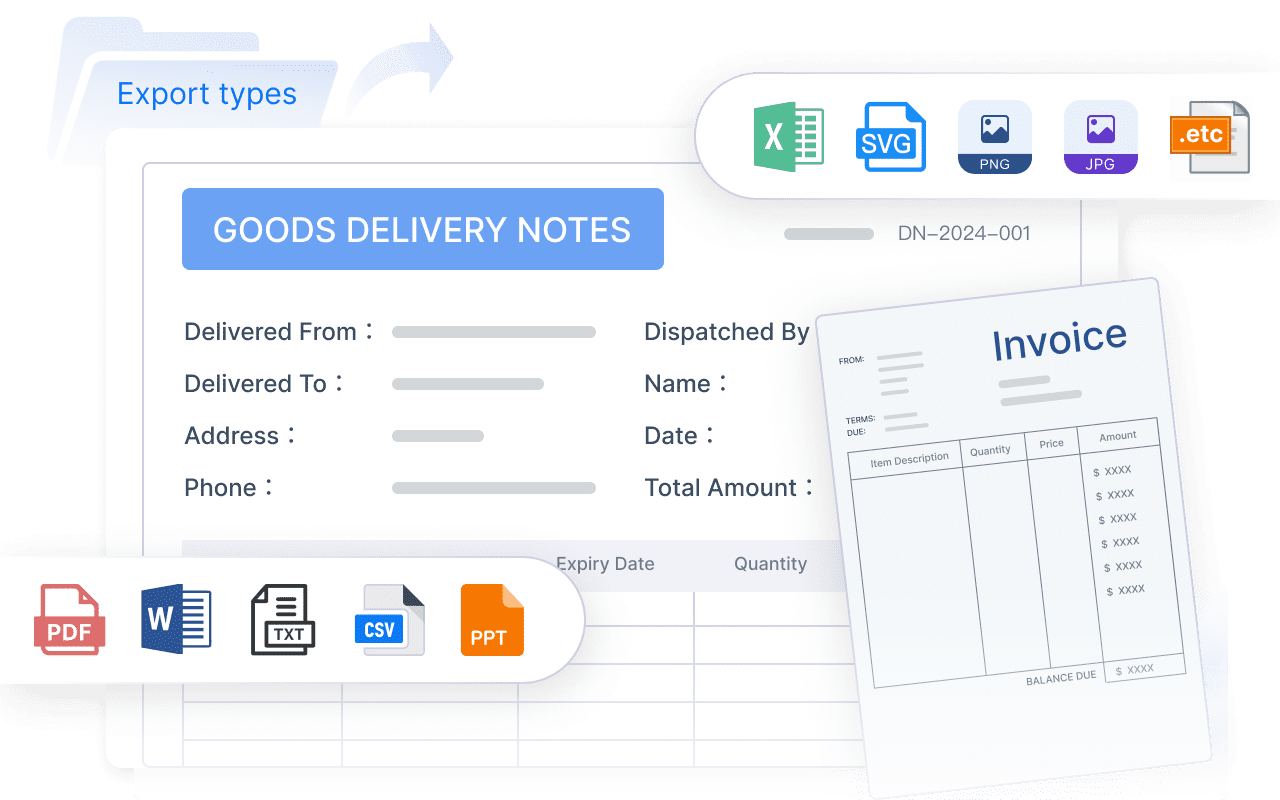
Report Element: Submission evidence log Definition: A record of when a filing was submitted, by whom, through which channel, with what confirmation. Business value: Provides critical audit support and regulator response readiness. AI use:Dora can retrieve proof-of-submission records and summarize missing evidence items.
Report Element: Version history Definition: A tracked record of report changes, approvals, and final filed versions. Business value: Makes the reporting process easier to review and defend. AI use:Dora can explain what changed between drafts and identify approvals tied to the final submission package.
Even sophisticated fund teams struggle when reporting volume, complexity, or regulatory change outpaces operational discipline. Most recurring issues fall into three categories.
Data fragmentation across systems
Fund reporting rarely starts from one clean system. Data may come from administrators, custodians, internal general ledgers, risk systems, valuation providers, and compliance tools. The same position or investor record may appear differently across platforms due to timing, formatting, or classification differences.
This fragmentation creates several problems:
mismatched records across sources
inconsistent entity or instrument identifiers
duplicate manual adjustments
uncertainty about the official value to report
A FineReport-based operational cockpit can reduce this friction by bringing core reporting views into a single governed layer. Dora then improves consumption of those trusted assets by answering questions in chat, retrieving the right report section, and summarizing discrepancies for reviewers.
Late adjustments and version control issues
Many reporting delays happen after the close, when updated valuations, corrections, or administrator adjustments arrive late. Teams then patch spreadsheets, circulate revised files, and struggle to confirm which version is current.
Common symptoms include:
multiple draft files in email chains
unsupported post-close changes
duplicate version naming
approval confusion caused by outdated attachments
This is where workflow discipline matters. A controlled reporting process should show which version is active, which issues remain open, who approved each stage, and whether late changes were incorporated before filing. Dora can support this as a Daily Briefing Secretary or Report Researcher, pushing structured updates on outstanding revisions and overdue sign-offs.
Evolving rules and cross-border complexity
Fund regulatory reporting services must also account for changing rules, filing formats, and local timing requirements. A process that works for one market may not satisfy another. Firms operating across jurisdictions often need multiple templates, different approval chains, and distinct evidence standards.
The operational risk here is not just complexity. It is inconsistency. If rule interpretation, data definitions, and submission methods vary informally across teams, review quality declines and audit exposure increases.
This is why enterprise-ready reporting needs more than static templates. It needs governed KPI definitions, permission controls, semantic rules, and repeatable workflows. FineReport provides that reporting foundation. Dora adds the AI assistant layer that helps users access, understand, and act on the right reporting outputs without searching across disconnected files.
Audit-ready reporting is the result of clear ownership, documented controls, and measurable improvement over time. The process must prevent unsupported reports from progressing while still giving teams enough visibility to meet deadlines.
Assign roles, responsibilities, and review checkpoints
A strong operating model separates preparation, review, approval, and submission responsibilities. This protects the integrity of the process and creates cleaner accountability.
Key role design principles include:
separate data preparation from approval
define named owners for each report section or entity
establish reviewer thresholds for material changes
block incomplete reports from moving into approval status
require documented justification for overrides
For executives, this matters because control strength directly affects operational risk and regulator readiness. Dora is not an AI experiment. It is a landed digital employee for recurring reporting work such as periodic regulatory packs, exception summaries, overdue approval follow-up, and owner notification.
For IT teams, the role shift is equally important. IT moves from manually building every report to optimizing data connections, semantic layers, permissions, report templates, and reusable agent Skills that support recurring reporting scenarios.
Document controls and retain evidence
Every reporting cycle should leave behind a complete record of how the filing was prepared and governed. That includes policies, reconciliations, exception logs, approvals, and submission confirmations. If evidence is incomplete or scattered, even a correct filing becomes harder to defend.
A practical evidence package should include:
reporting obligations and deadlines
source data extracts or controlled snapshots
reconciliation results
exception logs and resolutions
approval records
final filed output
submission confirmations
post-cycle lessons learned
FineReport can organize these reporting views and logs into accessible dashboards, management reports, and workflow outputs. Dora can help users retrieve specific records quickly, summarize unresolved control gaps, and produce structured review narratives for meetings and audits.
Measure performance and improve over time
A reliable process is not static. Teams should track reporting timeliness, error rates, recurring exceptions, and remediation trends. Over time, this helps identify whether issues come from source systems, handoff delays, weak controls, or unclear ownership.
Useful metrics include:
on-time submission rate
average exception resolution time
repeat issue frequency
number of late adjustments
approval turnaround time
missing evidence count
These metrics should not sit idle in spreadsheets. FineReport can expose them through management cockpits and operational scorecards. Dora can convert them into scheduled summaries and action-oriented follow-up prompts, helping managers focus on trends rather than manually compiling status updates.
Traditional fund regulatory reporting workflows often stop at report production. Teams still need to read packs, interpret exceptions, chase owners, and prepare status summaries for managers. That consumption layer is where a large amount of manual effort remains.
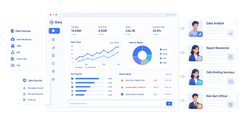
This is where Dora, FanRuan’s enterprise Data Agent platform, creates practical value. Dora acts as an AI assistant or AI digital employee on top of FineReport and existing trusted report assets. Instead of replacing the reporting layer, it helps teams consume it faster and more consistently through chat, summaries, alerts, pushes, and follow-up.
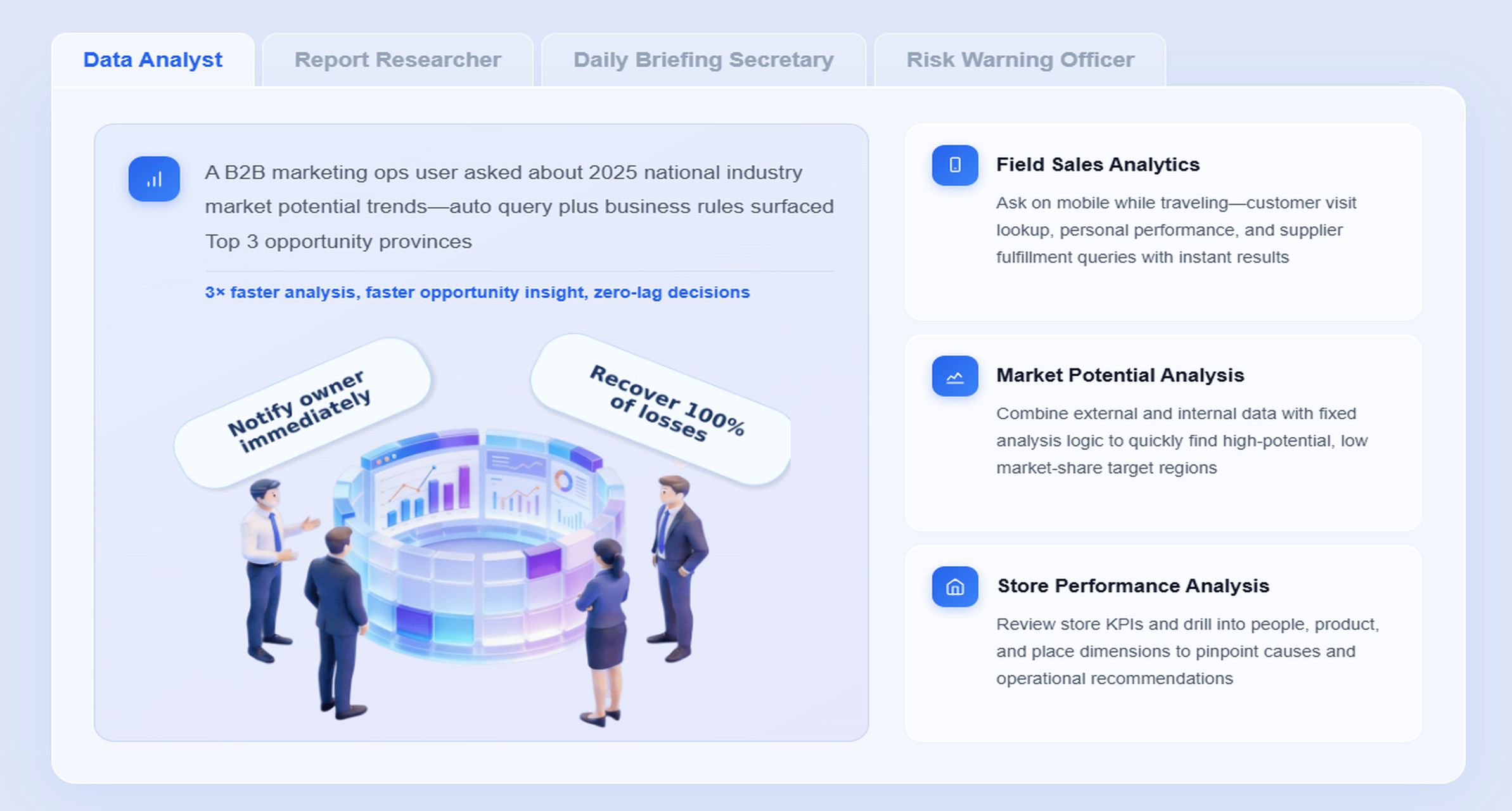
The most relevant digital employees for this scenario are:
Report Researcher for structured report generation from FineReport outputs, templates, charts, and business rules
Daily Briefing Secretary for scheduled reporting updates, review meeting preparation, and owner reminders
Risk Alert Officer for monitoring filing exceptions, overdue approvals, and unresolved reconciliation gaps
Data Analyst digital employee for natural-language report queries and metric explanation
A scenario-specific chat example might look like this:
“Summarize this quarter’s fund regulatory reporting status, highlight unresolved reconciliation exceptions, list filings due in the next 10 days, and show which owners still need to approve.”
Retrieve trusted FineReport report or operational cockpit data. Dora accesses governed filing dashboards, reconciliation reports, approval queues, and exception logs that were built in FineReport.
Understand KPI definitions, report templates, filters, business terms, and semantic rules.
Because FineReport provides the trusted reporting and semantic foundation, Dora can interpret terms such as reporting cycle status, unresolved exception, submission evidence, or overdue approval according to enterprise definitions.
Generate a structured report summary through chat. Dora can produce a management-ready summary of filing progress, outstanding issues, trend movements, and risk points instead of forcing users to read every report manually.
Detect exceptions, overdue items, or threshold breaches. Dora can surface missing data, failed validations, late approvals, or unfiled obligations that meet predefined rules and priorities.
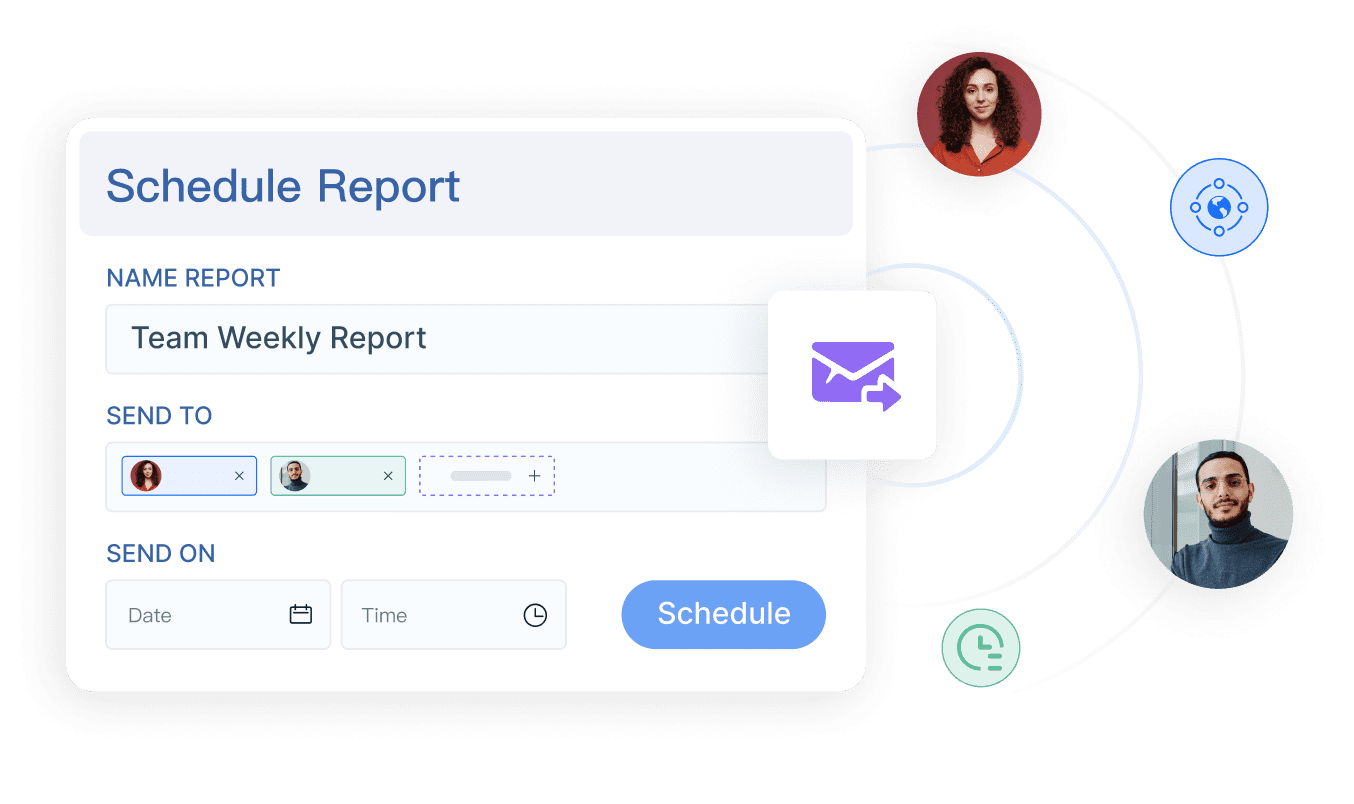
Push summaries and alerts to responsible users.
As a governed AI workflow, Dora can send scheduled briefings, exception pushes, and owner-specific action reminders to the right people.
Produce follow-up records for review. Dora can support daily or weekly summaries, meeting preparation packs, and issue follow-up records so that teams maintain a clearer operational trail.
This model is valuable because many enterprises already have trusted reporting assets, but the consumption process remains slow. Dora improves the last mile of execution:
Natural-language query over trusted reporting assets
Chat-based AI assistant for report consumption
Report, cockpit, metric, and exception retrieval from FineReport assets
Generation of structured report summaries, chart explanations, and management narratives
Scheduled summaries, daily/weekly briefings, exception alerts, and push notifications
Digital employees for repeatable reporting workflows
Skills-based execution for more controllable and auditable AI workflows
Compared with raw prompt-only agents, this approach has stronger enterprise landing capability. It is designed around permissions, semantic rules, KPI governance, report templates, and data quality. It also offers more controlled Skills, lower token waste, faster execution paths, and more stable workflows than a feature-only AI comparison would suggest. For business users, that means less searching. For managers, that means clearer reporting status. For compliance and finance teams, that means a more governed path from report production to report action.
How to evaluate a reporting partner or internal operating model
Choosing the right fund regulatory reporting services model requires more than comparing price or staffing. Firms need to understand whether the provider or internal team can deliver repeatable controls, consistent communication, and technology support that stands up to regulator or auditor scrutiny.
Questions to ask before choosing a provider
When evaluating an outsourced or co-sourced partner, ask questions such as:
What fund structures, jurisdictions, and filing types do you support?
How do you handle source data mapping, validation, and reconciliation?
What is your turnaround model for draft preparation, review changes, and late adjustments?
How are exceptions documented, escalated, and approved?
What technology supports reporting calendars, version control, and evidence retention?
How do you communicate filing status and open issues to stakeholders?
How do you adapt when rules or submission requirements change?
The same questions apply to an internal model. If the process depends heavily on key individuals, informal spreadsheets, or email-only approvals, resilience is limited.
Indicators of a resilient reporting process
Whether the model is outsourced, co-sourced, or fully internal, resilient fund regulatory reporting services usually show the same characteristics:
repeatable controls
transparent ownership
tested procedures
formal review checkpoints
complete evidence retention
clear approval records
readiness for regulator or auditor review
The best operating model depends on scale, complexity, and risk tolerance:
Outsourced model: Useful when internal capacity is limited and external reporting expertise is needed.
Co-sourced model: Useful when firms want internal oversight but need specialist support for complex jurisdictions or peak periods.
Fully internal model: Useful when reporting volume and governance maturity justify in-house control.
In all three cases, technology matters. A resilient process needs a trusted reporting foundation plus a practical consumption layer. FineReport supports the foundation. Dora extends it with AI-assisted report understanding, recurring briefing delivery, exception push, and follow-up execution.
1. Standardize report templates, KPI definitions, and business terms
Define core reporting fields, status labels, exception categories, approval states, and filing milestones in a consistent way. This improves review quality and gives Dora a clearer semantic layer for structured summaries and governed AI workflows.
2. Start with high-value recurring reports
Do not try to automate every regulatory process at once. Start with recurring reporting cycles that involve repeated preparation, exception review, and management updates. This creates faster operational value and makes AI adoption more practical.
3. Build exception rules and escalation paths into the workflow
Set thresholds for missing fields, reconciliation breaks, overdue approvals, and filing risk indicators. Then define who gets notified, when follow-up begins, and how issues are documented. Dora works best when exception logic and ownership rules are explicit.
4. Preserve permission governance and audit boundaries
AI outputs must respect FineReport access boundaries. Reviewers should only see reports, metrics, and evidence they are authorized to access. This is critical for fund structures with strict confidentiality or jurisdiction-specific access limits.
5. Use human review for AI-generated narratives
Dora can generate structured report summaries and management narratives, but these outputs should be reviewed, especially during early rollout. As Skills mature and templates stabilize, teams can expand usage with greater confidence.
Building this manually is complex. FineReport helps teams standardize trusted reports, operational cockpits, templates, and reporting workflows. Dora turns those assets into an AI assistant that can answer report questions in chat, generate structured summaries, push scheduled briefings, monitor exceptions, and follow up with responsible owners.
FineReport creates the governed reporting foundation for filing calendars, validation dashboards, reconciliation packs, approval queues, and submission evidence logs.
Dora acts as the enterprise Data Agent layer that helps teams query those assets in natural language, retrieve exceptions, summarize status, and push actions to owners.
Implementation services connect the operating model across data integration, semantic setup, report design, permissions, Skills, and rollout.
FineReport + Dora is not only a reporting upgrade; it is a practical fourth-generation Agentic BI path. FineReport provides governed reports and operational cockpits. Dora provides the AI assistant layer for scenario execution, with more controlled Skills, lower token waste, faster execution paths, and more stable workflows than prompt-only agents.
Get Ready-to-Use Dashboard Templates in Fine Gallery
The strongest Dora pitch is scenario + product + service: FineReport provides the trusted reporting foundation, Dora provides the AI digital employee, and implementation service connects data, governance, semantic setup, Skills, report templates, permissions, and rollout.
Final checklist for building a reliable reporting process
Review exception logs and ensure every material issue has a documented resolution
Confirm report versions, approvals, and final filing packages are clearly identified
Retain evidence of sign-offs, submission confirmations, and supporting records
Track cycle performance, including timeliness, errors, and repeat issues
Review lessons learned after each cycle and update the workflow before the next period
A reliable reporting process is not built from forms alone. It comes from trusted reporting assets, strong controls, and clear execution. With FineReport + Dora, fund teams can move from manually preparing and chasing regulatory reports to a more governed model where reporting status is visible, exceptions are actionable, and audit readiness is easier to sustain.
They usually cover data aggregation, validation, report preparation, exception handling, approval workflows, submission tracking, and evidence retention. The goal is to make filings accurate, timely, and defensible.
Most issues come from fragmented source data, unclear ownership, and weak review controls rather than calculation logic alone. When responsibilities across preparation, validation, review, and submission are not clearly defined, filing risk rises quickly.
Firms need standardized source data, documented mapping rules, controlled review steps, and retained proof of approvals and submissions. A governed workflow makes each reporting cycle easier to trace and defend.
FineReport provides the trusted reporting layer with structured reports, dashboards, and workflow visibility, while Dora adds AI-driven summaries, alerts, and follow-up support. Together they help reduce manual chasing and improve reporting discipline across teams.
They should route exceptions to named owners, document explanations, and escalate unresolved issues before submission deadlines. This helps prevent incomplete filings and gives management clear visibility into reporting status.
Product Trial
FineReport
Pixel-perfect reports · Interactive dashboards · Easy data entry · Digital twins