Asset managers do not need more ESG noise. They need a practical sfdr reporting solution that helps them collect sustainability data, calculate required indicators, coordinate reviews, and produce defensible disclosures on time.
That is the real challenge behind SFDR: not just understanding the regulation, but operationalizing it across products, teams, data vendors, methodologies, and reporting cycles. Firms must support recurring reporting and operational oversight while reducing spreadsheet risk and improving accountability.
With FineReport + Dora, teams can ask for a report summary in chat, generate structured narratives from trusted report assets, receive scheduled briefings, and push exceptions to the right owner. In practice, that means a compliance lead, ESG analyst, or reporting manager can move faster from raw sustainability inputs to controlled management reporting and follow-up.
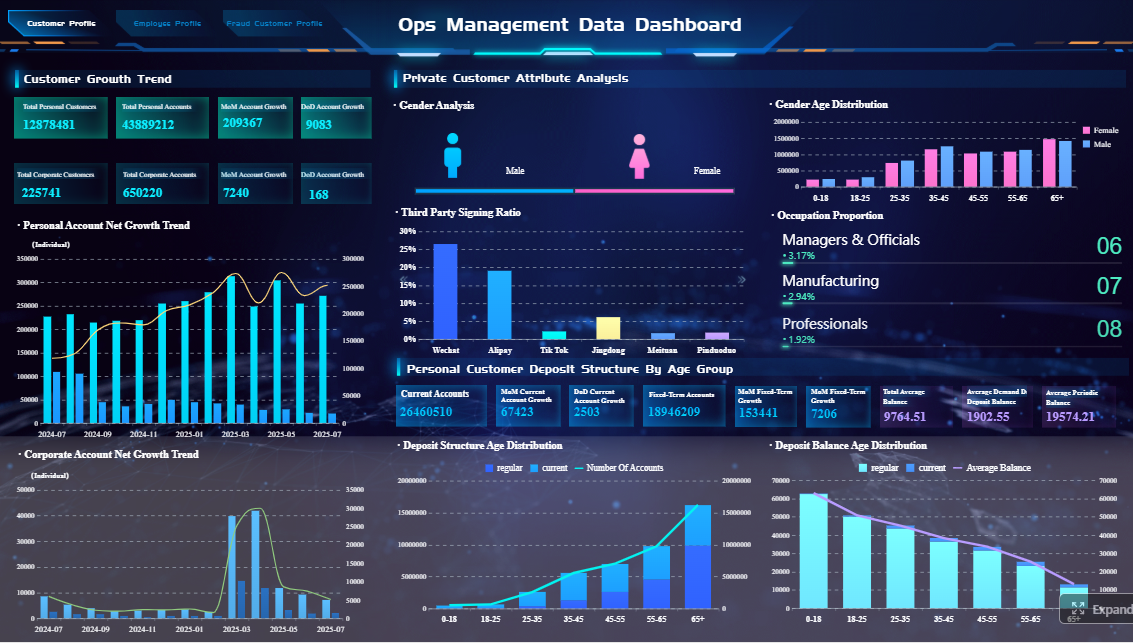
Click To Try The Dashboard
All reports in this article are built with FineReport
An sfdr reporting solution helps asset managers turn sustainability disclosure requirements into a repeatable operating process. It sits between fragmented source data and final regulatory or investor-facing outputs.
At a practical level, the solution should help firms:
collect sustainability inputs from issuers, data vendors, internal systems, and document repositories
validate and normalize those inputs
apply portfolio- and product-level methodologies
support Article 6, 8, and 9 product disclosure workflows
produce entity-level and periodic reporting outputs
preserve evidence, approvals, and audit trails
This matters because SFDR is not one report. It is an ongoing disclosure framework spanning pre-contractual, website, periodic, and entity-level information, often with overlapping data dependencies.
The role of the solution in daily operations
A strong sfdr reporting solution usually supports four layers of work:
Regulatory interpretation support
The firm still owns interpretation, but the platform should reflect current reporting structures, disclosure templates, and rule logic in a usable way.
Data management
The platform should centralize issuer inputs, PAI-related data, taxonomy-linked fields, and portfolio mappings rather than leaving them spread across disconnected spreadsheets.
Workflow automation
It should route tasks, highlight missing data, trigger reviews, and track sign-offs across compliance, ESG, operations, and investment teams.
Final report production
It should generate formatted outputs, management packs, periodic disclosure reports, and internal monitoring cockpits that are consistent and traceable.
How it supports Article 6, 8, and 9 products
An sfdr reporting solution should help distinguish the reporting demands of different product classifications without forcing teams to rebuild everything manually each cycle.
Article 6: Support sustainability risk disclosures and the logic used in product documentation.
Article 8: Support disclosure of promoted environmental or social characteristics, related metrics, and monitoring processes.
Article 9: Support sustainable investment objectives, methodology documentation, and evidence behind more stringent sustainability claims.
It should also support entity-level disclosures, including principal adverse impact processes where relevant, and recurring periodic reporting that reflects updated portfolio holdings and revised data inputs.
What the platform should not be confused with
Many firms evaluate vendors and realize too late that they bought only one part of the process.
A complete sfdr reporting solution is different from:
a pure ESG data feed
a consultancy memo on regulatory interpretation
a disclosure drafting tool without calculation logic
Why SFDR reporting is difficult for asset managers
SFDR reporting is difficult because it combines regulatory ambiguity, imperfect data, repeated calculations, and cross-functional coordination. Even firms with mature ESG programs often struggle when they move from policy intent to production-grade reporting.
Data gaps, quality issues, and methodology choices
Incomplete and inconsistent data is one of the biggest reasons firms seek an sfdr reporting solution.
Issuer disclosures can be uneven. Some data points are self-reported, some estimated, some vendor-derived, and some unavailable. That creates a chain of reporting risk:
missing values at issuer level
inconsistent metric definitions across sources
unclear estimation methodologies
changing assumptions from one reporting period to the next
weak traceability between source field and final disclosure number
PAI alignment makes this harder. Asset managers often need to map multiple source fields into portfolio-level indicators, while also documenting exclusions, data coverage, fallback rules, and calculation assumptions.
Key SFDR data and report elements
Below are the reporting elements most firms must operationalize.
Product classification data: Inputs used to support Article 6, 8, or 9 treatment. Business value: Reduces classification inconsistency and supports product governance. AI use:Dora can summarize classification-related inputs, flag missing evidence, and include open issues in scheduled review briefings.
Principal adverse impact indicators: Environmental and social indicators used to assess adverse sustainability effects. Business value: Critical for entity-level and product-related sustainability transparency. AI use:Dora can explain unusual PAI movement, summarize data coverage gaps, and push exceptions to owners.
Taxonomy-related inputs: Data linked to taxonomy alignment calculations or related sustainability categorization needs. Business value: Supports defensible sustainability positioning and recurring disclosure consistency. AI use:Dora can compare current versus prior-period taxonomy input completeness and generate a structured status summary.
Portfolio holdings and mapping logic: Security master, issuer mapping, fund look-through, and position weights. Business value: Ensures the right data is attached to the right product and reporting perimeter. AI use:Dora can identify mapping exceptions and provide a chart-based answer on unresolved portfolio coverage issues.
Methodology documentation: Rules for estimation, exclusions, thresholds, and calculation logic. Business value: Essential for internal consistency, regulator questions, and investor scrutiny. AI use:Dora can retrieve methodology notes linked to a report section and summarize where assumptions changed.
Transparent methodology matters as much as data coverage. A number that cannot be traced or explained is difficult to defend.
Methodology choices often live in email threads, meeting notes, or analyst memory. That creates risk during audits, internal challenge, or staff turnover.
How to avoid it:
keep methodology notes in the reporting workflow
preserve evidence attachments and approval records
maintain version history for calculation logic and templates
require reviewer comments on material changes
Core capabilities to look for in a reporting platform
A strong sfdr reporting solution should do more than visualize ESG data. It should create a controlled reporting environment that holds up under scrutiny and reduces recurring manual effort.
Data aggregation and calculation engine
The calculation layer is the backbone of the solution. Without it, teams remain stuck in reconciliation mode.
Look for support for:
integration with ESG data providers, internal position systems, and reference data
mapping across issuer, security, fund, and portfolio levels
normalization of differently formatted fields
PAI calculations and reusable portfolio logic
reusable disclosure templates
exception handling for incomplete or low-confidence inputs
What separates mature platforms from weaker ones is traceable calculation logic. Asset managers should be able to understand:
which source field fed each output
what mapping logic was applied
what exclusions or estimates were used
how portfolio aggregation was performed
which version of methodology was active at the time
That transparency is essential for defensibility.
Reporting workflows, controls, and audit readiness
Workflow is often underestimated during vendor selection. But for recurring compliance work, it can determine whether the solution actually lands.
A mature platform should support:
task assignment and deadline tracking
approval workflows
evidence capture
version control
sign-off records
control points linked to policy requirements
exception queues and remediation follow-up
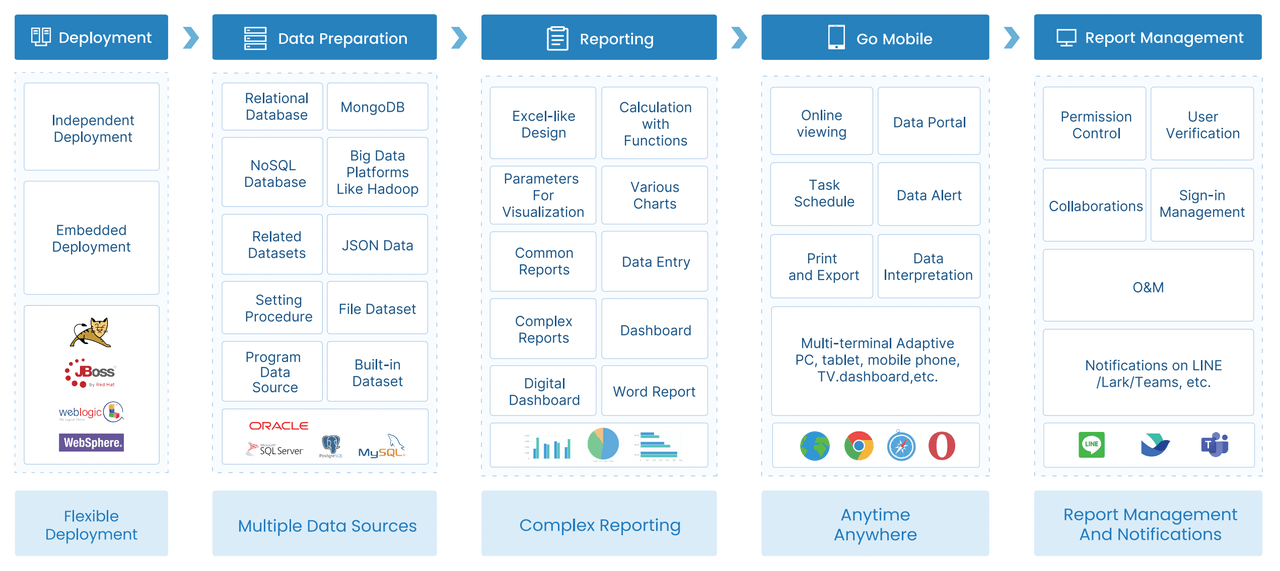
This is where FineReport is especially valuable as the reporting foundation. It can standardize formatted reports, management reports, operational cockpits, exception lists, and recurring disclosure packs so that teams are not manually assembling output files every cycle.
For IT and data teams, this changes the role from constantly producing one-off reports to building governed templates, semantic rules, permissions, and reusable workflows.
Software alone is not always enough. Some asset managers already have a mature methodology and simply need better reporting automation. Others need software plus onboarding and operating model support.
Firms often need advisory support when they are dealing with:
first-time SFDR operating model design
unclear ownership between compliance and ESG teams
The right provider should be clear about where software ends and where implementation services begin.
How AI can improve the SFDR workflow
AI can help in SFDR reporting, but only when it is deployed inside a governed reporting workflow. It should accelerate retrieval, summarization, exception handling, and follow-up, not replace human accountability.
Where AI adds value without replacing governance
Useful AI applications in SFDR reporting include:
extracting data from source documents and templates
classifying sustainability-related fields
triaging exceptions and missing inputs
drafting structured narrative summaries
explaining chart changes and KPI movement
supporting review quality checks
producing scheduled management briefings
But methodology choice, regulatory interpretation, approval, and final sign-off still require human ownership.
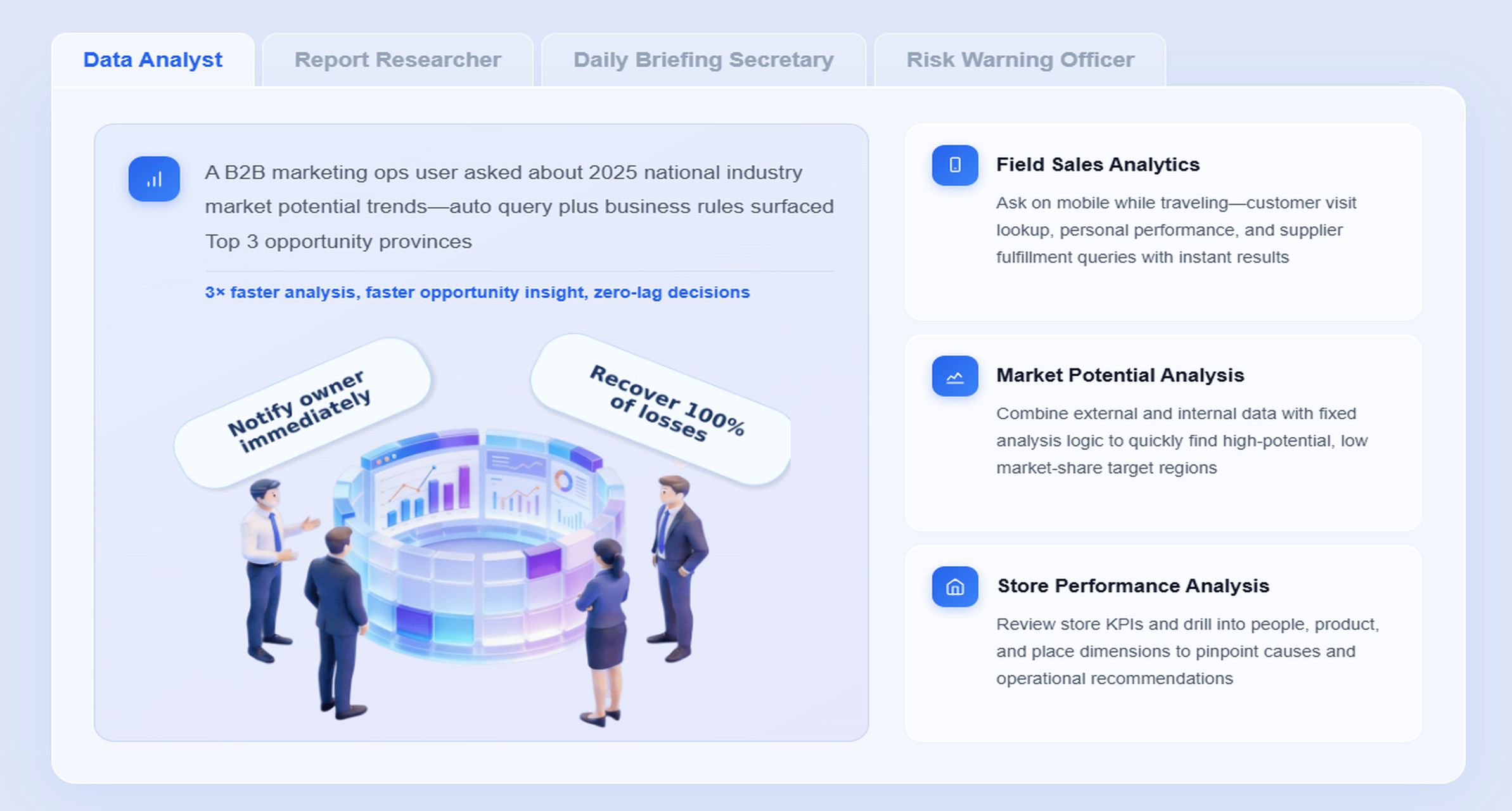
This is where Dora should be understood correctly: not as a generic chatbot, but as an enterprise Data Agent layer that works on top of trusted FineReport assets and governed enterprise data. Dora helps firms move from static reporting to Agentic BI for recurring reporting work.
In SFDR reporting, many delays happen after the calculations are already done. Teams still need to consume reports, identify exceptions, write narratives, brief stakeholders, and follow up with the right owners. That is exactly where Dora creates practical value.
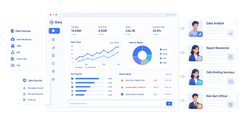
The most relevant Dora digital employees for this scenario are:
Daily Briefing Secretary for scheduled summaries and review preparation
Risk Alert Officer for exception monitoring and owner notification
Data Analyst digital employee for natural-language report queries and metric explanation
FineReport provides the trusted reporting and semantic foundation. It holds the formatted reports, operational cockpits, KPI logic, report templates, permissions, and exception lists. Dora sits on top of that foundation and executes a governed AI workflow.
A concrete chat-style example
A compliance manager could ask:
“Summarize this quarter’s SFDR reporting status for all Article 8 and 9 funds, highlight missing PAI indicators, explain the biggest methodology changes from last quarter, and list the teams that need follow-up before sign-off.”
Dora can then retrieve the right FineReport cockpit, understand governed KPI definitions and workflow states, and return a structured answer linked back to the source reports.
Retrieve trusted FineReport assets Dora accesses the relevant SFDR operational cockpit, report templates, exception lists, and periodic disclosure status reports built in FineReport.
Apply semantic understanding and governance rules Dora reads KPI definitions, business terms, product classifications, report filters, ownership rules, and permission boundaries so responses are based on governed logic.
Generate a structured report summary through chat Dora produces a clear summary of reporting completion status, PAI coverage gaps, methodology notes, and overdue reviews in business language suitable for management consumption.
Detect exceptions and overdue issues
As the Risk Alert Officer, Dora can identify missing data, breached thresholds, unresolved review items, or products nearing reporting deadlines.
Push alerts and briefings to responsible users
As the Daily Briefing Secretary, Dora can send scheduled weekly summaries, sign-off preparation notes, or targeted exception pushes to compliance, ESG, or operations owners.
Create follow-up records for recurring review Dora can support follow-up by logging unresolved items, preparing meeting summaries, and producing periodic recap reports for governance review.
Why this works in enterprise settings
This approach lands better than prompt-only AI because it relies on governed reporting assets instead of free-form answers over unstructured content.
natural-language query over trusted reporting assets
chat-based AI assistant for report consumption
retrieval of report, cockpit, metric, and exception data from FineReport
generation of structured report summaries and chart explanations
scheduled summaries, periodic briefings, and push notifications
digital employees for repeatable reporting workflows
Skills-based execution for more controllable and auditable AI workflows
better enterprise fit through permissions, KPI governance, semantic rules, and report templates
For executives, the value is concrete: Dora is not an AI experiment. It is a practical AI digital employee for recurring reporting work such as SFDR status summaries, periodic disclosure preparation, PAI exception tracking, and owner follow-up.
For IT teams, the value is equally practical: instead of building every briefing manually, they strengthen data connections, semantic layers, governance, permissions, and reusable agent Skills.
For business users, the benefit is lower friction: they can ask questions in chat, receive timely summaries, and get exception pushes without hunting across folders and dashboards.
Before adding AI to the SFDR process, asset managers should ask:
Is the AI grounded in trusted reports and governed semantic definitions?
Can users trace answers back to report sections and source metrics?
Are permissions respected?
Is data lineage visible?
Can exception handling be audited?
Does the workflow fit existing compliance reviews?
Can the firm start with narrow, low-risk use cases?
A phased approach usually works best: start with report summarization, briefing generation, and exception triage before expanding into broader AI-assisted workflow execution.
How to evaluate and choose the right option
Selecting an sfdr reporting solution should be treated as an operating model decision, not just a software purchase.
Build a practical selection framework
Most firms compare three broad paths:
Point solutions
These focus tightly on one area such as ESG data, PAI metrics, or disclosure production.
Best for: Firms with strong internal governance and existing reporting infrastructure. Watch-outs: Integration burden, fragmented workflows, and limited end-to-end auditability.
These combine data, workflows, and reporting features in a more integrated package.
Best for: Firms looking for faster standardization across multiple disclosure processes. Watch-outs: May still need configuration for specific product structures, internal controls, and reporting templates.
In-house approaches
These rely on internal data engineering, spreadsheets, BI tools, and manual controls.
Best for: Firms with unique models, deep internal resources, and strong governance maturity. Watch-outs: High maintenance burden, key-person risk, slower regulatory adaptation, and weak scalability.
Evaluate each option across:
coverage of your product and entity reporting needs
Vendor demos can look polished while hiding operational gaps. Ask direct questions such as:
How do you source and map PAI-related data?
How do you handle missing values and estimation logic?
Can calculation logic be traced and explained?
How are regulatory updates reflected in the system?
How do you preserve methodology version history?
Can the platform support multiple product types and jurisdictions?
How are approvals, evidence, and audit trails managed?
Can users generate formatted reports and operational cockpits from the same governed foundation?
How does AI interact with trusted reports, permissions, and semantic rules?
A vendor should be able to show not just metrics, but workflow maturity.
Plan your next steps
For most asset managers, a practical path looks like this:
run a gap assessment across data, workflow, and reporting outputs
choose one pilot use case, such as periodic reporting for Article 8 funds
define ownership across compliance, ESG, operations, and IT
standardize KPI definitions, templates, and exception rules
roll out reporting automation first, then add AI-assisted report consumption and follow-up
Actionable Best Practices
The firms that make SFDR reporting sustainable usually focus on a few operational disciplines.
1. Standardize report templates and KPI definitions
Use consistent definitions for PAI fields, product classifications, workflow statuses, and methodology notes. This reduces downstream confusion and makes report automation possible.
2. Build a semantic layer inside the reporting workflow
AI works better when business terms, metrics, filters, and report structures are governed. FineReport can provide the trusted reporting and template base, while Dora uses that semantic foundation to answer questions accurately and consistently.
3. Start with high-value recurring reports
Do not try to automate every disclosure artifact at once. Begin with periodic reporting packs, management oversight cockpits, and exception review reports that consume substantial effort every cycle.
4. Preserve permission governance and human review
AI-generated summaries should respect FineReport access boundaries. Keep human review in place for methodology interpretation, legal sensitivity, and final sign-off. Expand Dora Skills gradually as teams gain confidence.
If underlying mappings, source hierarchies, and methodology documentation are weak, AI will only surface those weaknesses faster. Build exception rules, data checks, and remediation workflows into the solution from day one.
Building this manually is complex. FineReport helps teams standardize trusted reports, operational cockpits, templates, and reporting workflows. Dora turns those assets into an AI assistant that can answer report questions in chat, generate structured summaries, push scheduled briefings, monitor exceptions, and follow up with responsible owners.
For an asset manager building an sfdr reporting solution, this matters because the challenge is not only calculation. It is also recurring report consumption, exception visibility, accountability, and timely communication across teams.
FineReport can support the reporting foundation for SFDR operations, including:
Dora adds the AI digital employee layer for repeatable reporting scenarios, such as:
Report Researcher for structured SFDR report summaries
Daily Briefing Secretary for weekly compliance briefings and sign-off preparation
Data Analyst digital employee for natural-language metric explanation
Risk Alert Officer for missing PAI data, overdue approvals, and threshold-based alerts
FineReport + Dora is not only a reporting upgrade; it is a practical fourth-generation Agentic BI path. FineReport provides governed reports and operational cockpits. Dora provides the AI assistant layer for scenario execution, with more controlled Skills, lower token waste, faster execution paths, and more stable workflows than prompt-only agents.
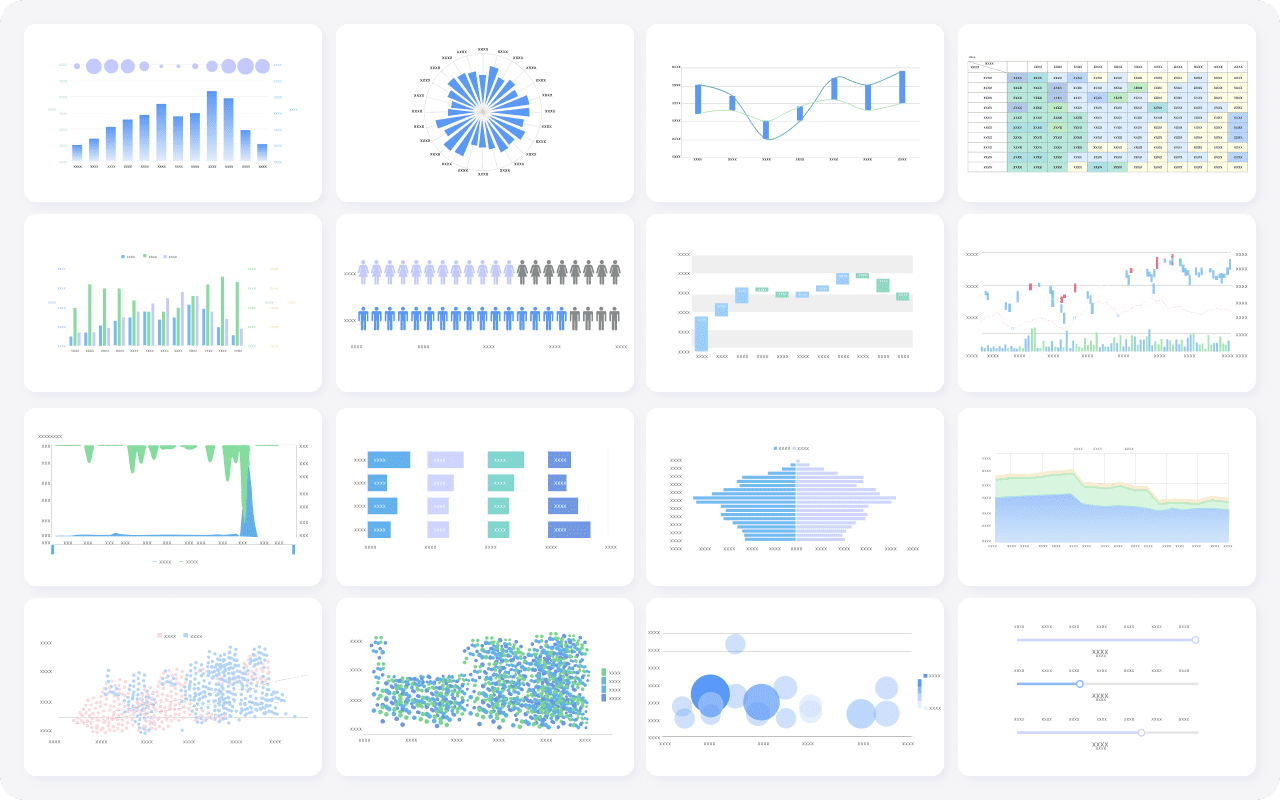
Get Ready-to-Use Dashboard Templates in Fine Gallery
The strongest Dora pitch is scenario + product + service: FineReport provides the trusted reporting foundation, Dora provides the AI digital employee, and implementation service connects data, governance, semantic setup, Skills, report templates, permissions, and rollout.
SFDR reporting solution checklist for asset managers
Use this checklist to identify the solution you actually need:
Do we have a clear inventory of Article 6, 8, and 9 reporting obligations?
Can we trace each critical SFDR output back to its source data and methodology?
Do we have standardized KPI definitions and report templates?
Are ownership and review responsibilities clearly assigned?
Can the platform manage exceptions, approvals, and evidence capture?
Can we produce formatted reports and operational cockpits from the same governed foundation?
Is auditability built into the workflow?
Can we start with a high-value pilot and scale?
If AI is added, is it grounded in trusted reporting assets and permission governance?
Can teams receive structured summaries, alerts, and follow-up prompts without reverting to manual reporting coordination?
If the answer to several of these is no, the right sfdr reporting solution is not just a data provider or dashboard tool. It is a governed reporting and workflow foundation, with AI used carefully to improve report consumption and execution.
An SFDR reporting solution is a platform that helps asset managers collect sustainability data, calculate required indicators, manage review workflows, and produce traceable disclosures. It turns recurring SFDR obligations into a controlled reporting process instead of a manual spreadsheet exercise.
It helps firms apply the right disclosure logic, data requirements, and approval steps for each product type. This reduces rework and keeps product reporting more consistent across reporting cycles.
SFDR reporting depends on fragmented ESG data, evolving methodologies, and coordination across compliance, ESG, and operations teams. Manual processes increase the risk of missing data, inconsistent calculations, and weak audit trails.
Look for centralized data management, transparent calculation logic, workflow automation, approval tracking, and report generation. The best tools also preserve evidence and make it easier to explain how each disclosure was produced.
No, a data provider usually covers only one part of the process. Most firms also need workflow controls, methodology management, reporting automation, and governance to deliver complete SFDR disclosures on time.
Product Trial
FineReport
Pixel-perfect reports · Interactive dashboards · Easy data entry · Digital twins