Record to report accounting is the finance process that turns raw transaction data into reliable financial statements, management reports, and period-end close outputs. For controllers, finance directors, shared service leaders, and accounting managers, this is where operational discipline meets business visibility. If your team struggles with slow closes, reconciliation backlogs, inconsistent journal controls, or scattered spreadsheets, improving the record to report accounting cycle can directly reduce risk, speed up reporting, and strengthen decision-making.
Click To Try The Dashboard
All reports in this article are built with FineReport
Record to report accounting, often called R2R, is the end-to-end finance process used to collect, validate, reconcile, adjust, and report financial data for a given accounting period. In plain terms, it is how finance teams convert thousands or millions of business transactions into a trusted financial story.
It sits at the core of the finance function because it connects operational activity with formal reporting. Sales invoices, supplier payments, payroll entries, fixed asset movements, inventory changes, and intercompany postings all eventually flow into the general ledger. From there, the R2R process ensures the numbers are complete, accurate, supported, and ready for internal and external use.
The business value of record to report accounting is straightforward:
Improves reporting accuracy by validating data before publication
Shortens the close cycle through standard workflows and task ownership
Strengthens financial control with approvals, reconciliations, and audit trails
Supports better decisions with timely and consistent management reporting
Reduces compliance risk through documented controls and review steps
Just as important, R2R is not the same as adjacent finance processes:
Procure to pay (P2P) covers purchasing, invoice processing, and supplier payments
Order to cash (O2C) covers order management, billing, collections, and customer cash application
Record to report (R2R) takes the outputs of those processes and transforms them into period-end financial reporting and analysis
Think of P2P and O2C as transaction-generating workflows. Record to report accounting is the control and reporting layer that consolidates those transactions into usable financial insight.
How the R2R Process Works Step by Step
A strong record to report accounting process is structured, repeatable, and tightly controlled. While exact workflows vary by company, the process usually follows four major stages.
1. Capture and validate financial data
The first step is gathering financial data from across the business and ensuring it is posted correctly. This includes source transactions from operational systems, journal entries from accounting teams, and balances from subledgers such as accounts payable, accounts receivable, fixed assets, inventory, and payroll.
Typical inputs include:
ERP transaction feeds
Manual and recurring journal entries
Subledger balances
Bank interfaces
Intercompany postings
Allocation entries
External system imports
At this stage, finance teams focus on data integrity. They validate chart of accounts mapping, legal entity assignment, accounting period selection, and interface completeness before data reaches the general ledger.
Are there duplicate, incomplete, or misclassified entries?
When this step is weak, downstream reporting problems multiply. A fast close is impossible if the data entering the ledger is inconsistent or unsupported.
2. Reconcile accounts and review balances
Once balances are recorded, the next step is to reconcile accounts and challenge unusual movements. This is where finance teams confirm that reported balances reflect economic reality.
Key activities include:
Balance sheet reconciliations
Bank reconciliations
Intercompany matching
Suspense account clearing
Variance analysis against prior periods, budget, and forecast
Review of unusual account activity
Open item aging analysis
The goal is not only to identify errors, but to explain what changed and why. Reconciliation is one of the most important control activities in record to report accounting because it detects missing, duplicated, misclassified, or unsupported postings before reporting is finalized.
A mature reconciliation process usually assigns a clear owner to each account, sets due dates by risk level, and tracks unresolved items through a close calendar.
3. Post adjustments and complete the close
After reconciling balances, finance teams post the adjustments needed to reflect the correct accounting period. These postings often include estimates, timing adjustments, and classification fixes that are essential for accurate financial statements.
Common adjustment categories include:
Accruals for costs incurred but not yet invoiced
Prepayments for expenses recognized over time
Depreciation and amortization for fixed and intangible assets
Reclasses to correct account or cost center coding
Allocations across business units or entities
Reserves and provisions based on policy and judgment
Eliminations and consolidation entries for group reporting
At the same time, teams complete final close activities such as lock periods, certify reconciliations, review material balances, and finalize consolidation packages.
The quality of this stage determines how many issues reappear after close. Late manual adjustments, poor documentation, and inconsistent approval rules usually lead to post-close corrections and audit friction.
4. Report results and support decision-making
The final stage of record to report accounting is reporting. This is where validated, adjusted ledger data becomes financial output that executives, business managers, auditors, and regulators can actually use.
Outputs typically include:
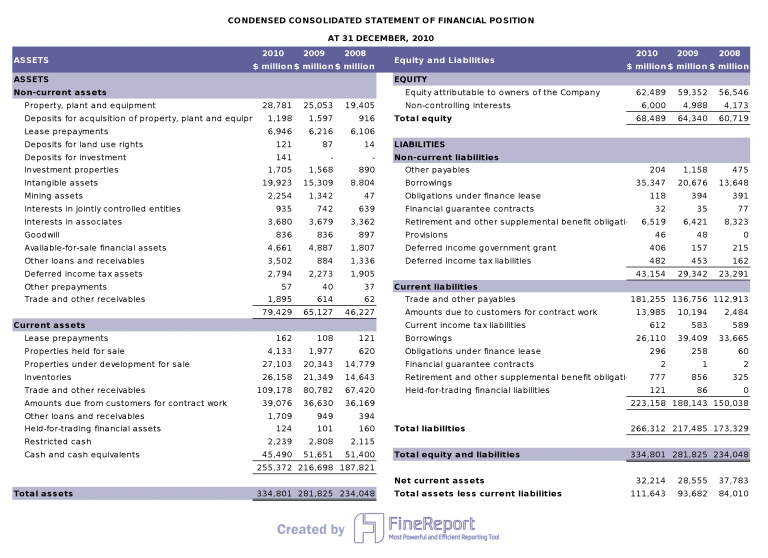
Income statement
Balance sheet
Cash flow statement
Trial balance
Management reporting packs
Board reporting
Regulatory and statutory reports
Entity-level and consolidated reports
Variance commentary and close summaries
This is also where finance adds value beyond compliance. Strong R2R teams do not just issue reports; they explain performance drivers, identify anomalies, and help the business interpret the numbers.
Key Controls That Strengthen the Record to Report Cycle
Controls are what make record to report accounting reliable. Without them, finance may still produce reports, but confidence in the numbers will be low. Effective R2R control design usually combines preventive controls, detective controls, and governance practices.
Preventive controls
Preventive controls stop errors before they enter the reporting process. These controls matter most when organizations have multiple systems, multiple entities, and a high volume of manual entries.
Core preventive controls include:
Segregation of duties: Separate journal preparation, approval, posting, and review responsibilities
Approval workflows: Require review thresholds for manual journals, estimates, and material reclasses
Access controls: Limit system access by role and restrict posting rights by entity or account type
Standardized close calendars: Define deadlines, dependencies, and review milestones for every close task
Master data governance: Control changes to chart of accounts, cost centers, entities, and mappings
Template standardization: Use approved formats for reconciliations, journals, and variance commentary
Detective controls identify issues that were not prevented upstream. They are critical for finding anomalies, incomplete tasks, and unsupported balances before reports are released.
Key detective controls include:
Account reconciliations: Confirm balances agree to source evidence
Exception reporting: Flag out-of-range balances, failed interfaces, and unmatched transactions
Variance analysis: Investigate material changes period over period
Intercompany review: Detect mismatches across legal entities
Aging reports: Track unresolved reconciling items and suspense balances
Monitoring and governance
Governance keeps controls running consistently across periods and entities. This is what separates an organized finance function from a reactive one.
Important governance elements include:
Documented accounting policies for estimates, accruals, reclasses, and period-end procedures
Named ownership for each balance sheet account and close task
Audit trails for journals, approvals, and changes to financial data
Continuous control testing to confirm controls are performed and effective
Escalation paths for overdue reconciliations, material exceptions, and policy breaches
Close performance reviews to identify root causes and improve future cycles
Common Challenges and Risks in R2R
Even companies with experienced accounting teams often struggle to keep record to report accounting efficient and controlled. Most issues come from a mix of fragmented systems, manual workarounds, and unclear ownership.
Common operational challenges include:
Manual spreadsheet-based reconciliations
Late adjustments near close deadlines
Inconsistent account ownership across entities
Weak interface controls between subledgers and the general ledger
Different close practices in different business units
Poor visibility into task progress and bottlenecks
Limited documentation for journal support and review steps
Data quality is another major problem area. When ERP instances, subledgers, and intercompany records do not align, finance teams spend too much time chasing differences instead of analyzing results.
The main risks are serious:
Financial misstatement from missing or incorrect postings
Control gaps due to unapproved journals or overdue reconciliations
Delayed close from unresolved exceptions
Audit issues tied to weak documentation or inconsistent evidence
Low business confidence in finance outputs
Higher cost per close because skilled staff are buried in manual work
The most effective response is usually not to add more people. It is to standardize the process, automate high-volume controls, improve account ownership, and create real-time visibility into close execution.
To improve record to report accounting, you need metrics that balance speed, quality, and business impact. Many teams measure only days to close, but that is too narrow. A shorter close is not a better close if errors increase.
Efficiency metrics
These KPIs show how quickly and consistently the process runs:
Close cycle time: Total time required to complete the period-end close
Days to close: Number of business days from period end to final close
Journal entry turnaround time: Average time from journal preparation to approval and posting
Reconciliation completion rate: Percentage of reconciliations completed by deadline
Task on-time completion rate: Share of close tasks completed according to the calendar
Automation rate: Percentage of journals, reconciliations, or workflows handled automatically
Quality and control metrics
These KPIs measure accuracy, exception handling, and control health:
Number of post-close adjustments: Volume of corrections made after close completion
Aged reconciling items: Outstanding reconciliation differences older than the defined threshold
Exception rate: Percentage of transactions, journals, or balances that trigger review
Audit findings: Number and severity of internal or external audit issues
Unapproved journal count: Journals posted outside policy or with incomplete approval evidence
Intercompany mismatch rate: Frequency of mismatches between counterparties
Business value metrics
These KPIs connect R2R performance to broader finance outcomes:
Reporting timeliness: On-time delivery rate for management and statutory reports
Forecast support: Ability to provide clean actuals in time for planning and forecast cycles
Stakeholder satisfaction: Feedback from leadership, auditors, and business users on reporting quality
Cost per close: Total cost of labor and systems required to complete the close cycle
Insight turnaround time: Time needed to move from finalized numbers to actionable management analysis
Key Metrics (KPIs) for record to report accounting
For teams building a dashboard, these are the most practical KPIs to include first:
Days to close: Measures period-end speed from cutoff to finalized reporting.
Reconciliation completion rate: Tracks how many assigned reconciliations are completed on time.
Aged reconciling items: Highlights unresolved balance issues that increase control risk.
Post-close adjustments: Indicates the quality of the close and whether issues were missed earlier.
Journal approval turnaround time: Shows how efficiently journal workflows move through review.
Exception rate: Measures the level of abnormal transactions requiring manual investigation.
Intercompany mismatch value: Quantifies unresolved differences between related entities.
Audit finding count: Reflects the effectiveness of controls and documentation.
Reporting timeliness: Confirms whether management and statutory outputs are delivered as scheduled.
Cost per close: Connects process efficiency to finance operating cost.
Best Practices for Improving R2R Performance
Improving record to report accounting requires discipline across people, process, and technology. The best finance teams do not rely on heroics at month-end. They design a repeatable operating model.
Here are practical best practices I would recommend as an industry consultant.
1. Standardize your close model across entities
Start by defining a single close framework that every entity follows. This should include:
Standard close calendar milestones
Common reconciliation templates
Uniform account ownership rules
Consistent journal approval thresholds
Shared definitions for materiality and exception handling
This reduces avoidable variation and makes performance measurable across the group.
2. Assign clear ownership for every account and task
Every balance sheet account, reconciliation, and close activity should have a named owner and reviewer. If ownership is vague, delays and control failures become inevitable.
Create a responsibility matrix that answers:
Who prepares the reconciliation?
Who reviews it?
When is it due?
What support is required?
What happens if it is overdue?
This one change alone often improves close discipline dramatically.
3. Automate high-volume, low-judgment work first
Do not try to automate everything at once. Focus first on repetitive tasks that consume time but require little accounting judgment, such as:
Recurring journal entries
Reconciliation matching
Approval routing
Close task reminders
Exception alerts
Management pack distribution
Automation should free accountants to investigate exceptions and explain results, not just process transactions faster.
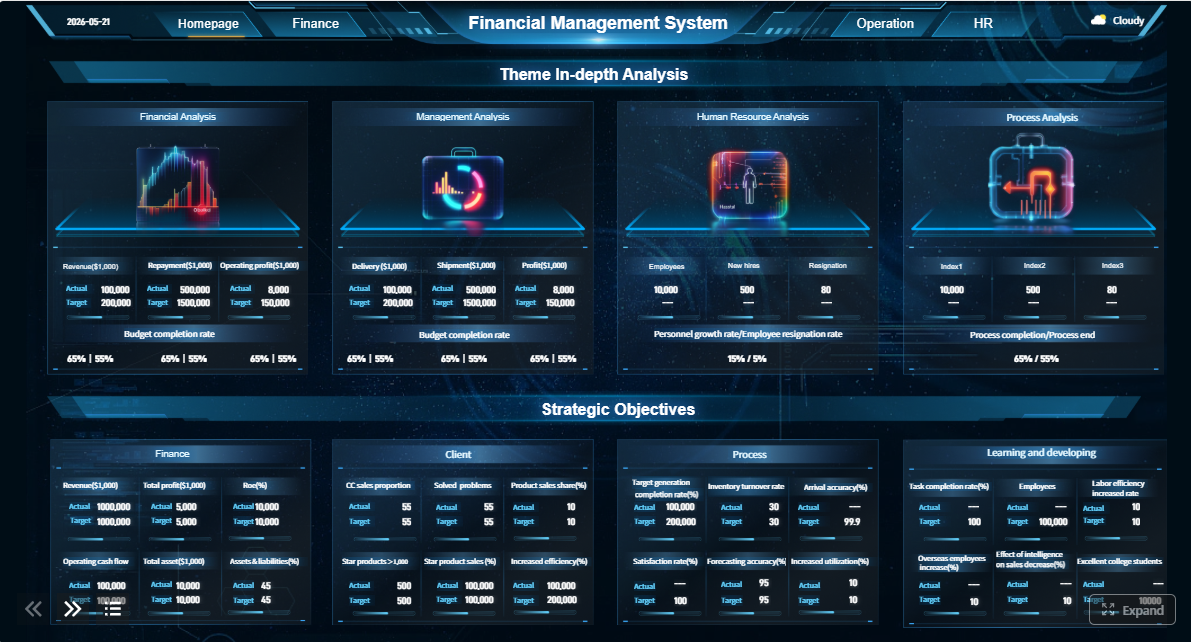
4. Build a dashboard that links speed, accuracy, and control
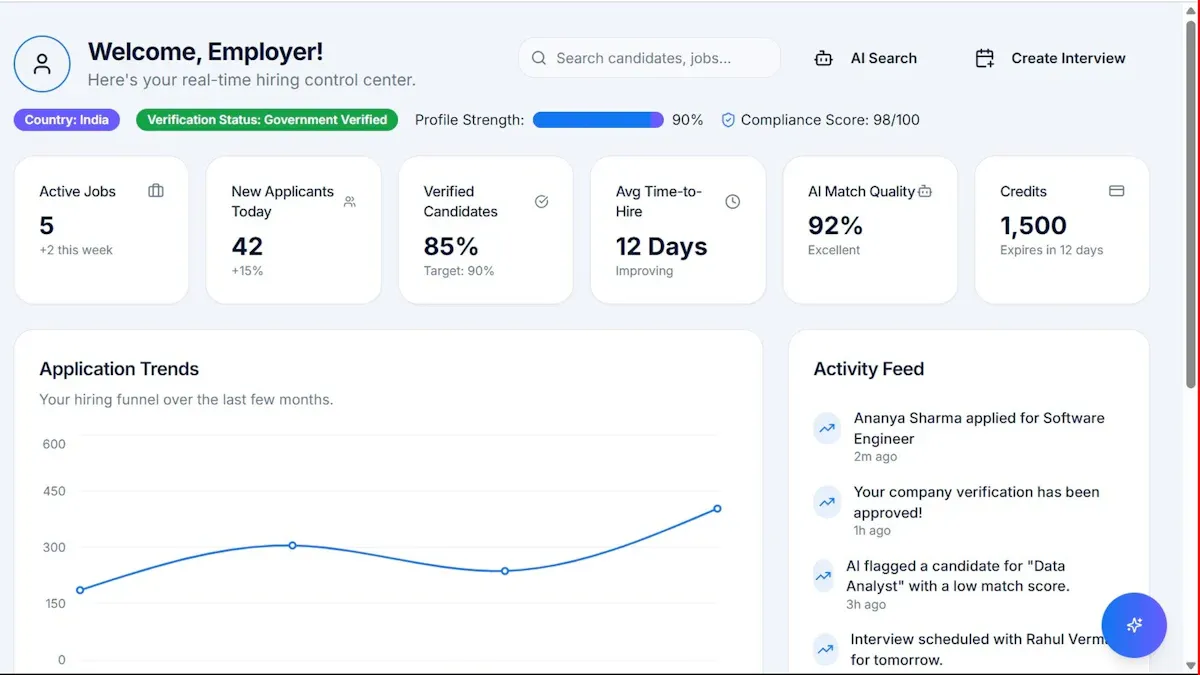
A useful R2R dashboard should not only show task completion. It should connect operational progress with financial risk and reporting quality.
Building a Better Record to Report Accounting Process With FineReport
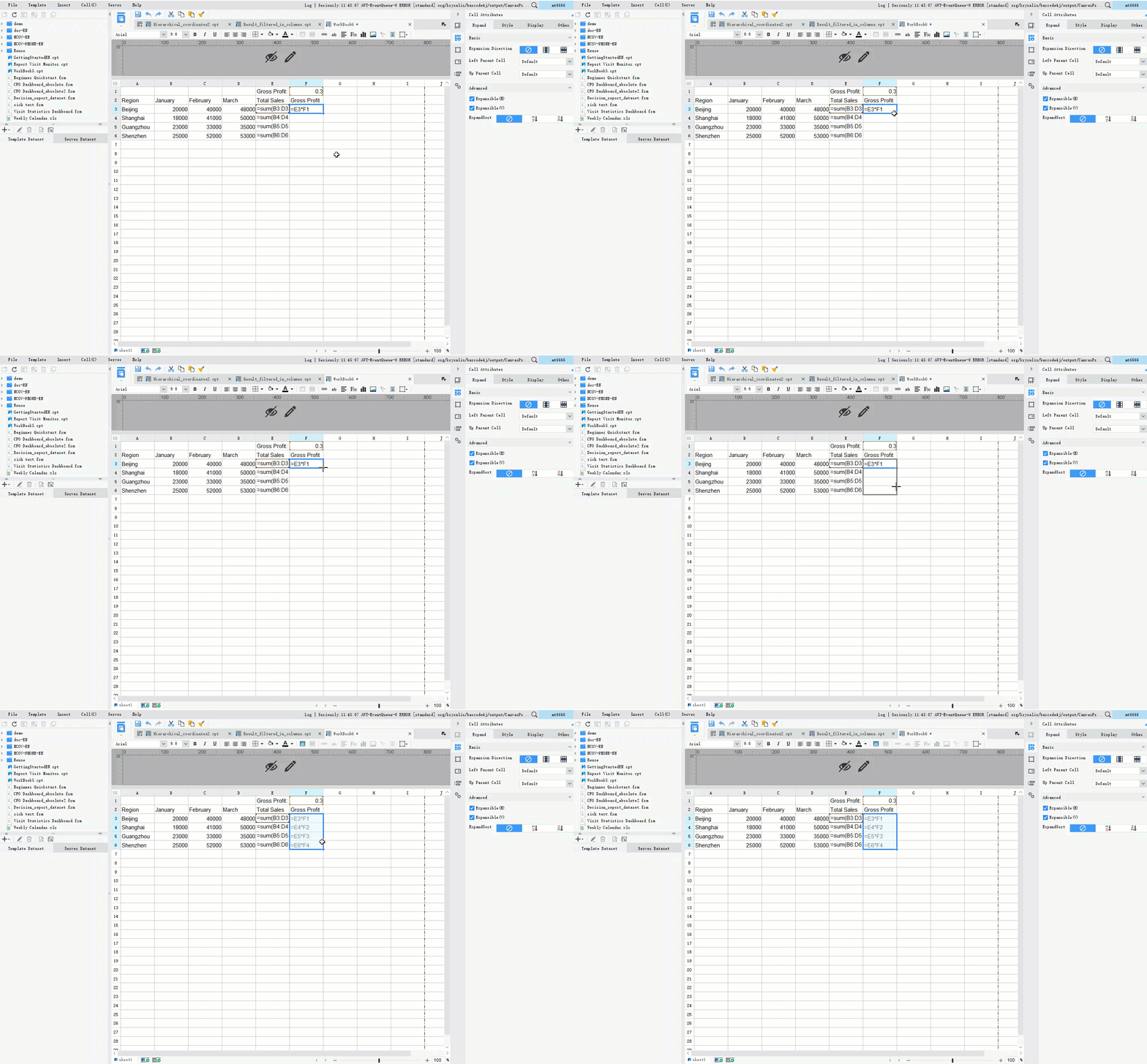
Building this manually is complex; use FineReport to utilize ready-made templates and automate this entire workflow. That is especially true when your finance team operates across multiple entities, systems, and reporting deadlines. Manual trackers, spreadsheet reconciliations, and email-based approvals may work temporarily, but they do not scale well and they rarely provide the control visibility enterprise finance leaders need.
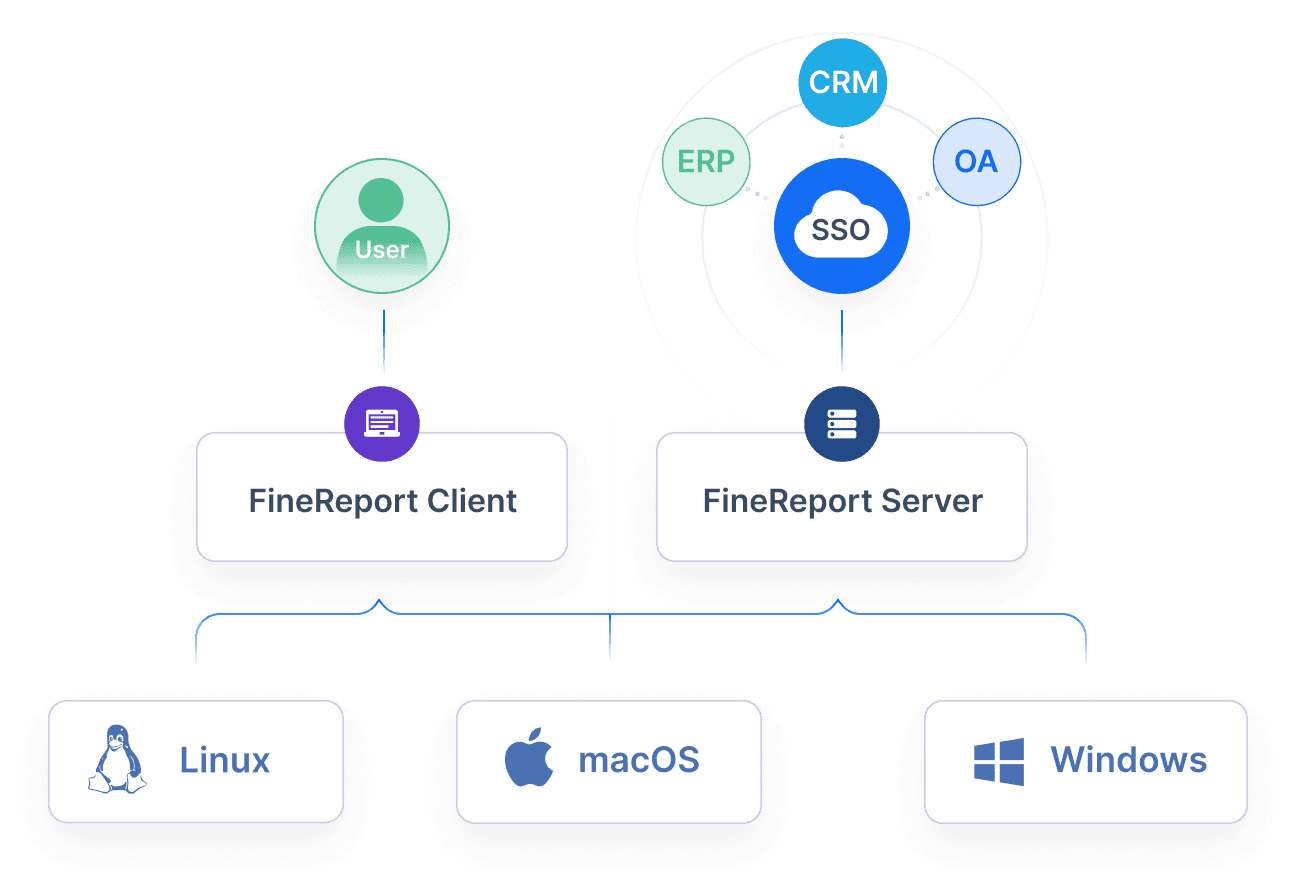
FineReport helps finance teams turn record to report accounting into a structured, transparent, and data-driven process. Instead of stitching together status updates from different owners, you can centralize close monitoring, KPI tracking, reconciliation reporting, and management dashboards in one reporting environment.
Building R2R KPI dashboards for days to close, exception rates, and reconciliation completion
Creating entity-level and group-level close views for controllers and finance leadership
Monitoring journal workflow performance and approval bottlenecks
Visualizing intercompany mismatches, aged items, and unresolved exceptions
Producing management reporting packs with consistent formatting and drill-down capability
Improving auditability through standardized reports and traceable data presentation
For enterprise teams, the biggest win is visibility. When stakeholders can see close progress, control breakdowns, and KPI trends in real time, they can act earlier and reduce reporting risk before period-end pressure peaks.
If your current record to report accounting process depends on manual consolidation, disconnected spreadsheets, or late-stage issue detection, this is the right time to modernize the workflow.
Record to report is the end-to-end finance process that turns transaction data into accurate financial statements and management reports. It includes collecting data, reconciling accounts, posting adjustments, and closing the books.
The R2R process typically includes capturing and validating financial data, reconciling accounts, posting period-end adjustments, and completing reporting for the close. Each step helps improve accuracy, control, and reporting speed.
Procure to pay and order to cash create and process business transactions, while record to report consolidates those outputs into the general ledger and final reporting. In short, R2R is the control and reporting layer of finance.
Reconciliations help verify that account balances are complete, accurate, and supported before reports are issued. They also help detect errors, duplicates, misclassifications, and unresolved items early in the close cycle.
Common R2R KPIs include days to close, reconciliation completion rate, journal entry volume, on-time close task completion, and the number of unresolved exceptions. These metrics help finance teams measure efficiency, control, and reporting reliability.
Product Trial
FineReport
Pixel-perfect reports · Interactive dashboards · Easy data entry · Digital twins