If you are comparing regulatory reporting software, you are probably not just looking for a tool that helps you submit filings on time. You are trying to reduce reporting risk, improve audit readiness, handle growing reporting complexity across entities or geographies, and remove manual effort from recurring compliance workflows.
For enterprise teams in compliance, risk, finance, operations, and IT, the real challenge is not simply checking whether a platform supports a form or template. It is whether the software can support the full reporting lifecycle: collecting data from multiple systems, validating it, routing it through controlled workflows, documenting evidence, and producing reliable outputs under tight deadlines.
That is why a smart regulatory reporting software evaluation should go beyond feature lists and vendor rankings. It should focus on control, traceability, scalability, and operational fit.
Strong for multi-department reporting environments
Ease of use
Depends on regulatory complexity and configuration model
Depends on breadth of modules
Often suited to teams needing both self-service views and centralized report design
Recommended users
Financial institutions, regulated enterprises, specialist compliance teams
GRC, legal, risk, policy, and audit teams
Finance, operations, IT, management reporting, and teams needing structured reporting control
This table is not a ranking. It is a reminder that different products solve different problems. Some are strongest in filing-specific compliance workflows. Others are built for broader governance. Others, such as FineReport, become relevant when enterprises need controlled, repeatable, and highly formatted reporting across business operations.
What a smart regulatory reporting software comparison should cover
A useful comparison starts with the business problem, not the product demo.
Define the business problem first: filing accuracy, audit readiness, cross-border reporting, and operational efficiency
Many software evaluations fail because teams start by asking, “Does the platform support this regulation?” That matters, but it is only one part of the decision.
A better starting point is to define the outcomes your business needs:
Filing accuracy: Can you trust the numbers, calculations, and narrative content?
Audit readiness: Can internal auditors, regulators, and reviewers trace where the data came from and who approved it?
Cross-border reporting: Can the software support multiple entities, jurisdictions, and reporting timetables?
Operational efficiency: Can the platform reduce recurring manual work rather than simply digitizing it?
When these goals are clear, the comparison becomes more practical.
Distinguish checklist compliance from enterprise-grade capabilities such as controls, data lineage, and workflow governance
A checklist can tell you whether a product has templates, alerts, or role permissions. It does not tell you whether the system can hold up under enterprise reporting pressure.
Enterprise-grade regulatory reporting software should be evaluated on capabilities such as:
Data controls across source systems
Validation and reconciliation support
Visible lineage from raw data to final submission
Workflow governance with approvals and evidence capture
Repeatability across entities and reporting cycles
Flexibility when reporting rules change
That is the difference between software that helps with a task and software that supports a controlled reporting operating model.
Clarify who will use the platform across compliance, risk, finance, operations, and IT teams
Risk teams for controls, exposure, and exception analysis
Finance teams for reconciliations and formal reporting outputs
Operations teams for source data and process execution
IT and data teams for integration, access control, and architecture
If a platform works for one team but creates friction for the rest, implementation value drops quickly.
Set evaluation criteria tied to business outcomes, not just feature counts
A strong scorecard should connect requirements to measurable outcomes. For example:
Faster close of monthly or quarterly reporting cycles
Fewer manual reconciliation steps
Stronger audit trail coverage
Lower dependency on email and spreadsheet-based approvals
Better resilience when obligations expand or change
This approach prevents teams from overvaluing long feature lists while missing the software’s operational reality.
8 factors enterprises should evaluate beyond compliance checklists
Data integration, quality, and lineage
Data quality problems are one of the biggest reasons regulatory reports become late, inconsistent, or difficult to defend.
When comparing software, assess how well the platform connects to:
ERP systems
Core banking or policy administration systems
Data warehouses and lakes
Spreadsheets still used in controlled processes
Third-party regulatory, risk, or operational sources
Look beyond connectivity claims. Ask how the platform handles:
Validation rules
Reconciliation checks
Duplicate or incomplete records
Exception handling
Traceability from source data to submitted report
For audit and internal review purposes, visible data lineage matters. Reviewers should be able to understand where a figure came from, what transformations occurred, and who approved the final version.
Not every product covers the same reporting obligations, geographies, or filing styles.
You should compare:
Supported jurisdictions
Regulator-specific formats
Standard templates and required customization
Multi-entity reporting support
Volume handling for growing reporting demands
The key question is not only whether the software meets current obligations. It is whether your team can adapt workflows when the business expands, entities are added, or regulators require new data points.
Scalability also includes people and process scalability. A platform that depends heavily on consultants or scarce technical specialists may become difficult to sustain over time.
Workflow automation, controls, and exception management
Strong regulatory reporting software should reduce manual coordination, not just centralize documents.
Evaluate workflow features such as:
Approval routing
Role-based access
Escalation paths
Filing calendars and due date tracking
Evidence capture
Version management
Exception review and remediation workflows
Late filings and data anomalies usually expose process weaknesses, not just software gaps. The right platform should help identify exceptions early, route them to the right users, and preserve the history of decisions made.
For enterprise teams, this is often where software value becomes visible: fewer email chains, fewer manual reminders, and better accountability across the reporting cycle.
Regulatory change readiness and vendor support
Regulations evolve. Reporting software that fits today may become difficult to manage if updates are slow or unclear.
Ask vendors:
How they monitor regulatory changes
How updates are interpreted and delivered into the product
Whether changes are configuration-driven or require custom development
How release management is handled
What support model is available for regulated industries
Vendor quality matters as much as product design. Implementation services, onboarding, training, and support responsiveness can materially affect time to value and long-term operating risk.
A vendor with a clear product roadmap and disciplined update practices is usually easier to work with in regulated environments.
How to compare leading options without getting distracted by rankings
Use market lists as inputs, not conclusions
Online lists of “best regulatory reporting software” can be useful for discovery, but they are not a substitute for evaluation.
Use them to identify categories of vendors, such as:
A product can appear on many lists and still be a weak fit for your reporting environment.
Separate broad compliance tools from reporting-specific platforms
This distinction is important. Some tools are strongest in:
Compliance management
Policy governance
Regulatory change tracking
Risk and control monitoring
Others are stronger in:
Structured report production
Filing workflows
Governed reporting output
High-volume recurring reporting cycles
For example, some platforms are designed primarily for banking regulatory reporting and linked data workflows. Others are broader compliance hubs. And some enterprise reporting platforms are especially useful when organizations need highly formatted reports, scheduled report distribution, parameter-driven queries, dashboards, and workflow-linked reporting.
That is why software should be grouped by use case before it is ranked.
Build a weighted scorecard for side-by-side comparison
A weighted scorecard is one of the best ways to compare vendors fairly.
Questions to ask vendors before shortlisting or buying
Product and implementation questions
Before shortlisting a vendor, ask practical questions that reveal implementation reality:
What reporting obligations are supported out of the box, and what requires customization?
How are templates updated when regulations change?
How long does implementation typically take for enterprises with multiple legal entities and regions?
What internal resources are required from compliance, IT, and data teams?
How are integrations with source systems handled?
What level of report design or workflow configuration can business users manage themselves?
These questions help distinguish polished demos from durable operating fit.
Risk, security, and operating model questions
Risk and control questions are equally important:
How are audit trails maintained?
How are access controls and role permissions configured?
How are retention policies and evidence management handled?
What service levels and support models are available?
How often are product updates released?
How are changes tested and communicated?
How does the vendor help reduce reporting risk without making workflows too rigid?
The goal is to understand whether the product can improve control while still letting the business respond to change.
How enterprises can make the final decision
A final decision should reflect operational fit, not brand recognition alone.
Start by shortlisting vendors that align with your reporting model, industry complexity, and governance needs. Then validate claims through:
Live demos based on your scenarios
Sample workflows using your approval structure
Data lineage walkthroughs
Exception handling demonstrations
Customer references relevant to your operating model
Limited proof-of-concept testing
The strongest choice is usually the platform that improves control, speed, and resilience across the reporting lifecycle, not the one with the broadest marketing message.
Practical recommendations for evaluating regulatory reporting software
Here are five practical recommendations from an enterprise reporting and governance perspective:
Map your reporting lifecycle before evaluating software.
Document data sources, validation points, approvals, evidence requirements, and final outputs. This prevents vendors from solving only the visible part of the process.
Test for auditability, not just usability.
Ask vendors to show lineage, version history, approvals, and exception resolution. In regulated environments, these often matter more than interface polish.
Separate dashboards from governed reporting.
A dashboard can help monitor filing status or risk exposure, but many regulatory workflows still require structured, printable, or paginated outputs with tight control.
Score change readiness explicitly.
Evaluate how easily the platform can adapt to new entities, new jurisdictions, revised templates, and new approval paths without excessive rework.
Include IT, compliance, and business users in the same evaluation.
A platform that satisfies only one stakeholder group can create downstream friction in deployment, support, and adoption.
When enterprise reporting requirements go beyond compliance software alone
Many organizations evaluating regulatory reporting software eventually discover that they also need something else: a reliable enterprise reporting layer for recurring internal and external reporting workflows.
Broad compliance platforms can be useful for obligations, controls, and governance. Specialist regulatory reporting platforms can be a strong fit for filing-heavy environments. But some enterprises also need:
Highly formatted reports for internal review packs or regulator-ready outputs
Parameterized reports for entity, region, period, or business-line queries
Scheduled distribution to stakeholders
Integrated dashboards plus detailed tabular reports
Operational data entry forms connected to reporting workflows
Centralized report governance across departments
This is where a dedicated enterprise reporting platform can complement or strengthen the reporting process.
Where FineReport fits
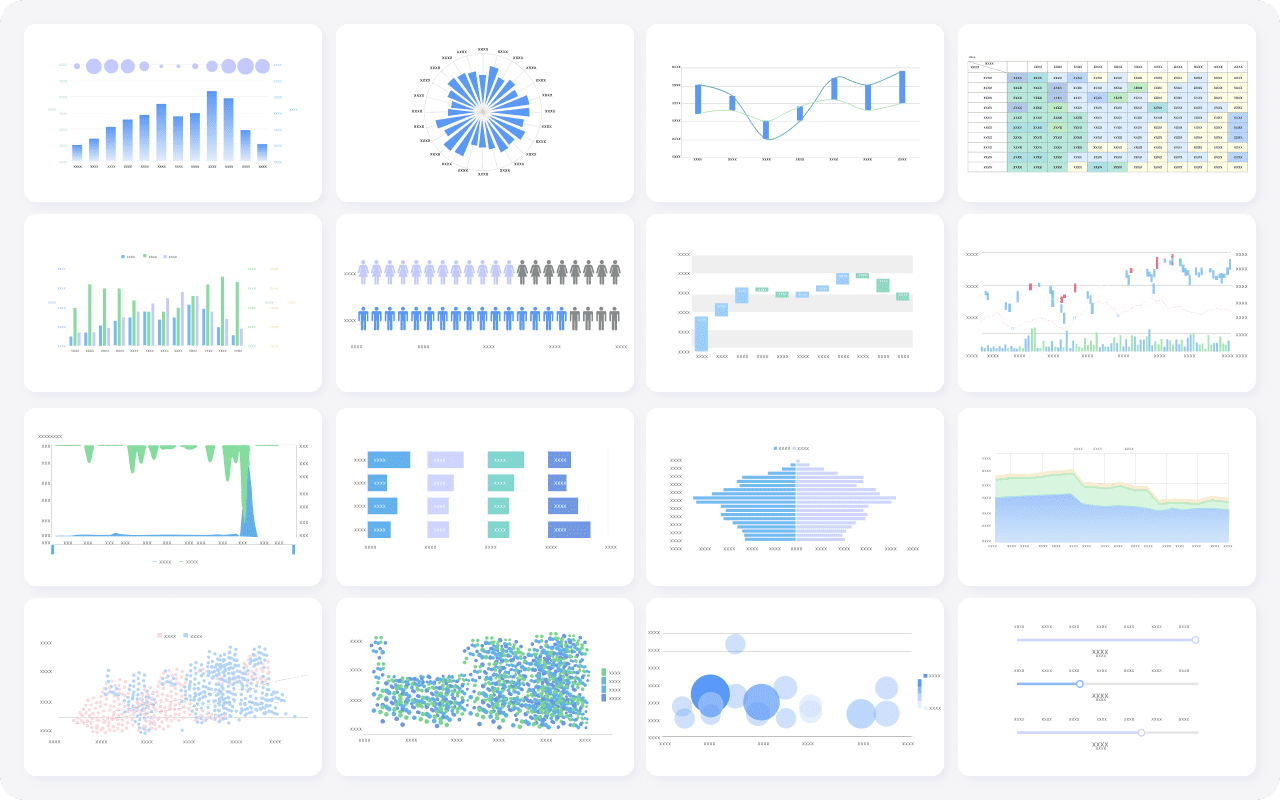
FineReport is not simply a compliance checklist tool. It is an enterprise reporting platform that is particularly relevant when teams need controlled, repeatable, and highly formatted reporting workflows across finance, operations, management, and regulated reporting scenarios.
FineReport is especially useful for organizations that need:
Data entry and form-based workflows in operational processes
Governed enterprise deployment across departments
In practice, that can matter when compliance and reporting teams need to combine oversight dashboards with formal tabular reports, or when internal regulatory preparation depends on structured multi-step reporting workflows.
Get Ready-to-Use Dashboard and Report Templates in Fine Gallery
Tools focused on BI visualization or compliance program management may serve part of the need. But teams with complex reporting workflows may also need a platform like FineReport to handle the reporting layer itself, especially when layout control, scheduled delivery, parameterized reporting, and workflow-linked forms are important.
That does not replace every specialist regulatory reporting product. Instead, it reflects a practical reality: enterprises often need both governance and reporting execution capabilities working together.
How to choose the right platform for your organization
To make the right decision, align the software category to the problem:
If your priority is regulator-specific coverage in a highly specialized domain, start with specialist regulatory reporting vendors.
If your priority is broad compliance governance, obligations management, and policy workflows, evaluate GRC-oriented platforms.
If your priority includes structured enterprise reporting, printable outputs, recurring scheduled reports, dashboard-and-report integration, and controlled internal reporting workflows, then a reporting platform like FineReport should be part of the evaluation.
The best choice is the one that fits your operating model and reduces long-term reporting friction.
Final takeaway
A strong regulatory reporting software comparison should go beyond compliance checklists and top-vendor lists. Enterprises need to assess whether a platform can support data quality, lineage, workflow control, reporting flexibility, and organizational scale under real reporting pressure.
That means evaluating:
Integration and traceability
Workflow governance and exception handling
Regulatory change readiness
Implementation effort
Reporting flexibility for current and future needs
And for many organizations, it also means recognizing that compliance management and enterprise reporting are not always the same thing.
If your team needs governed, high-quality, and highly formatted reporting in addition to compliance workflows, FineReport is worth considering as part of that architecture.
Regulatory reporting software helps organizations collect, validate, route, and produce required reports for regulators. It is used to reduce manual work, improve accuracy, and support controlled submission workflows.
Look beyond templates and filing support to assess data lineage, audit trails, workflow controls, scalability, and integration with source systems. The best choice should fit your reporting process, governance model, and operating complexity.
Key capabilities include data integration, validation rules, approval workflows, version control, evidence capture, and traceability from source data to final output. Enterprises should also evaluate report formatting, scheduling, and multi-entity support.
It improves audit readiness by preserving who changed data, when it changed, and how reports were reviewed and approved. This creates a clearer record for internal auditors, regulators, and compliance stakeholders.
FineReport can be a strong fit when teams need governed, highly formatted, and repeatable reporting workflows across departments. It is especially useful for structured reporting, dashboards, scheduled distribution, and printable outputs.
Product Trial
FineReport
Pixel-perfect reports · Interactive dashboards · Easy data entry · Digital twins